








































































































































































































































































































































































































































































































































































































































Despite Austerity Claims, Federal Government’s Operational Expenses Surge by 14%


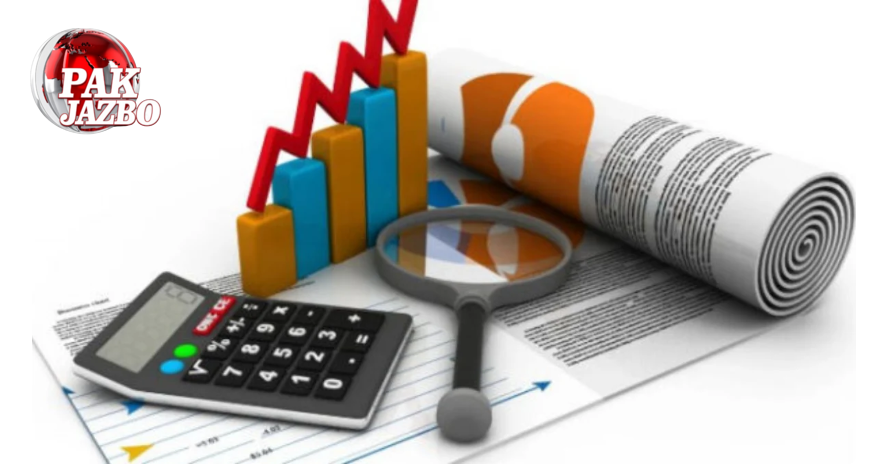
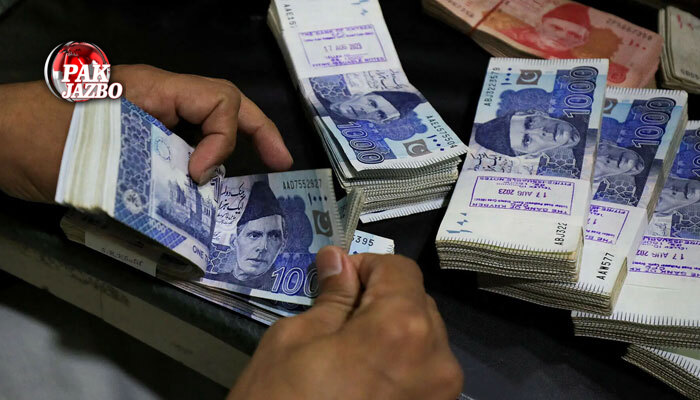
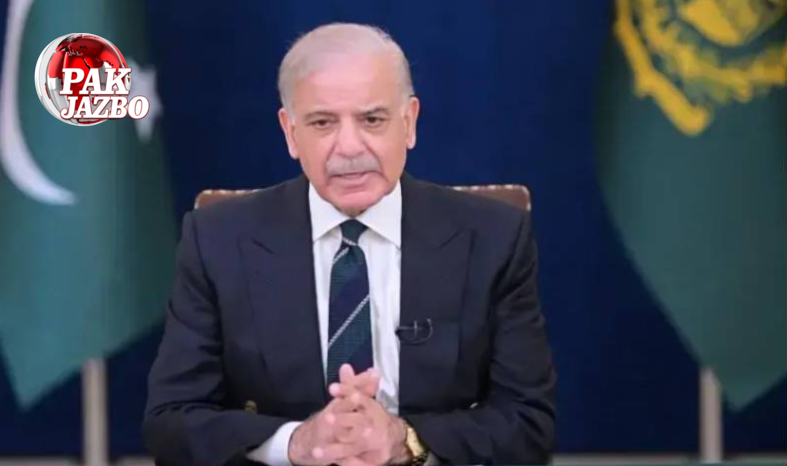
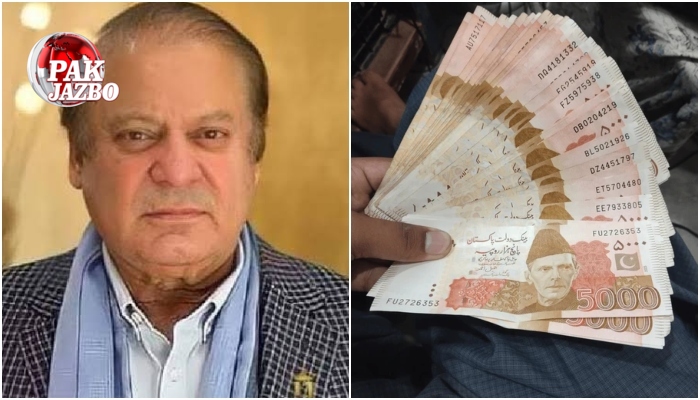
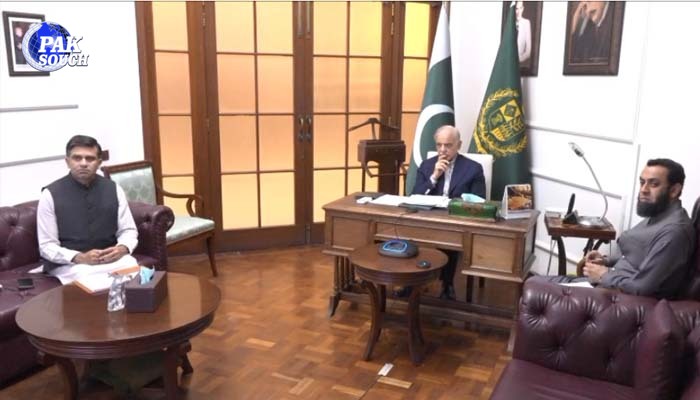
In a striking contradiction to its consistent pledges of austerity and cost-cutting reforms, the federal government of Pakistan has seen a substantial rise in its operational expenditures. Recent data reveals that the cost of running the federal government increased by nearly 14% during the last fiscal year, highlighting a significant gap between policy claims and actual fiscal outcomes.
This upward trend in spending casts doubt over the effectiveness of the much-publicized austerity measures undertaken by the administration. It raises concerns about the country’s fiscal discipline at a time when the economy is already under immense pressure due to rising debt, inflation, and a widening budget deficit.
Unexpected Increase in Government Running Costs
According to official sources, the overall cost of managing federal government affairs—including the daily operational expenses of ministries, divisions, and subordinate departments—has surpassed both the initially set target and the revised estimates for the 2023-24 fiscal year. This escalation comes despite repeated assurances from government officials that expenses would be curbed in light of the country’s fragile economic condition.
Data shows that the federal government’s total operational spending surged by Rs. 108 billion, rising from Rs. 784 billion in 2023 to a staggering Rs. 892 billion in 2024. This sharp increase not only defies earlier projections but also contradicts the government’s ongoing narrative of fiscal prudence and streamlined governance.
Breakdown of the Rising Costs
The significant hike in expenditure has been attributed to various components of the federal administrative structure. These include:
- Salaries and allowances of federal employees across ministries and departments
- Administrative costs such as utilities, maintenance, official transport, and procurement
- Operational spending required for the functioning of federal institutions and constitutional bodies
- Unforeseen expenses arising from political developments, diplomatic activities, or emergency requirements
The figures highlight that even routine expenses—once thought to be within manageable limits—have ballooned, putting additional strain on the already stretched federal budget.
Austerity Measures: Largely Symbolic?
Over the past two years, the government has launched several austerity campaigns aimed at reducing public spending. These measures included:
- Banning the purchase of new vehicles for government departments
- Imposing restrictions on foreign trips of public officials
- Cutting non-essential administrative costs
- Urging public sector institutions to adopt paperless, energy-efficient practices
However, the latest figures suggest that these moves have either not been implemented uniformly or have had minimal practical impact. Critics argue that most austerity measures have been cosmetic, lacking real enforcement and accountability mechanisms.
Implications for Economic Stability
The increase in federal government expenditure has broader implications for Pakistan’s economic health. The country continues to grapple with:
- High inflation, affecting the purchasing power of the average citizen
- A growing fiscal deficit, pushing the government to borrow more
- A dependence on IMF programs, requiring strict adherence to budget targets and spending controls
International lenders and financial institutions are expected to take note of these developments, particularly when assessing Pakistan’s compliance with economic reform commitments. Rising administrative costs may weaken the country’s bargaining position in ongoing or future negotiations with global financial bodies.
The Political Dimension
The timing of this revelation is also politically significant. With general elections looming on the horizon, the government has been eager to project an image of responsibility, reform, and economic stabilization. However, the rise in federal expenditures may erode public trust, especially among citizens who are already burdened by taxes, utility rate hikes, and reduced government subsidies.
Opposition parties have begun using the data to criticize the government’s performance, accusing it of failing to deliver on its promises while living off the luxuries of public funds. Analysts suggest that if not managed carefully, this issue could become a focal point in the political discourse over the coming months.
The Need for Structural Reforms
Experts and economists are calling for deeper structural reforms to address the inefficiencies embedded in the federal administrative machinery. Suggestions include:
- Rationalizing the size of the federal government by merging or eliminating overlapping departments
- Improving accountability in budget allocation and expenditure tracking
- Digitizing operations to reduce overheads and increase transparency
- Introducing performance-based funding to ensure departments deliver measurable results
Without such reforms, merely announcing austerity plans is unlikely to yield meaningful outcomes.
Public Reaction and Outlook
The general public, already coping with economic hardship, views the increase in government spending as unjustified and unfair. Many have taken to social media and public forums to question how the government can justify rising administrative costs while urging citizens to adopt simplicity and restraint.
Looking ahead, it remains to be seen whether the government will take corrective action in response to this spending spike or continue to tread the same path. With budget planning for the next fiscal year already underway, policymakers are under pressure to rebuild public trust by demonstrating real commitment to fiscal discipline.
In conclusion, while the government’s rhetoric around austerity has been strong, the ground reality tells a different story. If Pakistan is to achieve long-term economic stability, it must move beyond symbolic measures and embark on serious administrative and financial reforms that address the root causes of inefficiency and wasteful spending.
What’s your Reaction?
+1
+1
+1
+1
+1
+1