

























































































































































































































































































































































































































































































































































































































































































































































































































































































































































































































































































































































































































fter US Trade Deal, Pakistan Secures Lowest Tariff in South Asia: Minister of State for Finance


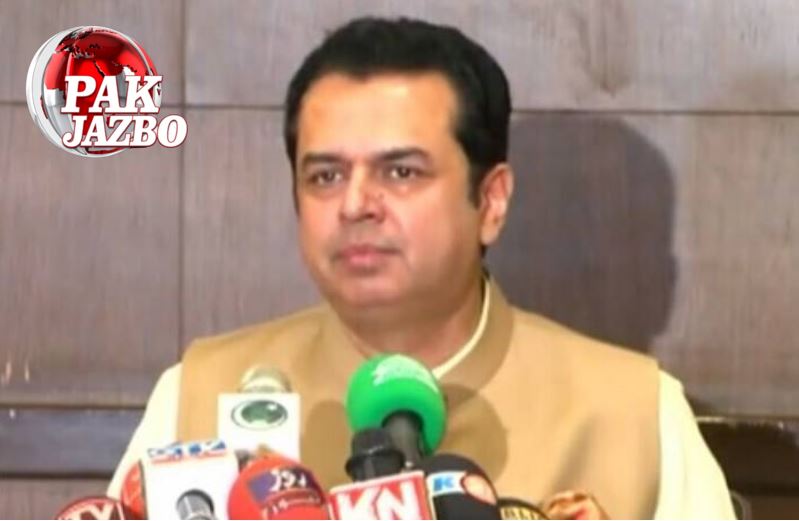
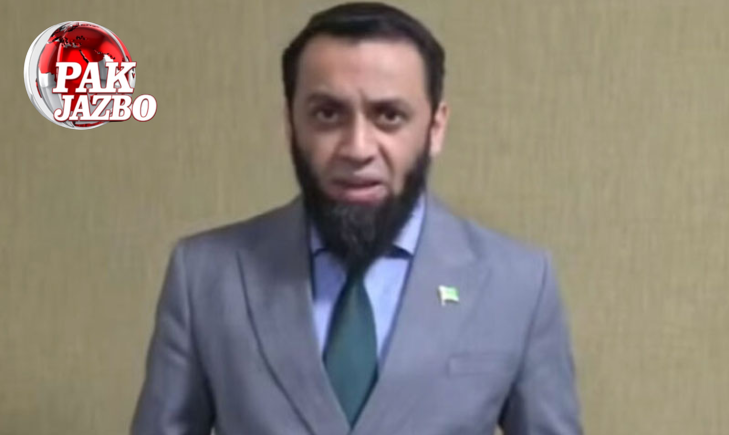
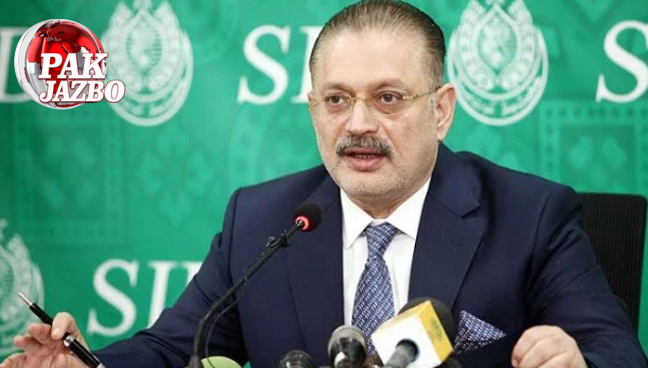
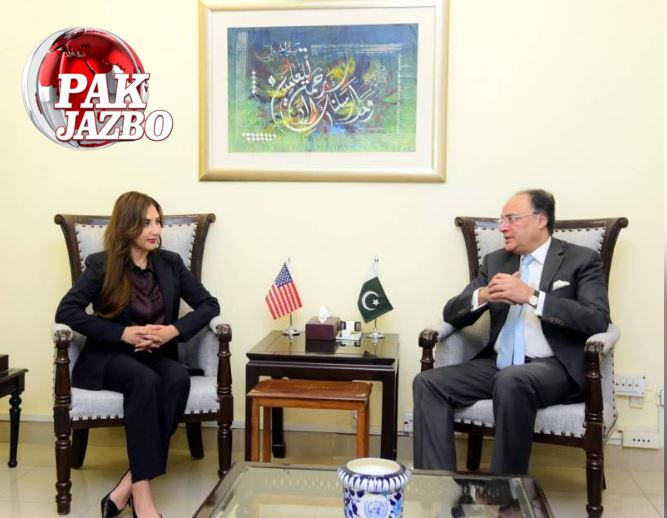
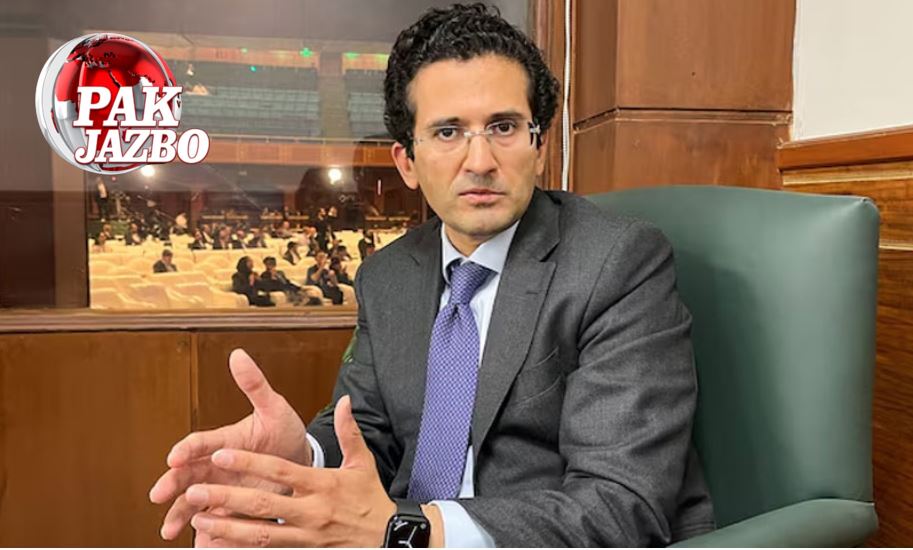
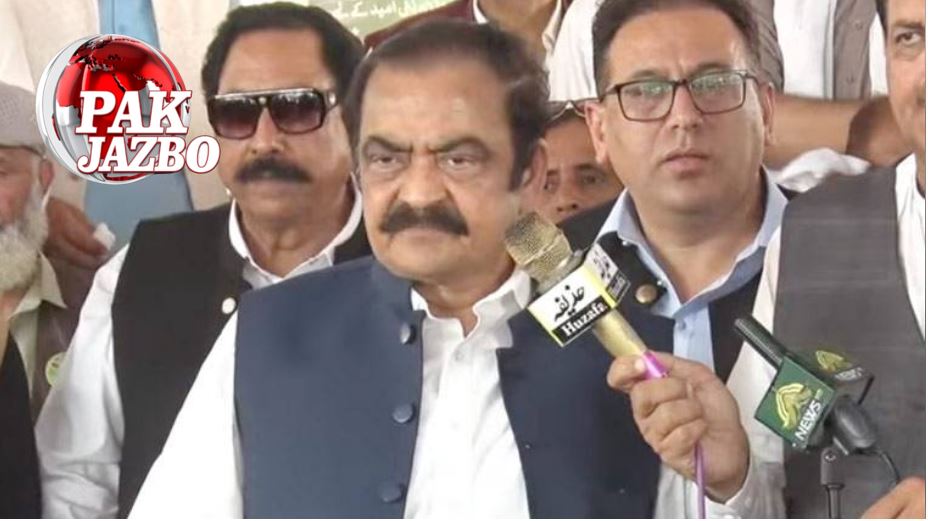
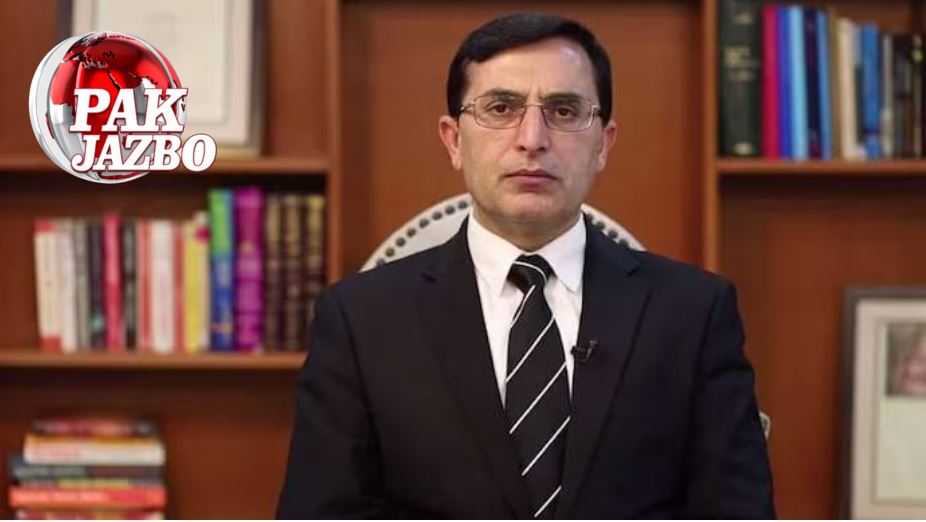
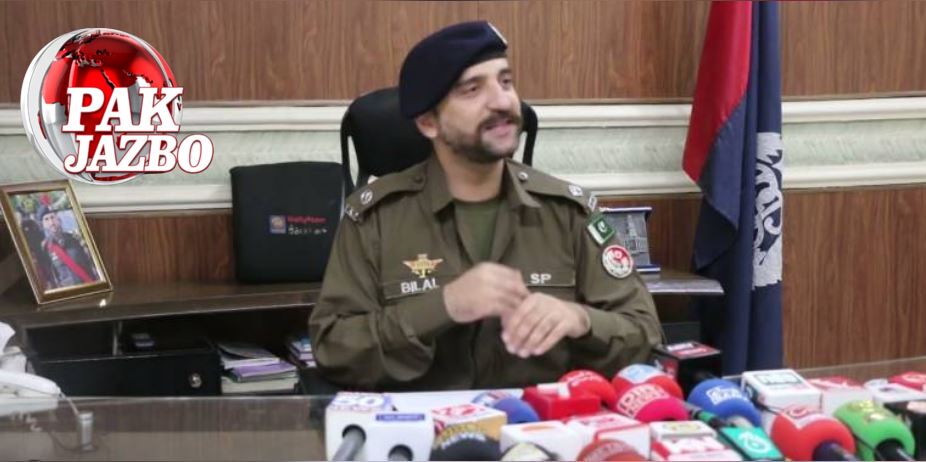
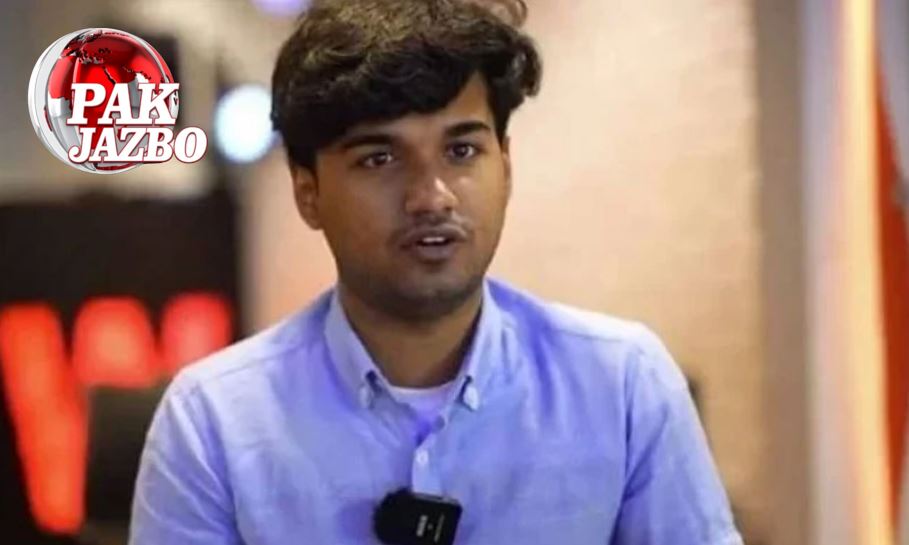
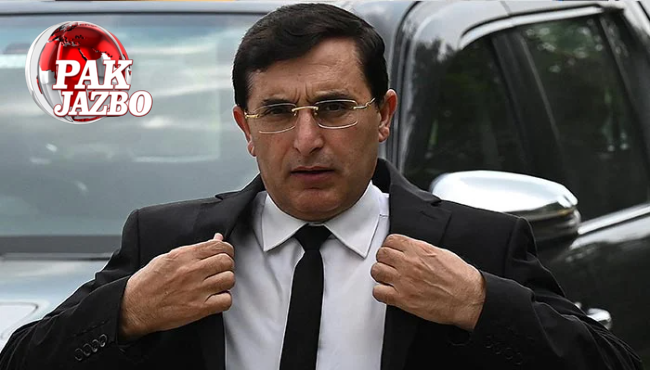
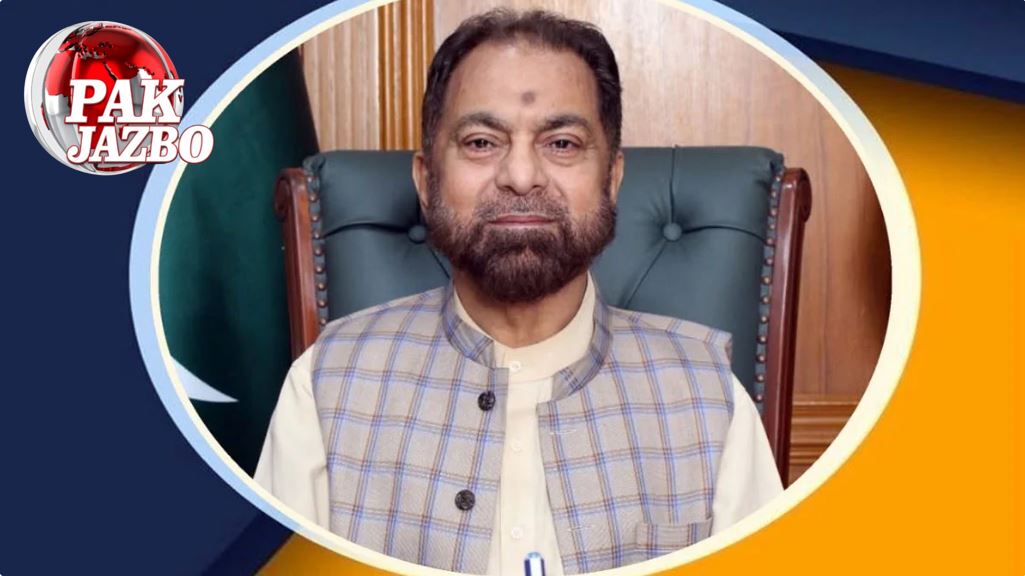
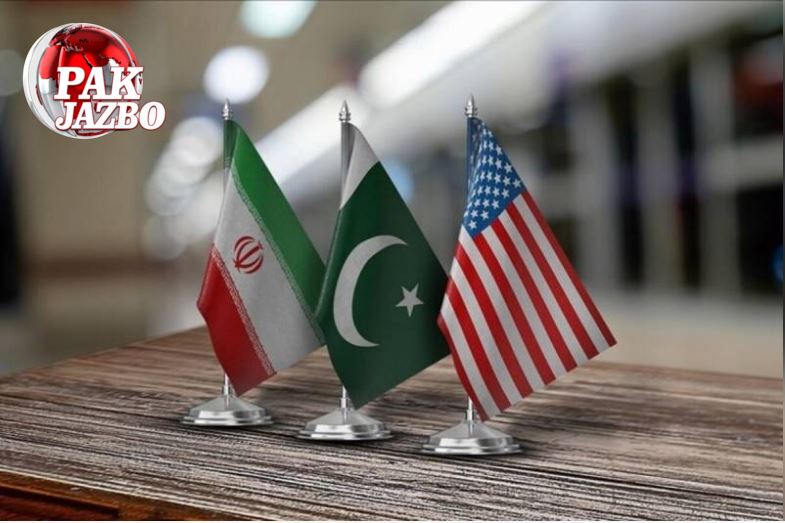
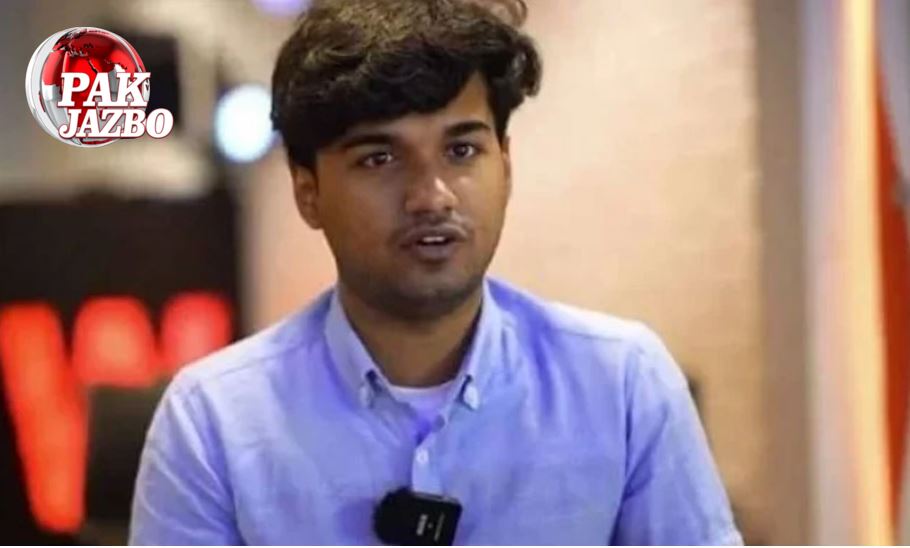
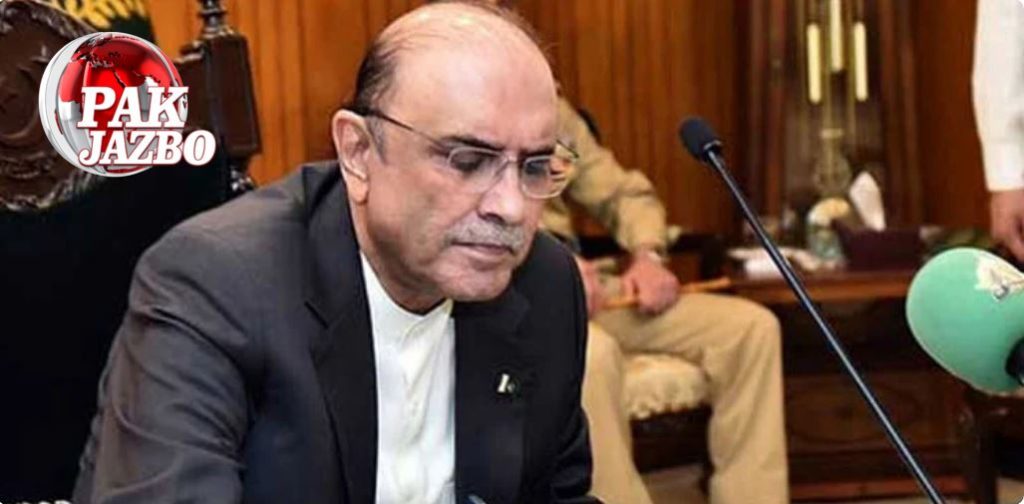
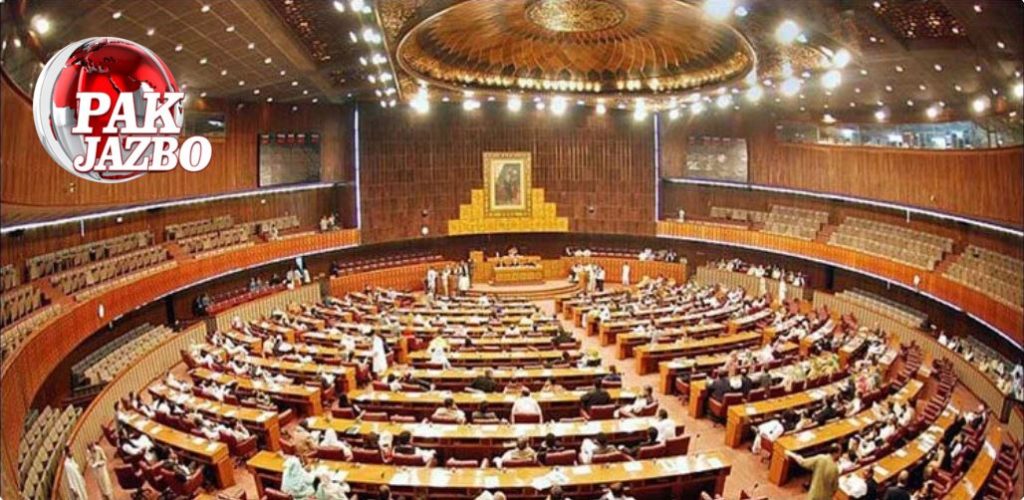
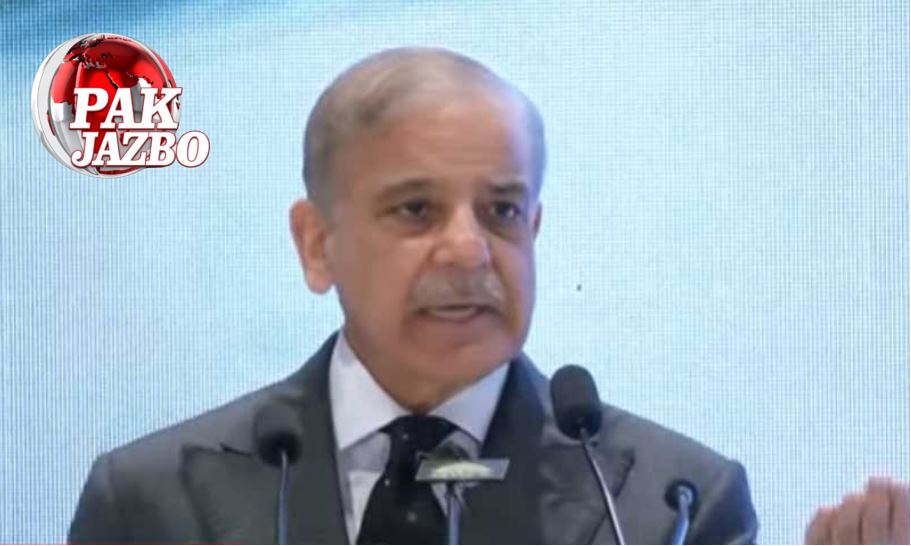
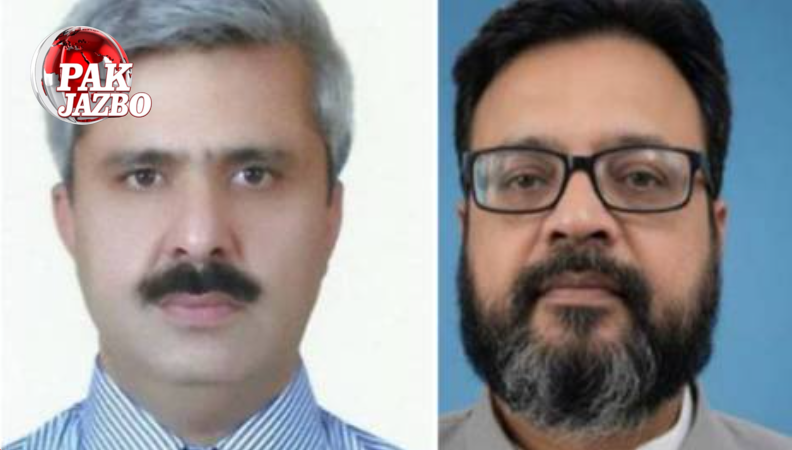
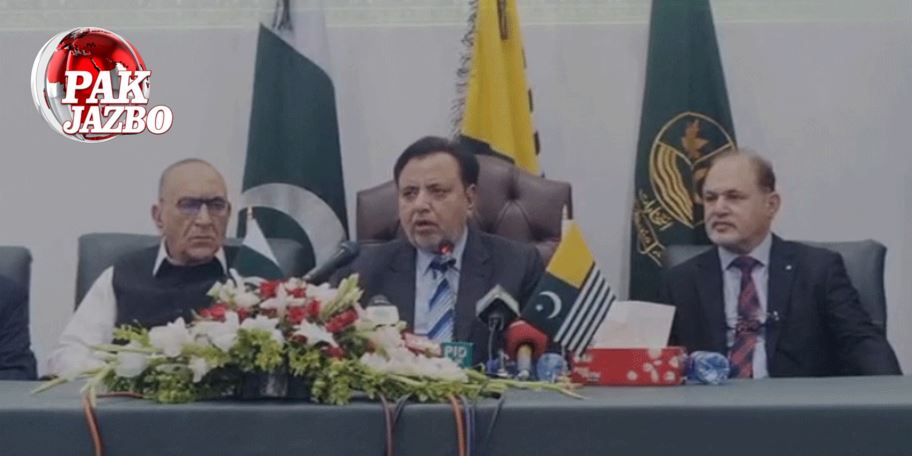
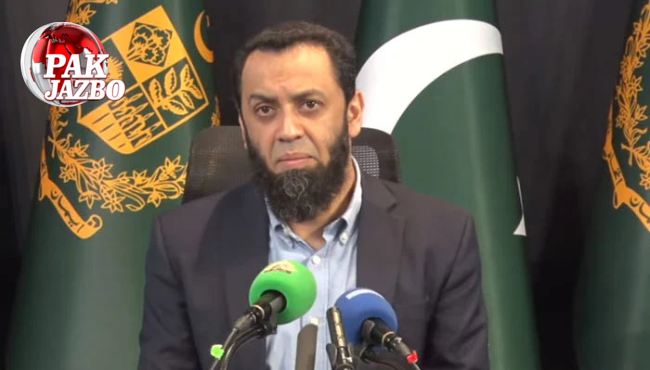
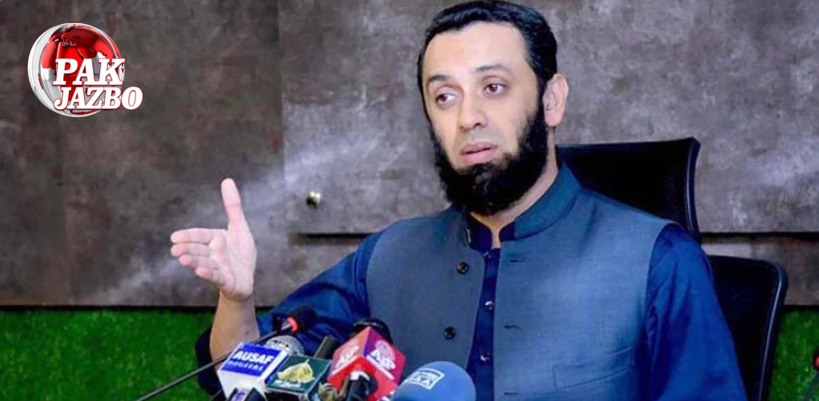
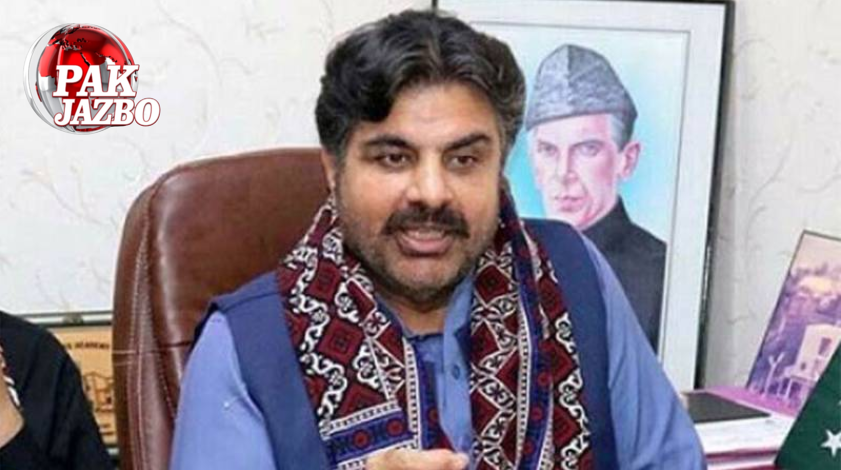
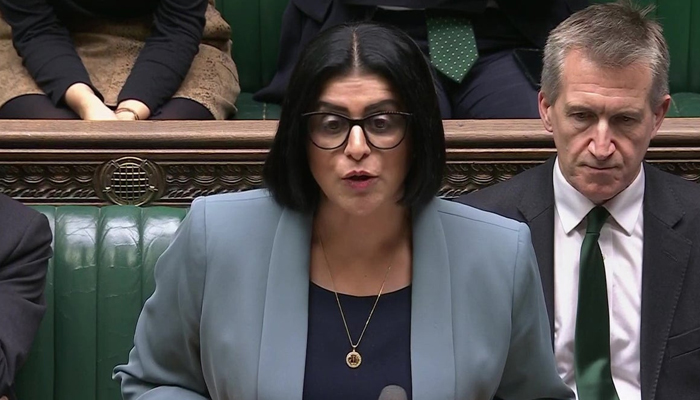
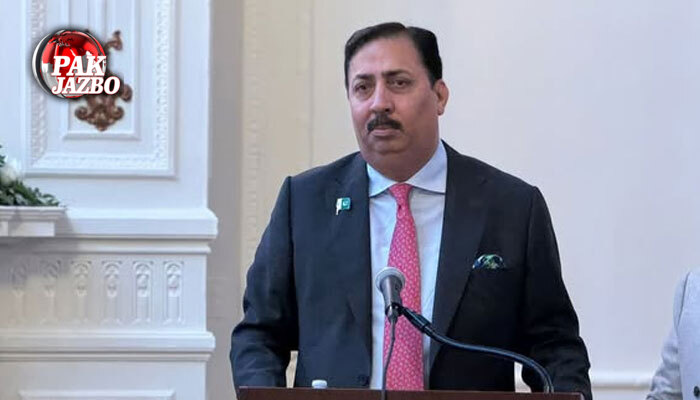
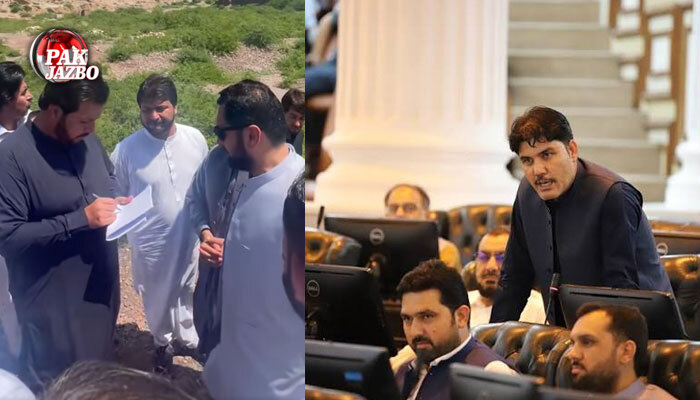
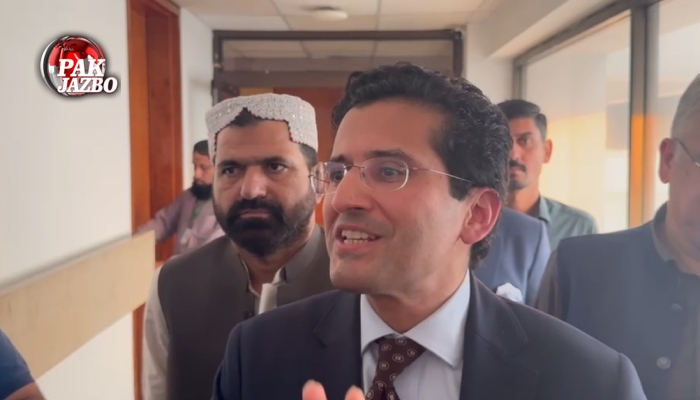
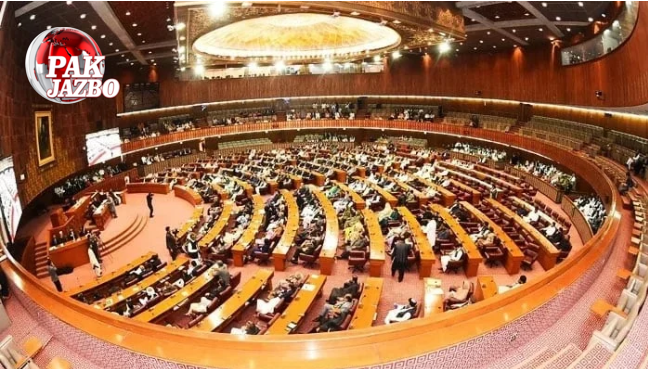
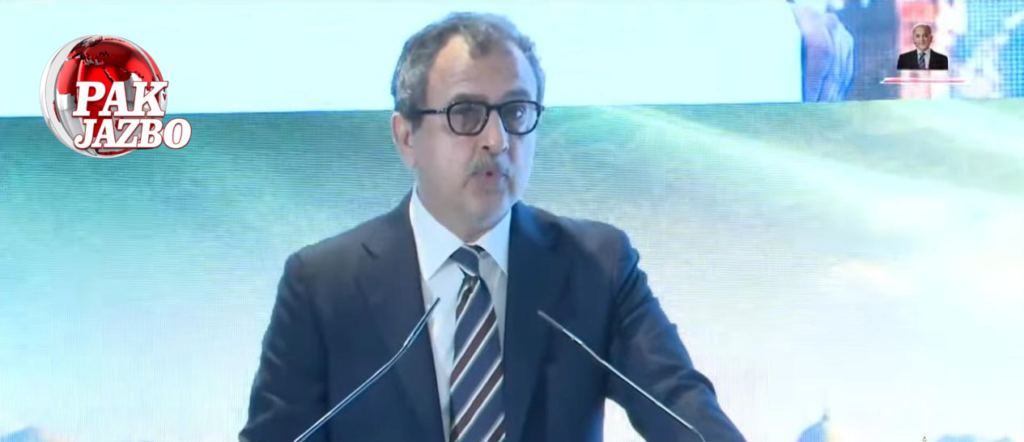
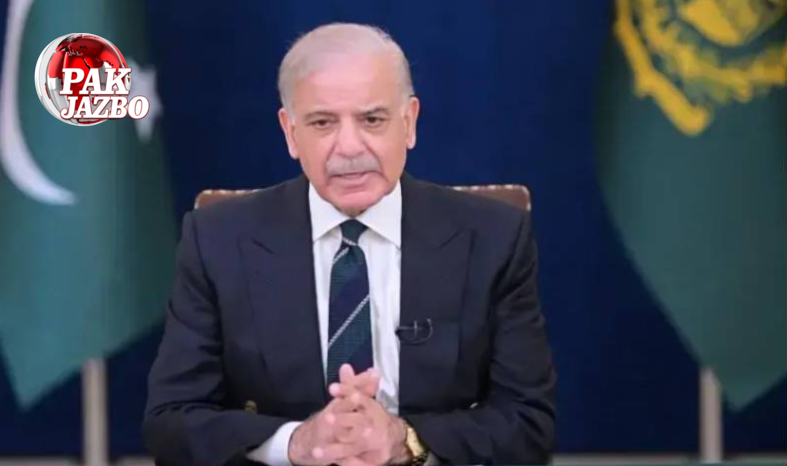
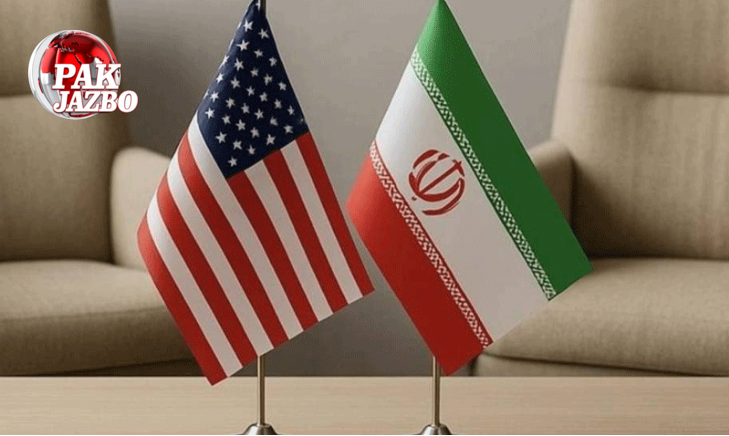
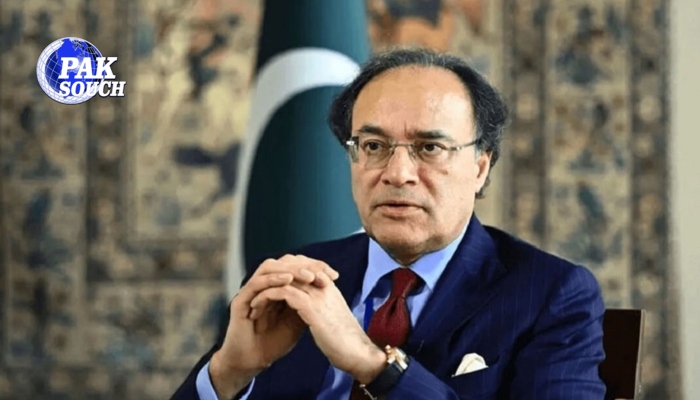
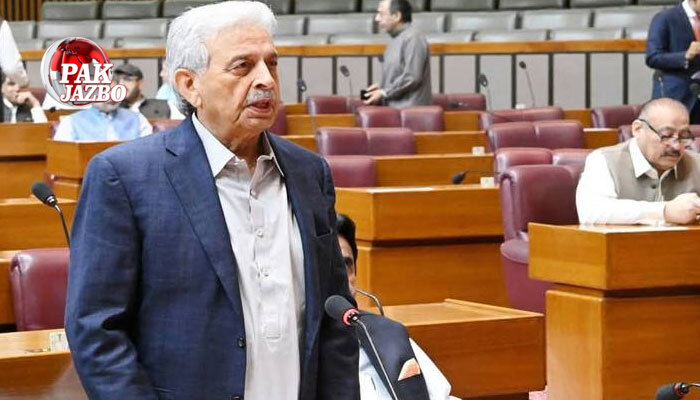
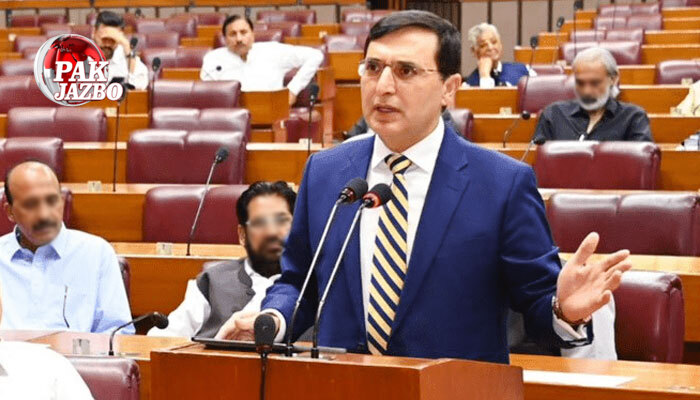
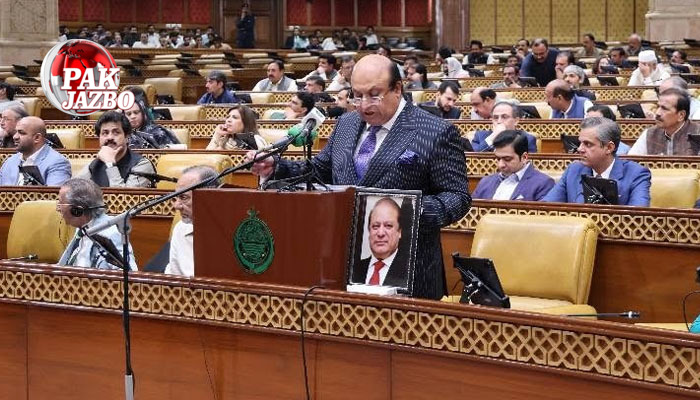
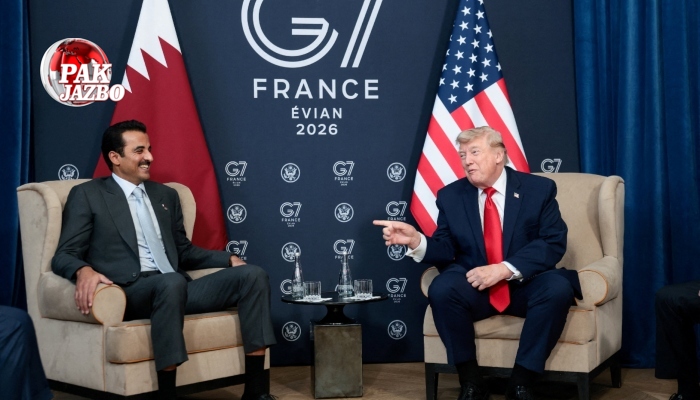
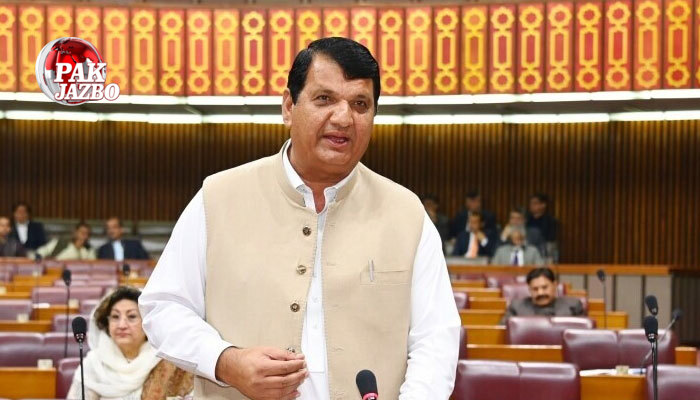
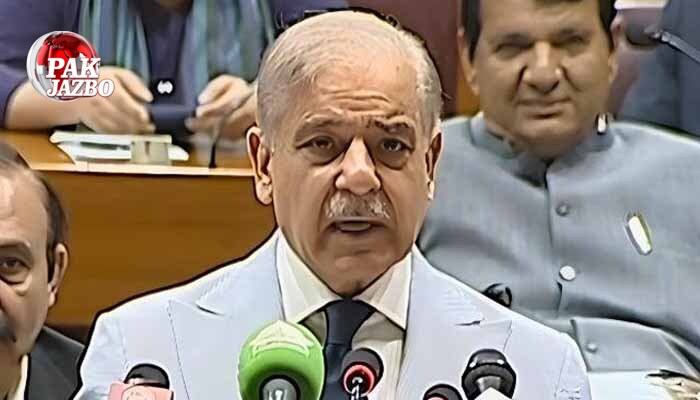
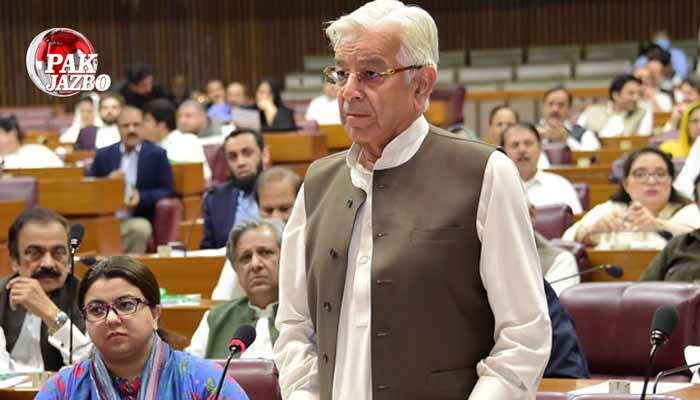
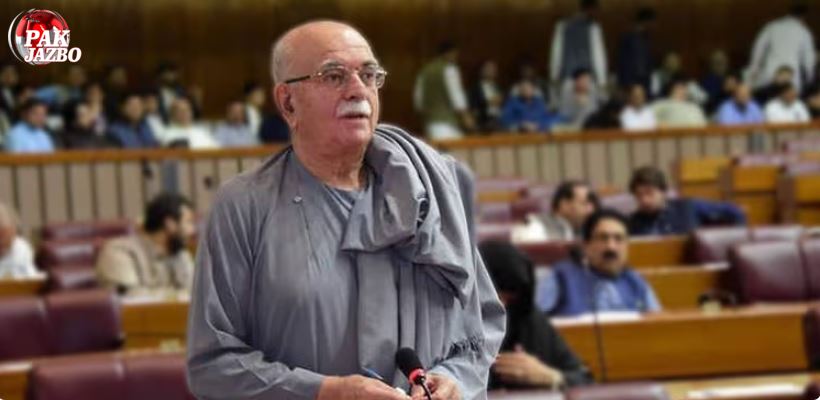
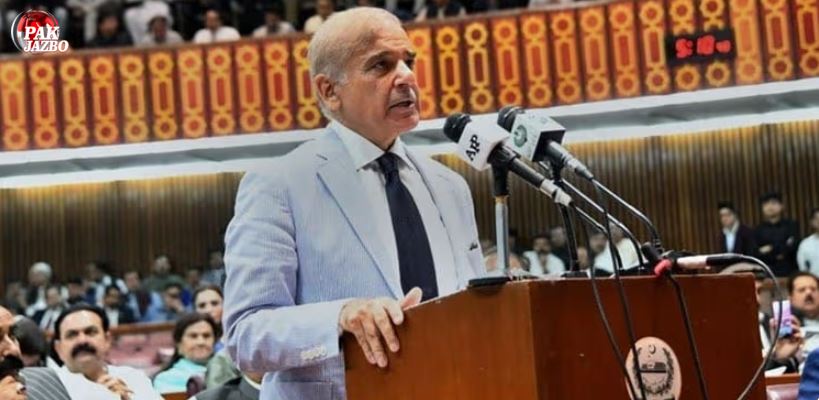
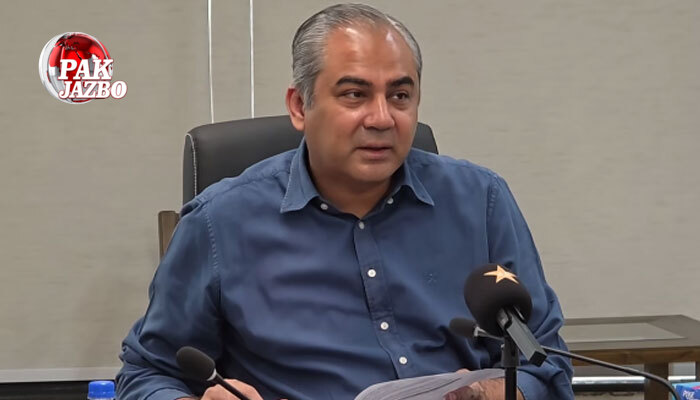
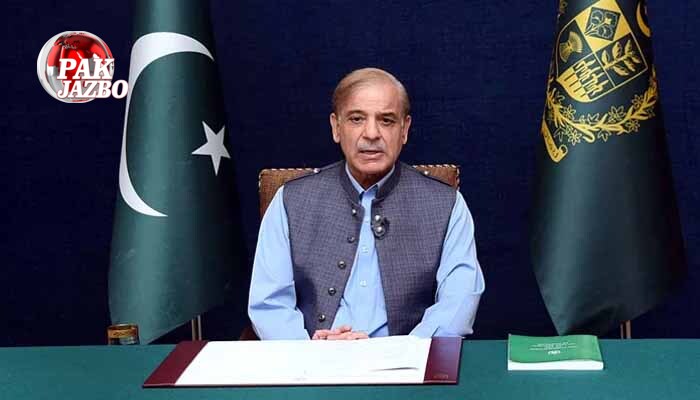
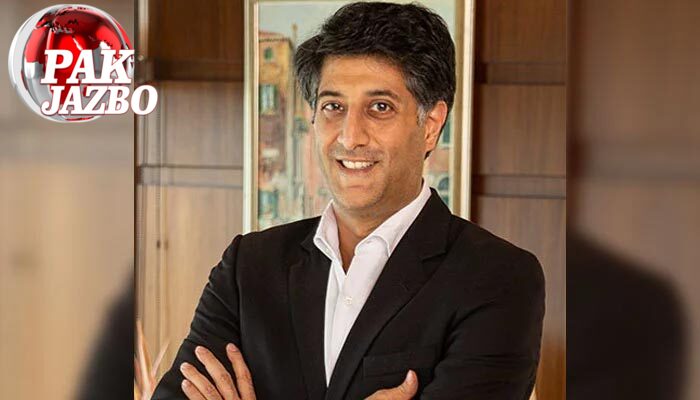
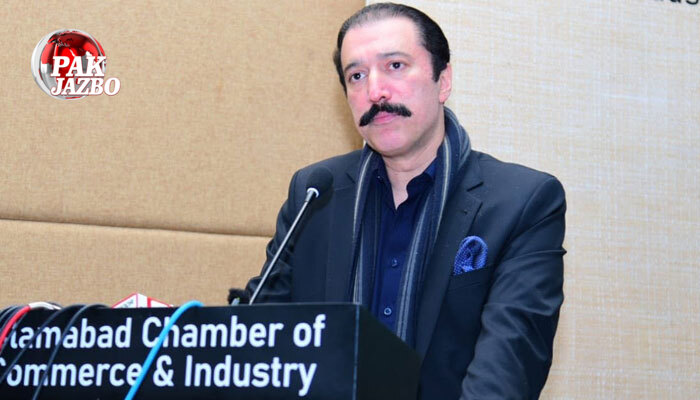
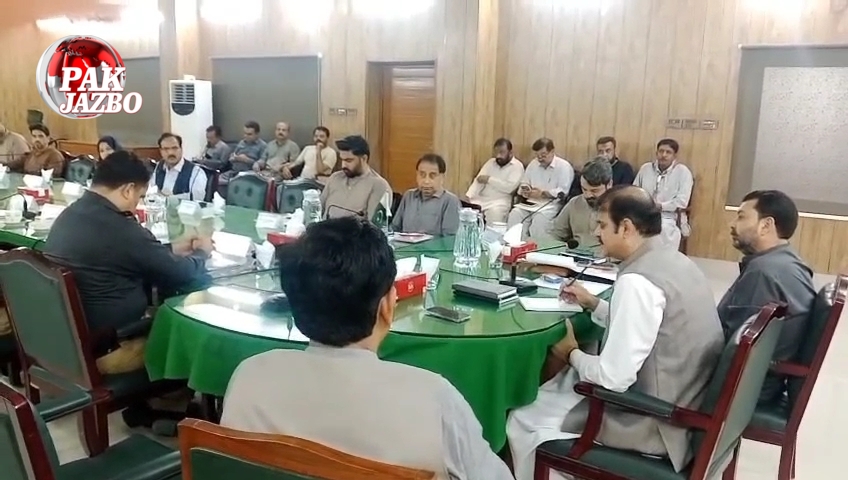
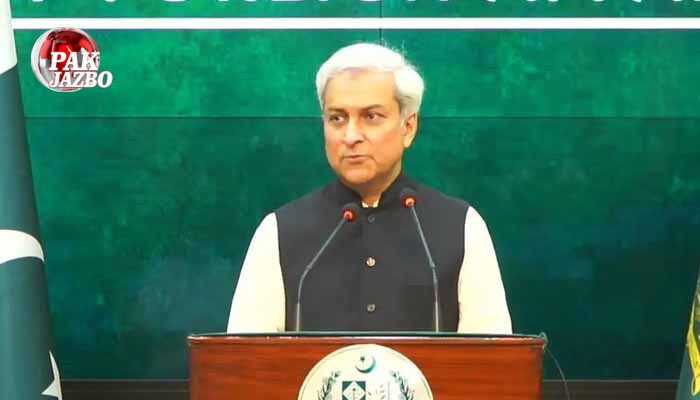
In a notable development on the economic front, Minister of State for Finance, Bilal Azhar Kayani, announced in the National Assembly that Pakistan has successfully secured the lowest tariff rate of 19% in South Asia as a result of a newly finalized trade agreement with the United States. The announcement marks a significant milestone for Pakistan’s export sector and reflects a broader shift in economic diplomacy that has begun to yield tangible results.
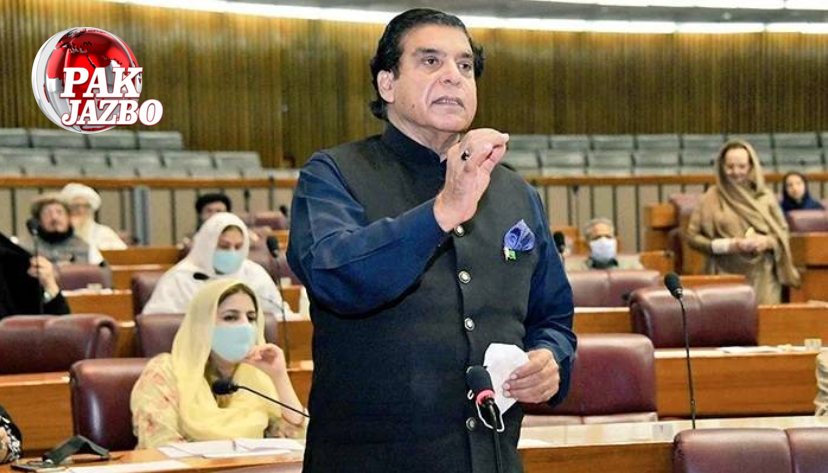
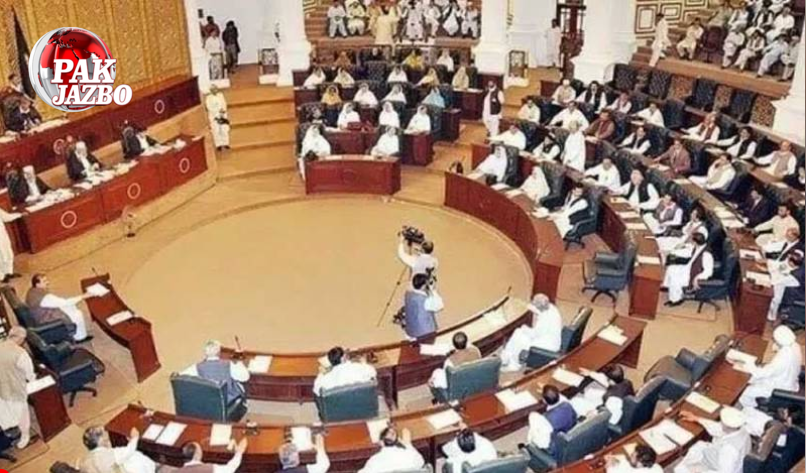
During his address to the National Assembly, Kayani emphasized that this trade deal, which many had once considered improbable, especially during a period of political instability marked by the controversial cipher episode, is a major diplomatic win. He remarked, “At a time when political opponents were waving ciphers and predicting the worst, no one anticipated such a breakthrough with the United States. Yet, despite all obstacles, we’ve achieved an economic milestone that even the opposition would find hard to dismiss.”
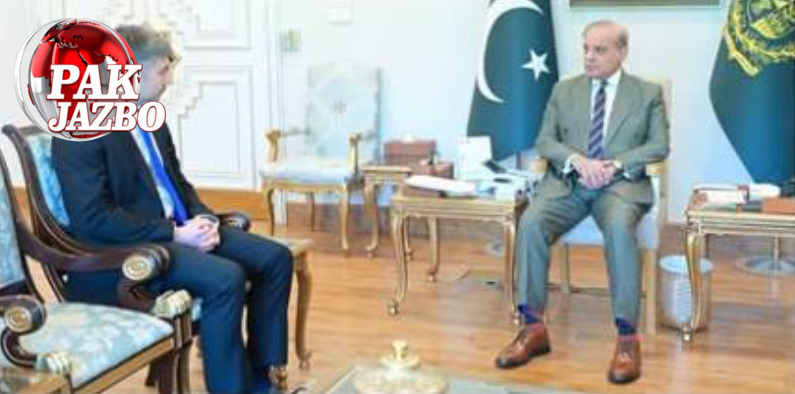
The Minister took a strong stance against opposition parties, alleging that they had hoped for deteriorating US-Pakistan relations and even a default scenario for the country. However, due to continuous diplomatic efforts led by the Prime Minister and key cabinet members, Pakistan not only avoided a default but also managed to strengthen trade ties with one of the world’s largest economies.
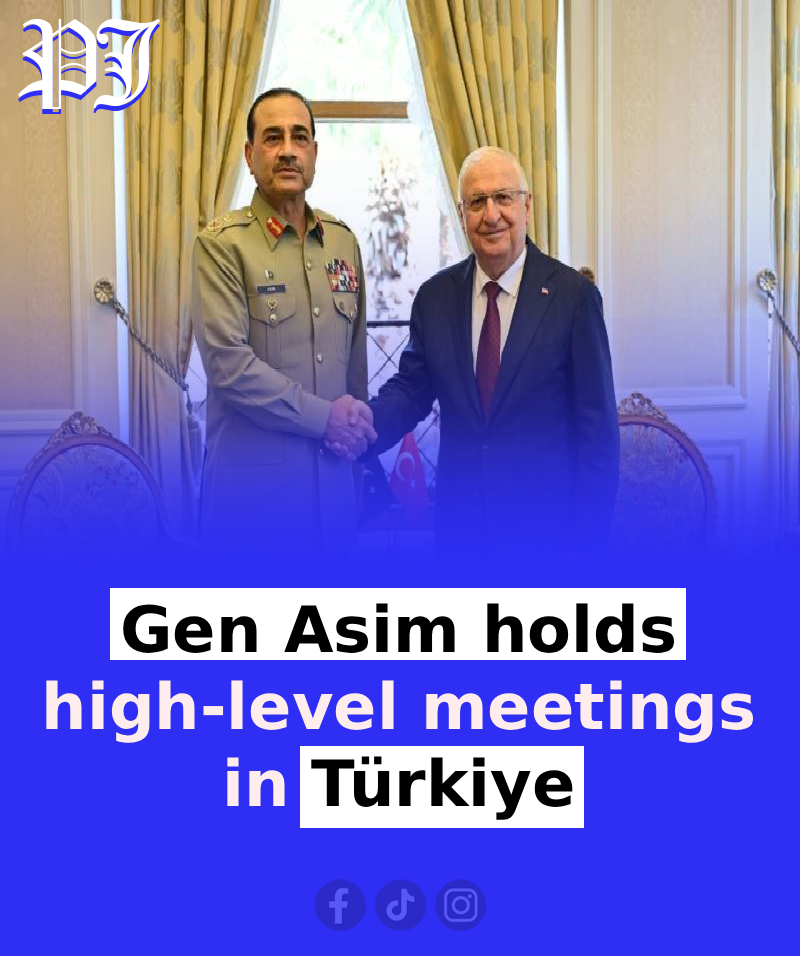
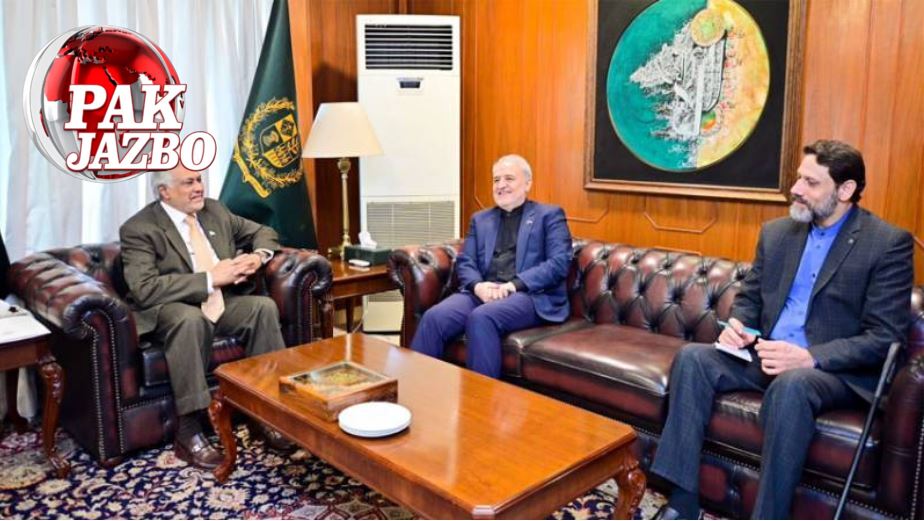
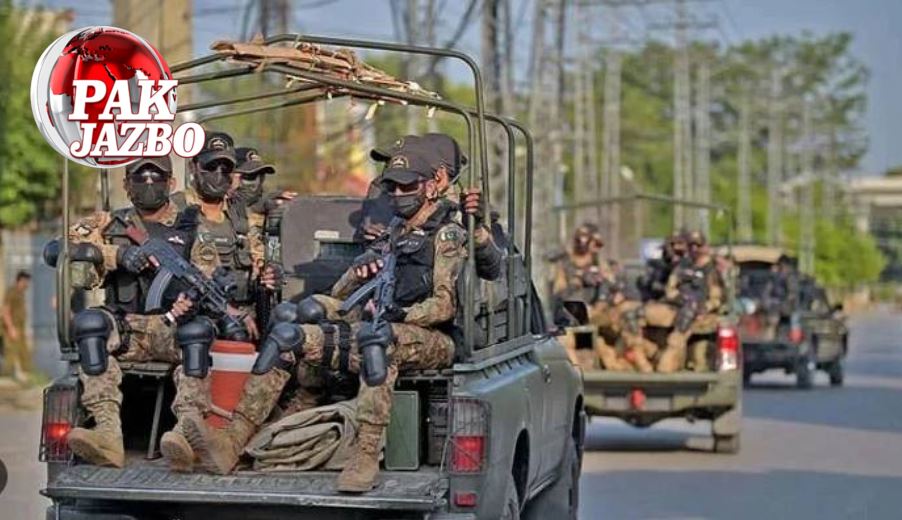
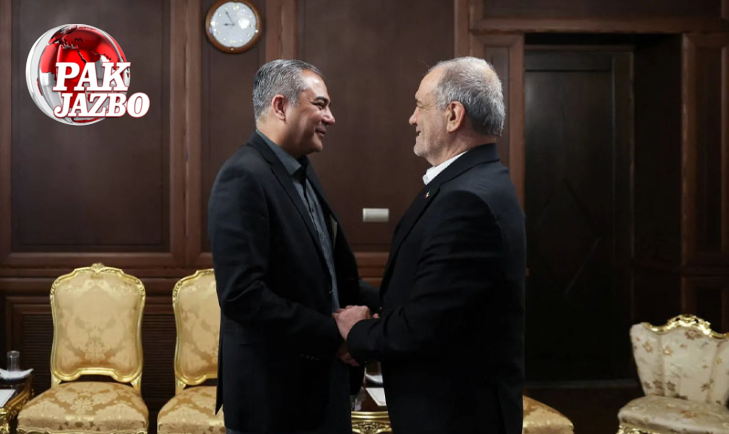
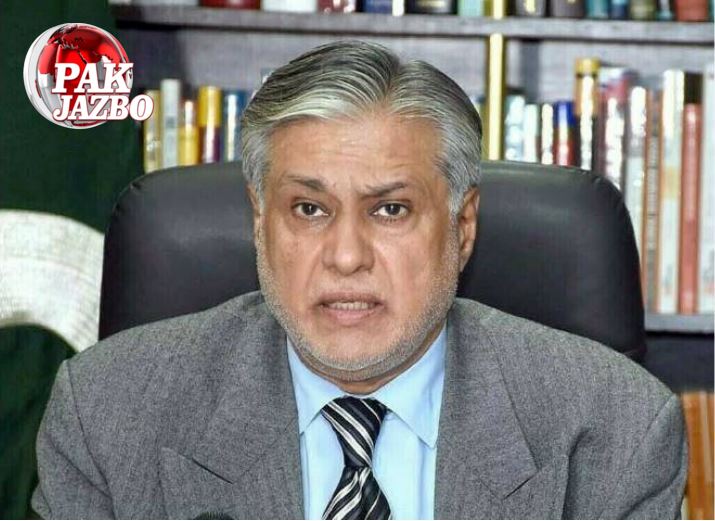
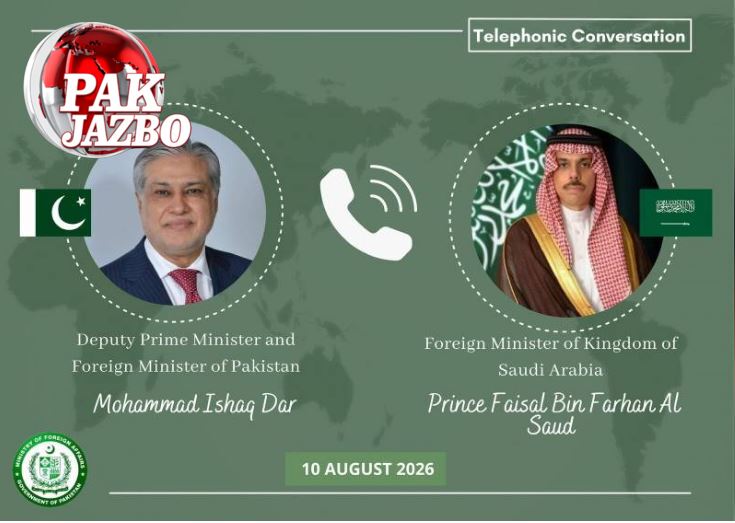
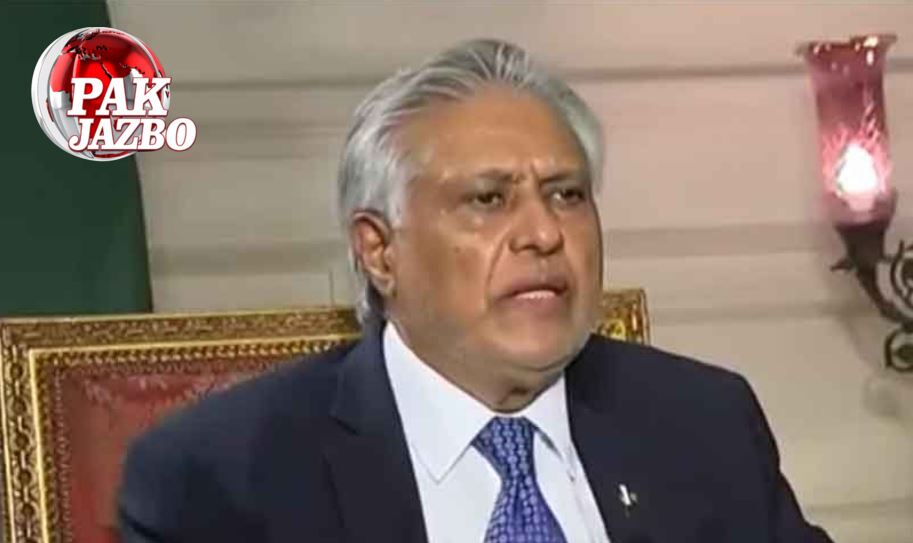
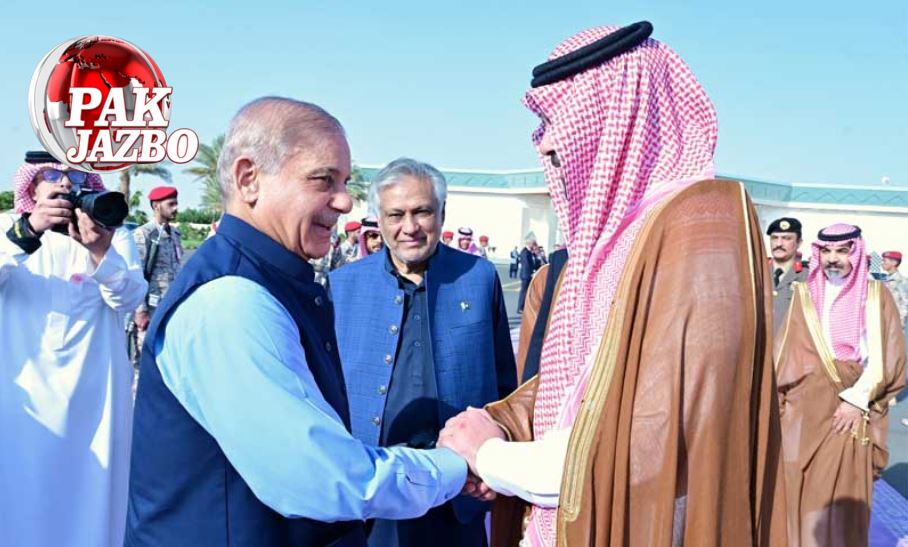
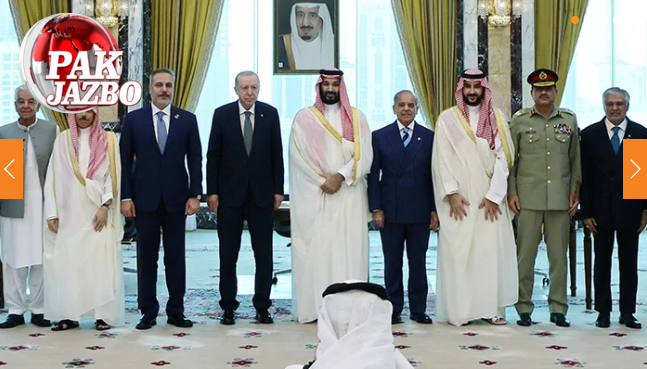
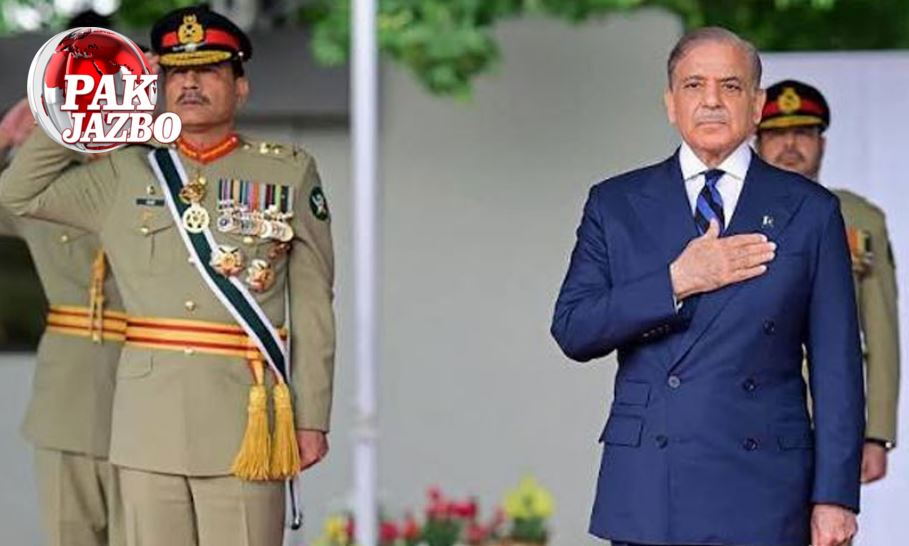
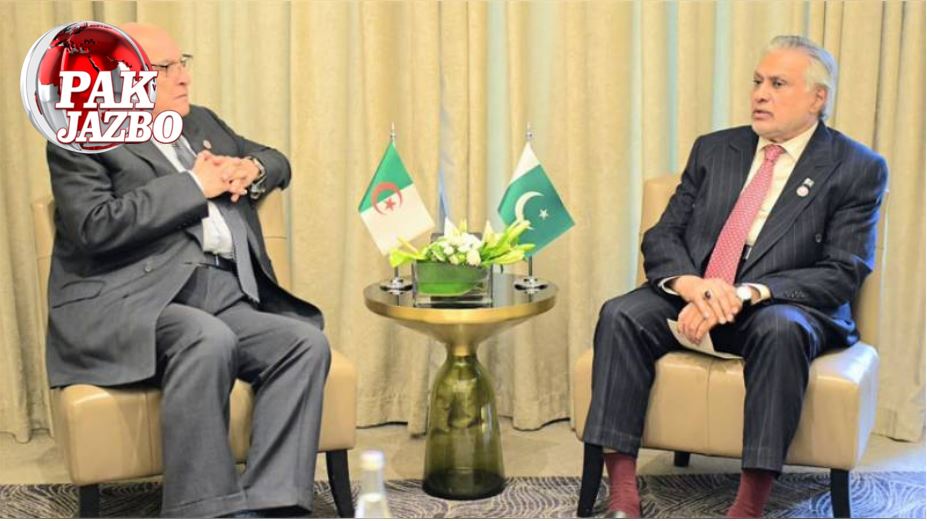
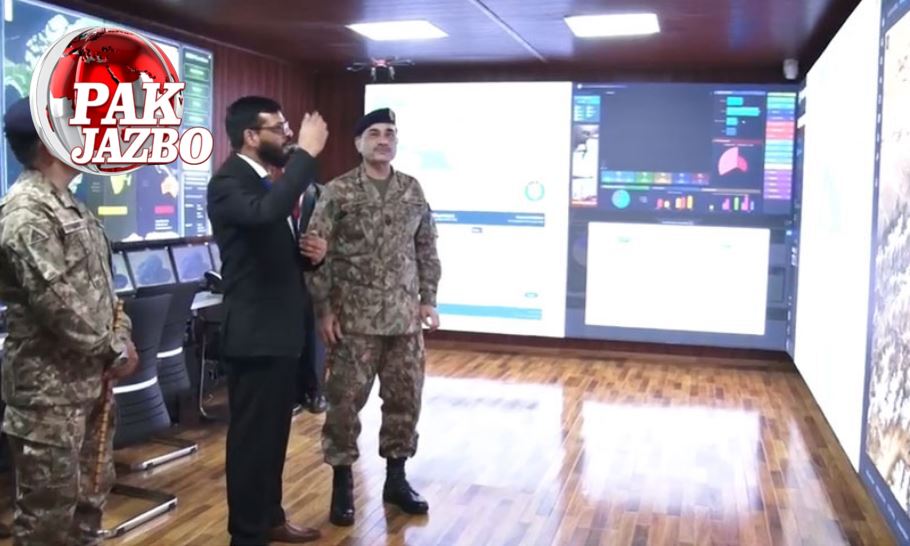
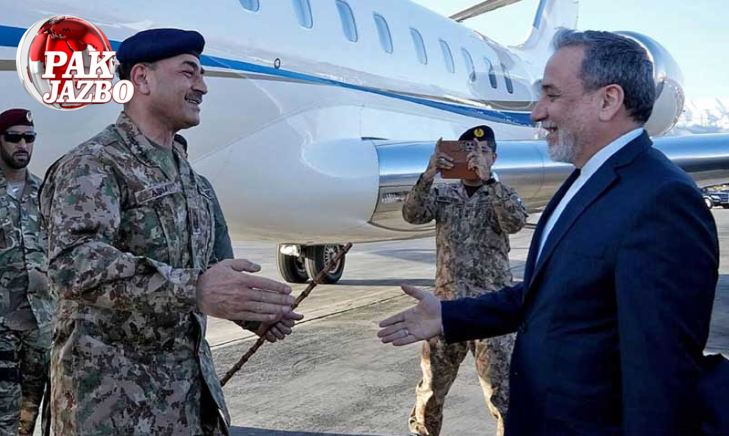
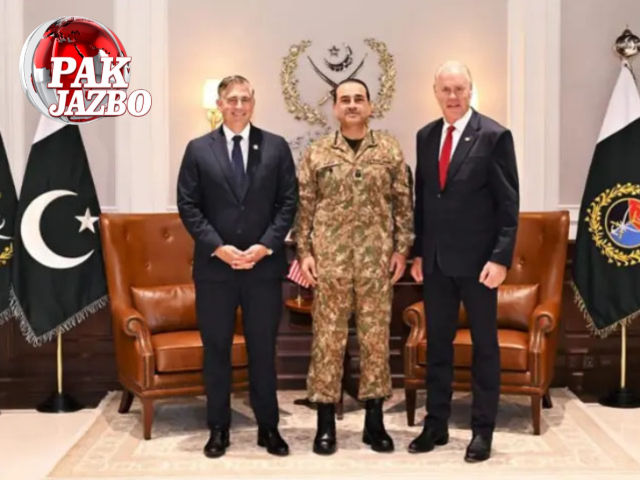
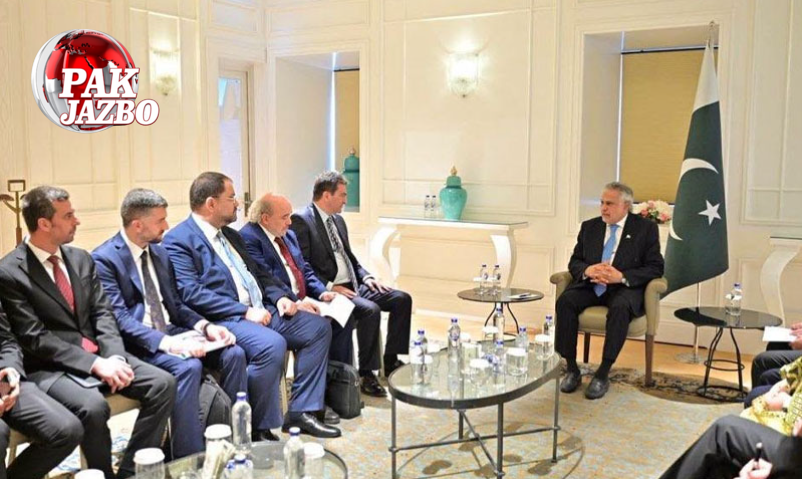
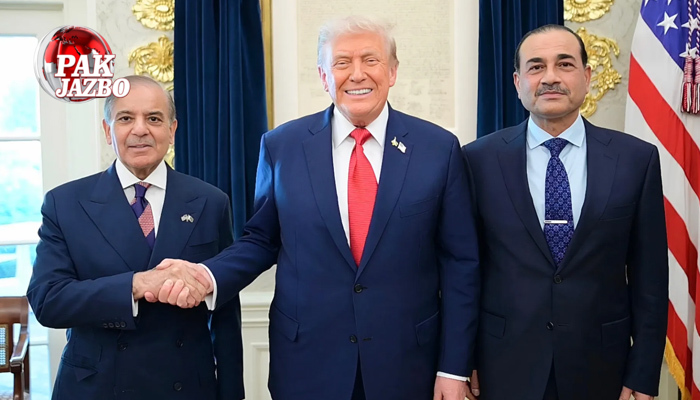
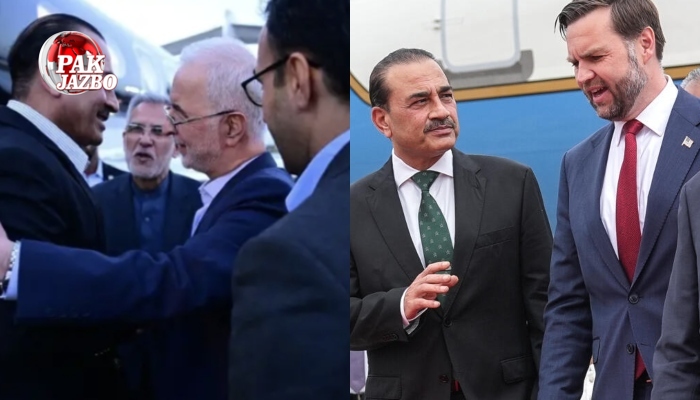
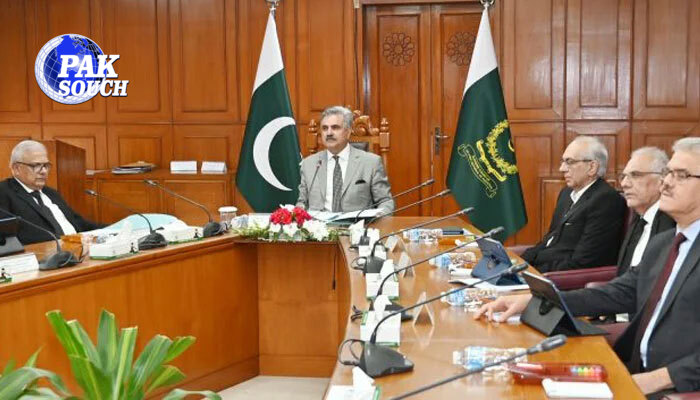
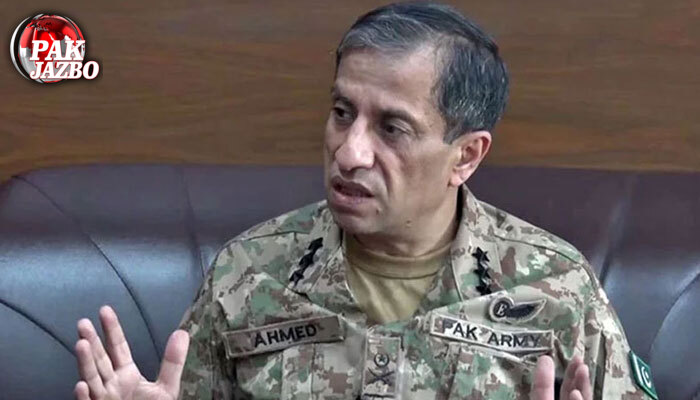
Highlighting the pivotal role of senior leadership in achieving this outcome, Bilal Azhar Kayani mentioned that Chief of Army Staff Field Marshal Asim Munir’s official visit to the United States and his meeting with President Joe Biden significantly helped improve mutual trust. These diplomatic overtures, he explained, were supported by meetings between Deputy Prime Minister Ishaq Dar and senior US officials, laying the groundwork for a trade framework that benefits Pakistan’s long-term economic stability.
Kayani credited the culmination of this trade deal to consistent behind-the-scenes negotiations and commitment from various government entities. He stressed that this was not a result of chance, but a well-orchestrated strategy led by civil-military coordination, focused on restoring Pakistan’s international credibility and trade potential.
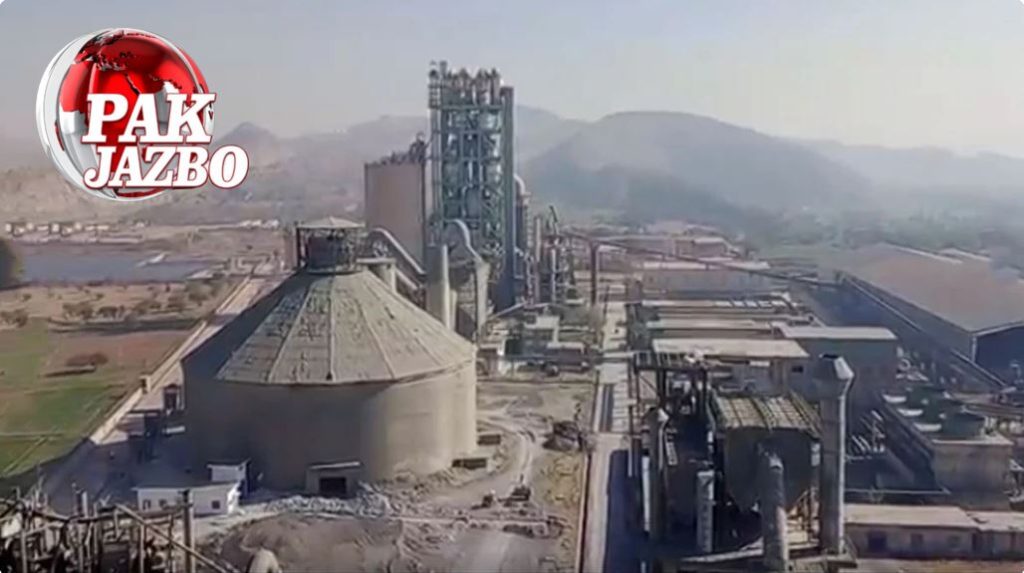
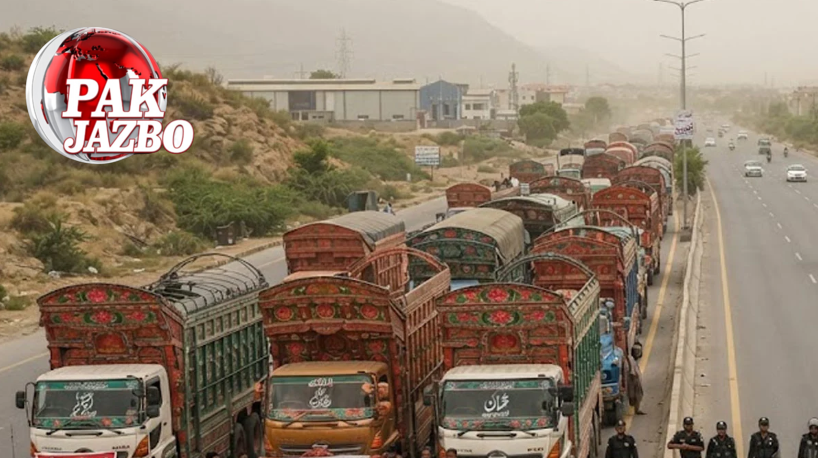
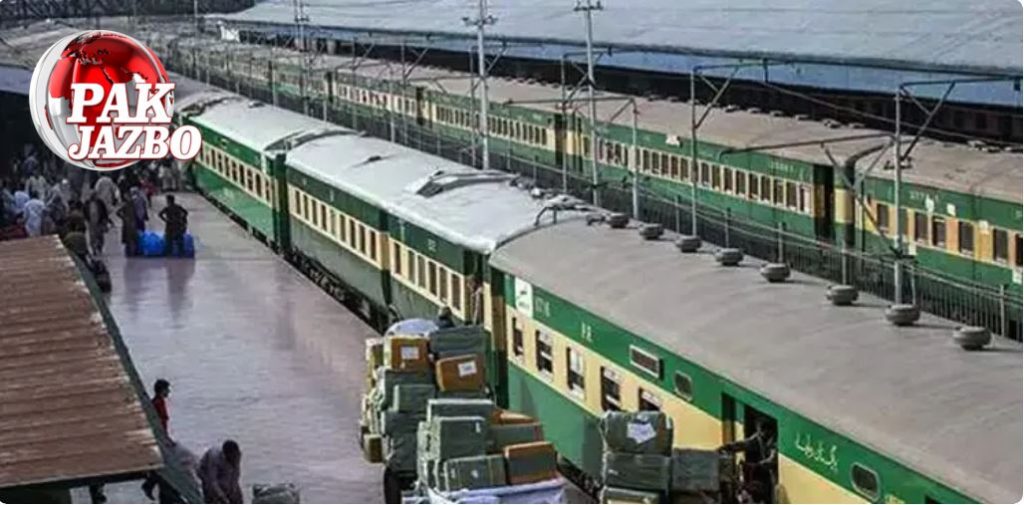
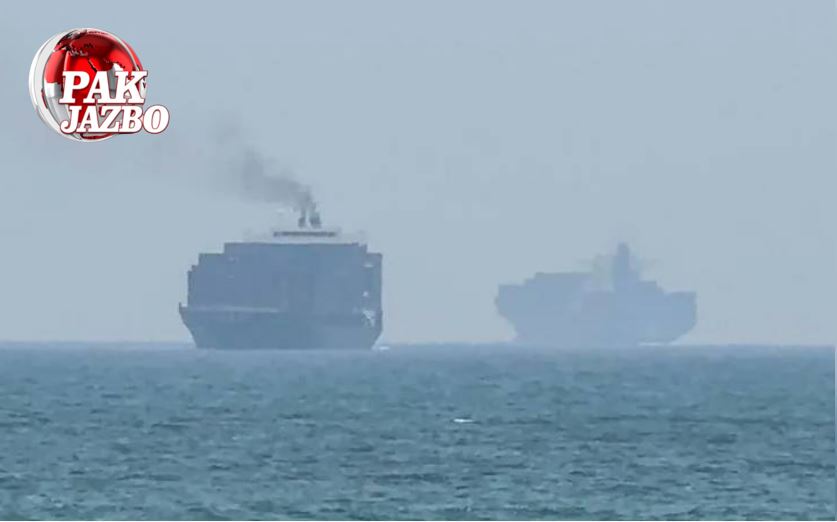
According to the Minister, one of the direct and most impactful benefits of the agreement is the 19% tariff rate offered to Pakistani exports — the lowest among all South Asian countries. This reduction is expected to significantly boost Pakistan’s export volumes, especially in key sectors like textiles, garments, leather, surgical goods, and IT services, making them more competitive in the international market.
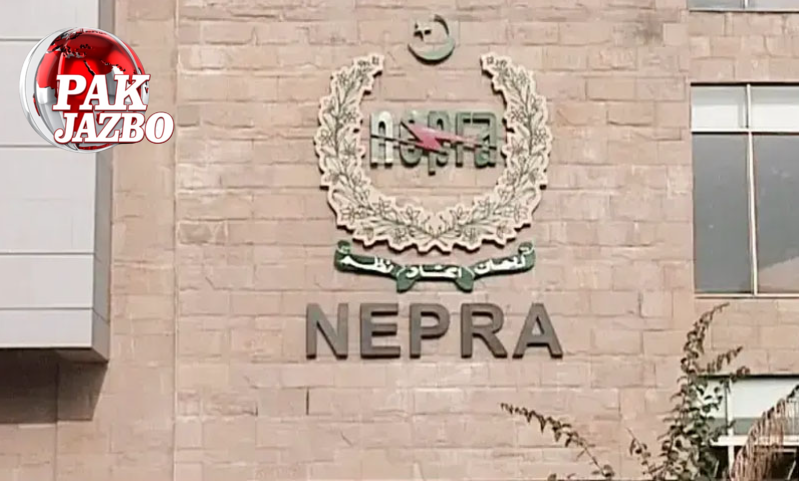
Moreover, Kayani noted that the government is simultaneously working on reforming the national energy tariff policy, which remains a longstanding challenge for industrial competitiveness. He revealed that a comprehensive energy policy is in the pipeline, which aims to lower electricity and gas tariffs for exporters, further enhancing Pakistan’s ability to sell value-added goods abroad at more competitive prices.
“We’re moving towards a model where lower energy costs and reduced trade tariffs will create an enabling environment for our exporters,” Kayani said. He added that these efforts will help not just large industrialists but also small and medium enterprises (SMEs), which are the backbone of the country’s export economy.
The Minister expressed optimism that these reforms will bring price stability to export-oriented goods, thereby reducing dependency on external loans and improving the overall balance of payments. “If our exports rise, our economy stabilizes. This is not just a trade success, it’s a strategic shift,” he stated.
Independent economic analysts have also acknowledged that a trade deal with the United States at such favorable terms could open new investment avenues. Improved market access and trade incentives from the US often translate into enhanced investor confidence, potentially attracting more foreign direct investment (FDI) to Pakistan.
However, some voices within the economic policy circles have cautioned that while this is a step in the right direction, Pakistan must ensure institutional stability and policy continuity to fully benefit from this agreement. They argue that previous trade frameworks have often been undermined by sudden political changes and inconsistent implementation.
Nevertheless, the political leadership appears confident. The government believes this deal is a direct result of a pragmatic foreign policy approach, focusing on mutual economic benefit rather than ideological confrontation. It also reflects Pakistan’s renewed emphasis on economic diplomacy — shifting the focus from geopolitics to trade, commerce, and development partnerships.
In closing, Bilal Azhar Kayani reiterated that Pakistan is now in a position to take advantage of this opportunity, but consistent support from all stakeholders — including industry leaders, policymakers, and the opposition — is necessary. “This is a moment for national unity. We have taken a major leap forward. Let’s not squander it,” he concluded.
This development could signal a broader economic turnaround for Pakistan, particularly at a time when the nation is seeking to transition from an aid-dependent model to one driven by exports, productivity, and self-reliance. If implemented effectively, the US-Pakistan trade agreement could reshape the country’s economic trajectory for years to come.
What’s your Reaction?
+1
+1
+1
+1
+1
+1