



































































































































































































































































































































































































































































































































































































































































































































































































































































































































































































































































































































































































































































































































































































































































































































































































































































































































































































































































































































































































































































































































































































































































































































































Bangladesh Cricket Official Slams Own Pitches After Low-Scoring Series Against Pakistan


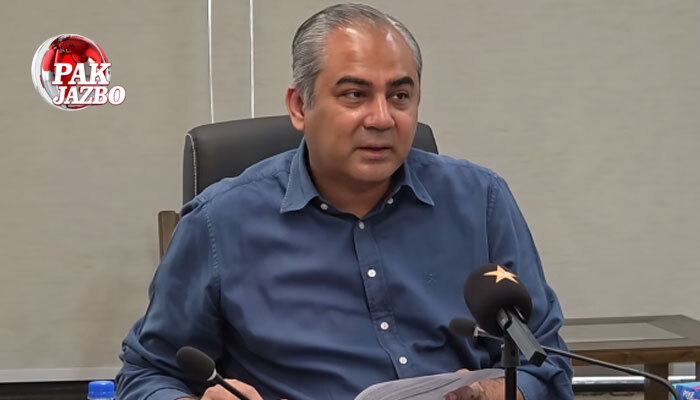
In a surprising yet candid admission, Bangladesh Cricket Board’s (BCB) Chairman of Cricket Operations, Nazmul Abedin Fahim, has openly criticized the pitch conditions in his own country following the recently concluded T20I series against Pakistan. The public remarks have sparked conversations across the cricketing world, as officials and analysts question the direction of pitch preparations in Bangladesh.
The critique follows a series in which both teams, especially Pakistan, struggled on low and slow pitches, leading to two low-scoring affairs in the opening matches of the series. While Pakistan lost both games, their head coach, Mike Hesson, didn’t hold back in expressing his frustration with the playing surface, labeling the wickets as “some of the slowest and least supportive” he has seen in international cricket.
Board Official Turns the Mirror Inward
Adding to the external criticism, Nazmul Abedin Fahim echoed many of the same concerns—but this time from inside the Bangladesh camp. Speaking to local media, the BCB executive did not mince his words:
“We tried to prepare sporting tracks, but unfortunately, we failed to do so. The responsibility lies with those who are in charge of pitch preparation.”
Fahim’s remarks come as an admission that the Sher-e-Bangla National Stadium in Mirpur, one of Bangladesh’s most frequently used venues, failed to deliver the balanced or bouncy tracks that were originally intended. According to him, the board never instructed curators to prepare low-bounce, sluggish pitches, but the end result suggests a disconnect between planning and execution.
A Pattern of Poor Surfaces
This is not the first time Bangladesh’s pitches have come under fire. Over the years, both home and visiting teams have voiced concerns over the inconsistency and lack of bounce on tracks across Dhaka and Chattogram. Such surfaces, while often benefiting the home team’s spinners, have frequently made for dull and uneventful cricket, with limited appeal for fans and broadcasters alike.
“When we asked for tracks with more bounce and pace, very few such pitches were prepared,” said Fahim. “We are often told that natural ground conditions and excessive match schedules restrict the ability to create ideal surfaces.”
The implication is clear: ground staff either lack the resources, time, or expertise to meet modern international standards for pitches. In a cricketing era where fast-paced, high-scoring matches are in demand—especially in T20 formats—the pitches in Bangladesh are falling short.
Pakistan’s Disappointment Also Voiced
Pakistan, the visiting side, has also not been shy in expressing disappointment. After losing the first two T20Is in low-scoring encounters, head coach Mike Hesson called the pitches “sub-par for international cricket.” He highlighted the lack of true bounce and slowness of the wicket as factors that hampered not just Pakistan’s performance, but also the quality of the cricket overall.
“We came here prepared to play competitive cricket,” Hesson said. “But these conditions have neutralized any form of aggressive batting. It becomes difficult to put on a show when the ball isn’t coming onto the bat.”
Indeed, both matches saw totals well below par, with bowlers dominating and batsmen struggling to even rotate strike, let alone play freely. Critics argue that such games do not reflect the spirit of modern T20 cricket, where excitement and high run chases are expected.
The Call for Reform
Nazmul Abedin Fahim’s statements are not just a reflection of internal dissatisfaction—they are a call for systemic change. He acknowledged that the issue is not limited to one or two games, or even one venue. “The Mirpur wicket is, overall, not satisfactory,” he admitted. “We need to work on this going forward. The issue of pitch quality must be treated as a priority.”
These remarks suggest that the Bangladesh Cricket Board may soon undertake a review of its pitch preparation strategies. Whether this leads to real investment in grounds staff, technology, or new turf management practices remains to be seen. However, the public nature of the criticism may signal the beginning of structural changes.
A Balancing Act: Home Advantage vs Fair Play
One of the debates that have arisen from this controversy is whether home teams intentionally curate difficult conditions to favor themselves. While this has historically been a common tactic in international cricket, it often backfires when it creates unplayable or uncompetitive matches.
Bangladesh has long relied on spin-friendly, low-bounce pitches to unsettle visiting teams, particularly those from outside the subcontinent. But with T20 cricket becoming increasingly globalized, fans are demanding fairer, more entertaining contests—something the current surfaces do not seem to provide.
Moreover, as Bangladesh aspires to become a consistent performer on the global stage, it needs to develop players who can succeed in diverse conditions, not just spin-friendly home tracks.
Looking Ahead
The BCB’s internal acknowledgment of the problem is a step in the right direction. However, change will require more than just statements. Investment in modern pitch preparation machinery, expert consultation, and scheduling flexibility will all be crucial.
With Bangladesh scheduled to host more international cricket in the coming months, including the Asia Cup warm-ups and potential ICC fixtures, the pressure is on to deliver surfaces that enhance—not hinder—the game.
Cricket fans across the region and beyond will be watching closely to see whether the criticism leads to action, or whether future series will continue to be marred by underwhelming pitches and frustrated players.
For now, what’s clear is this: the low-scoring surfaces that plagued the series against Pakistan have not only disappointed viewers but have also triggered a much-needed debate within Bangladesh’s cricketing hierarchy. Whether this marks the start of meaningful reforms or not, only time will tell.
What’s your Reaction?
+1
+1
+1
+1
+1
+1