







































































































































































































































































































































































































































































































































































Punjab Government to Impose Fines on Littering as Major Cleanliness Reforms Announced


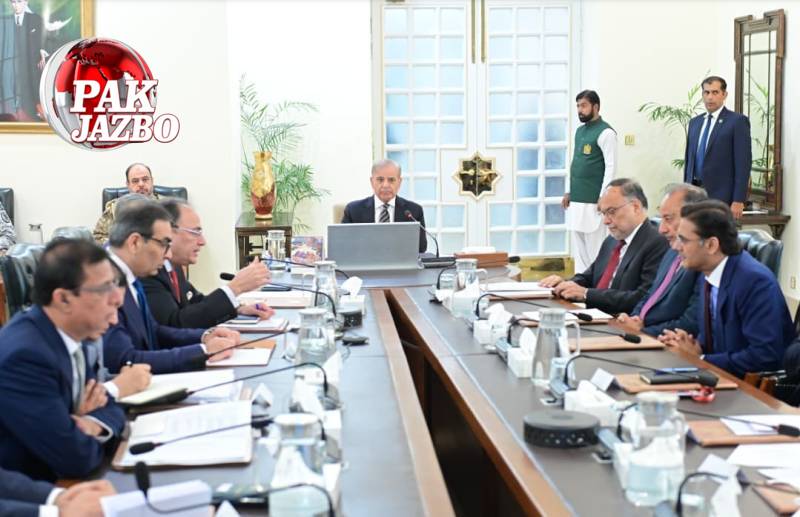
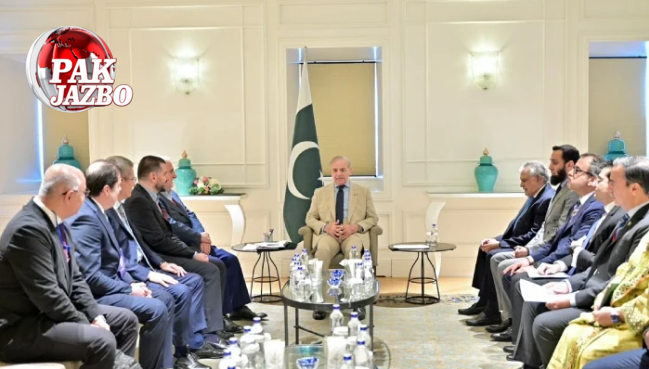
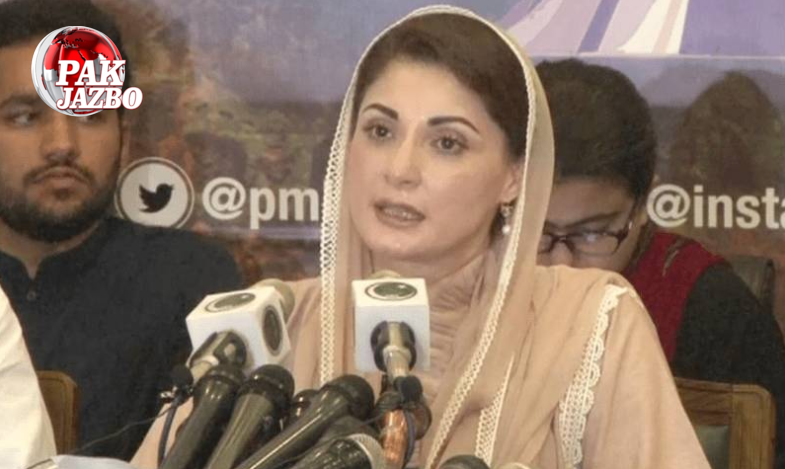
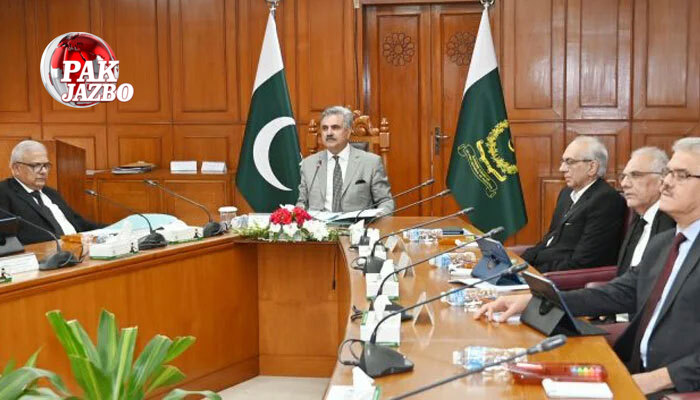
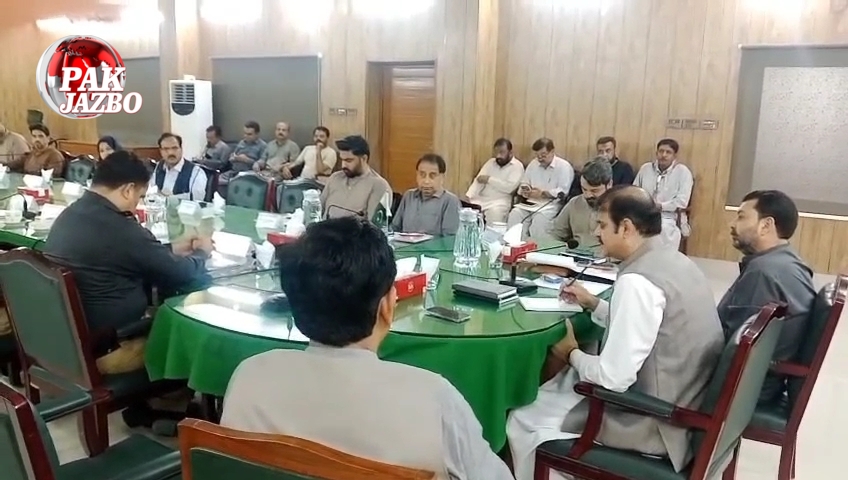
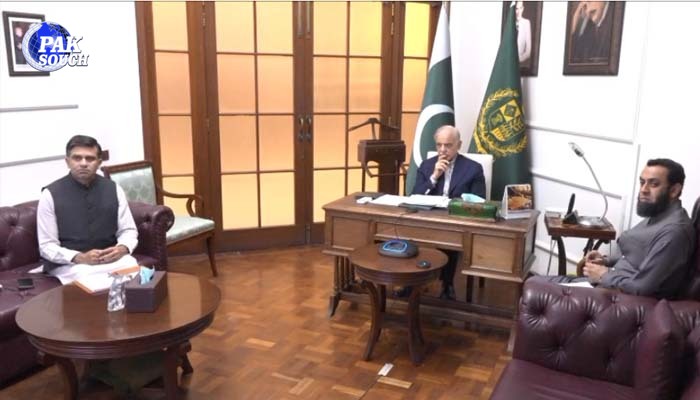
The Punjab government has decided to impose strict fines on individuals and businesses responsible for spreading litter, as part of an expanded strategy to enhance cleanliness across the province. The decision was taken during a high-level meeting chaired by Punjab Chief Minister Maryam Nawaz, focused on the progress and future roadmap of the “Suthra Punjab (Clean Punjab)” initiative.
The meeting reviewed the province-wide cleanliness operations, their outcomes, and the public’s response. Officials briefed the Chief Minister that the initiative has received overwhelmingly positive feedback, with citizens appreciating the improved sanitation and waste-collection services in urban as well as rural districts. The briefing also highlighted the ongoing use of the Vehicle Tracking Management System and live container monitoring to ensure accountability, transparency, and efficiency in garbage collection operations.
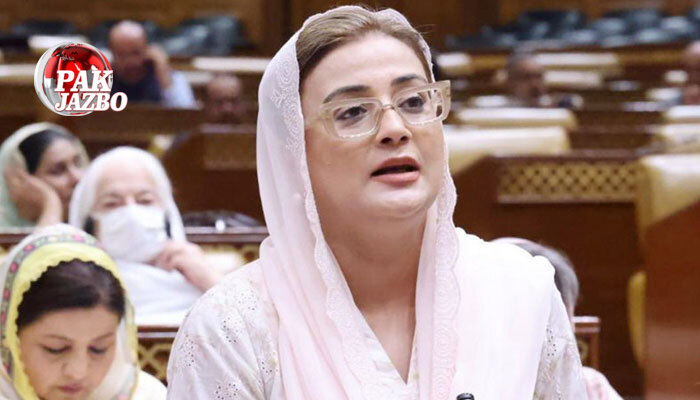
Chief Minister Maryam Nawaz emphasized that cleanliness is not a seasonal campaign but a long-term public service system that Punjab should have established years ago. She noted that the government launched the Suthra Punjab project from scratch—what she described as “zero”—and has steadily upgraded the mechanisms, workforce, equipment, and monitoring network. According to her, the clean-up operation across Punjab has now turned into a highly structured and sophisticated system, comparable to modern waste-management frameworks in developed countries.
The Chief Minister expressed satisfaction with the transparency reforms introduced in the system. In particular, she appreciated the shift to a fully digital pay and auditing system, ensuring that salaries, payments, and operational expenses are electronically monitored and free from manual manipulation. She stated that this digital transformation has eliminated longstanding issues such as ghost employees, corruption, and discrepancies in payment records.
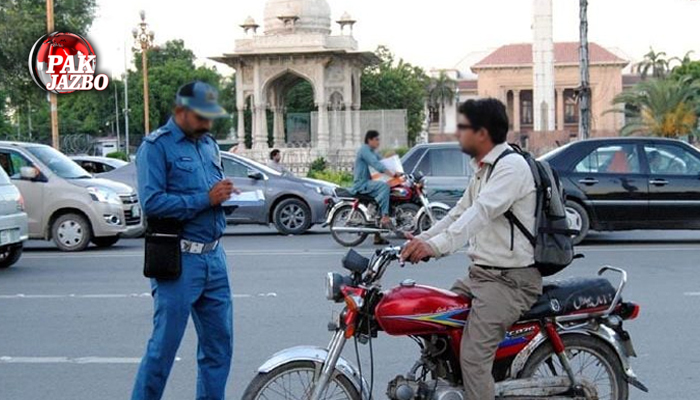
During the meeting, the Punjab government finalized a major policy decision: anyone littering in commercial areas, markets, public spaces, or roads will now face fines. Strict enforcement will apply to individuals, shopkeepers, vendors, restaurants, and businesses that fail to dispose of waste properly. The administration is set to introduce district-level enforcement teams to implement these fines under the relevant environmental and municipal laws.
Officials also informed the meeting that the government is preparing a comprehensive “Waste-to-Value” plan, which will be presented in mid-January. Under this project, waste collected from across the province will be processed and transformed into usable products, including energy. The Chief Minister said that converting garbage into electricity and other energy forms is an international best practice and will help Punjab reduce pollution while generating economic value. “The time has come for Punjab to use modern waste-management techniques and turn garbage into energy,” she remarked.
Maryam Nawaz reiterated that maintaining cleanliness is a shared responsibility between the government and the public. She emphasized the need for civic discipline, stating that even the best sanitation system will fail without active public cooperation. She warned that the era of unregulated waste disposal is over, and strict actions will follow against those who continue to pollute cities and towns.
For environmental sustainability, the government announced that all upcoming sanitation vehicles will be replaced with eco-friendly electric vehicles. These EVs will reduce noise pollution, eliminate harmful emissions, and cut long-term fuel costs. The Chief Minister stated that this shift toward green mobility is part of the province’s broader climate-action commitments and aligns with global environmental standards.
The meeting also discussed the remarkable international recognition the Suthra Punjab program has received. A recent report by U.S.-based magazine Forbes praised it as one of the world’s largest and most coordinated garbage-collection systems. The recognition was mentioned during the briefing as a testament to the effective reforms implemented within a short timeframe. However, the Chief Minister insisted that despite global praise, the provincial administration must remain focused on further improvements, particularly in rural areas where waste management systems were nearly nonexistent.
The government also took notice of recent public queries regarding the campaign, as some citizens raised concerns about lapses in garbage pickup in certain neighborhoods. The Chief Minister directed officials to resolve these issues promptly, emphasizing that the objective is not temporary cleanliness but a permanent, city-wide transformation.
Under the new directives, district administrations will intensify surveillance of cleanliness operations, particularly in busy commercial hubs, food markets, and industrial zones. Special monitoring units will report daily progress to the Chief Minister’s Office.
The decision to impose fines marks a major shift toward regulatory enforcement in Punjab’s sanitation framework. Authorities believe that without financial penalties, a significant portion of the population continues to dispose of waste irresponsibly, causing clogged drains, foul odors, mosquito breeding, and environmental pollution. With penalties now approved, the government expects a drastic improvement in public behavior.
As Punjab moves toward a structured, transparent, and environmentally conscious waste-management model, the new measures—fines, EV sanitation vehicles, digital monitoring, and waste-to-energy planning—are expected to define a new era in public cleanliness and urban governance.
What’s your Reaction?
+1
+1
+1
+1
+1
+1