


























































































































































































































































































































































































































































































































































































































































































































































































































































































































































































































































































































































































































































































































































































































































































































































































































































































































































































































































































































































Political Reconciliation Possible Only Through Sincere Apologies: Army Chief


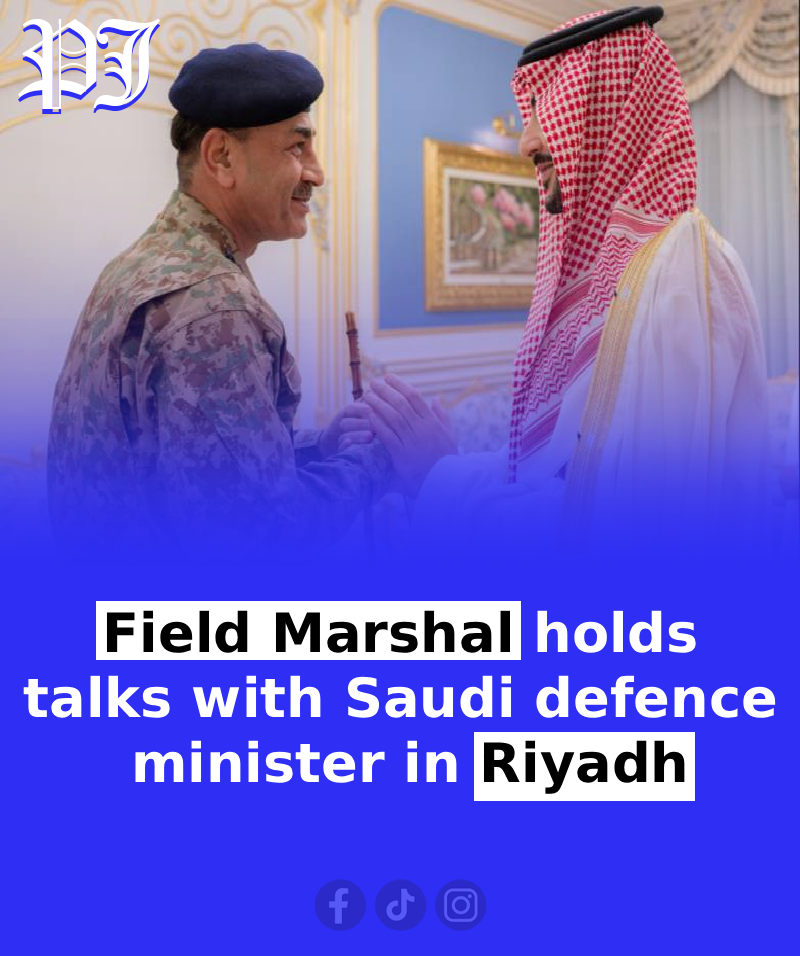
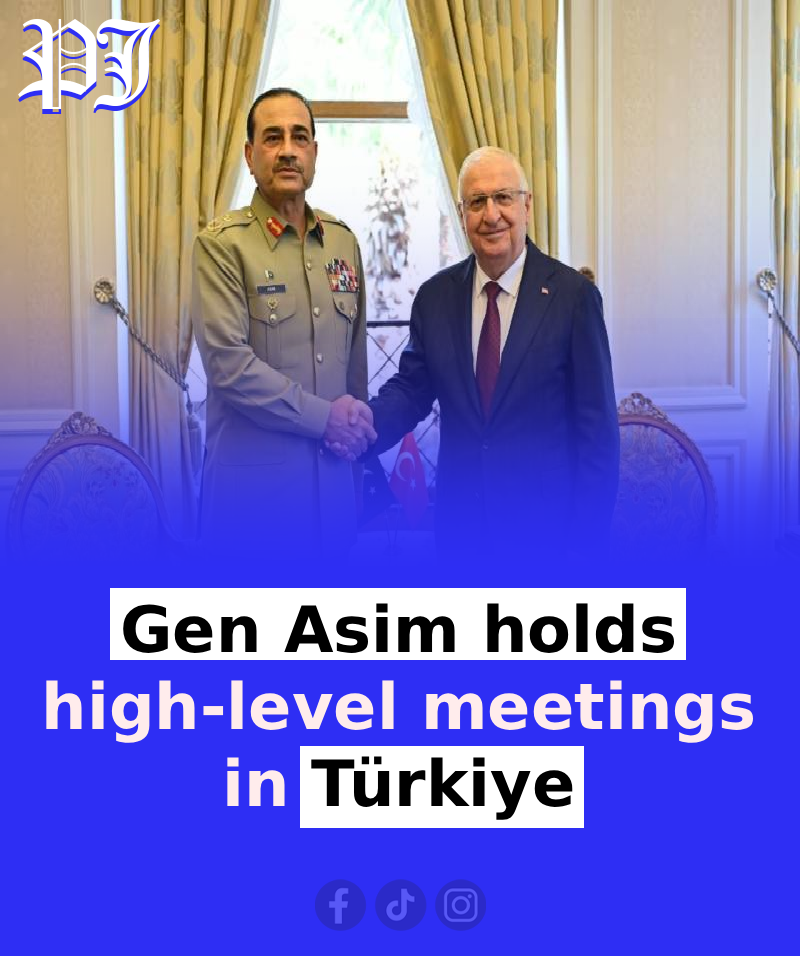
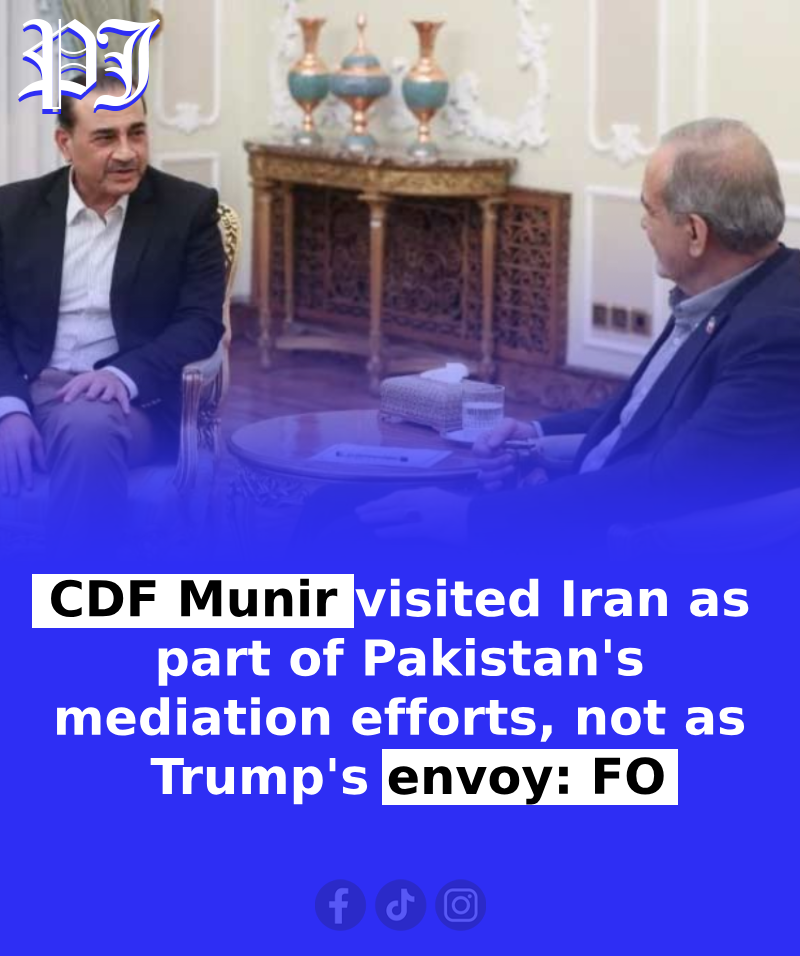
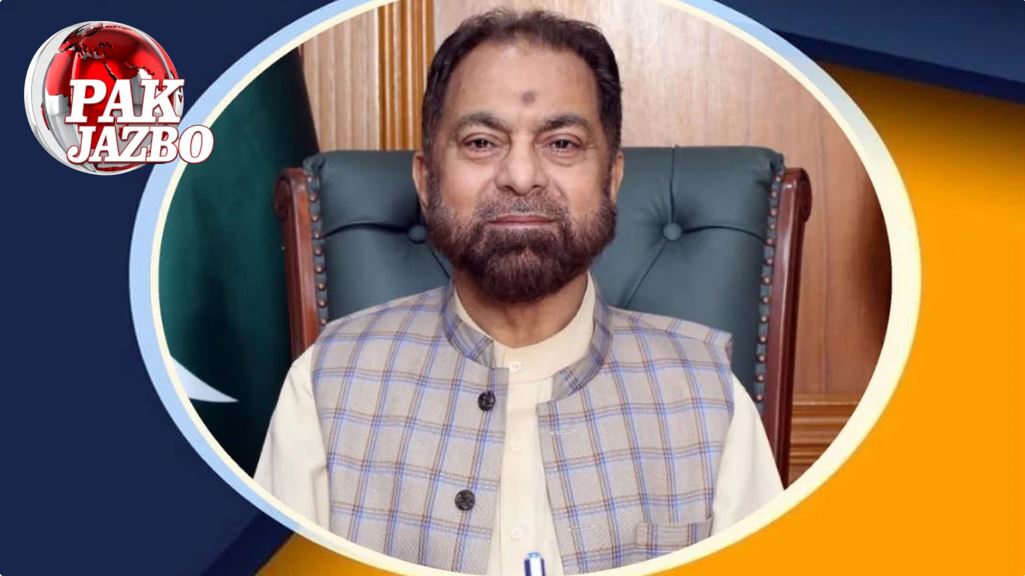
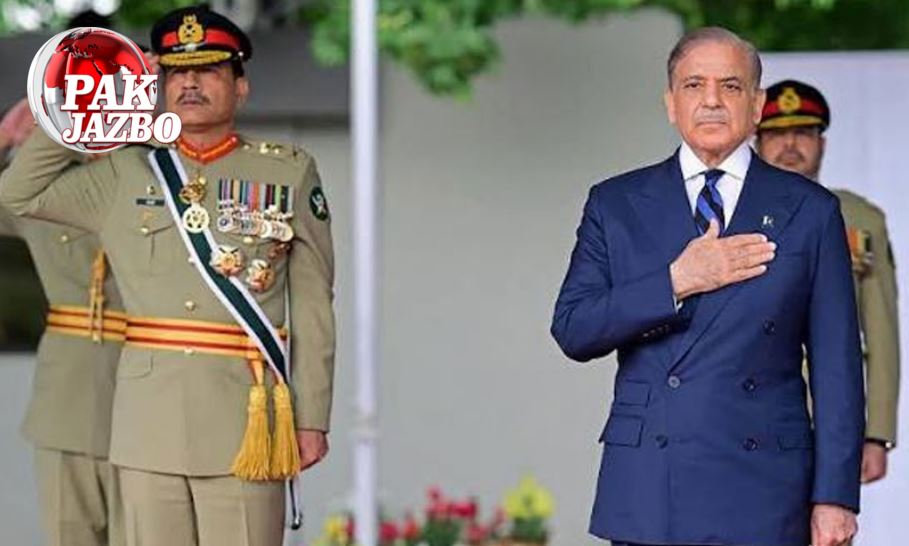
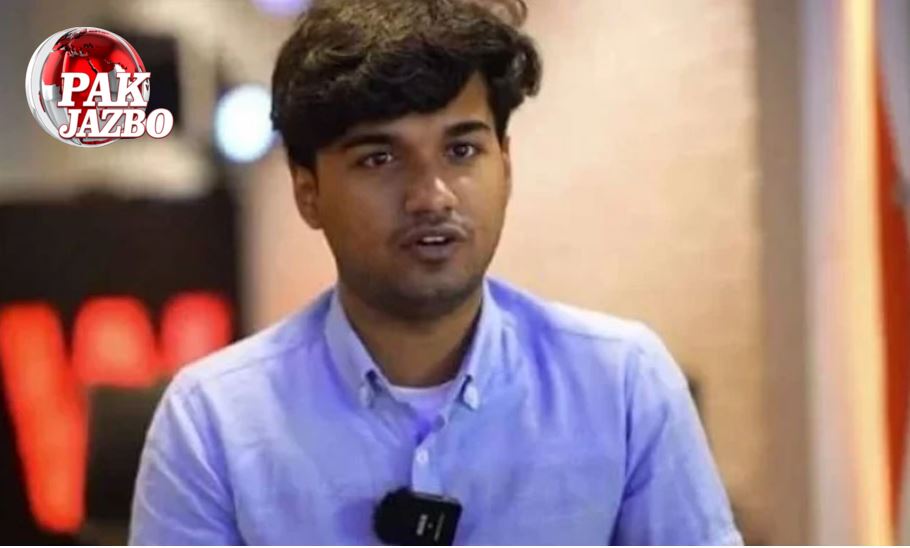
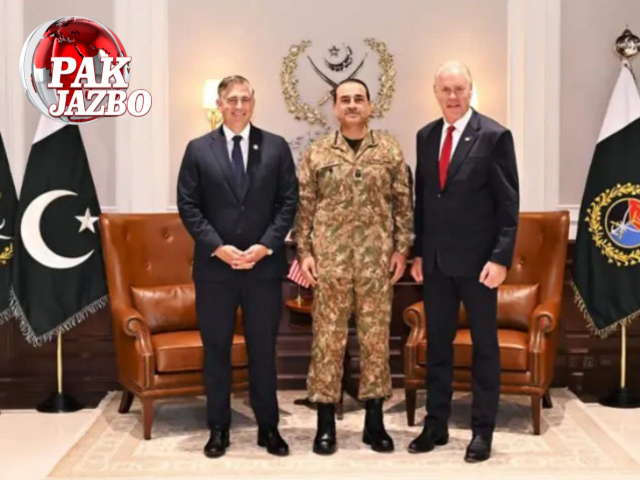
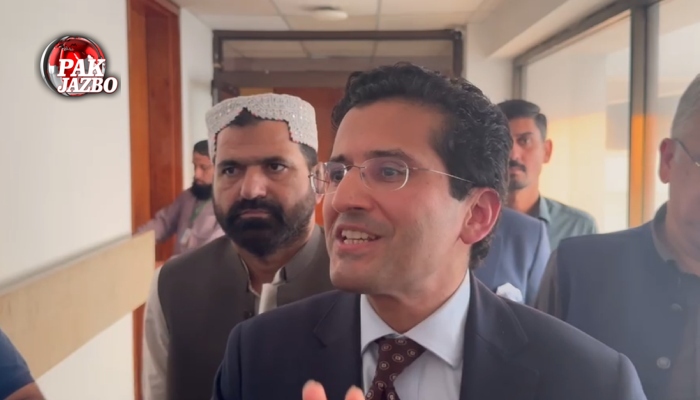
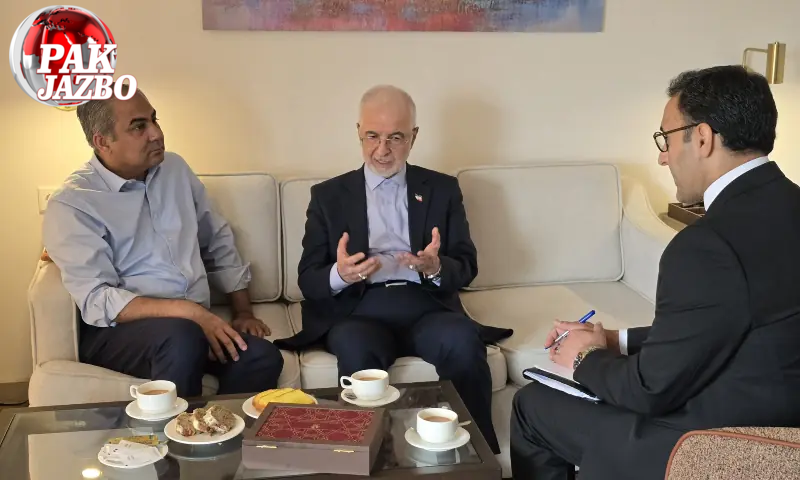
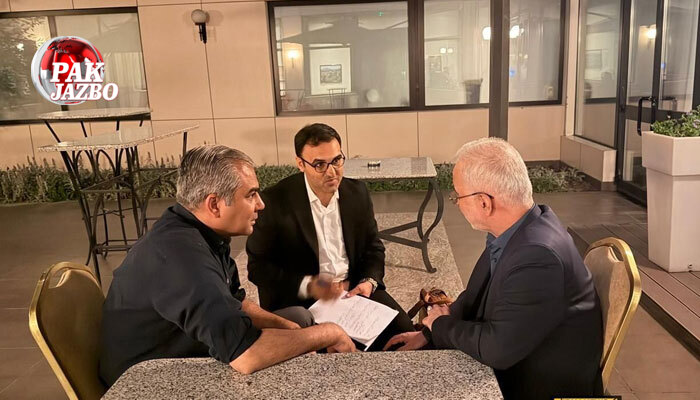
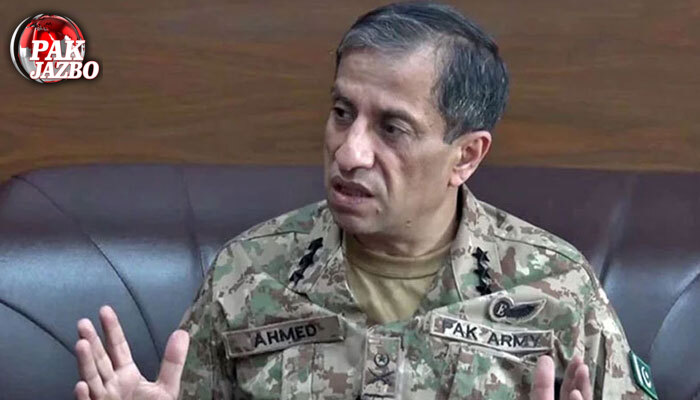
Pakistan’s Chief of Army Staff, Field Marshal Asim Munir, has emphasized that genuine political reconciliation in the country can only be achieved through sincere apologies. Speaking candidly during an interaction with senior journalist Suhail Warraich in Brussels, the Army Chief remarked, “Political reconciliation is only possible when forgiveness is sought from the heart. Those who sincerely apologized became like angels, while those who refused to apologize turned into devils.”
Context of the Remarks
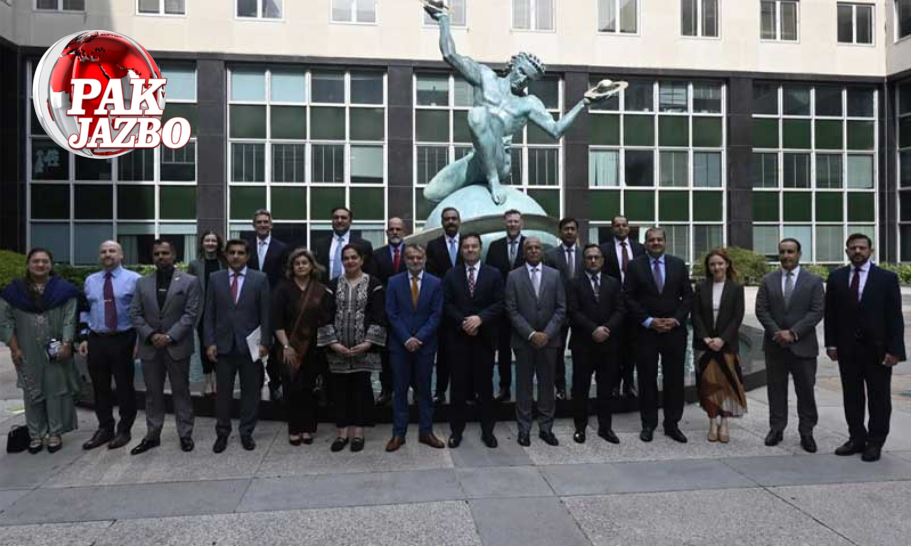
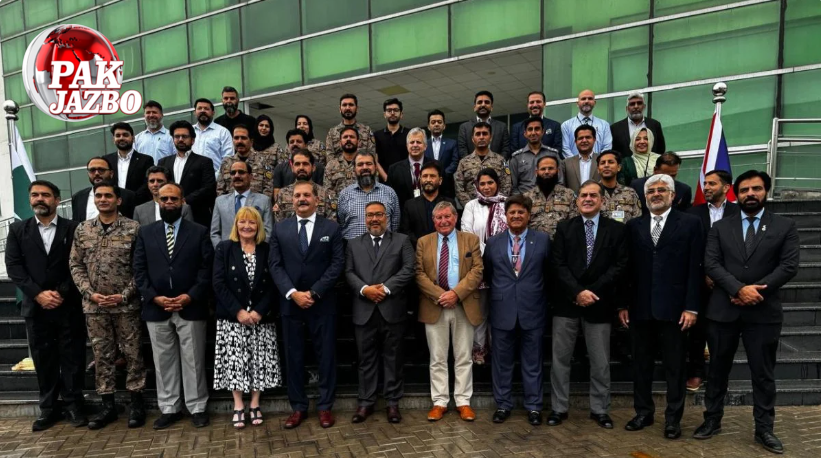
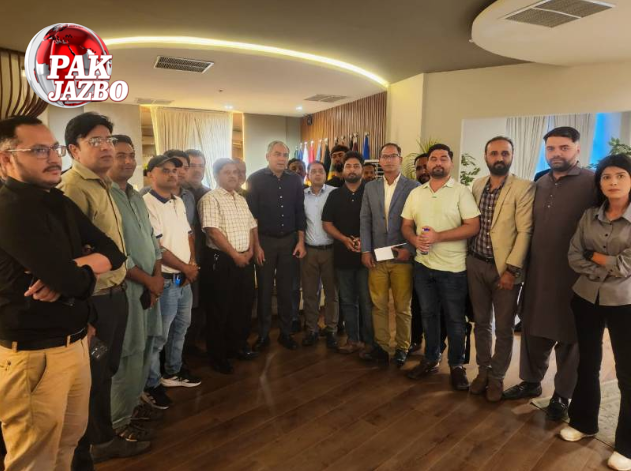
The Army Chief was addressing a gathering organized by overseas Pakistanis in Brussels, Belgium. The event aimed to engage with the Pakistani diaspora, many of whom closely follow political developments back home and remain concerned about the country’s direction.
During the discussion, Field Marshal Asim Munir touched upon the subject of political divisions and the deep polarization that has characterized Pakistan’s recent political climate. He argued that reconciliation is not merely about political arrangements or power-sharing but fundamentally about humility, accountability, and moral courage. According to him, unless political leaders acknowledge their mistakes and seek genuine forgiveness, no lasting harmony can be established.
“Angels and Devils” Metaphor
The Army Chief’s use of symbolic language—describing those who apologized as “angels” and those who did not as “devils”—quickly caught attention. It highlighted his belief that reconciliation requires moral integrity. In his view, apologies are not a sign of weakness but rather a necessary step toward healing national wounds.
Analysts see this as a subtle message directed at the country’s political leadership, urging them to abandon arrogance and ego-driven politics in favor of humility and cooperation. The statement also appears to suggest that Pakistan’s stability depends less on institutional maneuvering and more on the willingness of leaders to reconcile sincerely.
Clarification on “Change” Rumors
In the same conversation, Army Chief Asim Munir dismissed recent rumors circulating in political and media circles about potential changes within the government or the military establishment.
He categorically stated, “Rumors about change are entirely false. Those who spread these baseless claims are opponents of both the government and the establishment.”
This clarification comes at a time when political speculation in Pakistan has been rife, with narratives of “change” often linked to instability or possible shifts in power. The Army Chief’s remarks were meant to restore a sense of certainty, asserting that the focus should remain on governance, stability, and long-term national security rather than unfounded gossip.
“I Am Only the Guardian of This Nation”
Perhaps the most significant aspect of Asim Munir’s statement was his assertion regarding personal ambition. He stressed that he had no desire for any political position or worldly status. Instead, he framed his role in purely nationalistic and religious terms:
“God has made me the guardian of this country. Apart from this responsibility, I have no wish for any other position.”
This statement underscores his emphasis on loyalty to the state rather than personal power. It also reflects a narrative often presented by the military leadership—that their role is not to seek political office but to safeguard Pakistan’s security, sovereignty, and unity.
Implications for Pakistan’s Politics
Field Marshal Asim Munir’s remarks carry multiple implications:
- Message to Political Parties: His stress on apologies suggests that he expects Pakistan’s political class to take responsibility for their divisive actions. Whether it is inflammatory rhetoric, policies that undermined national stability, or personal rivalries, the Army Chief appears to believe that reconciliation requires moral courage, not just political deals.
- Stability Over Speculation: By categorically rejecting rumors of “change,” he is signaling that the establishment is not seeking to alter the current political arrangements. This may provide temporary relief for the government, which has faced uncertainty due to persistent speculation.
- Focus on National Guardianship: His declaration of being a “guardian” positions him as a custodian of the state rather than a power-seeking figure. This could be aimed at reassuring both domestic and international observers that the military leadership remains committed to stability rather than interference.
Reaction From the Pakistani Diaspora
The overseas Pakistanis in attendance reportedly welcomed the Army Chief’s comments. For many expatriates, who remain deeply invested in Pakistan’s future, the emphasis on reconciliation and stability resonated strongly.
However, on social media, reactions were mixed. Supporters of the establishment praised the Army Chief’s call for humility and forgiveness, arguing that Pakistan’s leaders must set aside personal egos. Critics, however, questioned whether the military should be seen as the ultimate arbiter of political reconciliation, arguing that such matters should ideally be resolved through democratic processes.
Broader Context: The Need for Reconciliation
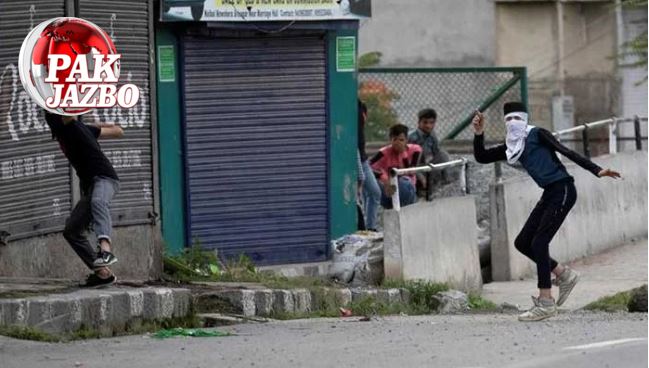
Pakistan has witnessed deep political divides in recent years, with rival parties engaging in confrontational politics, accusations, and at times violent confrontations. This polarization has not only weakened the political fabric but also distracted attention from pressing issues such as economic reform, governance, and security challenges.
In such an environment, the Army Chief’s emphasis on sincere apologies underscores a broader truth: reconciliation cannot be forced or negotiated solely through political deals. It must emerge from a recognition of past mistakes and a genuine willingness to rebuild trust.
Conclusion
Field Marshal Asim Munir’s remarks in Brussels highlight a vision of reconciliation rooted in humility, forgiveness, and accountability. By portraying apologies as a pathway to becoming “angels” and the refusal to apologize as a step toward becoming “devils,” he sought to inject moral clarity into Pakistan’s political discourse.
His dismissal of “change” rumors further underscores the military’s stance on stability, while his personal statement of being a “guardian” rather than a power-seeker reflects his commitment to national service.
Whether Pakistan’s political leadership will heed this advice remains uncertain. Yet the message is clear: without genuine apologies and moral courage, political reconciliation will remain elusive—and the country’s journey toward unity and stability will continue to face obstacles.
What’s your Reaction?
+1
+1
+1
+1
+1
+1