





















































































































































































































































































































































































































































































































































































































































































































































































































































































































































































































































































































































































































































































































































































































































































































































































































































































































































































































































































































































































































Heavy Rains Expected in Gilgit-Baltistan and Azad Kashmir: NDMA Issues Flood Alert


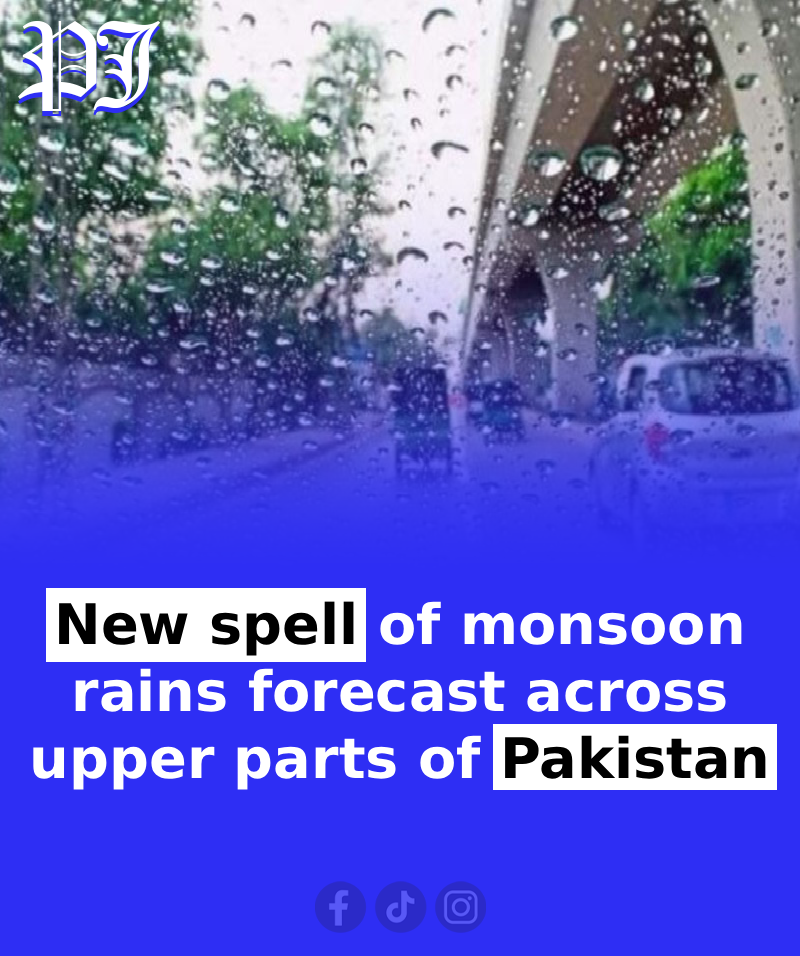
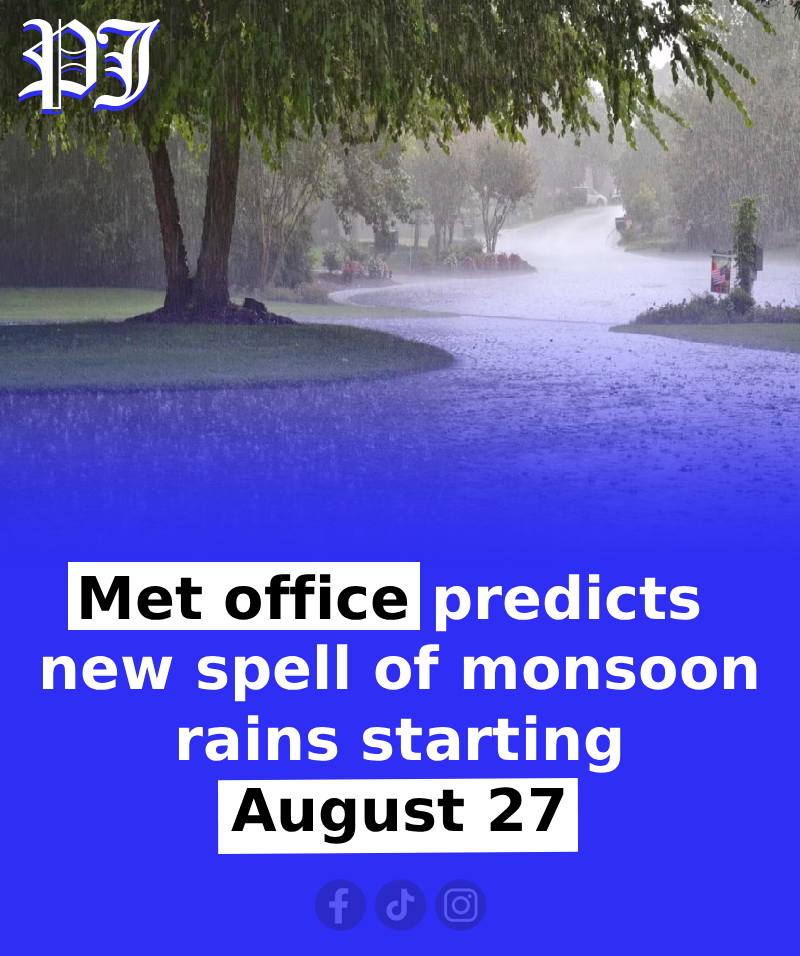
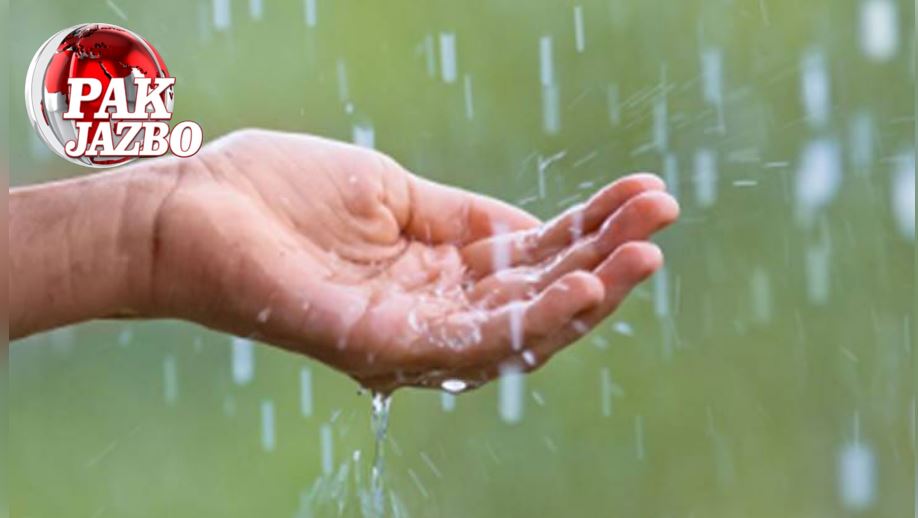
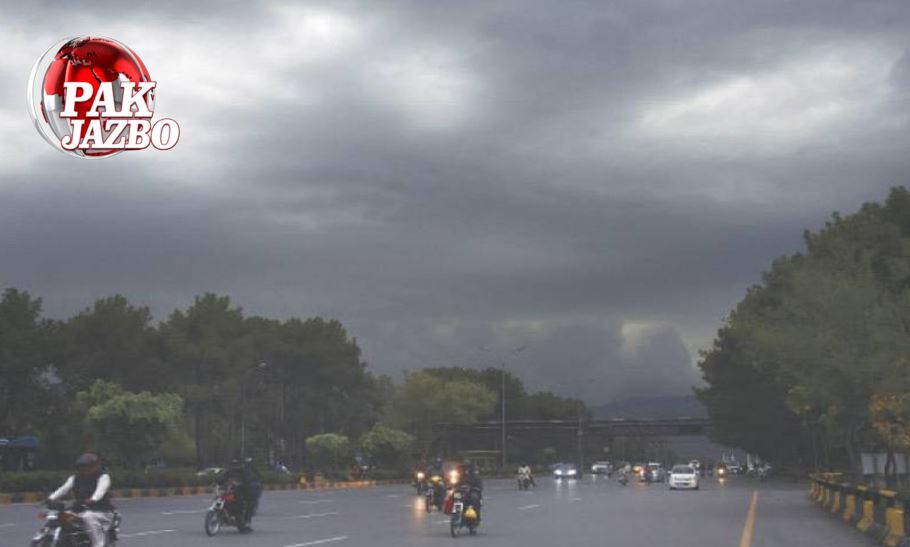
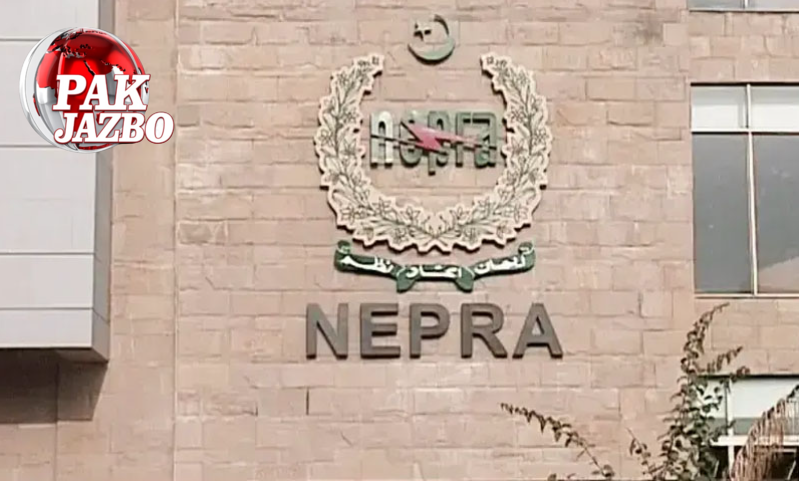
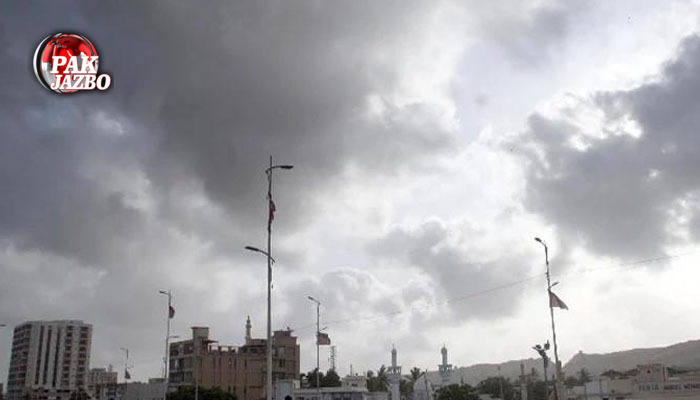
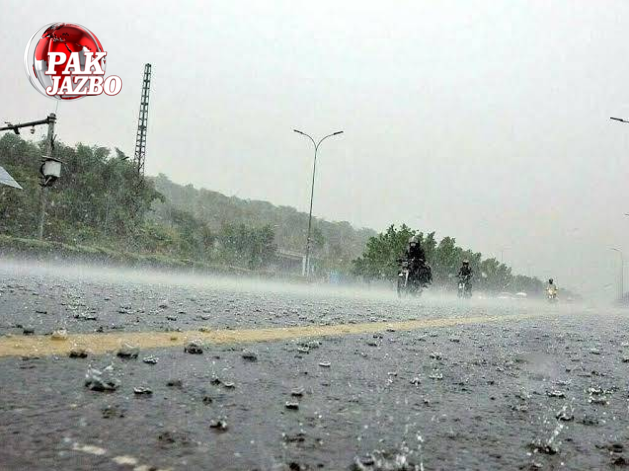
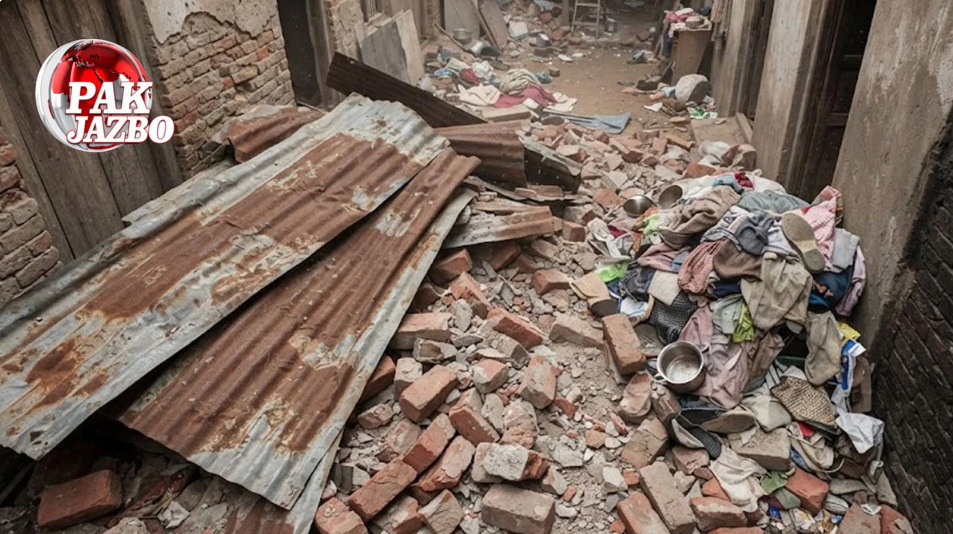
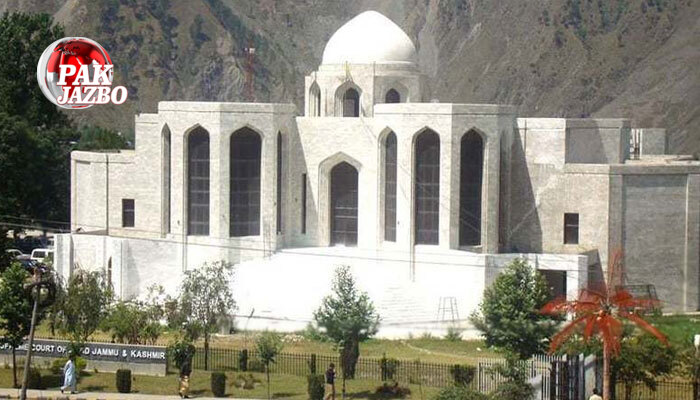
The National Disaster Management Authority (NDMA) has issued a flood alert for Gilgit-Baltistan and Azad Jammu and Kashmir in anticipation of heavy rainfall predicted between July 28 and July 31. According to the NDMA’s latest advisory, several areas in the northern and mountainous regions of Pakistan are likely to experience significant rainfall, increasing the risk of flash floods and landslides.
Areas Under Threat
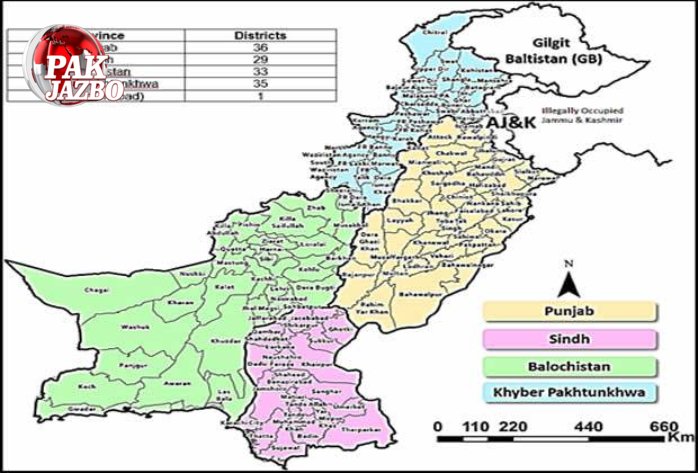
The regions specifically mentioned in the NDMA’s alert include Gilgit, Skardu, Hunza, and Shigar in Gilgit-Baltistan, and Muzaffarabad, Neelum Valley, and Bagh in Azad Kashmir. Rainfall is expected to intensify over these four days, raising concerns about the safety of residents in vulnerable locations, particularly those living in low-lying or mountainous areas.
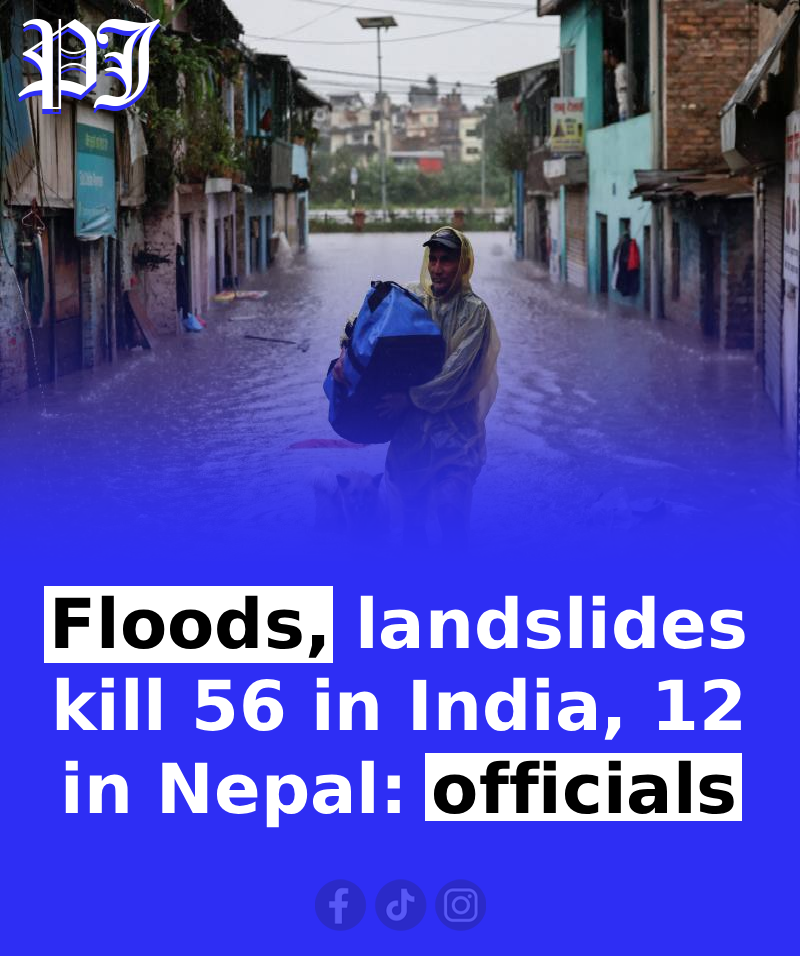
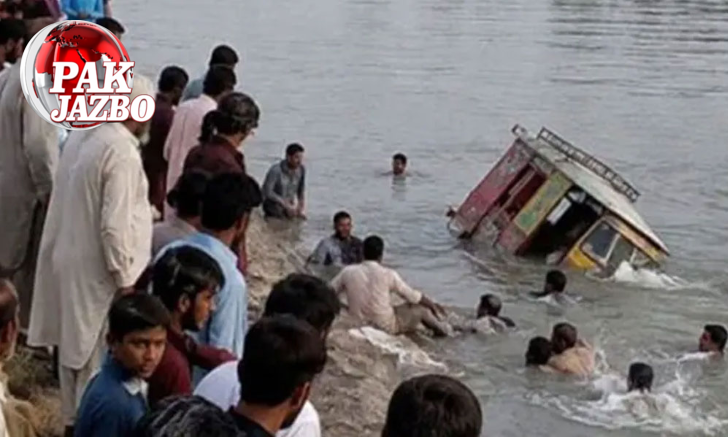
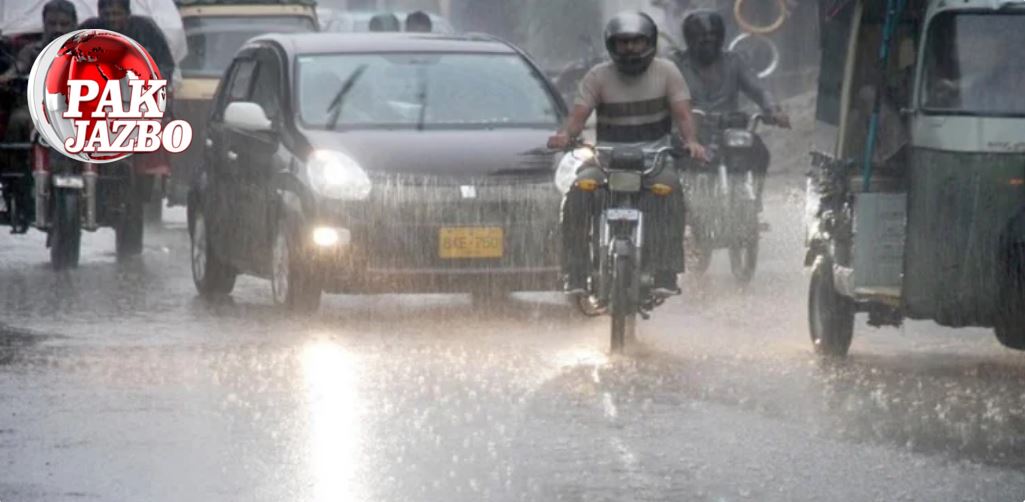
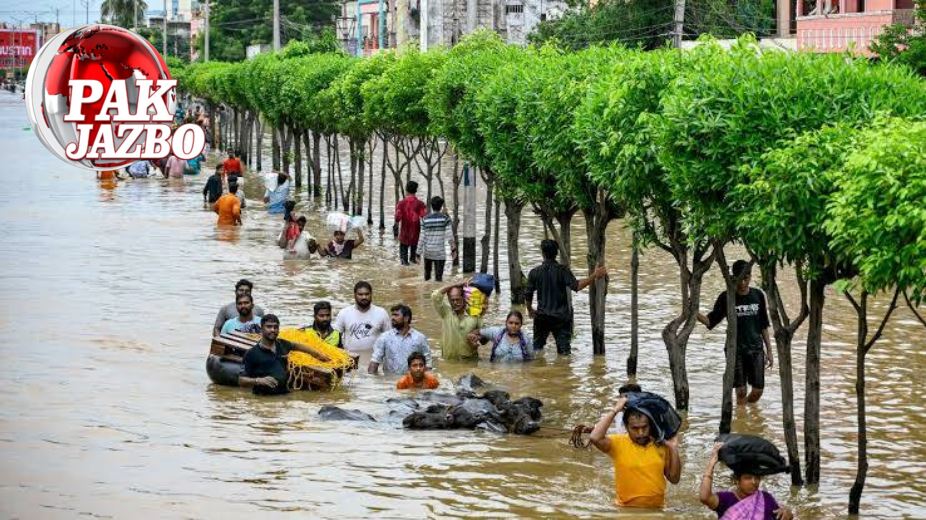
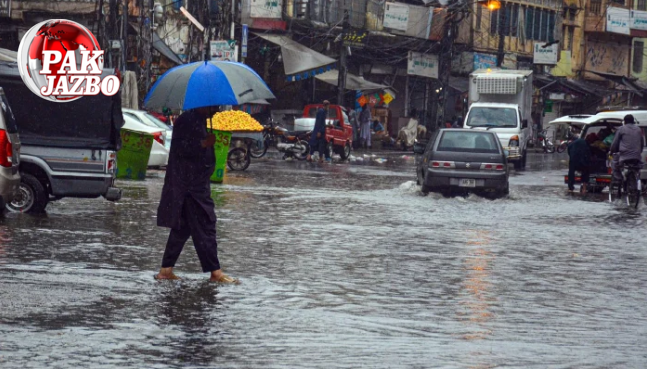
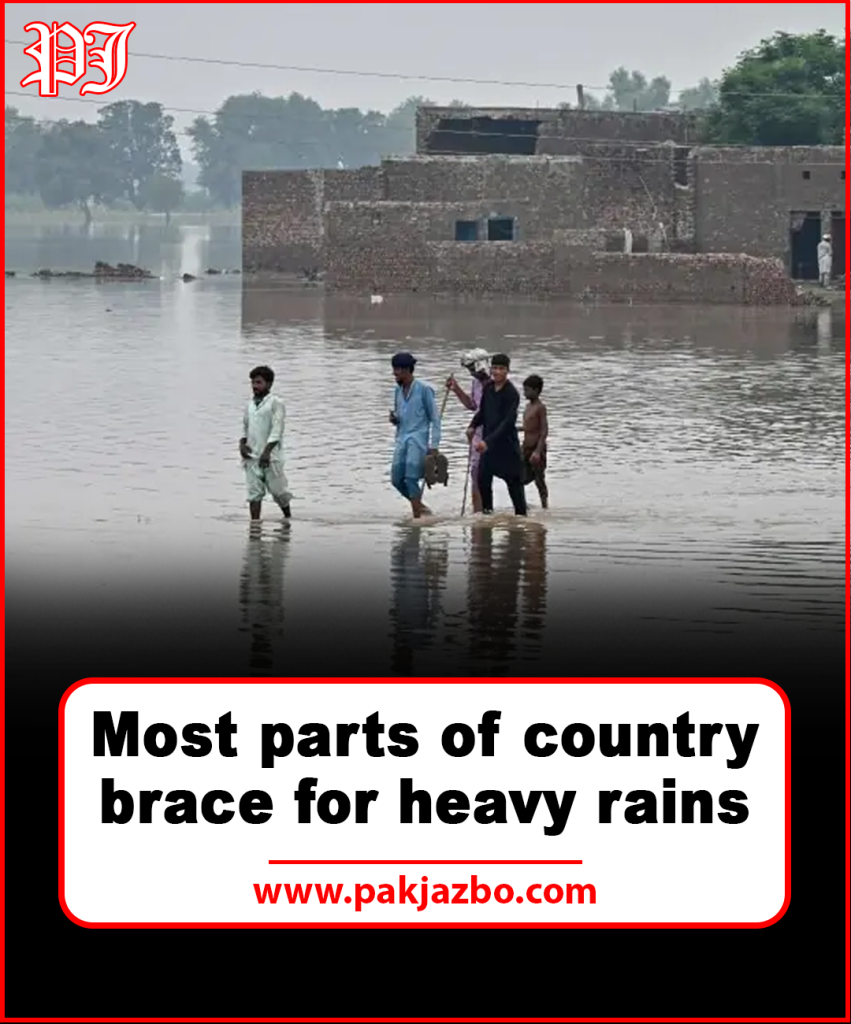
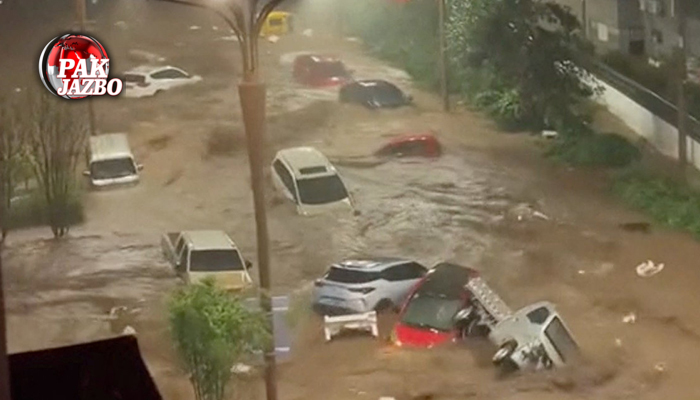
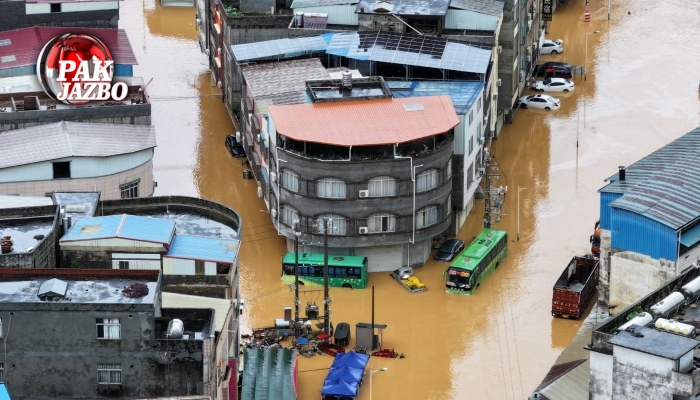
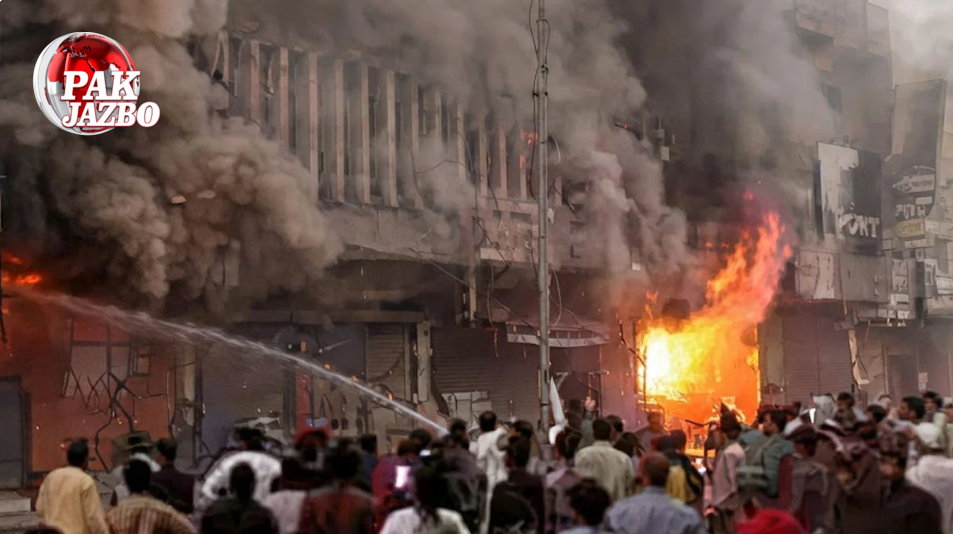
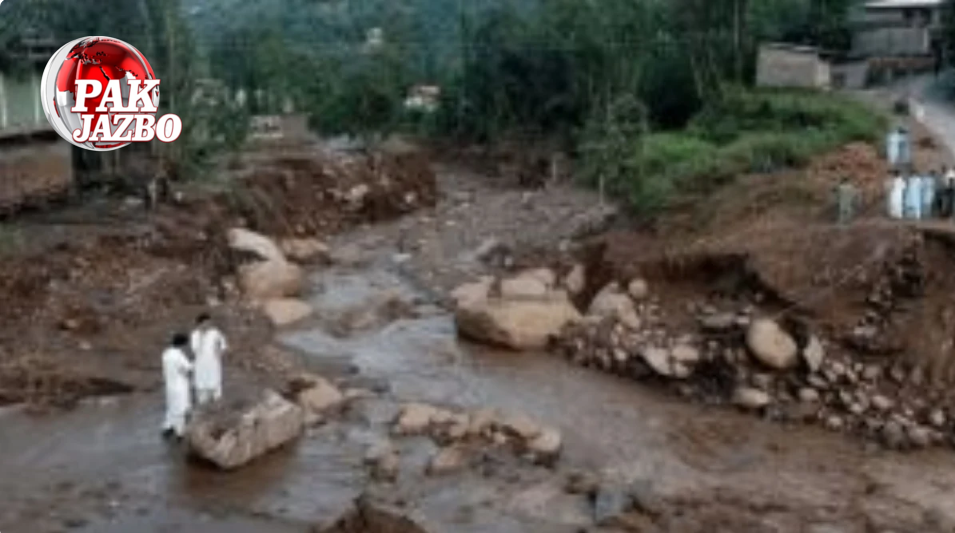
The NDMA has highlighted that due to the anticipated rainfall, flash flooding is highly probable, especially in areas with steep terrain and poorly managed drainage systems. Riverine areas and local water channels may overflow, posing a direct threat to lives, property, and infrastructure.
Potential for Landslides
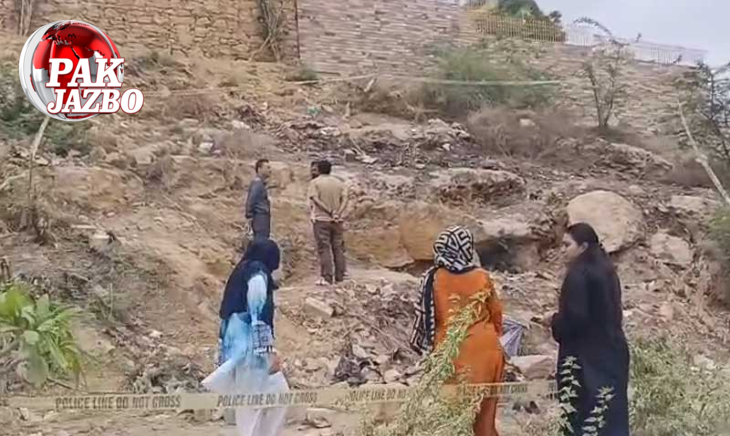
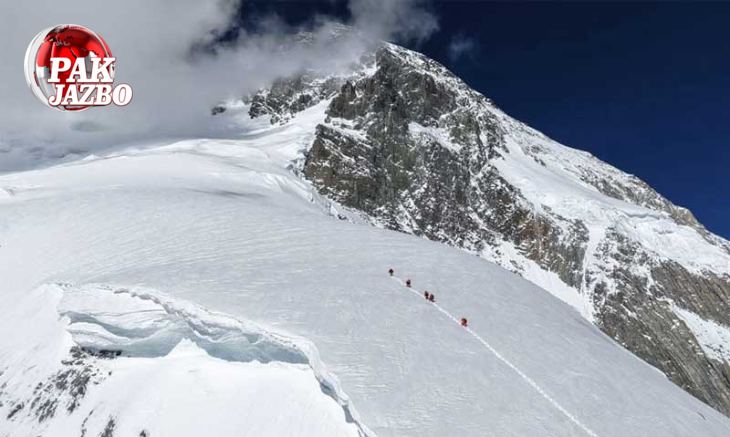
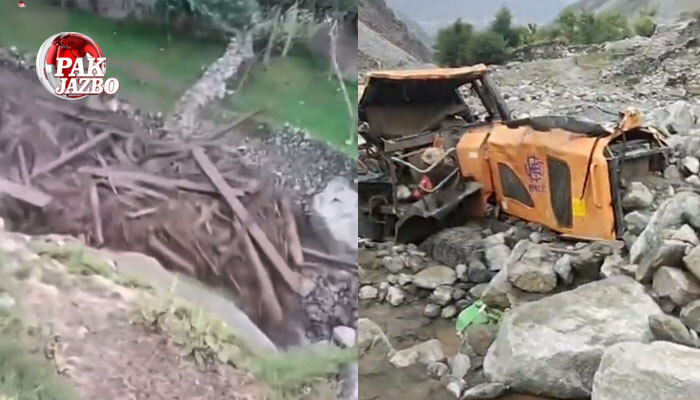
Apart from the risk of flooding, there is also a significant chance of landslides, particularly in the mountainous regions of Gilgit-Baltistan and Azad Kashmir. Areas like Hunza, Skardu, and Neelum Valley are known for their steep slopes and fragile geology, which make them especially vulnerable to landslides during periods of heavy precipitation.
Landslides can not only cut off access to remote villages but also result in serious damage to roads, bridges, and public utilities. The NDMA has therefore warned the local authorities to be on high alert and to identify landslide-prone zones in advance to minimize loss of life and property.
Glacier Melting and Increased River Flow
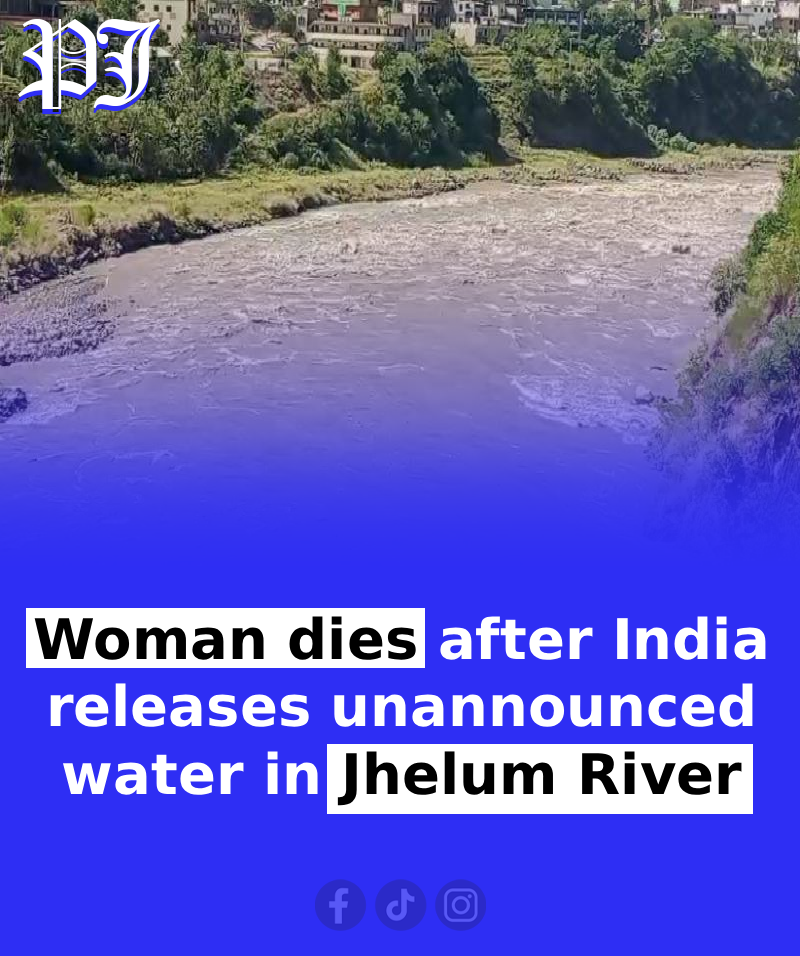
In addition to rainfall, rising temperatures and changing climate patterns are accelerating glacial melt in the upper regions of Pakistan. The NDMA has particularly warned of increased glacier melting in the areas of Chitral, Booni, and Reshun. This accelerated glacial melt, coupled with rainfall, can significantly increase the flow of water in the Chitral River and its tributaries.
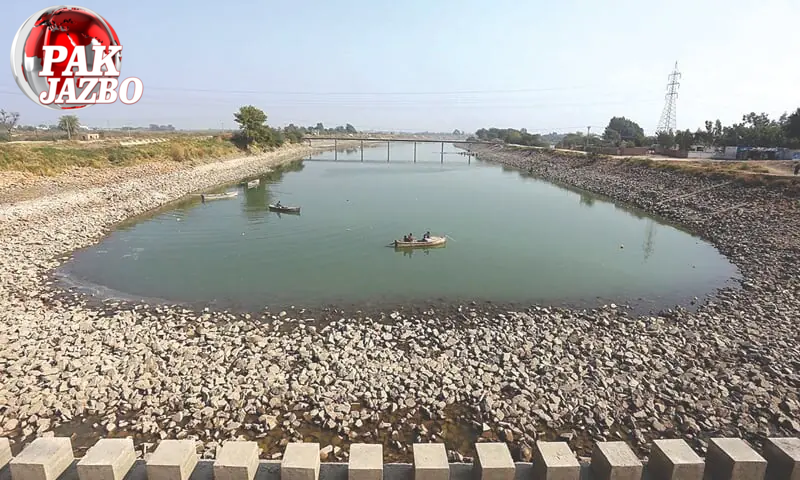
The increased water volume in these rivers may exceed the carrying capacity of riverbanks and result in flash floods downstream, particularly affecting agricultural land, homes, and critical infrastructure such as roads and hydropower stations.
Urban Flooding Concerns
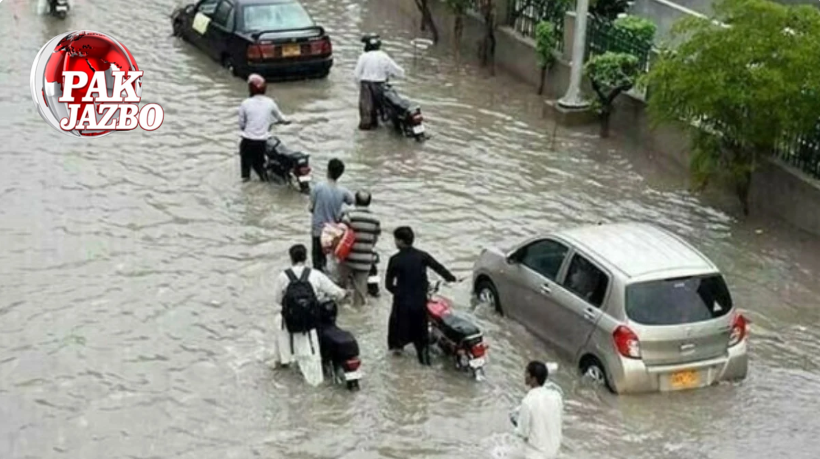
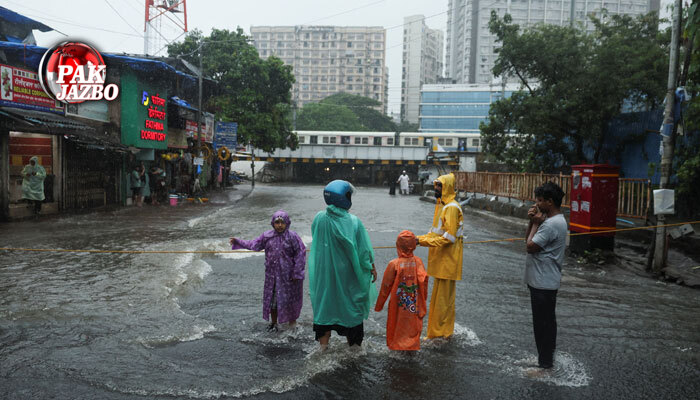
The NDMA has also raised alarms about potential urban flooding in cities like Muzaffarabad and Bagh. These urban centers, with rapidly growing populations and limited drainage infrastructure, are at risk of water accumulation and urban flooding during heavy downpours.
Residents in these cities have been advised to remain cautious, avoid unnecessary travel during the forecasted period, and stay updated with alerts from local authorities and disaster response teams.
Precautionary Measures by NDMA
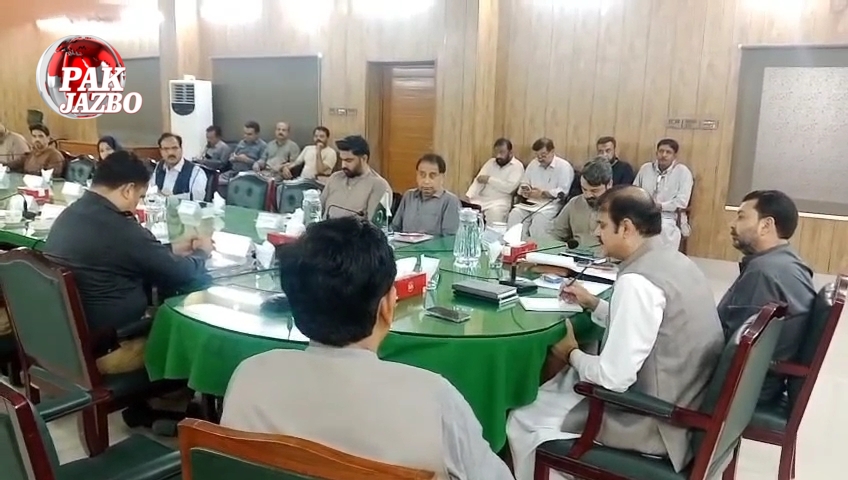
In light of the possible weather-related hazards, the NDMA has issued strict directives to all relevant provincial and local disaster management authorities. These include:
- Activation of Emergency Response Systems: Local administrations are instructed to keep emergency control rooms operational 24/7 to respond to any emergencies or distress calls.
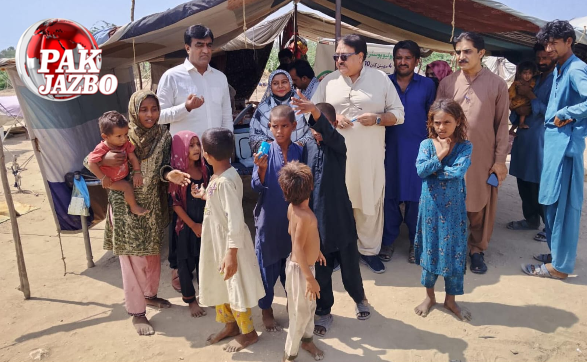
- Stockpiling of Relief Supplies: Authorities have been asked to ensure the availability of food, clean drinking water, medicines, tents, and other essential items in vulnerable areas.
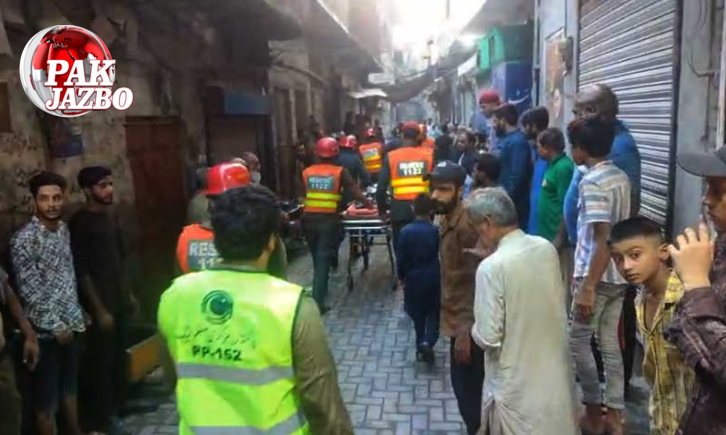
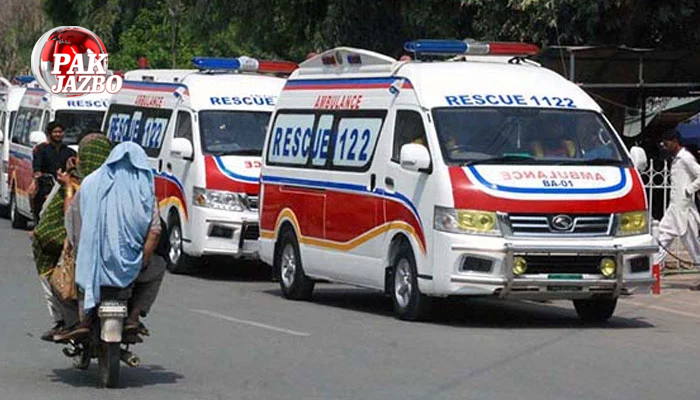
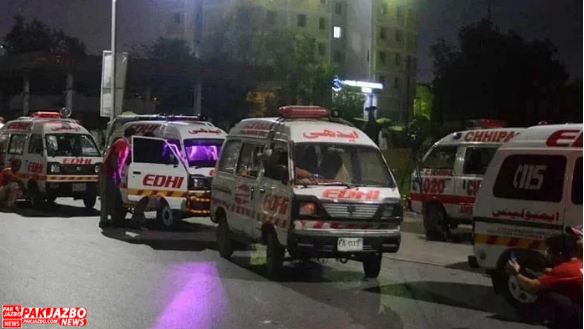
- Deployment of Rescue Teams: Rescue and relief teams equipped with necessary tools, boats, and first-aid equipment should be placed on standby, especially near riverbanks and high-risk zones.
- Public Awareness Campaigns: NDMA recommends launching awareness campaigns through local media and community leaders to educate people on safety measures, evacuation procedures, and emergency contact numbers.
- Monitoring of Water Bodies: All relevant agencies have been directed to monitor the water levels in rivers, streams, and reservoirs continuously to anticipate overflow or breaches.
- Evacuation Planning: In areas deemed at high risk of flooding or landslides, authorities must have pre-determined evacuation routes and shelters ready for use at a moment’s notice.
Public Advisory
The NDMA has urged citizens to remain vigilant and follow weather updates issued by the Pakistan Meteorological Department. Travelers and tourists, particularly those planning trips to the northern areas during this period, have been advised to either postpone their plans or stay informed of the latest conditions.
Locals in flood-prone areas should refrain from crossing swollen rivers and streams, avoid taking shelter under unstable slopes or trees, and keep emergency supplies within reach. The NDMA has emphasized that early preparedness and timely response are key to minimizing loss and ensuring public safety.
Conclusion
With climate-related disasters becoming increasingly frequent and severe in the region, this alert by the NDMA is a critical step in ensuring timely preparedness and coordination among various government departments and the general public. As the situation develops, residents of Gilgit-Baltistan, Azad Kashmir, and adjoining areas are strongly advised to stay alert, cooperate with local authorities, and prioritize safety above all else.
What’s your Reaction?
+1
+1
+1
+1
+1
+1