














































































































































































































































































































































































































































































































































































































































































































































Karachi Plunged Into Darkness: One Day of Rain Disrupts Power Supply Across the City


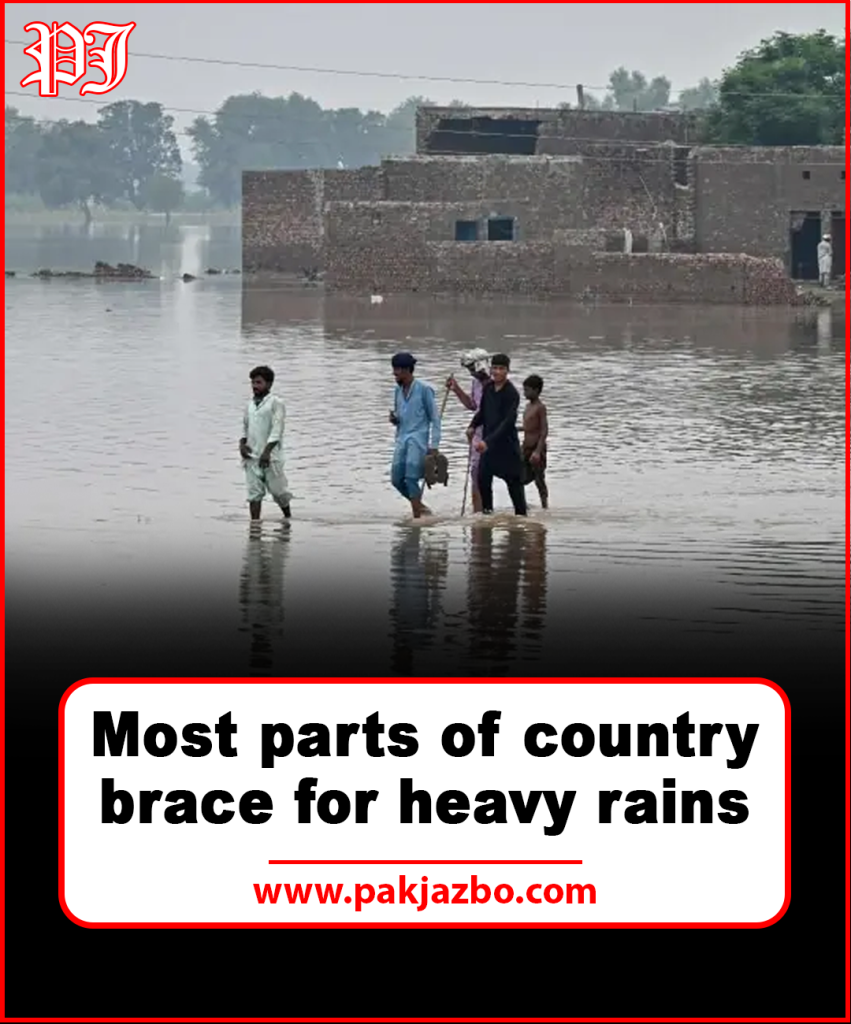
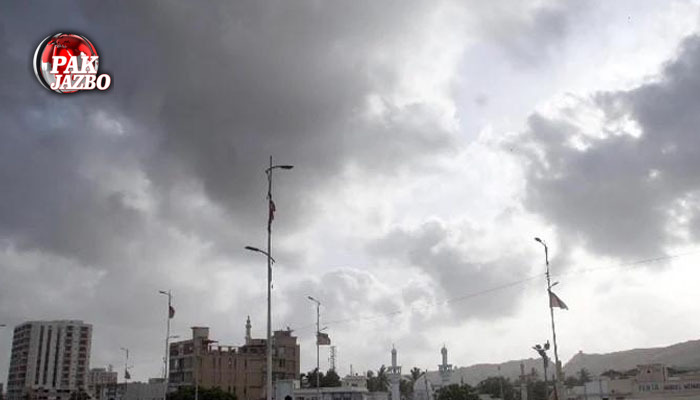
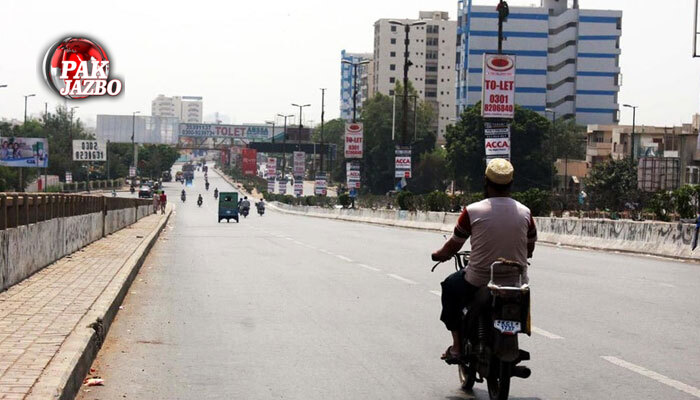
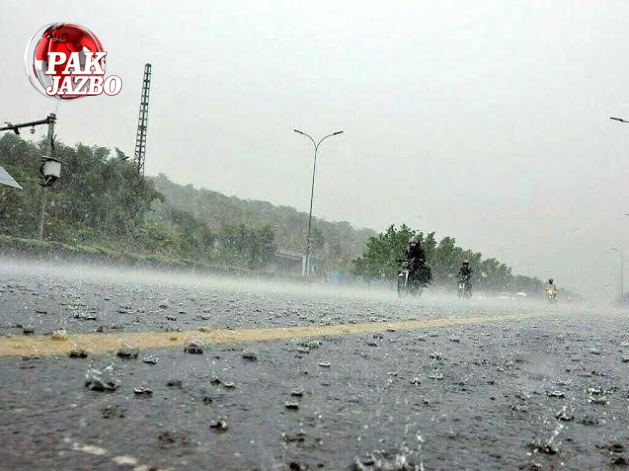
Karachi – A single day of heavy rainfall has once again exposed the fragility of Karachi’s electricity infrastructure, leaving vast portions of the city without power for extended periods. As residents struggle with outages, water shortages, and rising frustration, officials from K-Electric, the city’s main power distributor, insist that restoration work is progressing steadily despite major obstacles.
Prolonged Outages in Several Neighborhoods
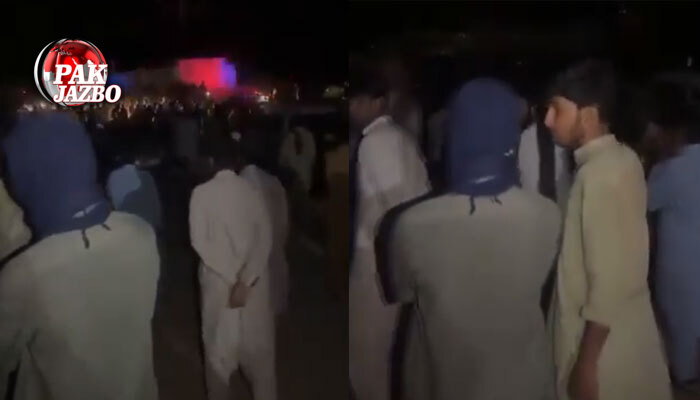
Following Tuesday’s rainfall, dozens of Karachi’s neighborhoods were plunged into darkness, many of them still waiting for electricity to be restored. Among the worst-affected areas are Saddar’s Ratan Talao, Urdu Bazaar, and the surrounding localities, where residents report having no electricity since the downpour began.
The crisis extended far beyond the city center. In Malir, Alamgir Society, Kashmir Colony Sector B, Jail Road, Jamshed Road, Al-Muslim Housing Society (Scheme 38), and various blocks of Gulistan-e-Jauhar have all reported prolonged outages. Specifically, Gulistan-e-Jauhar Block 8, Block 2, and Block 3-A remain without power. In North Nazimabad, Blocks G and F have been affected, along with Umar Colony, Darvesh Colony, and PECHS Block 7.
Other areas include Merchant Navy Society (Scheme 33, Sector 15-A) and Liaquatabad C-1 Area, all of which have reported continuous power suspensions. The widespread impact highlights how rainfall continues to overwhelm Karachi’s already burdened electricity supply system.
Two Days Without Power in Gulistan-e-Jauhar
For some neighborhoods, the blackout has dragged on for more than 48 hours. In Gulistan-e-Jauhar Block 8, residents have been without power for two consecutive days, a situation that has compounded their misery by disrupting water supply. Without electricity, pumping stations cannot operate, leaving households with no access to clean water.
Frustrated locals have voiced their anger, noting that despite repeated complaints to K-Electric, the faults have not been rectified. “We had electricity briefly at 5 a.m. today for only a few minutes,” said one resident. “But then it went off again, and since then, we have been living in darkness.”
Residents Express Growing Frustration
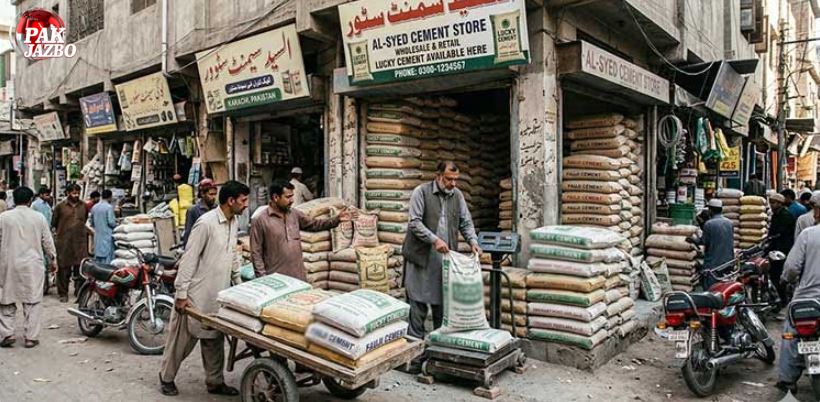
Many Karachiites accuse K-Electric of failing to prepare for predictable monsoon challenges. “Every year the same thing happens. One day of rain, and the entire system collapses,” said a shopkeeper in Urdu Bazaar. For him, the outage is not just an inconvenience—it’s a blow to his livelihood, as businesses dependent on electricity suffer losses with each passing hour.
Residents also complain about a lack of timely information. While K-Electric issues general updates, people living in specific neighborhoods say they remain in the dark, not knowing when power will return. The uncertainty adds to their distress, particularly for families with children, the elderly, and those relying on medical equipment.
K-Electric’s Response and Claims of Progress
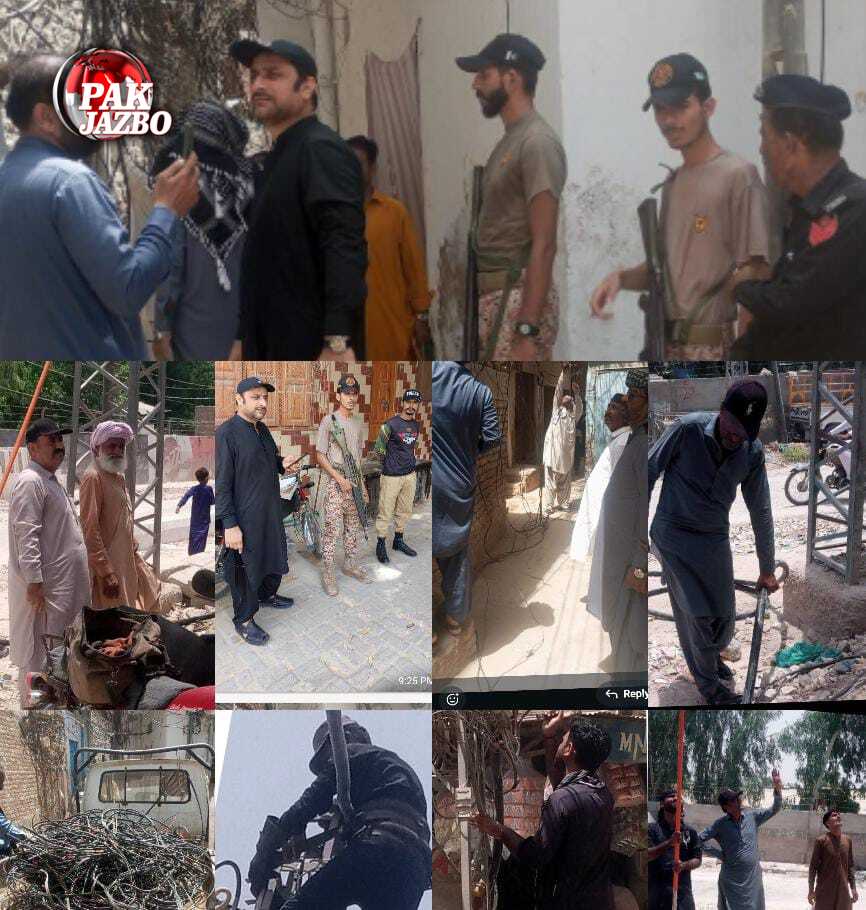
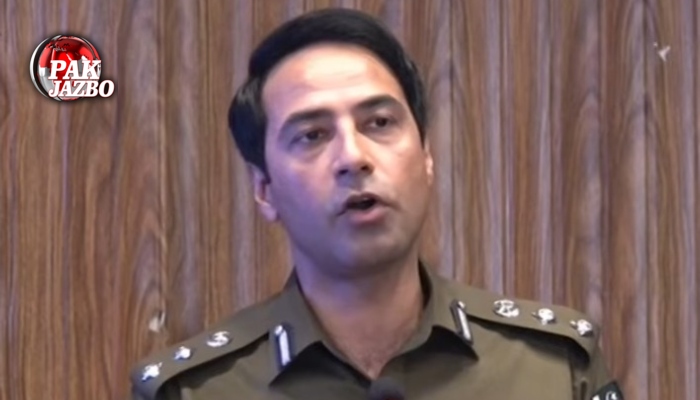
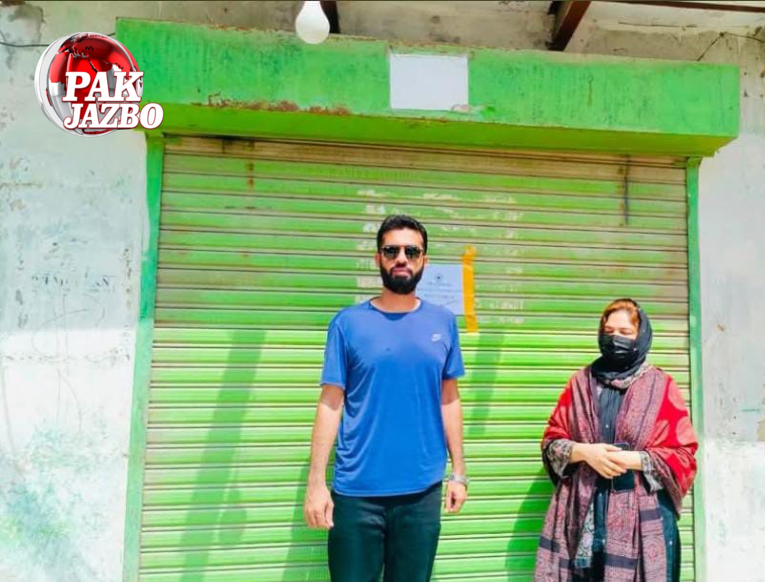
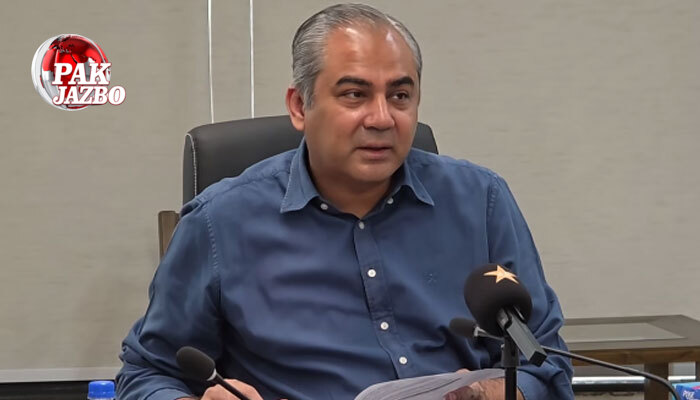
On the other hand, K-Electric leadership has presented a more optimistic picture. Chief Executive Officer Moonis Alvi announced that by Wednesday evening, electricity had been restored to more than 94 percent of the city. He insisted that the company’s field teams were working tirelessly to address faults on the remaining feeders.
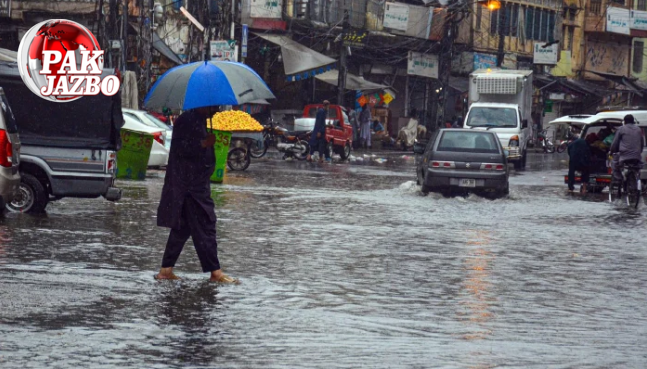
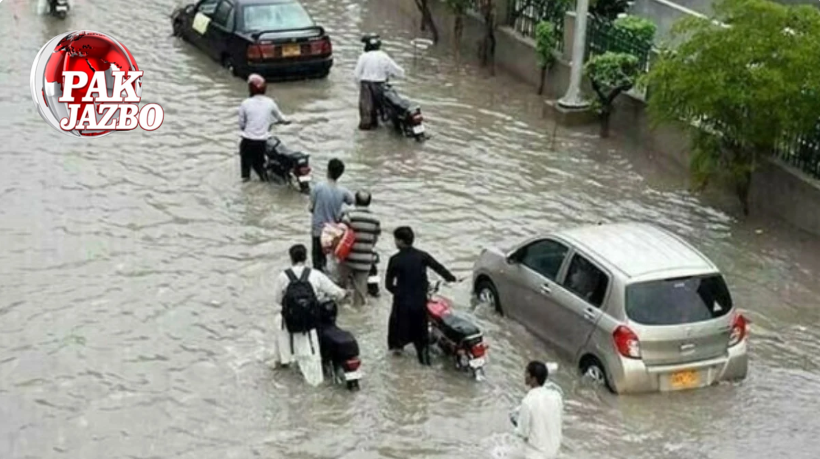
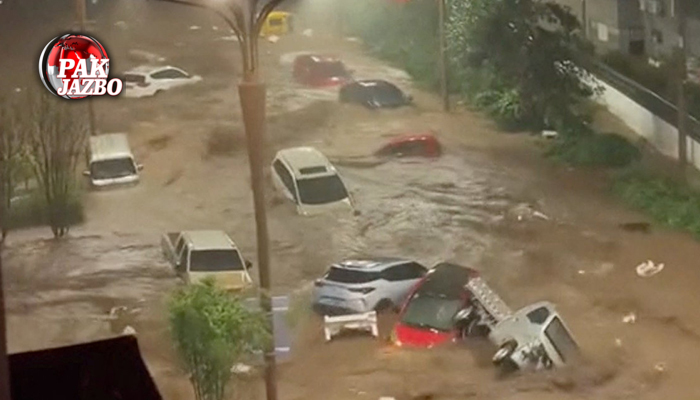
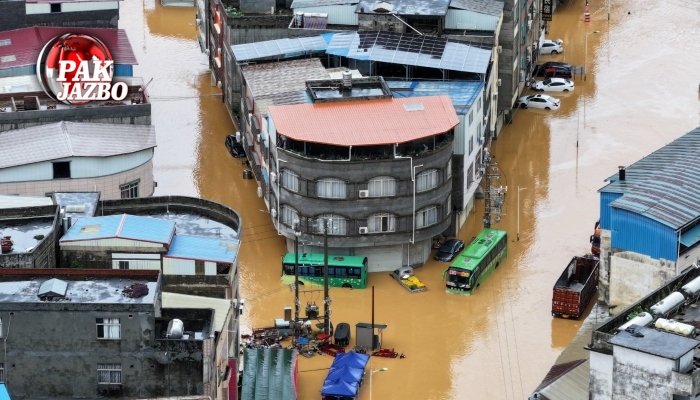
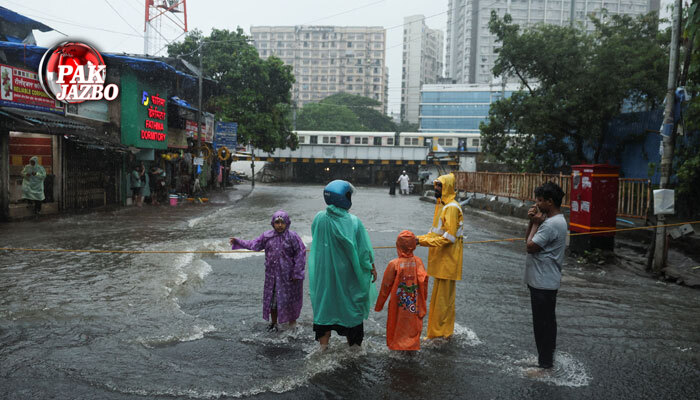
Alvi explained that the rainfall caused serious mobility challenges for field staff, delaying repair work in certain areas. “Our teams faced significant difficulties reaching affected sites due to flooded streets and traffic disruptions. Despite this, we have managed to restore power to most neighborhoods, and work continues on about 150 feeders,” he said.
The Scale of the Challenge
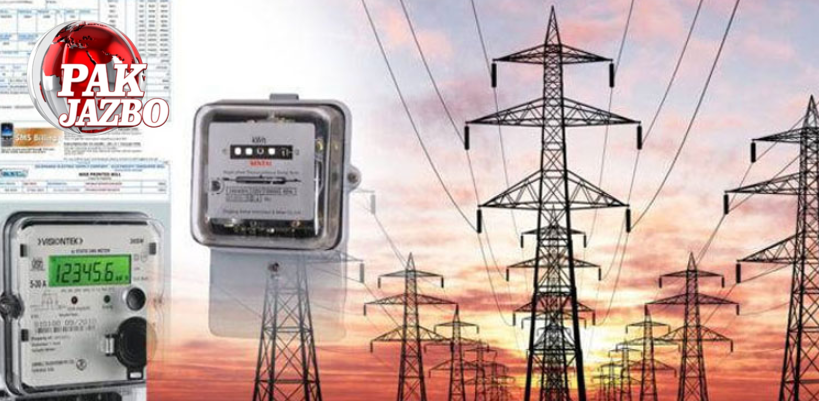
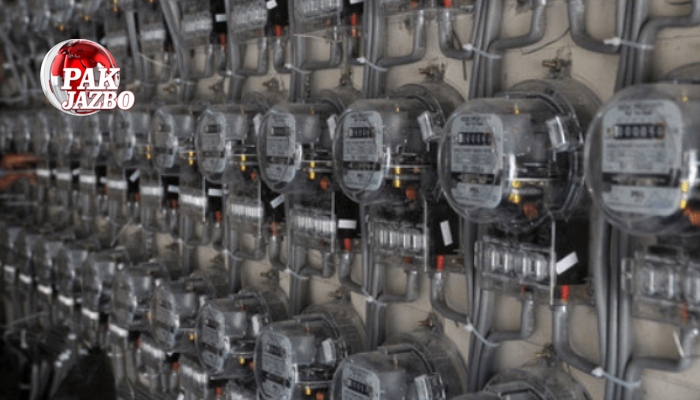
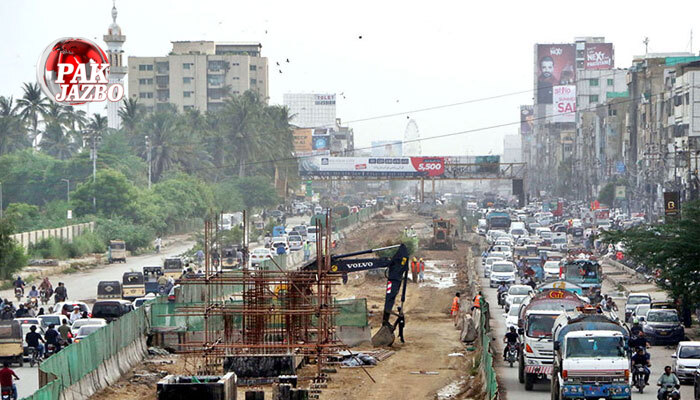
Karachi’s electricity system is heavily dependent on its vast network of feeders and substations, many of which are prone to tripping or short-circuiting during rainfall. Flooded streets and exposed wiring add further complications. With each spell of rain, hundreds of feeders go offline, plunging entire neighborhoods into darkness.
This week’s outage underscores the systemic vulnerabilities. In several neighborhoods, not only are power cables damaged, but waterlogging has also made repair work dangerous, requiring additional precautions and longer restoration times.
Water Shortages Add to Residents’ Misery
The absence of electricity has triggered a secondary crisis—water shortages. In areas like Gulistan-e-Jauhar, Malir, and Liaquatabad, residents complain that their overhead tanks have dried up because water pumping stations are not operational. Families have been forced to purchase water through tankers, adding financial strain to already struggling households.
For many, the crisis is not just about discomfort but survival. With high humidity and soaring temperatures, lack of electricity also means no fans, no refrigeration for food, and increased health risks for the vulnerable.
The Larger Picture: Karachi’s Struggle with Infrastructure
Karachi, Pakistan’s largest metropolis and economic hub, has long grappled with power outages, particularly during the monsoon season. Experts note that the city’s rapid urban expansion has outpaced improvements in infrastructure. The electricity distribution system remains outdated and fragile, making it incapable of withstanding seasonal stress.
Critics argue that until significant investment is made in modernizing the grid, residents will continue to face recurring blackouts with every rainfall. “This is not just about one storm or one day of rain. It’s about a system that has been neglected for years,” said an energy analyst.
Community Coping Mechanisms
In the absence of reliable electricity, residents are increasingly turning to private solutions. Generators, UPS systems, and solar panels are now common in middle-income households, though poorer communities cannot afford these alternatives. Many neighborhoods have pooled resources to hire private electricians for temporary fixes, highlighting both resilience and desperation.
Conclusion
The heavy rainfall in Karachi once again revealed the city’s vulnerability to infrastructure collapse. While K-Electric claims to have restored power to most areas, thousands of residents remain in darkness, grappling with water shortages and disrupted lives. The gap between official assurances and on-ground realities continues to fuel public anger.
For Karachiites, the crisis is not new—it is a recurring reminder of the urgent need for investment in sustainable, weather-resistant electricity systems. Until then, each monsoon rain threatens to turn the city into a battleground of darkness, frustration, and hardship.
What’s your Reaction?
+1
+1
+1
+1
+1
+1