




















































































































































































































































































































































































































































































































































































































































































































































































































































































































































































































































































































































































































































































































































































































































































































































































































































































































































































































































German Football Club Fortuna Düsseldorf Cancels Deal with Israeli Player Due to Anti-Palestinian Remarks — Fans and Management Unite Against Hate Speech


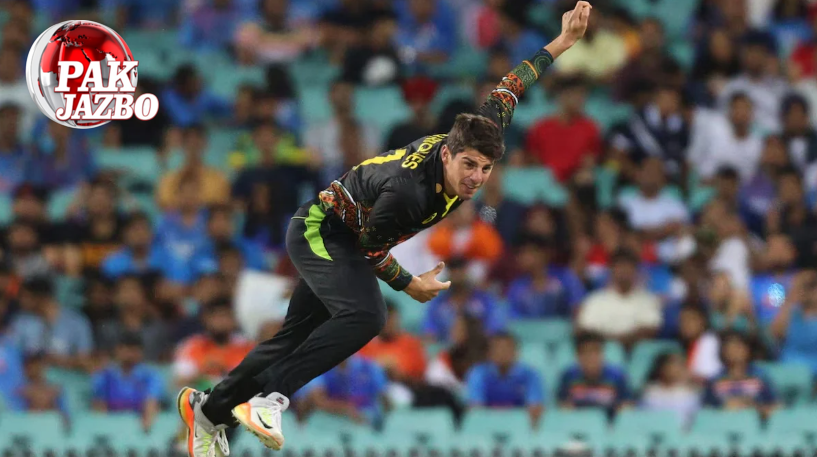
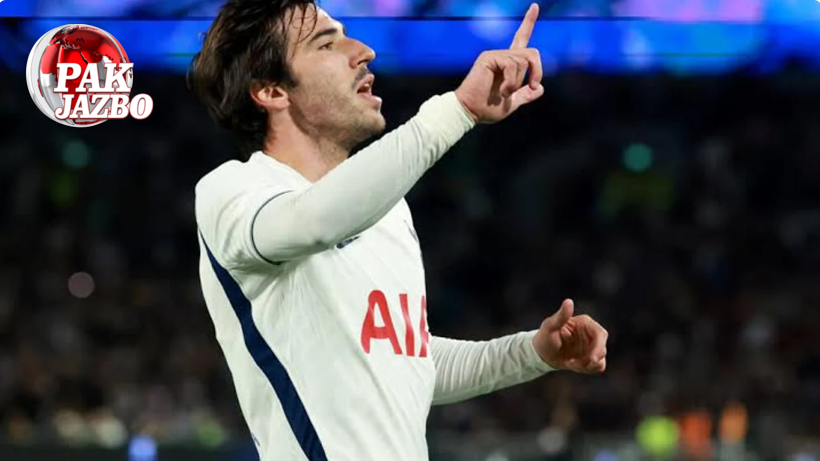
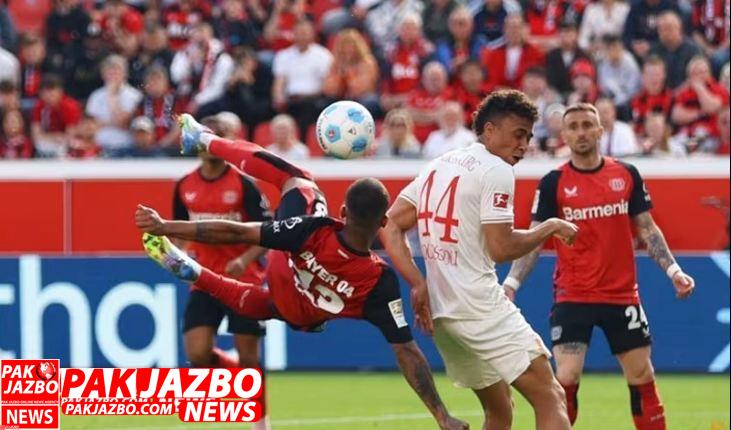
In a bold and unprecedented move that has gained international attention, German football club Fortuna Düsseldorf, currently playing in Germany’s second division (2. Bundesliga), has called off a potential contract with Israeli striker Shon Weissman. The decision was made following widespread public backlash over the player’s controversial and inflammatory statements against Palestinians on social media.
The club’s decision highlights the growing influence of fan activism and reflects a broader sentiment emerging across Europe regarding political expression in sports, especially when it involves hate speech or incitement to violence.
The Controversy: Social Media Posts Spark Outrage
The entire controversy stems from a series of social media activities by Shon Weissman in October 2023, during a particularly intense phase of the Israel-Gaza conflict. According to multiple sources, Weissman was seen liking and sharing posts that appeared to support the erasure of Gaza from the map — an act widely viewed as endorsing ethnic cleansing or genocide.
In another disturbing post that gained viral attention, Weissman allegedly commented on a photo of two Palestinian prisoners, writing:
“Why haven’t they been shot in the head yet?”
These actions were deemed highly provocative and unacceptable, especially given the ongoing humanitarian crisis in Gaza, where thousands of civilians have died in recent years due to military conflict.
Fan-Led Petition Forces Club to Reconsider
News that Fortuna Düsseldorf was considering signing Weissman triggered an immediate and intense backlash from the club’s own fans.
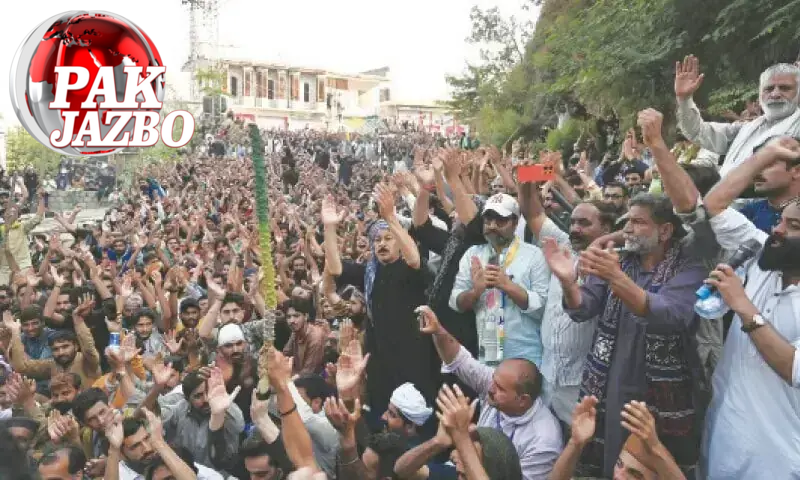
A change.org-style online petition was launched, urging the club’s management to rethink any deal with the player. The petition cited the player’s social media behavior and warned that signing him would severely damage the club’s reputation, especially among its diverse and socially conscious fan base.
“Fortuna Düsseldorf stands for tolerance, inclusivity, and respect for all communities,” wrote one fan. “Bringing in a player who has shown support for ethnic violence and hatred contradicts everything this club represents.”
Within days, the petition garnered thousands of signatures, and social media was flooded with calls for the club to prioritize human values over footballing talent.
Club’s Official Statement: Brief but Impactful
Responding to the uproar, Fortuna Düsseldorf released a short but pointed statement saying:
“We have decided not to move forward with signing Shon Weissman.”
While the club did not go into detailed explanations, it was clear to observers that the decision was prompted directly by fan pressure and ethical concerns.
Many football analysts have praised the club’s leadership for listening to their supporters and choosing to align their brand with human rights values, even at the cost of potentially signing an experienced international striker.
Social Media Reactions: Applause from Some, Criticism from Others
The news quickly made headlines across sports media and Twitter/X, drawing a mixed bag of reactions.
- Pro-Palestinian groups and human rights advocates widely applauded the decision, calling it a rare and courageous move by a European club.
- Israeli supporters and some commentators criticized the decision, labeling it as unfair and politically motivated, arguing that Weissman was being targeted for his “patriotism.”
However, the general consensus — particularly in Germany, where public discourse around human rights and historical responsibility is extremely sensitive — leaned toward supporting Fortuna Düsseldorf’s stance.
The Ethics of Athlete Expression in a Polarized World
The situation has sparked a wider debate on freedom of speech vs. accountability, particularly in the realm of sports. While athletes, like all individuals, have a right to personal opinions, public figures carry an added responsibility — their words and actions influence millions.
Critics of Weissman argue that freedom of speech does not cover incitement to violence or dehumanization, especially in a region where emotions are already high due to war and loss.
“There’s a difference between supporting your country and promoting hate,” said a German journalist covering the story. “Fortuna’s decision shows that clubs can take a moral stand, not just a business one.”
A Growing Trend: Fan Power and Social Accountability
This incident also reflects a growing trend in football, where fans are no longer passive spectators but active participants in shaping their clubs’ identities. From protesting ownership decisions to taking stands on social issues like racism, homophobia, and now geopolitics, football fans are exerting unprecedented influence.
The cancellation of Weissman’s deal is being seen as a case study in the power of collective voice, especially when backed by clear ethical reasoning and public pressure.
Who is Shon Weissman?
For context, Shon Weissman is an Israeli international footballer, known for his stints in Spain (Real Valladolid), Austria (Wolfsberger AC), and Israel (Maccabi Haifa). He is a capable goal-scorer and was being considered to bolster Düsseldorf’s attacking line.
However, his off-field behavior — specifically his social media history — has now cast a long shadow over his career prospects in Germany and perhaps other European leagues.
The Road Ahead for Fortuna Düsseldorf
Fortuna Düsseldorf, a club with a history dating back to 1895, has long been associated with working-class values, community inclusion, and anti-racism. The club has actively participated in social campaigns and diversity initiatives across Germany.
By terminating any plans to sign a player with a record of hate speech, the club has not only protected its image but reinforced its moral standing in the football world.
Fans are now calling on other clubs to review the political affiliations and public behavior of their players — not to suppress political views, but to ensure that incitement, hate, or racism have no place in the game.
Conclusion: A Bold Statement in a Divided World
In times where football is increasingly seen as a platform for social and political expression, Fortuna Düsseldorf’s decision sets a precedent — that ethics matter, and that fan voices can guide institutional choices.
While Shon Weissman’s future remains uncertain, one thing is clear: the global football community is watching closely, and this won’t be the last time clubs face difficult choices in balancing performance with principle.
This story stands as a reminder that football is more than just a game — it’s a reflection of the society that surrounds it.
What’s your Reaction?
+1
+1
+1
+1
+1
+1