




































































































































































































































































































































































































































































































































































































































































































































































































Unemployment Rises to 7.1% in Pakistan as 8 Million People Remain Jobless


Pakistan’s labour market has recorded a worrying surge in unemployment, with the jobless rate rising to 7.1 percent, according to the newly released National Labour Force Survey (NLFS) 2024–25. The latest data paints a challenging picture of the economy, revealing that approximately 8 million people across the country are currently unemployed—an increase of nearly one percent compared to five years ago.
The survey highlights that in the fiscal year 2020–21, Pakistan’s unemployment rate stood at 6.3 percent. Over the course of five years, this figure has climbed by 0.8 percent, signalling persistent strain on the labour market despite various governmental claims of economic recovery and job creation.
Population and Labour Statistics
Based on the 2023 national census, Pakistan’s population is 241.49 million. The report notes that 3.3 percent of the total population is unemployed. Given the size of the country’s workforce, this percentage translates into millions of individuals struggling to secure stable employment in an increasingly competitive and uncertain economic environment.
Despite the rise in unemployment, Pakistan continues to witness structural shifts in employment distribution across various sectors. The Labour Force Survey offers detailed insights into employment trends within services, agriculture, and industry—three primary pillars of the economy.
Services Sector Leads Employment
The services sector has once again emerged as the top contributor to employment generation in Pakistan. With 31.83 million people employed, this sector accounts for the largest share of jobs nationwide. The report states that 41.7 percent of the country’s labour force is currently engaged in service-based occupations.
This dominance of the services sector reflects Pakistan’s gradual shift toward a more urban, technology-enabled, and consumption-driven economy. Jobs in retail, hospitality, transport, communications, finance, education, and healthcare continue to expand, providing opportunities particularly in urban centres.
Agriculture Remains Crucial but Declining in Share
Agriculture—the historical backbone of Pakistan’s economy—ranks second in terms of employment. According to the survey, 33.1 percent of the labour force is employed in agriculture, amounting to 25.53 million people.
While agriculture remains a major employer, its share in the overall employment structure has gradually declined over the years, reflecting a slow but steady transition toward non-farm activities. Nevertheless, the sector remains vital for rural livelihoods and food security.
Industrial Sector Employs Nearly 20 Million
The industrial or manufacturing sector stands third, employing 19.86 million individuals. The sector’s employment share is recorded at 25.7 percent.
The industrial sector includes manufacturing, construction, mining, textile production, and small-scale industries. However, growth in industrial employment has been limited due to energy shortages, high production costs, and reduced investment—factors that have hindered Pakistan’s industrial expansion over the past decade.
Rising Wages but Persistent Gender Gap
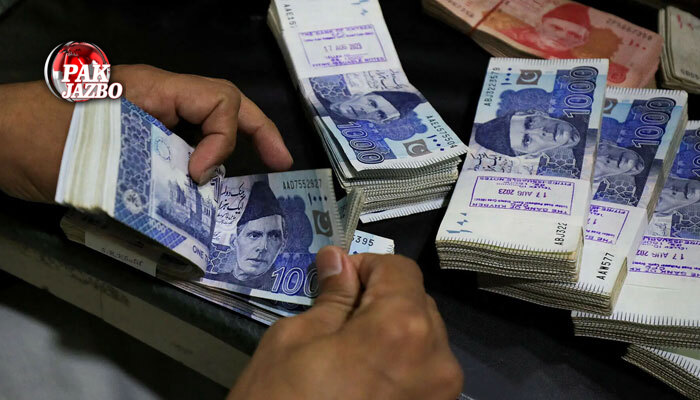
One positive trend highlighted in the survey is the rise in average monthly wages. The report shows that the per-capita monthly wage in Pakistan is now Rs 39,042. Over the past five years, wages have increased by Rs 15,014 compared to the 2020–21 figure of Rs 24,028.
However, despite this overall improvement, a noticeable gender gap persists.
- Average monthly wage for men: Rs 39,302
- Average monthly wage for women: Rs 37,347
This indicates a difference of nearly Rs 2,000 per month, highlighting ongoing issues related to wage inequality and limited economic mobility for women in the workforce.
Broader Economic Implications
The rise in unemployment to 7.1 percent comes at a time when Pakistan is grappling with inflation, fiscal deficits, and slow economic growth. Young people entering the labour market face particularly tough challenges, as the economy struggles to create enough jobs to match the pace of population growth.
Economists warn that if structural reforms are not undertaken—such as boosting industrial competitiveness, supporting agricultural modernization, and expanding vocational training—the unemployment rate may climb further in the coming years.
Conclusion
The Labour Force Survey 2024–25 provides a comprehensive look at Pakistan’s employment landscape. While average incomes have increased and the services sector continues to grow, the rise in unemployment remains a major concern for policymakers. With around 8 million people out of work, and millions more underemployed, the need for targeted economic reforms, job-creation programs, and improved social protection mechanisms has become more urgent than ever.
What’s your Reaction?
+1
+1
+1
+1
+1
+1

