































































































































































































































































































































































































































































































































































































































































































Federal Government Unveils Three-Phase Plan to Privatize 24 State-Owned Enterprises, Including PIA and Utility Stores


In a significant move aimed at restructuring the country’s economy and reducing the burden on the national exchequer, the federal government of Pakistan has announced a comprehensive plan to privatize 24 state-owned enterprises (SOEs). This privatization drive, which will unfold in three distinct phases over a span of five years, marks one of the most ambitious reform initiatives undertaken by the government in recent years.
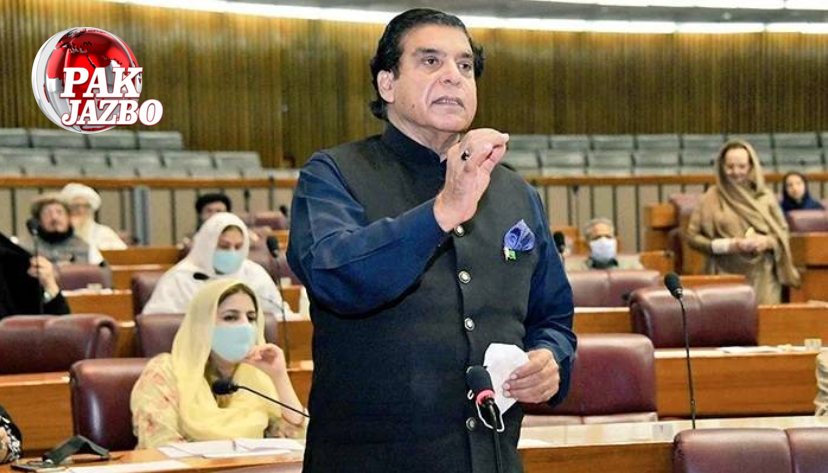
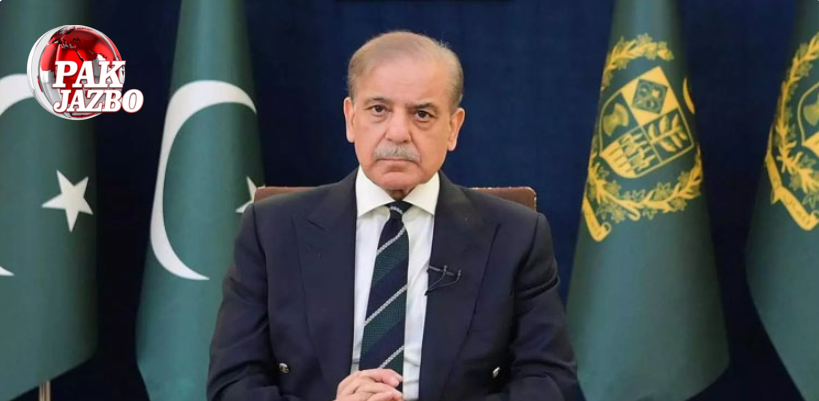
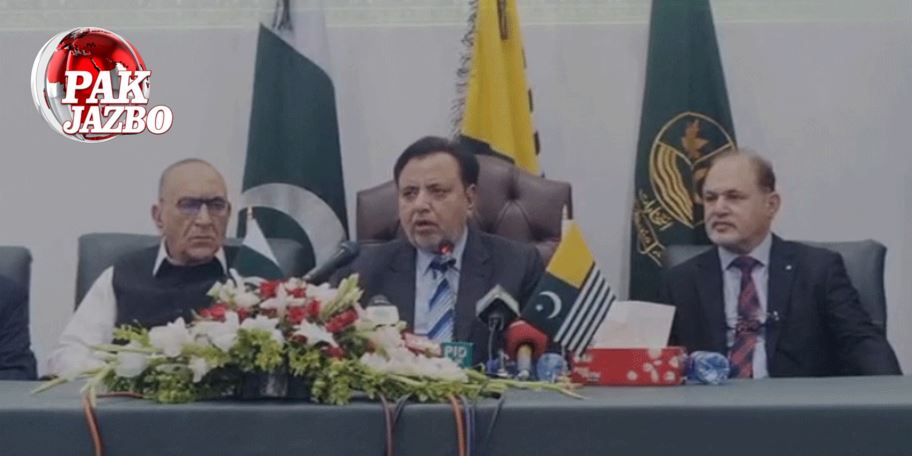
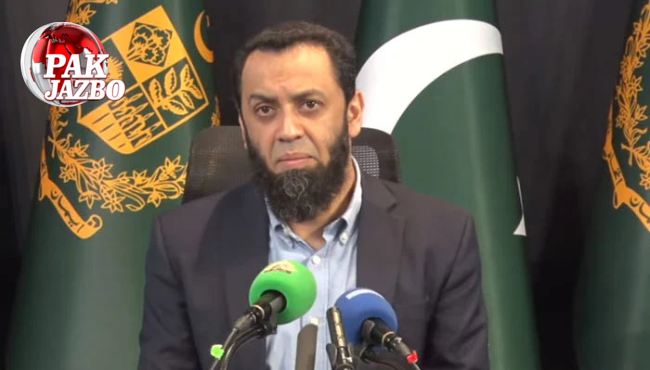
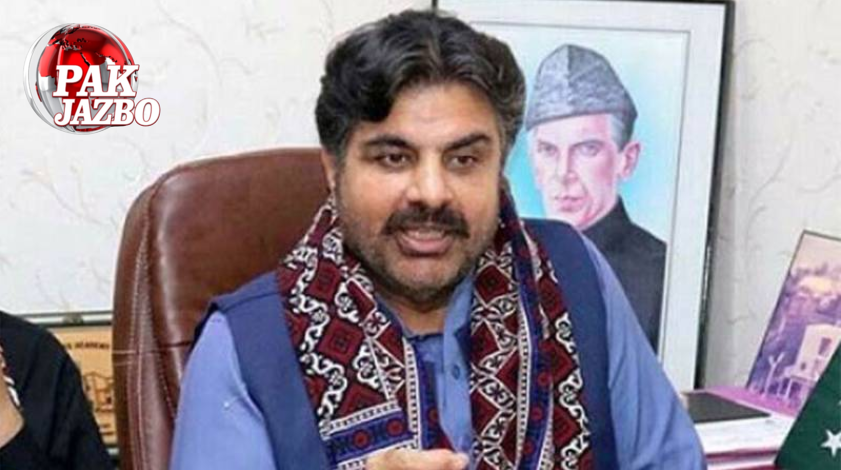
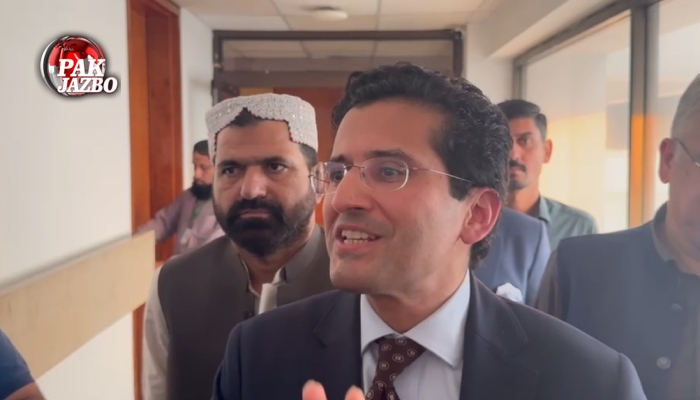
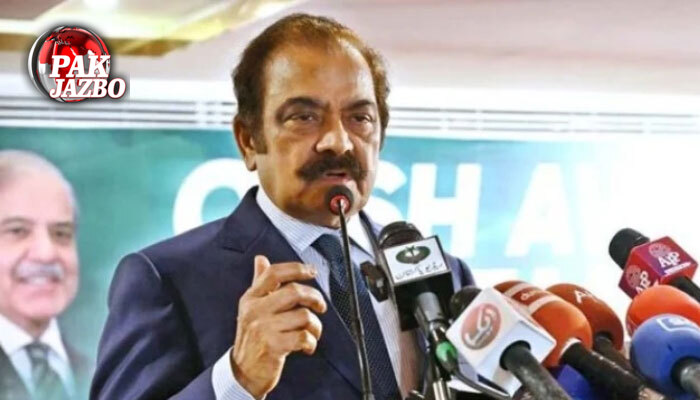
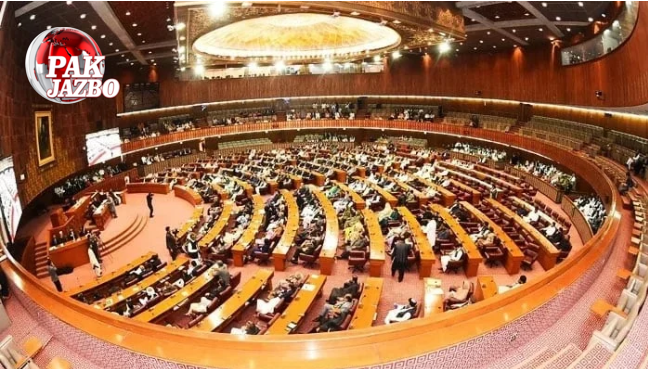
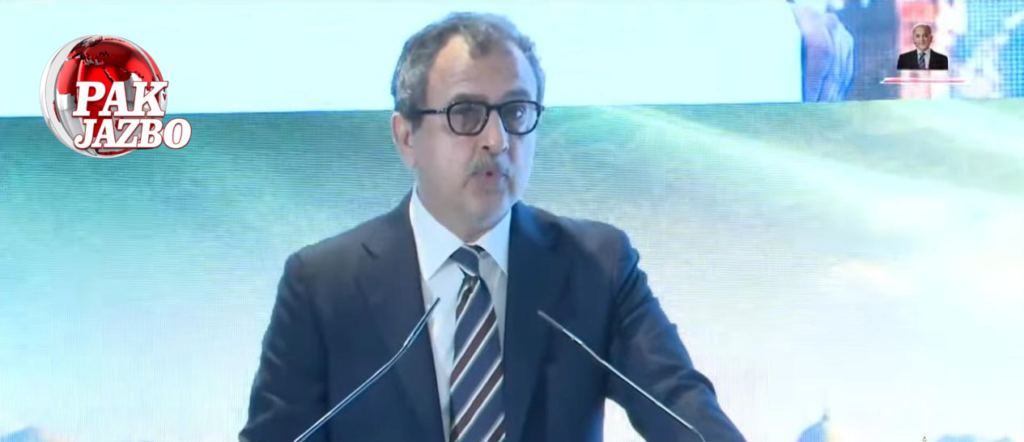
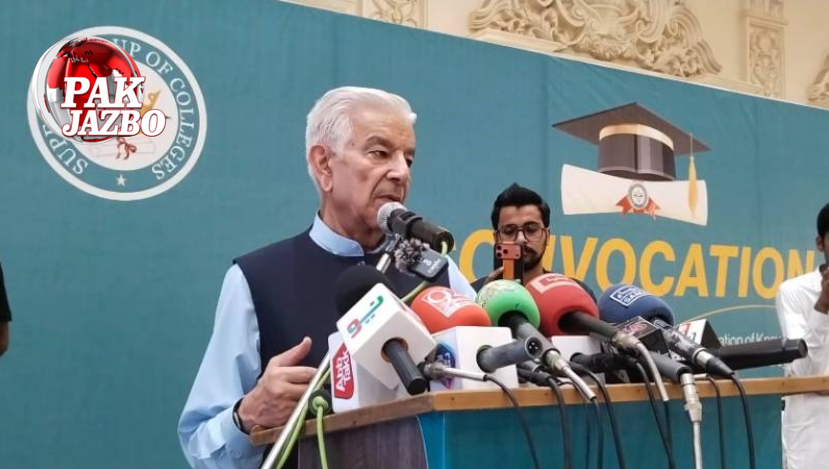
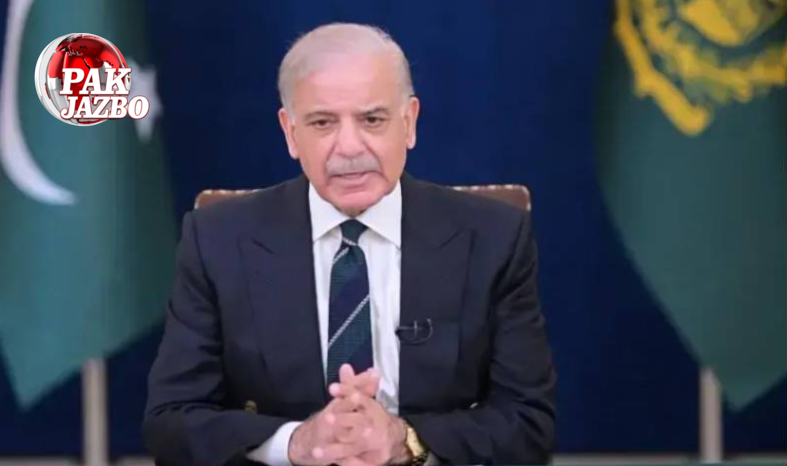
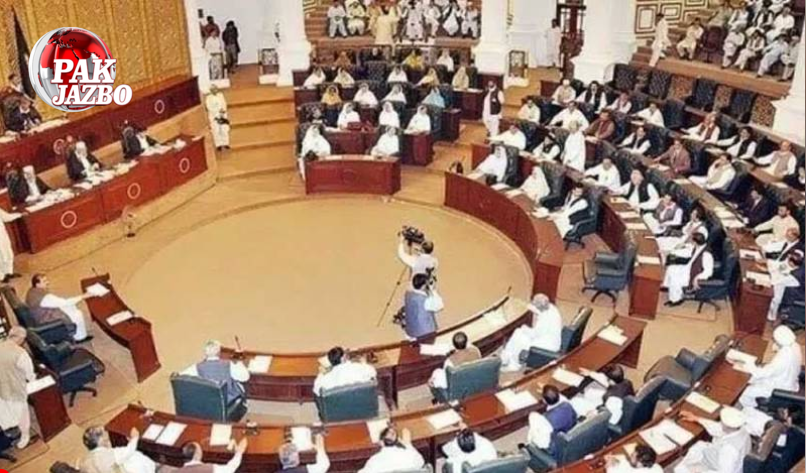
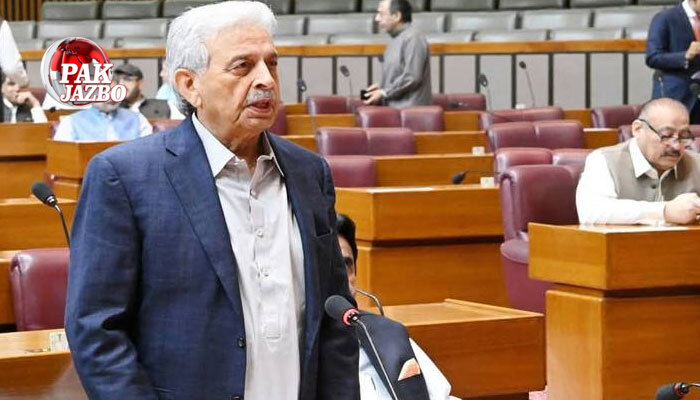
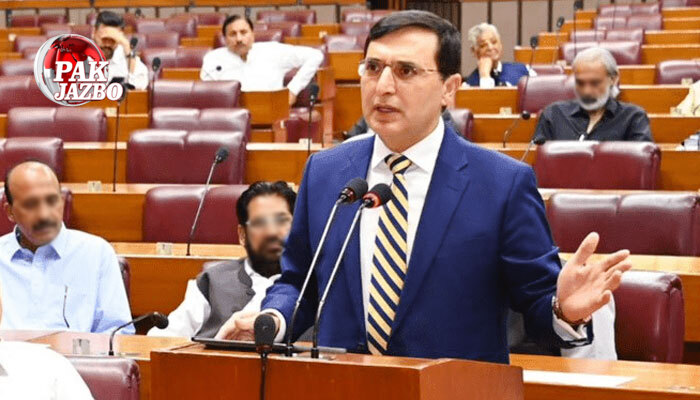
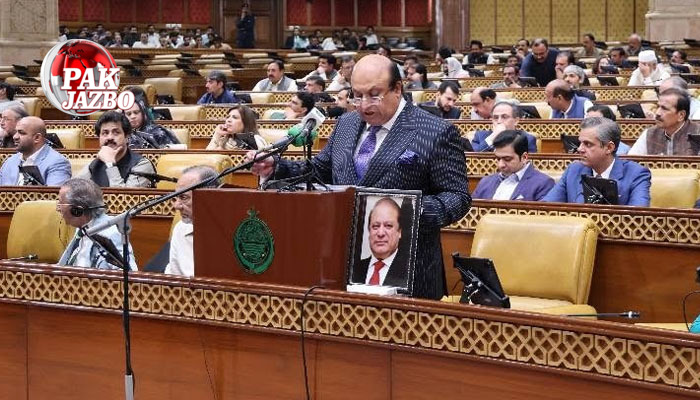
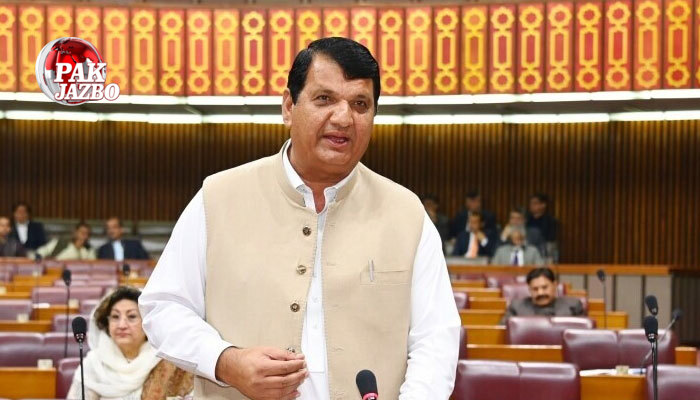
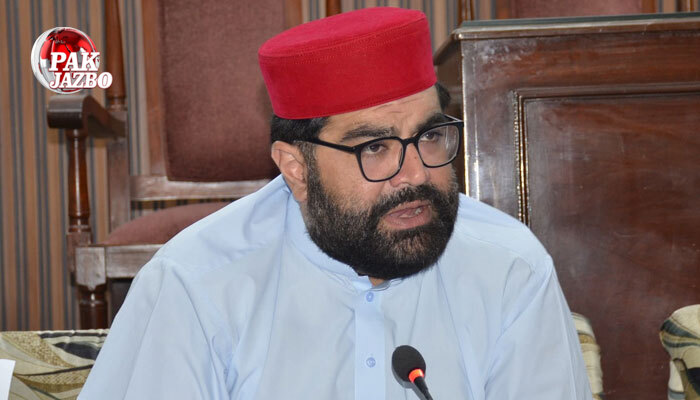
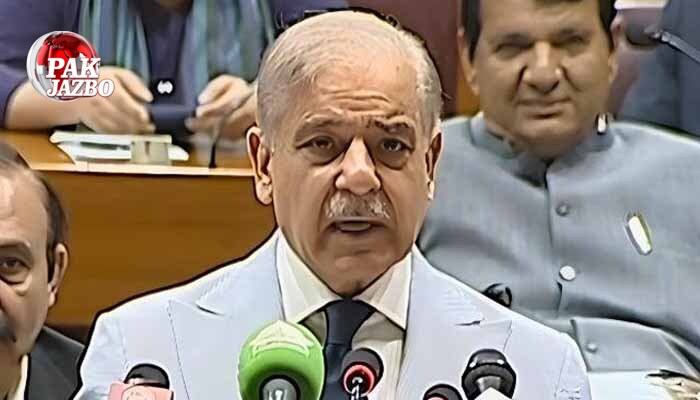
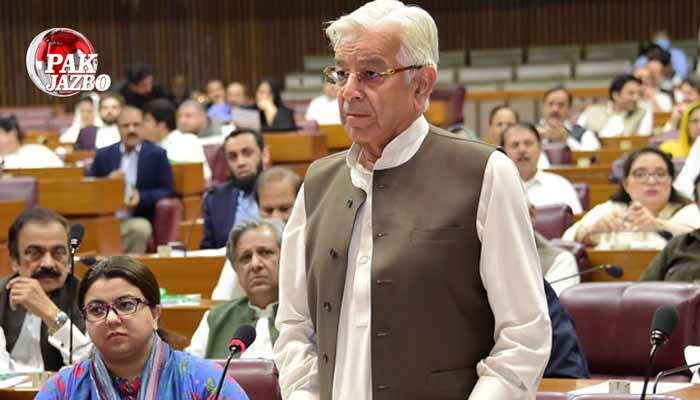
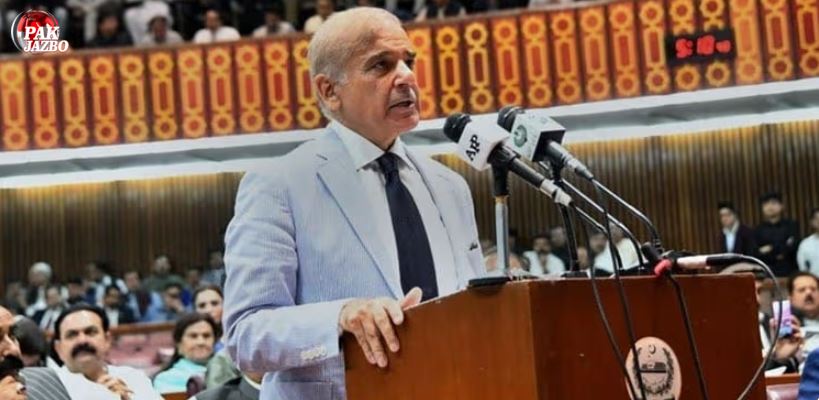
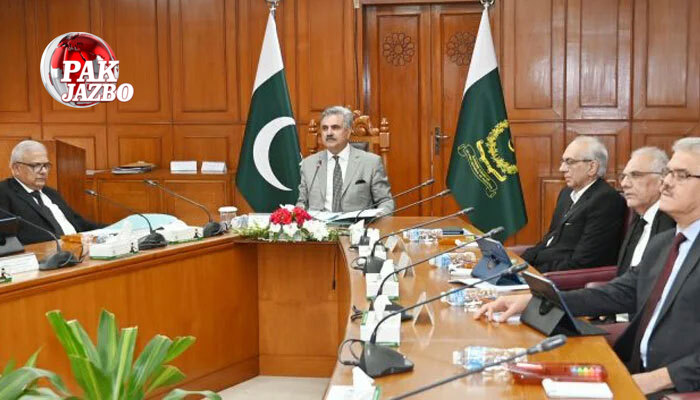
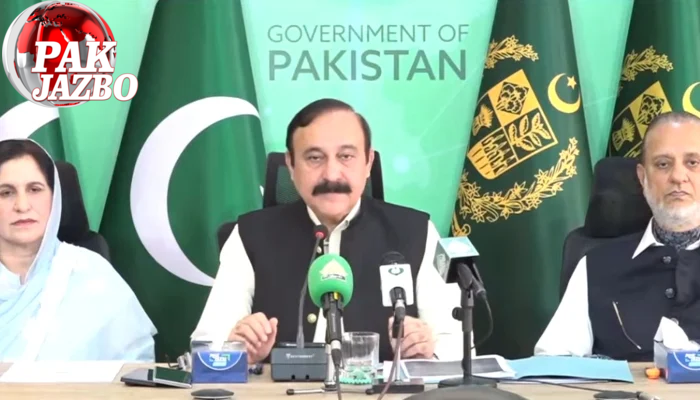
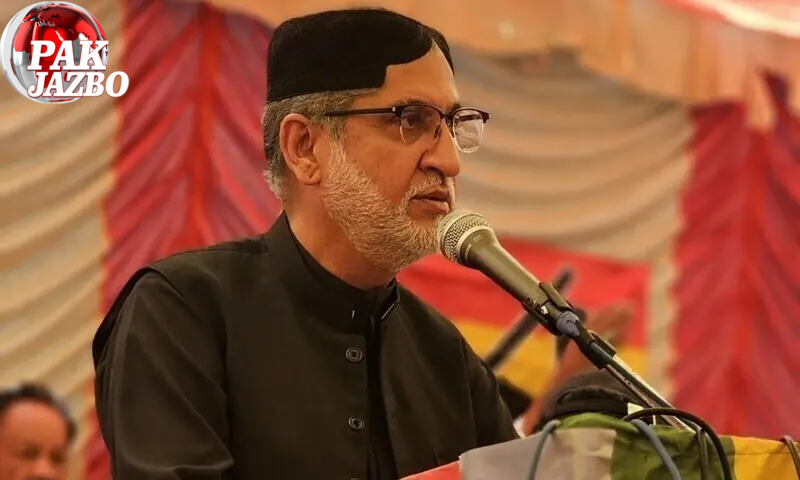
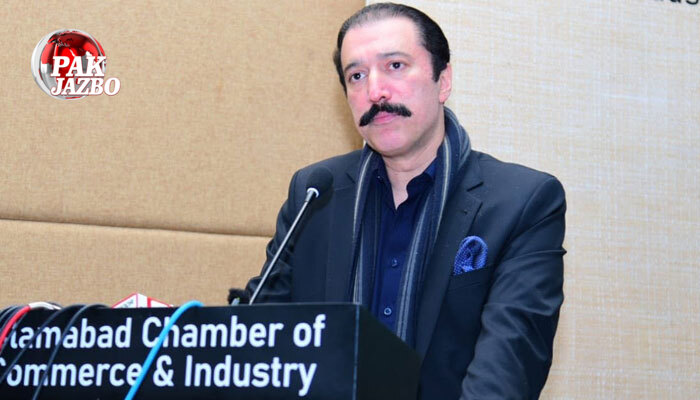
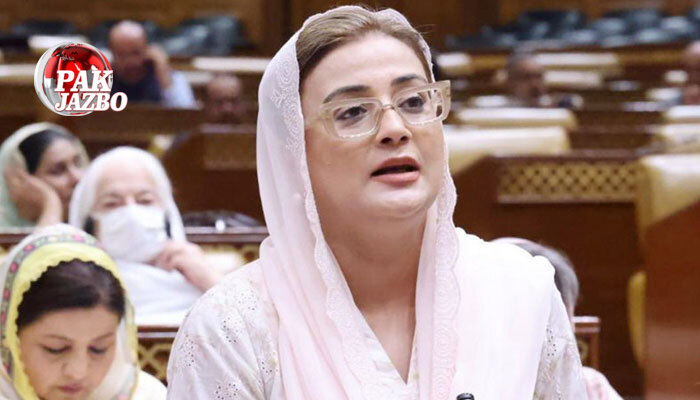
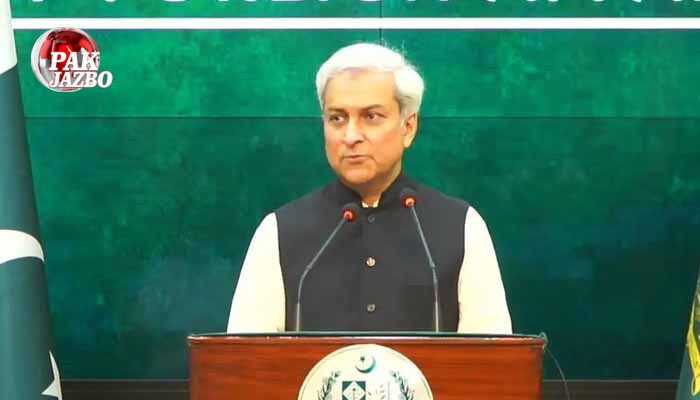
The decision was formally disclosed in the National Assembly by Federal Minister for Privatization Abdul Aleem Khan, who shared the detailed breakdown of the entities selected for privatization and the timeline for each phase.
Overview of the Privatization Strategy
The federal government has designed a phased approach to ensure a structured and strategic transition of public sector institutions into private hands. The rationale behind the plan is to enhance efficiency, reduce losses incurred by state-run entities, encourage private sector investment, and fulfill commitments made to international financial institutions.
According to the official statement, the privatization program will be carried out as follows:
- Phase 1 (Year 1): 10 entities
- Phase 2 (Years 2–3): 13 entities
- Phase 3 (Years 3–5): 1 major entity
This measured timeline is intended to allow for transparency, due diligence, and proper valuation of assets, minimizing the risk of undervaluation or rushed sales.
First Phase: Key Institutions to Be Privatized in Year One
During the first phase, which will be executed within the first year, the government plans to privatize 10 entities, including some of the country’s most prominent and financially strained institutions. These include:
- Pakistan International Airlines (PIA) – The national flag carrier, which has long been burdened by financial mismanagement, operational inefficiencies, and massive debt.
- Roosevelt Hotel (New York) – Owned by PIA Investments Ltd, this valuable foreign asset has remained at the center of discussions regarding revenue generation through international holdings.
- Zarai Taraqiati Bank Limited (ZTBL) – A specialized agricultural bank that plays a key role in rural credit and farm financing.
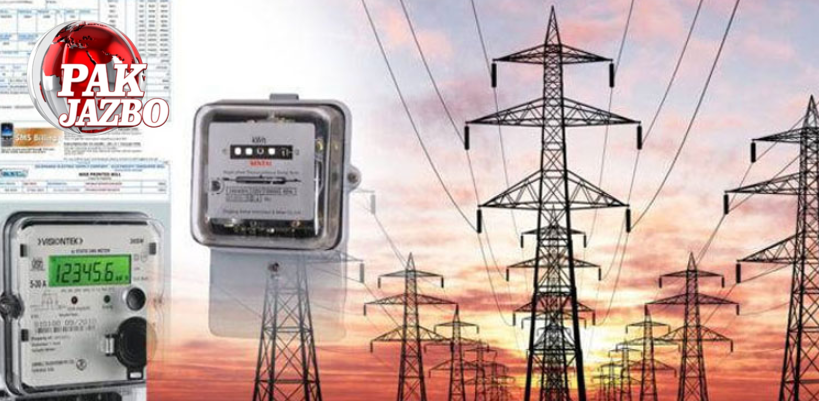
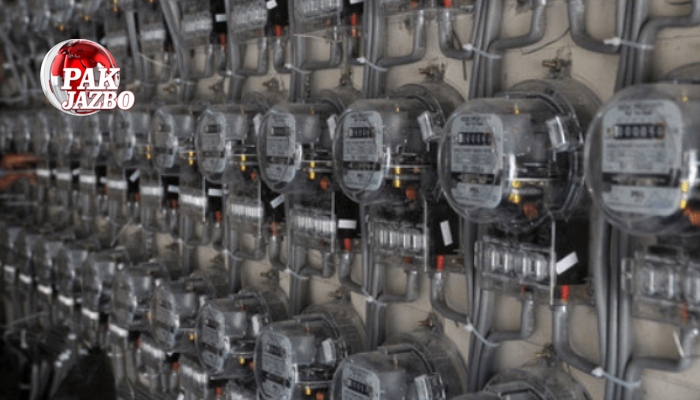
- Islamabad Electric Supply Company (IESCO) – One of the major power distribution companies (DISCOs).
- Two other DISCOs – Names yet to be confirmed, but also slated for privatization in the first round.
These institutions are considered both strategically important and financially heavy, making their successful privatization crucial for the program’s overall credibility.
Second Phase: Expanded Privatization Over the Next Two Years
In Phase Two, spanning the second and third years, the government intends to privatize 13 additional institutions, focusing more on the energy and utility sectors. Key organizations listed in this stage include:
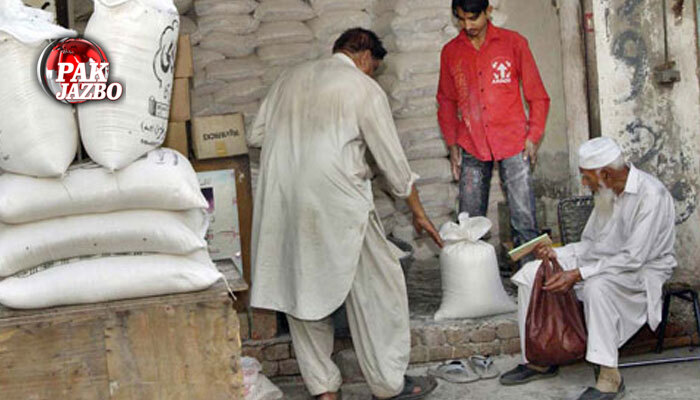
- Utility Stores Corporation – A vital institution providing subsidized groceries and essential items to the general public. Its privatization may spark public concern due to its role in food security and price stabilization.
- Four Generation Companies (GENCOs) – These companies are involved in electricity generation and are being privatized to reduce circular debt and improve energy sector performance.
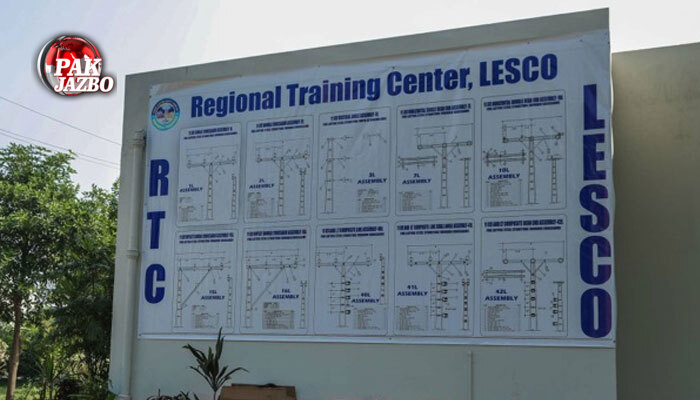
- Lahore Electric Supply Company (LESCO) – One of the largest DISCOs in terms of customer base and infrastructure.
- Five other DISCOs – Also set to be privatized during this phase, although specific names are yet to be officially announced.
This stage is particularly significant due to the large volume of entities involved and the critical role they play in the power and energy sectors.
Final Phase: Long-Term Privatization Plan
The third and final phase, projected to take place between Years 3 and 5, involves the privatization of one high-profile institution, although the name of the entity has not been disclosed yet. This phase is expected to be the most complex and time-consuming, likely due to the size, legal entanglements, or strategic nature of the organization.
Economic and Political Implications
The privatization plan is being closely watched by both domestic and international stakeholders. On one hand, the International Monetary Fund (IMF) and other global financial institutions have consistently urged Pakistan to reduce the fiscal burden created by inefficient SOEs. The privatization of loss-making entities is viewed as a key condition for fiscal reform and debt reduction.
On the other hand, public reaction and political resistance are anticipated, especially regarding the privatization of institutions like PIA and Utility Stores Corporation, which have national and social significance. Labor unions are likely to protest, fearing layoffs, changes in employment terms, or downsizing.
Opposition parties are expected to challenge the plan, citing concerns over transparency, fair valuation, and potential cronyism. Critics may also argue that privatization without structural reforms may simply transfer inefficiencies from the public to the private sector.
Minister Abdul Aleem Khan’s Statement
In his address to the National Assembly, Minister Abdul Aleem Khan emphasized that the government’s objective is not to sell national assets hastily or recklessly but to “restructure and revitalize key sectors through private investment and modern management practices.” He reassured the assembly that all transactions would be carried out in accordance with national interest, legal procedures, and transparency standards.
He also noted that the privatization process would be accompanied by regulatory improvements, particularly in the energy sector, to ensure that private operators remain accountable and service delivery standards are upheld.
Future Steps and Oversight Mechanisms
To ensure credibility and public trust, the government plans to establish the following:
- Privatization Oversight Committees at federal and provincial levels
- Independent valuation assessments by international audit firms
- Stakeholder consultations, including employee unions and consumer rights bodies
- Transparent bidding processes monitored by relevant institutions and watchdogs
These mechanisms are aimed at mitigating political fallout and enhancing confidence in the privatization drive.
Conclusion: A Defining Economic Move
Pakistan’s decision to privatize 24 state-owned enterprises over a five-year period represents a bold and transformative economic policy shift. If executed successfully, it has the potential to reduce fiscal deficits, attract foreign investment, and boost sectoral efficiency. However, the government must navigate this path with caution, transparency, and public engagement, ensuring that national interests remain safeguarded and that citizens are not adversely affected by the reforms.
What’s your Reaction?
+1
+1
+1
+1
+1
+1