



















































































































































































































































































































Is Pakistan Cricket Facing a Leadership Crisis? PCB’s Return to Babar Azam Raises Fresh Questions

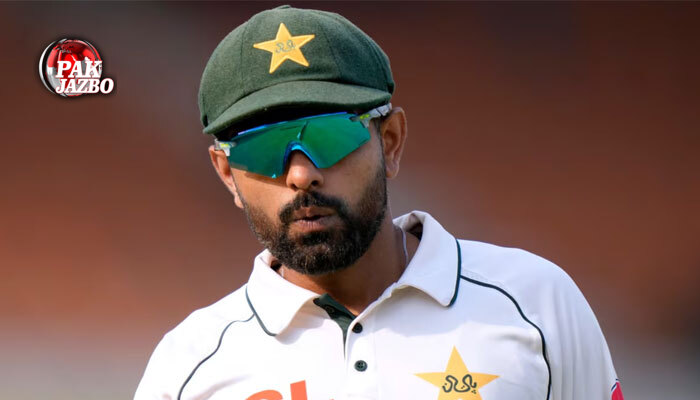
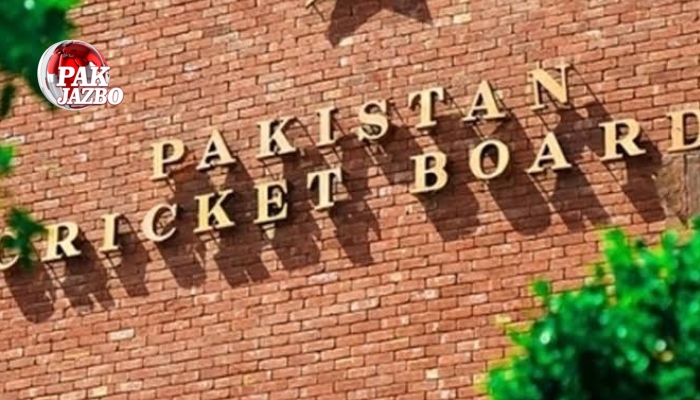
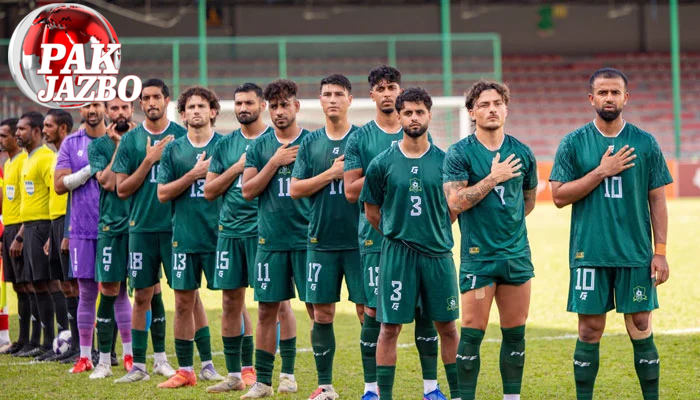
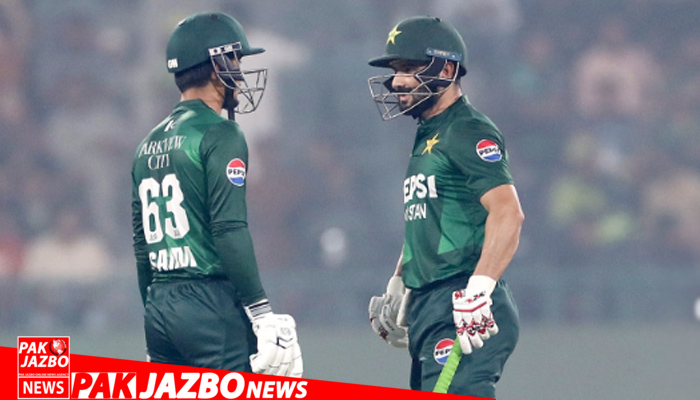
LAHORE: Pakistan cricket has experienced remarkable highs and painful lows over the past five decades, producing some of the world’s finest cricketers and memorable victories. However, the Pakistan Cricket Board’s (PCB) decision to once again hand the captaincy to Babar Azam has reignited debate over whether the national team is facing a deeper leadership crisis rather than merely struggling with batting or bowling issues.
The move has been viewed by many observers as an indication that Pakistan has not developed enough capable leaders to take charge of the national side despite several years of rebuilding efforts.
A History of Success Followed by Change
Pakistan’s cricket history is filled with examples of successful captains who led the team to major international titles but were unable to retain the leadership role for long.
After guiding Pakistan to its historic 1992 ICC Cricket World Cup triumph, Imran Khan reportedly faced disagreements and internal divisions before eventually stepping away from international cricket.
Similarly, Younis Khan, who captained Pakistan to victory in the 2009 ICC T20 World Cup, encountered internal challenges and opposition within the team shortly after lifting the trophy.
Former captain Sarfaraz Ahmed, under whose leadership Pakistan stunned India to win the 2017 ICC Champions Trophy, also eventually lost the captaincy despite delivering one of the country’s greatest cricketing achievements.
These examples illustrate a long-standing pattern in Pakistan cricket where captains who delivered major ICC titles did not continue in the leadership role for extended periods.
Babar Azam’s Unique Journey
Babar Azam’s captaincy story has followed a different path.
Unlike several of his predecessors, Babar has not yet guided Pakistan to a senior ICC title. Despite this, he has been entrusted with the national team’s leadership on multiple occasions, becoming one of the few Pakistani cricketers to regain the captaincy after stepping down.
His return as captain has prompted fresh questions about the PCB’s long-term leadership planning and succession strategy.
Many cricket analysts argue that repeatedly turning back to the same captain reflects a shortage of alternative leaders ready to take responsibility at the highest level.
Questions Over Leadership Development
The debate has also focused on whether the PCB has done enough to prepare future captains.
If Pakistan has struggled to produce new leaders in recent years, critics argue that responsibility extends beyond individual players and also falls on the cricket board, selectors, coaching staff, and domestic development system.
Leadership development is generally considered a long-term process that involves identifying potential captains early, giving them responsibilities at domestic and international levels, and preparing them to handle pressure on and off the field.
Selection Committee’s Explanation
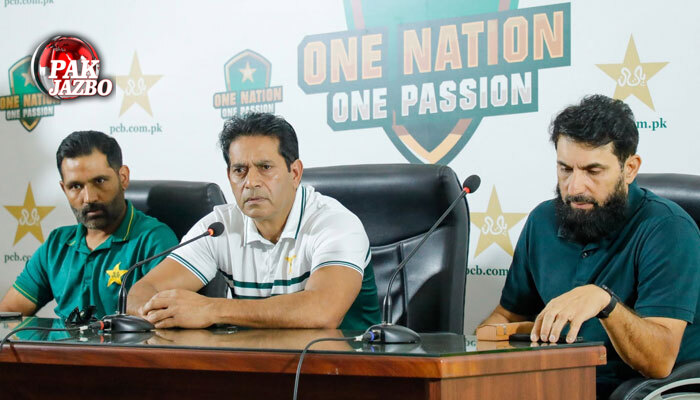
The discussion intensified after the PCB announced Pakistan’s Test squad for the tours of the West Indies and England.
During the squad announcement, Aaqib Javed, a member of the national selection committee and Director of the High Performance Centre, defended the decision by highlighting the team’s disappointing Test results under Shan Masood.
According to Aaqib Javed, Pakistan’s record of 12 Test defeats under Shan Masood’s captaincy was a major factor in the leadership change.
He emphasized that a captain’s role extends far beyond participating in matches.
“A captain is responsible not only for leading the team on the field but also for guiding the side to victory, maintaining the required over rate, making effective use of the Decision Review System (DRS), and adopting the right strategy at the toss,” Aaqib said while explaining the selection committee’s thinking.
Leadership Beyond Individual Performances
Modern cricket increasingly views captaincy as a combination of tactical decision-making, man-management, communication, and handling pressure rather than simply being the team’s best batter or bowler.
Successful international teams often build a leadership group around the captain, ensuring continuity even when leadership changes occur.
For Pakistan, the recurring changes in captaincy over the years have led many experts to question whether the system has prioritized short-term solutions over long-term leadership planning.
The Road Ahead
With important international assignments and ICC tournaments approaching, Pakistan’s management hopes the latest leadership arrangement will provide stability and improved performances.
Whether Babar Azam’s return proves successful remains to be seen, but the broader discussion continues to focus on a larger issue: Has Pakistan cricket developed enough leaders for the future, or does the repeated return to former captains reflect an ongoing leadership gap within the national setup?
The answer may ultimately depend not only on results on the field but also on how effectively the PCB invests in nurturing the next generation of cricket leaders.
What’s your Reaction?
+1
+1
+1
+1
+1
+1