






















































































































































































































































































































































































































































































































































































































































































































































































































































































































































































































































































































































































































































































































































































































































































































































































































































































































































































































































































































































































































































































Shocking Revelation in Rawalpindi Murder Case: Jirga Leader Ordered Killing, Then Led Funeral Prayers


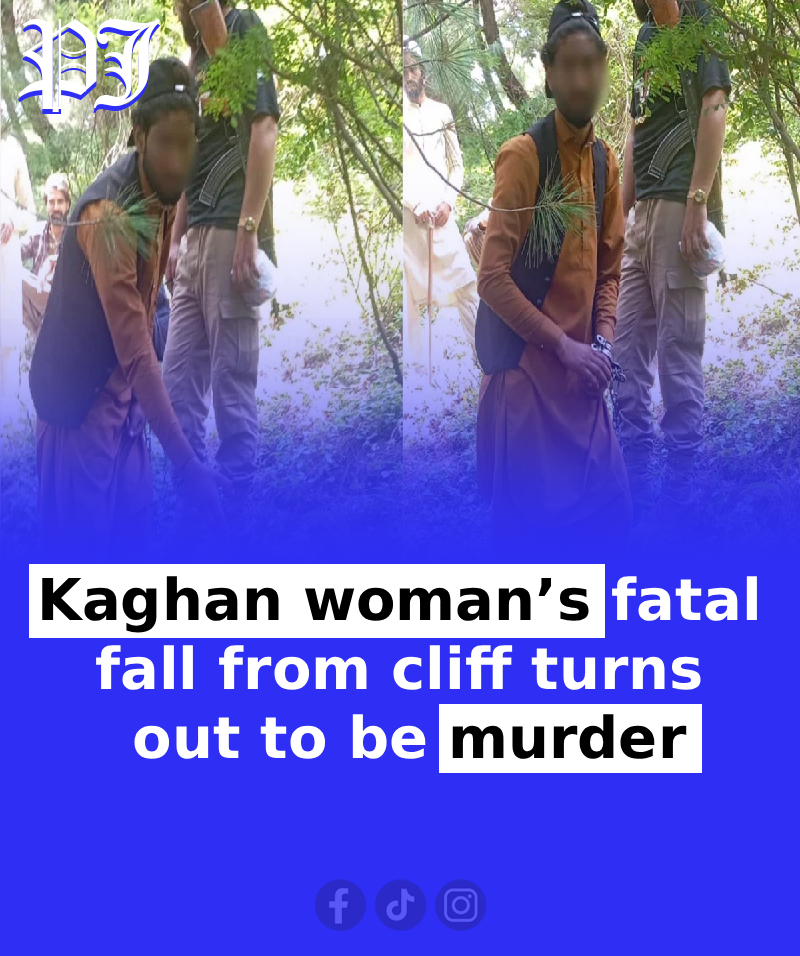
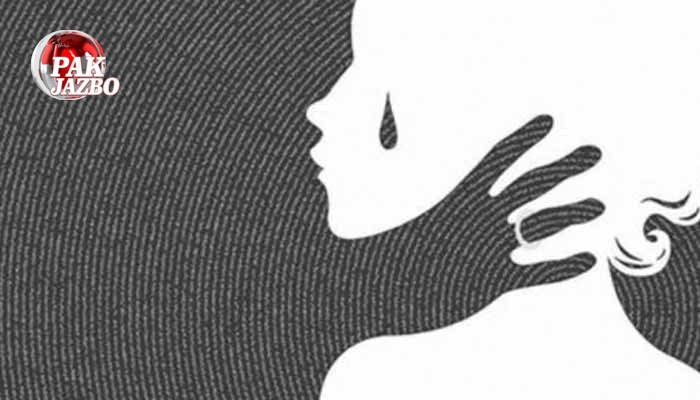
Rawalpindi, July 27, 2025 – In a chilling twist to a murder case in Rawalpindi, it has been revealed that the man who ordered the killing of a woman in a local jirga (tribal council) also led her funeral prayers after the crime was committed. The horrifying details have emerged during the police investigation into the murder of a married woman in the jurisdiction of Pirwadhai Police Station.
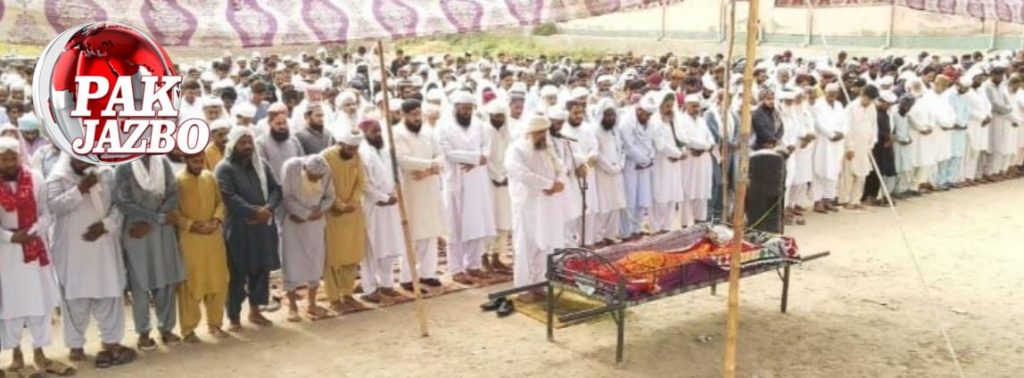
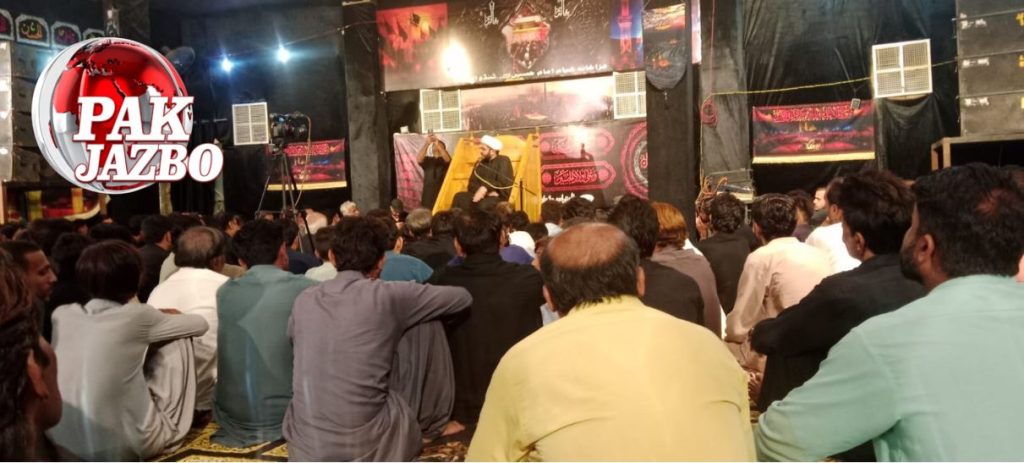
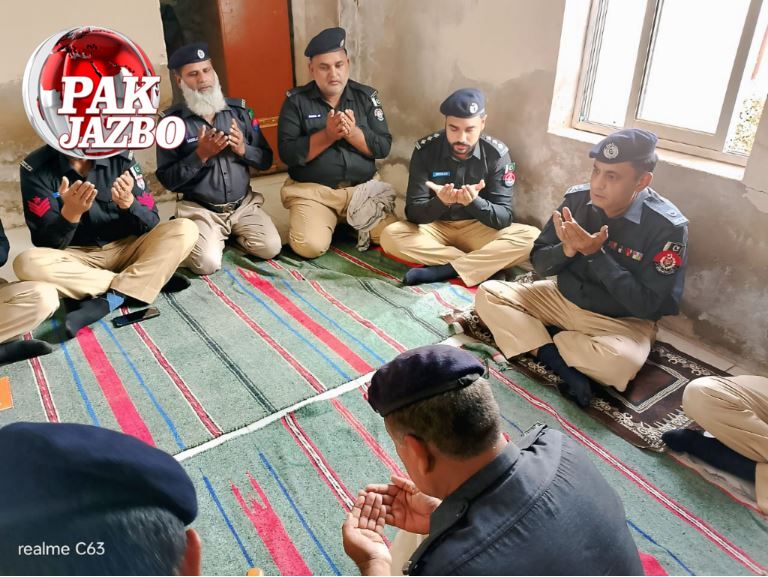
According to reliable police sources, the key figure in this gruesome saga is Asmatullah Khan, who served as the head of an informal tribal jirga. Between July 11 and July 16, Asmatullah actively presided over jirga sessions where the decision to kill the young woman was made. Not only did he order the murder, but following her death, he personally led the funeral prayers held secretly at the victim’s home.
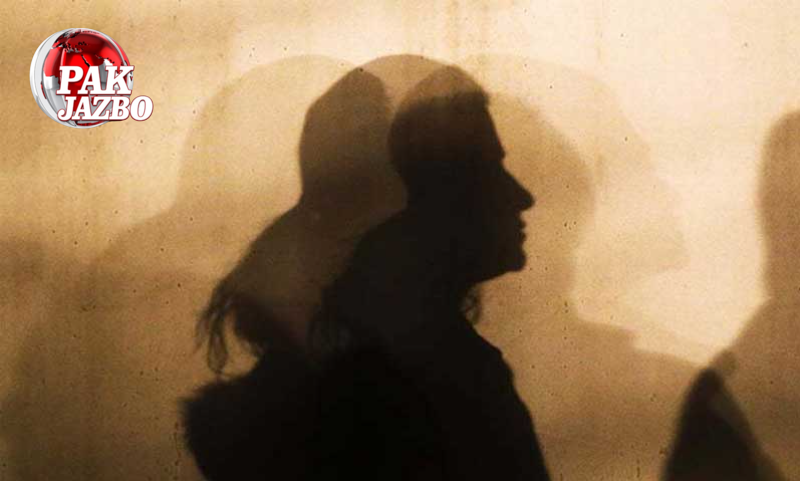
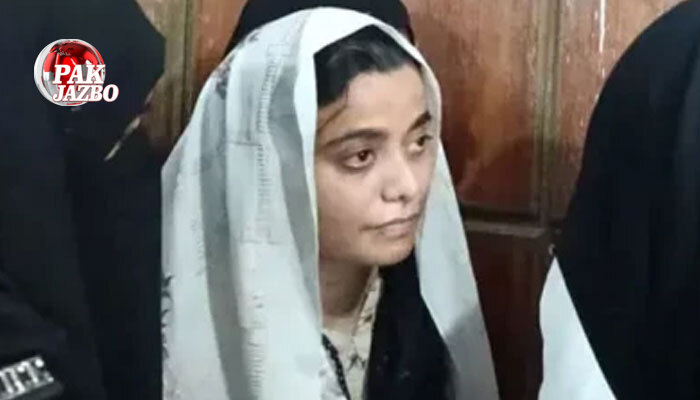
The victim, whose name has not been officially released due to legal sensitivities and ongoing investigation, was a married woman allegedly taken by her own relatives under the pretense of a peaceful ruksati (traditional bride departure). Her second husband, Usman, who had recently married her, was later informed that she had been strangled to death and buried during the night without notifying any legal authorities or her spouse.
The Murder and Burial
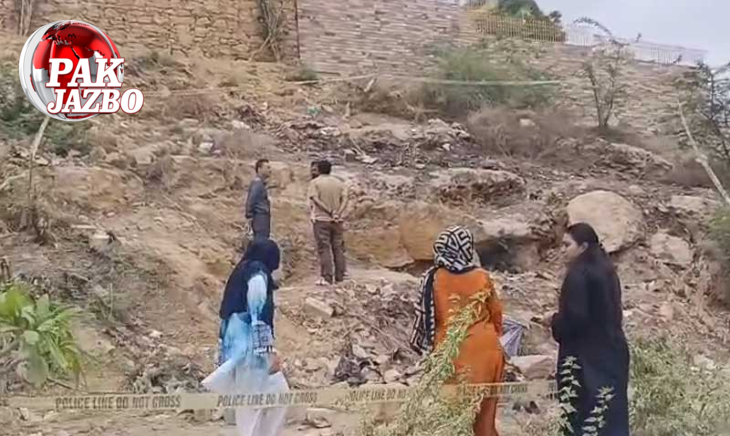
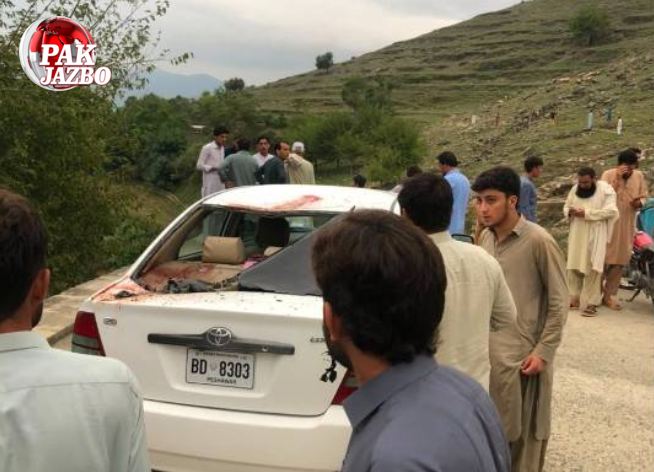
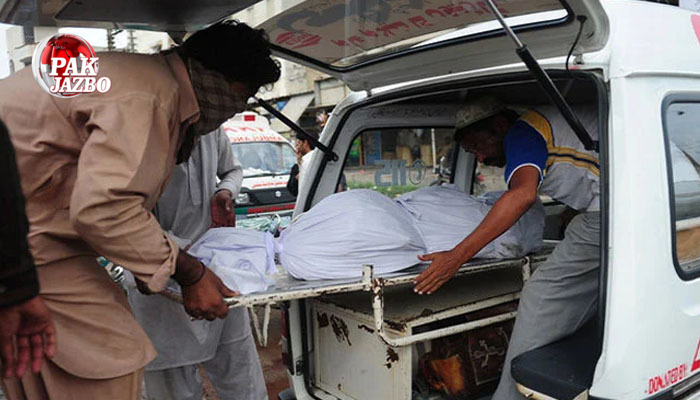
The incident occurred between the night of July 17 and 18, when the woman was reportedly strangled to death inside her family home. What makes the case even more disturbing is that her body was buried secretly under the cover of darkness, in an apparent attempt to erase all traces of the crime. No official death report was filed, and the body was not sent for a postmortem.
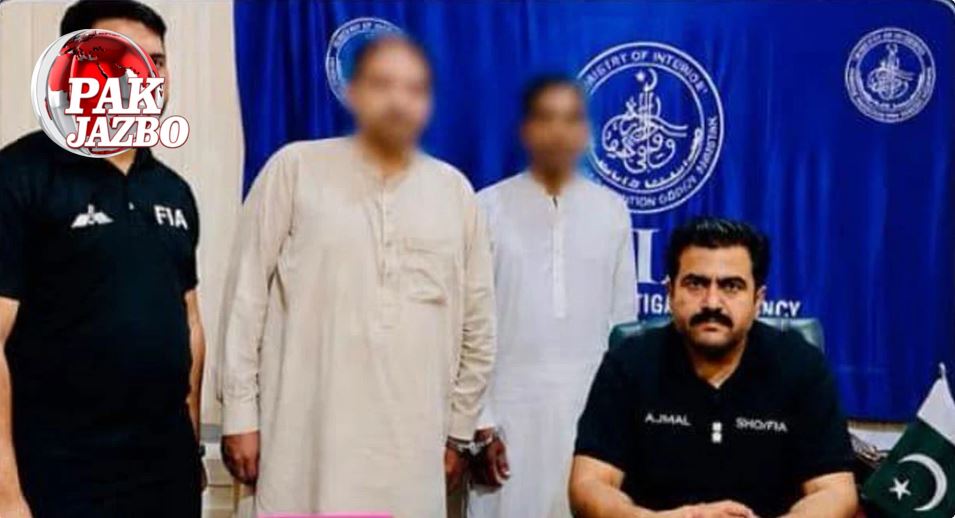
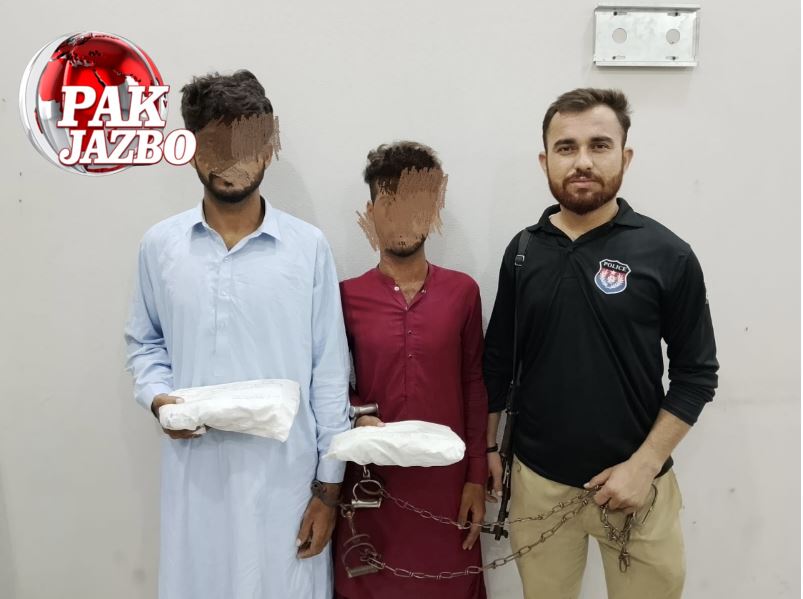
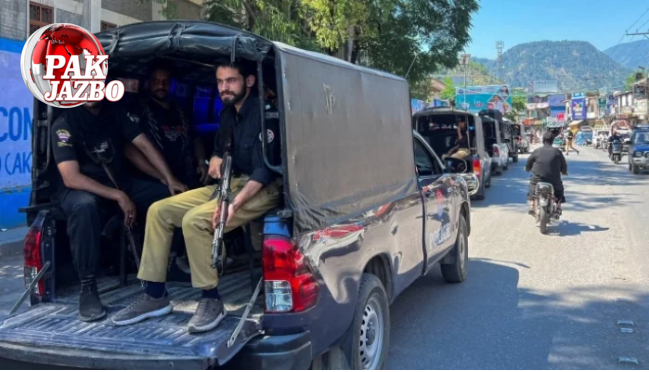
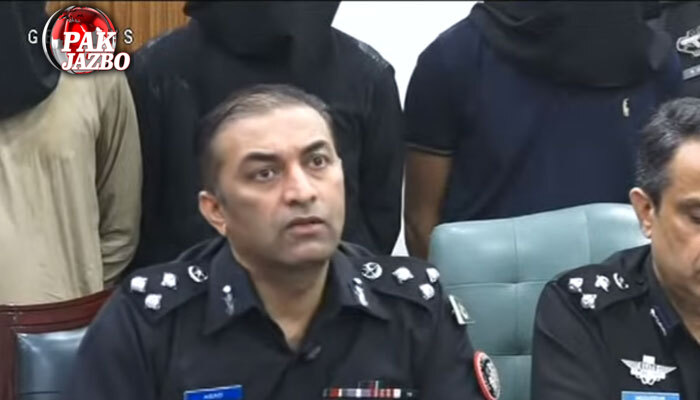
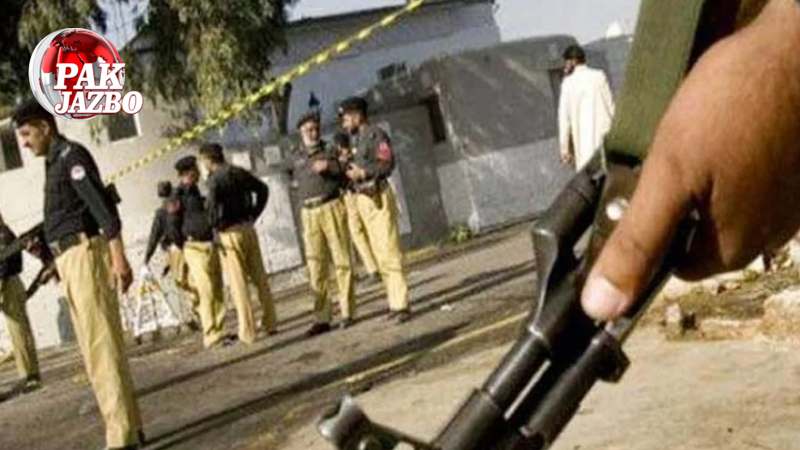
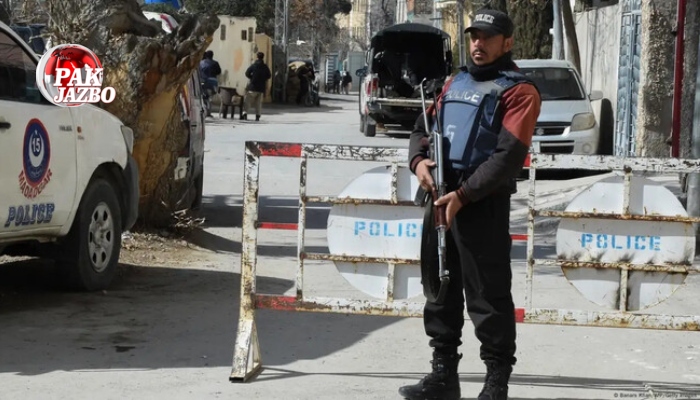
Police learned about the murder several days later, sparking a full-scale investigation. Upon receiving credible intelligence, eight individuals were arrested in connection with the crime, including family members and close associates of the victim.
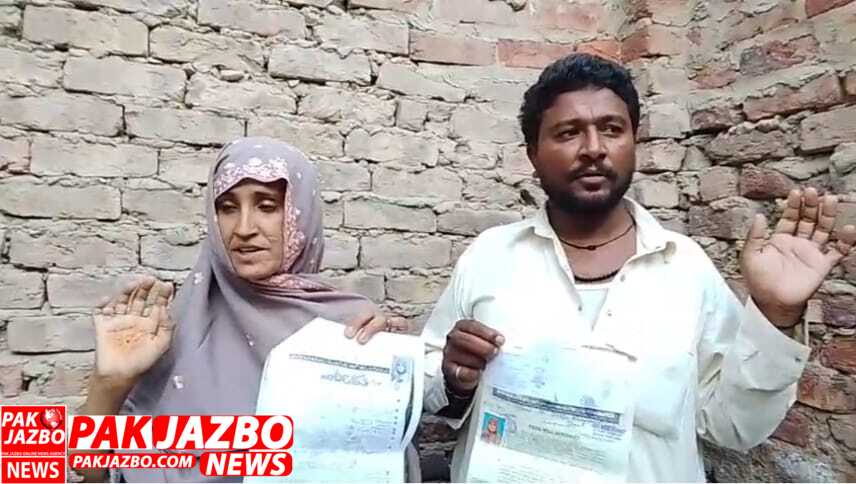
Eventually, the victim’s second husband, Usman, turned himself in to the police, revealing new information that has been critical in exposing the plot. His father, Muhammad Ilyas, told the media that the woman’s family had contacted them, stating they were taking her for a routine ruksati ceremony. Two days later, however, the shocking news of her death was conveyed, with no proper explanation.
Role of the Jirga and Asmatullah Khan
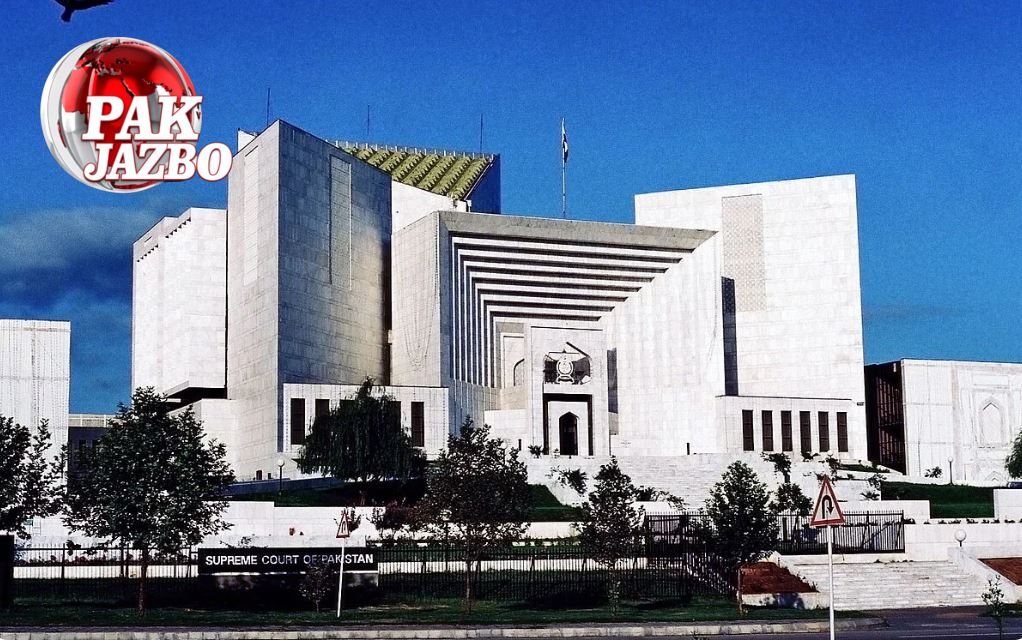
The spotlight has now turned to the illegal tribal justice system that still operates in parts of the country, including urban areas like Rawalpindi. Despite being outlawed by the Supreme Court of Pakistan, such jirgas often take the law into their own hands, issuing verdicts in cases involving family disputes, marriages, and so-called “honor.”
In this case, the jirga led by Asmatullah Khan declared the woman guilty of violating family honor—allegedly for marrying a man of her own choice. According to sources close to the investigation, Asmatullah strongly advocated for her execution and played a central role in ensuring that the sentence was carried out.
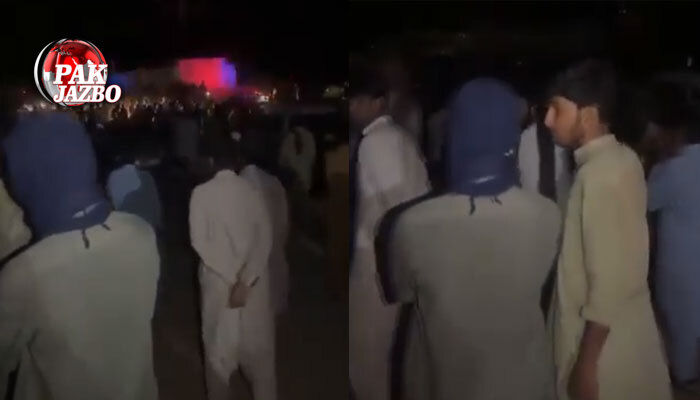
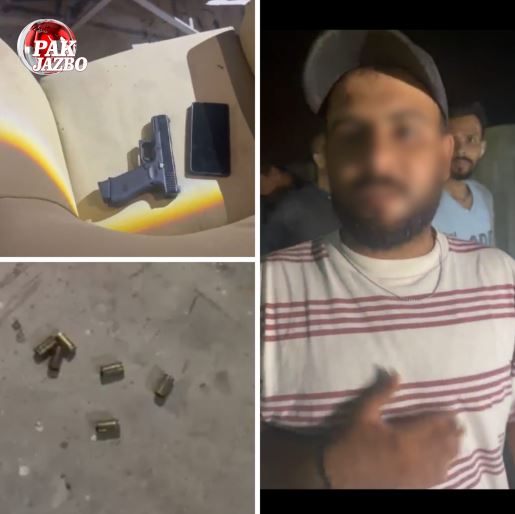
A separate video clip has also surfaced, showing Asmatullah firing gunshots into the air in a public market, further pointing to his influence and disregard for law and order. The footage was reportedly taken a few days before the murder, showing him brandishing a weapon in full view of the public.
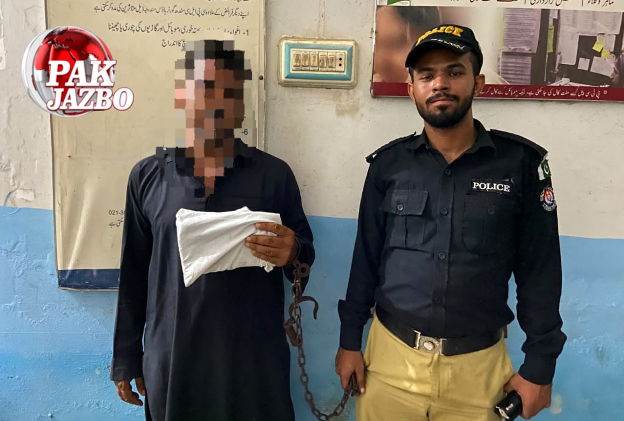
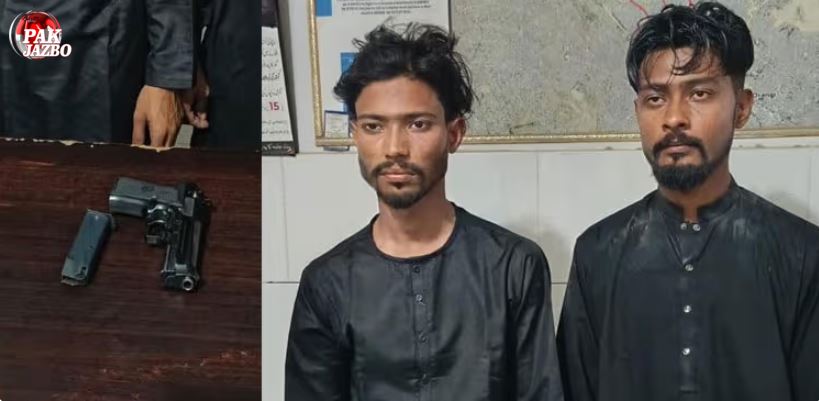
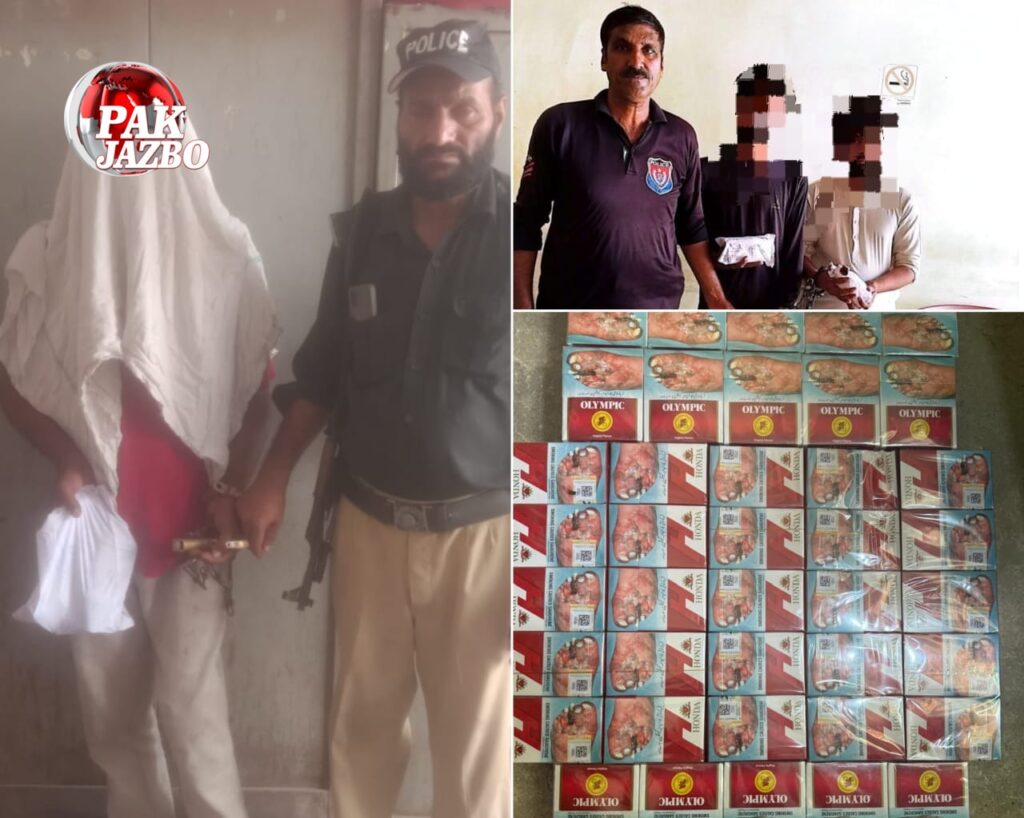
Asmatullah has since been arrested by police and is currently in custody, undergoing interrogation. Police officials believe that more arrests could follow as the investigation widens to include other members of the jirga, and possibly witnesses who remained silent.
Legal and Social Reactions
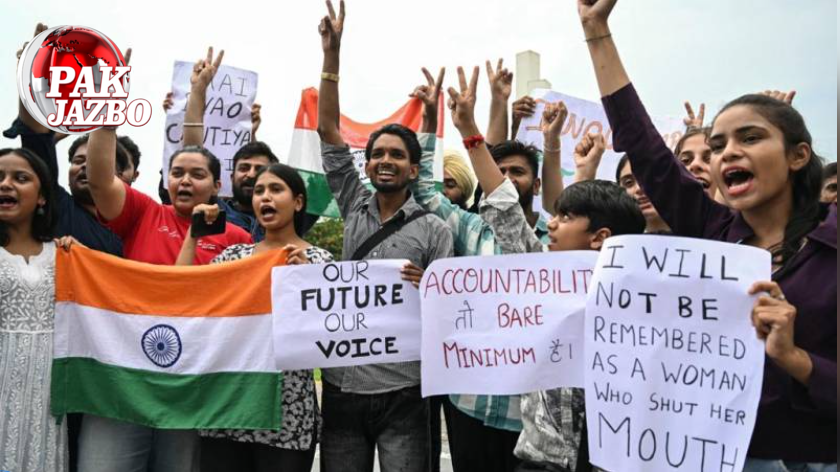
The murder has sparked outrage across Rawalpindi and beyond, with civil society organizations, women’s rights activists, and legal experts condemning the use of jirgas as a parallel justice system. Many have called for exemplary punishment for all those involved in ordering and committing the crime.
“This is not just a murder—it’s a complete breakdown of law and humanity,” said human rights lawyer Ayesha Ahmed. “We are appalled that someone can be sentenced to death in a jirga, killed without trial, and then buried in secret—all in a major city.”
Social media has also erupted with criticism of authorities for failing to prevent such parallel systems of justice. Many users have questioned how someone like Asmatullah could operate so openly, organize a jirga, issue death sentences, and lead funeral prayers—all without interference from local authorities until after the murder was done.
Government and Police Response
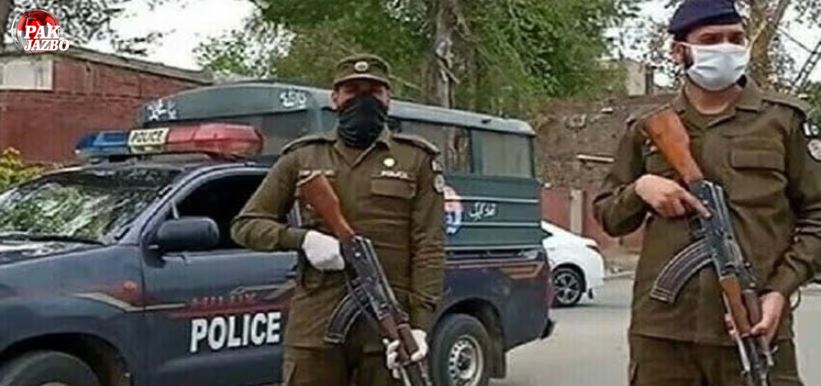
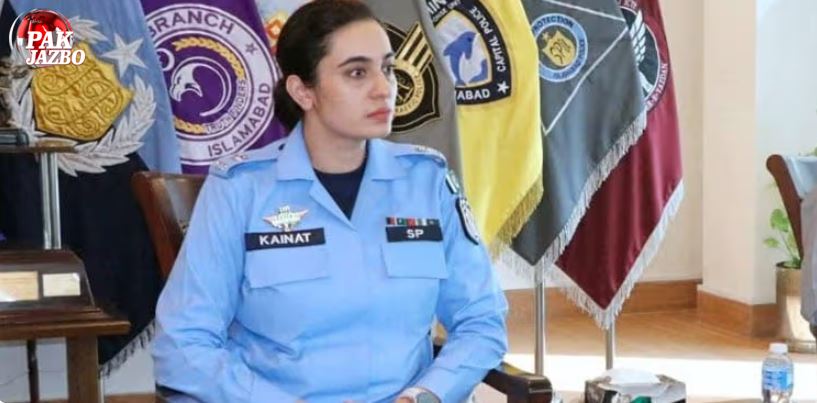
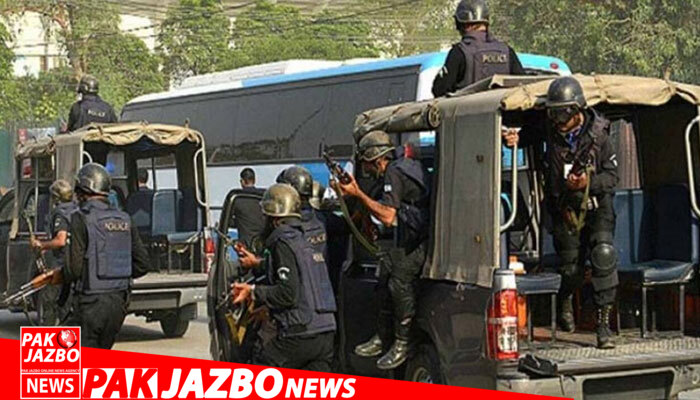
The Punjab Police has promised swift action in the case. Senior police officials have stated that the murder is being treated as an honor killing, and all those responsible will be prosecuted under anti-terrorism and criminal laws.
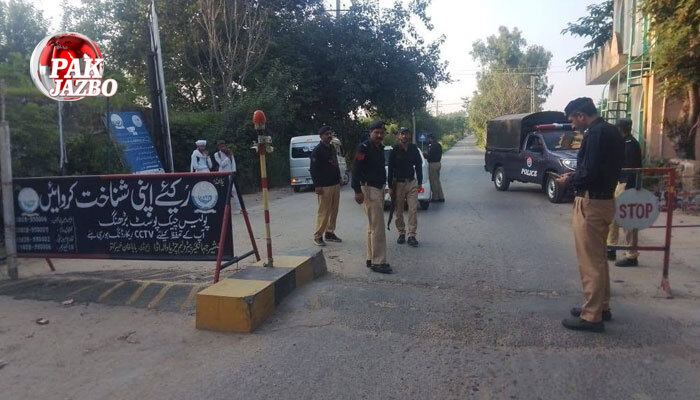
Additionally, the police are now monitoring areas known for holding illegal jirgas, and have requested the cooperation of community leaders to report any such gatherings in the future.
Legal observers say that this case could become a test case for cracking down on extrajudicial tribal courts in urban Pakistan. The brutality of the crime, and the callousness with which it was covered up, has made it a national issue.
Final Thoughts
The murder of the young woman in Rawalpindi highlights the dangers of parallel justice systems and deeply ingrained patriarchal traditions. While the arrest of Asmatullah and others offers some hope for justice, the larger challenge remains: dismantling the culture that allows such systems to thrive.
Unless strong legislative and judicial actions are taken, more lives may be lost in the name of “honor” under the shadow of illegal tribal councils.
What’s your Reaction?
+1
+1
+1
+1
+1
+1