






































































































































































































































































































































































































































































































































































































































































































































































































































































































































































































































































































































































































































































































































































































































































































































































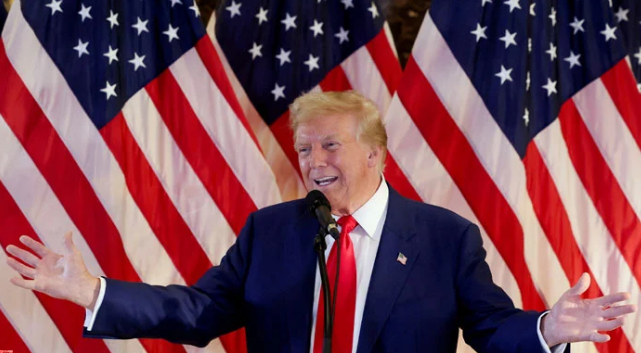


India Hires U.S. Lobbying Firm to Repair Strained Ties with Trump Administration


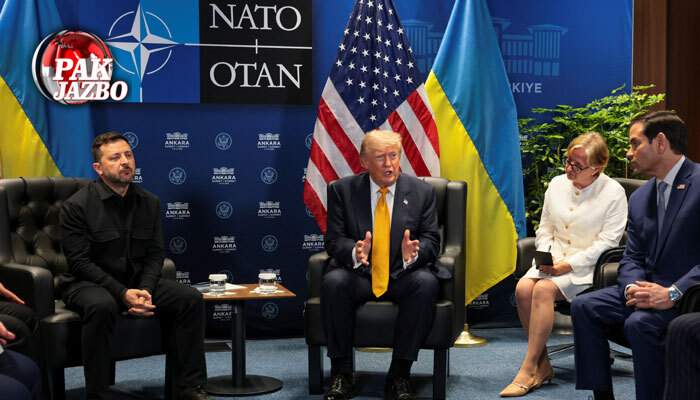
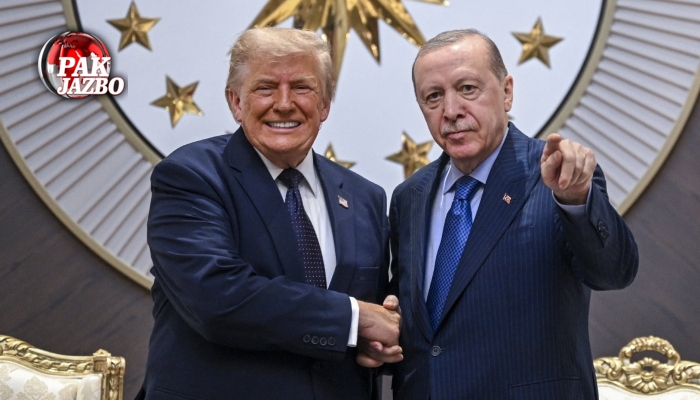
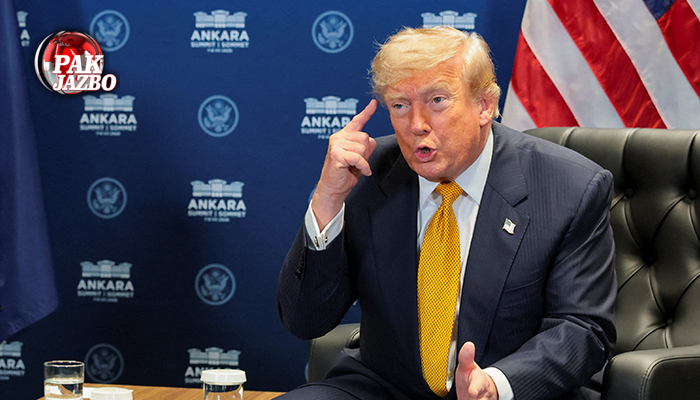
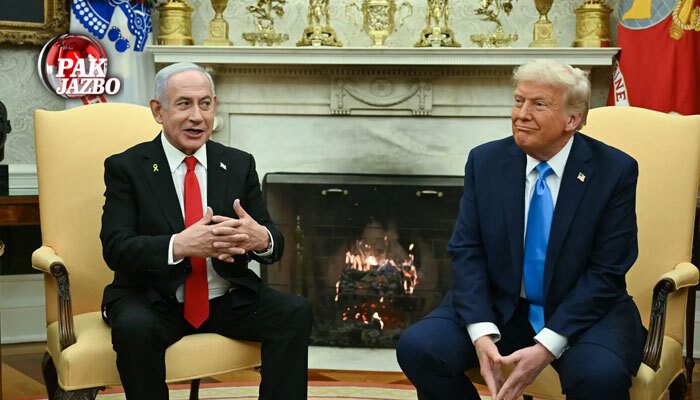
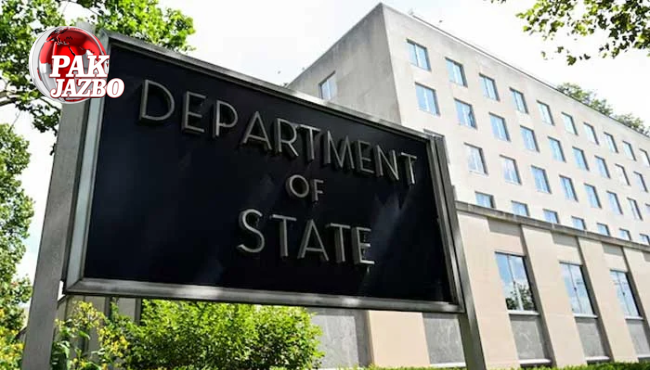
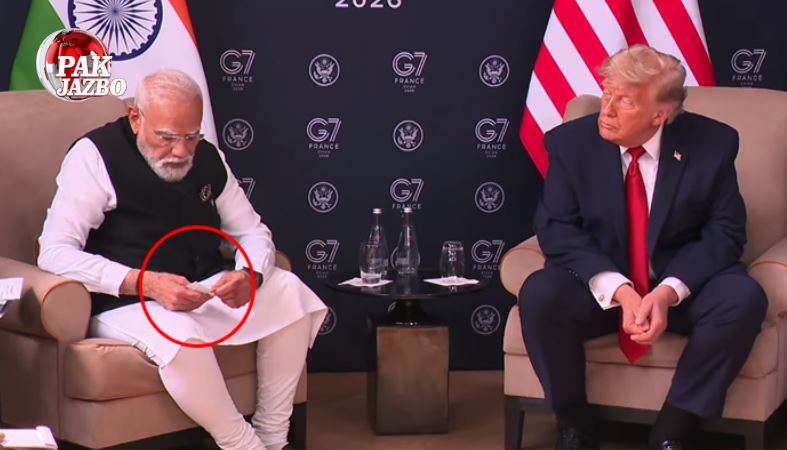
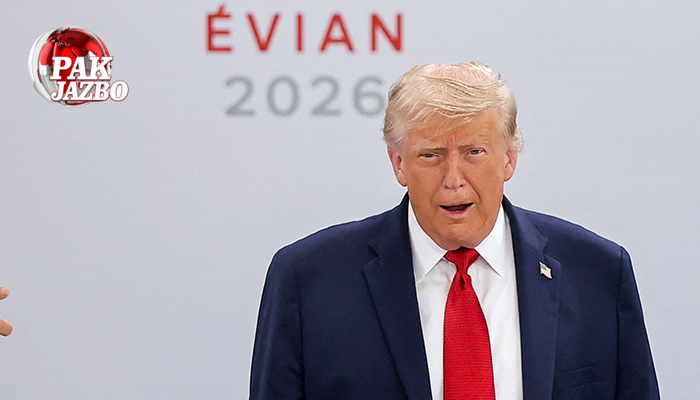
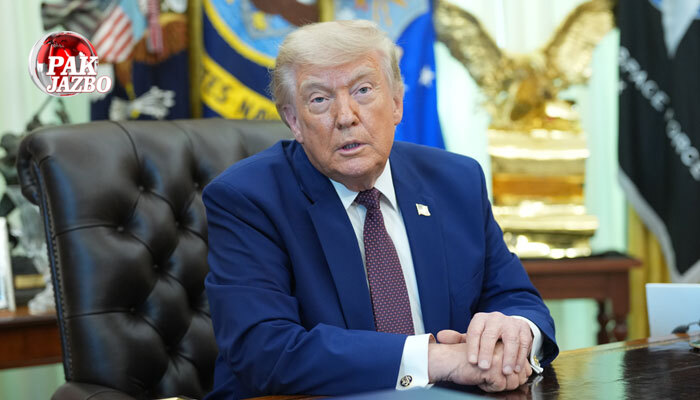
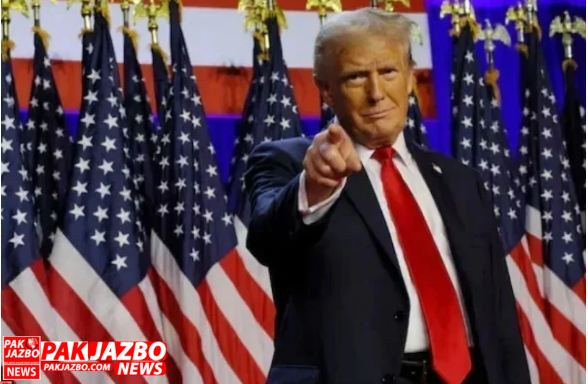
Washington: Amid growing tensions with Washington and escalating trade disputes, India has taken an unusual but strategic step: hiring a powerful lobbying firm in the United States to help smooth its relations with the administration of President Donald Trump.
According to a report published by Bloomberg, the Indian government—frustrated by what it perceives as neglect and cold treatment from the White House—has engaged the services of Mercury Public Affairs LLC, a well-connected lobbying firm with deep ties to the Trump administration. The firm has a history of representing foreign governments and organizations that have found themselves on the receiving end of U.S. pressure.
The Background of Strained Relations
Relations between the world’s two largest democracies had been relatively stable in the past, but tensions rose sharply in 2019. The Trump administration imposed a 50% tariff on certain Indian goods after New Delhi failed to finalize a comprehensive trade deal with Washington. This move soured bilateral ties and created a climate of mistrust.
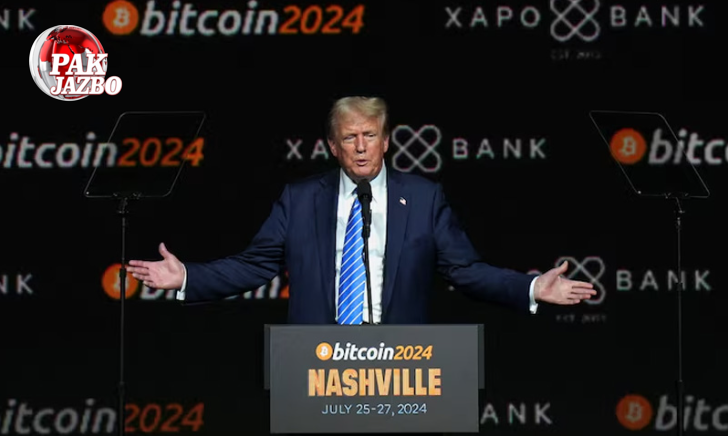
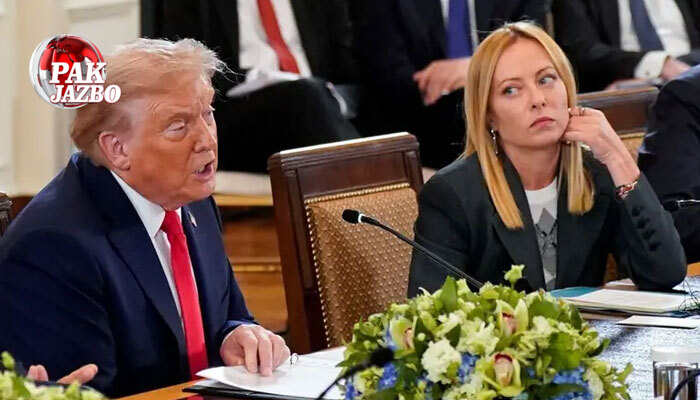
Adding to the strain were President Trump’s occasional remarks about playing a mediating role in the long-standing conflict between India and Pakistan. While Trump often spoke publicly about his willingness to “mediate” or “facilitate” peace talks, India strongly rejected such overtures, insisting that the Kashmir dispute and broader Indo-Pakistan issues were strictly bilateral. For New Delhi, Trump’s comments were seen as an intrusion into its sovereignty and regional policies.
The combination of trade penalties and unwanted mediation offers left India searching for a more effective way to influence U.S. policy and repair strained relations.
The Lobbying Contract
According to documents cited in the Bloomberg report, the Indian Embassy in Washington signed a formal contract with Mercury Public Affairs LLC on August 18. Under this agreement, Mercury will provide government relations, media relations, and strategic communication services on behalf of the Indian government.
The cost of these services will not come cheap: the Indian Embassy has agreed to pay Mercury a monthly retainer fee of $75,000. In exchange, the firm will lobby U.S. government officials, engage with policymakers, manage India’s media narrative in Washington, and help create opportunities for more positive engagement between New Delhi and the Trump administration.
Mercury’s reputation is particularly significant in this context. The firm has previously represented other foreign clients who were being targeted by U.S. policies, suggesting that India believes Mercury’s experience and access could provide a crucial advantage in navigating Washington’s political complexities.
Why Lobbying?
India’s move to hire an American lobbying firm reflects both the seriousness of its concerns and the realities of U.S. policymaking. In Washington, lobbying firms play a major role in shaping perceptions, influencing lawmakers, and creating backchannel communications with the executive branch.
For a country like India, which faces multiple challenges—from trade penalties to strategic disagreements—the hiring of Mercury represents an acknowledgment that conventional diplomacy through embassies and government channels may not be enough.
By relying on professionals with direct connections to the Trump administration, New Delhi is seeking to ensure that its voice is heard more clearly in the corridors of power.
U.S.-India Trade Tensions
Trade has been at the heart of the current rift between Washington and New Delhi. The Trump administration’s “America First” policies pushed for tougher trade balances with multiple countries, including India. After India resisted American demands on agricultural and dairy imports and failed to conclude a trade deal, Trump’s government revoked India’s preferential trade status under the Generalized System of Preferences (GSP) program.
The imposition of new tariffs hit Indian exporters hard, especially in sectors such as textiles and leather goods. In retaliation, India levied tariffs on certain American products, escalating the trade dispute further.
This ongoing battle has not only impacted economic ties but has also strained the broader strategic partnership that both countries had been cultivating in recent years, especially in the Indo-Pacific region.
The Political Angle
Beyond trade, politics has also played a role in straining ties. Trump’s repeated references to Pakistan and his remarks on mediation in South Asia contradicted India’s longstanding policy of rejecting third-party involvement. Each such statement deepened Indian concerns about the Trump administration’s understanding of New Delhi’s security sensitivities.
For a government that prided itself on strengthening U.S.-India ties during the Obama years, the cooling relationship under Trump was a significant setback.
Mercury’s Role Moving Forward
Mercury Public Affairs is expected to serve as India’s bridge to Washington policymakers, lawmakers, and media influencers. Its role will be to reshape the narrative around India’s trade and political positions, highlight India’s importance as a strategic ally in Asia, and counter any negative perceptions created by tariffs or disputes.
The firm’s long-standing experience with lobbying for international clients suggests that India hopes Mercury can not only help negotiate a way forward in trade disputes but also ensure that U.S. officials stop making public remarks on Indo-Pakistan relations.
Conclusion
India’s decision to spend $75,000 per month on a U.S. lobbying firm illustrates the seriousness of its efforts to repair ties with the Trump administration. With relations strained by trade wars, tariff penalties, and political misunderstandings, New Delhi appears determined to restore trust and strengthen its strategic partnership with Washington.
Whether this lobbying effort will succeed remains to be seen. What is clear, however, is that the U.S.-India relationship—once celebrated as a defining partnership of the 21st century—faces one of its most challenging chapters, with both sides needing to find common ground in order to prevent further drift.
What’s your Reaction?
+1
+1
+1
+1
+1
+1