


























































































































































































































































































































































































































































































































































































































































































































































Death Toll from Rains and Floods in Pakistan Climbs to 800: Widespread Devastation Reported


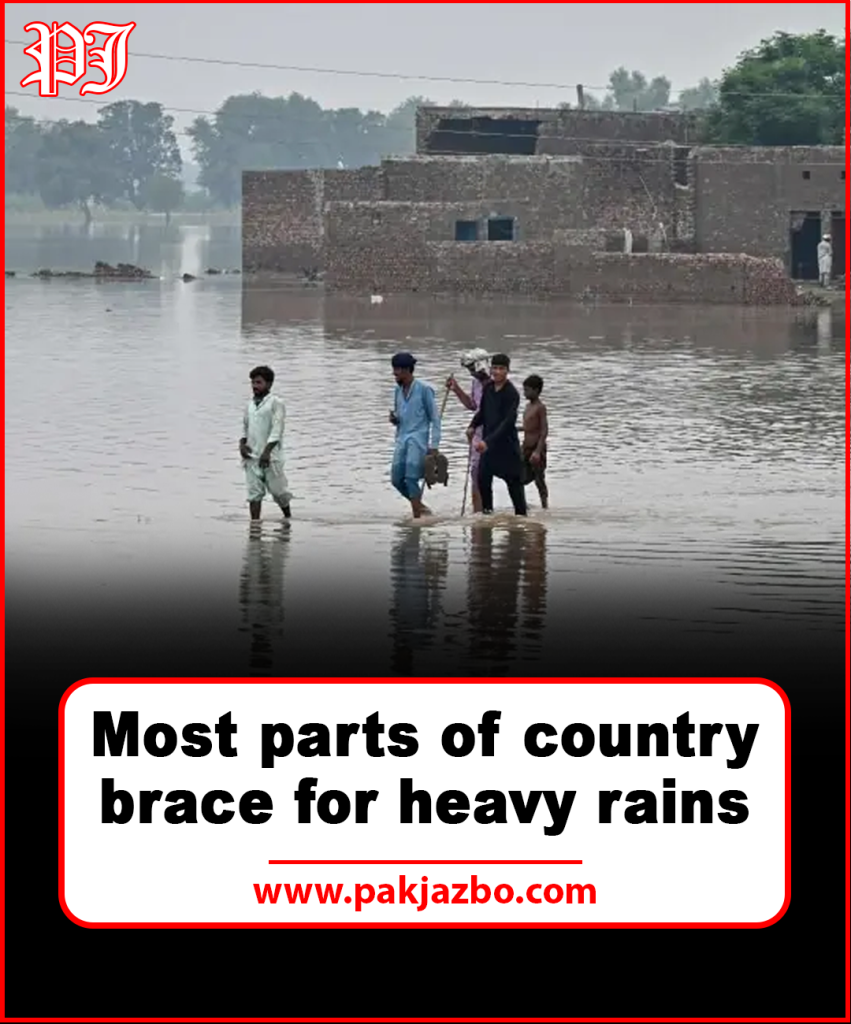
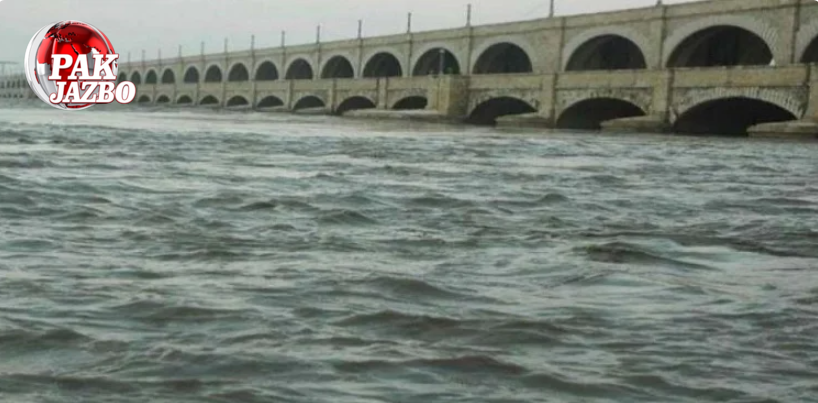
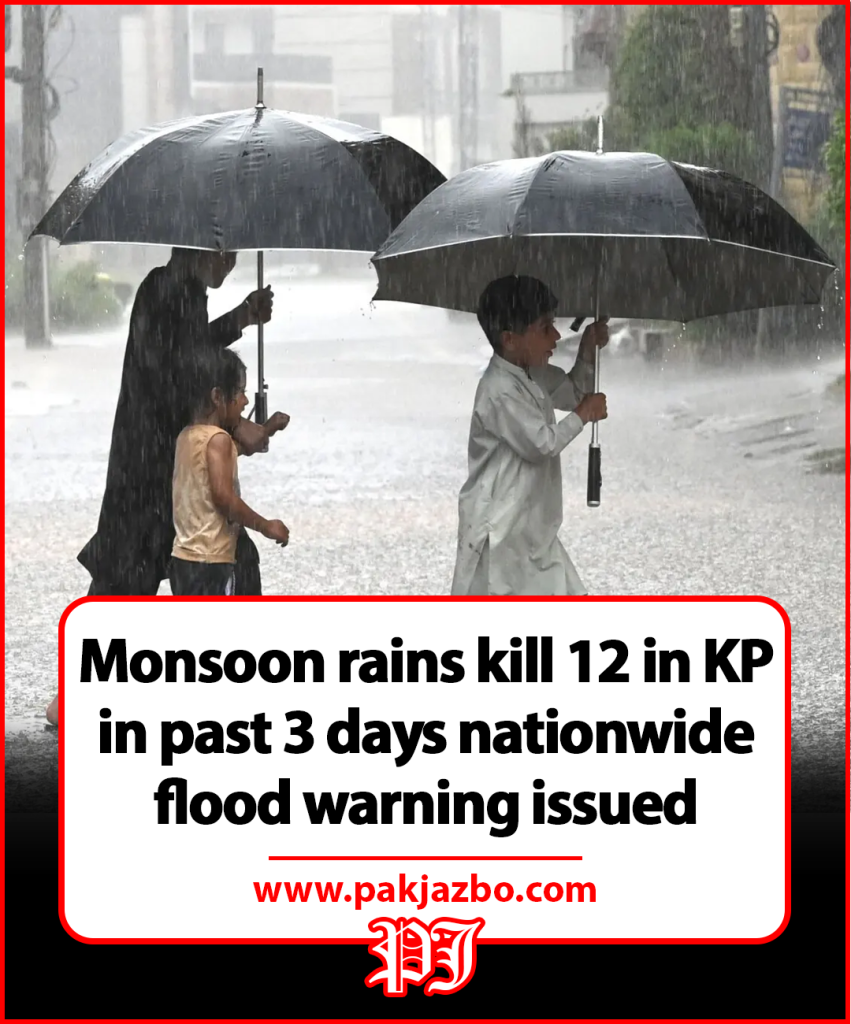
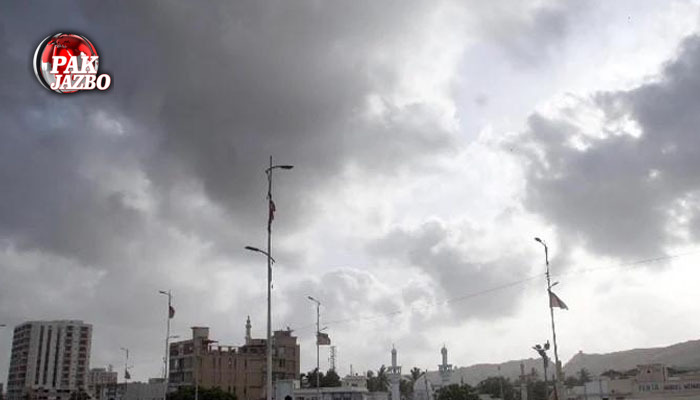
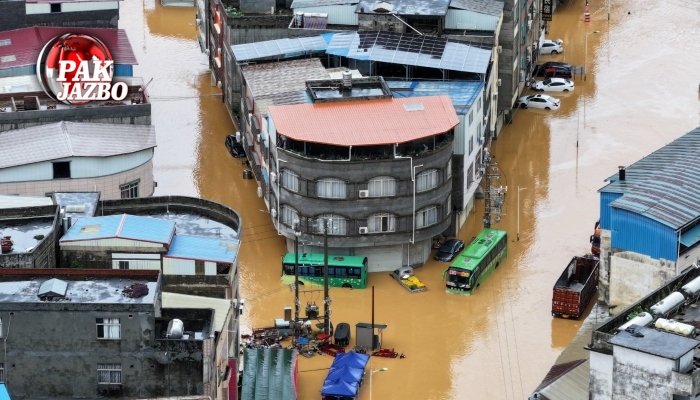
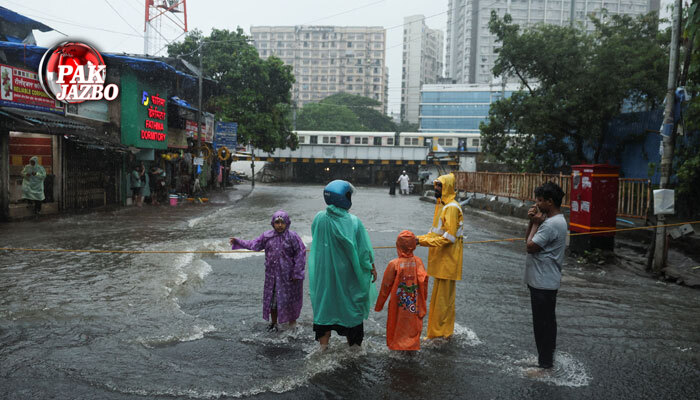
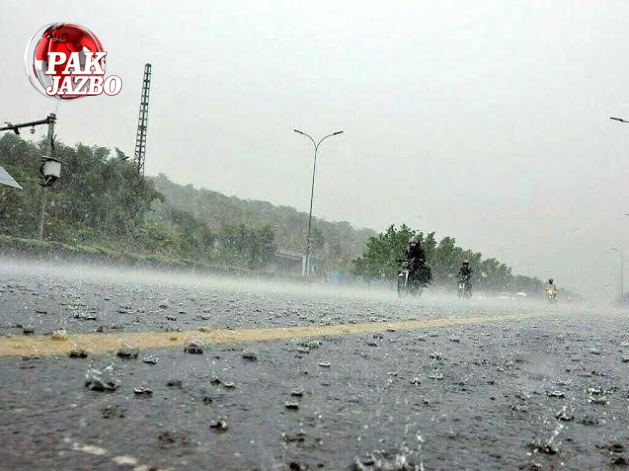
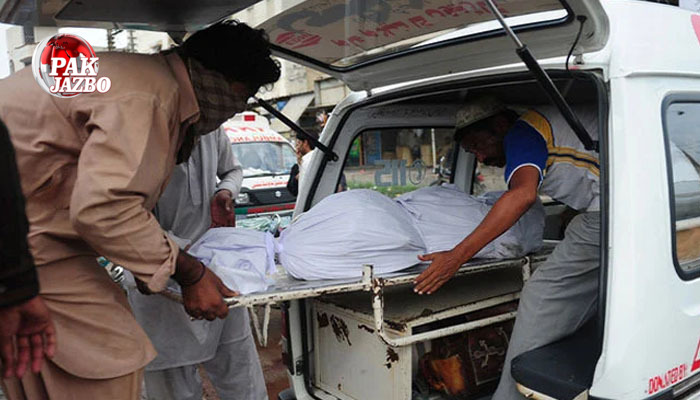
Islamabad: Torrential monsoon rains, flash floods, and incidents of landslides have wreaked havoc across Pakistan since late June, leaving a trail of destruction and misery. According to the latest figures released by the National Disaster Management Authority (NDMA), between June 26 and August 25, at least 799 people have lost their lives and 1,080 individuals have sustained injuries in rain and flood-related incidents. Officials fear that the death toll may soon cross 800 as rescue operations continue in some of the worst-hit regions.
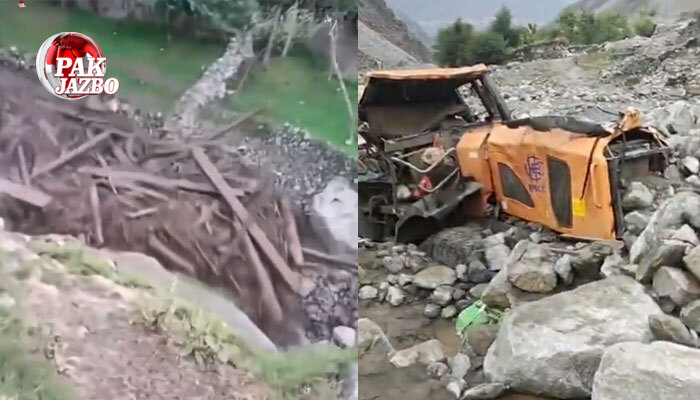
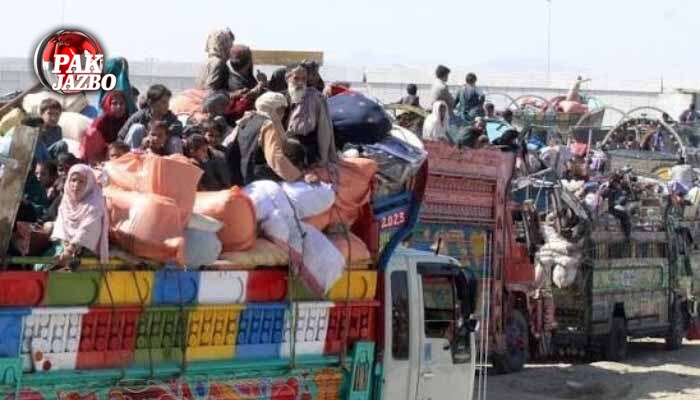
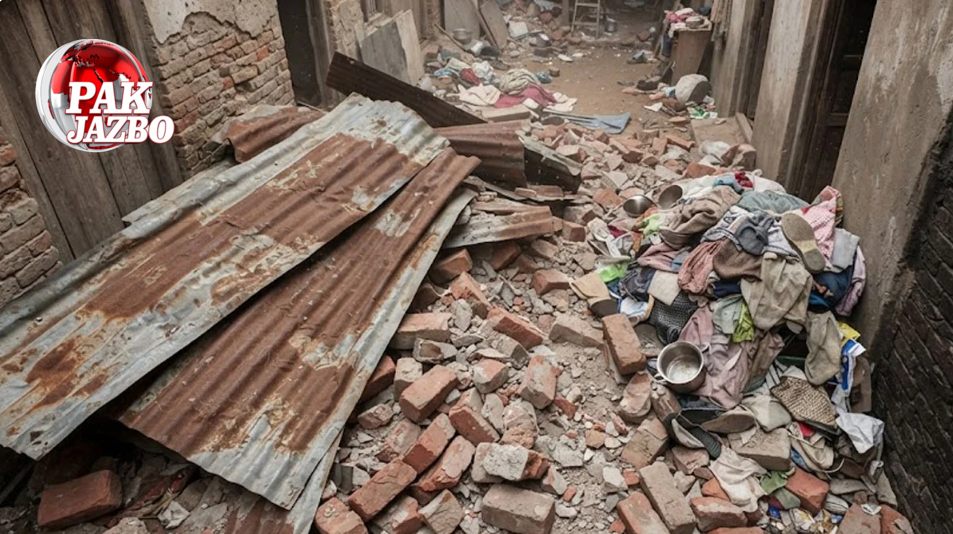
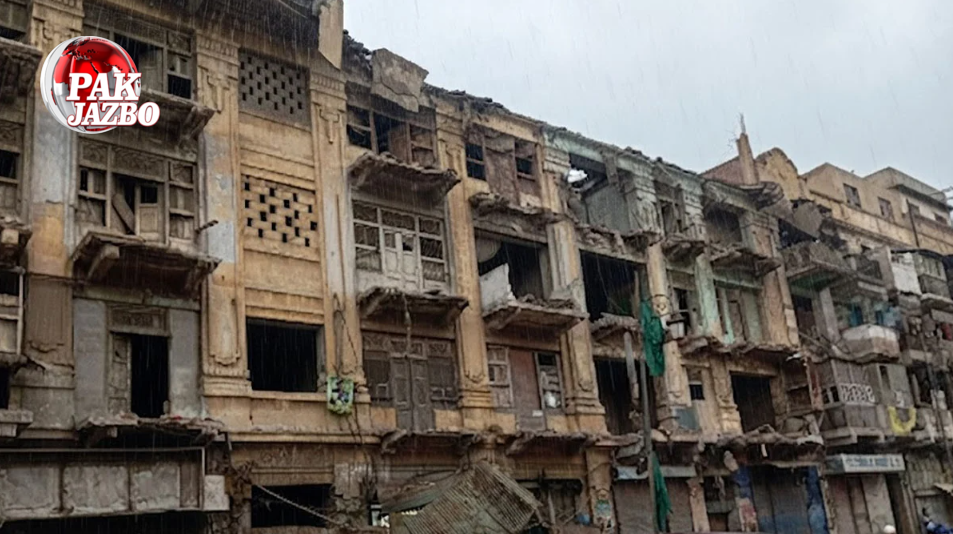
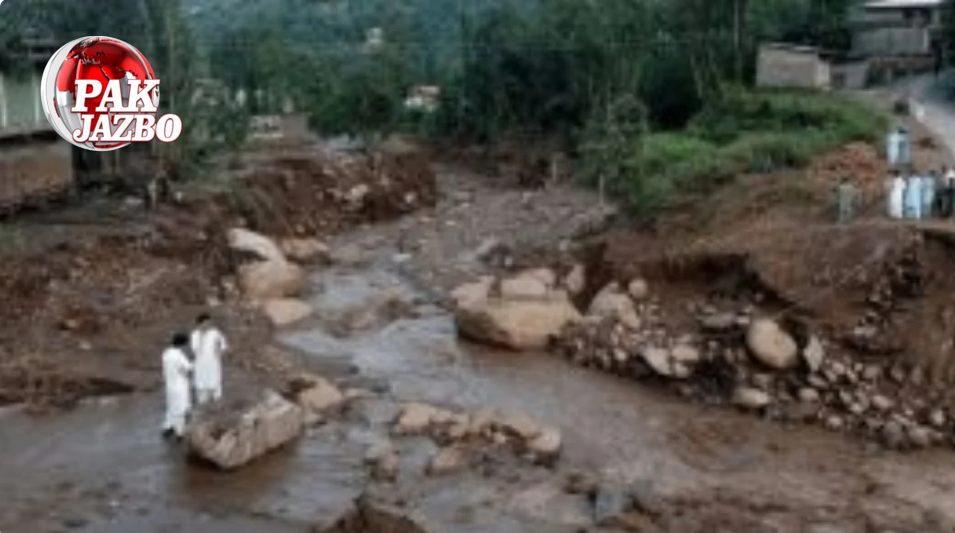
The NDMA report provides a grim snapshot of the scale of destruction. More than 7,175 houses have been damaged or completely destroyed by torrential rains, while 5,552 livestock animals have perished — a devastating blow to rural families who depend on their cattle for livelihood. Beyond the numbers, the catastrophe has disrupted lives across provinces, displacing thousands, damaging farmlands, and cutting off remote villages due to washed-away roads and collapsed bridges.
Human Toll: Children, Women, and Men Among the Dead
The data reveals a heartbreaking reality: among the 799 fatalities, 203 were children, 119 were women, and 476 were men. Children have been disproportionately affected, as many incidents involved houses collapsing during nighttime downpours or flash floods sweeping away entire families.
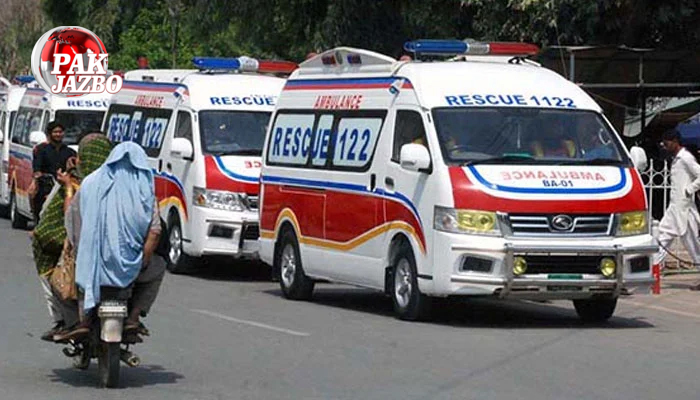
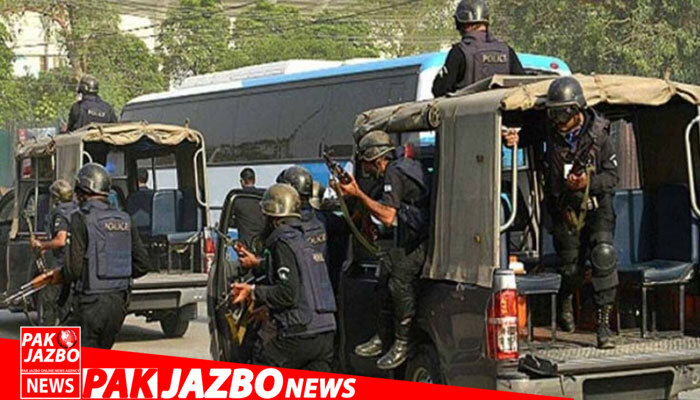
The NDMA also confirmed that 592 rescue operations have been carried out nationwide, saving over 106,000 people from imminent danger. Helicopters, boats, and ground rescue teams have been mobilized, especially in flood-prone districts where stranded families were trapped on rooftops or higher ground for days without food or clean water.
Province-Wise Breakdown of Fatalities
The NDMA figures show a stark disparity across provinces, with some regions experiencing far greater devastation:
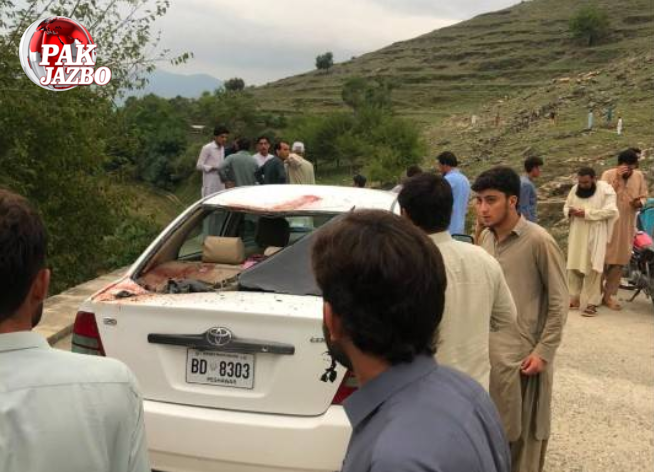
- Khyber Pakhtunkhwa (KP): The worst-affected province, where 497 people have died in flood-related incidents. The hilly terrain and narrow valleys of KP have made it extremely vulnerable to flash floods and landslides. Many areas in Swat, Chitral, and Dir reported entire houses being washed away by overflowing rivers.
- Punjab: The second most-affected region, recording 165 deaths and the highest number of injuries. Large parts of southern Punjab, including Rajanpur and Dera Ghazi Khan, have been inundated by seasonal hill torrents.
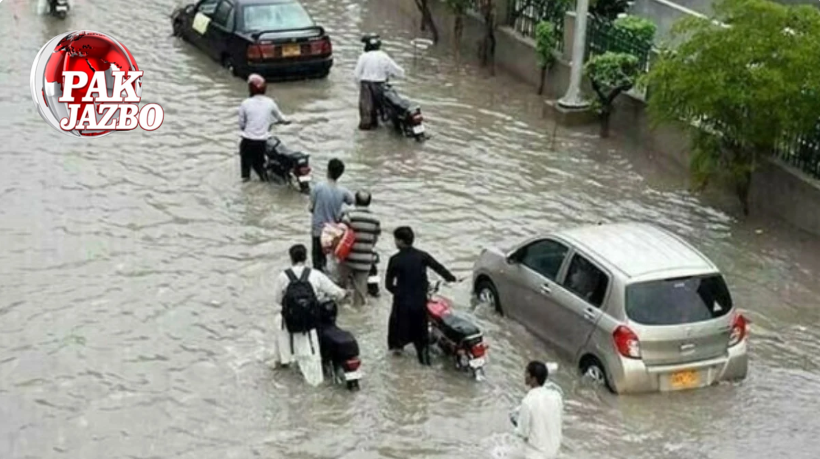
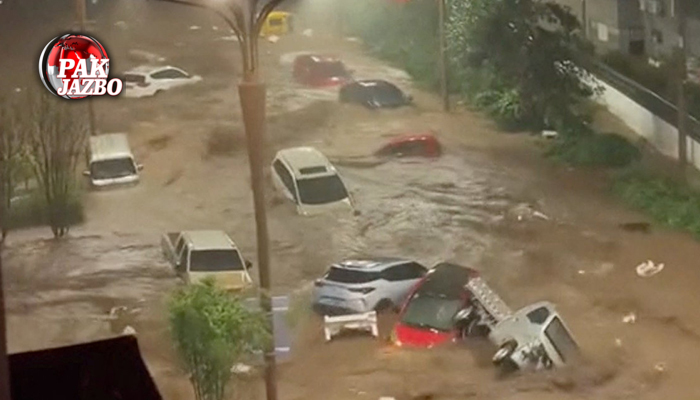
- Sindh: A total of 55 deaths have been reported so far. Sindh, though receiving less rainfall compared to KP and Punjab, has suffered severe urban flooding in Karachi, Hyderabad, and other cities. Poor drainage systems contributed to the misery of residents.
- Balochistan: The province reported 24 deaths, but widespread damage to roads and bridges has left many remote districts inaccessible, raising concerns that the true scale of loss may be higher.
- Gilgit-Baltistan (GB): 45 fatalities were confirmed. GB’s mountainous landscape has been hit by glacial lake outburst floods (GLOFs) and landslides, posing additional risks to residents.
- Azad Jammu and Kashmir (AJK): The region reported 23 deaths, mainly due to house collapses and flash flooding in hilly areas.
- Islamabad: The federal capital recorded 8 deaths, largely caused by urban flooding and electrocution during heavy rainfall.
Breakdown of Injuries Across the Country
The nationwide tally of 1,080 injured paints an equally alarming picture. Among them were 286 children, 257 women, and 531 men. Punjab once again recorded the highest figure, with 584 injured in various incidents, including roof collapses and electrocution. Khyber Pakhtunkhwa followed with 347 injured, while Sindh reported 71 cases. Gilgit-Baltistan and Azad Kashmir reported 42 and 28 injuries, respectively. In contrast, Balochistan had 5, and Islamabad reported 3 injured persons.
Livelihoods Shattered: Homes and Livestock Lost
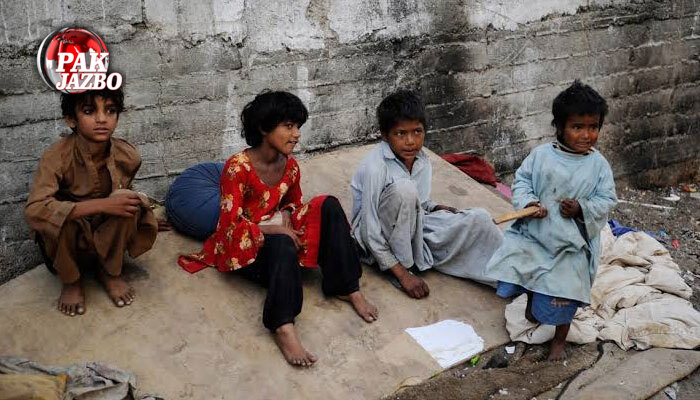
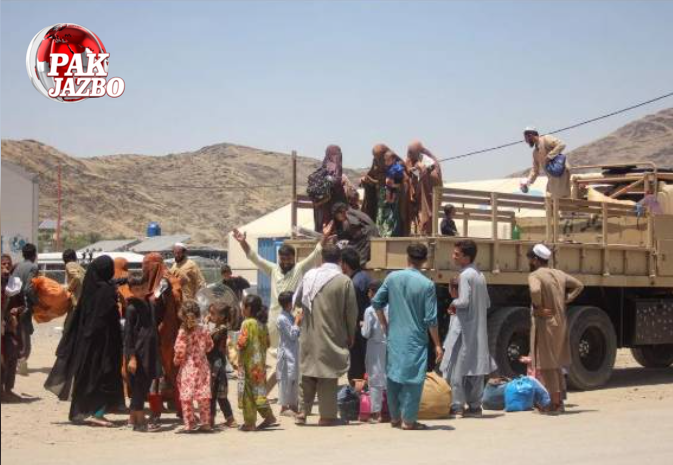
While the human cost of the disaster is tragic, the material losses are equally crippling. The NDMA confirmed that over 7,175 houses have been damaged — many completely destroyed — leaving families without shelter. Makeshift camps have been established in schools and public buildings, but overcrowding and lack of resources have made conditions dire for displaced families.
Additionally, the loss of 5,552 livestock is a severe setback for rural households. In many parts of Pakistan, particularly in Balochistan and Punjab, livestock is not only a source of food but also the backbone of the local economy. The sudden deaths of animals have pushed already vulnerable families deeper into poverty.
Government and Relief Efforts
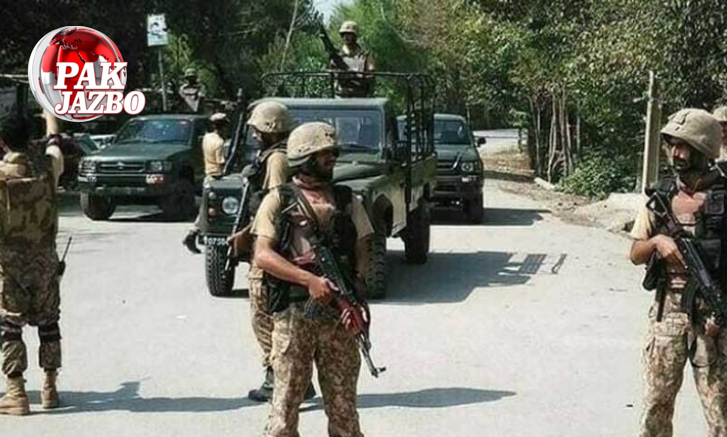
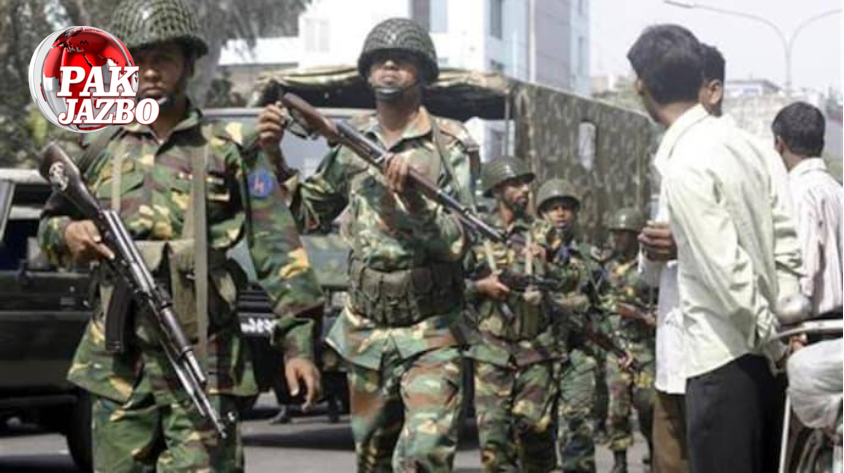
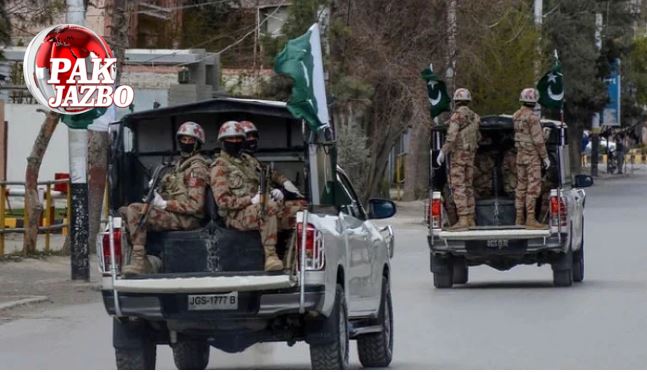
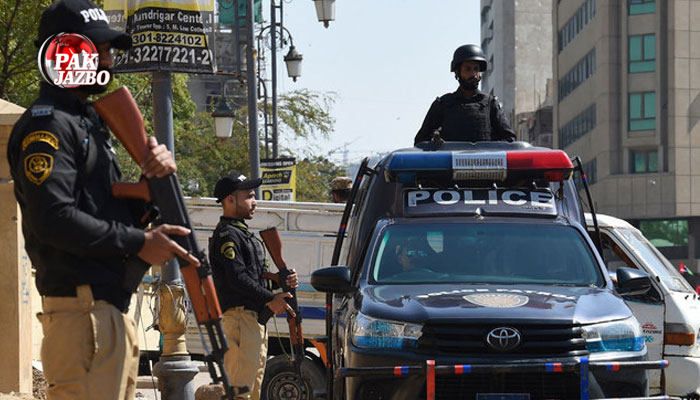
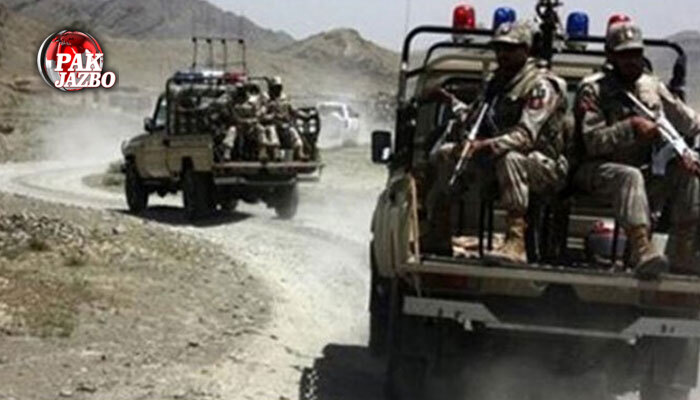
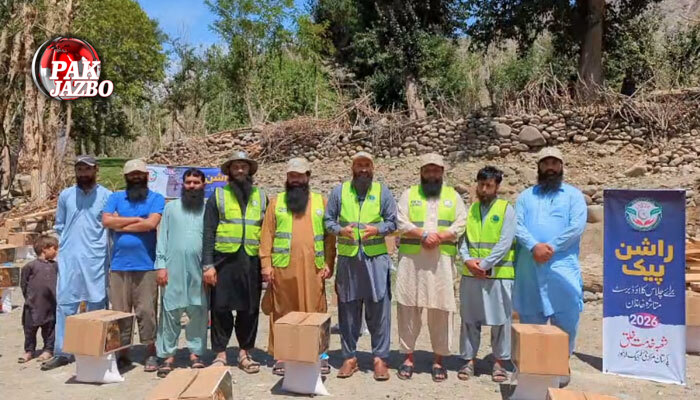
Authorities at both federal and provincial levels, along with the Pakistan Army, have been engaged in relief operations. Emergency medical camps have been set up, while rations, tents, and clean drinking water are being distributed. Despite these efforts, survivors complain about inadequate assistance, particularly in remote regions where access remains a challenge due to washed-away roads and persistent flooding.
The NDMA has issued repeated warnings urging residents of flood-prone areas to move to safer ground. However, many families refuse to leave their homes, fearing theft of their belongings and livestock. Officials have also stressed the urgent need for long-term infrastructure planning, including stronger embankments, improved drainage, and better early warning systems to minimize future disasters.
Climate Change and Pakistan’s Vulnerability
Experts highlight that Pakistan’s recurring cycles of monsoon devastation are directly linked to climate change. Rising global temperatures have intensified rainfall patterns, increased the frequency of flash floods, and accelerated glacial melt in the north. Pakistan, despite contributing less than 1% of global carbon emissions, remains among the top 10 most climate-vulnerable countries in the world.
Last year’s floods, which submerged one-third of the country, killed over 1,700 people and displaced millions, remain a haunting reminder of Pakistan’s fragile geography. This year’s disaster, though smaller in scale, has once again exposed the country’s lack of resilience to extreme weather.
Looking Ahead
With the monsoon season still ongoing, officials warn that the situation could deteriorate further if heavy rains continue in September. Rescue teams remain on high alert, but resources are stretched thin. The NDMA has appealed for public cooperation and called upon international aid agencies for potential assistance should the crisis escalate.
For now, the people of Pakistan are left grappling with grief, displacement, and uncertainty — their lives upended by nature’s fury and a system struggling to keep pace with the mounting challenges of climate change
What’s your Reaction?
+1
+1
+1
+1
+1
+1

