






























































































































































































































































































































































































































































































































































































































































































































































































































































































































































































































































































































































































































































































































































































































































































































































































































































Rohit Sharma Removed as India’s ODI Captain, Shubman Gill Appointed New Leader


In a surprising move that has sent ripples across the cricketing world, the Board of Control for Cricket in India (BCCI) has officially removed Rohit Sharma from the captaincy of the Indian One Day International (ODI) team. This development marks a significant change in the leadership structure of India’s limited-overs cricket and is expected to influence team dynamics ahead of upcoming international series.
According to the official announcement made by the BCCI, Shubman Gill has been appointed as the new captain of the Indian ODI team. This appointment is notable as Gill will simultaneously continue to lead India’s Test cricket side, reinforcing the board’s confidence in his leadership abilities across formats. The decision to entrust Gill with both responsibilities reflects the BCCI’s long-term vision of consolidating leadership under a young and promising player, who has shown maturity and tactical awareness beyond his years.
Rohit Sharma, who has been a stalwart of Indian cricket for over a decade, has led the ODI team through some of its most memorable victories, including multiple bilateral series wins and key performances in global tournaments. Under his captaincy, India maintained a strong presence in international cricket, demonstrating consistency in batting and strategic gameplay. Despite his remarkable personal performances, the board’s decision to relieve him of captaincy underscores a strategic shift towards grooming the next generation of leaders in Indian cricket.
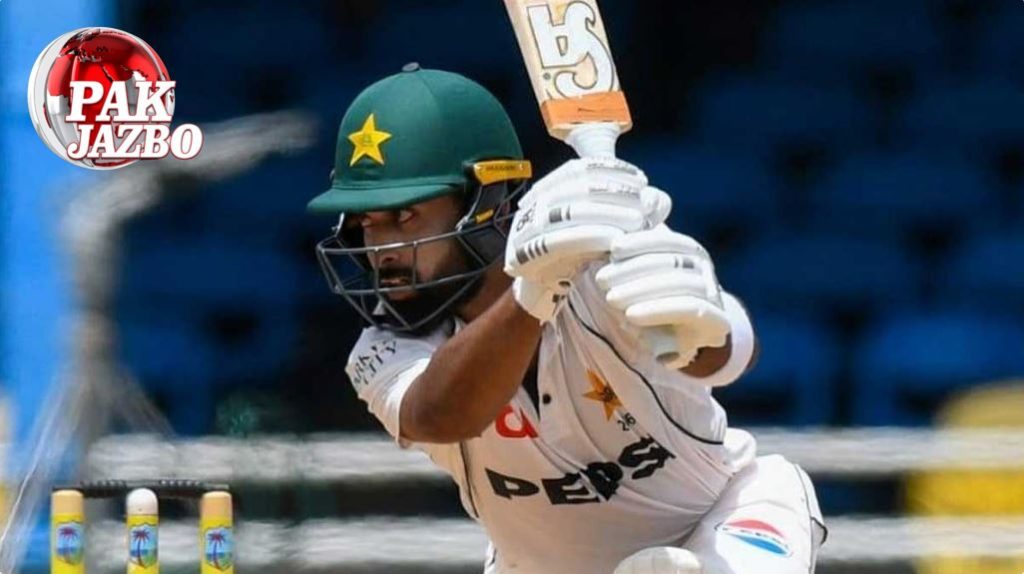
Shubman Gill, at just 25 years old, has rapidly established himself as one of India’s most reliable batsmen. Known for his elegant stroke play, calm temperament, and consistency under pressure, Gill’s appointment as captain is both a reward for his individual performances and a vote of confidence in his ability to inspire and manage a diverse team. Analysts suggest that Gill’s dual role as ODI and Test captain could help create a unified approach across formats, allowing India to maintain strategic coherence and strengthen team culture.
The BCCI’s announcement also came alongside the revelation of the squad for India’s upcoming ODI series against Australia. The squad includes several veteran players, notably Virat Kohli and Rohit Sharma, ensuring that experience and talent remain integral to the team. The inclusion of Kohli and Sharma provides Shubman Gill with an invaluable support system, combining seasoned international insight with his emerging leadership style. Observers believe this blend of youth and experience could help India perform consistently while Gill acclimatizes to his expanded responsibilities.
The decision to remove Rohit Sharma from captaincy has generated significant discussion among cricket enthusiasts, analysts, and former players. Many have praised the BCCI for prioritizing long-term strategic planning, recognizing the importance of investing in young leadership while maintaining a strong talent pool. Others have expressed surprise, given Sharma’s extensive experience and his track record in leading the team to multiple victories. The debates reflect the broader tension in cricket administration between honoring proven leadership and adapting to evolving team requirements.
For Shubman Gill, this new role represents a milestone in his already impressive career. Having debuted in international cricket at a young age, he has consistently demonstrated technical skill, mental resilience, and the ability to perform in high-pressure situations. Leading both the Test and ODI teams will require balancing tactical acumen with team management, as well as maintaining his own form as a top-order batsman. Experts suggest that Gill’s disciplined approach and calm demeanor make him well-suited to these challenges, though the weight of dual captaincy will inevitably test his leadership capabilities.
From a strategic perspective, the BCCI appears to be signaling a broader vision for the Indian team’s future. By consolidating leadership under Shubman Gill, the board may be aiming to create a consistent leadership style across formats, facilitating better communication, team cohesion, and a unified approach to international competition. This move could also help nurture younger players within the team, providing them with clear guidance and a stable framework for growth under an emerging captain.
Rohit Sharma, meanwhile, is expected to continue contributing as a senior player in the ODI side. His experience, particularly in handling high-pressure situations and mentoring younger teammates, will remain invaluable to India’s squad. Analysts suggest that relieving him of captaincy could also allow Sharma to focus more on his batting and overall performance, potentially prolonging his career at the international level.
In conclusion, the BCCI’s decision to replace Rohit Sharma with Shubman Gill as the ODI captain marks a pivotal moment in Indian cricket. It highlights the board’s commitment to future-oriented leadership, leveraging Gill’s emerging talent while retaining the experience of established stars like Sharma and Kohli. The upcoming ODI series against Australia will provide the first major test for Gill in his new role, offering fans and analysts an early indication of how effectively he can lead the team. As the Indian cricket fraternity adapts to this change, the series promises to be not only a contest of skill on the field but also a showcase of evolving leadership and strategic vision in one of the world’s most competitive cricketing landscapes.
What’s your Reaction?
+1
+1
+1
+1
+1
+1