




































































































































































































































































































































































































































































































































































































































































































































































































































































































































































































































































































































































































































































































































































































































































































































































































































































































































































































































































































Flight 163: The Karachi–Jeddah Journey That Ended in the Deadliest Aviation Fire Disaster


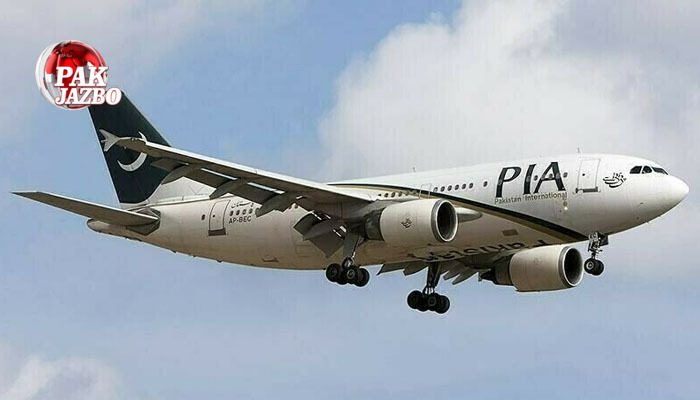
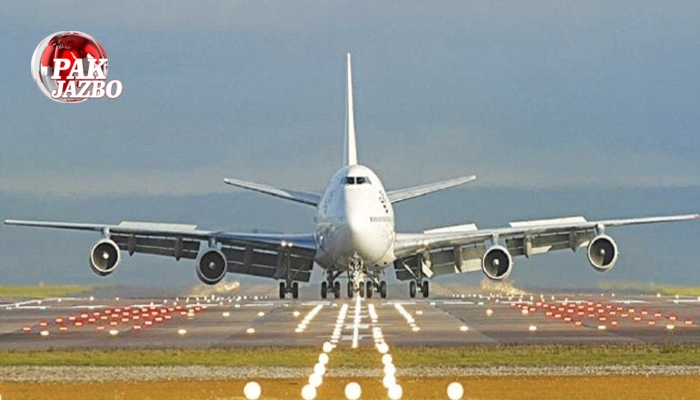
On the 19th of August, 1980, what began as a routine flight between Pakistan and Saudi Arabia turned into one of the most horrifying air disasters in the history of commercial aviation. Saudi Arabian Airlines Flight 163, operated with a Lockheed L-1011 TriStar—a state-of-the-art aircraft of its era—took off from Karachi with Jeddah as its final destination. Onboard were passengers who had boarded in Karachi, joined later by more travelers from Riyadh. By the time the aircraft lifted off from Riyadh for the final leg of its journey, there were 301 souls onboard. None would survive.
The Flight and Its Deadly Turn
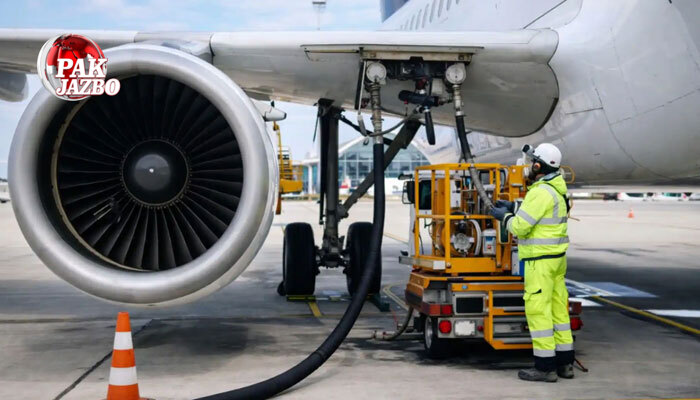
Flight 163 took off from Karachi with 82 passengers and 14 crew members. The flight was scheduled to make a short stopover in Riyadh, where 205 additional passengers boarded. After this refueling and boarding process, the total onboard reached 301. For the captain, 38-year-old Mohammed Ali Khuwaiteer, his first officer Sami Hasanain, and American-born flight engineer Bradley Curtis, it was meant to be another day in the skies. But within minutes of leaving Riyadh’s runway, fate had something catastrophic in store.
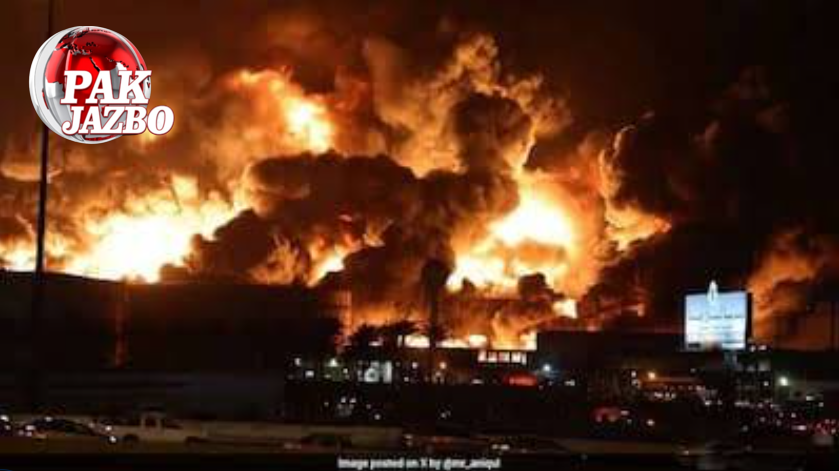
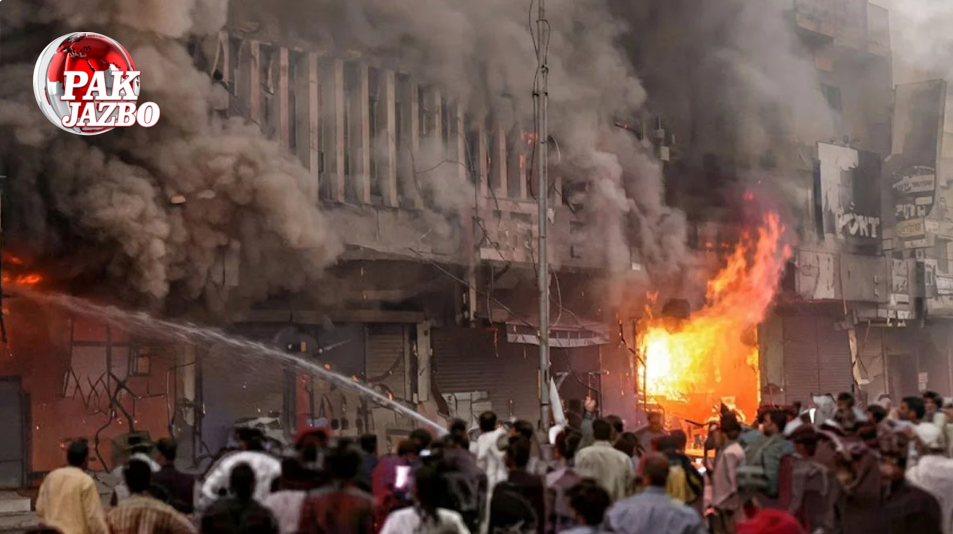
Shortly after takeoff from Riyadh, smoke alarms indicated fire in the aircraft’s aft cargo hold. What initially might have seemed manageable quickly turned into a full-blown emergency. The fire was not only intense but fast-spreading, filling the cabin with toxic smoke and incapacitating passengers. Despite urgent communication with air traffic control, it was clear to the cockpit crew that they had little control over the situation.
A Return That Offered No Rescue
Captain Khuwaiteer decided to return to Riyadh immediately. The crew managed to bring the aircraft back and successfully land. The TriStar touched down safely on the runway, and for a moment, there may have been hope that lives could be saved. But tragically, this was not the case.
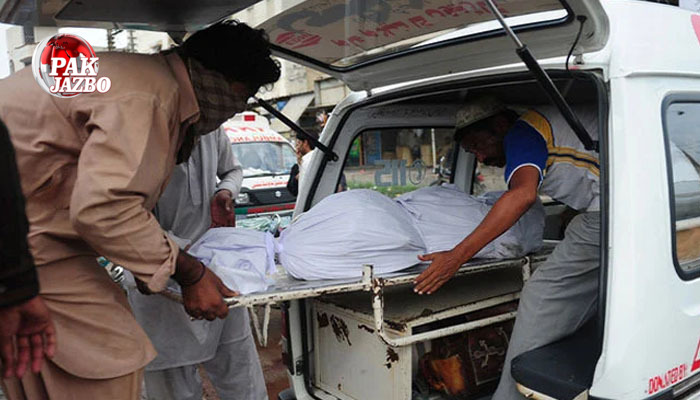
Instead of an immediate evacuation, the aircraft continued to roll along the runway before stopping nearly two and a half minutes later. Precious time was lost. When rescue teams finally reached the jet and opened its doors, they were met with thick smoke and unbearable heat. By then, every passenger and crew member had succumbed to smoke inhalation and fire. Though the plane had technically landed, it became a tomb for all 301 people onboard.
The Scale of the Tragedy
The disaster shocked the aviation world. To this day, Flight 163 remains the deadliest accident involving a Lockheed L-1011 TriStar. More hauntingly, it is the worst aviation accident in which an aircraft landed successfully, yet no one survived. The loss of 301 lives, including men, women, and children from multiple countries, left families devastated across continents.
Investigations revealed several compounding factors that worsened the tragedy. First, the crew delayed in halting the aircraft and initiating an emergency evacuation after landing. Second, the evacuation doors were not opened quickly enough, and ground rescue teams lacked immediate access to the burning fuselage. Finally, flaws in fire detection and suppression systems of the aircraft highlighted broader weaknesses in aviation safety practices of the time.
Lessons and Aftermath
The Flight 163 disaster had a profound impact on aviation regulations worldwide. It brought urgent reforms in emergency evacuation protocols, emphasizing that passengers must be evacuated immediately after landing during any fire-related emergency. Airlines were also required to review crew training for crisis decision-making and to improve onboard fire detection and suppression technology.
In Saudi Arabia, the tragedy left a deep scar. Families across South Asia and the Middle East grieved their loved ones, with Pakistan bearing part of the loss since many passengers had boarded from Karachi. For decades, the disaster remained a somber reminder of the thin line between life and death in aviation, and the heavy cost of even brief procedural delays.
A Human Story Amid Statistics
Beyond the figures and technicalities, Flight 163 is remembered as a tragedy of ordinary people caught in extraordinary misfortune. Pilgrims, migrant workers, families, and crew members—each with dreams of reuniting with loved ones or pursuing opportunities—met their end in a sealed cabin filled with smoke. Survivors’ families describe those final hours as unimaginable torture, knowing that their relatives were alive when the plane landed but perished due to delayed rescue.
Captain Khuwaiteer and his crew fought until the last moment, but the systemic failures in safety response meant their efforts were in vain. Eyewitnesses recall the eerie sight of the massive jet parked on Riyadh’s runway, silent and lifeless, with emergency crews surrounding it. Inside, 301 people had already slipped away.
The Legacy of Flight 163
Even decades later, Flight 163 remains a case study in aviation safety, frequently cited in training manuals and safety courses worldwide. Its lessons continue to shape evacuation drills, fire suppression requirements, and crew resource management. Though the Lockheed TriStar itself has largely disappeared from commercial fleets, the legacy of Flight 163 endures as both a warning and a call to vigilance in aviation.
For the families of those who perished, however, no reforms or regulations can erase the pain of that day. Every August 19th, memories of Flight 163 resurface—reminders of lives lost, of human error, and of the urgent need to put passenger safety above all else.
In the end, the Karachi-to-Jeddah flight that stopped in Riyadh became not a bridge between nations, but a chapter written in sorrow. It is remembered not for the miles it traveled, but for the lives it claimed—301 voices silenced in a disaster that the world still mourns.
What’s your Reaction?
+1
+1
+1
+1
+1
+1

