














































































































































































































































































































































































































































































































































































































































































































Election Commission Decides to Hold Local Government Elections in Islamabad After Years-Long Delay


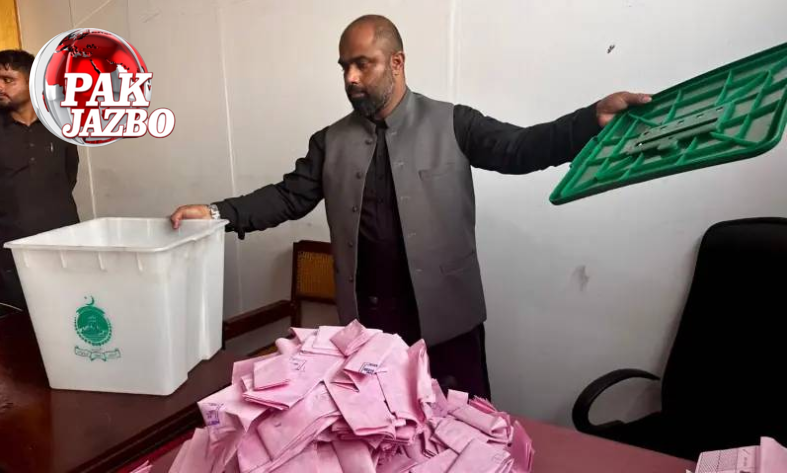
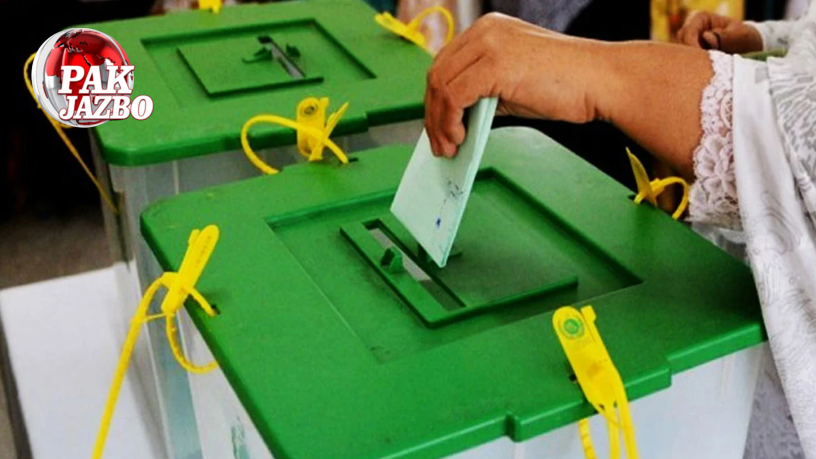
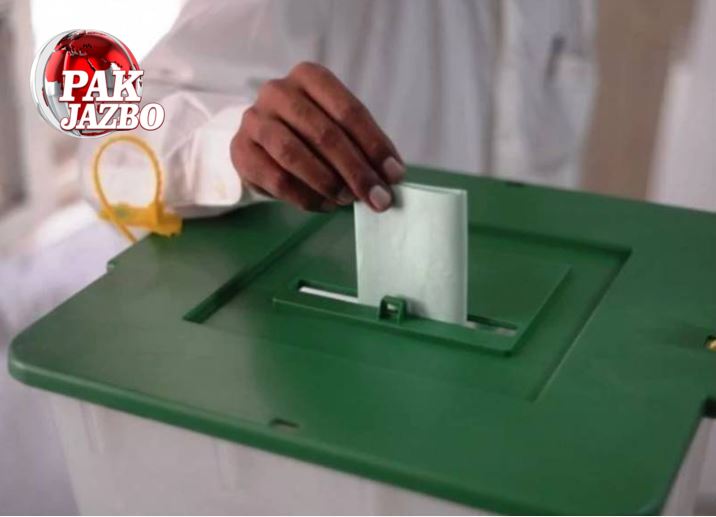
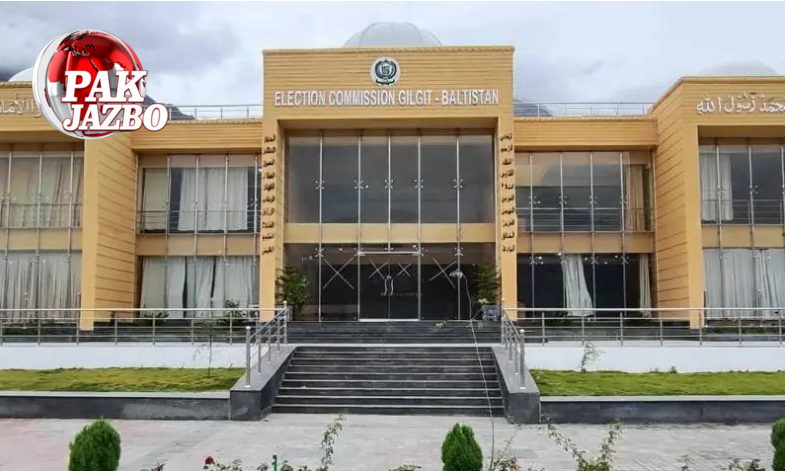
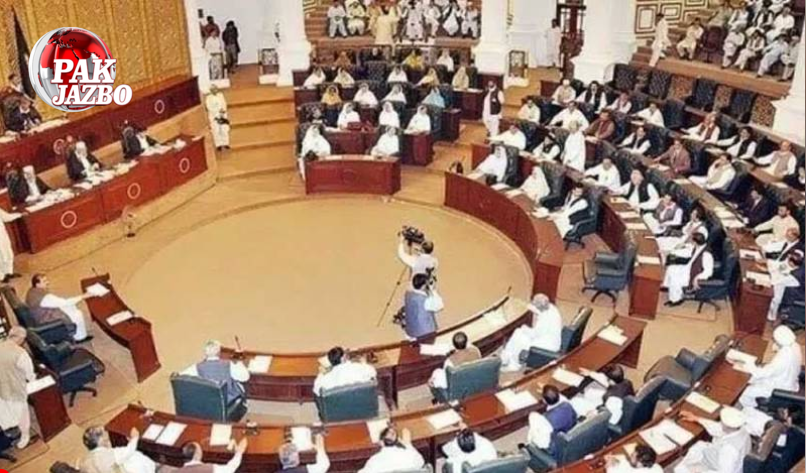
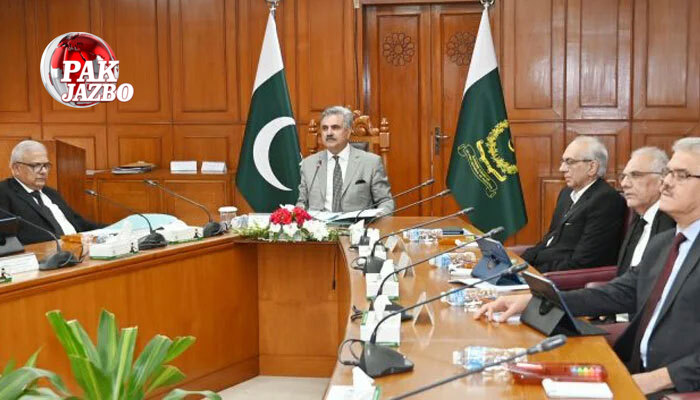
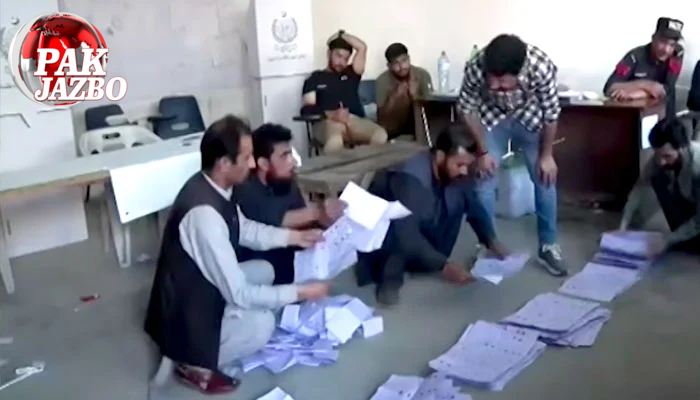
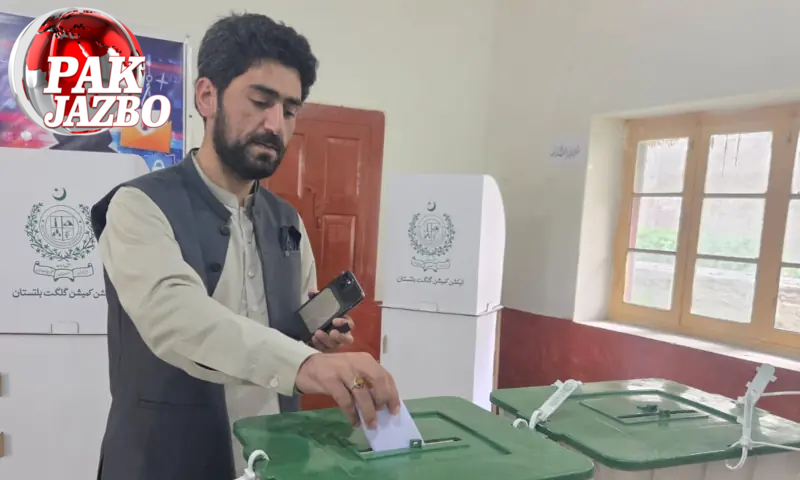
In a long-awaited development, the Election Commission of Pakistan (ECP) has finally decided to conduct local government (LG) elections in the federal capital, Islamabad. The decision, announced through a reserved verdict, marks an important step toward restoring local governance in a city that has been without an elected municipal administration since February 2021.
According to the detailed decision issued by the ECP, the Commission now intends to move forward with the electoral process and has clarified that it possesses the authority to appoint Returning Officers (ROs), Deputy Returning Officers (DROs), and Assistant Returning Officers (AROs) from among government officials, the judiciary, or personnel working in state institutions. This clarification addresses previous concerns about whether the ECP could rely on serving officers from various departments for election duties.
A Capital Without Local Government Since February 2021
Islamabad’s last elected local government completed its term on February 14, 2021. Under Article 140-A of the Constitution and relevant local government laws, the ECP is bound to conduct local government elections within 120 days of the expiry of the term of the previous municipal setup. Despite this clear constitutional requirement, Islamabad has remained without elected representatives for almost four years.
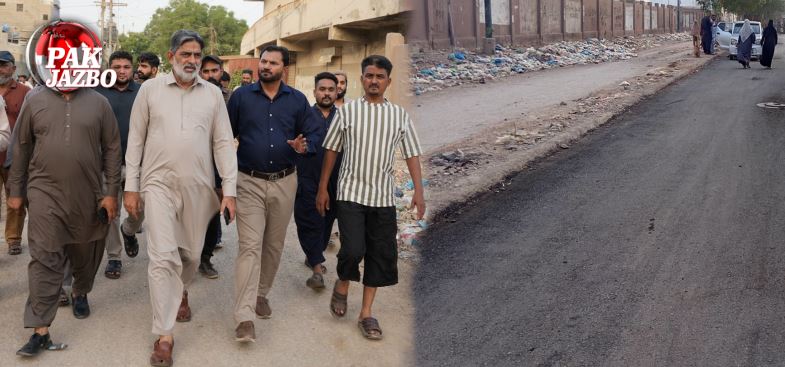
This prolonged delay has raised serious concerns regarding municipal service delivery, urban management, and public access to local-level governance. Without an elected mayor, deputy mayors, or union council representatives, the Capital Development Authority (CDA), federal ministries, and other administrative bodies have largely taken over functions that were once meant to be performed by local government institutions.
Repeated petitions were filed in courts and before the ECP urging the authorities to hold the overdue elections. Civil society organizations, legal experts, and political parties have consistently argued that the absence of local representatives has negatively impacted urban planning, sanitation services, water supply management, and overall civic administration.
Background of Delays and Legal Challenges
The process of LG elections in Islamabad has faced numerous hurdles over the years. Legal challenges, disputes over delimitation of constituencies, disagreements over the size of the municipal council, and the introduction of different local government systems by successive governments repeatedly pushed back the electoral schedule.
Several times, the ECP announced tentative election dates only for the process to be halted due to amendments introduced by the federal government or interventions by the courts. One such instance occurred when changes in the number of union councils were challenged, resulting in further postponements.
In 2022, the federal government increased the number of union councils, which required fresh delimitations. The ECP stated at the time that it could not proceed without completing mandatory administrative steps. This back-and-forth cycle contributed to a nearly four-year delay in holding elections that should have taken place within four months.
ECP’s Decision: Authority to Appoint Election Officers Reaffirmed
In its latest decision, the ECP has settled the question of who may serve as ROs, DROs, and AROs — an issue that had previously been raised in petitions submitted by political and legal actors. The Commission stated that it is legally empowered to appoint officers from:
- Government ministries and departments
- Judiciary and judicial officers
- State institutions and attached agencies
The verdict emphasizes that these appointments are essential for conducting free, fair, and transparent elections. The ECP also underscored that without the ability to designate officers from these categories, the electoral process in Islamabad could face unnecessary obstruction.
Furthermore, the ECP highlighted that the very purpose of local government elections — decentralization of power, participatory governance, and empowerment of communities — cannot be achieved unless the electoral machinery is allowed to function efficiently.
Courts Previously Reserved Judgment on Election Petitions
The ECP’s decision follows months of hearings on petitions demanding immediate local government elections in Islamabad. The Commission had earlier reserved judgment on several submissions, including one that specifically requested the announcement of a final election schedule.
The petitioners argued that denying citizens their constitutional right to local representation violated democratic principles. They pointed to increasing public complaints related to broken roads, uncollected waste, water shortages, and the absence of elected forums where residents could raise grievances.
A Step Toward Democratic Stability in the Capital
With the latest verdict, the ECP has taken what many observers view as a significant step toward restoring democracy at the grassroots level in the federal capital. Politicians, legal experts, and civil society activists say that holding delayed local body elections is crucial for strengthening governance, ensuring accountability, and improving service delivery.
Political parties are expected to begin preparations as soon as the ECP releases the schedule for the electoral process. Analysts predict that competition will be intense, given the strategic and administrative importance of Islamabad as the seat of the federal government.
What Happens Next?
While the ECP has made its decision clear, the timeline for elections has yet to be announced. The Commission now needs to:
- Finalize delimitations of union councils, if required;
- Appoint ROs, DROs, and AROs;
- Publish an official election schedule;
- Complete nomination, scrutiny, and appeal processes;
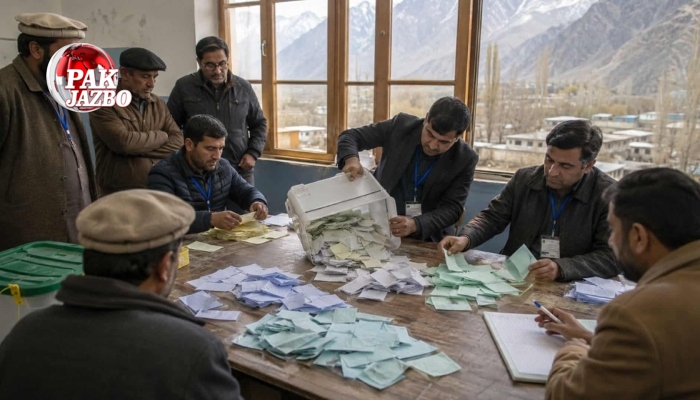
- Hold polling across all union councils.
Given the history of delays, stakeholders will closely monitor how swiftly these steps are completed.
A Return to Local Representation Expected Soon
For millions of residents of Islamabad, the ECP’s decision signals hope that long-overdue local representation may finally be restored. As the capital continues to grow in population and complexity, experts stress that an empowered, functional municipal system is essential for effective governance.
Until then, all eyes remain on the Election Commission as it prepares to execute what many believe is a constitutional obligation long overdue — returning the voice of local democracy to the people of Islamabad.
What’s your Reaction?
+1
+1
+1
+1
+1
+1

