













































































































































































































































































































































































































































































































































































































































































































































































































































































































































































































































































































































































































































































































































































































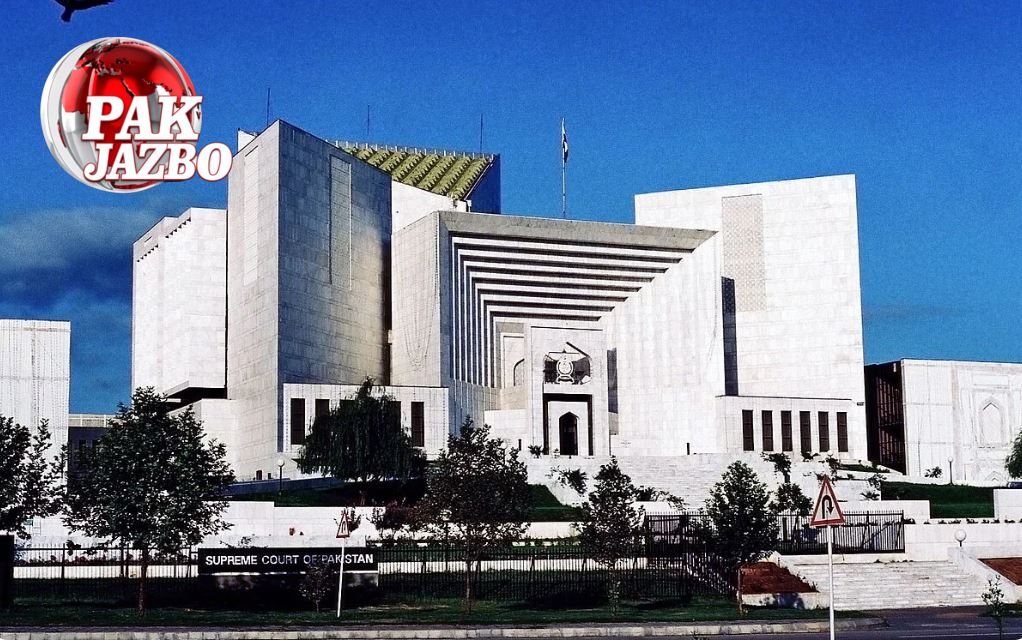







































































































































































































































































































































































































































































































































































































































































































































































































































Pension of Chief Justice of Pakistan Rises from Rs 560,000 in 2010 to Rs 2.39 Million in 2024, Senate Told


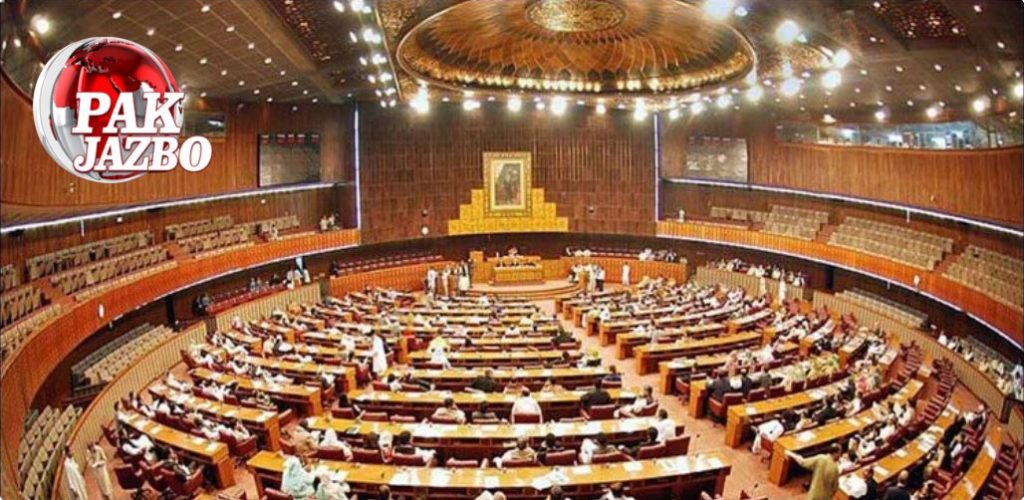
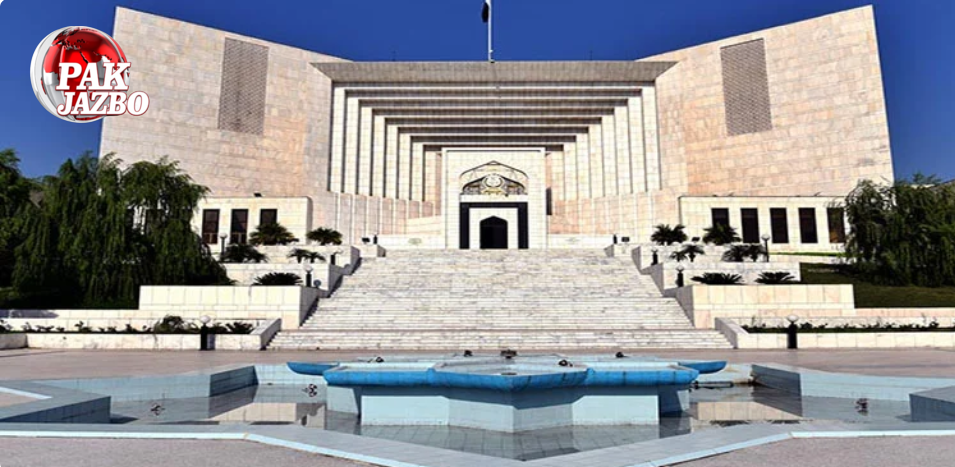
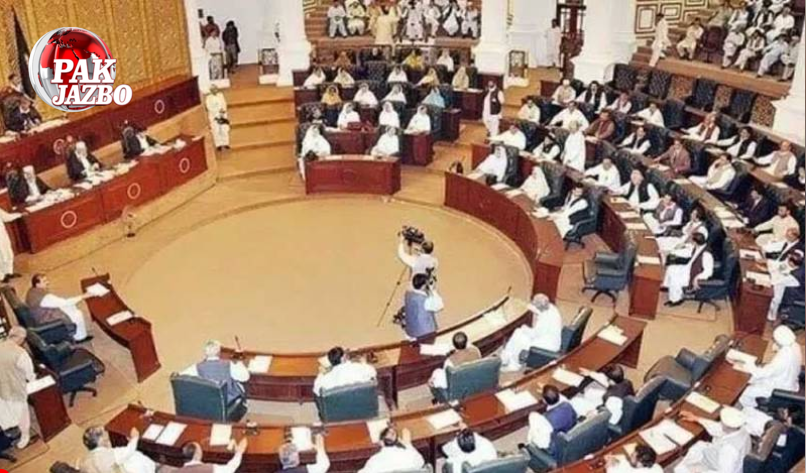
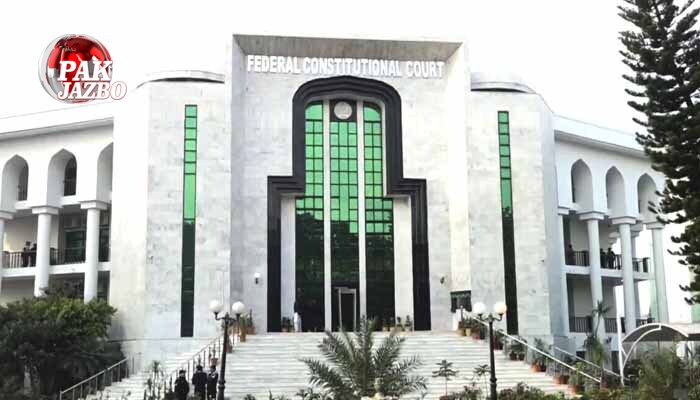
The Ministry of Law and Justice has submitted detailed information to the Senate regarding the pension and post-retirement perks of the Chief Justice of Pakistan, showing a dramatic increase in pension amounts between 2010 and 2024. The disclosure came during the Senate’s Question Hour, where a written response was presented outlining the year-by-year increments in the Chief Justice’s pension over the past 14 years.
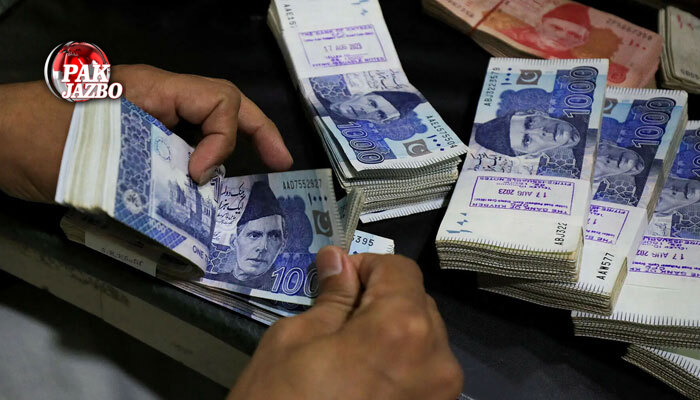
According to the ministry’s official record, in 2010 the monthly pension of the Chief Justice of Pakistan stood at Rs 560,000. By 2011, this amount had risen to Rs 644,000. The steady upward trend continued in 2012 when the pension reached Rs 773,000, followed by another increase in 2013 to Rs 850,000.
The Ministry further detailed that in 2014, the pension climbed to Rs 935,000, while in 2015 it crossed the one million mark, standing at Rs 1,005,000. By 2016, the figure had reached Rs 1,105,000, and in 2017 it went further up to Rs 1,217,000. The following year, 2018, saw the pension climb to Rs 1,338,000. After that, the pace of increase continued, and in 2021, the Chief Justice’s pension rose to Rs 1,452,000 per month.
The trend of rising pensions did not slow down. In 2023, the pension of the Chief Justice reached Rs 1,657,000 per month. However, the most significant jump came in 2024, when the monthly pension surged to Rs 2,390,000, representing more than a fourfold increase compared to 2010.
This revelation highlights the consistent upward revision of retirement benefits for the highest judicial office in the country. The Ministry did not elaborate on the specific factors that determined these increments, but such increases are typically linked to revisions in the salaries and allowances of serving judges, which directly influence post-retirement pensions.
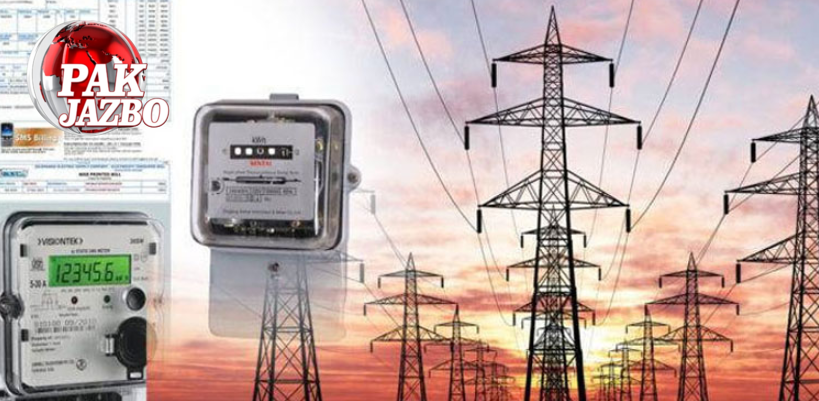
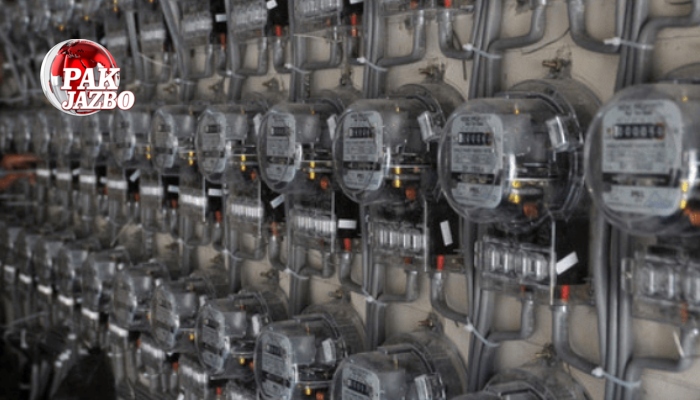
Alongside the pension details for the Chief Justice, the Ministry of Law and Justice also presented information regarding the benefits provided to the widows of deceased judges. The written response noted that the widow of a judge is entitled to several perks and privileges, including the provision of a driver and an orderly (personal assistant). In addition, the widow is entitled to 2,000 units of free electricity per month and complimentary water supply.
The ministry also revealed that widows receive 300 liters of petrol every month at no cost. Importantly, these post-retirement family benefits are provided without the deduction of any income tax. This effectively means that the net benefit value is even higher than the gross figures suggest, further adding to the financial support received by the families of deceased judges.
These revelations in the Senate have sparked public debate on the scale of post-retirement benefits enjoyed by the top judicial figures in Pakistan, especially at a time when the country is facing economic challenges and the government is implementing austerity measures in various sectors. Critics argue that while judges deserve respect and adequate retirement security for their service, such large pensions and perks appear disproportionate compared to the average pension received by retired government employees, many of whom struggle with basic living expenses.
Supporters of the current system counter that the Chief Justice of Pakistan occupies one of the most prestigious and demanding positions in the country, requiring exceptional competence, integrity, and lifelong dedication to upholding the Constitution. They argue that generous pensions and benefits are necessary to ensure judicial independence and to recognize the sacrifices made during service. Furthermore, they contend that the post-retirement perks for judges’ families ensure that they can maintain dignity and financial stability even after the judge’s passing.
The Ministry of Law and Justice’s submission to the Senate has provided one of the most comprehensive year-by-year accounts of these benefits made available to the public. While pension increases for the Chief Justice have been incremental on an annual basis, the overall change from Rs 560,000 in 2010 to nearly Rs 2.4 million in 2024 represents a significant expansion in retirement entitlements over a relatively short span of time.
The data also shows that between 2010 and 2015, the pension grew by around Rs 445,000, while between 2015 and 2020, the increase was approximately Rs 333,000. However, from 2020 to 2024, the pension jumped by nearly Rs 938,000 — the largest rise in any four-year period covered in the report.
The figures presented are likely to feed into ongoing debates about judicial reforms, public sector compensation, and the balancing of state resources between high-level officials and ordinary citizens. Whether the current structure of post-retirement benefits remains unchanged or becomes subject to reform will depend on political consensus and judicial engagement in the years to come.
In the meantime, the disclosure serves as a rare window into the financial privileges of the country’s top judicial office — information that is usually shielded from public attention. It also sets the stage for wider discussions on transparency and accountability in government spending, particularly for elite positions whose remuneration packages are decided behind closed doors.
What’s your Reaction?
+1
+1
+1
+1
+1
+1