





































































Russian Ambassador Thanks Pakistan for Neutral Stance on Ukraine Conflict Despite External Pressure


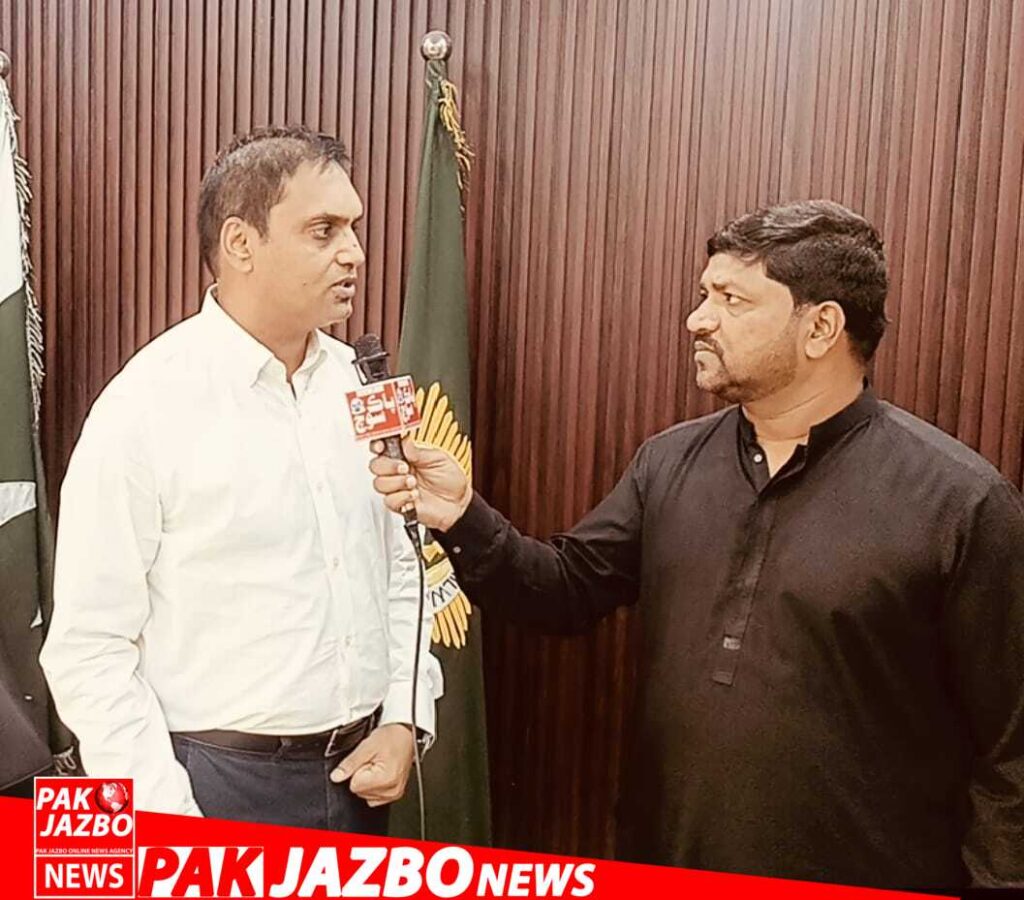
Albert P. Khorev, the Ambassador of the Russian Federation to Pakistan, has expressed gratitude to Islamabad for maintaining a neutral position on the Ukraine conflict despite mounting external pressures. Speaking at a press conference in Islamabad, the envoy praised Pakistan’s balanced foreign policy approach and reaffirmed that the country’s stance aligns with Moscow’s own calls for a diplomatic solution.
Pakistan’s Neutrality Welcomed
“Pakistan has pursued a consistent policy of neutrality in the Ukraine conflict, even under significant external pressure. We are thankful for this approach,” Ambassador Khorev remarked. He emphasized that Pakistan’s emphasis on diplomacy and peaceful settlement reflects a responsible and pragmatic position in a complex global crisis.
The ambassador underscored that Pakistan’s insistence on dialogue mirrors Russia’s own perspective. “Islamabad’s stance is fully in line with Moscow’s viewpoint on the matter: that diplomacy, not escalation, should be the way forward,” he said, calling Pakistan an important regional partner that has demonstrated independence in its foreign policy decision-making.
Direct Talks and the Stalled Peace Process
Providing an update on the state of negotiations between Russia and Ukraine, Khorev recalled that direct peace talks had resumed in May 2025 after being suspended in April 2022 by Kyiv. He explained that three rounds of negotiations had taken place, leading to limited but important outcomes such as prisoner exchanges.
“Ukraine had three opportunities to demonstrate its commitment to peace,” the Russian envoy noted. He implied that Kyiv had squandered these chances by refusing to move beyond temporary gestures, insisting instead on a ceasefire that Moscow believes would only allow Ukraine to regroup militarily with European and Western support.
Western Aid and Ukraine’s Military Restructuring
Khorev was sharply critical of the role of Western powers, alleging that Ukraine seeks an immediate ceasefire only as a tactical pause. “Kyiv and its European allies demand a full frontline ceasefire. However, Ukraine intends to use this ceasefire, coupled with European military and financial aid, to reorganize its armed forces,” he argued.
According to the Russian diplomat, Ukraine has received approximately $70.2 billion in total assistance since the start of the conflict. This vast inflow of resources, he said, has prolonged the war rather than advanced peace. “The scale of foreign aid underscores the strategic interests at play,” he asserted, hinting that Western capitals are less concerned with peace than with weakening Russia’s position.
Questions Over Zelensky’s Legitimacy
Turning to Ukrainian President Volodymyr Zelensky, Khorev cast doubt on his political legitimacy. He pointed out that Zelensky’s official presidential term expired in May 2024, yet he continues to serve without a renewed mandate.
“Zelensky is trying to assert his legitimacy by meeting with world leaders, but his constitutional authority has already lapsed,” Khorev said. This criticism echoes Moscow’s long-standing position that Kyiv’s leadership has lost both legal and moral authority to represent the Ukrainian people in international negotiations.
Russia’s Position on Europe and NATO
The Russian envoy also addressed speculation about Moscow’s broader intentions toward Europe, particularly Poland. He dismissed rumors of aggressive designs, insisting that Russia has no plans to target Polish territory or escalate tensions with NATO states.
“Russia has no intention of striking targets in Poland or provoking confrontations with NATO countries,” Khorev declared. He emphasized that Moscow seeks constructive relations with all European nations committed to de-escalation and peace. “We are interested in building constructive ties with those who wish to reduce tensions and work toward stability in Europe,” he added.
This reassurance comes at a time when NATO has been increasing its military presence on its eastern flank, citing potential Russian threats. By explicitly ruling out aggressive intentions toward Poland, the ambassador sought to project Moscow as a rational actor committed to dialogue, not escalation.
Implications for Pakistan-Russia Relations
For Pakistan, Russia’s appreciation of its neutrality highlights Islamabad’s growing relevance as a diplomatic player in global crises. Despite being under economic pressure and reliant on Western financial institutions, Pakistan has resisted aligning itself with Western sanctions or anti-Russia blocs, choosing instead to call for dialogue and peaceful resolution.
Analysts believe this balanced stance helps Pakistan maintain flexibility in its international relations. By avoiding direct entanglement in great-power conflicts, Islamabad preserves its ability to engage with all sides—Russia, China, the United States, and the European Union—on issues ranging from trade and energy to regional security.
Russia, for its part, sees Pakistan as a potential partner in diversifying its foreign relations amid Western isolation. Energy cooperation, counterterrorism dialogue, and regional connectivity projects are some of the areas where Moscow and Islamabad may deepen their ties. Khorev’s public gratitude may signal Russia’s willingness to reward Pakistan’s neutrality with enhanced bilateral engagement.
Global Context
The ambassador’s remarks come against the backdrop of continued stalemate in the Ukraine conflict. While Russia insists on its security concerns being addressed, Ukraine and its Western backers demand restoration of territorial integrity. Meanwhile, the humanitarian toll continues to rise, and the prospect of a long war threatens global economic stability, especially in energy and food markets.
Pakistan, like many developing nations, has already borne the brunt of global supply chain disruptions and rising fuel costs caused by the conflict. Its call for a diplomatic solution reflects not only a principled stance but also an urgent economic necessity.
Conclusion
Ambassador Albert P. Khorev’s press conference in Islamabad highlighted Russia’s appreciation of Pakistan’s independent and neutral stance on the Ukraine conflict. By maintaining balance despite external pressures, Pakistan has signaled its intent to chart a sovereign foreign policy course.
Khorev used the opportunity to reinforce Moscow’s narrative: that peace talks stalled because of Kyiv, that Western aid perpetuates war, and that Zelensky lacks legitimacy. At the same time, he sought to reassure European neighbors that Russia has no desire to escalate tensions with NATO.
For Pakistan, the message is clear: neutrality is valued in Moscow, and this position may open new opportunities for cooperation. Whether Pakistan can sustain this balance amid competing pressures from the West and its own economic vulnerabilities remains to be seen, but for now, Russia has made its appreciation unmistakable.
What’s your Reaction?
+1
+1
+1
+1
+1
+1