
















































































































































































































































































































































































































































































































































































































































































































































































































































































































































































































































































































































































































































































































































































































































































































































































































































































































































































































































































































































































































NDMA Warns of Dangerous Rise in Water Levels as Three New Rain Systems Approach Pakistan


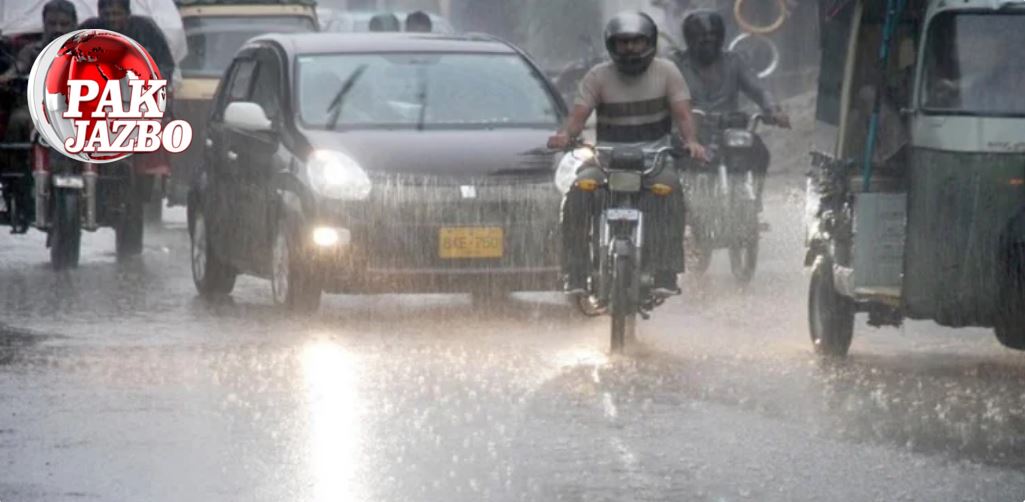
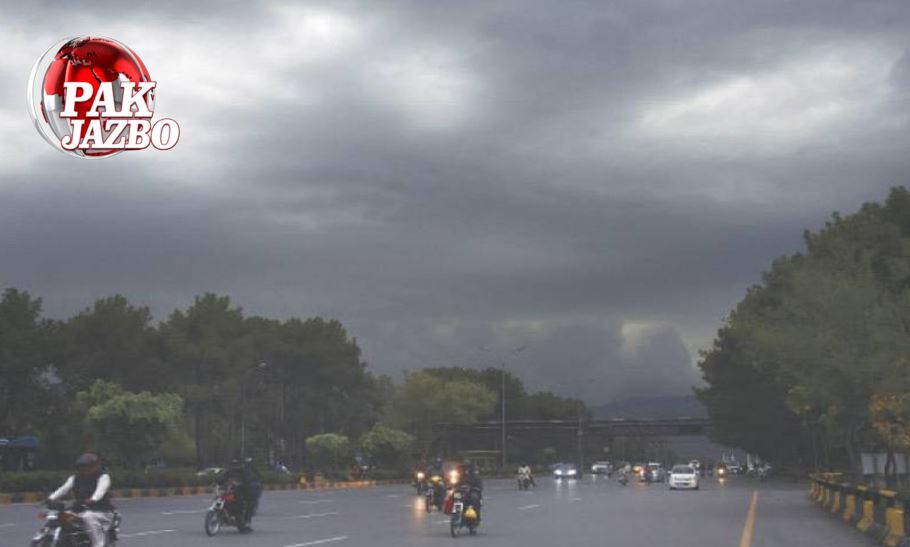
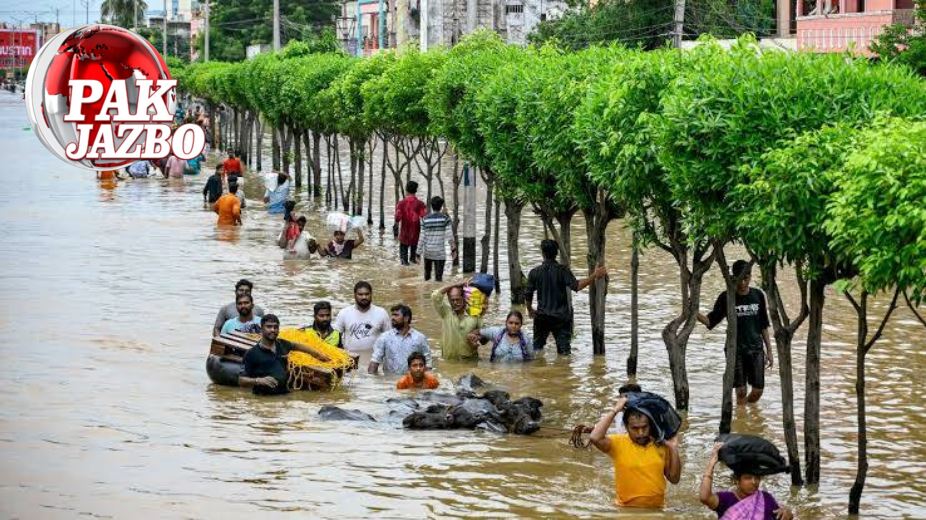
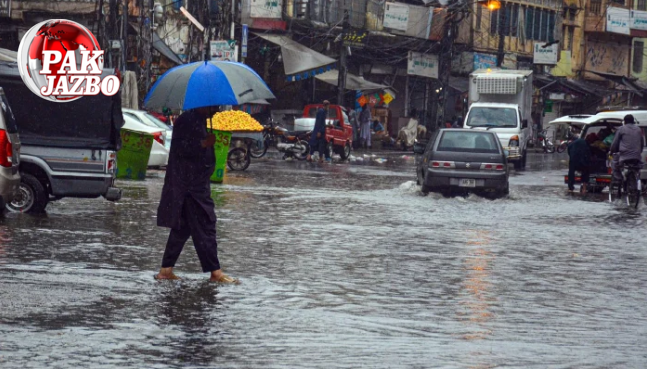
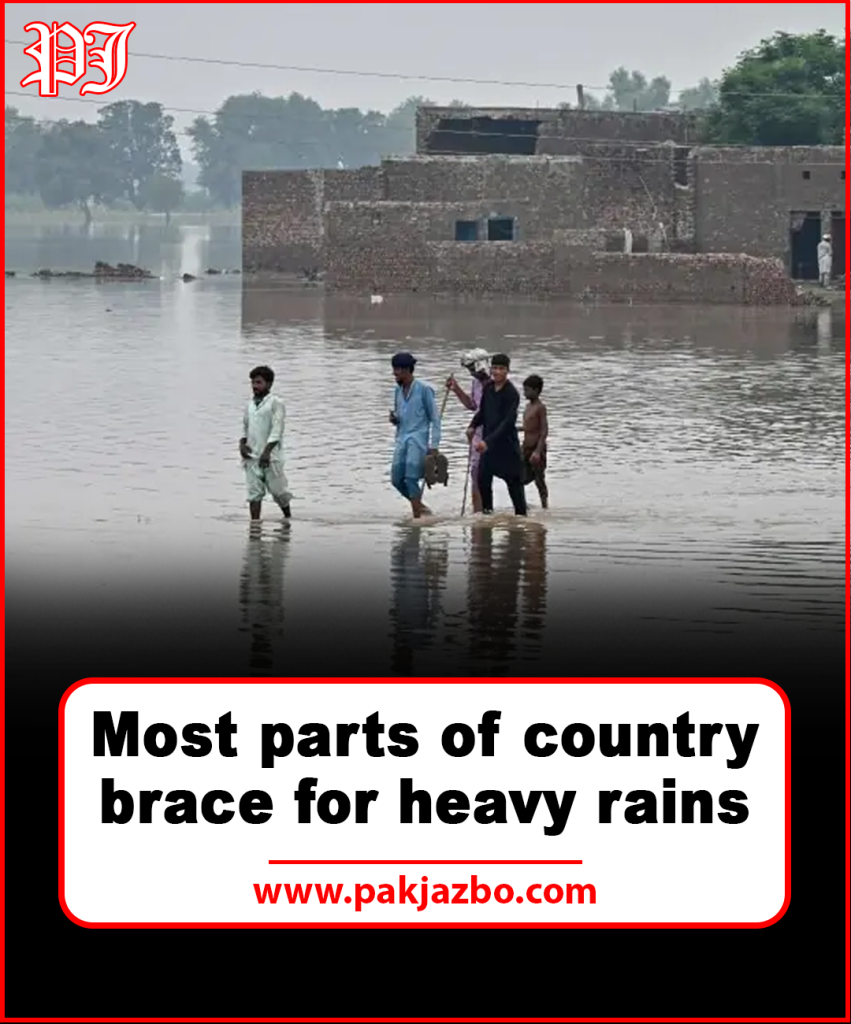
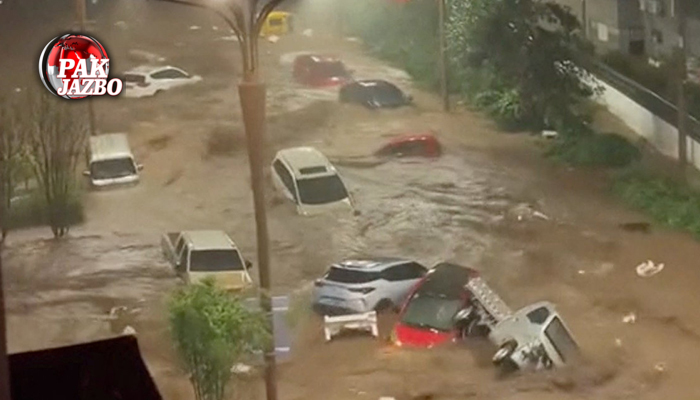
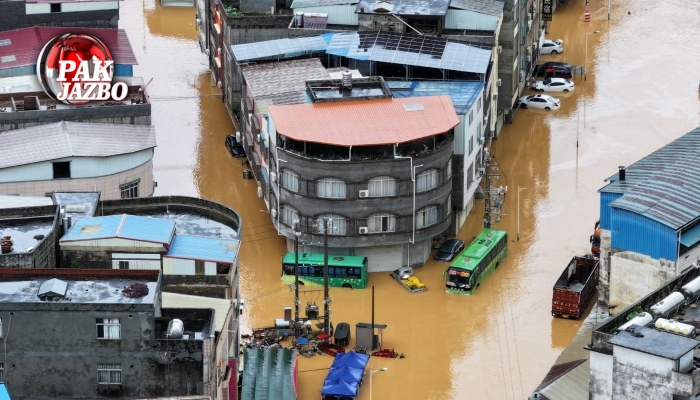
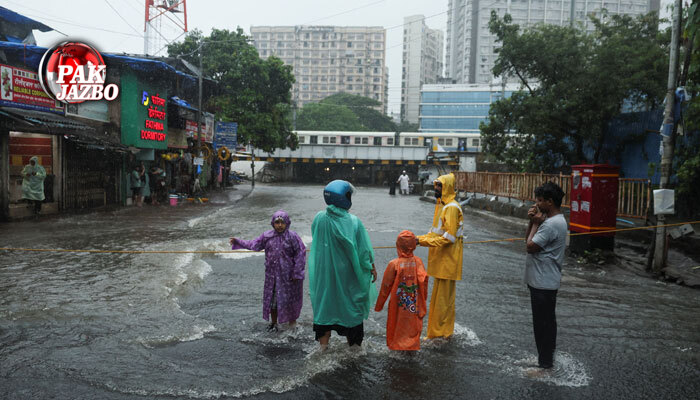
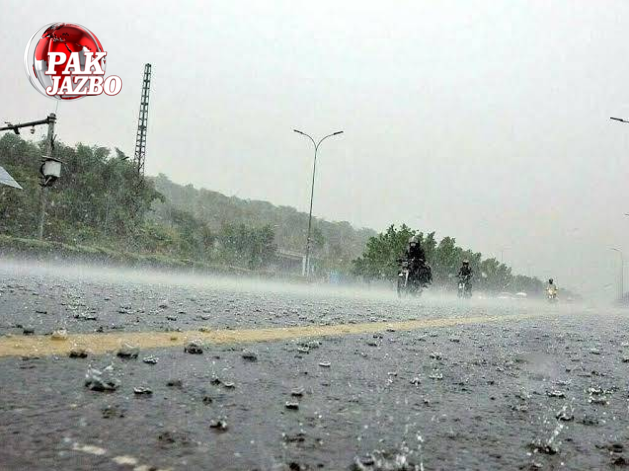
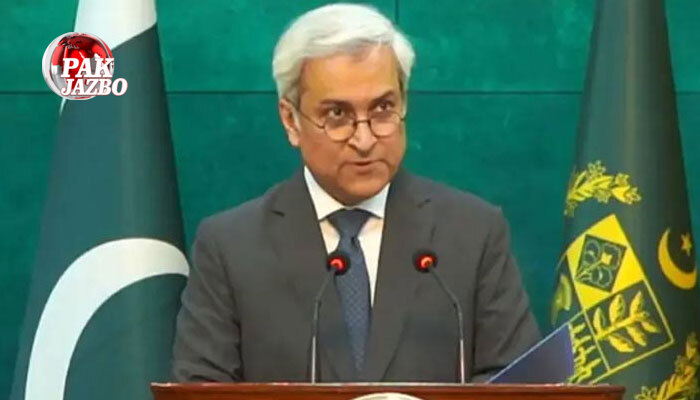
Pakistan is bracing for a critical weather situation as the National Disaster Management Authority (NDMA) has issued a stark warning of dangerously high water levels in reservoirs due to multiple incoming rain systems. Over the next 24 to 48 hours, the country could witness severe rainfall that may significantly increase the risk of flooding across several regions.
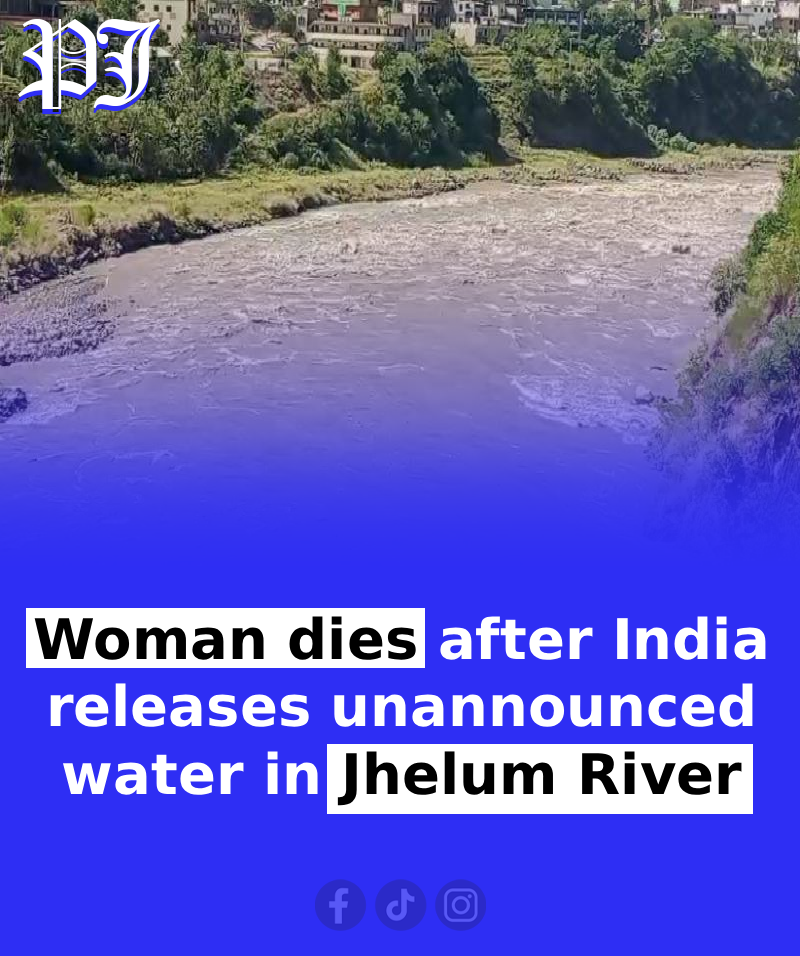
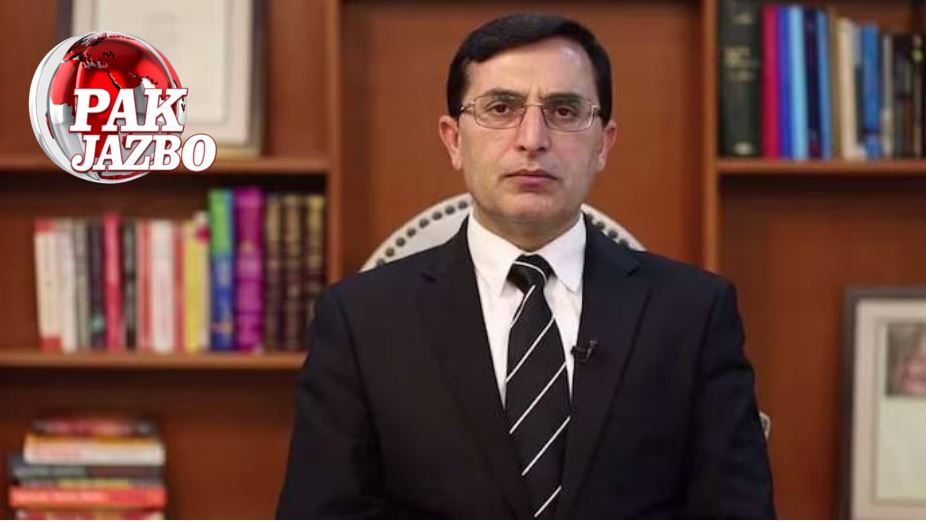
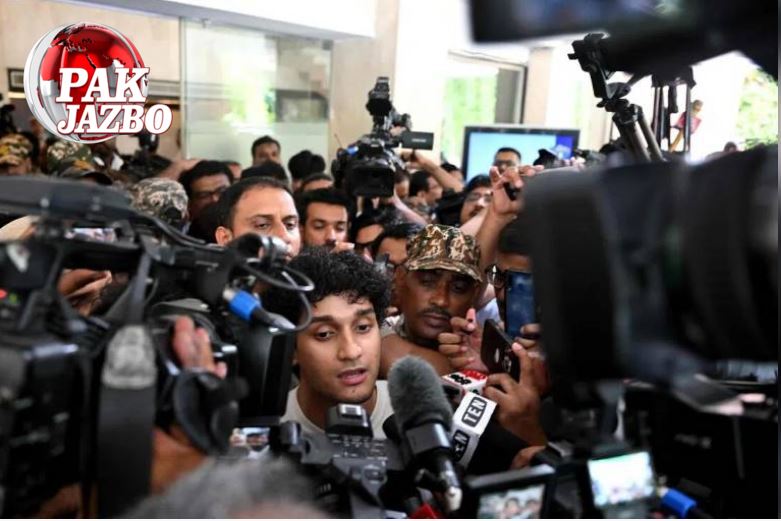
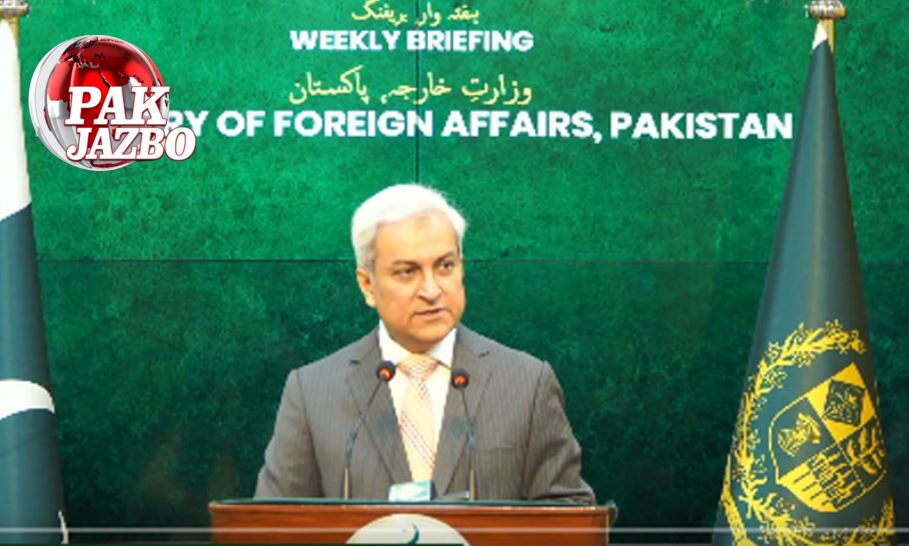
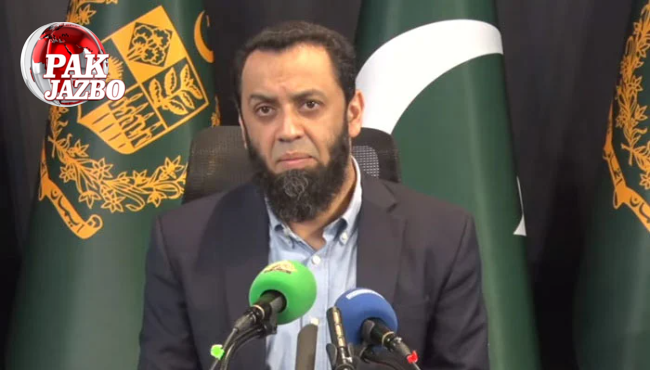
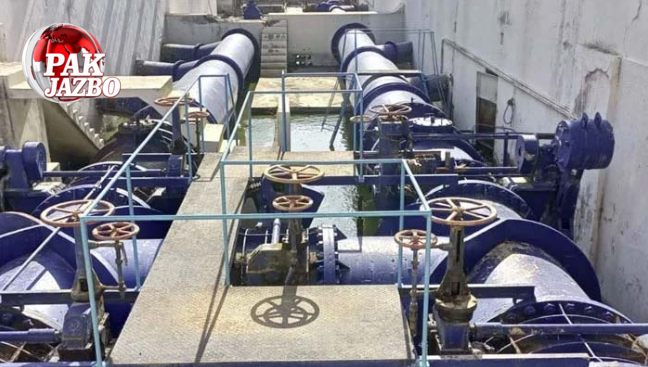
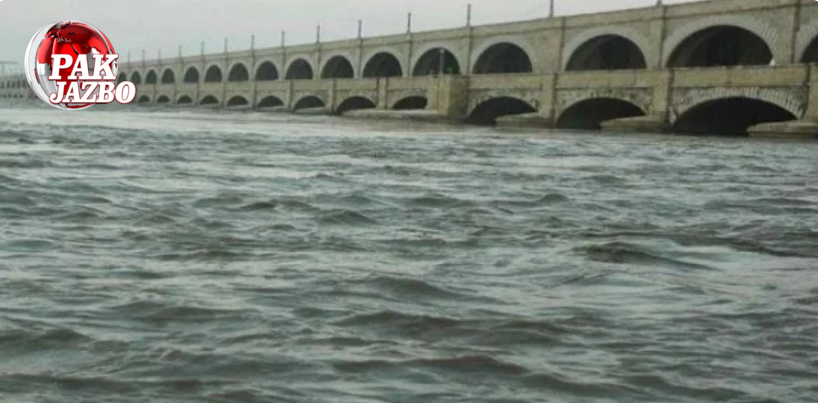
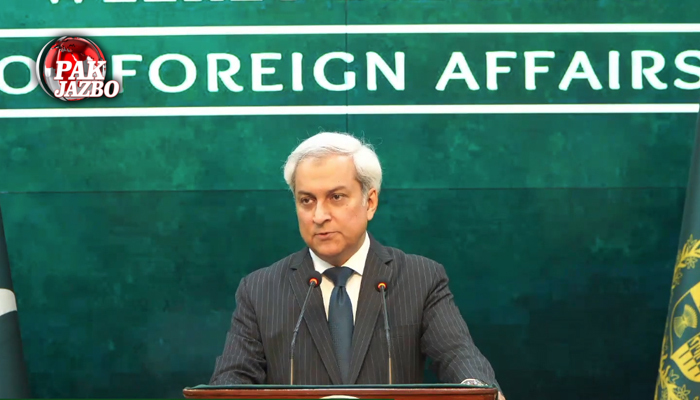
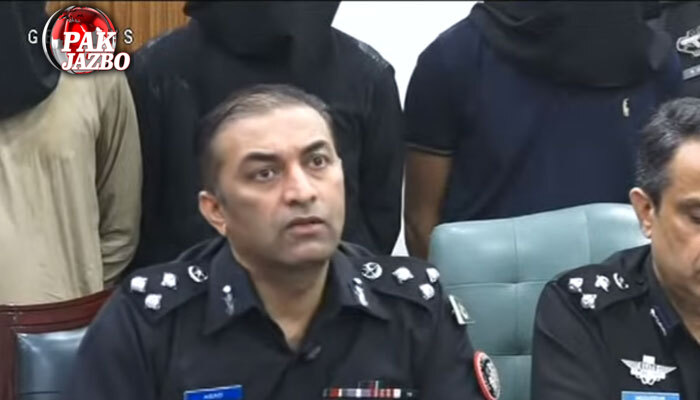
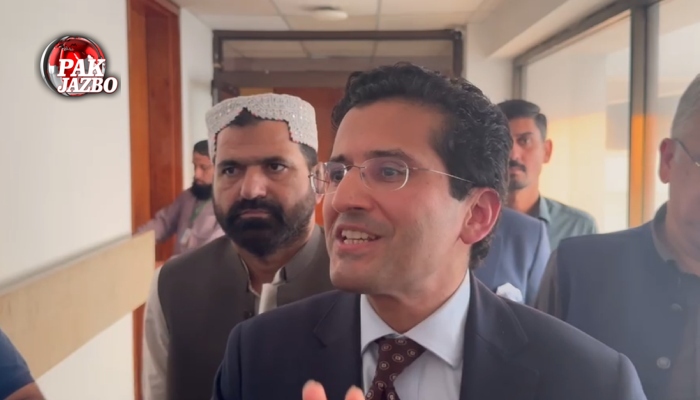
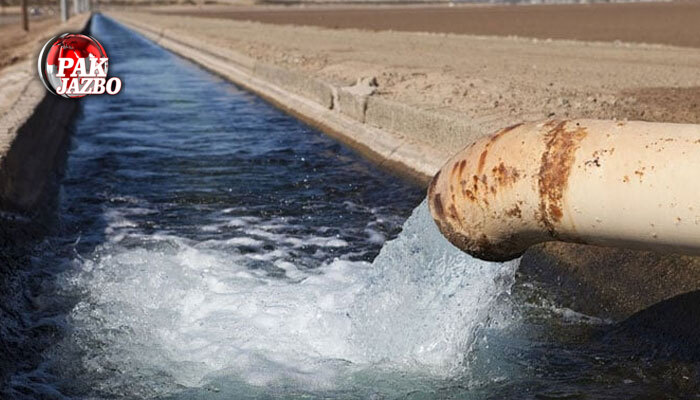
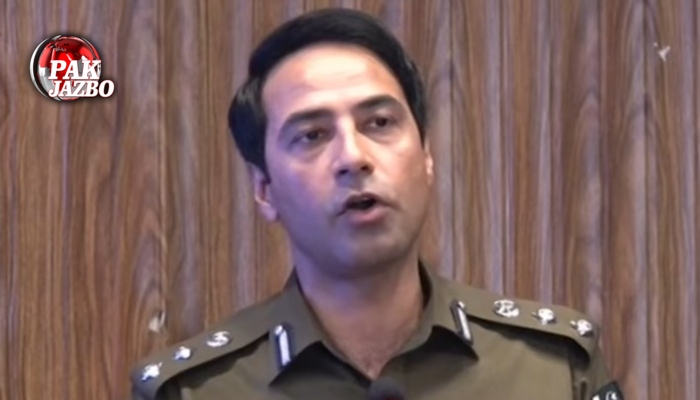
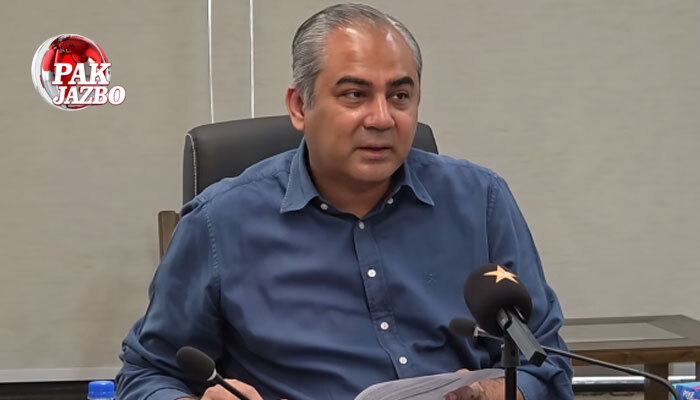
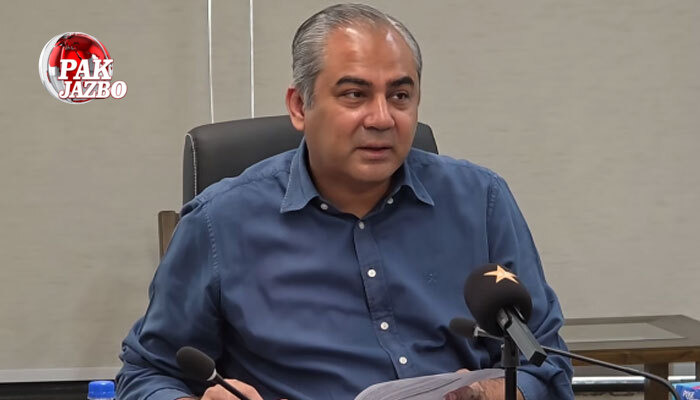
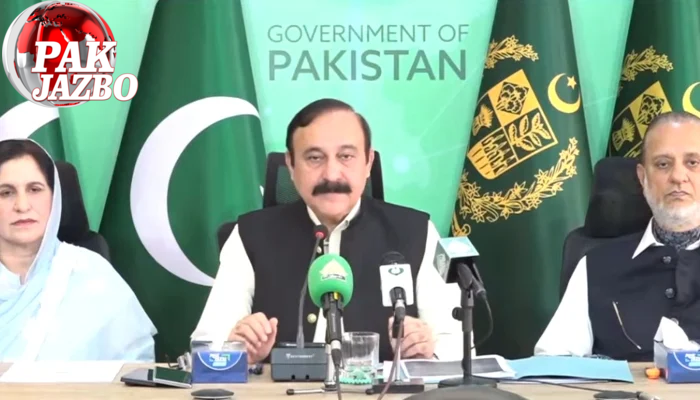
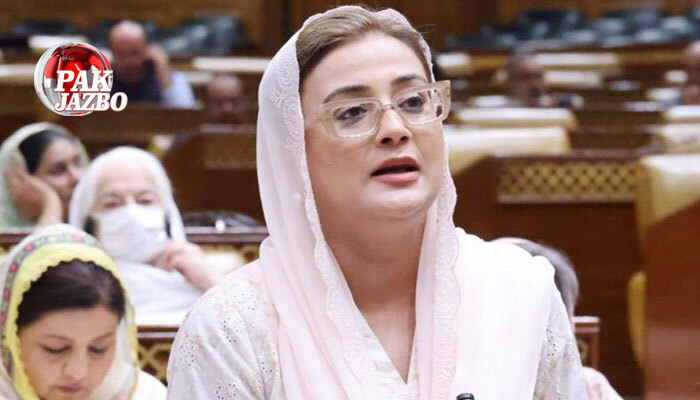
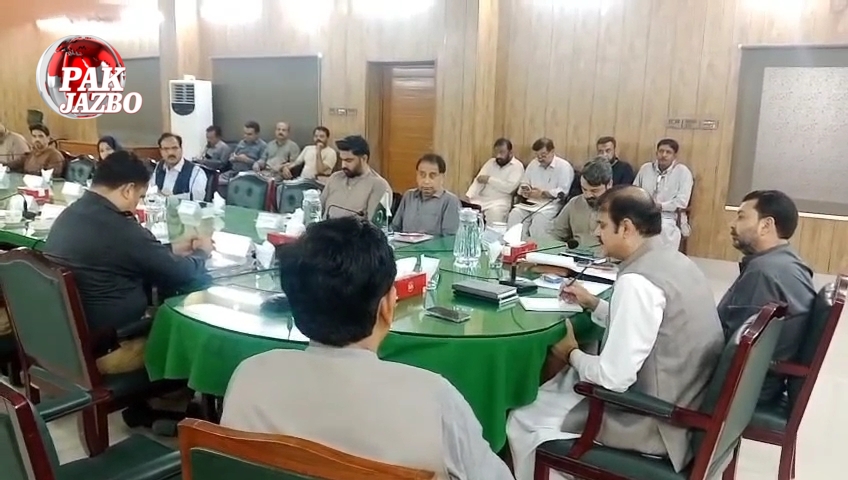
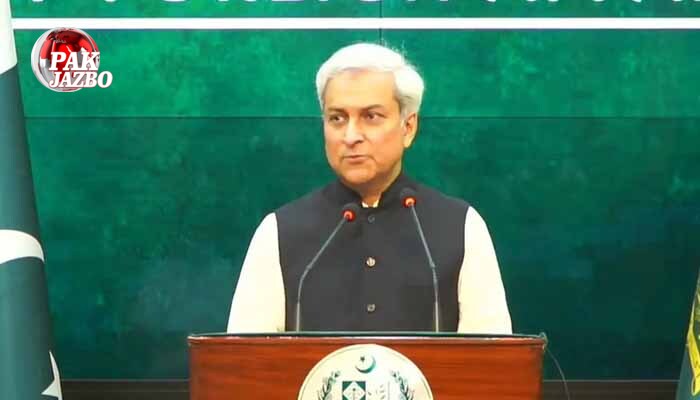
During a press briefing, NDMA General Manager Zahra Hassan revealed that Tarbela Dam has already reached 98 percent of its water storage capacity, leaving very little room for additional inflows. She noted that the rapid rise in water levels in rivers and reservoirs is alarming, with certain points like Katariyan and Gowalmandi already experiencing a rise of up to 15 feet.
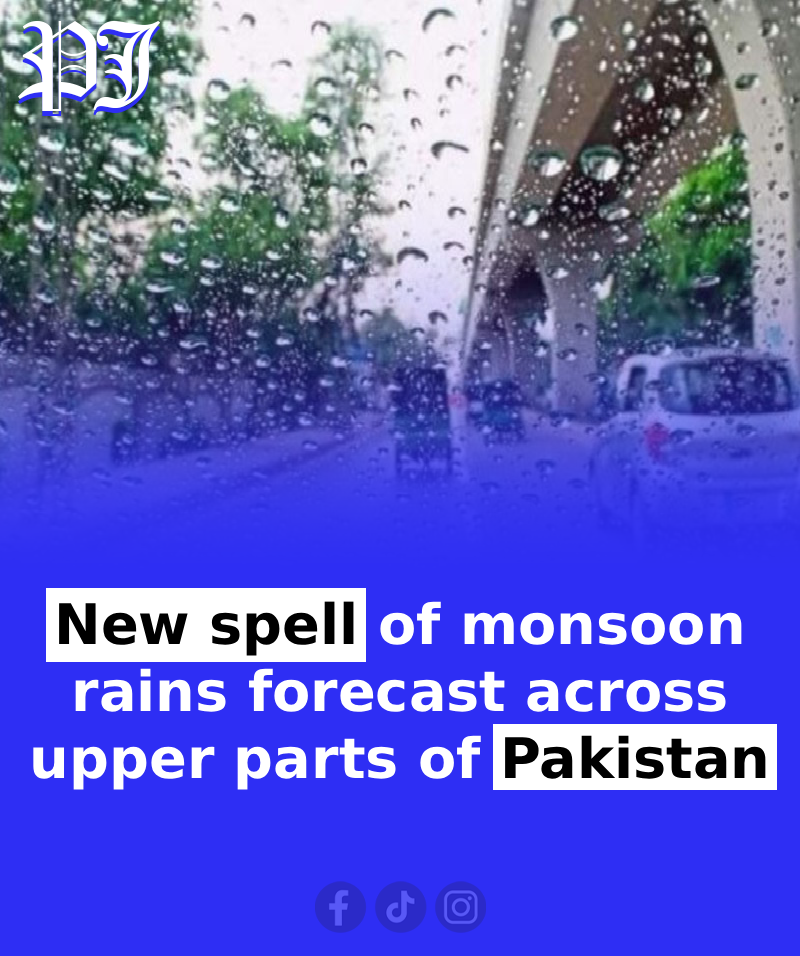
According to her, the new spell of monsoon rains has already begun in the Koh-e-Suleman range, while in Azad Jammu & Kashmir, districts such as Neelum, Poonch, and Bagh are facing growing flood risks. Similarly, Khyber Pakhtunkhwa is also highly vulnerable, especially in Peshawar, Chitral, Dir, and Charsadda, where flash floods could wreak havoc.
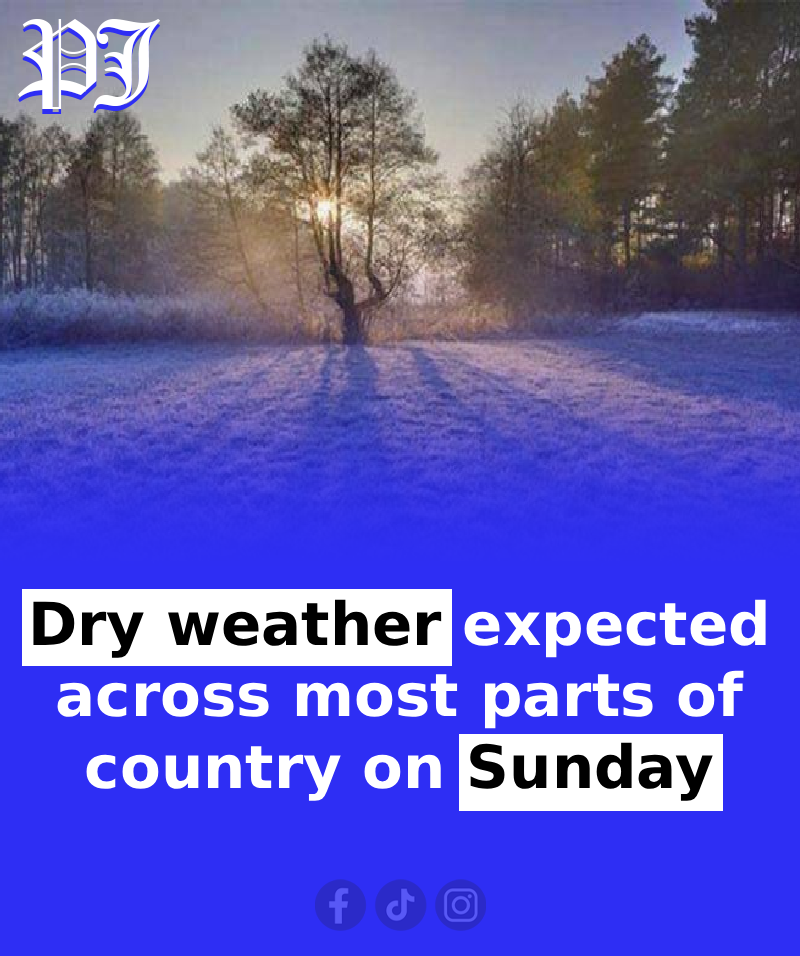
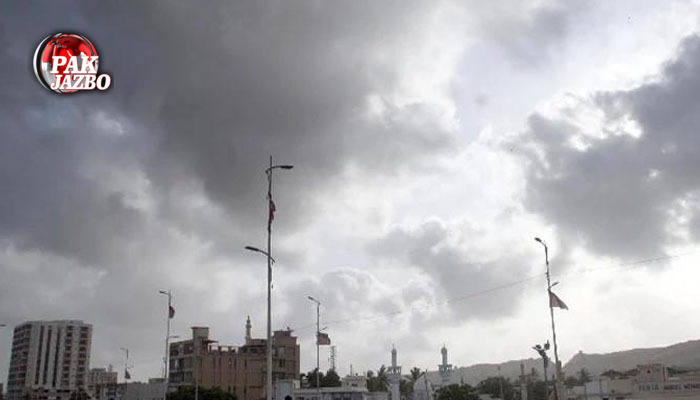
Adding further detail, NDMA Technical Expert Dr. Tayyab Shah explained that the ongoing spell of heavy rainfall is expected to continue until August 22, with increasing intensity. He highlighted three separate weather systems that are converging toward Pakistan: one advancing from Afghanistan’s Nangarhar and Kandahar regions, another moving in from the Bay of Bengal, and a third system anticipated after August 22 that could further compound the situation. These overlapping systems could result in prolonged and widespread downpours, particularly affecting Northern Areas and Punjab.
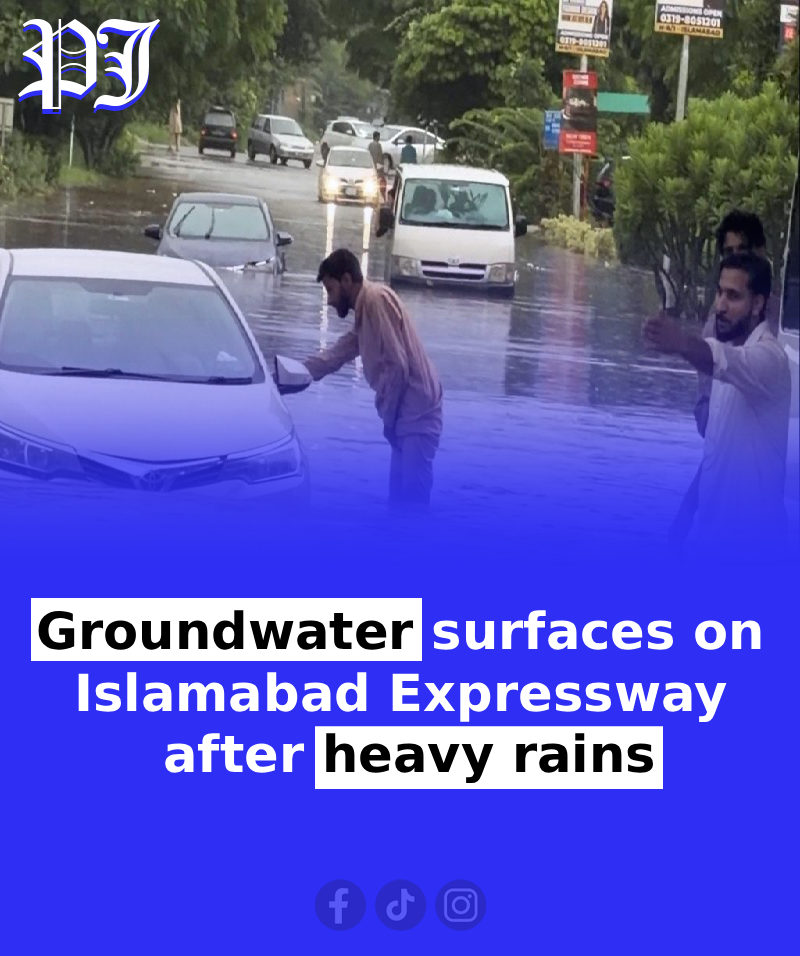
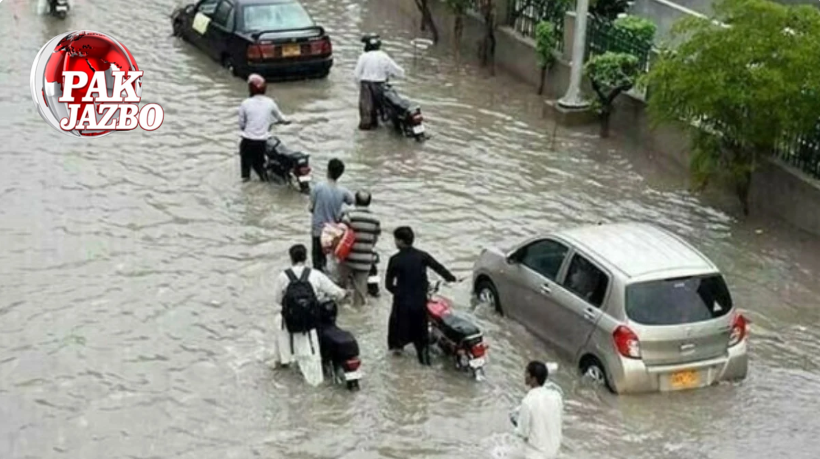
Dr. Shah warned that the next week is crucial, as multiple rain-bearing systems are likely to overlap, leading to an unpredictable surge in river flows and water reservoirs. This, he said, may trigger flash floods and landslides in mountainous regions while overwhelming drainage systems in urban centers.
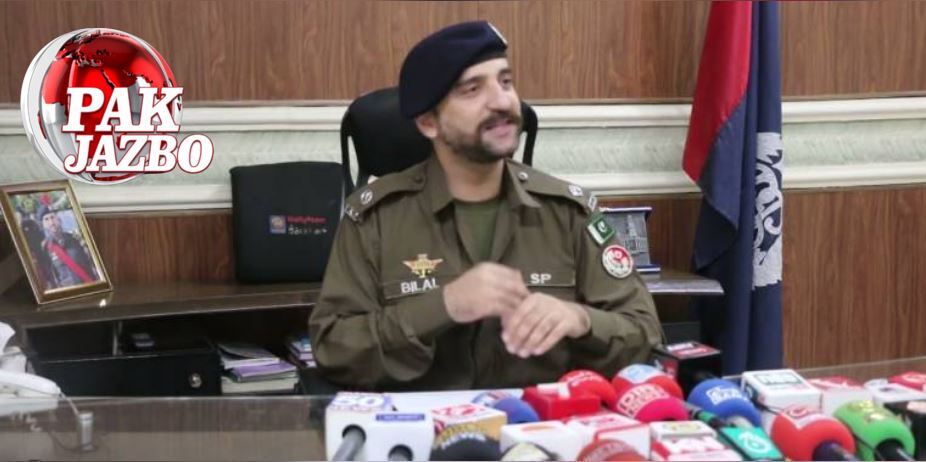
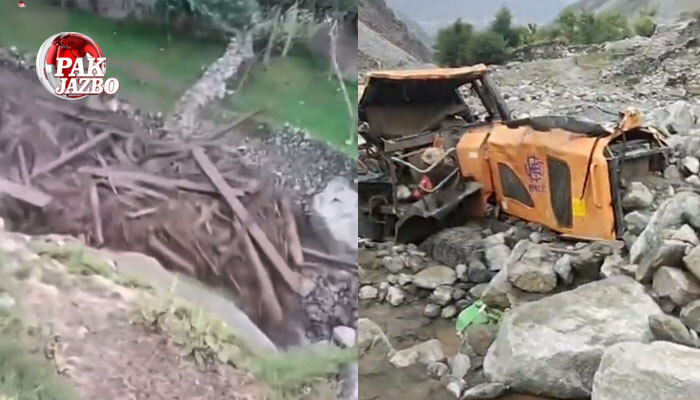
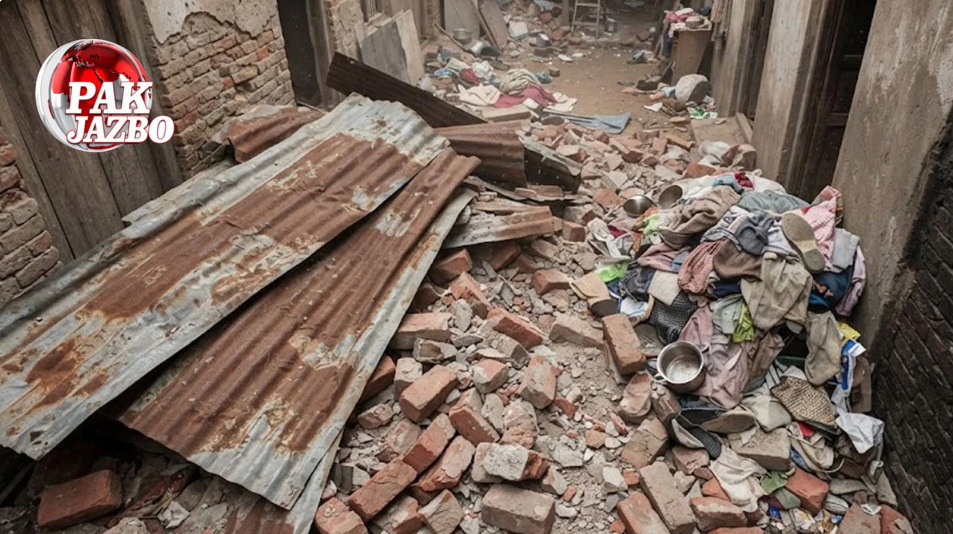
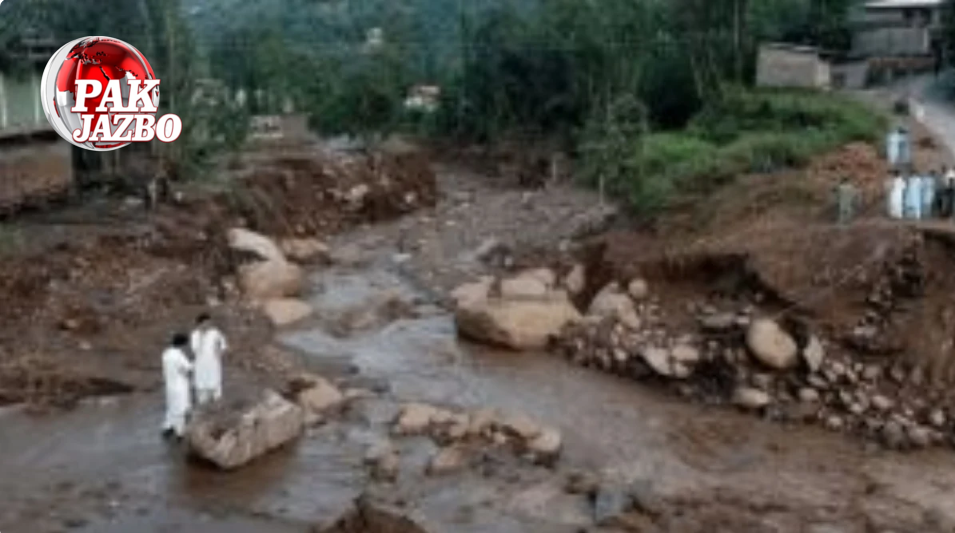
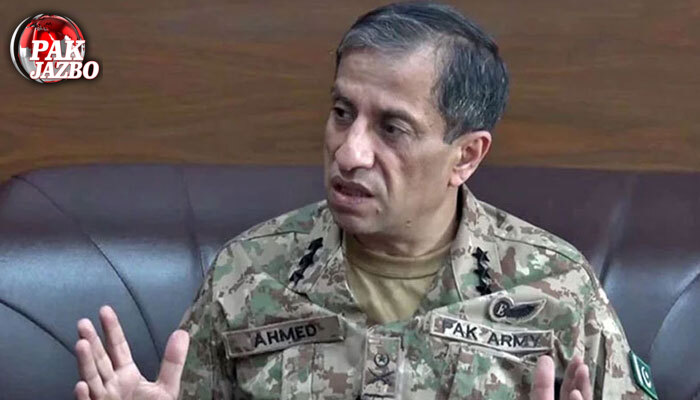
Meanwhile, NDMA Member Operations Brigadier Kamran informed the media that extensive preparations had been initiated as early as February 2025 to counter potential monsoon hazards. He said the federal and provincial governments had been coordinating for months to minimize possible damage, yet the intensity of cloudbursts in regions like Buner and Bajaur still caused catastrophic destruction.
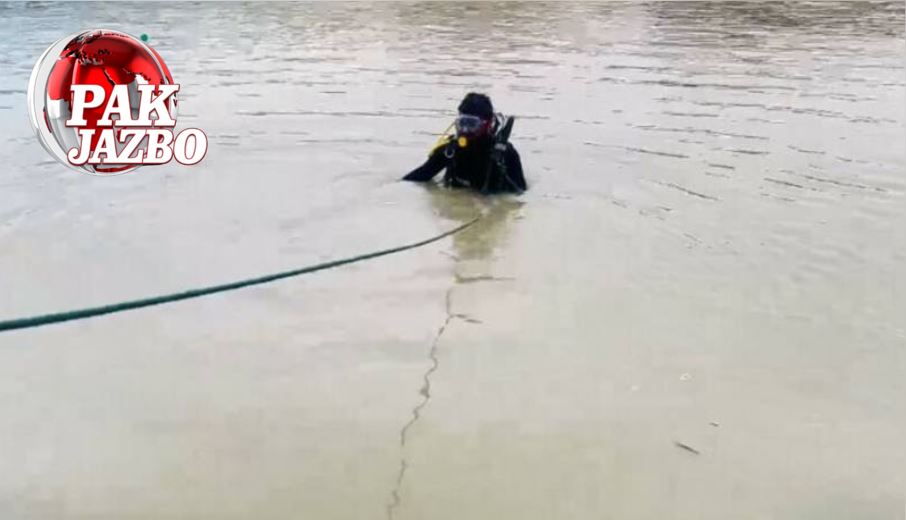
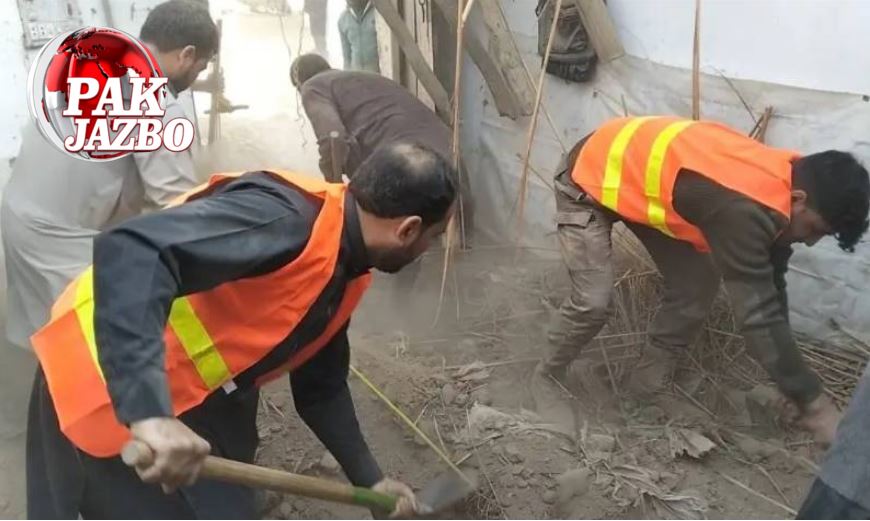
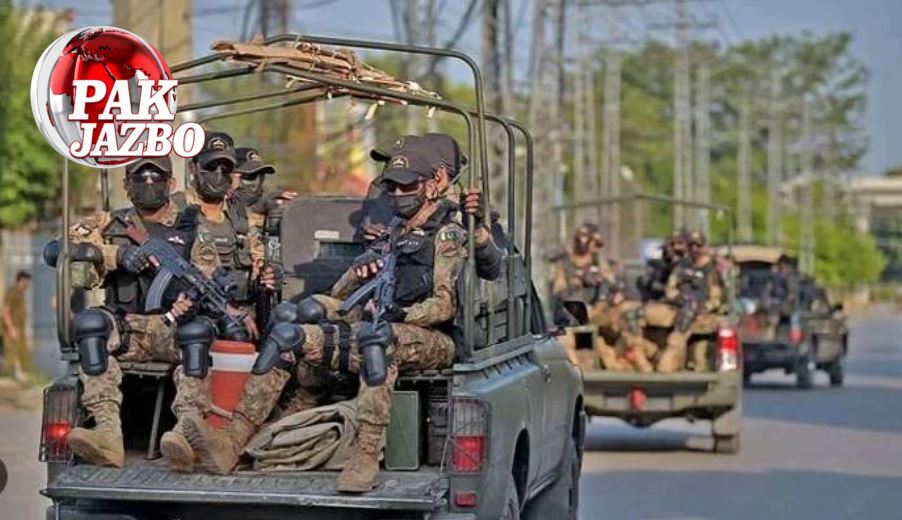
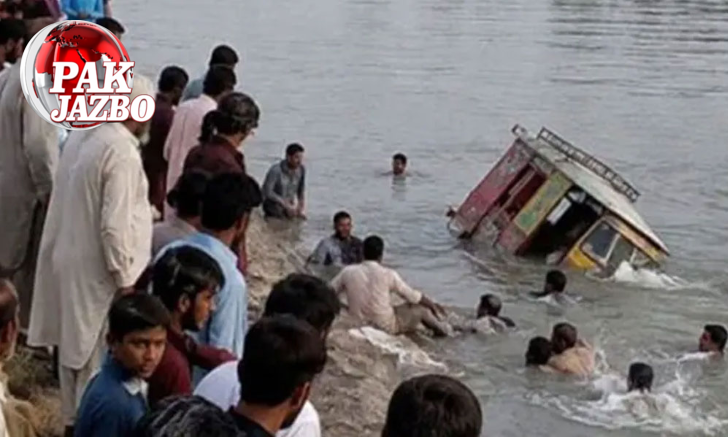
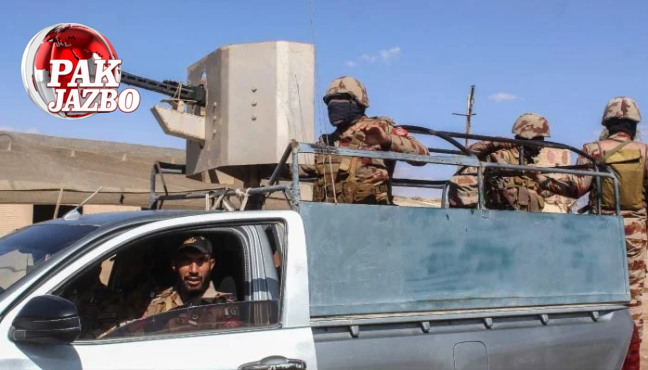
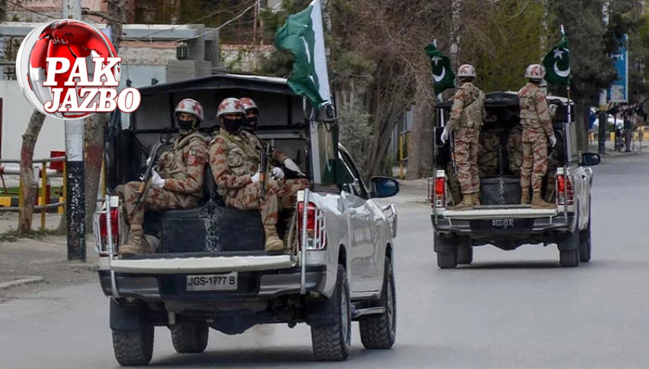
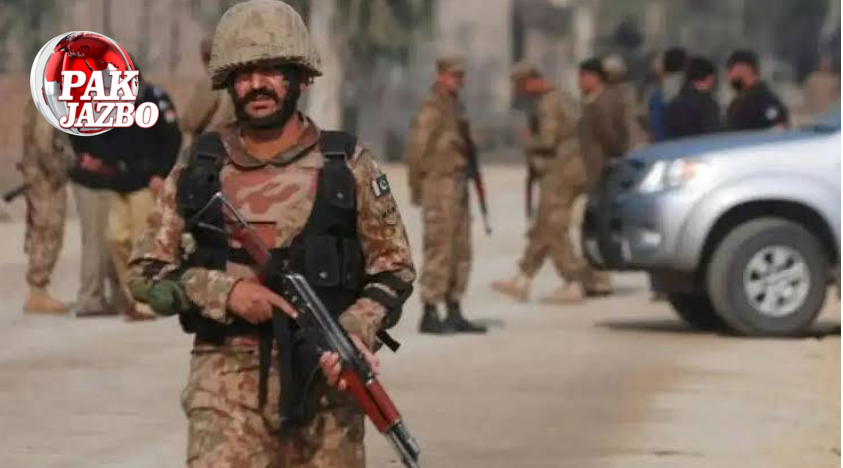
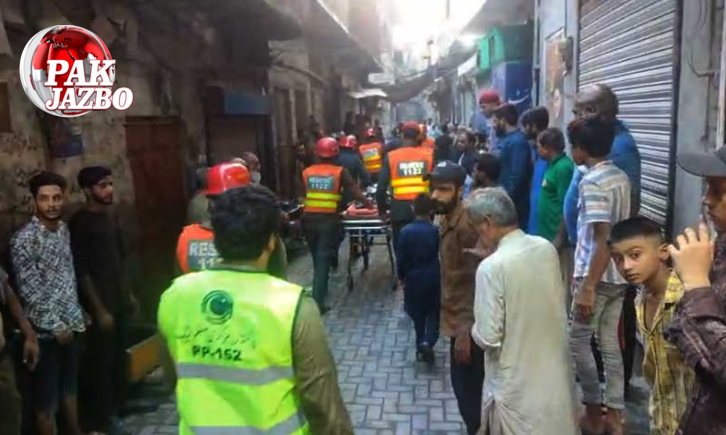
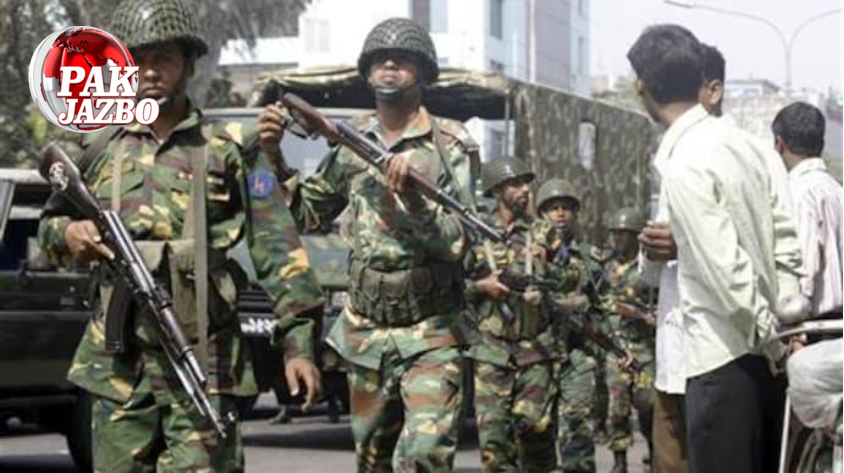
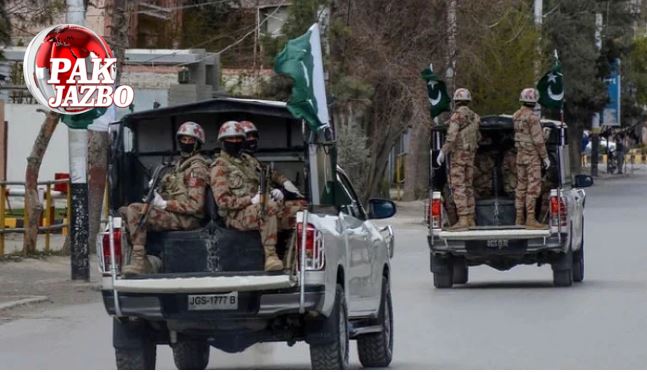
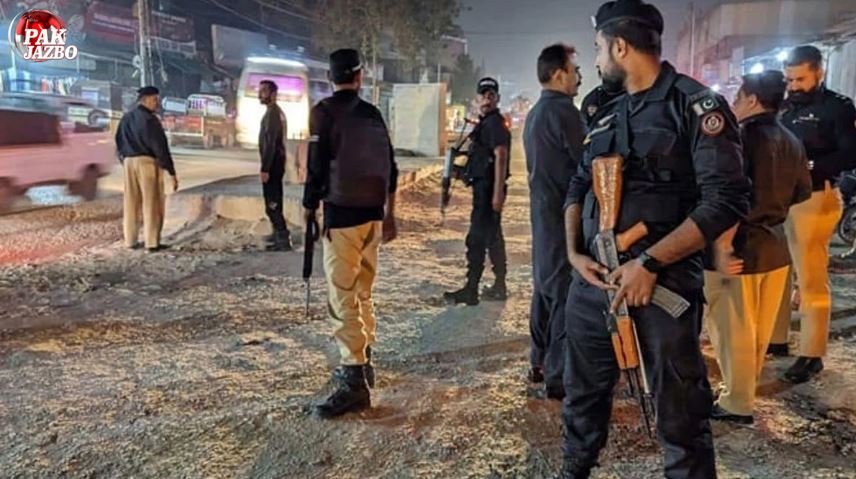
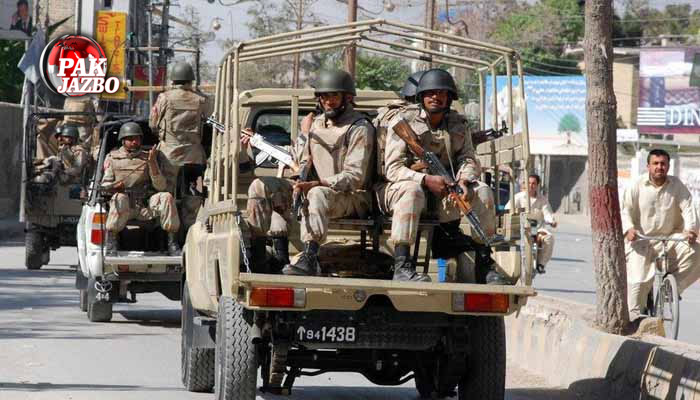
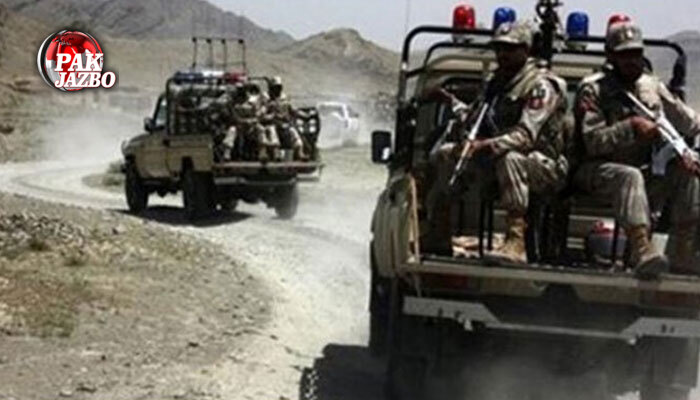
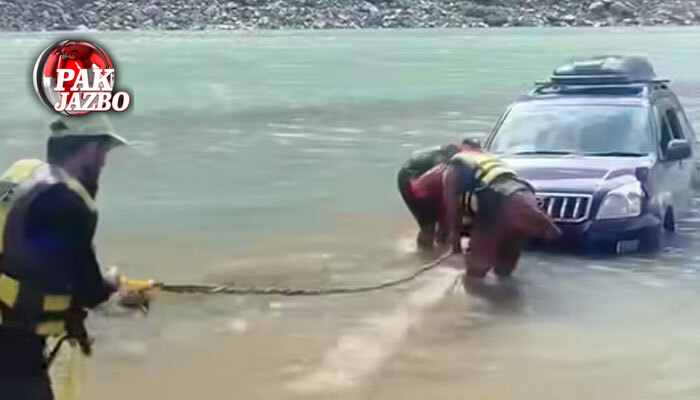
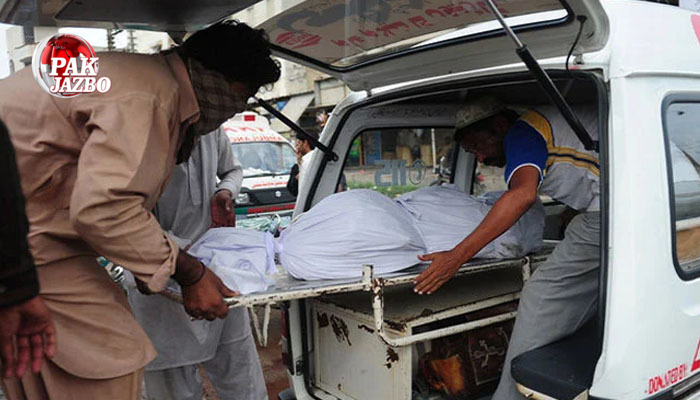
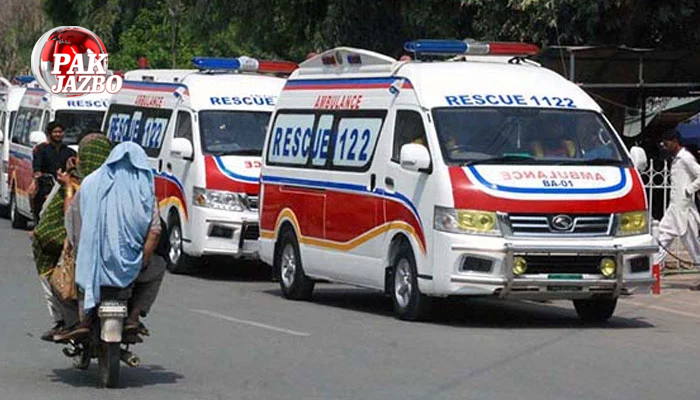
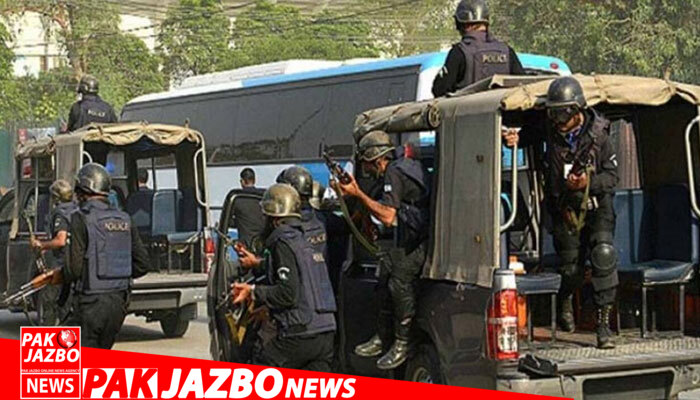
Providing updated casualty figures, Brigadier Kamran stated that in just the past two days, 337 people have lost their lives while 178 others have been injured due to flooding and related incidents. He confirmed that the Army and Frontier Corps (FC) have been mobilized to support provincial governments in rescue and relief operations. Essential resources, including boats, helicopters, and emergency shelters, are being deployed to the most vulnerable areas.
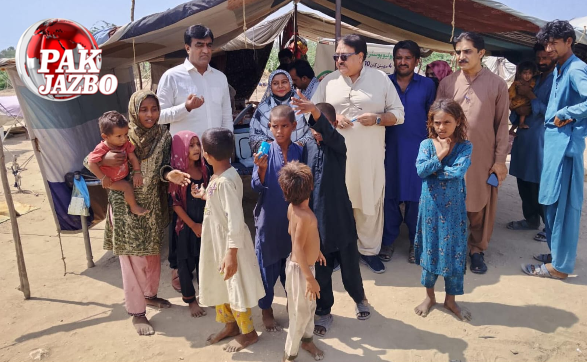
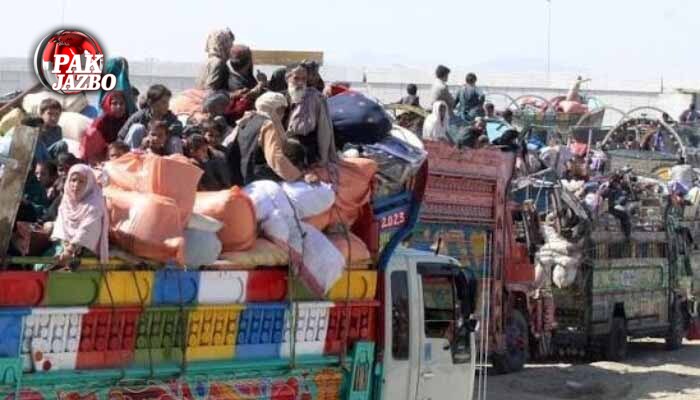
He added that federal relief supplies are being dispatched on an urgent basis. The second consignment of aid, including food packs, tents, and medical supplies, is set to leave for Buner tomorrow to assist thousands of displaced families.
The NDMA reiterated its call for citizens to remain vigilant and closely follow advisories issued by local authorities. People living near rivers, canals, and low-lying regions have been urged to relocate temporarily to safer grounds. Farmers have been advised to take precautionary steps to protect crops, while urban populations are being cautioned about potential urban flooding due to blocked drainage systems.
Experts stress that Pakistan’s vulnerability to climate-induced disasters is increasing each year. The combination of poor infrastructure, dense populations in flood-prone areas, and the growing intensity of weather patterns fueled by climate change make such monsoon spells more dangerous. In this context, NDMA’s preparedness and the public’s timely cooperation are seen as crucial in reducing casualties and damage.
As the country braces itself for these three upcoming rain systems, the focus remains on prevention, swift rescue operations, and coordinated disaster management. With reservoirs already near full capacity and rivers swelling dangerously, the next few days will be decisive in determining the scale of the crisis.
What’s your Reaction?
+1
+1
+1
+1
+1
+1