















































































































































































































































































































































































































































































































































India-U.S. Trade Talks Collapse Amid Disagreements on Tariffs and Russian Oil Imports


Efforts to bridge growing trade differences between India and the United States hit a stumbling block on Monday as high-level negotiations in New Delhi ended without a breakthrough. Despite hours of discussion, the two sides failed to reach common ground on key issues ranging from agricultural tariffs to India’s continued purchase of Russian crude oil.
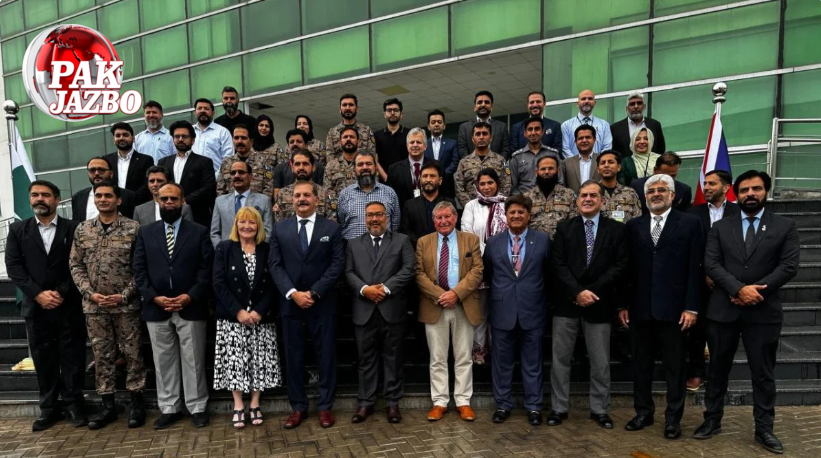
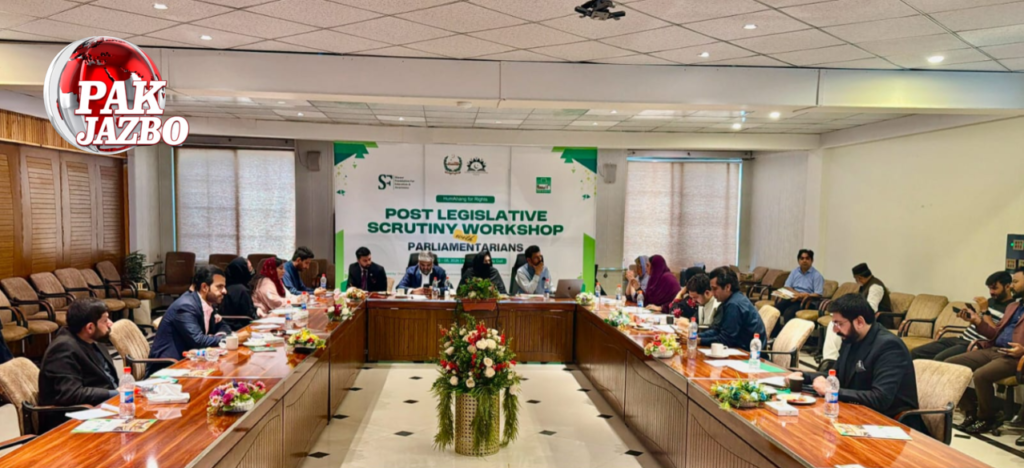
The Negotiating Teams
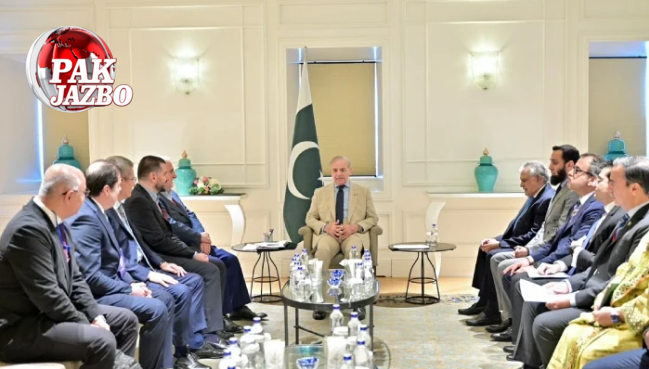
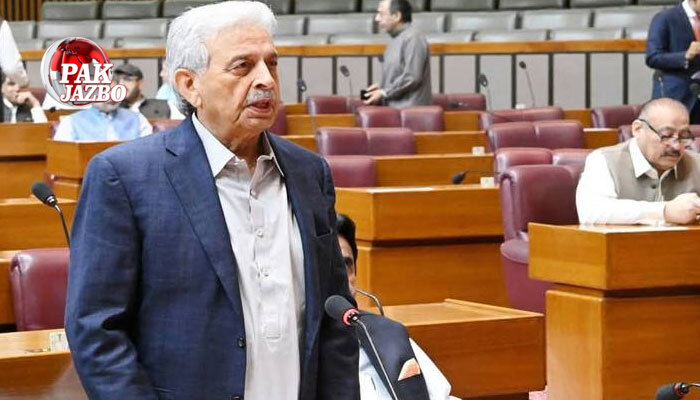
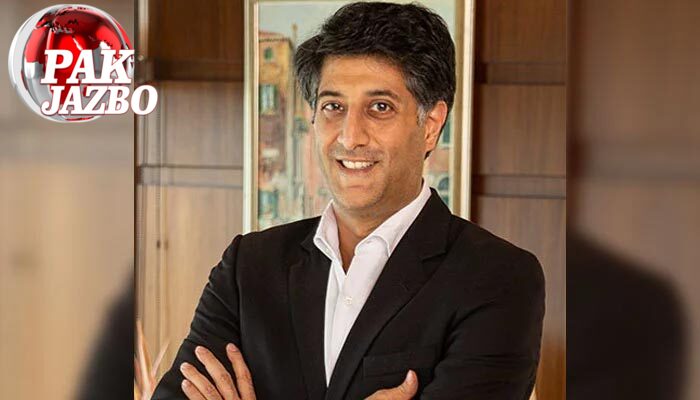
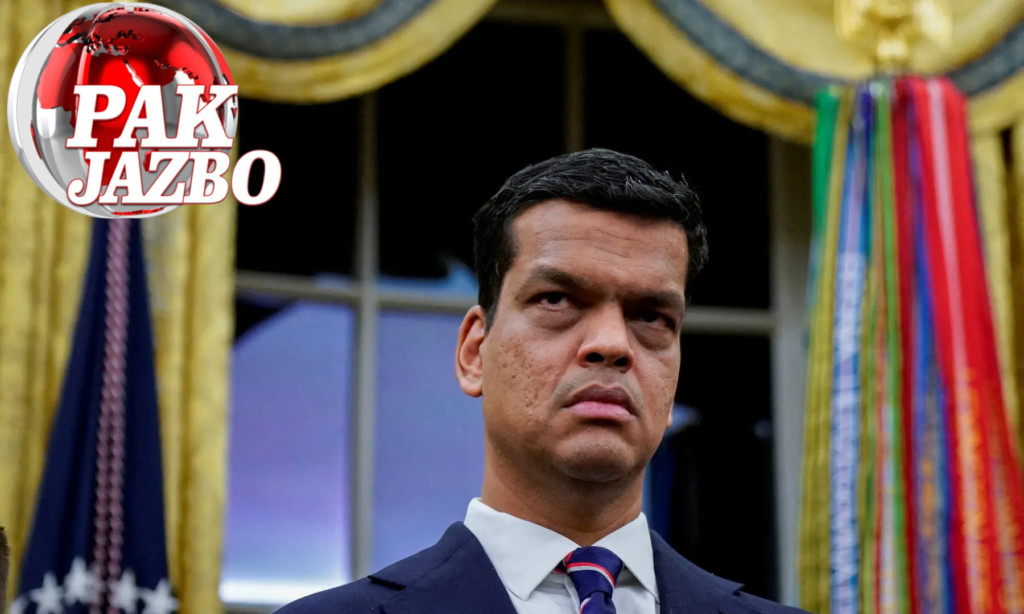
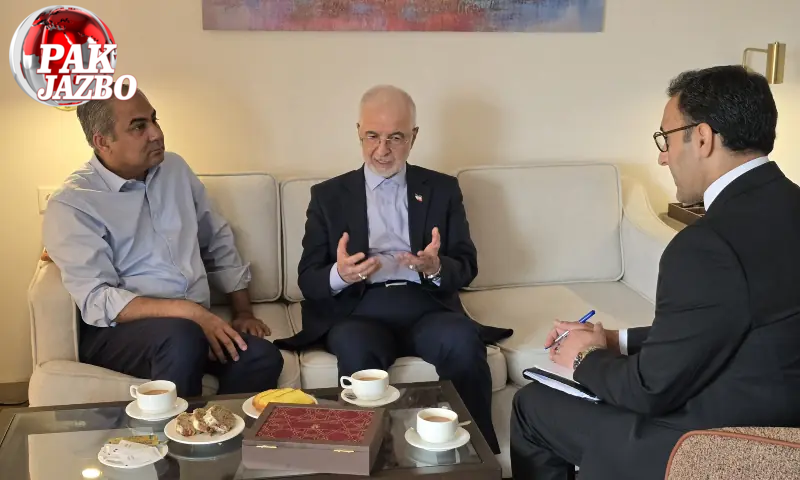
The U.S. delegation was led by Brendan Lynch, a senior trade representative tasked with advancing Washington’s economic agenda in Asia. The Indian side was headed by Rajesh Aggarwal, a top commerce official known for his tough negotiating style. While both delegations emphasized the importance of strengthening bilateral trade ties, insiders confirmed that the meetings concluded with little progress, underscoring the deep divisions that continue to strain one of the world’s most significant economic partnerships.
Key Sticking Points
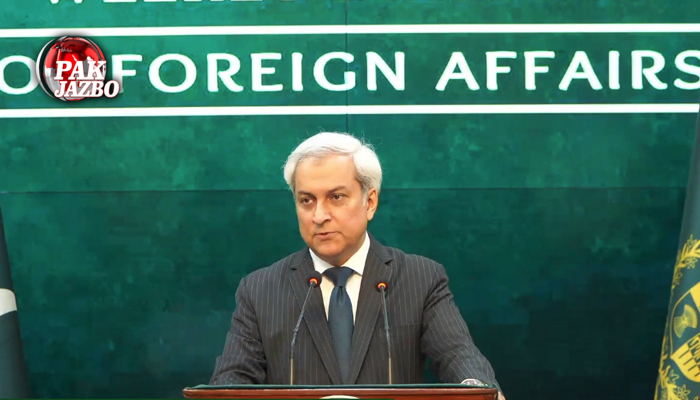
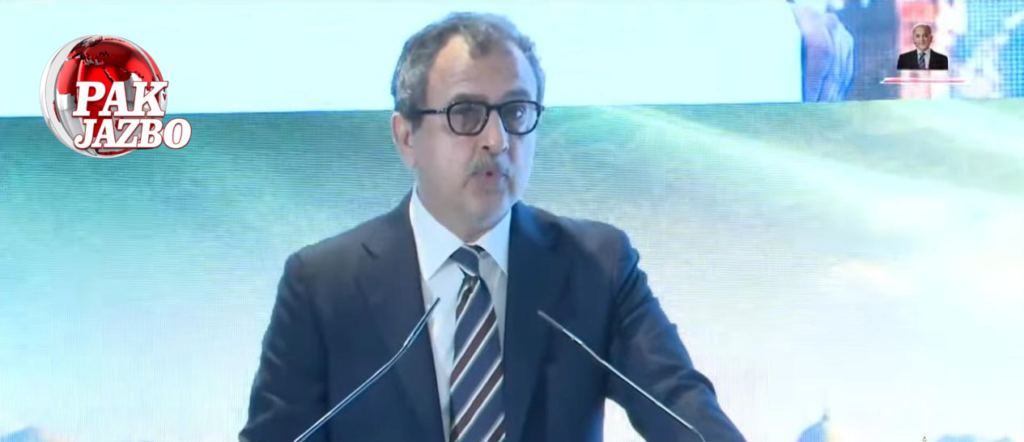
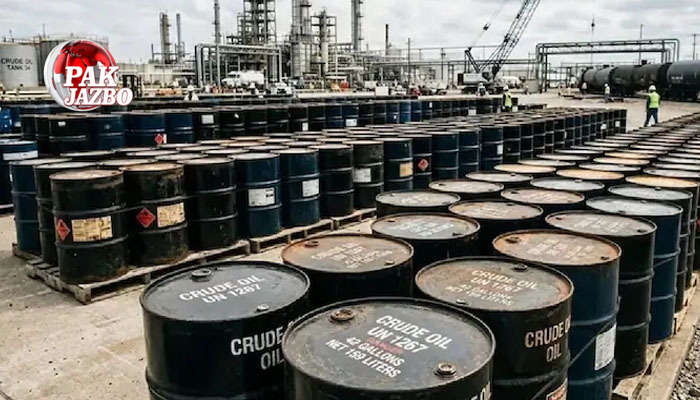
Following the talks, India’s Commerce Secretary Sunil Barthwal told reporters that “discussions were constructive but inconclusive.” He acknowledged that while dialogue is ongoing at multiple levels, certain contentious issues remain unresolved. Chief among them is the U.S. pressure on India to curtail its oil imports from Russia—a demand New Delhi has consistently resisted since the start of the Ukraine conflict.
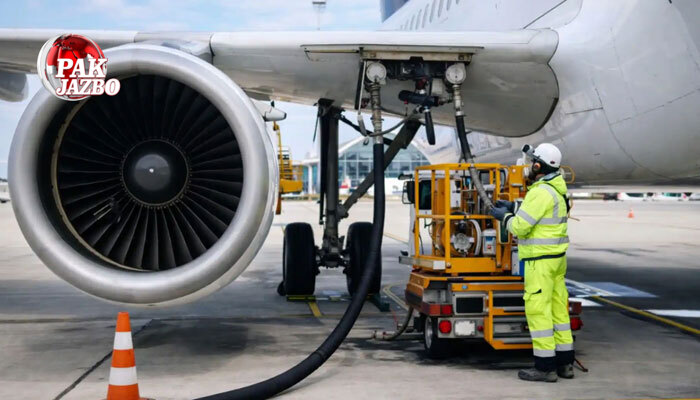
Washington has argued that India’s continued reliance on discounted Russian oil undermines Western sanctions and provides Moscow with vital revenue streams. Indian officials, however, have defended their energy purchases as essential for ensuring affordable fuel supplies for its 1.4 billion citizens. “Energy security cannot be compromised, and India will continue to prioritize the interests of its people,” a senior Indian negotiator told local media.
Another major hurdle is agricultural tariffs. The United States has pushed India to lower its high import duties on products such as dairy, wheat, and other farm goods, arguing that these barriers unfairly restrict American exporters from accessing India’s massive consumer market. Washington has long criticized New Delhi’s protectionist policies in agriculture, while India insists such measures are necessary to safeguard the livelihoods of millions of small farmers.
Tariffs and Trade Tensions
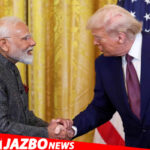
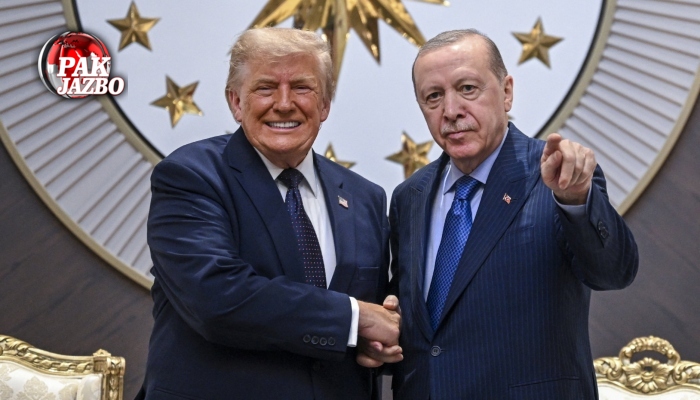
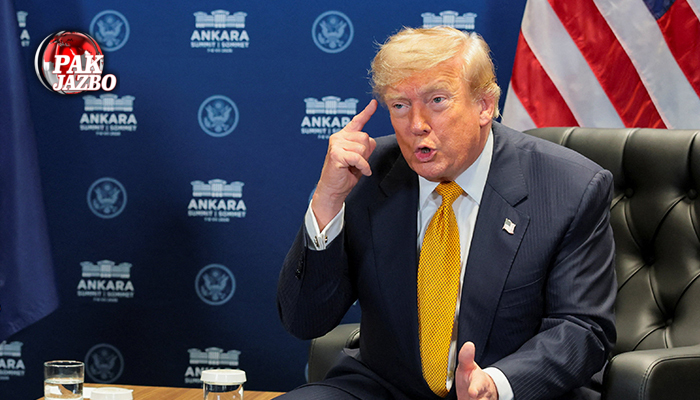
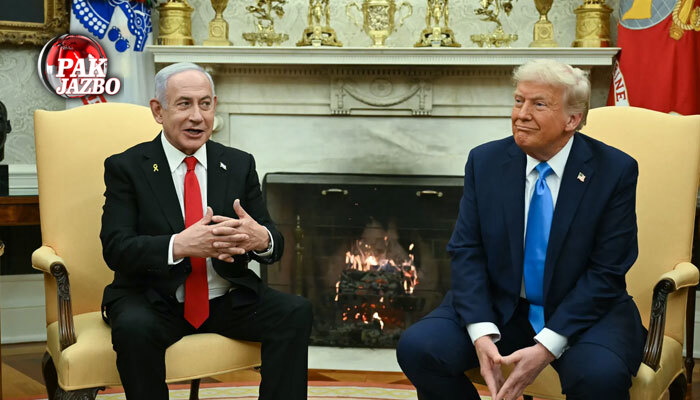
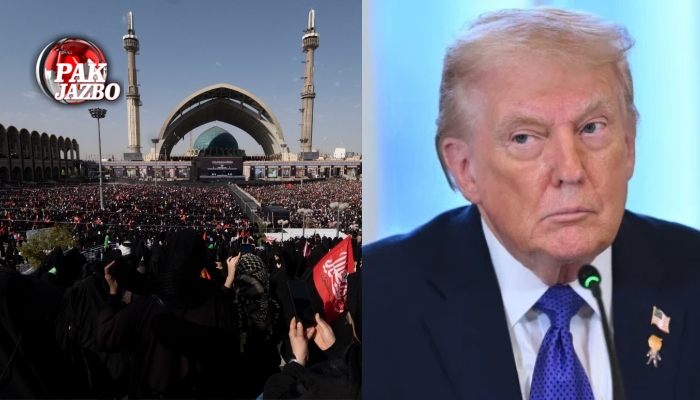
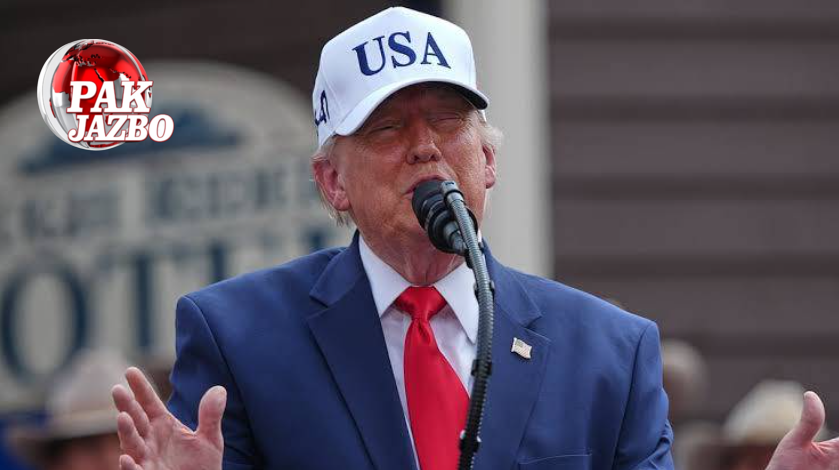
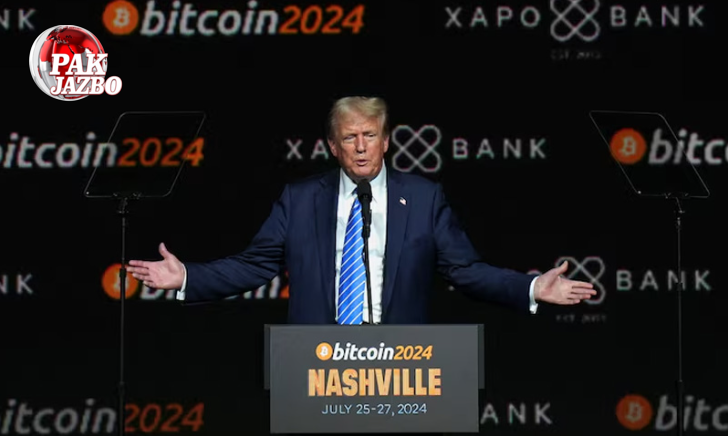
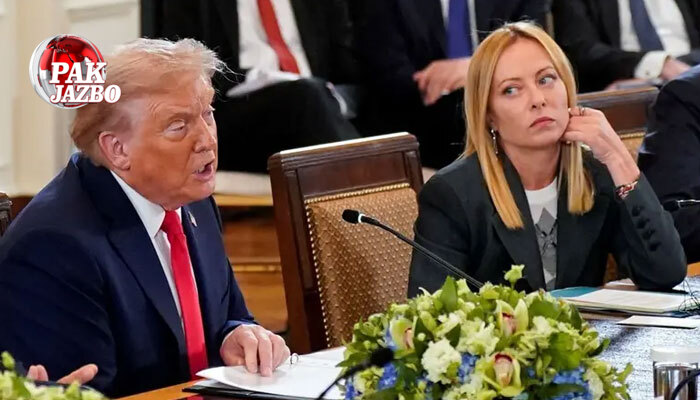
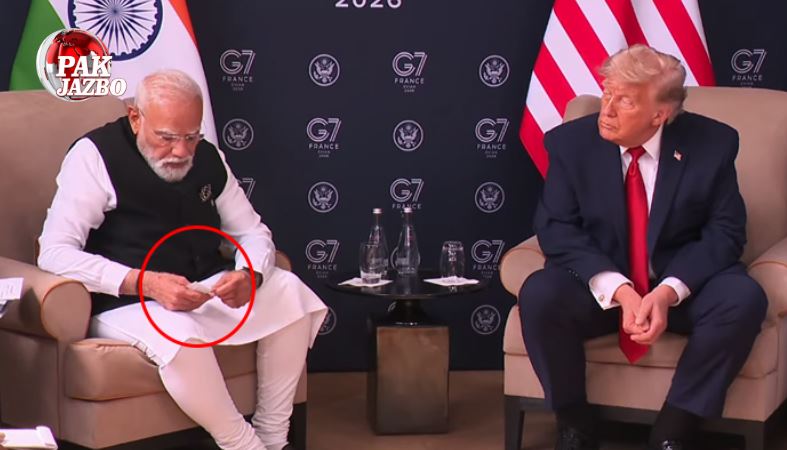
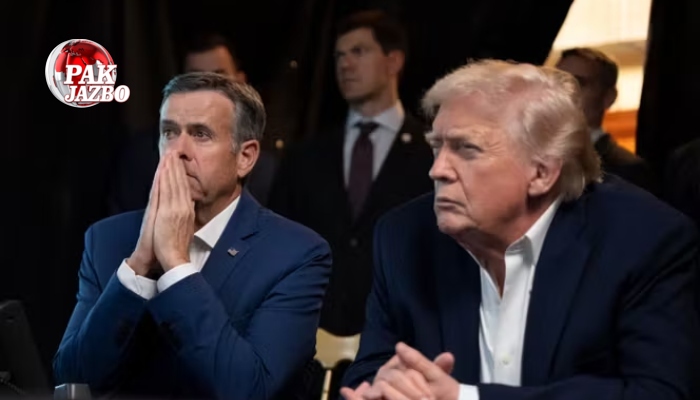
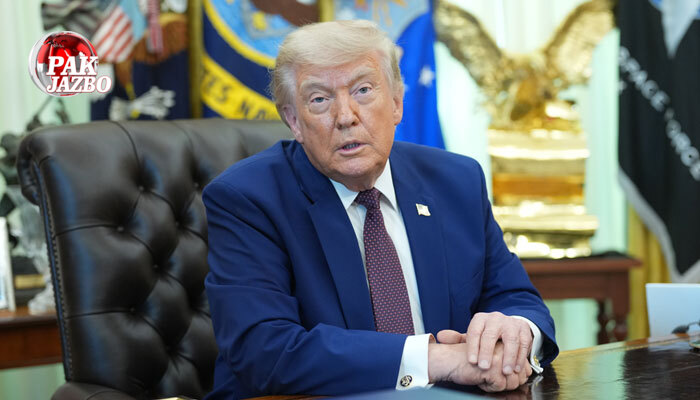
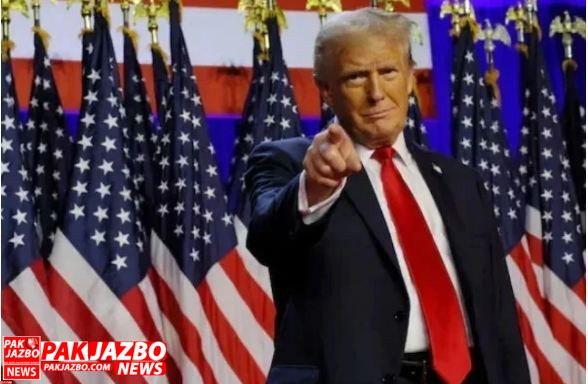
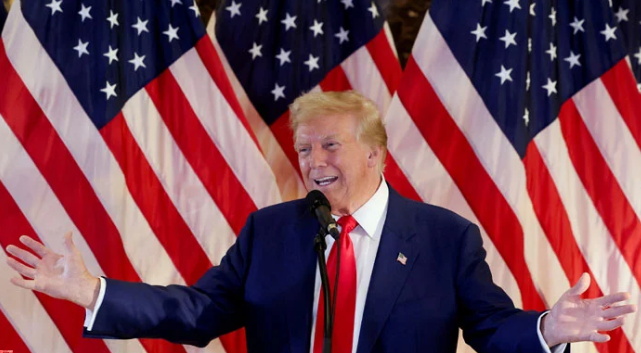
The talks also took place under the shadow of U.S. tariffs. Last year, American President Donald Trump imposed a punitive 50% tariff on Indian goods in response to India’s purchase of Russian oil, framing the move as a necessary step to pressure New Delhi into aligning with Western sanctions. Indian officials condemned the tariffs as unjustified and retaliated with their own duties on selected American imports, further straining bilateral trade relations.
Although the Biden administration has taken a somewhat different approach in other areas of foreign policy, it has maintained a hard line on trade with India. This continuity underscores Washington’s frustration with what it views as New Delhi’s unwillingness to compromise, particularly on sensitive issues like energy imports and agricultural barriers.
Broader Strategic Context
The failure of these talks is significant given the broader context of U.S.-India relations. Both nations frequently tout their partnership as a cornerstone of stability in the Indo-Pacific region, especially in the face of China’s growing influence. However, the inability to resolve trade frictions risks undermining the economic pillar of this strategic relationship.
Analysts note that Washington’s insistence on pressuring India over Russian oil comes at a delicate time. India has positioned itself as a voice of the Global South, often calling for more balanced approaches to international crises and pushing back against Western dominance. Accepting U.S. demands on energy could be perceived domestically as a surrender of sovereignty and an abandonment of India’s independent foreign policy stance.
Domestic Pressures in India
For Prime Minister Narendra Modi’s government, the issue is also deeply political. India’s ruling Bharatiya Janata Party (BJP) has long championed economic nationalism and farmer protection as central to its agenda. Any move to lower agricultural tariffs under U.S. pressure could spark backlash among rural voters, who form a crucial part of the BJP’s support base.
Energy affordability is another politically sensitive topic. With inflation already squeezing Indian households, reducing access to cheap Russian crude could drive up fuel prices, further eroding public support for the government. Modi’s administration is thus walking a tightrope—seeking to deepen ties with the U.S. without alienating domestic constituencies.
Path Forward
Despite the failure of this latest round of talks, both sides have agreed to continue dialogue in the coming months. Sunil Barthwal stressed that “engagement will continue, and future meetings are planned.” U.S. negotiator Brendan Lynch echoed this sentiment, noting that while progress was slow, the commitment to reaching a trade deal remains intact.
Experts believe that compromise may eventually be possible if both nations prioritize long-term strategic interests over short-term disagreements. For instance, Washington could consider targeted exemptions for India on Russian oil purchases while New Delhi might explore limited tariff reductions in sectors that do not directly threaten small farmers.
Conclusion
The collapse of trade talks between India and the United States highlights the complexities of balancing economic, political, and strategic interests in an increasingly multipolar world. With 18 rounds of high-level discussions held over the past three years, the persistence of major disputes underscores just how challenging it will be to forge a comprehensive trade agreement.
Yet, given the geopolitical stakes and the potential economic benefits of stronger cooperation, neither side can afford to let negotiations collapse entirely. As both nations prepare for future meetings, the world will be watching closely to see if they can bridge their differences—or whether trade tensions will continue to cast a shadow over one of the most important partnerships of the 21st century.
What’s your Reaction?
+1
+1
+1
+1
+1
+1