
























































































































































































































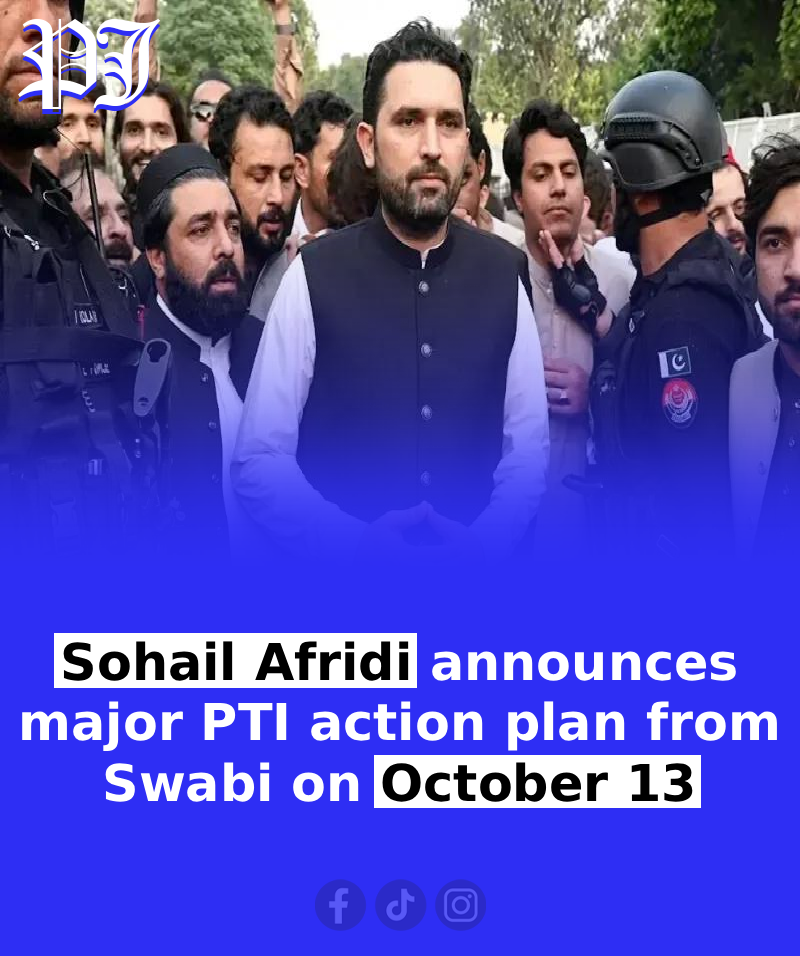


























































































































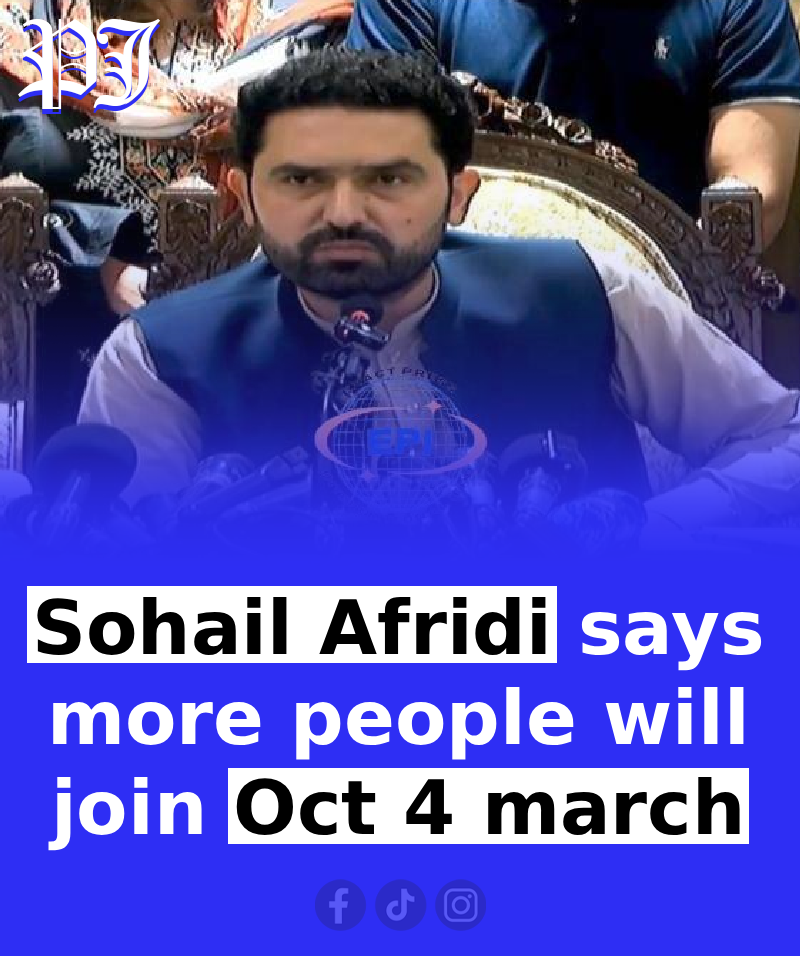

































































































































































































































































































































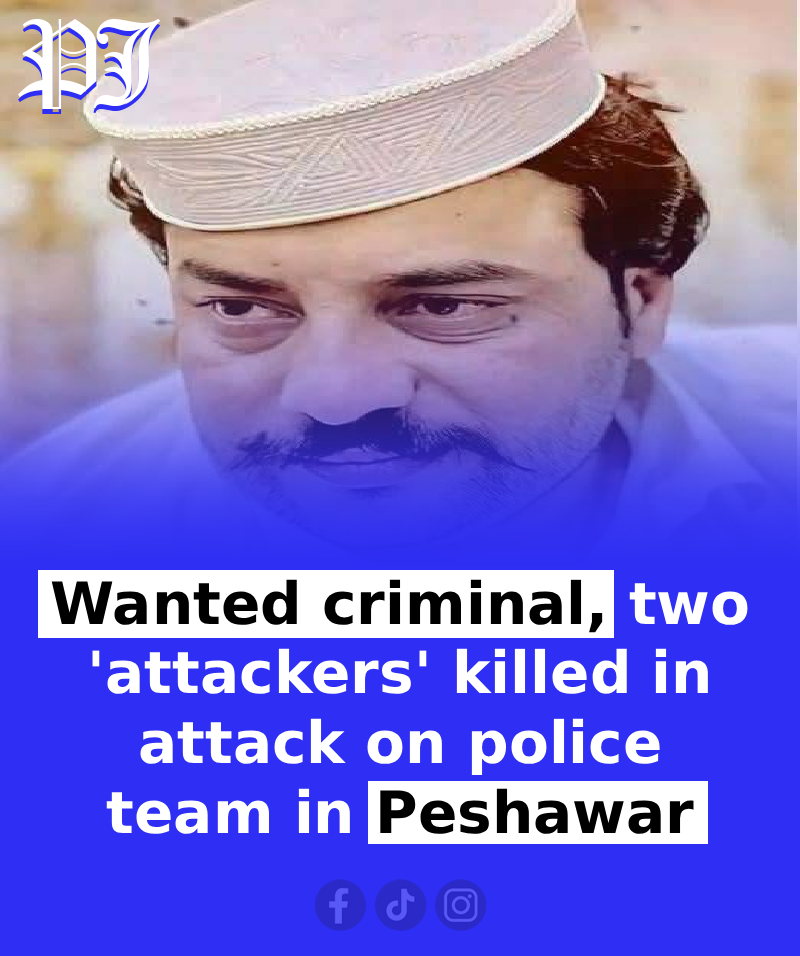
































































































































































































































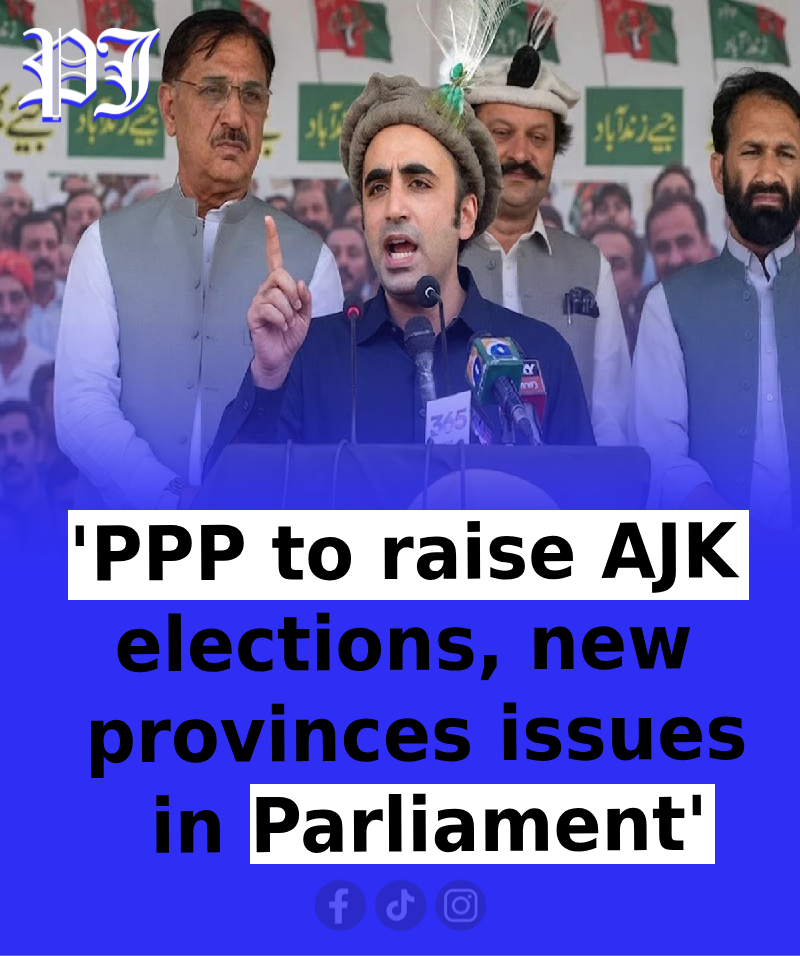





































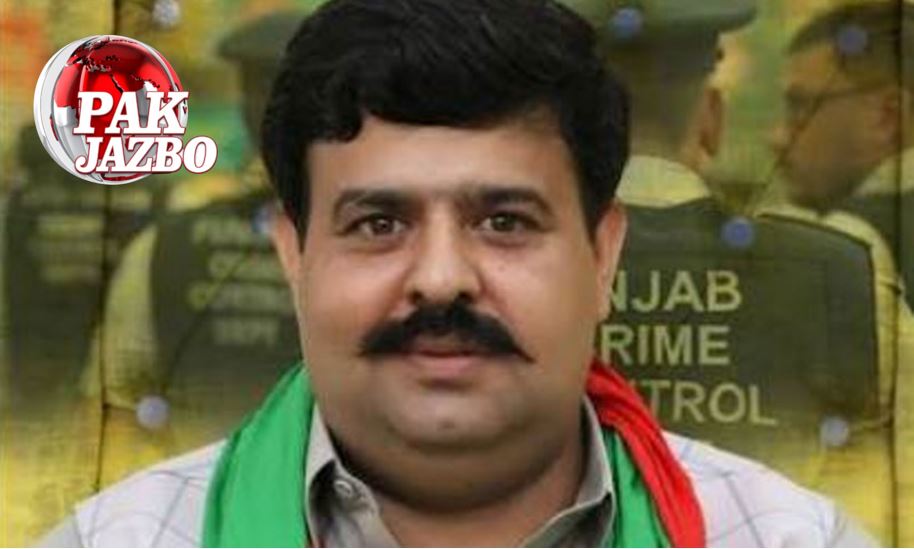















































































































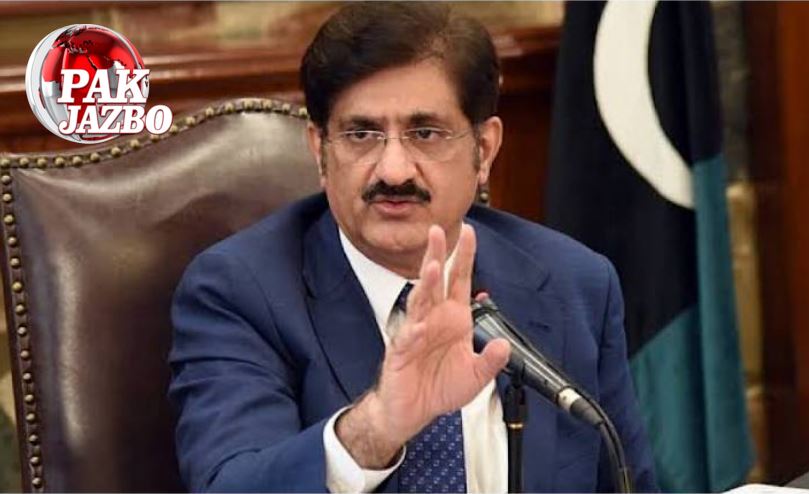



























































































































































































































































































































































































































































































































































KP Chief Minister Sohail Afridi Ordered to Be Arrested in Case of Allegations Against State Institutions


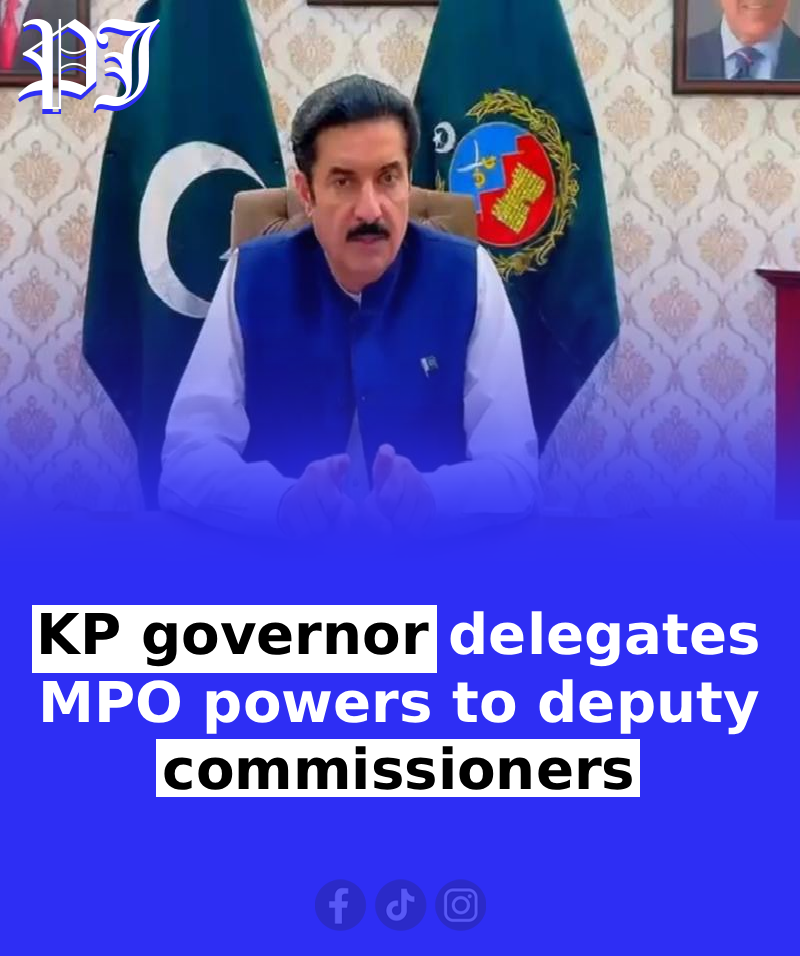
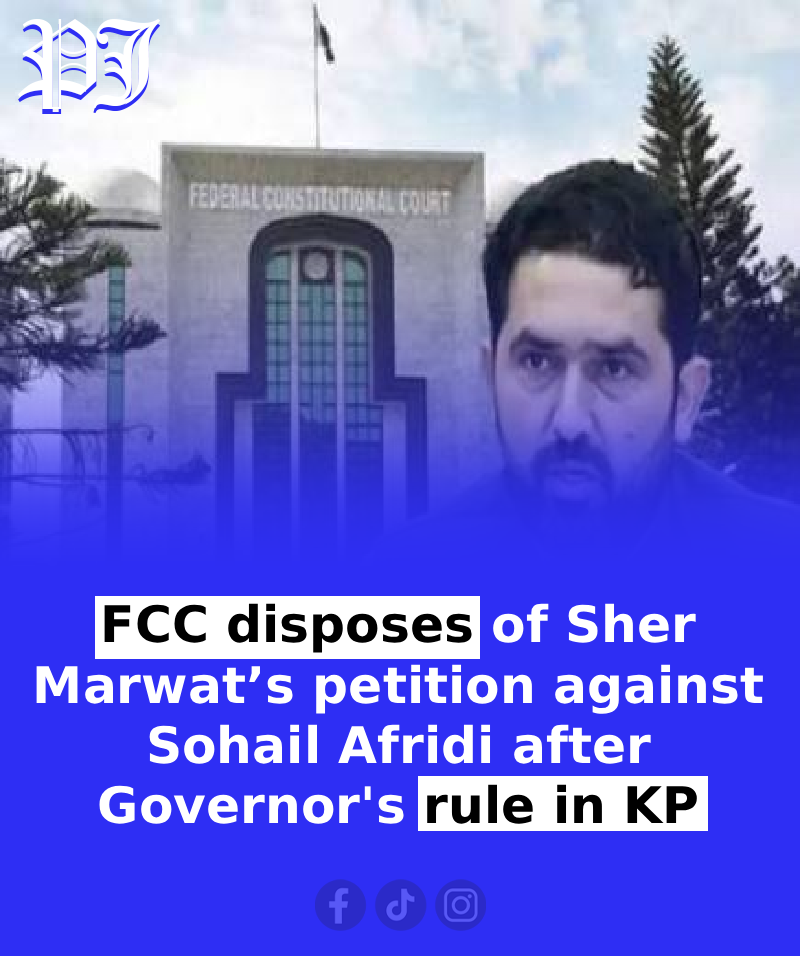
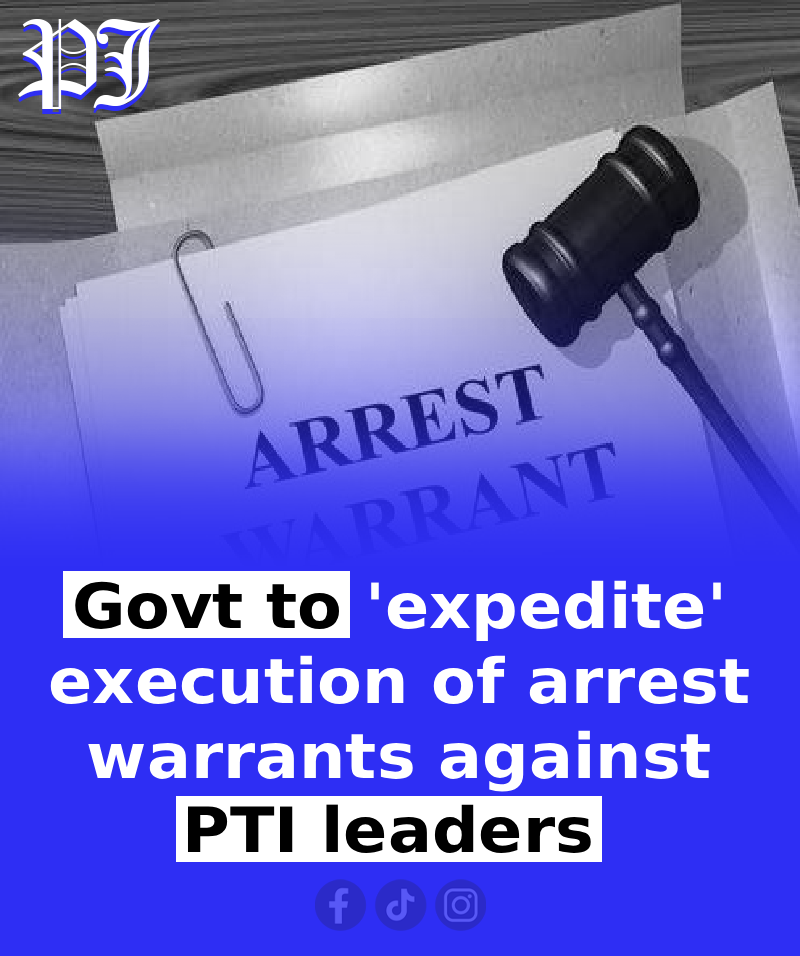
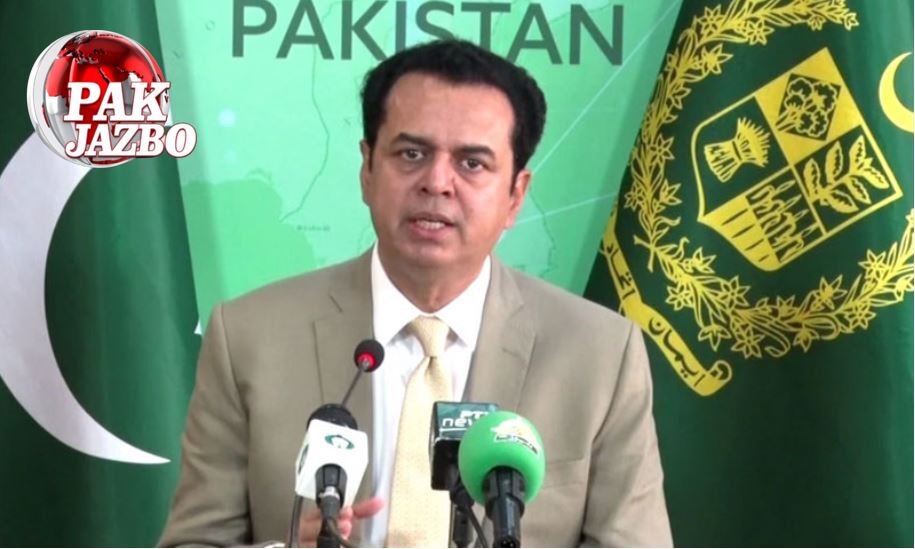
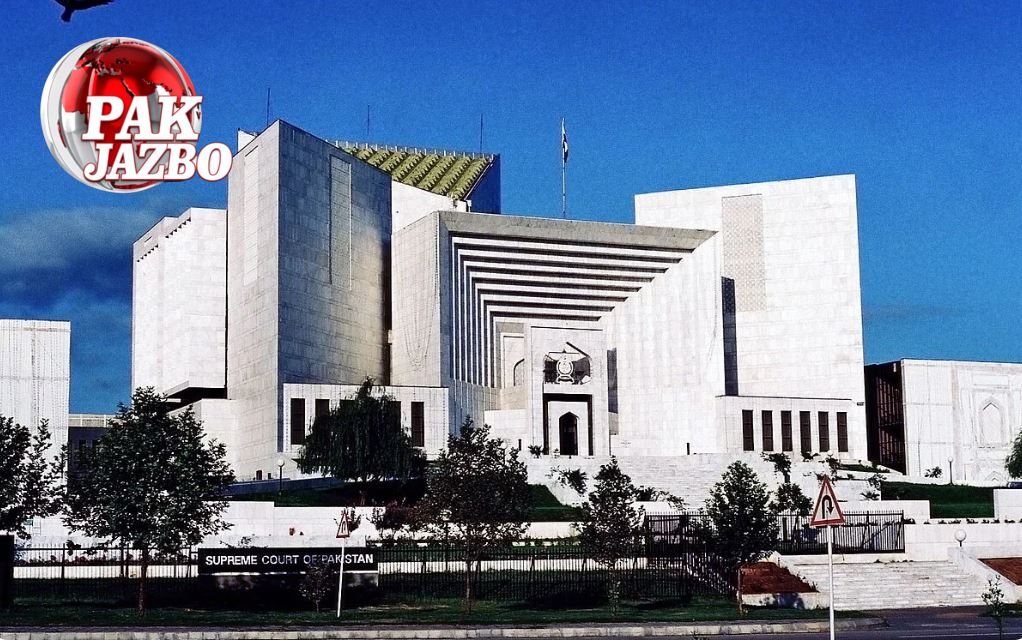
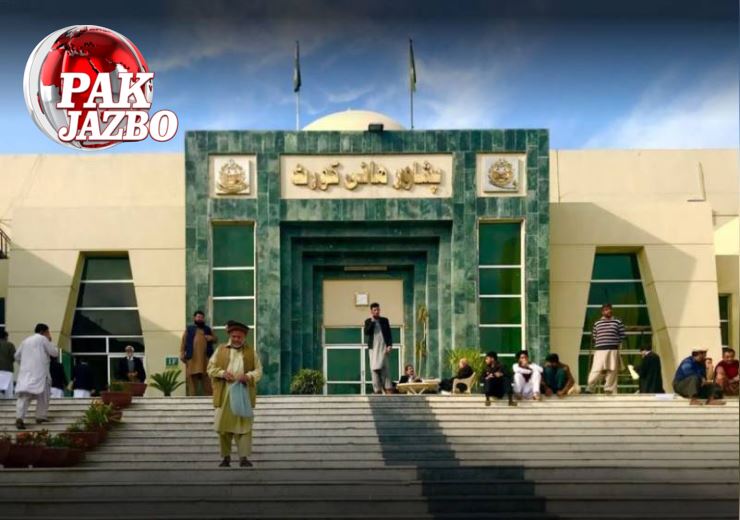
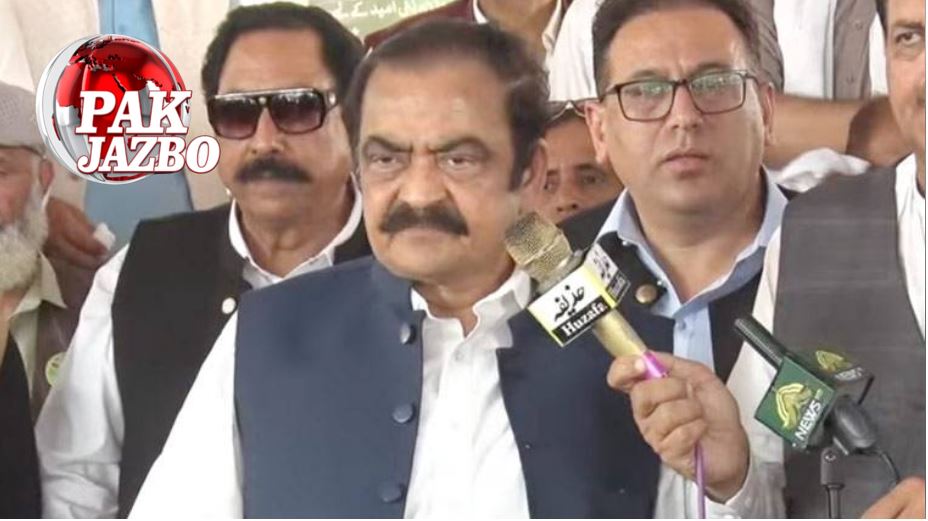
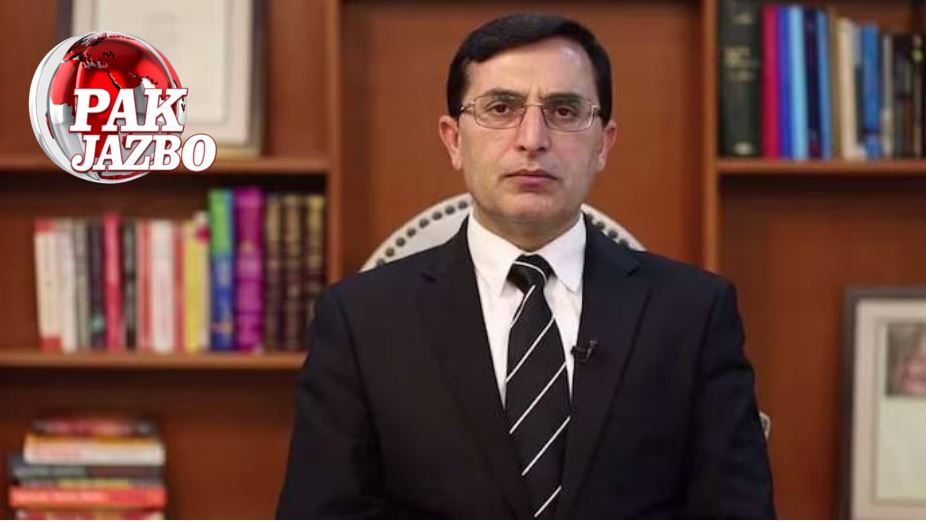
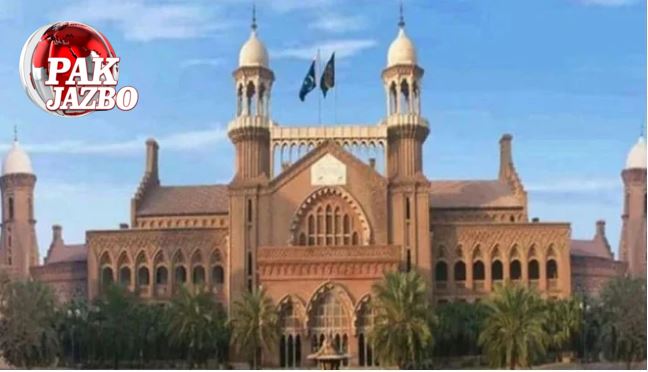
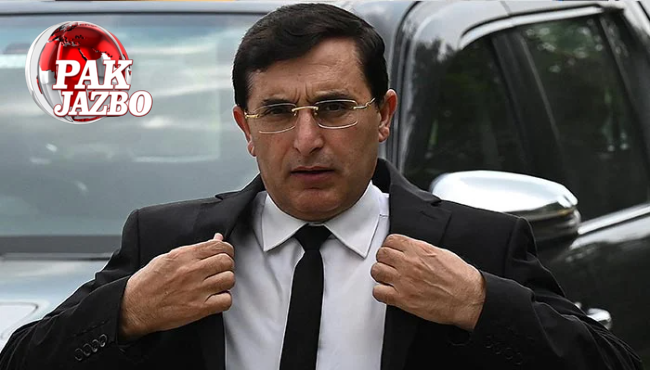
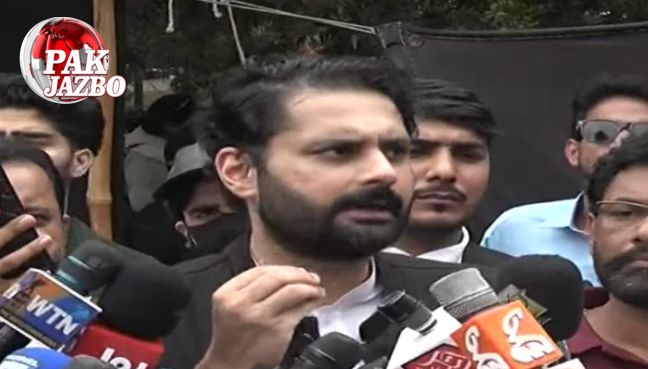
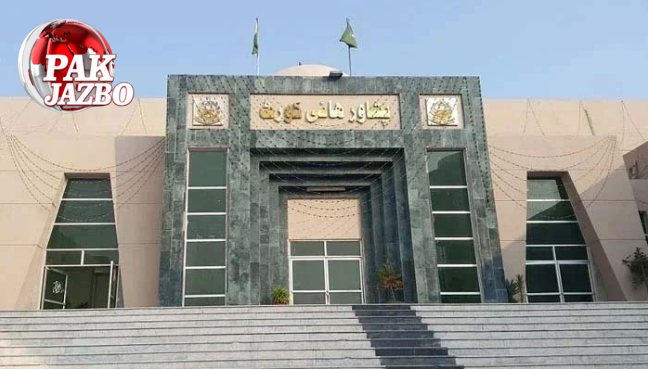
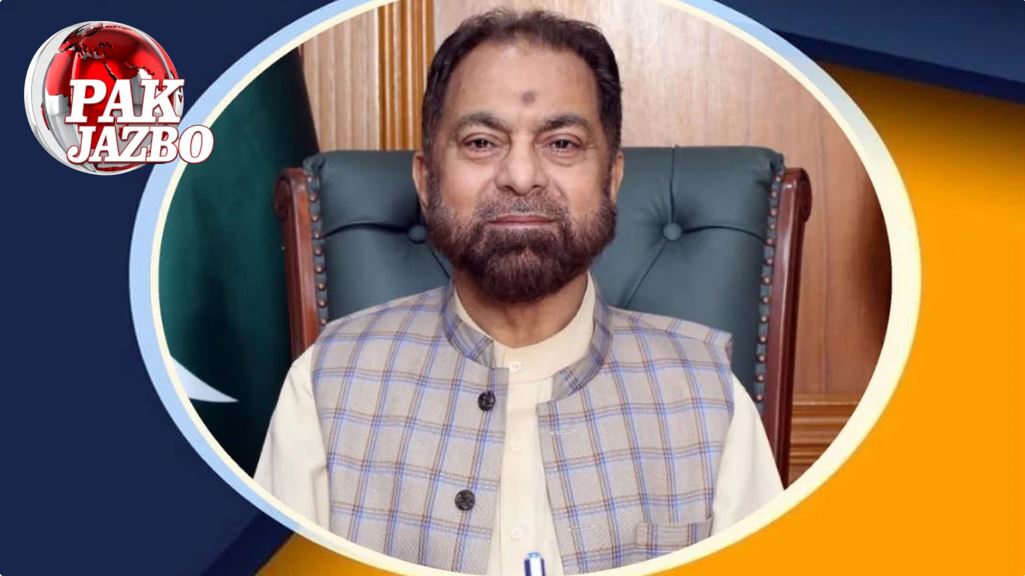
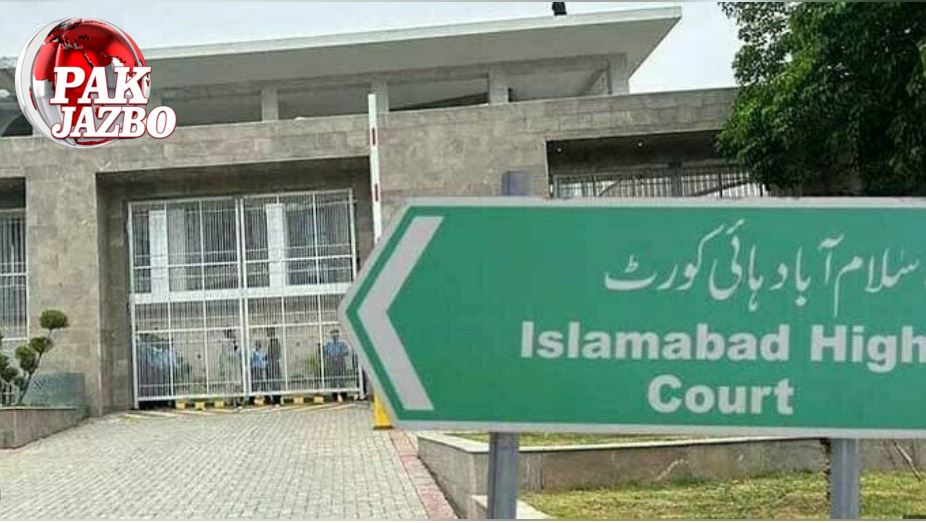
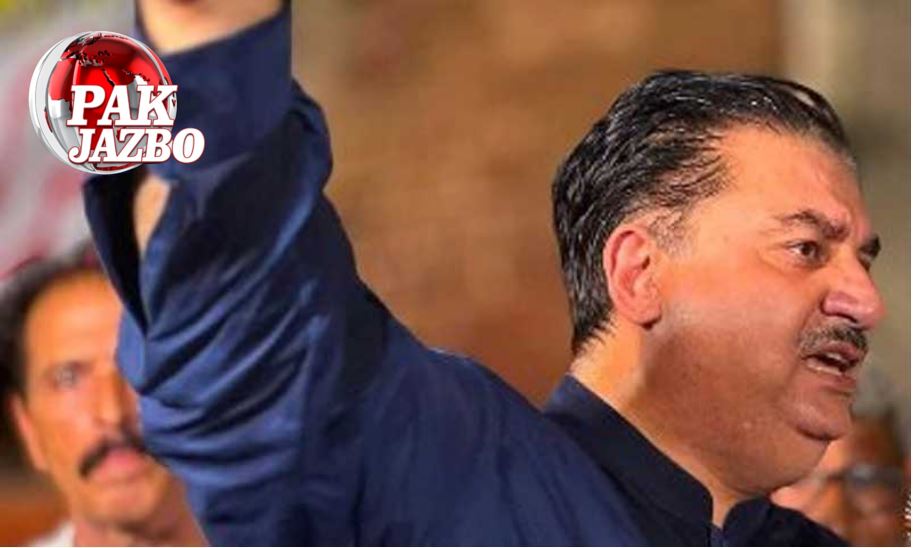
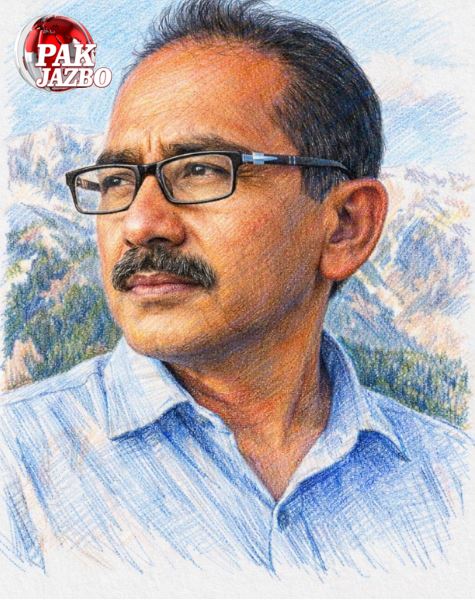
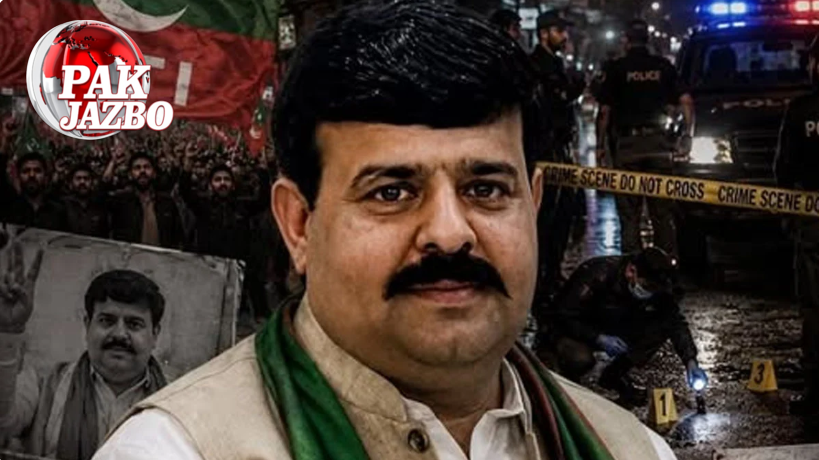
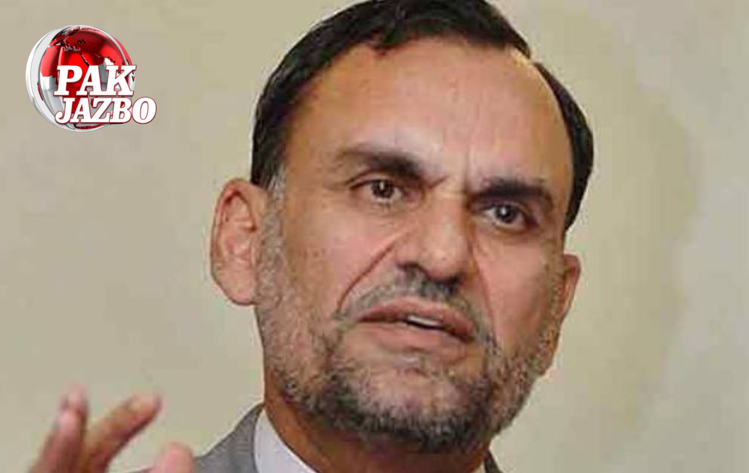
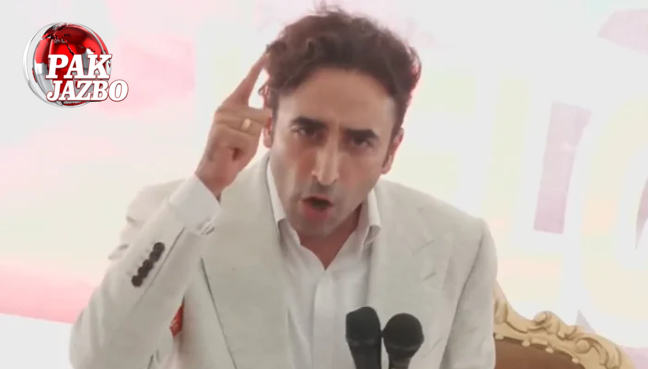
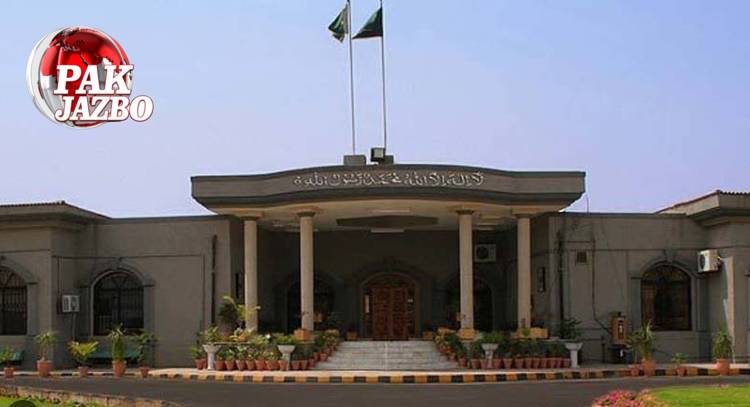
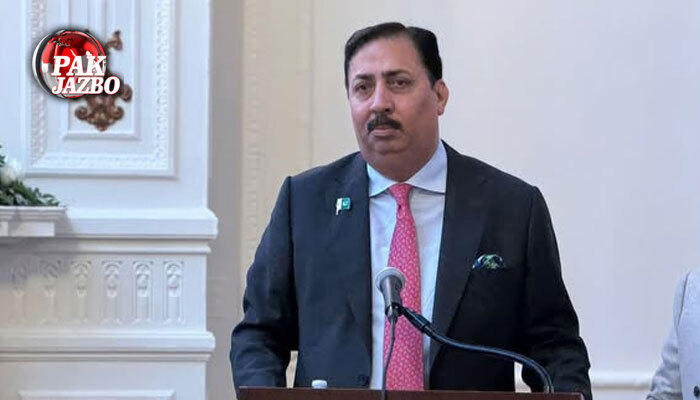
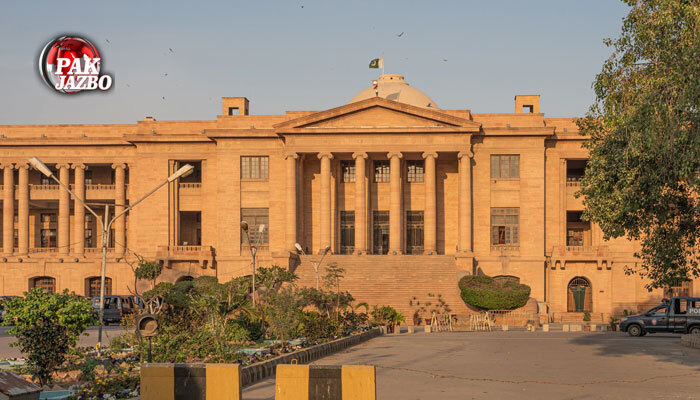
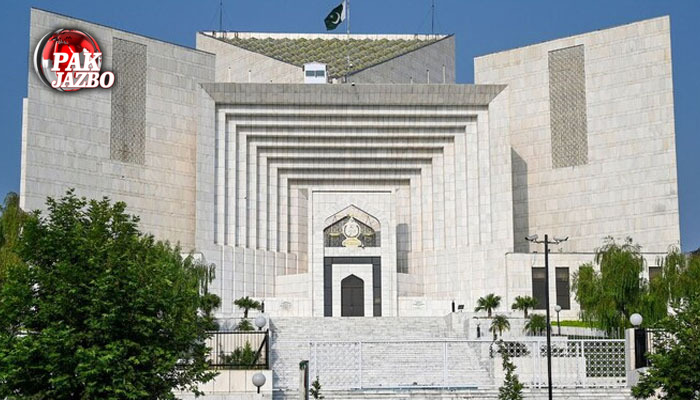
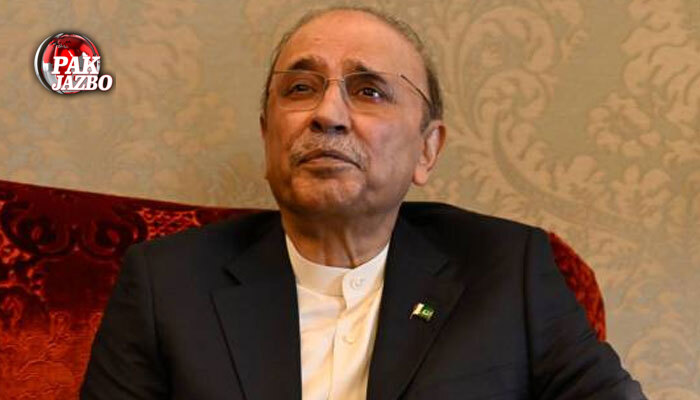
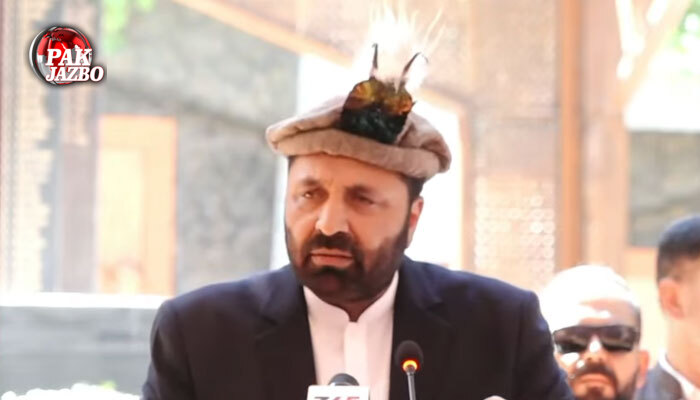
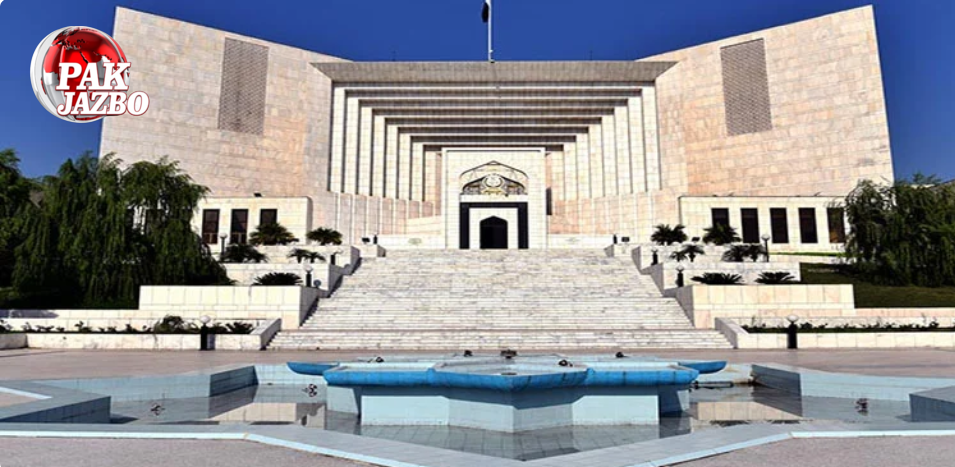
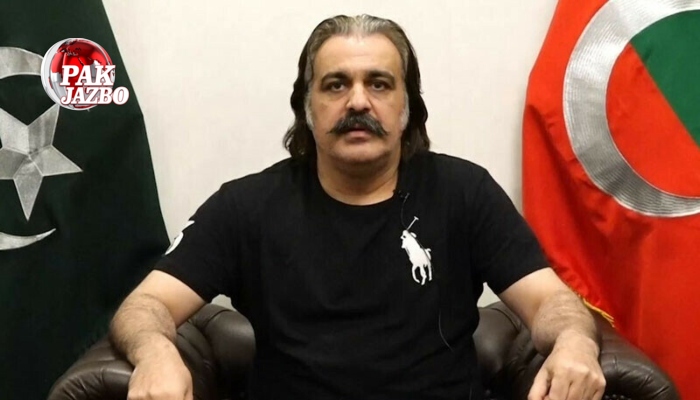
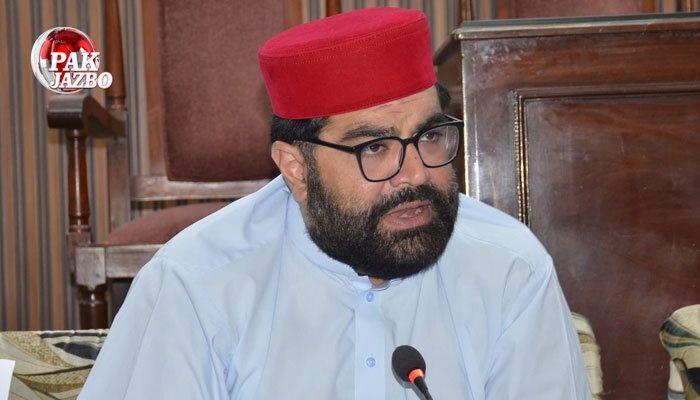
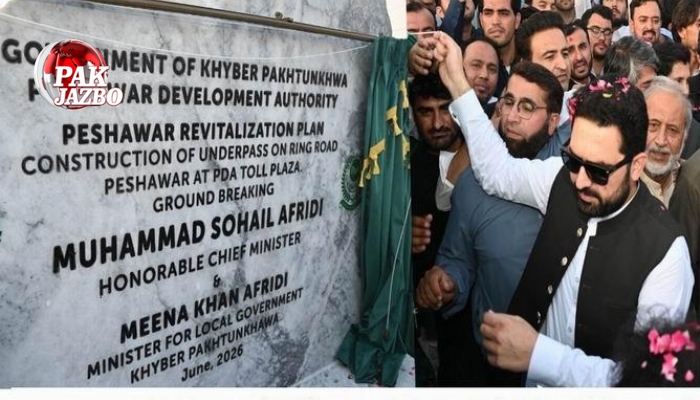
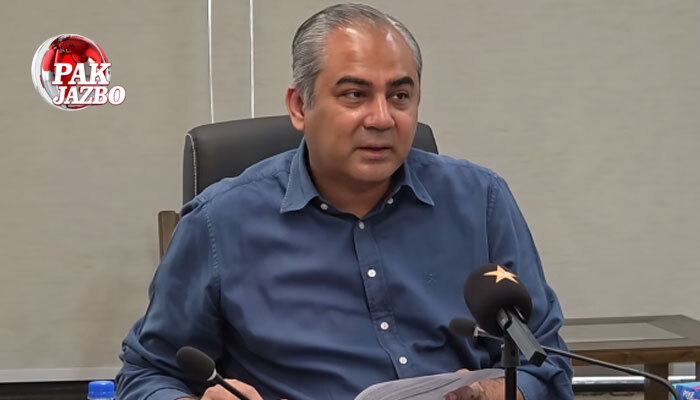
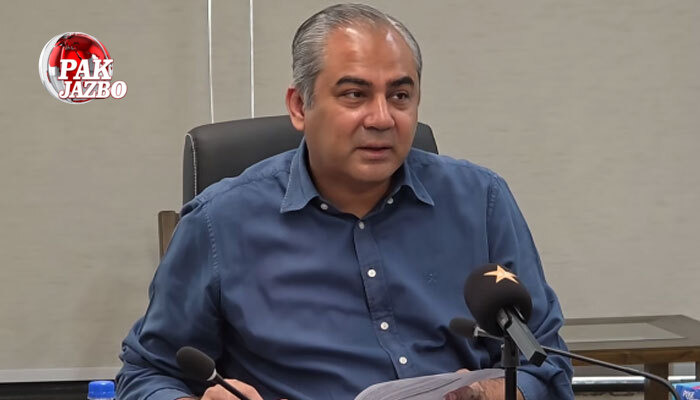
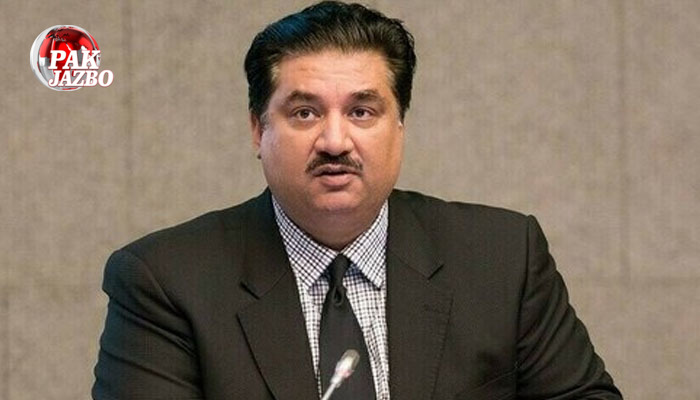
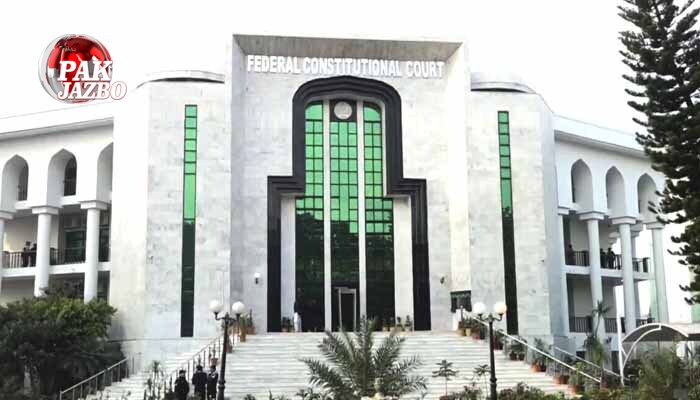
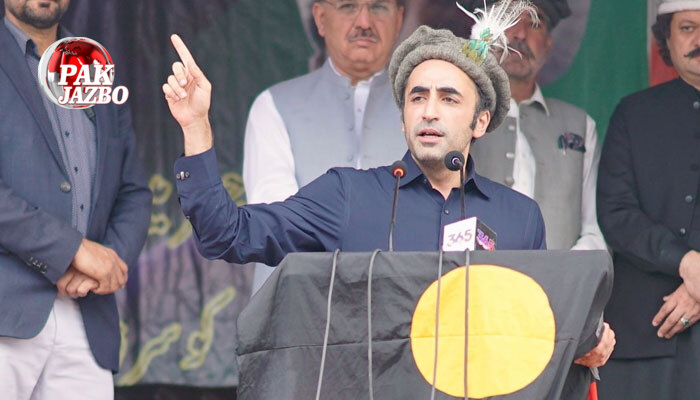
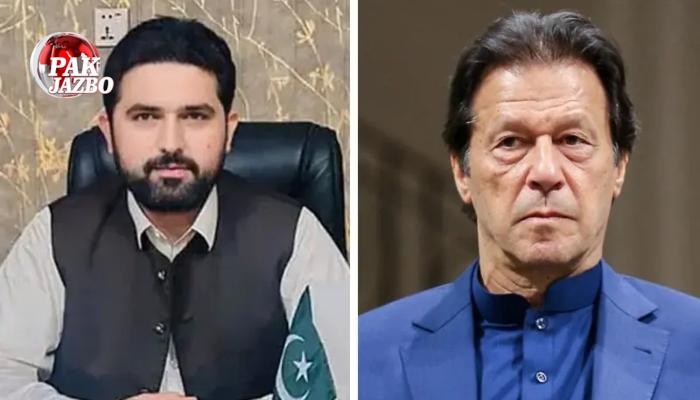
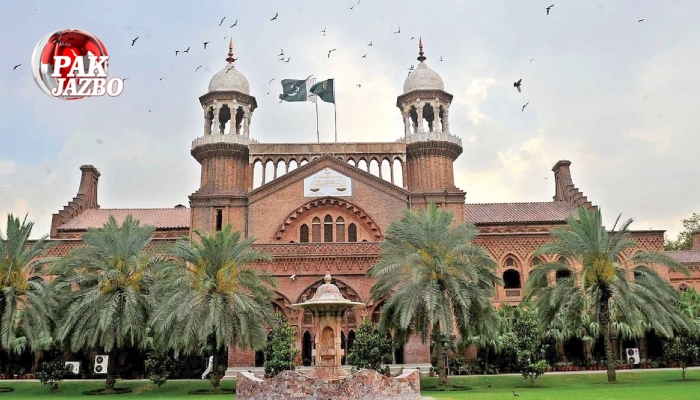
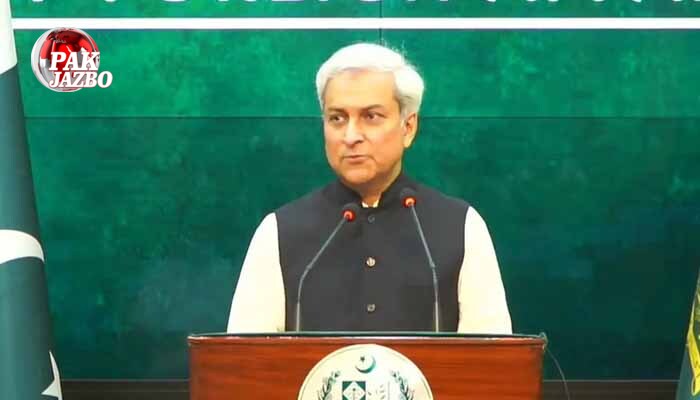
Islamabad – A local court in Islamabad has issued orders for the arrest and production of Khyber Pakhtunkhwa Chief Minister Sohail Afridi in a high-profile case concerning allegedly misleading statements and defamation of state institutions. The decision comes after Afridi repeatedly failed to appear before the court, prompting judges to enforce stricter measures.
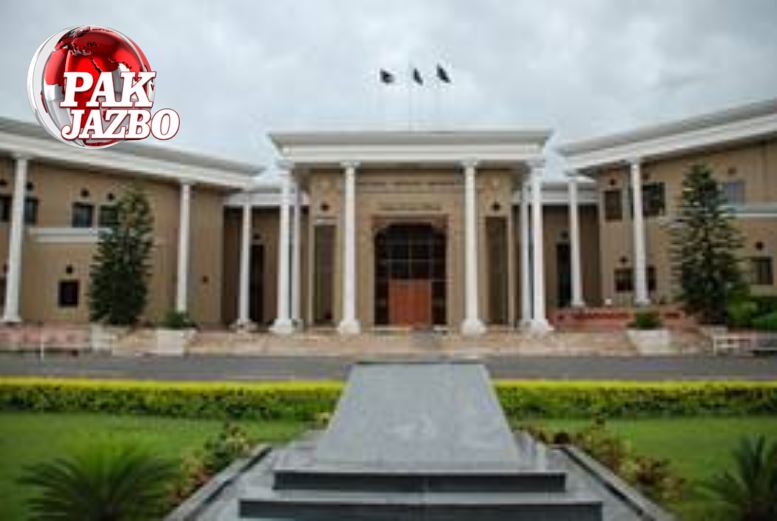
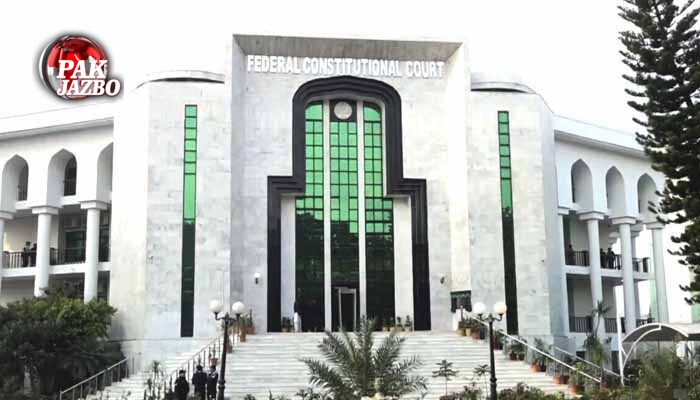
The District and Sessions Courts Islamabad have maintained previously issued warrants against Afridi due to his absence in proceedings related to accusations that he made statements undermining the credibility and reputation of key state institutions. According to court documents, the case revolves around statements perceived as misleading and damaging to the institutional image of the state, a matter considered serious under Pakistan’s legal framework.
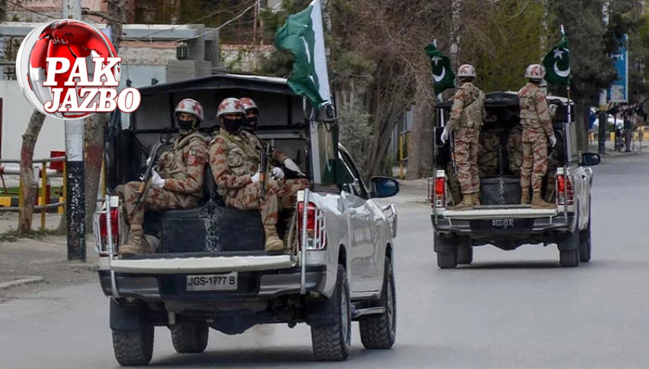
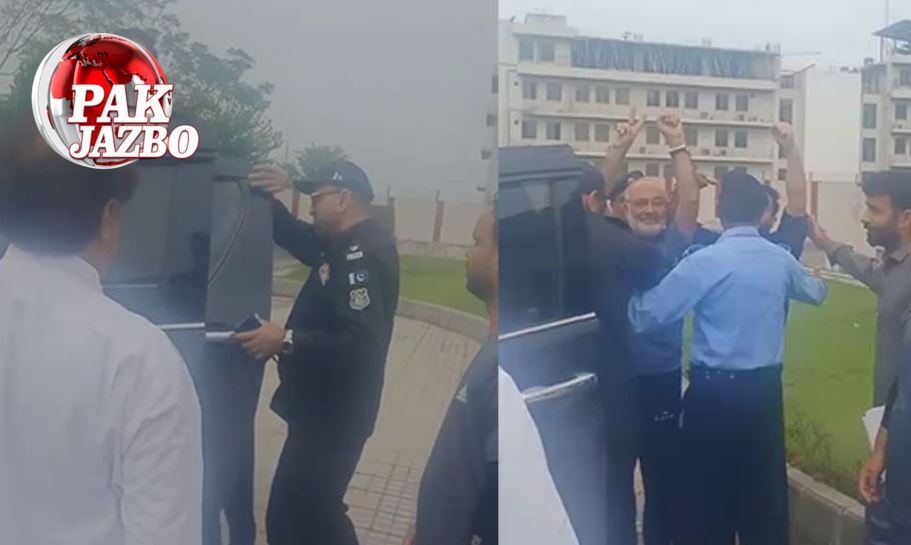
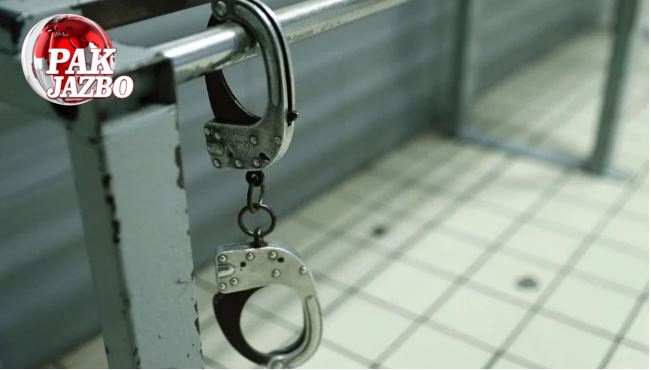
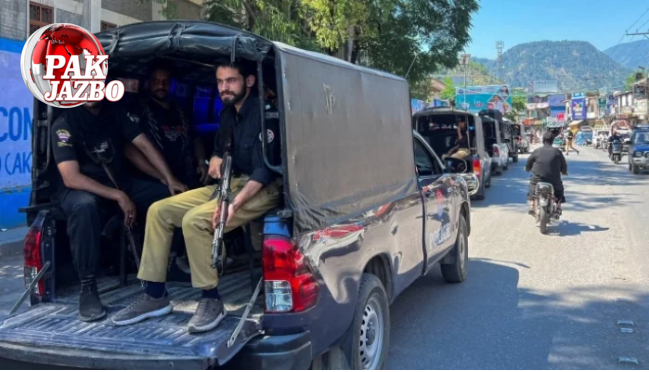
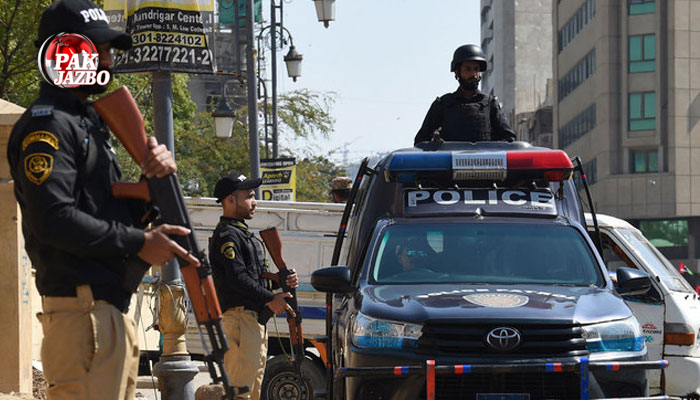
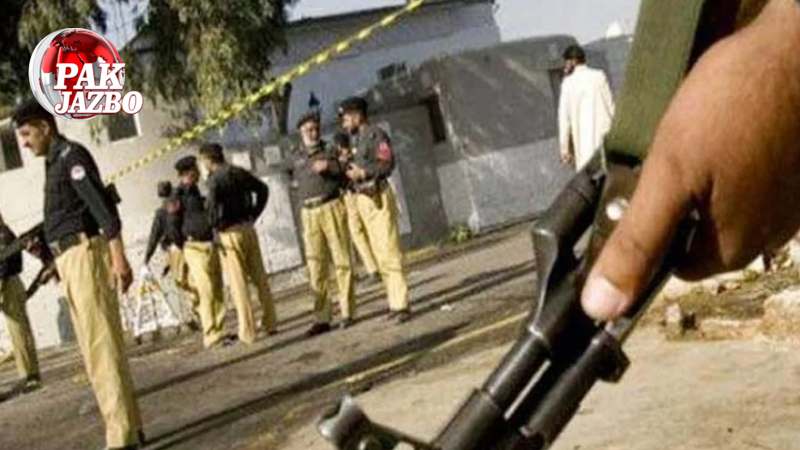
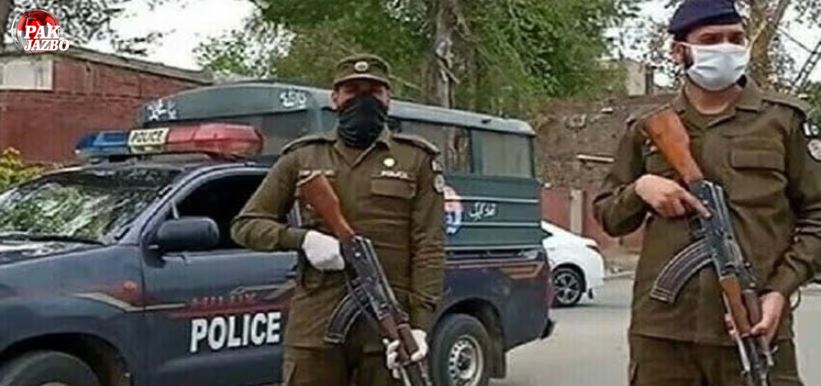
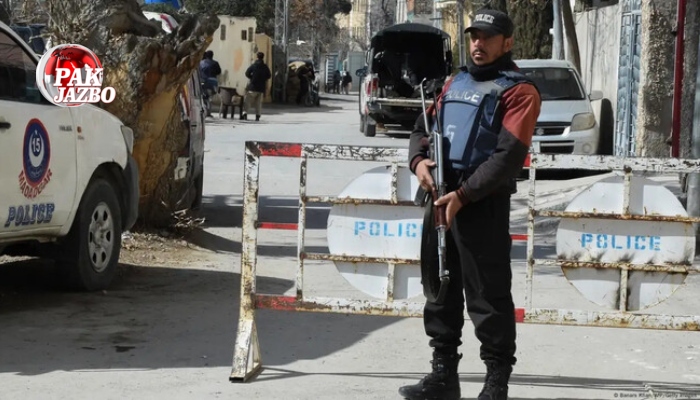
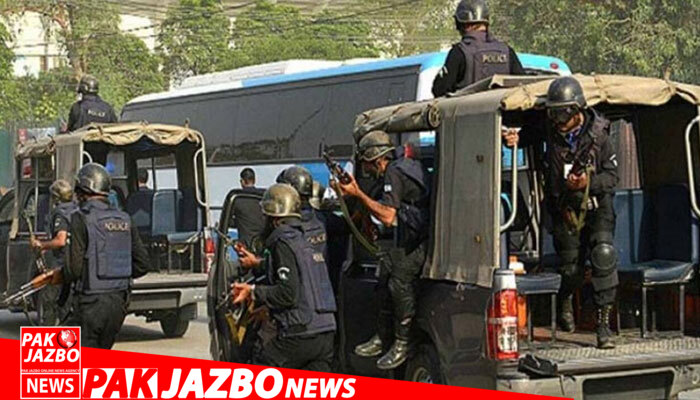
The court specifically directed law enforcement agencies to arrest Sohail Afridi and present him before the judiciary, emphasizing that repeated non-appearance cannot hinder the legal process. The matter has been adjourned, with the next hearing scheduled for March 9, giving authorities time to execute the arrest orders and ensure Afridi’s presence in court.
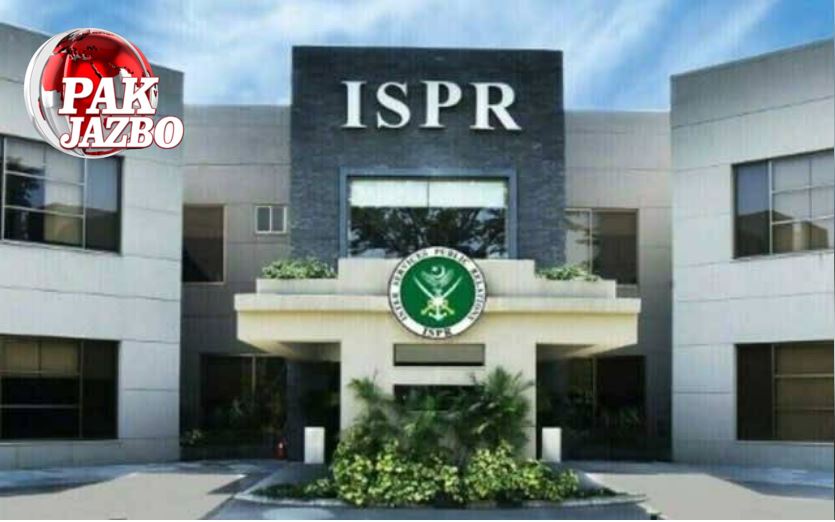
This case was registered under the Pakistan Electronic Crimes Act (PECA) by the National Counter Terrorism Authority (NCTIA). PECA allows authorities to take action against individuals making electronic statements or publications that intentionally spread misinformation or defame state bodies. The case highlights how the law is being used to address allegations that could potentially harm the credibility of governmental and security institutions.
Officials involved in the investigation stated that the case pertains to statements made publicly by Afridi that allegedly misrepresented the functioning of state organizations, impacting their reputation at both national and international levels. While the details of the specific allegations remain confidential, legal experts note that the issuance of arrest warrants reflects the court’s serious stance on holding public officials accountable for statements that may undermine institutional integrity.
Observers have described the court’s action as an assertive measure to maintain the authority and credibility of state institutions, particularly in sensitive matters where public officials are involved. “The judiciary is signaling that accountability extends to everyone, including high-ranking politicians,” a legal analyst commented, emphasizing the importance of due process in such cases.
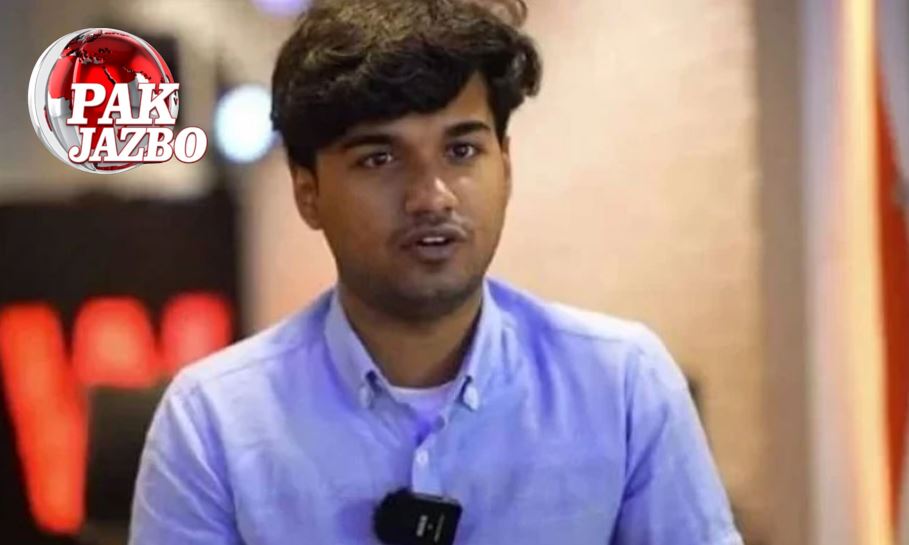
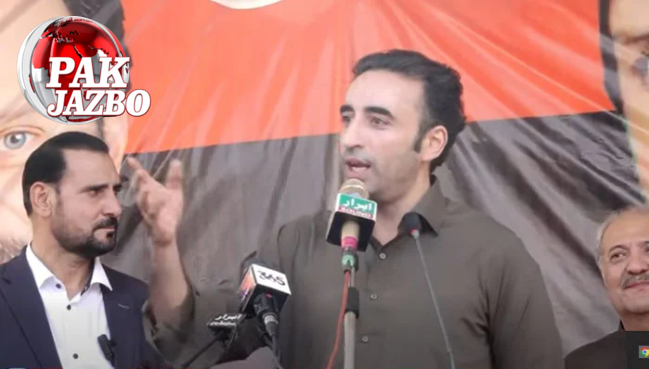
Sohail Afridi, a prominent political figure and Chief Minister of Khyber Pakhtunkhwa, has previously faced scrutiny for statements regarding governance and security matters in the province. The court’s order underscores the expectation that public figures must adhere to legal protocols and refrain from making statements that could potentially mislead the public or compromise the perception of state entities.
The use of PECA in this context also reflects the increasing reliance on electronic evidence and digital communications in legal proceedings. Courts in Pakistan have increasingly considered social media posts, online interviews, and electronic publications as legitimate grounds for investigation and prosecution under PECA, especially when such content is seen as threatening national security or public order.
The Islamabad District and Sessions Court, in its order, emphasized that repeated non-appearance by the accused cannot delay justice. The judiciary has made it clear that law enforcement agencies are obliged to carry out the arrest and ensure that Afridi is presented before the court, where he will have the opportunity to respond to the charges.
Legal experts suggest that while the arrest order is a strong action, it also follows standard judicial procedure. “Issuing a warrant is a procedural step to ensure compliance with the court’s directions. It does not imply guilt but ensures the accused faces the allegations and has a chance to defend himself,” said a constitutional law expert familiar with the case.
The upcoming hearing on March 9 will be closely watched by political analysts, as it could set important precedents regarding the accountability of elected officials under electronic communications laws. The case also highlights the delicate balance between freedom of expression and the protection of state institutions in Pakistan, particularly in the context of statements made in public forums or online media platforms.
Meanwhile, political circles in Khyber Pakhtunkhwa are observing the situation carefully, as the case could have wider implications for governance and political dynamics in the province. Analysts note that the judiciary’s firm stance sends a message about the seriousness with which allegations against state institutions are treated, irrespective of the position or influence of the accused individual.
In conclusion, the Islamabad District and Sessions Court has reaffirmed its authority by ordering the arrest of KP Chief Minister Sohail Afridi in connection with misleading statements allegedly made against state institutions. The case, filed under PECA by NCTIA, reflects ongoing efforts to uphold accountability, safeguard institutional reputation, and ensure that high-ranking officials comply with judicial processes. The next hearing on March 9 will provide further clarity on the proceedings and the legal consequences for Afridi, highlighting the broader significance of enforcing accountability in matters affecting state credibility.
What’s your Reaction?
+1
+1
+1
+1
+1
+1