




















































































































































































































































































































































































































































































































































































































































































































































































































































































































New Year Celebrations: Never Open These Links Today—They Could Put You at Risk


Karachi (December 31, 2025): As the clock approaches midnight and people across the world prepare to welcome the New Year 2026, celebrations, greetings, and messages of goodwill will dominate social media platforms. However, alongside the excitement and festive spirit, cybersecurity authorities are warning users to remain vigilant, as some links circulating during this time could be harmful and lead to serious digital and financial losses.
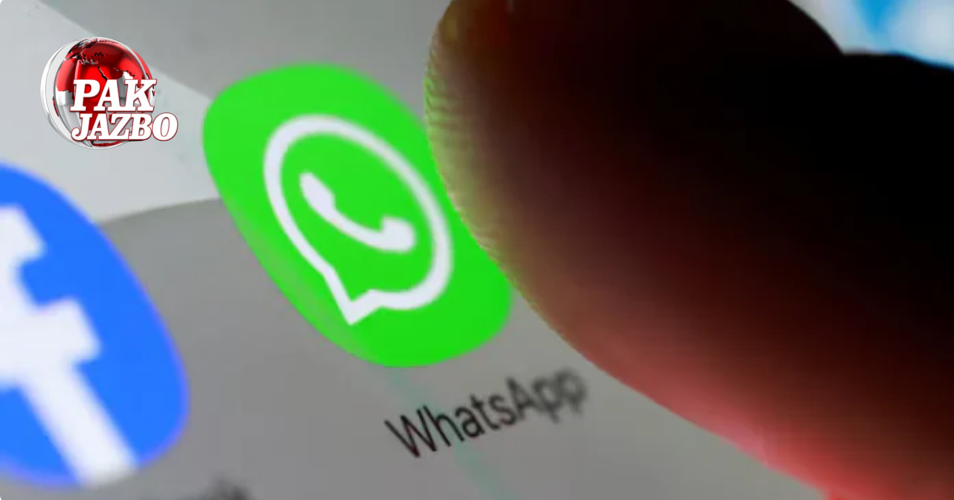
Globally, the arrival of the New Year is celebrated with enthusiasm. Families and friends exchange greetings, cities light up with fireworks, and social media platforms become flooded with congratulatory messages, images, videos, and links. Pakistan is no exception, where people will mark the occasion in different ways while actively using WhatsApp, Facebook, Instagram, and other platforms to send New Year wishes.
Unfortunately, festive occasions like New Year’s Eve are also prime opportunities for cybercriminals. Fraudsters take advantage of people’s excitement and lowered guard by sending fake New Year greeting messages, prize announcements, and gift offers. These messages often contain links that appear attractive or harmless but are designed to deceive users into clicking them.
In view of the rising threat, the National Cyber Crime Investigation Agency (NCCIA) has issued a special alert ahead of the New Year. The agency has warned that fake congratulatory links and fraudulent gift messages are currently circulating widely on social media and messaging applications. These links may claim to offer New Year rewards, surprise gifts, vouchers, or special promotions, but in reality, they are tools used by hackers to compromise users’ devices and personal information.
According to the NCCIA, users must remain alert and avoid clicking on any unknown or suspicious links, even if they seem to come from familiar contacts. The agency has also strongly advised the public not to share WhatsApp verification codes, passwords, or any personal information with anyone, as doing so can allow criminals to take over accounts.
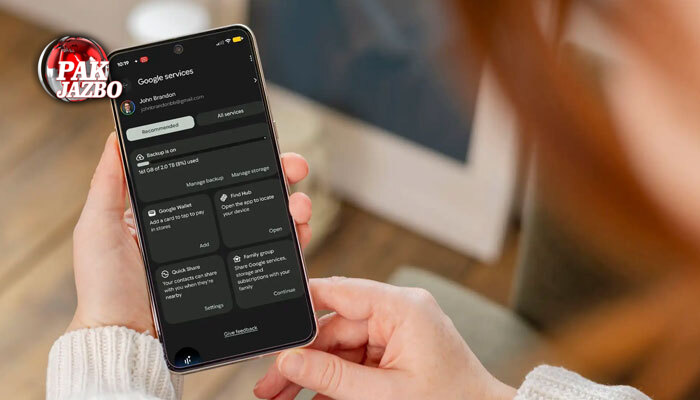
Cybersecurity experts explain that such malicious links can act as a gateway for hacking. Once clicked, they may install malware or viruses on electronic devices such as mobile phones, computers, and laptops. These harmful programs can silently collect sensitive data, including contact lists, messages, photos, passwords, and banking details, putting users’ privacy and financial security at serious risk.
In many cases, hackers use these links to gain control of social media or messaging accounts. Once an account is compromised, it may be used to send the same fraudulent messages to the victim’s contacts, spreading the scam further. This makes the threat particularly dangerous, as people are more likely to trust links received from friends or family members.
The NCCIA has pointed out that scammers often use emotional language or urgency to trick users. Messages may say things like “Click now to receive your New Year gift,” “Congratulations, you have won a prize,” or “This offer will expire soon.” Such tactics are meant to pressure users into acting quickly without thinking or verifying the authenticity of the message.
To stay safe, authorities have urged citizens to follow basic cybersecurity practices. These include verifying the source of any message before clicking on links, avoiding shortened or unfamiliar URLs, and not downloading unknown files or applications. Keeping devices updated with the latest software and security patches, as well as using reliable antivirus programs, can also help reduce the risk of cyberattacks.
Experts further recommend enabling two-factor authentication on social media and messaging apps. This additional security layer can prevent unauthorized access even if login details are stolen. Users are also encouraged to review their privacy settings regularly and limit the amount of personal information shared online.
The NCCIA has advised the public that if they receive suspicious New Year messages or links, they should immediately ignore and delete them. Reporting such messages to the relevant social media platform and to cybercrime authorities can help curb the spread of scams and protect others from falling victim.
As digital communication becomes an increasingly central part of daily life, cybercriminals are continuously refining their methods. Authorities emphasize that public awareness remains the strongest defense against online fraud. By staying cautious and informed, users can enjoy the festive season without compromising their digital safety.
As Pakistan welcomes the New Year 2026, officials remind citizens that celebration and caution must go hand in hand. A moment of carelessness online can lead to long-term consequences, including loss of data, privacy breaches, and financial damage. Therefore, as greetings pour in tonight, remember one simple rule: if a link seems suspicious, unfamiliar, or too good to be true—do not open it. Staying alert can ensure that the New Year begins on a safe, positive, and secure note.
What’s your Reaction?
+1
+1
+1
+1
+1
+1

