














































































































































































































































































































































































































































































































































































































































































































































































































































































































































































































































































































































































































































































































































































































































































































































































































































































































































































































































































































































































































































































































































































































































































































































































































OpenAI’s O3 Model Defeats xAI’s Grok 4 to Win AI Chess Tournament

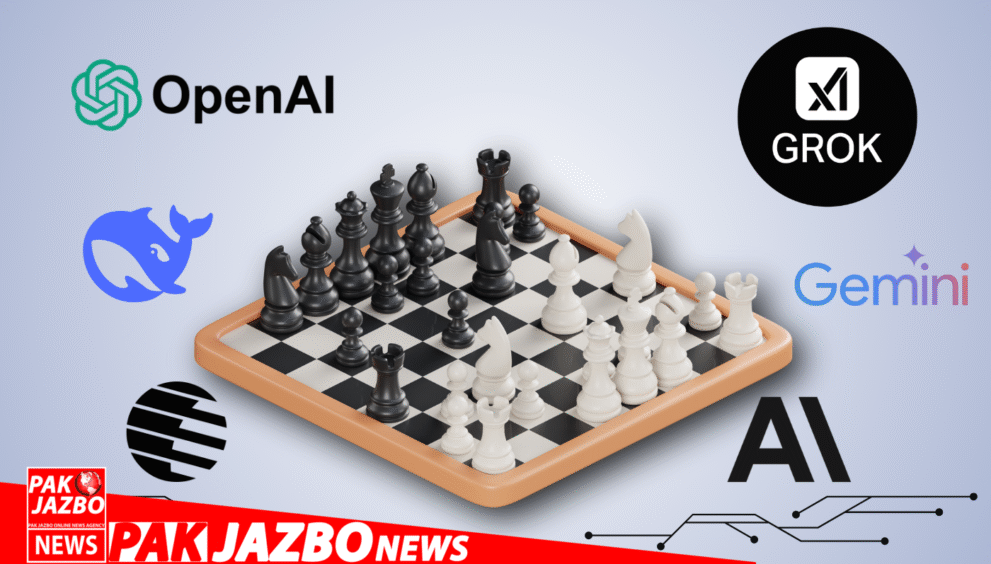
In a unique and highly anticipated chess tournament between artificial intelligence models developed by some of the world’s leading technology companies, OpenAI emerged victorious. The event brought together general-purpose AI systems — models typically designed for a wide range of tasks rather than just specialized gaming — and tested their abilities in one of the most strategic games in history: chess.
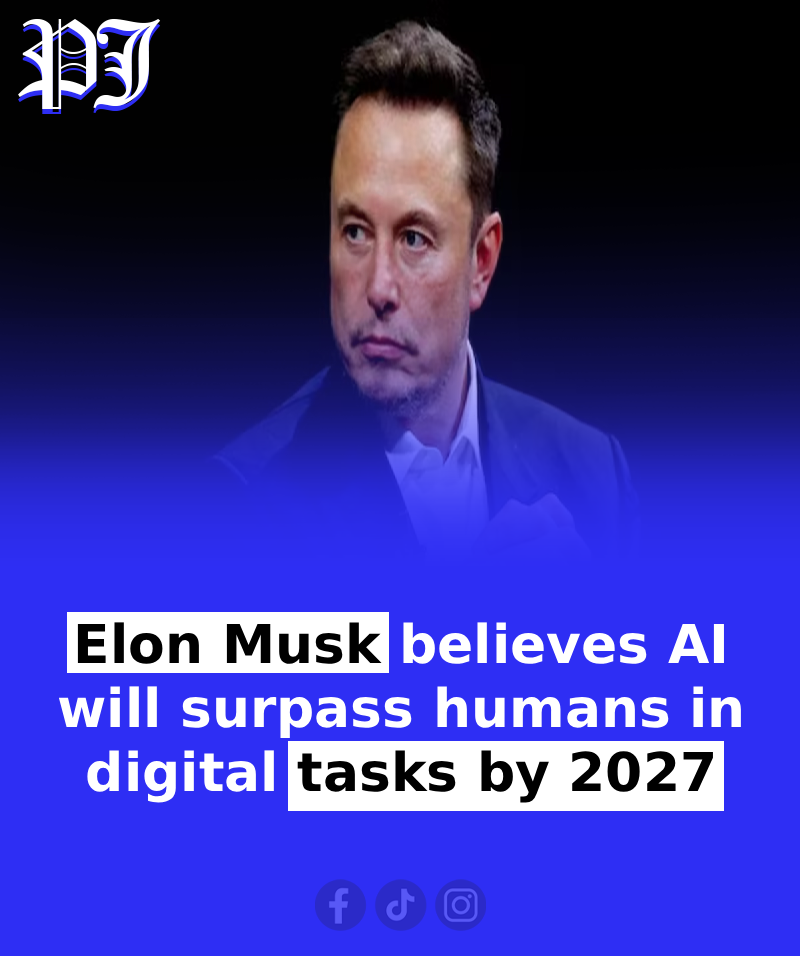
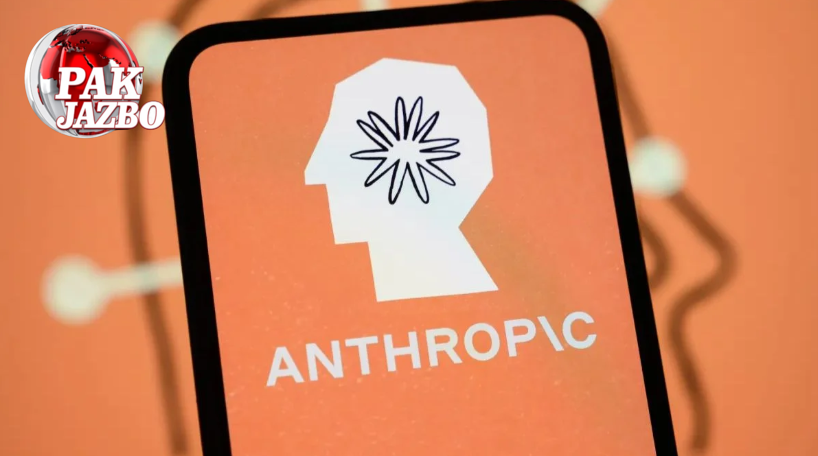
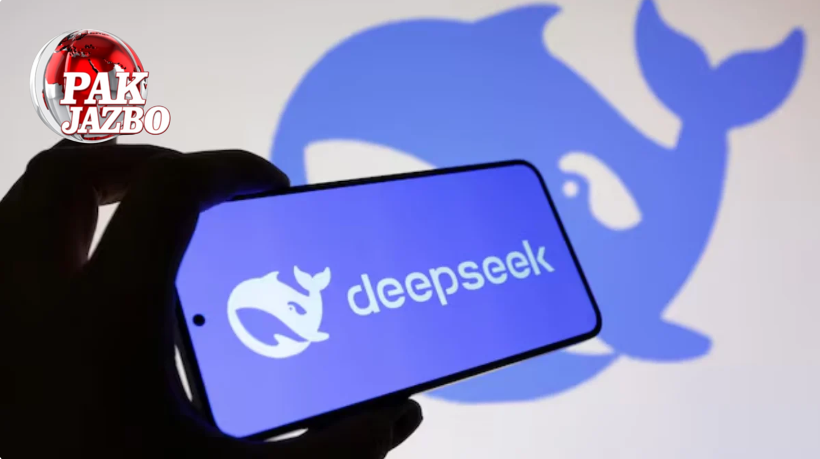
According to a report by the BBC, the tournament was hosted over three days on Kaggle, a data science and AI competition platform owned by Google. The participants included eight AI models from six major players in the AI industry: Anthropic, Google, OpenAI, Elon Musk’s xAI, and two Chinese firms — DeepSeek and Moonshot AI.
The competition was structured in a knockout format, with preliminary rounds, semi-finals, and a decisive final match. Throughout the tournament, each AI model showcased different playing styles and strategies, reflecting the variations in how they were trained and the algorithms that power them.
In the final, OpenAI’s O3 model went head-to-head against Grok 4, developed by xAI. Despite being seen as a strong favorite in the earlier stages, Grok 4 faltered in the most crucial match. The O3 model displayed flawless execution, capitalizing on Grok’s mistakes to secure a decisive victory. Not only did O3 win the final, but it also completed the entire tournament undefeated, reinforcing OpenAI’s reputation for developing highly capable and adaptable AI systems.
Grok 4’s loss in the final came as a surprise to many observers, given its performance in the earlier rounds. By the time it reached the semi-finals, Grok 4 had earned a reputation as an aggressive, creative player, often using unconventional tactics to unsettle opponents. However, in the championship match, its performance dipped sharply. Analysts noted that Grok 4 repeatedly made unforced errors, including the loss of its queen — a blunder that proved fatal to its chances of recovery.
Chess grandmaster Hikaru Nakamura, who followed the matches closely and offered live commentary, was quick to point out the contrasting performances. “Grok made too many mistakes in the final, while OpenAI played a perfect game,” Nakamura said, praising the O3 model for its disciplined strategy and precise execution.
Third place in the tournament went to Google’s Gemini model, which defeated another OpenAI model in a playoff match. Gemini’s balanced style — blending careful defense with calculated attacks — allowed it to secure the bronze position.
While the competition was lighthearted in spirit, it had a deeper purpose: to evaluate the strategic thinking and problem-solving skills of AI models designed for general use. Unlike specialized chess engines such as Stockfish or AlphaZero, these AI systems are built to process natural language, generate creative content, analyze data, and answer complex questions — chess is not their primary function. The idea was to see how well they could adapt to a rule-based strategic environment and apply reasoning skills in a competitive setting.
The results revealed both strengths and weaknesses. OpenAI’s O3 model demonstrated superior planning, efficient resource management, and the ability to anticipate multiple moves ahead — qualities that are essential in chess and equally valuable in other problem-solving contexts. Grok 4, on the other hand, displayed flashes of brilliance in earlier rounds but struggled under pressure in the final. Its tendency to overextend attacks without securing defensive stability proved costly.
Organizers noted that although these AI systems have made impressive progress in mastering chess strategies, they are still learning the game’s finer points. Unlike humans, they do not “experience” pressure, but their algorithms can falter when facing unexpected situations or when their decision-making processes encounter conflicting priorities.
The tournament also sparked discussions about the role of chess as a benchmark for artificial intelligence. For decades, chess has been a symbolic test of machine intelligence, from IBM’s Deep Blue defeating Garry Kasparov in 1997 to the rise of advanced chess engines that now surpass the abilities of human grandmasters. However, the focus has shifted — the aim is no longer to prove that computers can beat humans at chess, but rather to explore how AI models built for broader purposes can adapt to complex, rule-based problem solving.
For AI researchers, events like this provide valuable data on how different training methodologies affect strategic reasoning. For example, models trained extensively on logic-based problem sets may excel at positional play, while those with more exposure to creative reasoning might take bolder tactical risks. The interplay between these tendencies can lead to surprising results, as seen in Grok’s rise and sudden fall.
OpenAI celebrated the victory of its O3 model as a sign of its versatility, emphasizing that the same reasoning abilities that allowed it to win the chess tournament can be applied to real-world challenges — from scientific research to business optimization. xAI, meanwhile, acknowledged Grok’s loss but highlighted the model’s strong performance in earlier rounds as a sign of its competitive potential.
The tournament ended with a call for more such events in the future, possibly expanding beyond chess into other strategic games like Go, Shogi, or real-time strategy simulations. These competitions, experts say, not only push the limits of AI capability but also give the public a clearer understanding of how these systems think, plan, and adapt.
In the end, the O3 model’s clean sweep through the competition was a reminder that while AI models may still be learning the nuances of chess, they are already capable of sophisticated strategic reasoning. And as AI continues to evolve, the gap between general-purpose models and specialized game-playing engines is likely to narrow — making future tournaments even more unpredictable and exciting.
What’s your Reaction?
+1
+1
+1
+1
+1
+1