

































































































































































































































































































































































































































































































































































































Aafia Siddiqui Case: Islamabad High Court Bench Dissolves Again, Larger Bench to Decide


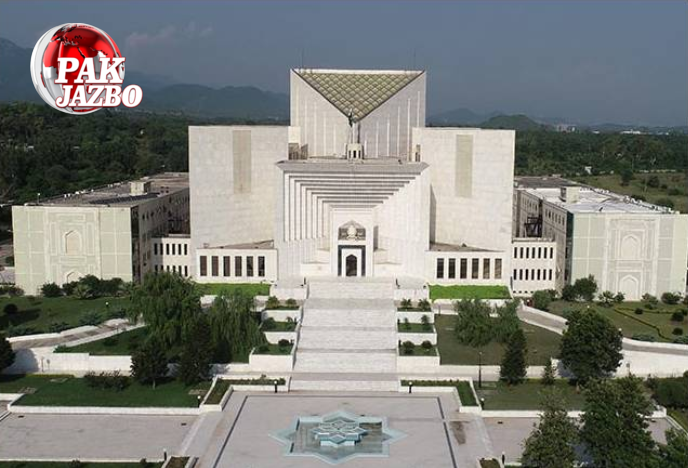
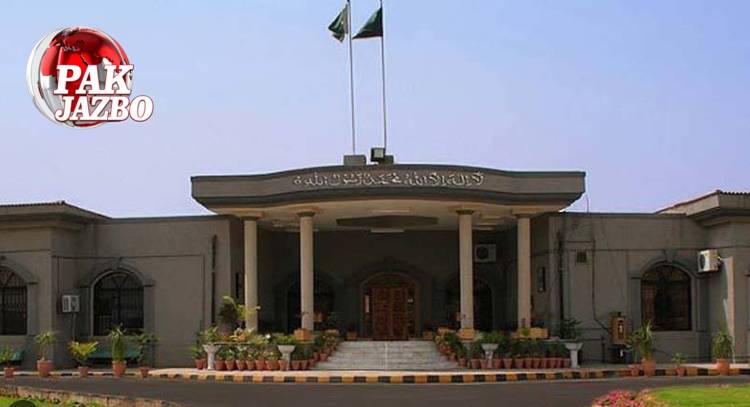
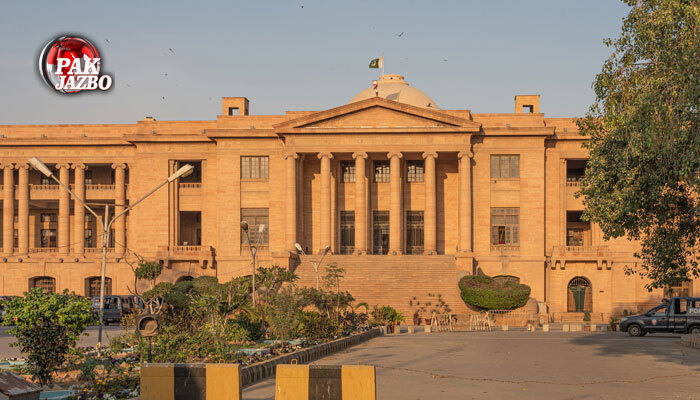
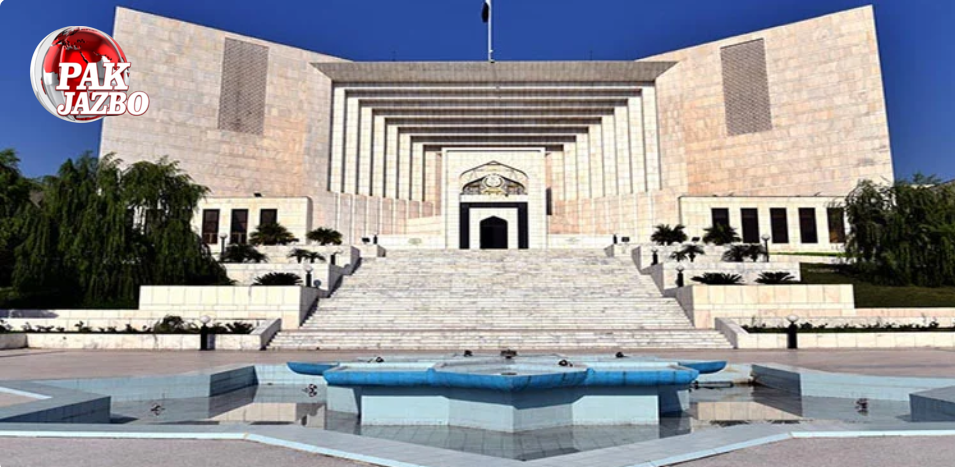
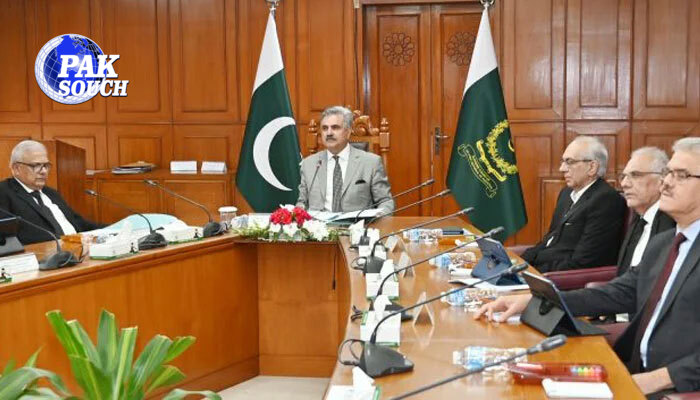
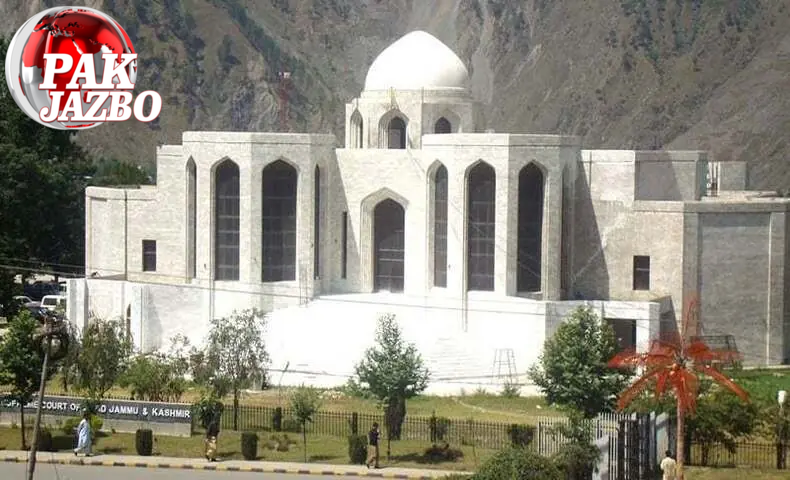
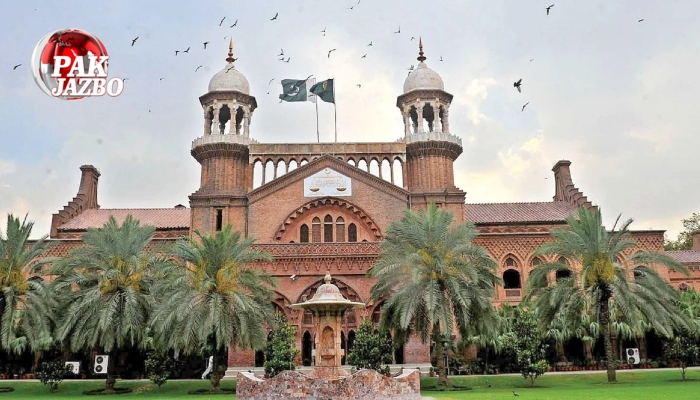
Islamabad: The Islamabad High Court’s newly constituted bench for hearing the case of Dr. Aafia Siddiqui has once again dissolved, deepening the legal complexities surrounding the high-profile matter.
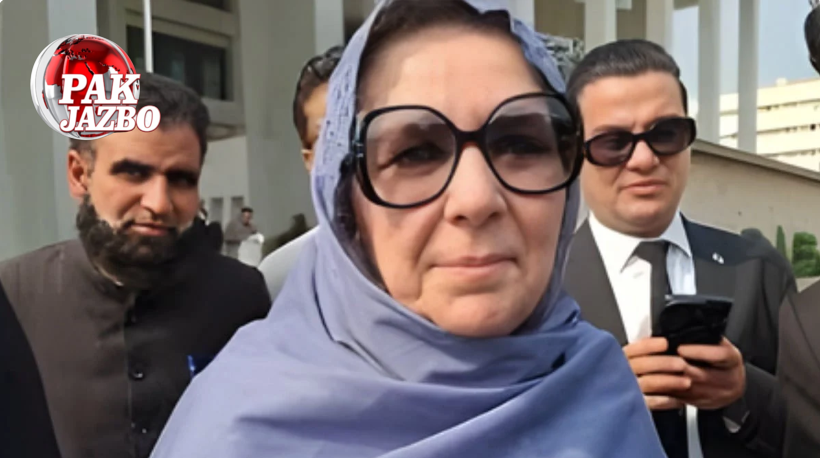
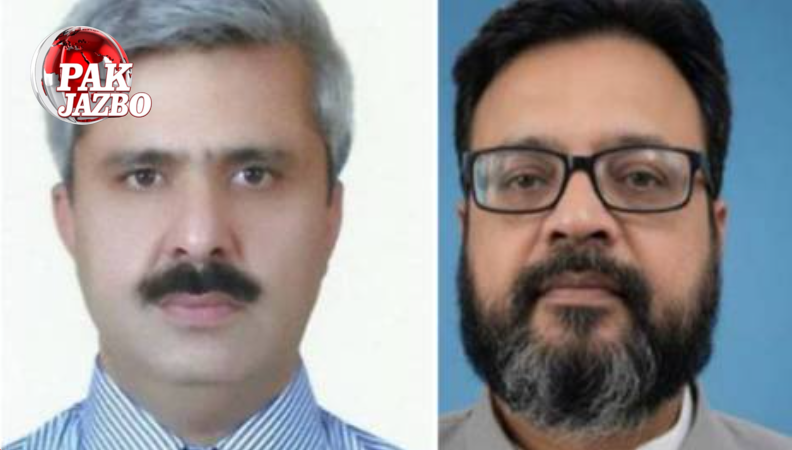
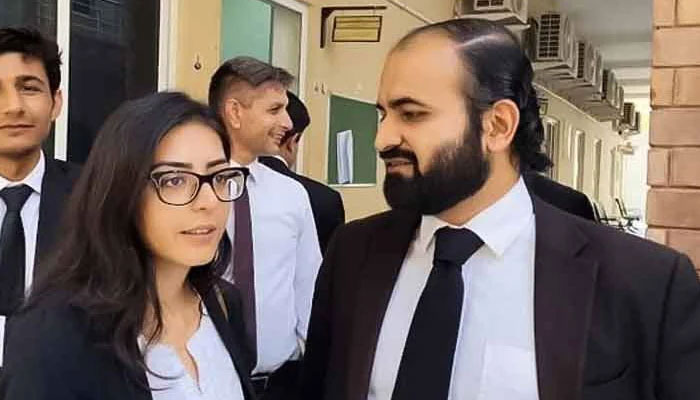
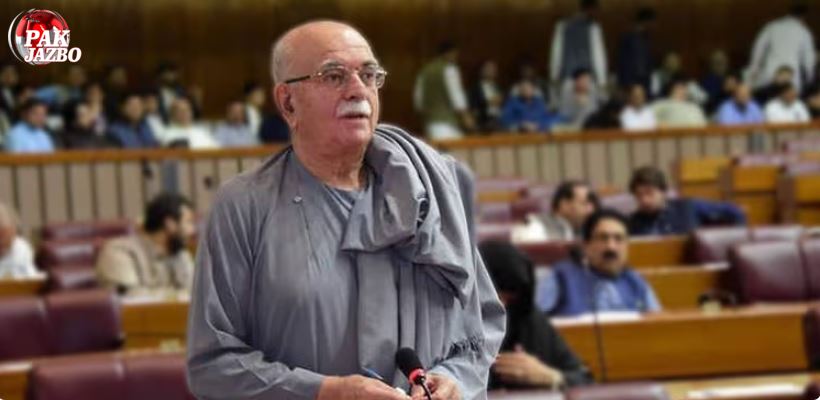
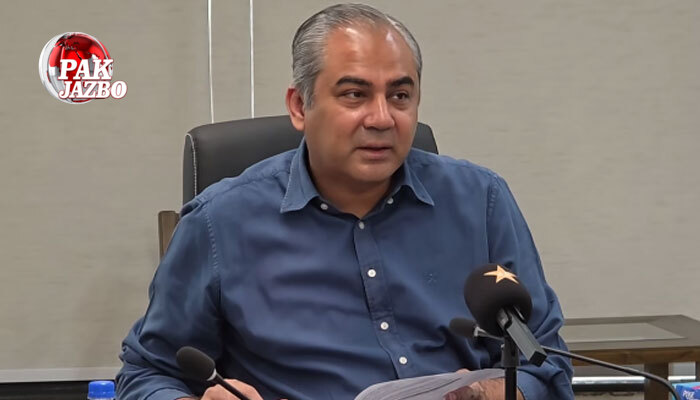
Justice Inam Ameen Minhas of the Islamabad High Court was hearing the petition filed by Dr. Fauzia Siddiqui, the sister of Dr. Aafia Siddiqui, regarding her health and possible repatriation to Pakistan. During the hearing, Dr. Fauzia’s counsel, Advocate Imran Shafiq, appeared before the court to present arguments.
Justice Minhas observed that the matter required consideration by a larger bench, not a single judge, and announced that he was referring the case file to the Chief Justice of the Islamabad High Court for the constitution of a larger bench.
This development comes after Justice Sardar Ejaz Ishaq had earlier issued contempt of court notices to the Prime Minister and the Federal Cabinet for failing to comply with prior judicial orders in the case. Following that, the case was transferred from Justice Ejaz Ishaq’s court to that of Justice Inam Ameen Minhas. However, with the dissolution of this latest bench, the case has once again reached an impasse.
Justice Minhas, in his remarks, explained that there were conflicting legal opinions regarding the authority of the Chief Justice as the “Master of the Roster.” He noted that one school of thought affirmed that the Chief Justice is indeed the Master of the Roster, while another view rejected this notion. Due to these divergent interpretations, he concluded that the issue must be settled by a larger bench.
During the proceedings, Advocate Imran Shafiq argued that the matter had become increasingly complicated. In response, Justice Minhas remarked that the matter was not as complicated as suggested, emphasizing that his own decision on roster authority was already recorded. When the lawyer questioned whether the Chief Justice was truly the Master of the Roster, Justice Minhas reiterated his position, aligning it with similar views expressed by Justice Muneeb in prior rulings. “My judgment is that the Chief Justice is the Master of the Roster. However, due to differing opinions, I am referring this matter to a larger bench,” he clarified.
Subsequently, the decision was made to form a larger bench to determine once and for all whether the Chief Justice holds the authority of Master of the Roster.
Broader Context of the Case
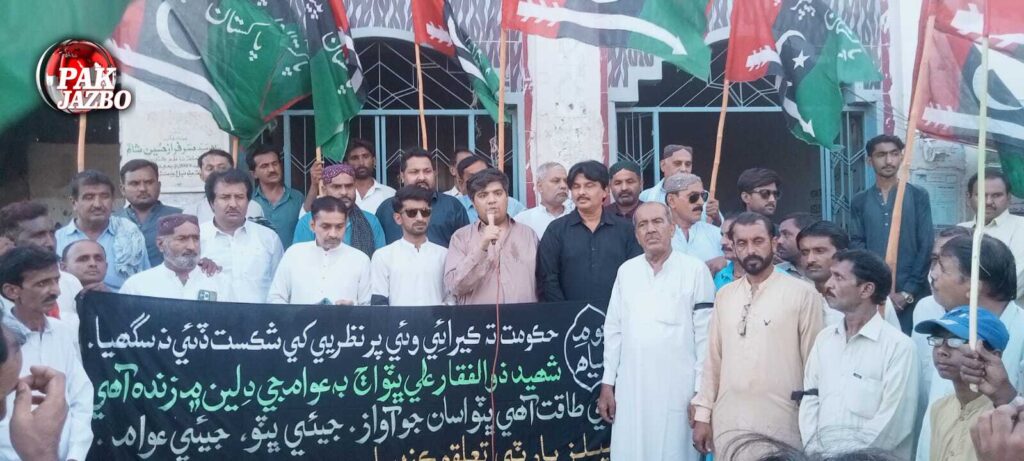
The case of Dr. Aafia Siddiqui has remained one of the most sensitive and emotionally charged issues in Pakistan’s judicial and political landscape. Convicted in the United States in 2010 on charges of attempted murder of U.S. personnel in Afghanistan, Dr. Siddiqui has been serving her sentence in a Texas prison. For over a decade, her family, human rights activists, and large segments of the Pakistani public have demanded her release and repatriation, often calling her the “daughter of the nation.”
Dr. Fauzia Siddiqui, her sister, has been at the forefront of legal efforts in Pakistan, repeatedly filing petitions seeking government action for her return. These legal battles have often brought into question the role and responsibility of successive governments in negotiating with the U.S. for her release, as well as the capacity of the judiciary to exert pressure on the executive branch.
Judicial Complications
The repeated dissolution of benches in the Islamabad High Court reflects not only the sensitivity of the Aafia Siddiqui case but also underlying judicial challenges. The question of who holds the authority as “Master of the Roster” is central to the current impasse.
In judicial practice, the Master of the Roster refers to the authority empowered to assign cases to different benches. Traditionally, this power lies with the Chief Justice. However, in Pakistan’s judicial system, debates have occasionally arisen about the scope of this authority, especially when high-profile cases are involved.
By referring the case to a larger bench, Justice Minhas effectively placed the responsibility on a broader judicial panel to interpret and settle this dispute. The larger bench will now have to decide whether the Chief Justice exclusively holds the power to constitute benches and assign cases, or if this authority is subject to other interpretations.
Political and Legal Implications
The case also carries heavy political implications. Previous orders from Justice Ejaz Ishaq to issue contempt notices against the Prime Minister and Cabinet highlighted the judiciary’s growing frustration with the executive’s perceived inaction. The government has often claimed that it is pursuing diplomatic channels with the United States, but progress has been limited.
If the larger bench affirms the Chief Justice’s sole authority as Master of the Roster, it could further consolidate the Chief Justice’s administrative powers within the court. Conversely, if the ruling suggests otherwise, it could redefine internal judicial processes in Pakistan.
For Dr. Fauzia Siddiqui and her supporters, however, the primary concern remains the health and eventual return of Aafia Siddiqui. Each legal delay, bench dissolution, or jurisdictional debate only adds to their frustration.
Conclusion
The Islamabad High Court’s latest decision to dissolve the bench in the Aafia Siddiqui case and refer the matter to a larger bench underscores the complexities that continue to surround one of Pakistan’s most high-profile cases. While legal debates on judicial authority play out in courtrooms, the human aspect—Dr. Aafia Siddiqui’s prolonged imprisonment and her family’s pursuit of justice—remains at the center of national attention.
As the larger bench prepares to take up the matter, the case once again highlights the intersection of law, politics, and humanitarian concern. Whether this judicial process will bring clarity or further prolong the deadlock remains to be seen.
What’s your Reaction?
+1
+1
+1
+1
+1
+1

