








































































































































































































































































































































































































































































































































































































































































































































































































































































































































































































































































































































































































































































































































































































































































































































































































































































































































































































































































































































































































































































































































































































































































































































































































































































































Pakistani Missile Success Forces U.S. to Accelerate Its Air Combat Weapons Program


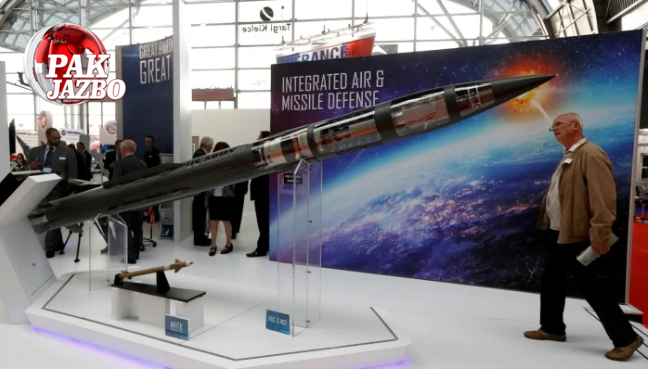
A recent analysis by the American financial and defense magazine Bloomberg has revealed that Pakistan’s successful deployment of advanced Chinese-manufactured air-to-air missiles against Indian fighter jets has compelled the United States military to accelerate its own missile development programs in order to preserve aerial supremacy.
Pakistan’s Demonstrated Capability
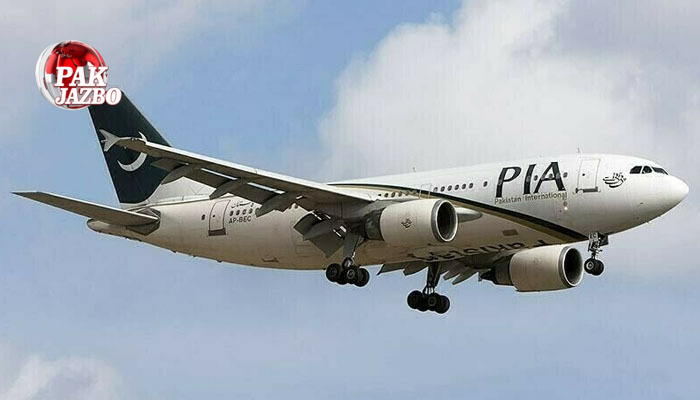
According to the report, the Pakistan Air Force (PAF) effectively used the Chinese-made PL-15 long-range air-to-air missile to engage and destroy Indian fighter aircraft at a distance exceeding 100 miles (160 kilometers). What made this event strategically significant was that Pakistani pilots were able to strike without entering into the adversary’s weapons engagement zone, thereby avoiding the risk of retaliatory fire.
Defense experts note that the success of the PL-15 demonstrated not only the growing sophistication of Chinese missile technology but also Pakistan’s capability to integrate these systems into its air fleet. This development challenged India’s assumption of aerial superiority and, more broadly, highlighted the shifting dynamics of air warfare in South Asia.
Global Strategic Implications
The incident underscored the increasing importance of beyond-visual-range (BVR) missile technology in modern aerial combat. For decades, the United States has relied on the AIM-120 AMRAAM (Advanced Medium-Range Air-to-Air Missile) as the cornerstone of its air-to-air arsenal. However, the PL-15, with a significantly extended range and advanced guidance systems, has outpaced the AMRAAM in both reach and sophistication.
Bloomberg’s analysis suggests that the event sent alarm bells ringing within U.S. defense circles, pushing the Pentagon to fast-track new projects aimed at producing next-generation long-range missiles to counter potential adversaries, particularly China and Russia.
Pentagon’s Response
The Pentagon’s 2024 annual defense report, cited in the article, confirmed that China’s People’s Liberation Army Air Force (PLAAF) officially operationalized the PL-17 missile in 2023. The PL-17 is considered the advanced successor of the PL-15 and is believed to be capable of striking targets at ranges up to 400 kilometers (248 miles).
Such capability dramatically alters the air combat balance by allowing Chinese or allied aircraft to launch attacks on enemy planes, including high-value assets such as AWACS (Airborne Warning and Control Systems) or aerial refueling tankers, from extreme distances.
This has forced the U.S. military to reevaluate its current air-to-air weapons inventory. Programs to develop the AIM-260 Joint Advanced Tactical Missile (JATM), which promises longer range and enhanced electronic counter-countermeasures, have now been accelerated. Analysts indicate that JATM development timelines were compressed directly in response to the operational success of the PL-15 and PL-17.
Shifting South Asian Balance
For South Asia, Pakistan’s successful demonstration of PL-15 usage holds immense strategic significance. By employing a missile that could hit targets over 100 miles away, the PAF managed to neutralize India’s technological advantage, at least temporarily. Defense specialists believe this has altered India’s defense planning, compelling New Delhi to urgently seek countermeasures, either through indigenous development or by acquiring Western systems.
India has already expressed interest in advanced European missiles such as the Meteor, developed by MBDA, which has a comparable long-range engagement envelope. However, integrating such systems into existing Indian aircraft platforms remains a challenge.
Broader Military and Political Ramifications
From Washington’s perspective, the development goes beyond South Asia. The use of the PL-15 in an actual combat scenario provided real-world proof of China’s growing defense export strength and the ability of its weapons to challenge Western dominance in aerial warfare.
By extension, the fact that Pakistan – a close Chinese ally – successfully deployed the missile against India, a U.S. strategic partner, underscores the layered complexity of global alliances. It reflects how regional conflicts can directly shape superpower military planning.
Experts Weigh In
Military analyst Richard Aboulafia told Bloomberg that the episode was a “wake-up call” for the U.S. Air Force, showing that adversaries armed with advanced Chinese weaponry could nullify America’s long-standing advantages. “The days when U.S. fighters could confidently enter combat zones with a decisive range advantage are over,” he said.
Meanwhile, South Asian defense observers argue that Pakistan’s operational success was not just about technology, but also about doctrine, training, and integration. The PAF’s ability to exploit the PL-15 in real combat conditions demonstrated adaptability that few regional air forces possess.
Looking Ahead
For now, the PL-15 and PL-17 are seen as game-changing additions to the global missile race. The United States is under mounting pressure to field the AIM-260 quickly and to ensure its air superiority fighters, such as the F-35 and F-22, remain unmatched.
As the missile technology competition accelerates, smaller regional powers like Pakistan may continue to leverage Chinese advancements to offset adversaries’ numerical and technological advantages, further complicating the security dynamics of South Asia.
What’s your Reaction?
+1
+1
+1
+1
+1
+1