













































































































































































































































































































































































































































































































































































































































































































































































































































































































































































































































































































































































































































































































































































































































































































































































































































































































































































After Ravaging Khyber Pakhtunkhwa’s Forests, Timber and Land Mafia Now Targeting Makhnial Forest Near Islamabad


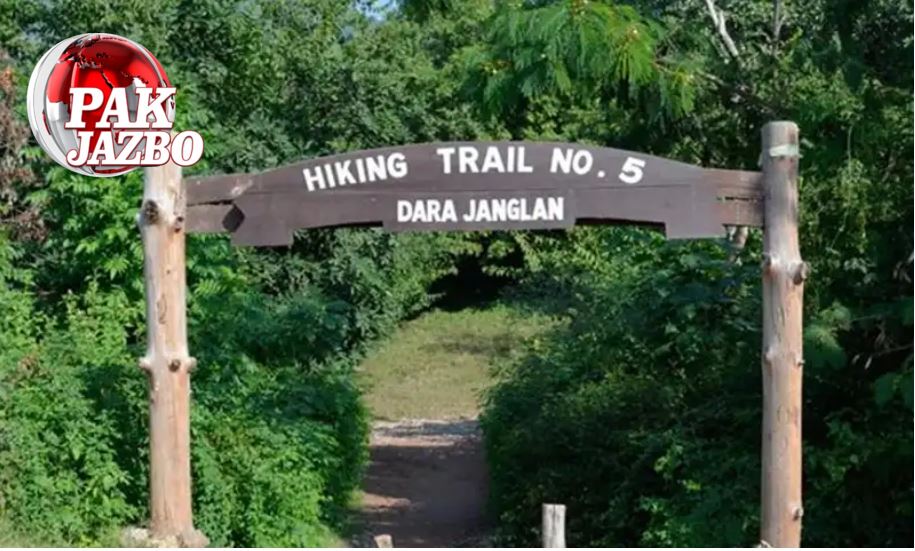
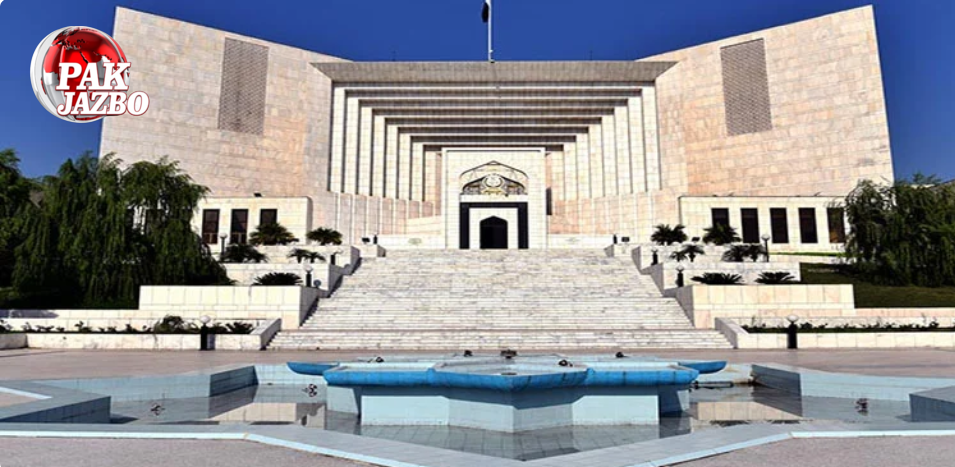
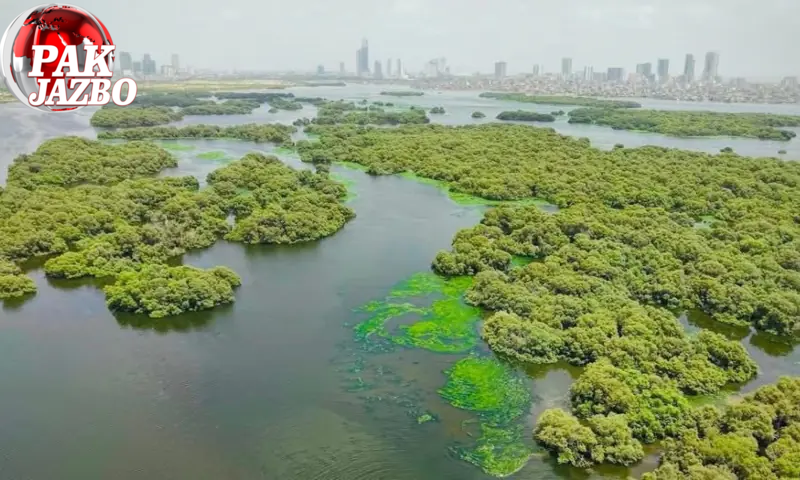
Peshawar – The unchecked greed of the timber and land mafia in Khyber Pakhtunkhwa has now shifted towards Makhnial Forest, a lush green region located in Haripur district and forming part of the sensitive Margalla Hills ecosystem near Islamabad. Despite repeated warnings from environmentalists and even restrictions imposed by the Supreme Court on commercial exploitation of adjoining areas, the mafia is once again encroaching, this time threatening one of the most ecologically valuable belts of northern Pakistan.
A New Battleground for Profit
According to reports, influential groups are now eyeing Makhnial Forest for large-scale commercial activities, including the reckless cutting of trees, mining operations, and overgrazing for trade purposes. Environmental experts warn that if these activities continue unchecked, the entire green belt that supports biodiversity, regulates climate, and sustains the water system of the region could be irreparably damaged.
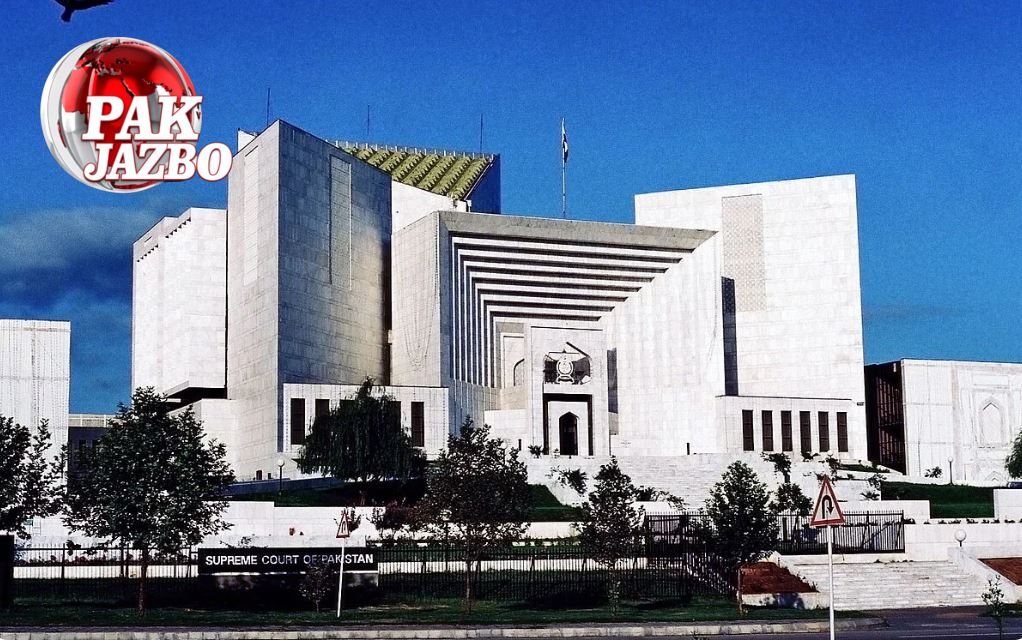
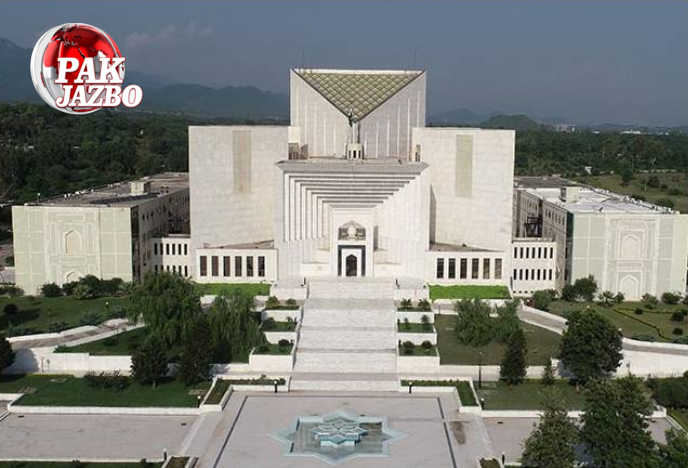
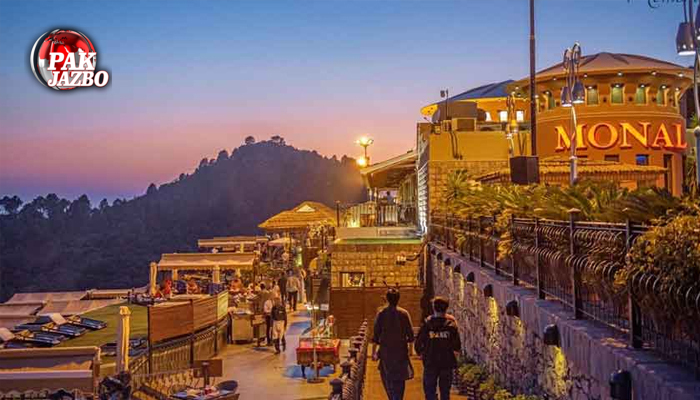
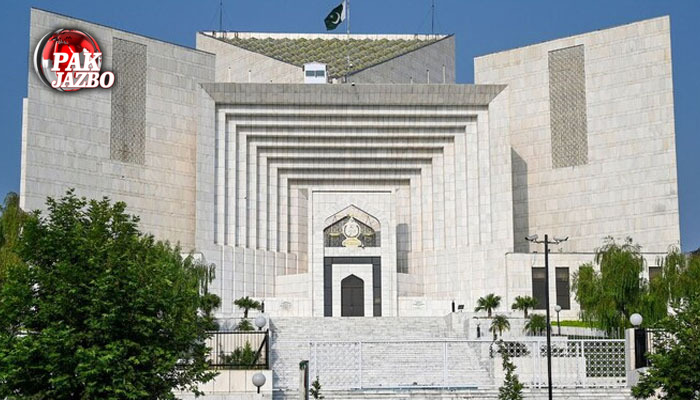
The Supreme Court had earlier placed a ban on commercial construction in the Margalla Hills National Park, which is directly connected to Makhnial. However, this has not deterred the land mafia, who are now aggressively pursuing plans for hotels, housing societies, and commercial plazas in Makhnial.
Concerns Raised by Former Bureaucrats and Experts
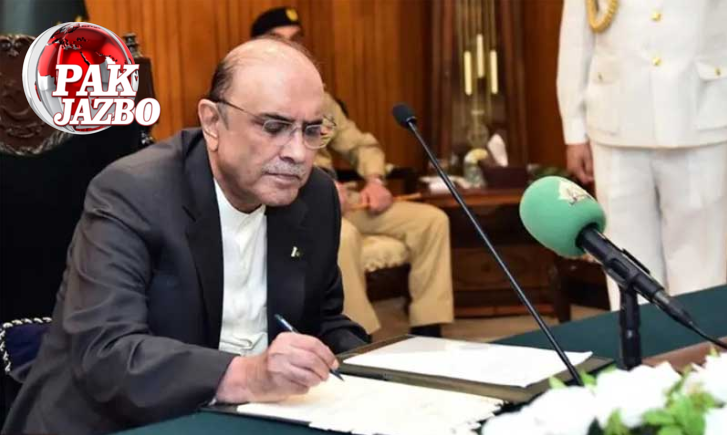
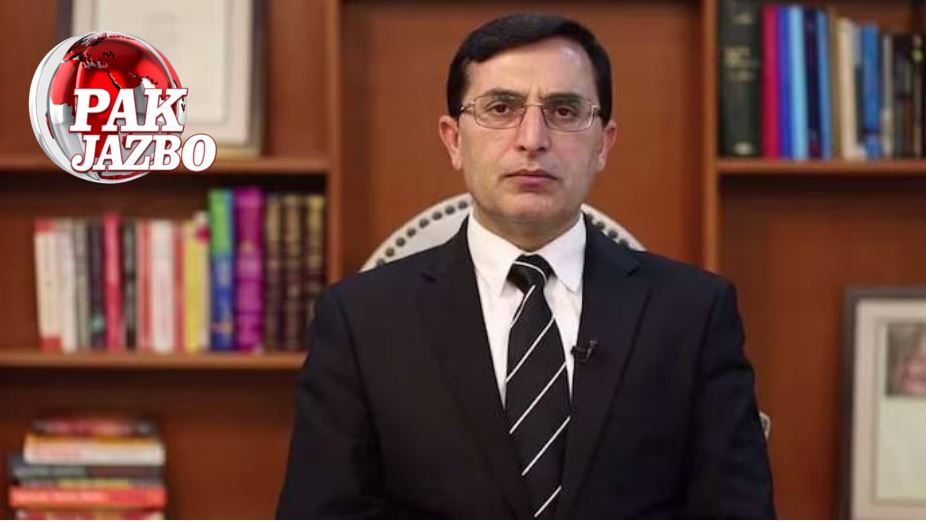
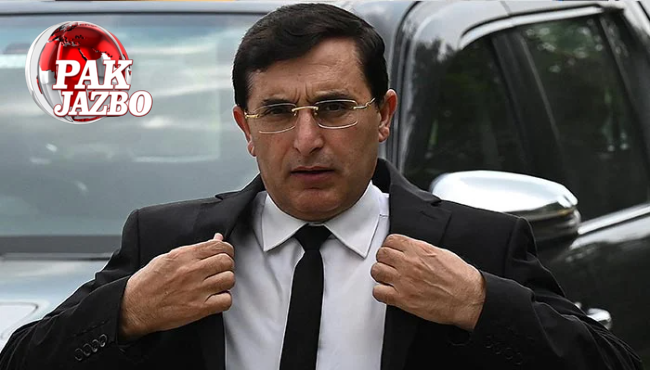
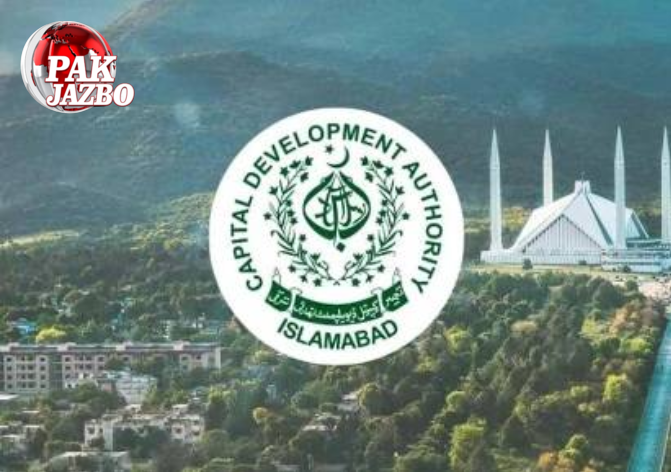
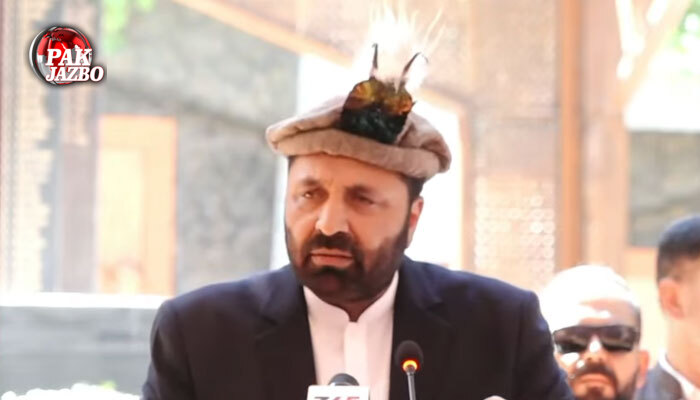
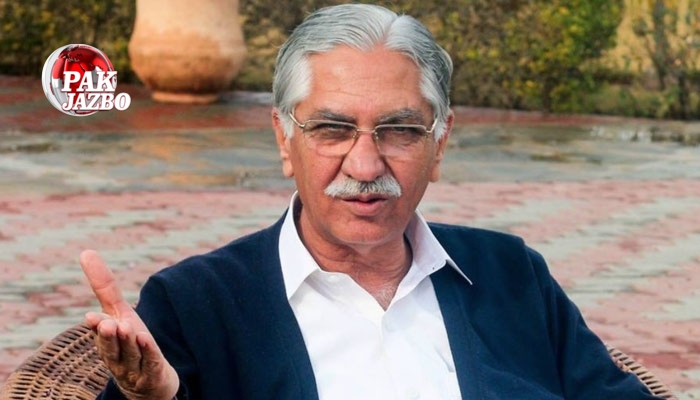
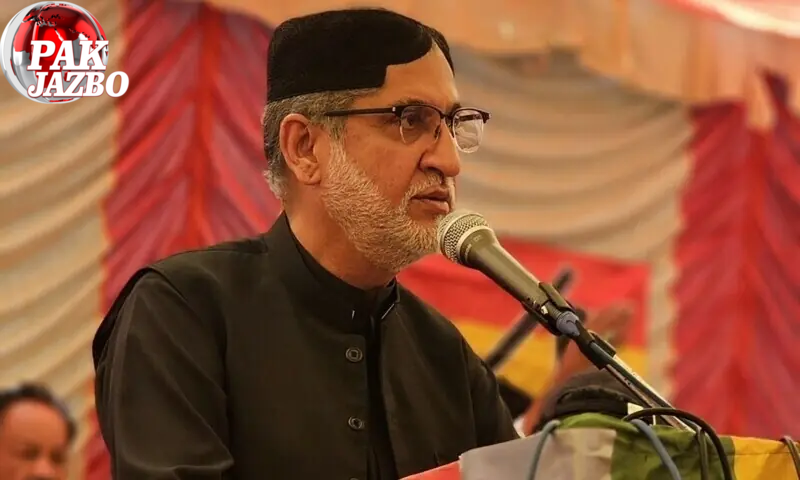
Former bureaucrat Shakeel Durrani, who served as a board member of the GDA (Galiyat Development Authority), revealed that he had strongly opposed such commercial ventures. He emphasized that introducing hotels, housing colonies, and amusement parks in Makhnial would devastate the delicate ecological system shared by Haripur and Islamabad.
In line with these concerns, the Khyber Pakhtunkhwa Forest and Wildlife Department has formally recommended to the provincial government that thousands of acres of forested and grass-covered land in Haripur’s Khanpur and Makhnial subdivisions be declared “Protected Guzara Forests.” This would provide legal cover against deforestation and commercial encroachment.
Comprehensive Survey and Findings
The recommendations are based on a comprehensive survey carried out by central and sub-committees of the Forest Department. The survey identified 7,060 khasras (land plots) across 78 villages (66 in Haripur and 12 in Abbottabad) that contain forest cover.
According to the report, the plan includes protecting:
- 1,602 acres of barren but ecologically significant land that currently lies outside the existing working plans.
- 336 acres of land already included in guzara forests, but now re-mapped and confirmed through GIS mapping and ground verification.
The major sites highlighted in this survey include Khanpur Subdivision, Makhnial Subdivision, and the slopes of the Margalla Hills. These areas are considered crucial for maintaining the environmental balance of the twin cities of Islamabad and Rawalpindi.
Encroachment and Attempts to Shift Jurisdiction
Shakeel Durrani further explained that when he opposed hotel and housing projects as a GDA board member, efforts were made to shift the administrative control of Makhnial Forest to the Khanpur Tehsil Municipal Committee, a move seen by many as an attempt to weaken protections and enable commercial exploitation.
He stressed that while Islamabad has, for the most part, succeeded in curbing commercial encroachments in its jurisdiction—including shutting down illegal hotels and restaurants—the situation is starkly different on the Khyber Pakhtunkhwa side. Here, construction of farmhouses and other private developments continues unchecked.
The Mafia’s Expanding Reach
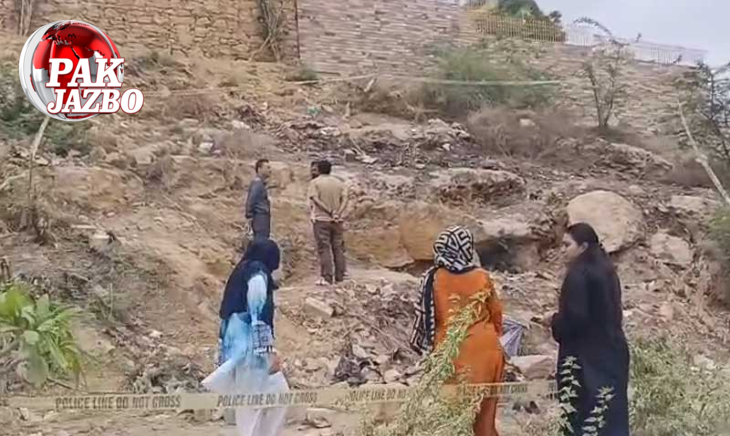
Observers say that the land mafia, often backed by influential figures, has already devastated large swathes of forest land in other parts of Khyber Pakhtunkhwa. The Makhnial region, with its proximity to Islamabad and its scenic value, has now become their latest target. The construction of housing schemes and commercial plazas threatens to replace forests with concrete, directly impacting wildlife, soil stability, and the water table.
Deforestation in Makhnial could also worsen urban challenges in Islamabad, including rising temperatures, air pollution, and flash flooding. Environmentalists warn that the destruction of this green belt will have long-term consequences for millions of people.
Urgent Need for Conservation Measures
The proposal to designate Makhnial and Khanpur as protected guzara forests is seen as an urgent step to counter the mafia’s encroachment. Legal protection would not only curb tree-cutting but also prevent the conversion of forest land into housing societies and resorts.
Environmental groups are calling on the provincial government to act swiftly, arguing that time is running out. “We have already lost too much forest cover in Khyber Pakhtunkhwa. If Makhnial goes the same way, it will be an environmental catastrophe,” one conservationist said.
Community and Policy Dimensions
The survey also highlighted that thousands of villagers depend on these forests for grazing and small-scale wood collection. Declaring the area as protected does not mean restricting communities altogether but regulating usage in a sustainable manner. Experts believe that involving local communities in conservation plans will be essential to make protections effective.
Meanwhile, the broader issue reflects Pakistan’s continuing struggle to balance development and environmental sustainability. While the demand for housing and commercial infrastructure grows, short-term profit-driven ventures continue to undermine ecological systems that are vital for long-term survival.
Conclusion
The looming threat to Makhnial Forest demonstrates how fragile Pakistan’s environmental frontlines have become in the face of unchecked land and timber mafias. Despite Supreme Court rulings and growing scientific warnings, powerful lobbies continue to push for commercial projects in sensitive ecological zones.
Unless urgent conservation steps are taken—such as legally declaring the Makhnial and Khanpur subdivisions as protected forests—the Margalla Hills ecosystem may face irreversible damage. The story of Makhnial is not just about trees; it is about the survival of an entire ecological system that supports millions of people in Islamabad, Haripur, and beyond.
What’s your Reaction?
+1
+1
+1
+1
+1
+1