































































































































































































































































































































































































































































































































































































































































































































































































































































































































































































































































































































































































































































































































































































































































































































































































































































































































































































































































































































































































































































































































Chairman Joint Chiefs of Staff Committee Post to Be Abolished on November 27, Says Law Minister Azam Nazeer Tarar


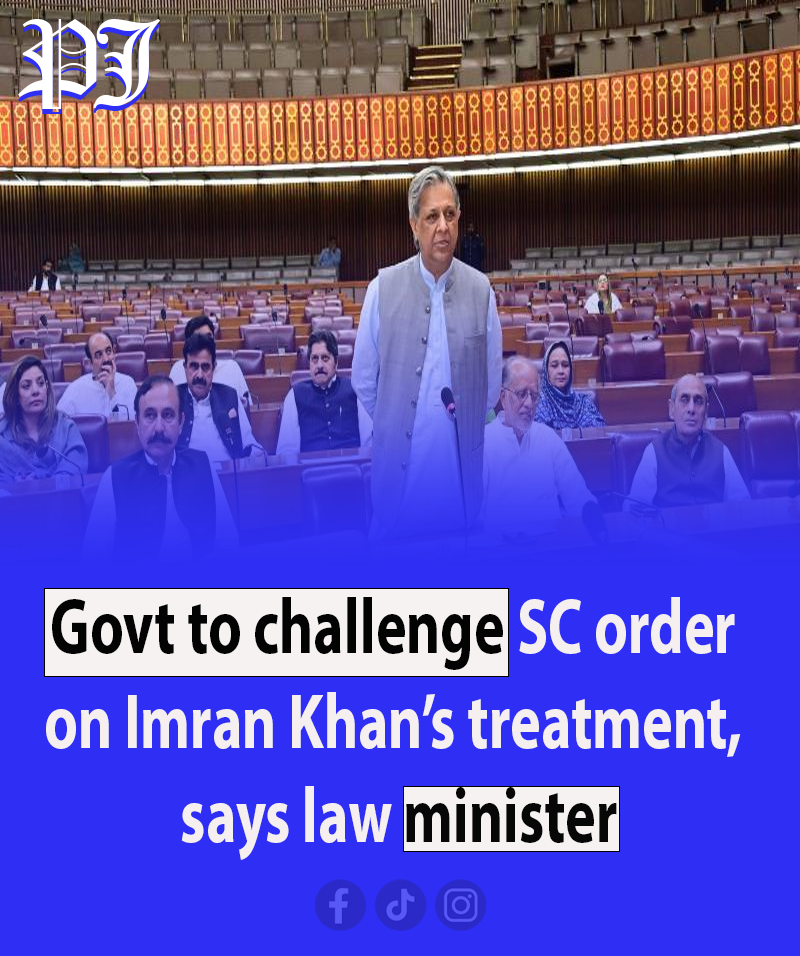
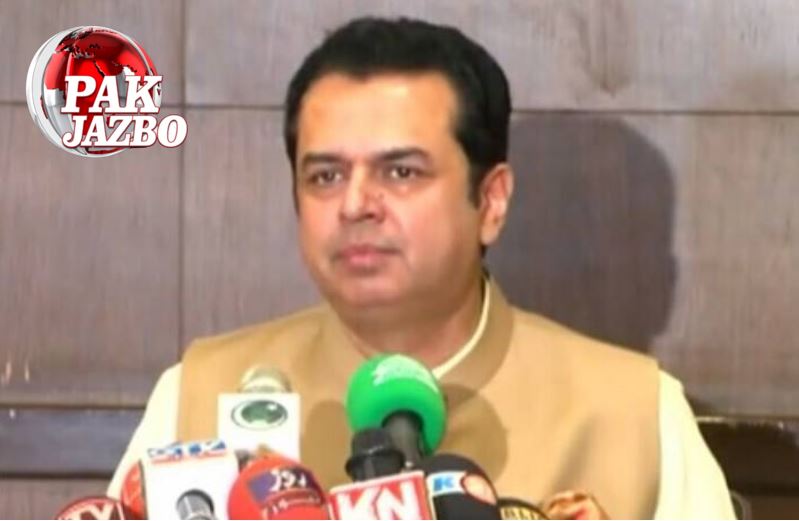
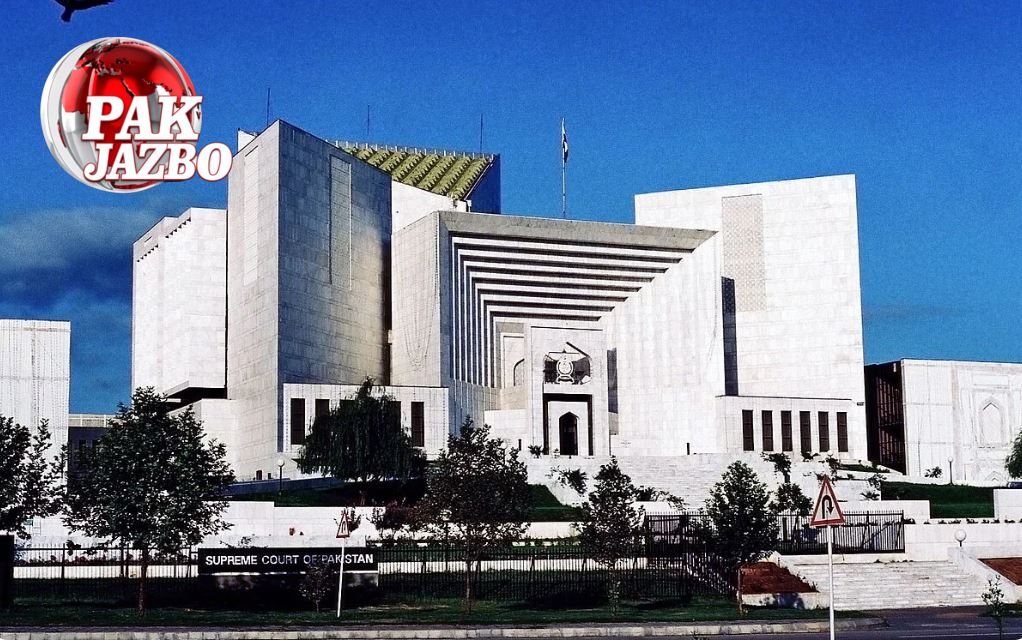
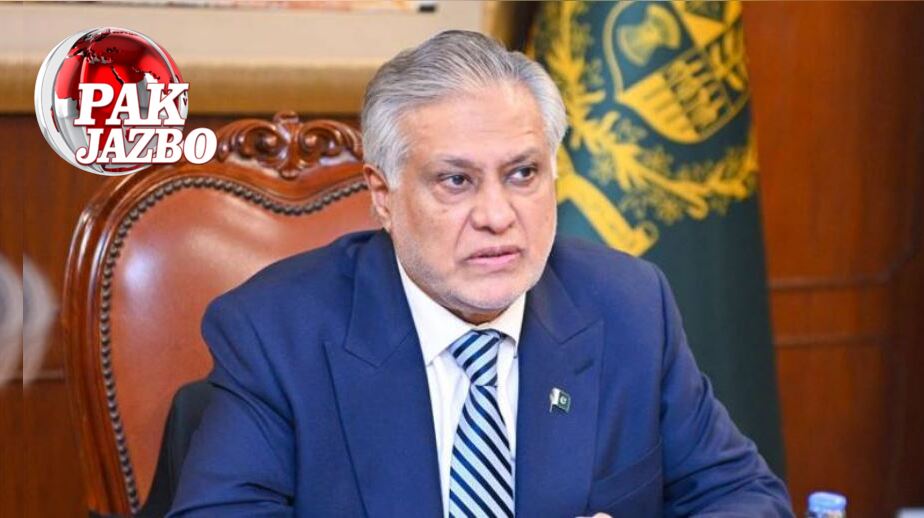
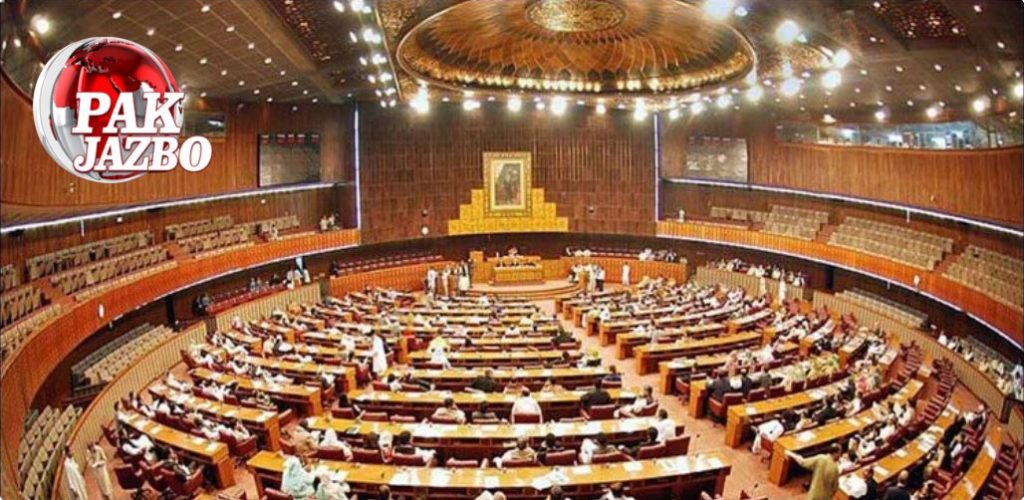
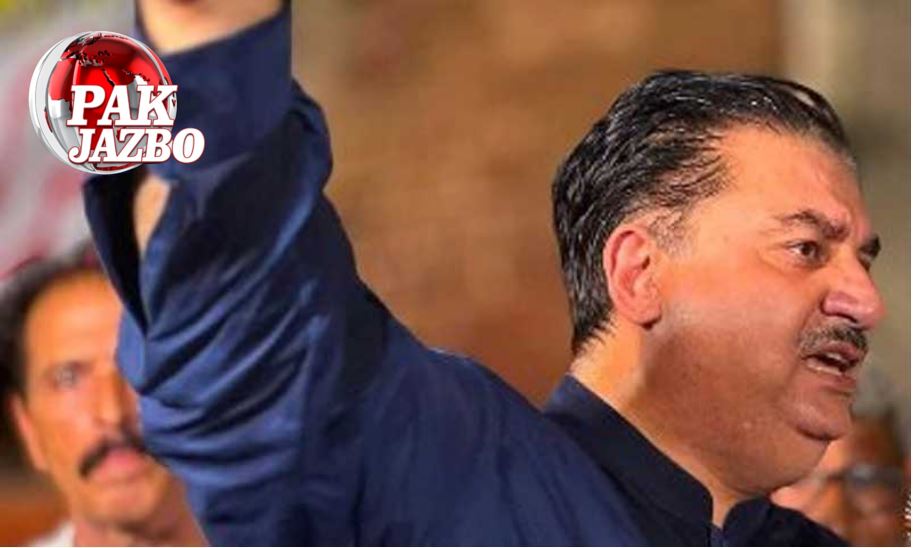
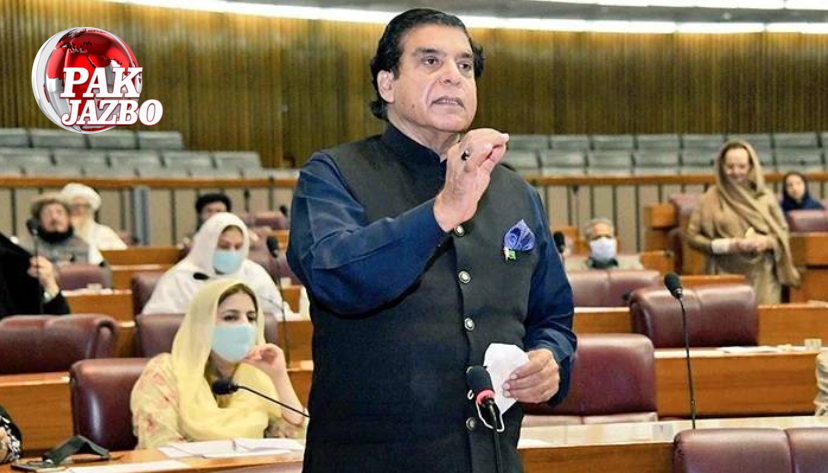
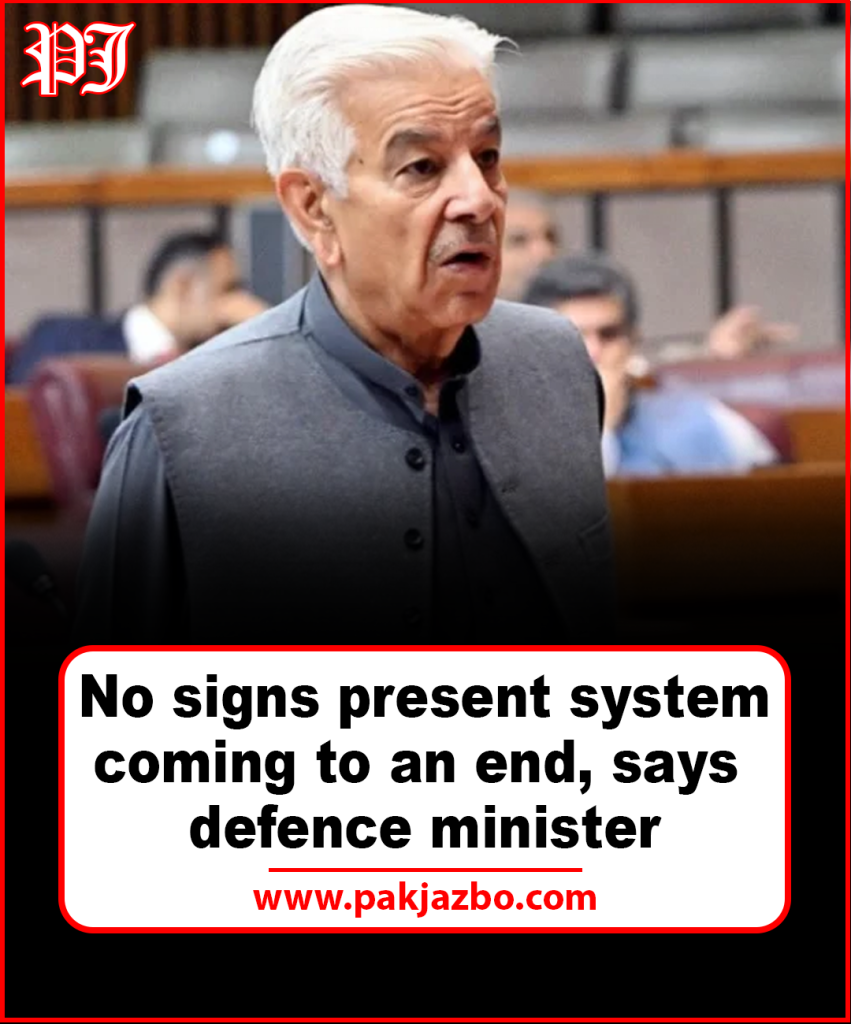
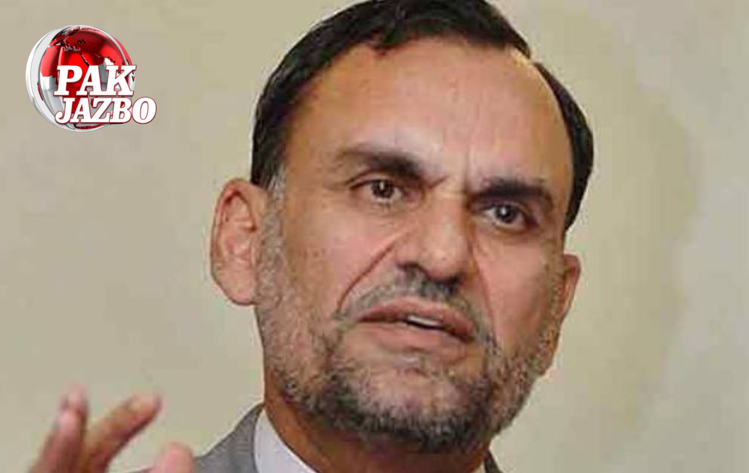
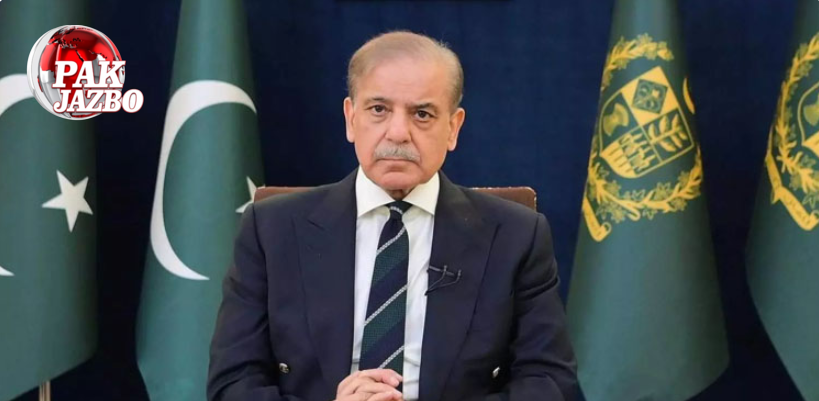
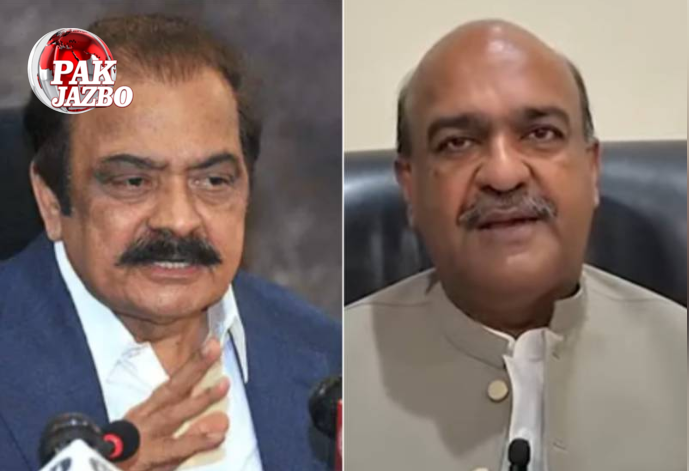
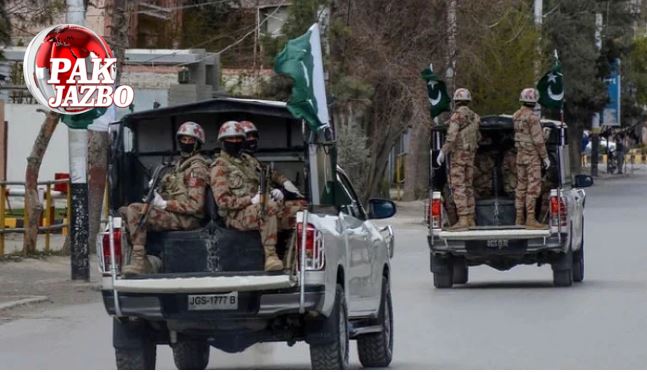
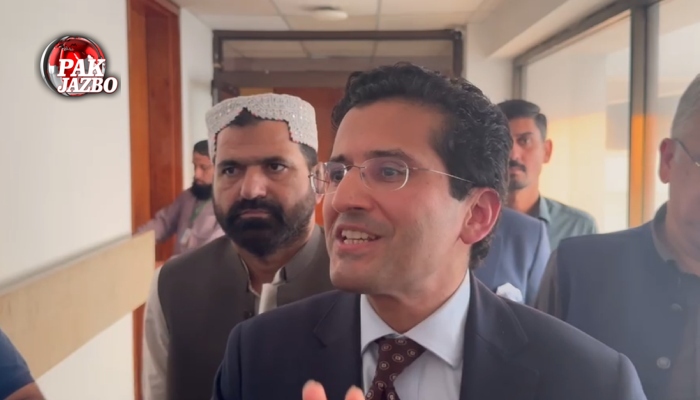
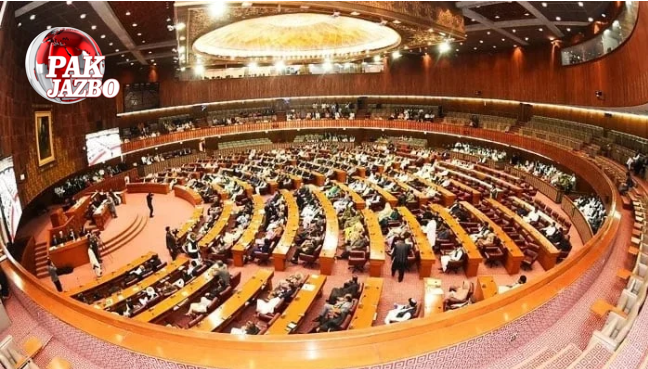
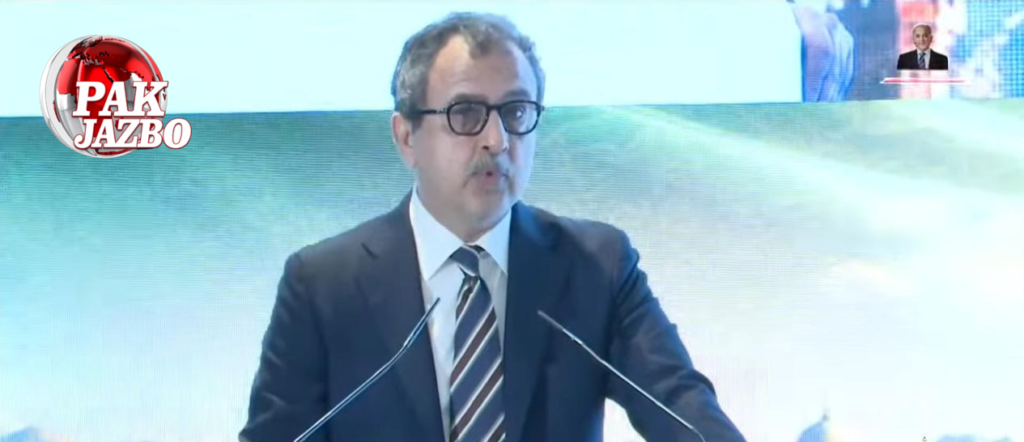
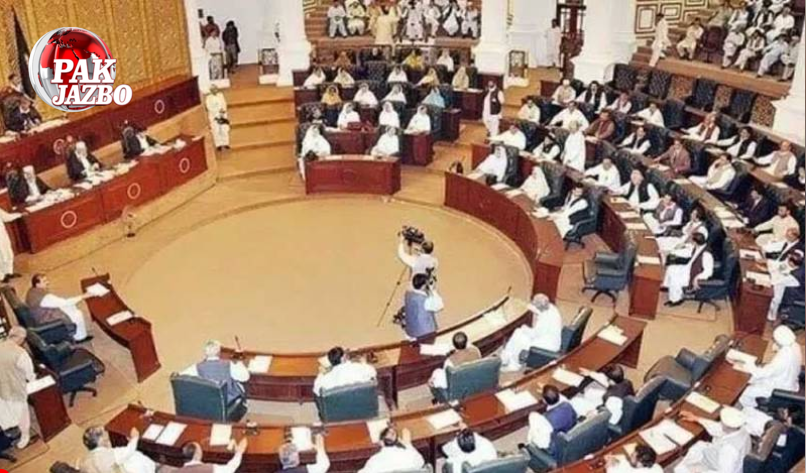
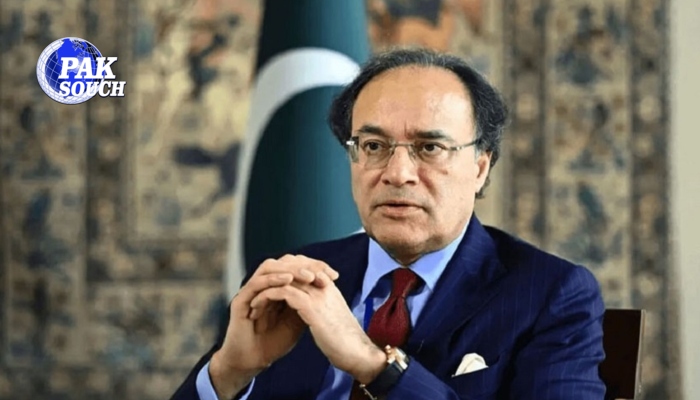
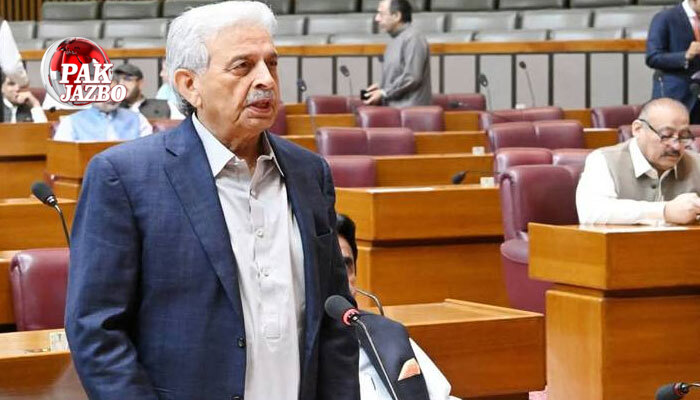
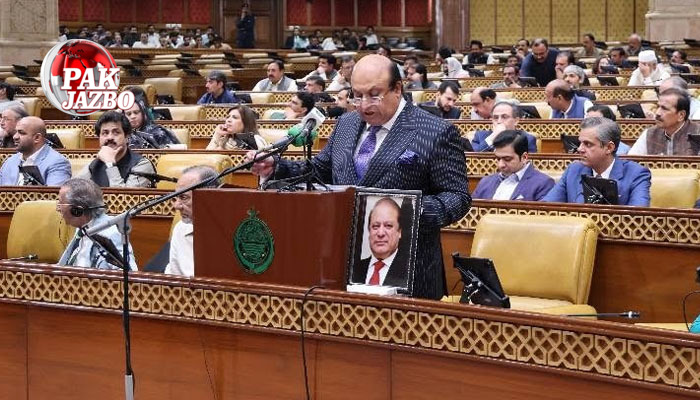
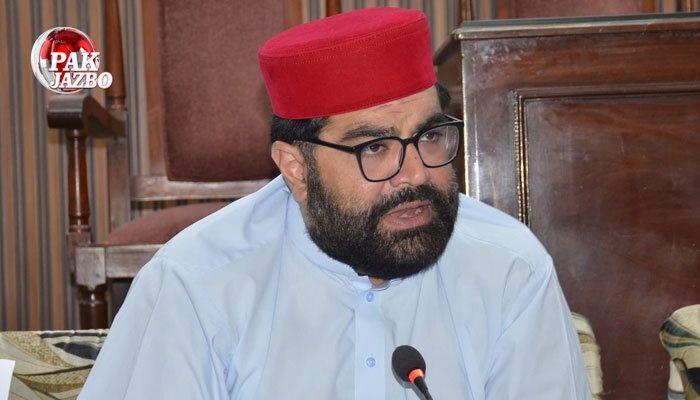
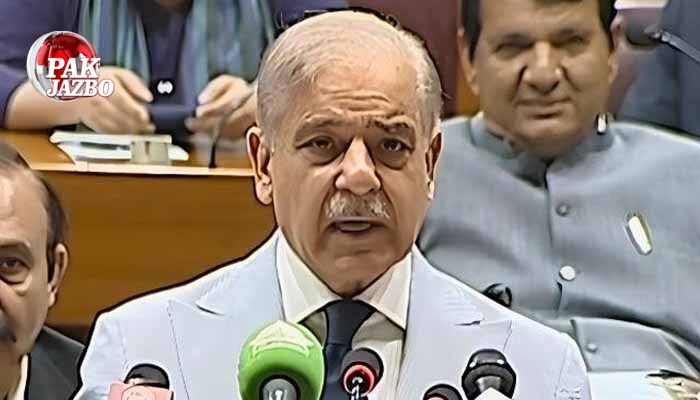
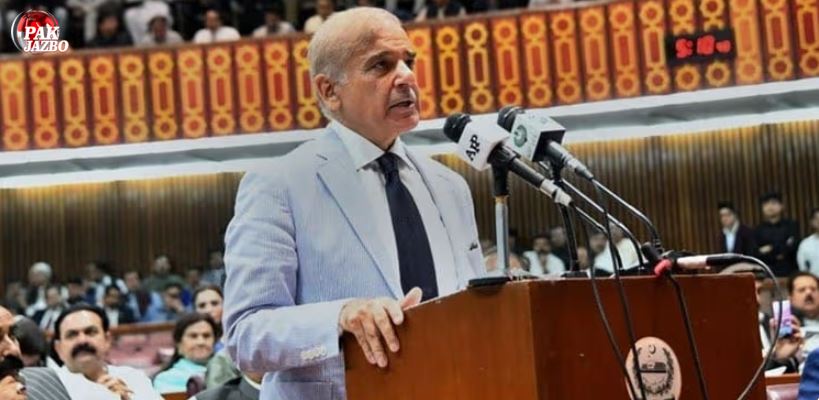
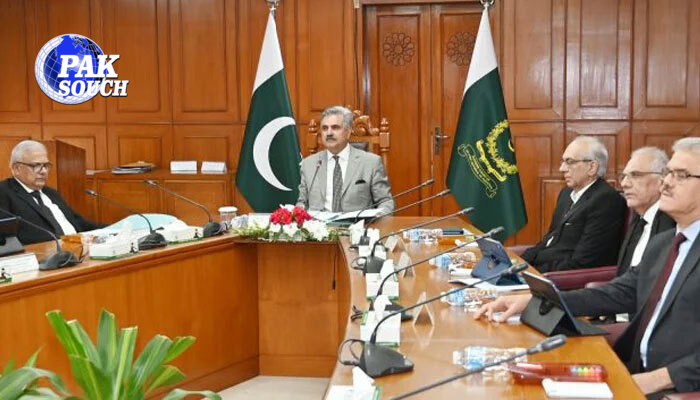
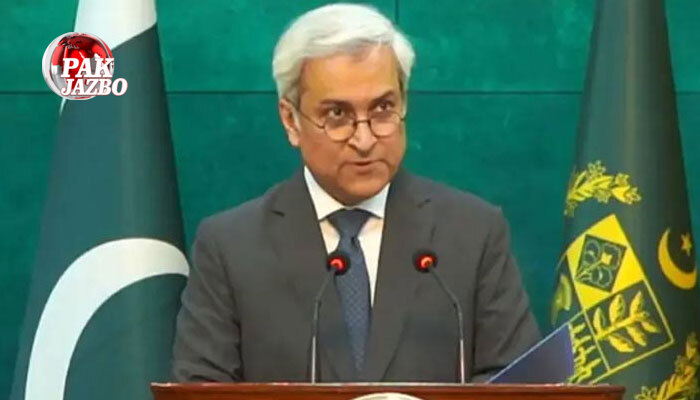
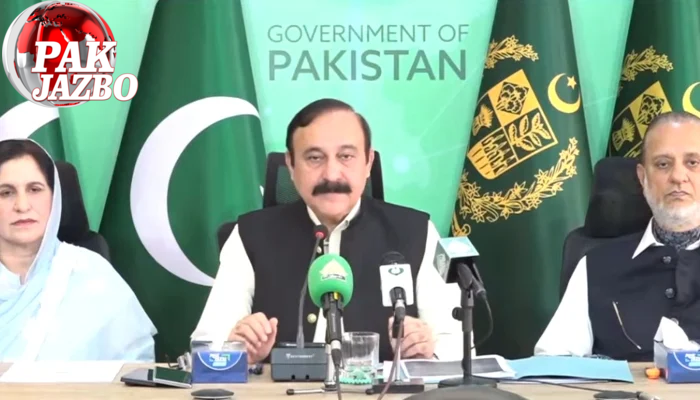
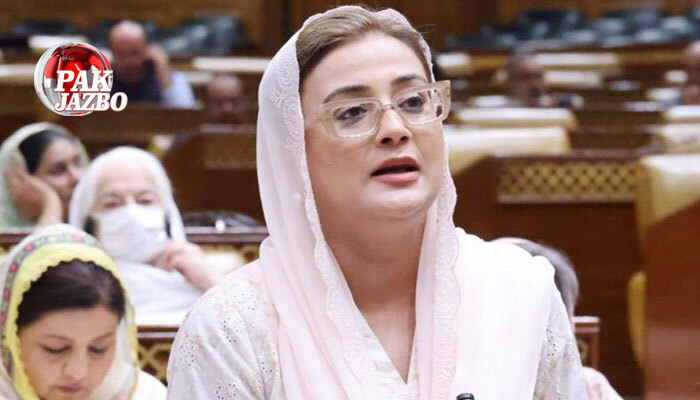
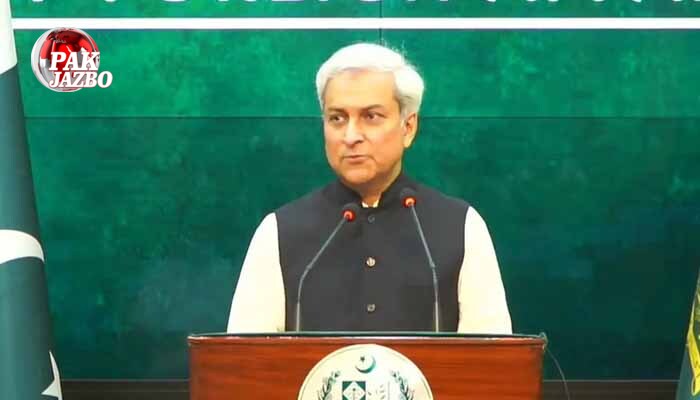
Pakistan’s Law Minister, Senator Azam Nazeer Tarar, has announced that the office of the Chairman Joint Chiefs of Staff Committee (CJCSC) will cease to exist from November 27. The statement was made during a session of the Senate, where he outlined key constitutional amendments being discussed under the proposed 27th Amendment. These amendments aim to restructure the senior leadership framework of the Pakistan Armed Forces, including the introduction of new ceremonial ranks and changes to the chain of military command.
Speaking in the Senate, the law minister stated that the proposed amendment includes the introduction of the honorary titles Marshal of the Air Force and Marshal of the Navy, similar to the rank of Field Marshal in the Pakistan Army. These titles, he explained, would not be granted by the Prime Minister or the government’s executive authority but rather by the Parliament, ensuring that the power to grant and revoke these ceremonial titles remains in democratic hands.
According to Tarar, the title of Field Marshal is a rank and symbol of high honor traditionally bestowed for exceptional military service. Under the new amendment, the rank will be safeguarded within the Constitution, meaning it cannot be removed through unilateral decisions. Only Parliament will hold the authority to confer or revoke such titles, ensuring transparency and national consensus in military honors.
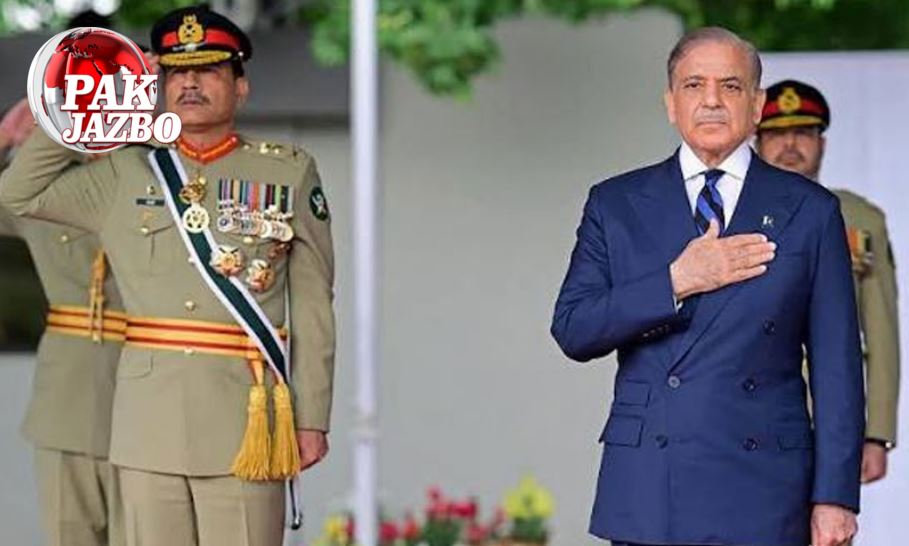
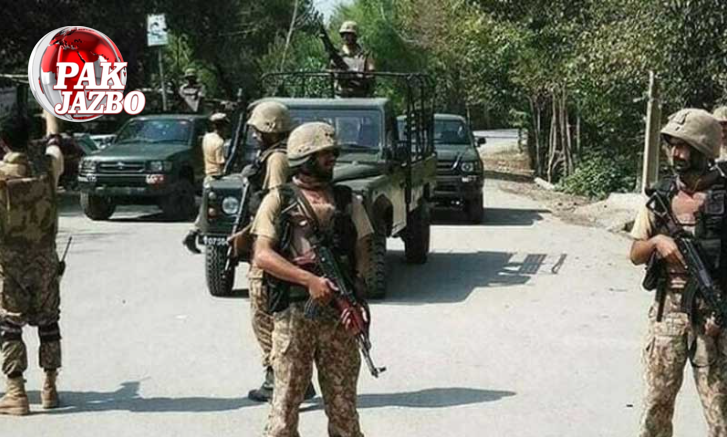
During his address, Tarar clarified that the role of Army Chief would be redefined under the new structure. The Army Chief will also serve as the Chief of Defense Forces, a position that carries broader operational and strategic responsibilities across all branches of the military. He emphasized that this restructuring is intended to streamline command and improve joint operational coordination between the Army, Navy, and Air Force.
Senator Tarar clarified the distinction between titles and command positions. Field Marshal, Marshal of the Air Force, and Marshal of the Navy would remain honorary ranks, recognized symbolically and historically, while operational command would rest with constitutionally defined positions such as the Army Chief. The Army Chief would continue to have a five-year term, as specified in the Constitution.
The major change highlighted during the Senate session was the discontinuation of the Chairman Joint Chiefs of Staff Committee post. The CJCSC has historically served as the senior-most military coordinating officer responsible for inter-service military coordination and strategic oversight. However, with the proposed restructuring, its responsibilities will be shifted to the newly designated Chief of Defense Forces. As a result, the government sees no further need for maintaining the CJCSC position.
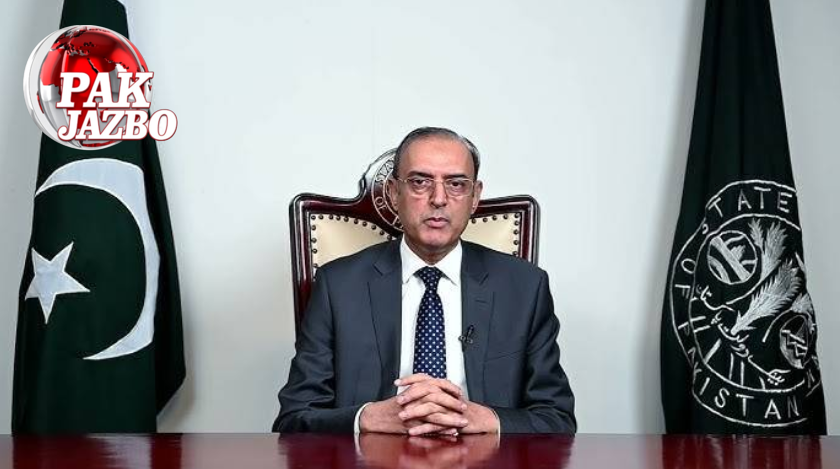
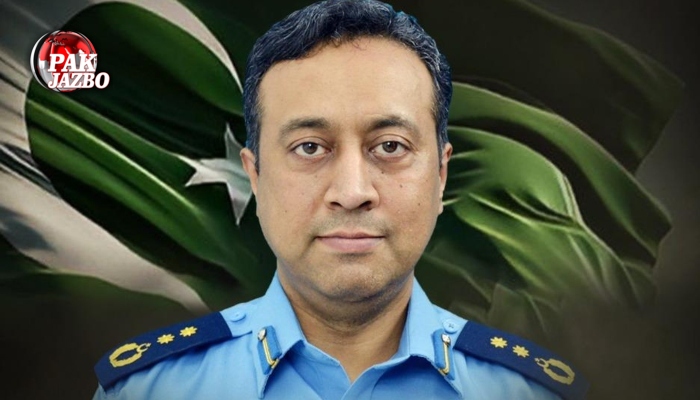
The law minister further explained that the current Chairman Joint Chiefs of Staff Committee, General Sahir Shamshad Mirza, is scheduled to retire on November 27, 2025. Upon his retirement, the office of the Chairman Joint Chiefs will be dissolved permanently. Thus, the date marks not only his retirement but also the conclusion of an institutional role that has existed in Pakistan’s military framework for decades.
The restructuring proposal has sparked considerable debate within both political and defense circles. Supporters of the amendment argue that consolidating command under a single Chief of Defense Forces will enhance operational efficiency and improve strategic defense planning. They believe the change aligns Pakistan’s military command structure with models used by several other countries where a unified defense chief oversees joint operations.
However, critics have expressed concerns about concentrating too much power in the hands of one military authority. Some political analysts caution that such structural changes must be thoroughly deliberated to prevent imbalance in military oversight. Others have raised questions about whether such a shift could affect the institutional autonomy or traditional service balance among the Army, Navy, and Air Force.
Despite differing views, the government maintains that the changes are part of a broader effort to modernize Pakistan’s defense structure and align it with current strategic requirements. According to the law minister, the aim is not to disrupt institutional stability but to strengthen coordination and clarity of command.
Throughout the Senate discussion, Senator Azam Nazeer Tarar emphasized that all constitutional changes require national consensus. He stated that any amendment to defense-related governance must reflect broad agreement rather than political majorities alone. The Constitution, he noted, is a document representing the entire nation and must serve long-term stability rather than temporary advantages.
The legislative process for the 27th Amendment is ongoing, and the proposed changes will require approval from both houses of Parliament with the constitutionally mandated majority. Further discussions and committee reviews are expected in the coming weeks.
The expected elimination of the Chairman Joint Chiefs post on November 27, 2025, marks a significant shift in Pakistan’s military institutional landscape. The restructuring will alter not only command responsibilities but also the historical framework under which Pakistan’s defense operations have been coordinated for decades.
What’s your Reaction?
+1
+1
+1
+1
+1
+1