





































































































































































































































































































































































































































































































































































































































































































U.S. and Israel React to UK’s Conditional Recognition of Palestine Amid Rising European Support


U.S. and Israel React to the UK’s Conditional Recognition of Palestine Amid Rising European Support
The United Kingdom’s announcement that it is conditionally prepared to recognize Palestine as an independent state has stirred a significant diplomatic reaction from both the United States and Israel. The move, which adds weight to Europe’s shifting stance on the Israeli-Palestinian conflict, reflects increasing international frustration over the humanitarian crisis in Gaza and the lack of progress on a two-state solution.
UK’s Conditional Decision to Recognize Palestine
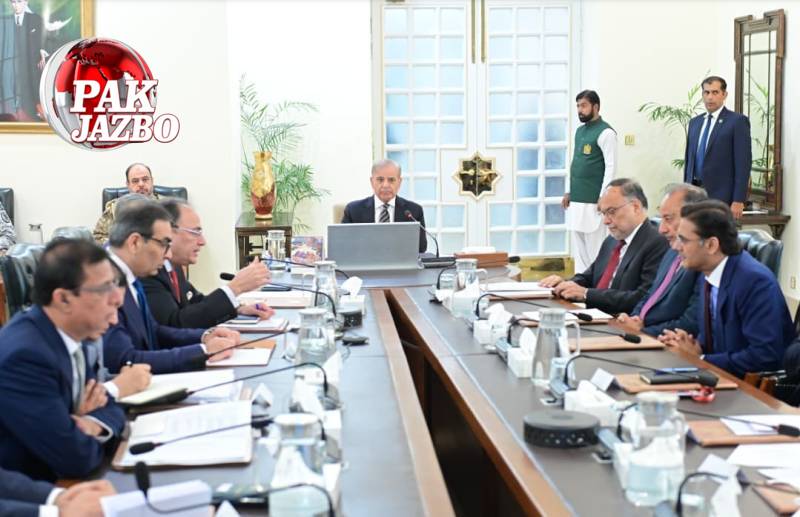
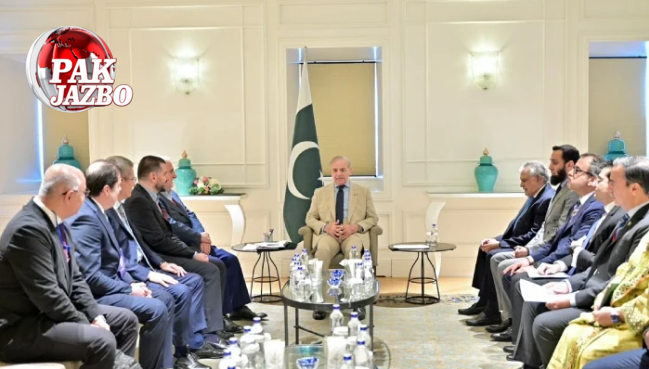
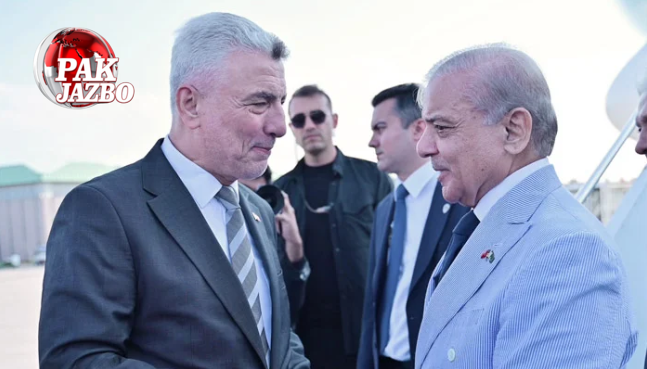
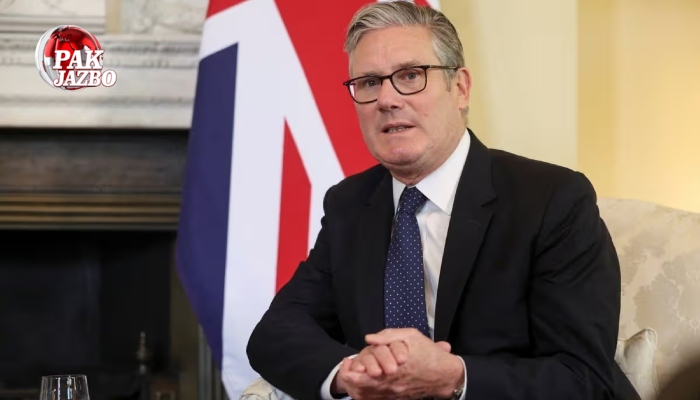
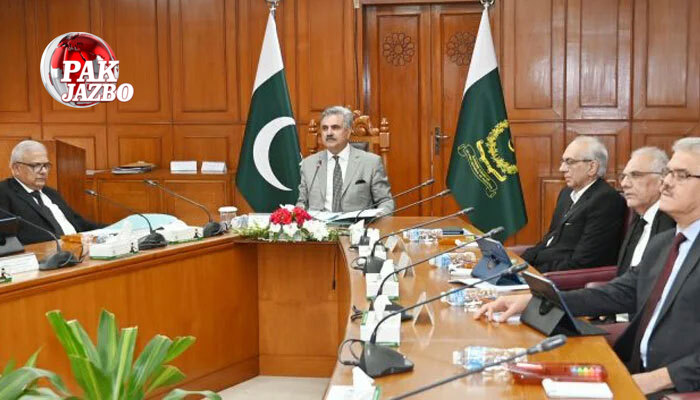
On Tuesday, British Prime Minister Sir Keir Starmer announced after an emergency cabinet meeting that the UK may formally recognize Palestine as a sovereign state in September 2025—but only if Israel fails to meet a series of peace-related conditions.
Starmer stated that unless Israel commits to a Gaza ceasefire, halts its occupation of the West Bank, and expresses a willingness to engage in a two-state solution, the UK will proceed with formal recognition of Palestine.
“If the current situation in Gaza remains unchanged, the UK will move forward with recognition of a Palestinian state by September,” Starmer declared.
He emphasized that recognition is not meant as a symbolic move but as part of a broader strategy to push for justice, peace, and accountability in the region.
U.S. Response: Trump Distances America from UK’s Stance
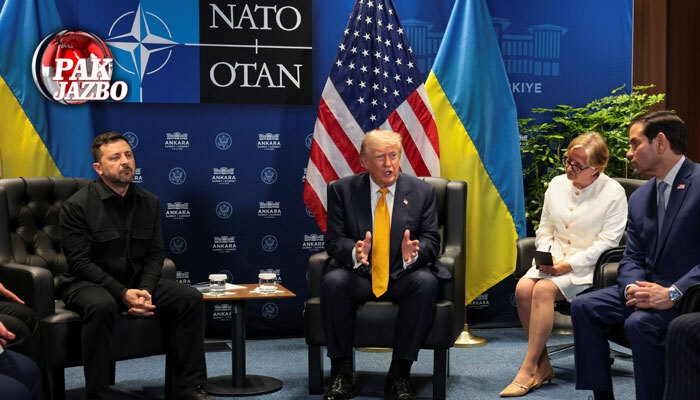
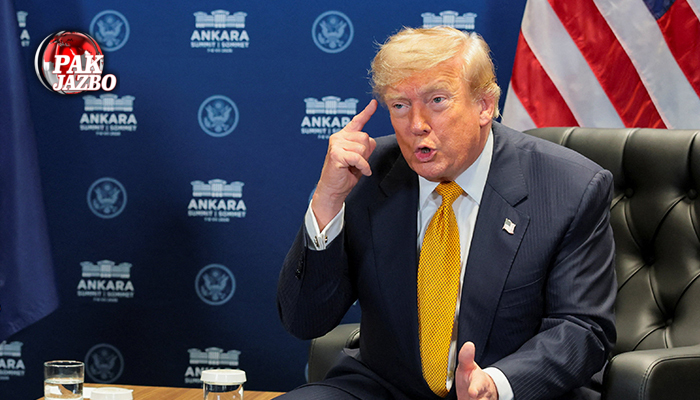
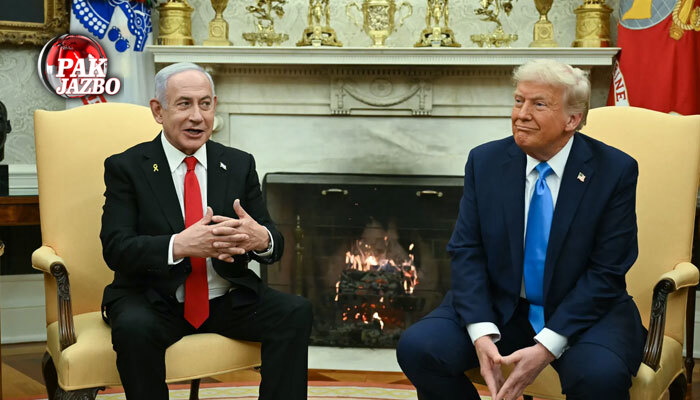
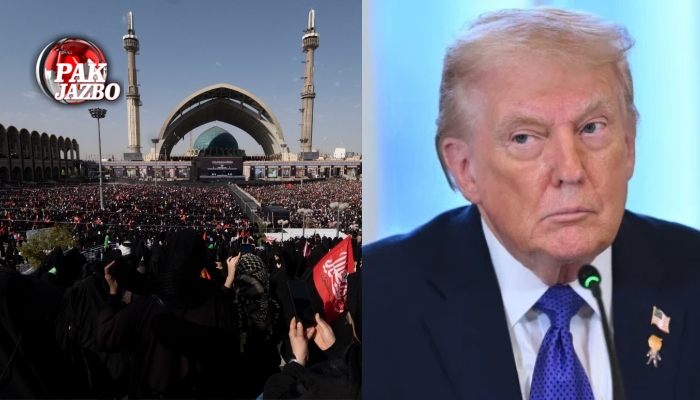
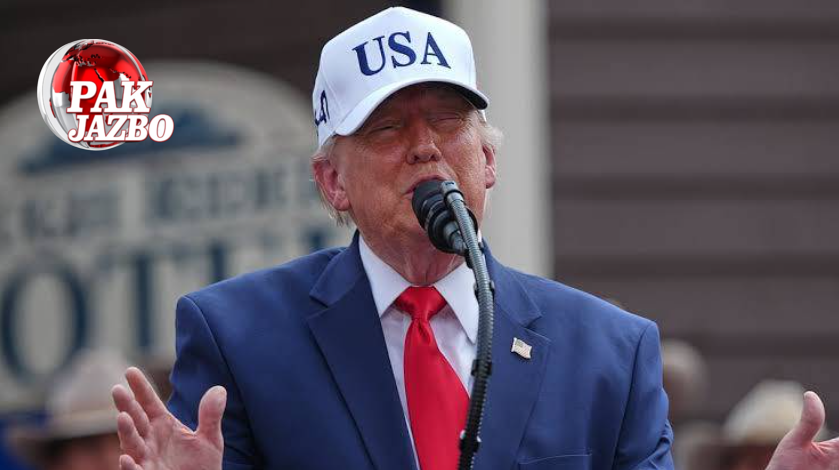
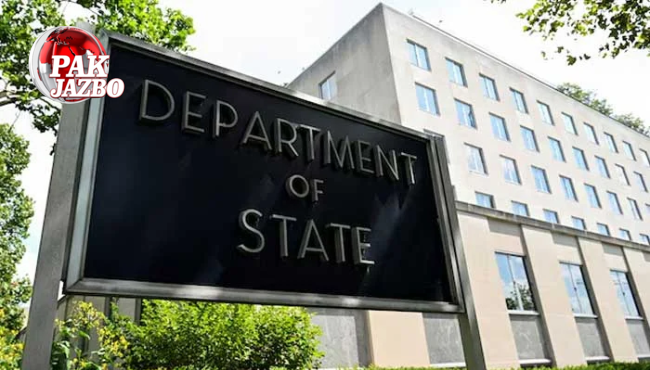
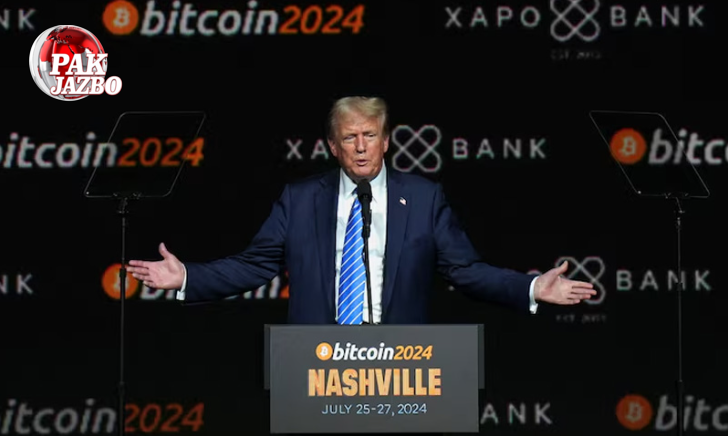
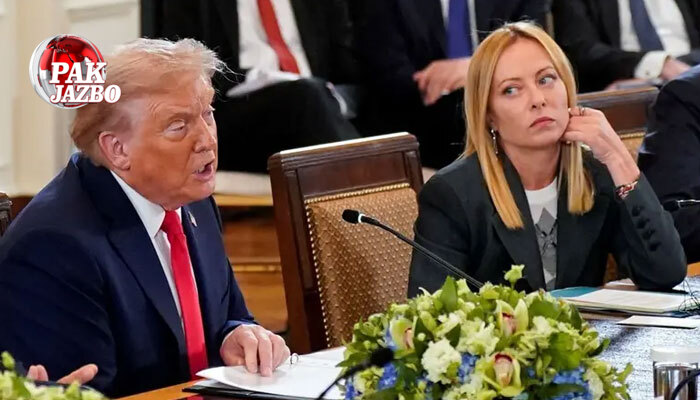
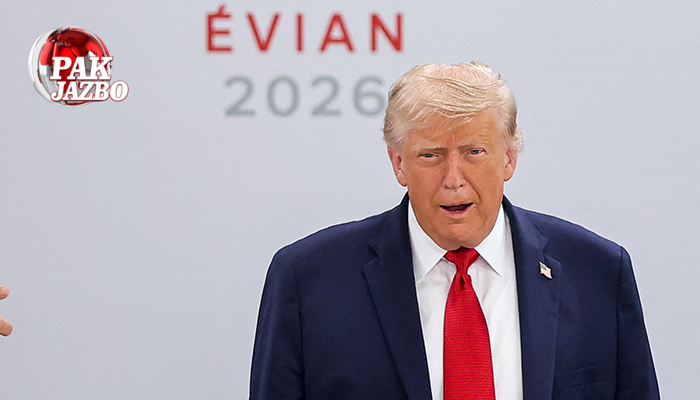
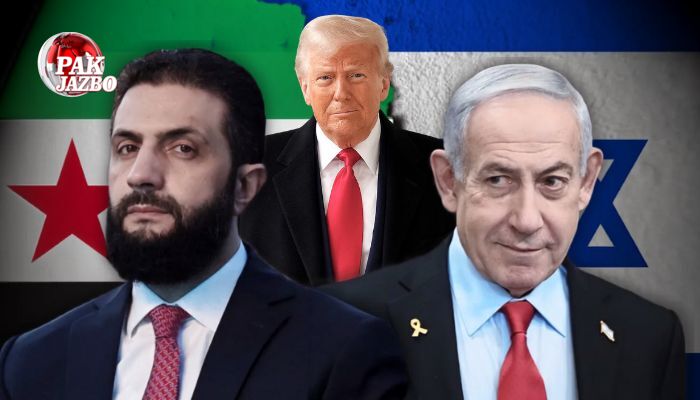
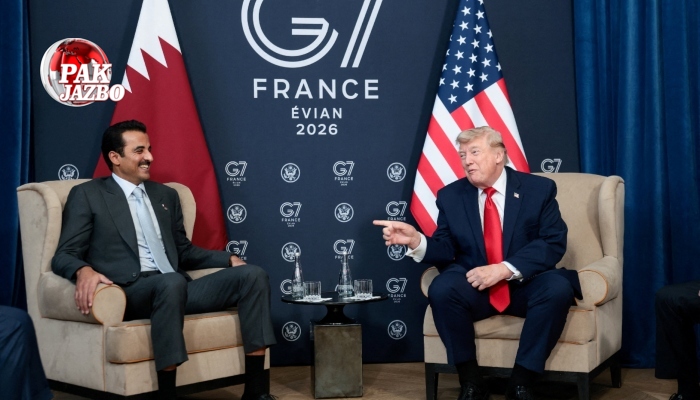
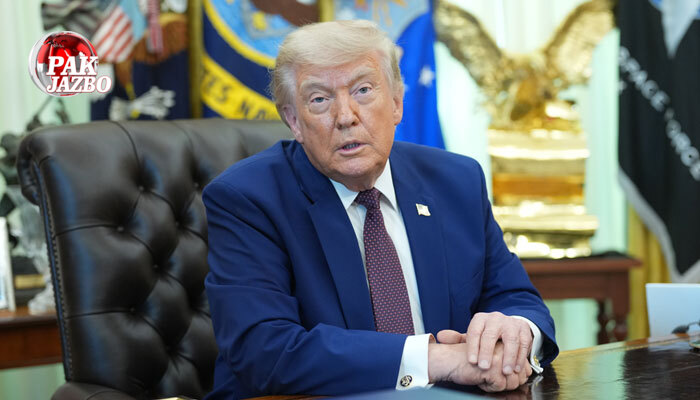
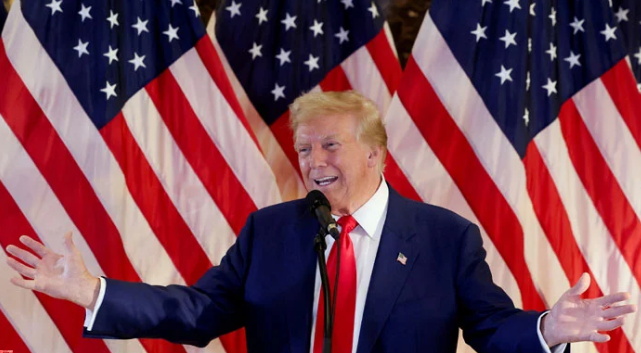
Former U.S. President Donald Trump, responding to the UK’s announcement during a press briefing upon returning from Scotland, stated that the United States was not part of the British-led initiative. Trump added that he had not discussed the matter with Prime Minister Starmer.
“I have not spoken with the British Prime Minister about this, and the United States is not aligned with this position,” Trump clarified.
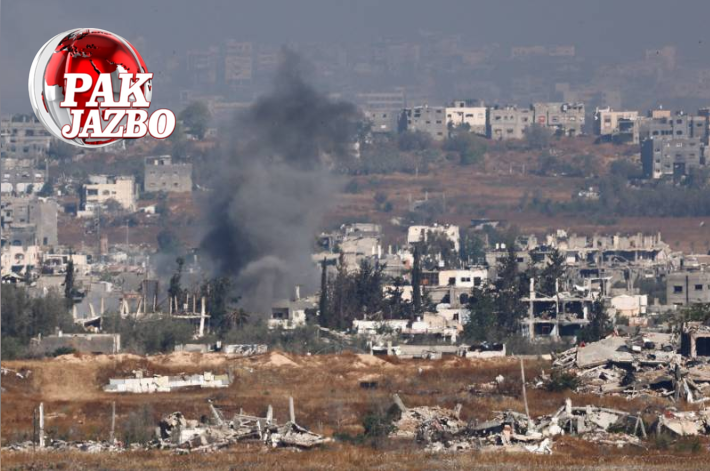
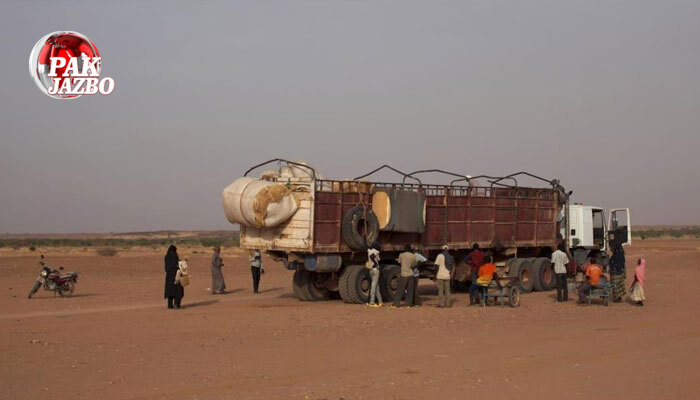
However, Trump also addressed the ongoing humanitarian crisis in Gaza. He stated that the U.S. would work with Israel to establish secure food distribution centers in Gaza, ensuring that children receive vital aid.
“We will speak to Israel about ensuring food reaches the children in Gaza. We don’t want Hamas to steal aid or the money intended for the people,” he added.
Trump’s comments highlight the American focus on humanitarian issues while remaining firmly aligned with Israel’s security concerns. They also reflect a hesitance in Washington to support European-led moves toward Palestinian statehood without a formal peace agreement.
Israel Rejects UK’s Position
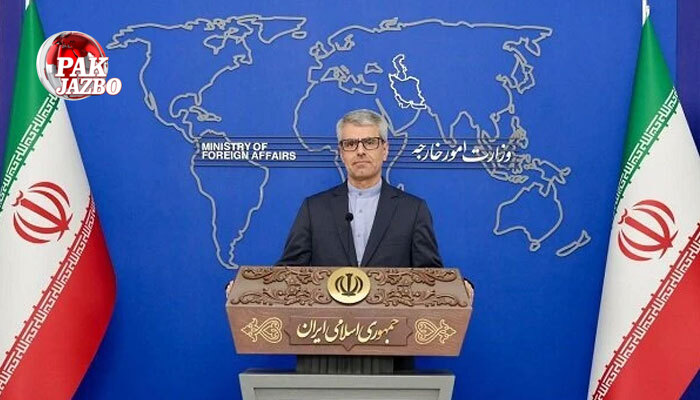
The Israeli Foreign Ministry issued a strong statement rejecting the UK’s conditional stance, calling it a dangerous and politically motivated decision.
“We reject the British Prime Minister’s comments entirely. The shift in the UK’s position appears to be driven by domestic political pressure and recent actions taken by France,” said a spokesperson from Israel’s Foreign Ministry.
According to the ministry, the UK’s announcement is essentially a reward for Hamas, which Israel accuses of inciting violence and obstructing peace efforts. Officials in Israel argue that such recognition undermines the ongoing efforts to secure a ceasefire in Gaza and the release of Israeli hostages held by militant groups.
“The UK’s announcement could damage the fragile diplomatic framework aimed at ending hostilities and achieving the release of hostages,” the spokesperson warned.
Israeli leaders also expressed concern that international recognition without preconditions could embolden extremist groups and reduce incentives for Hamas and other factions to participate in peace talks.
France’s Influence and a Shift in European Policy
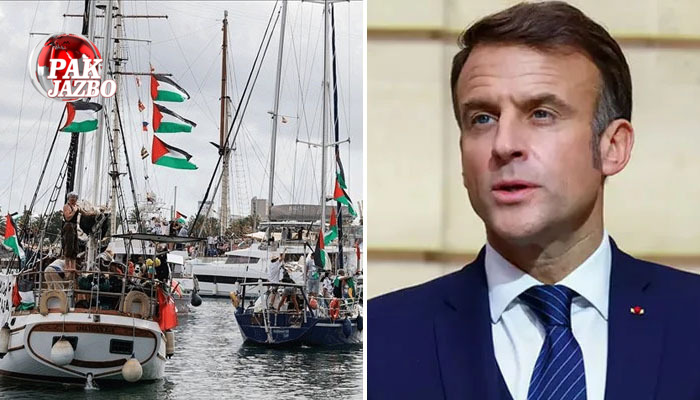
The UK’s announcement comes shortly after French President Emmanuel Macron revealed France’s decision to recognize Palestine. Macron stated that France would formally recognize Palestine in September during his address at the United Nations General Assembly.
France’s move has intensified the pressure on other European Union countries to reassess their positions on the Israeli-Palestinian conflict. Spain, Ireland, Norway, and several Eastern European states have already expressed support for Palestinian statehood in principle, though formal recognition has been delayed in most cases.
Analysts view the UK and French decisions as indicators of a broader shift in European policy, driven by worsening humanitarian conditions in Gaza, increasing international calls for a two-state solution, and growing disillusionment with Israel’s policies in the occupied territories.
Regional Implications and International Reactions
The UK’s conditional recognition has sparked mixed reactions across the globe. While some Middle Eastern nations welcomed the move, seeing it as a long-overdue step toward justice for Palestinians, others warned that such recognitions without a negotiated peace framework could destabilize the region.
Supporters argue that international recognition will increase pressure on Israel to engage in negotiations and end its military operations in Gaza and the West Bank. Critics, however, fear that unilateral recognitions may lead to greater polarization, hinder negotiations, and strengthen the position of hardliners on both sides.
Conclusion
The UK’s conditional recognition of Palestine marks a significant moment in the evolving global stance on the Israeli-Palestinian conflict. While the U.S. remains cautious and aligned with Israel, and Israel strongly opposes such moves, the growing momentum in Europe suggests a potential diplomatic realignment that could shape the future of Middle Eastern politics.
With France leading the charge and the UK joining the ranks of nations willing to recognize Palestinian statehood under certain conditions, the coming months—particularly the September UN General Assembly—may prove to be a turning point in the decades-long struggle for peace in the region.
What’s your Reaction?
+1
+1
+1
+1
+1
+1