
















































































































































































































































































































































































































































Rana Sanaullah Says Politics and Movement Leadership Will Not Be Easy for Imran Khan’s Sons


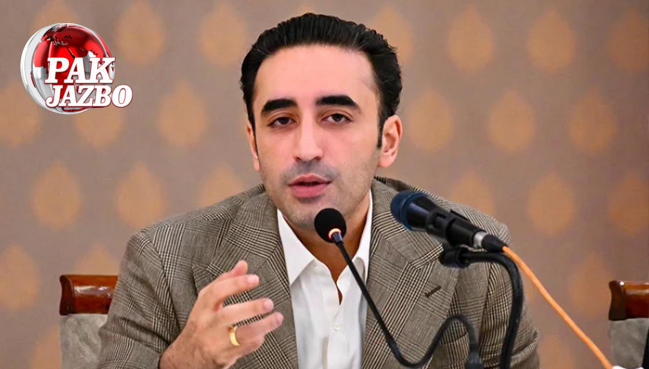
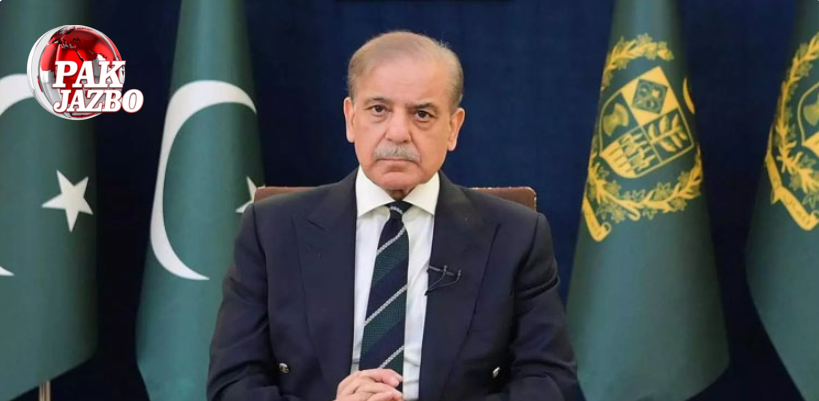
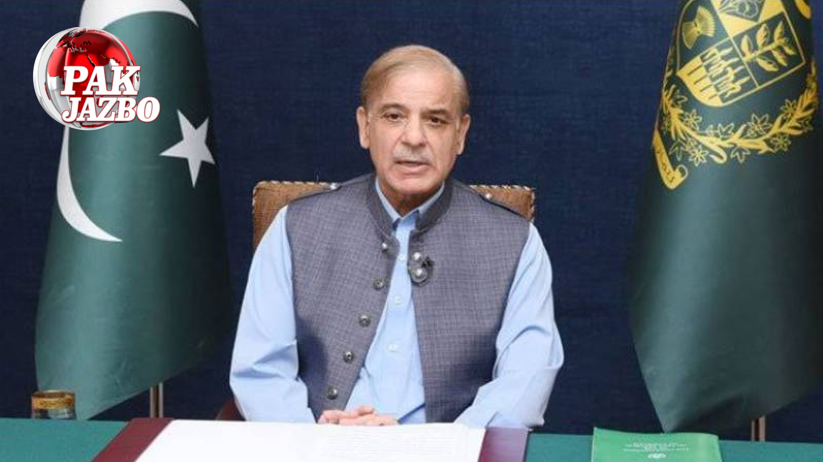
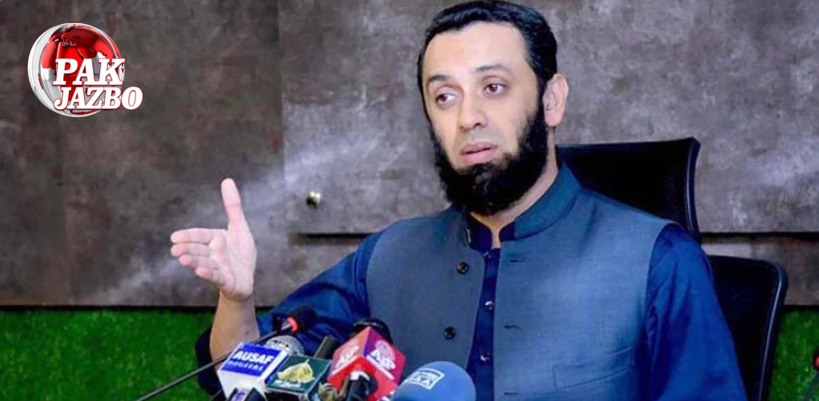
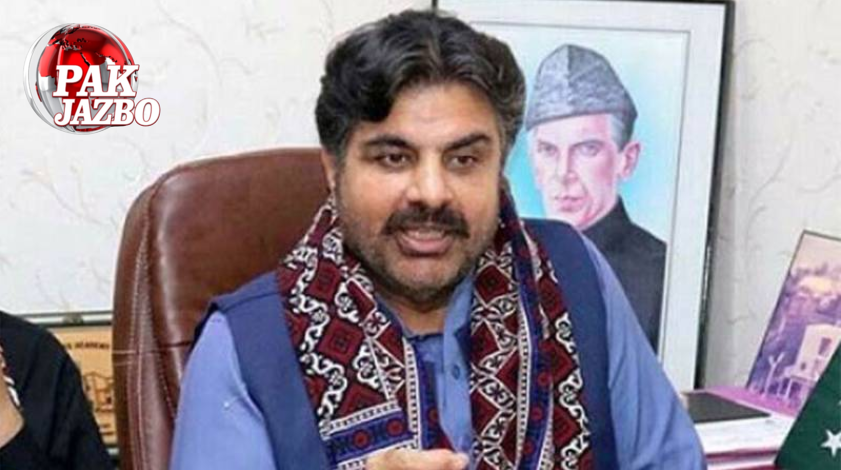
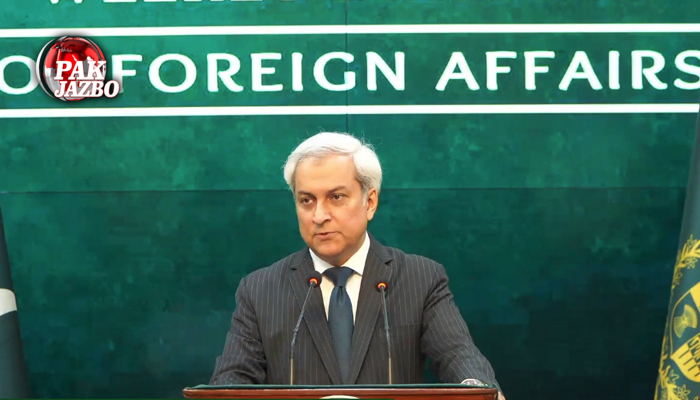
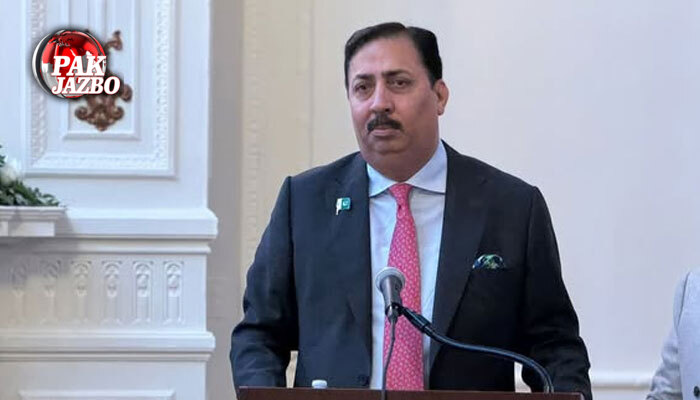
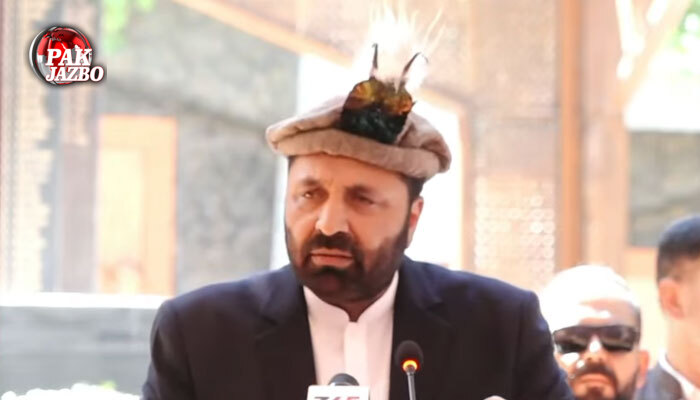
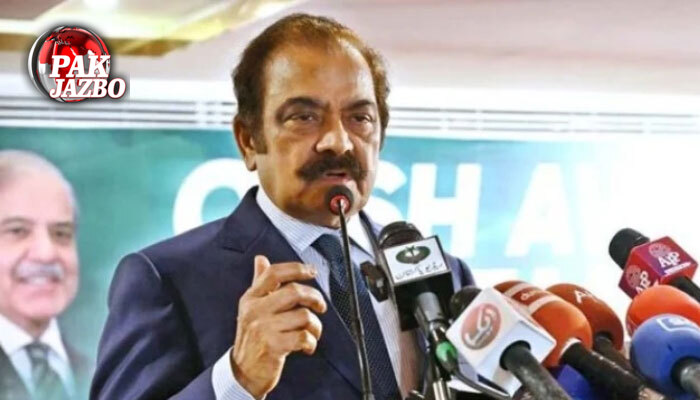
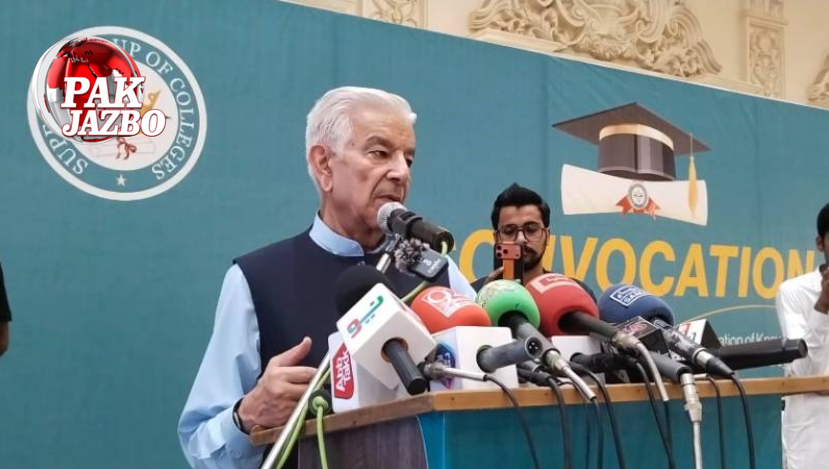
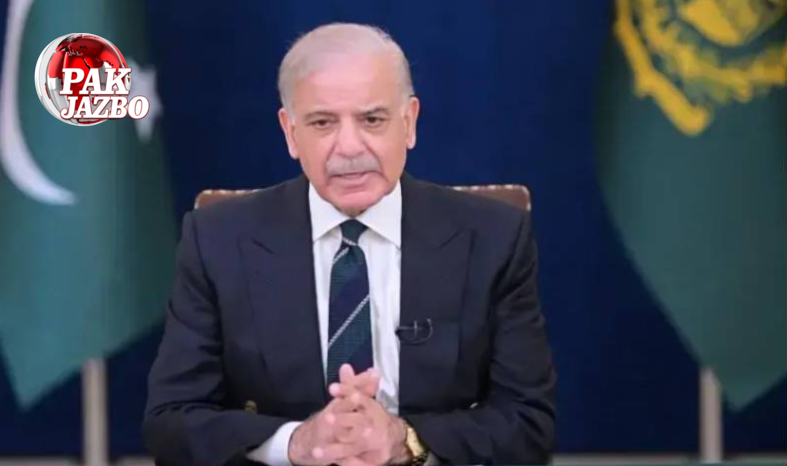
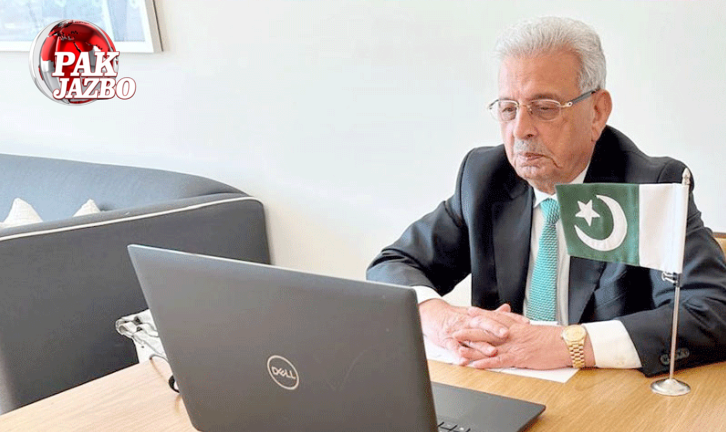
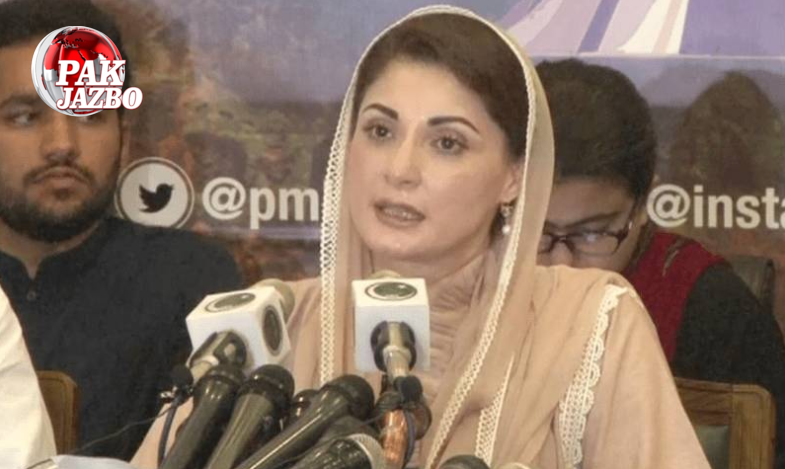
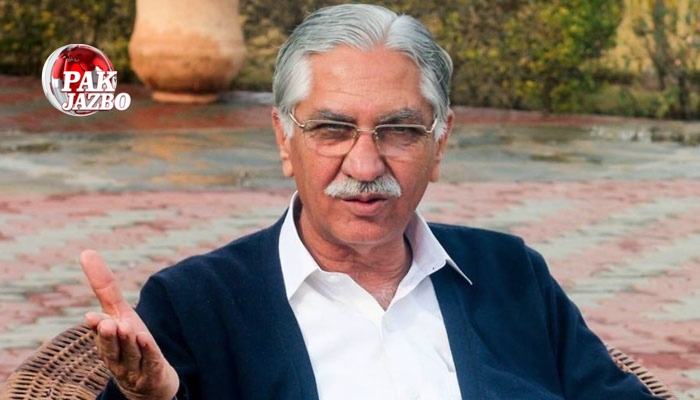
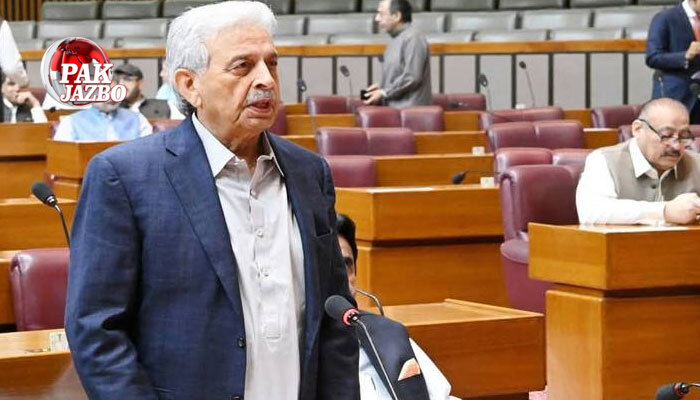
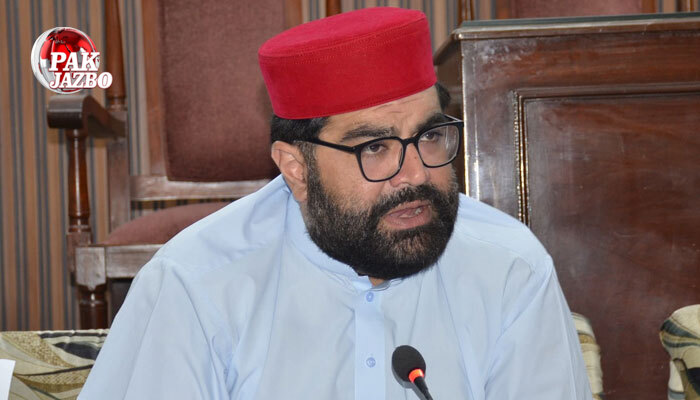
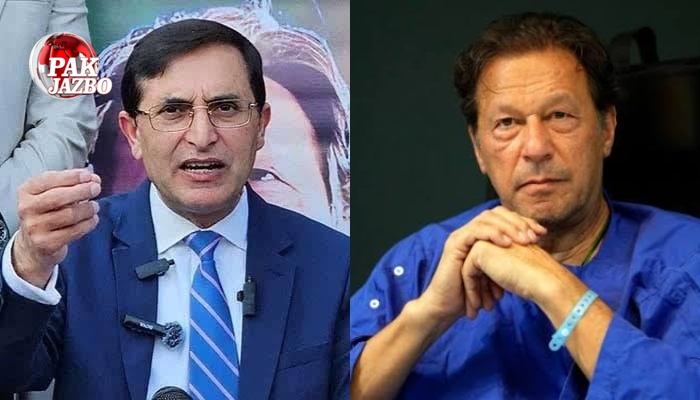
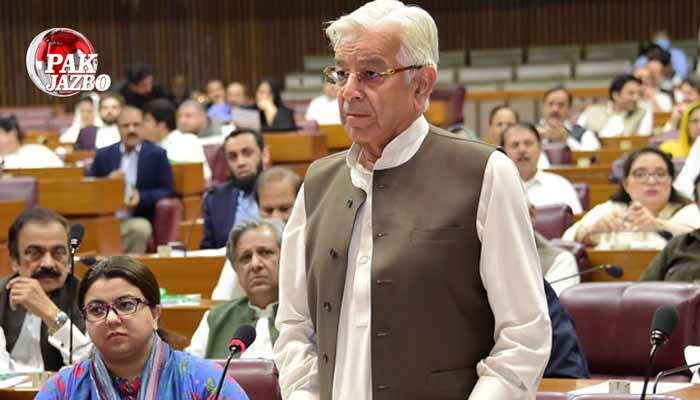
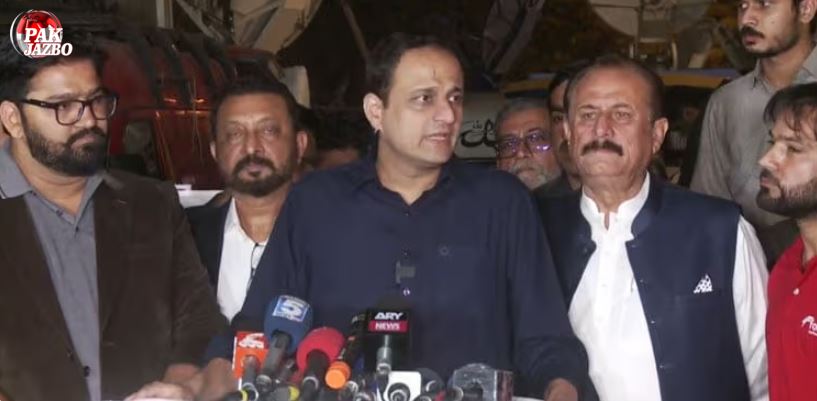
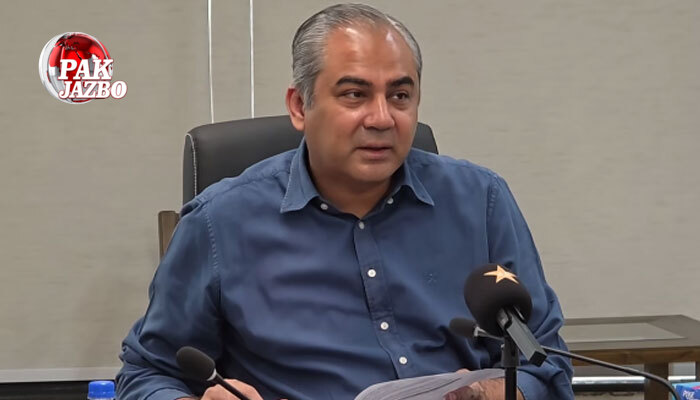
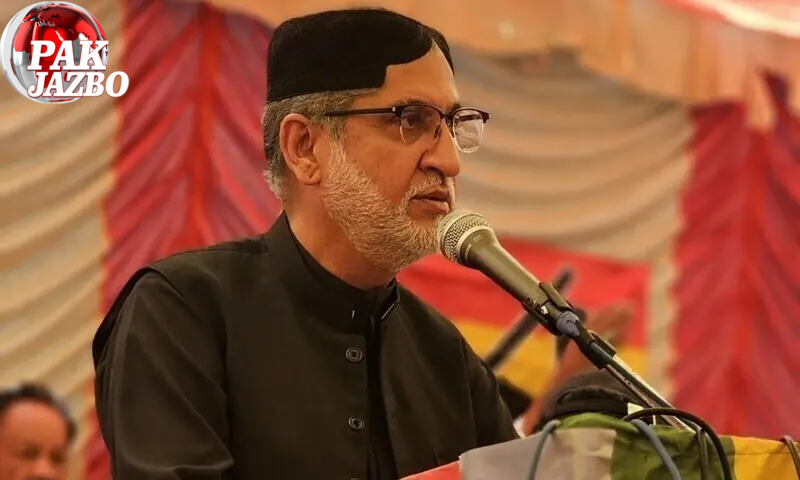
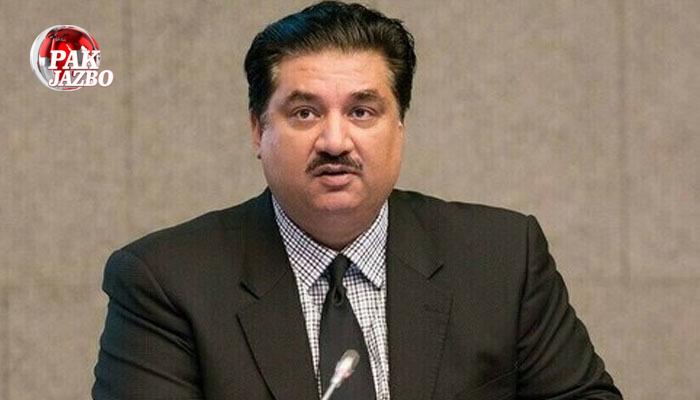
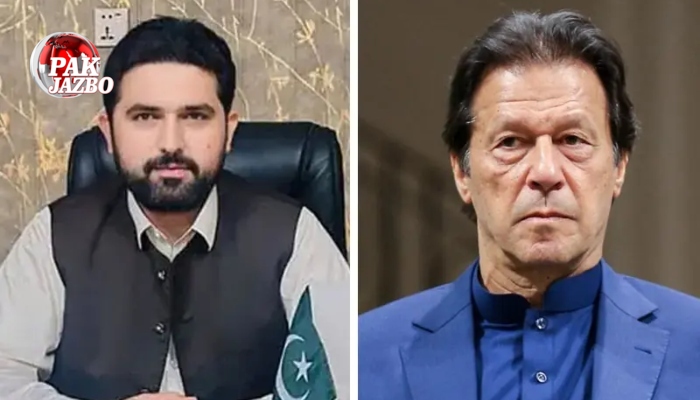
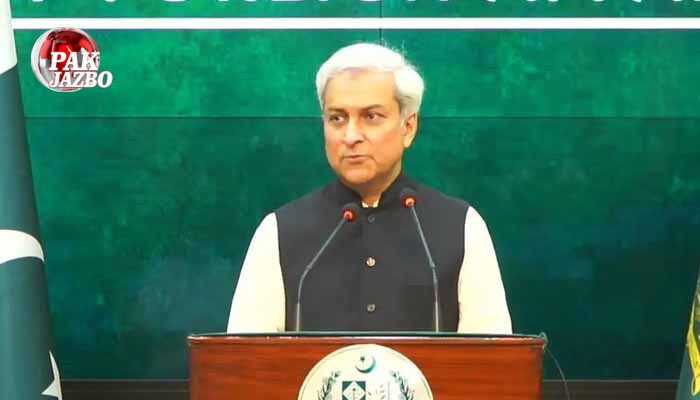
Islamabad – Prime Minister’s Adviser Rana Sanaullah has stated that stepping into politics and taking charge of a political movement would not be an easy task for the sons of former Prime Minister Imran Khan, especially in the current turbulent political climate of Pakistan.
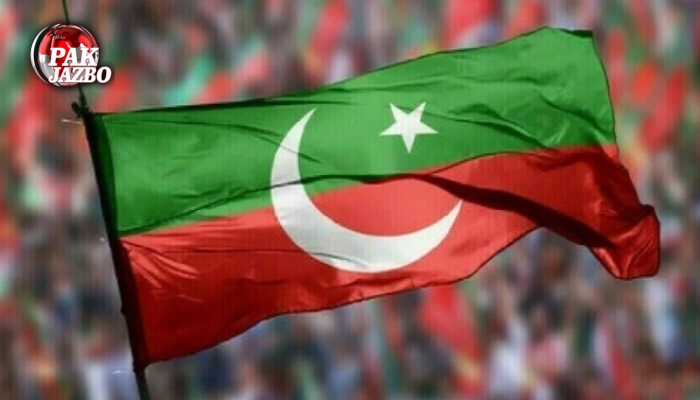
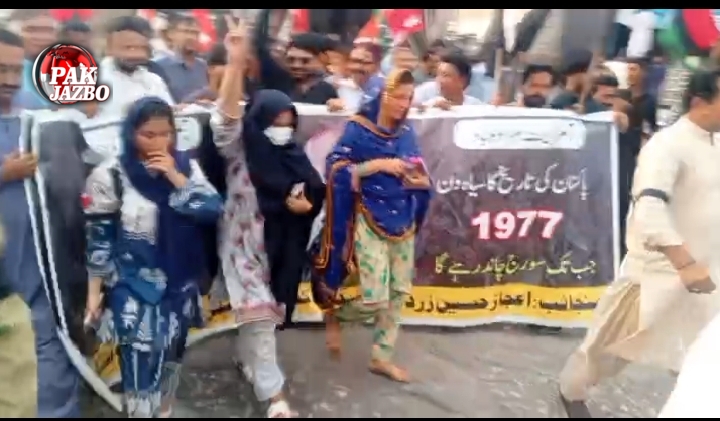
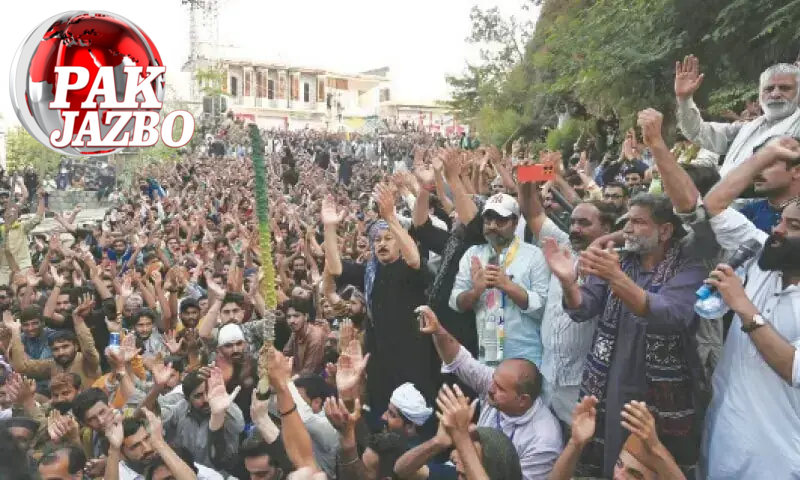
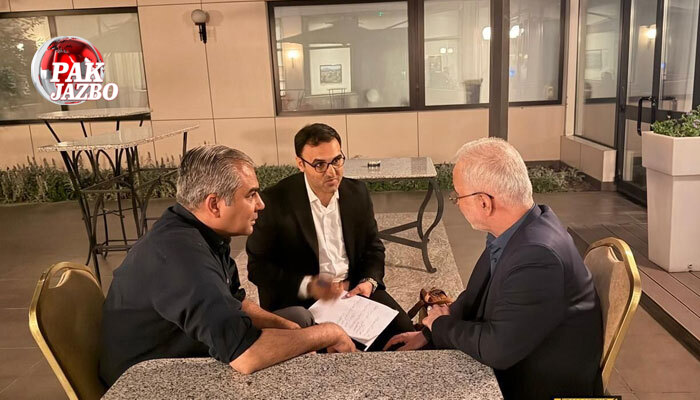
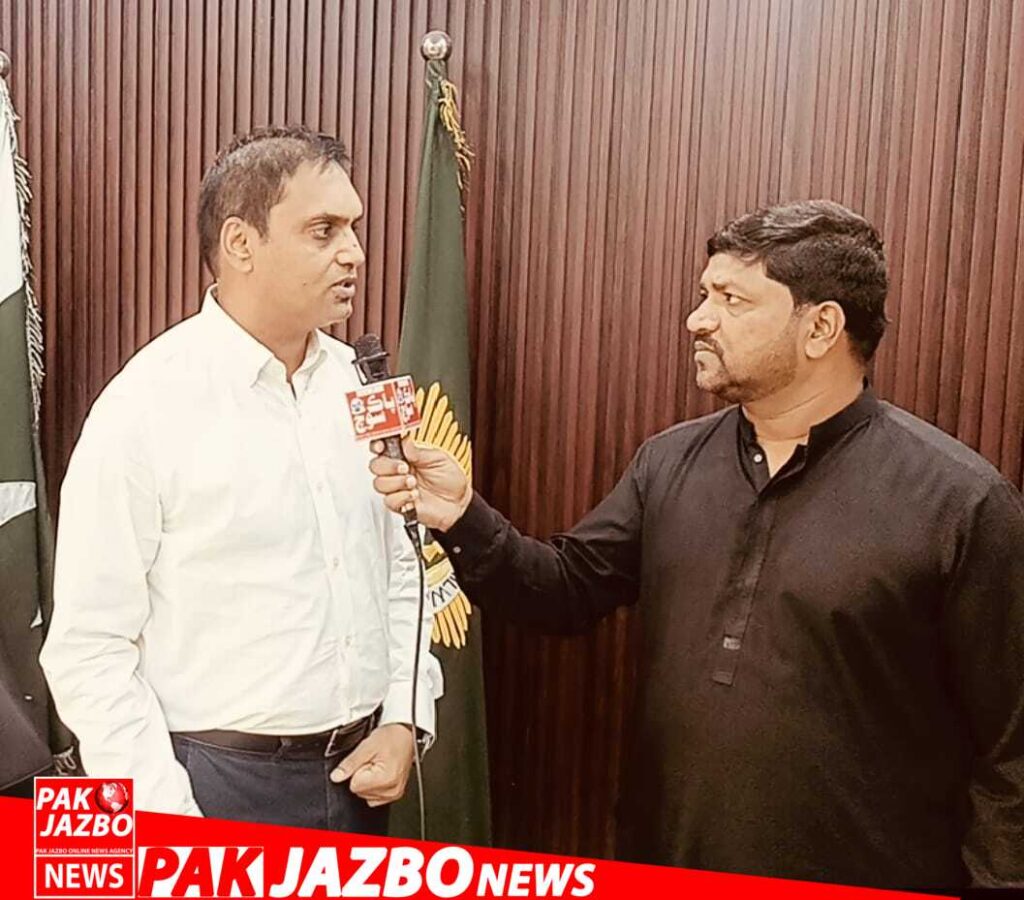
In a detailed statement to the media, Rana Sanaullah discussed the political situation surrounding Pakistan Tehreek-e-Insaf (PTI) and its recent activities. Referring to PTI’s call for public gatherings on August 5, he said that the party’s attempt to mobilize supporters fell short of expectations. “The people did not respond to PTI’s call on the 5th of August,” he remarked, suggesting that the political environment has shifted and that the party’s influence on public mobilization appears to have weakened compared to previous years.
Touching on the topic of Imran Khan’s sons, Sulaiman Isa Khan and Qasim Khan, Rana Sanaullah clarified that he had no objection to their political participation. He noted, however, that it is a challenging path, particularly for individuals who have lived abroad for most of their lives and have not been directly involved in Pakistan’s political struggles. “In my opinion, Imran Khan’s sons have not even requested visas to come here. If they do apply, they should be granted,” he said, adding that legal and diplomatic matters should not be an obstacle to their arrival.
However, the adviser stressed that entering Pakistani politics is not the same as engaging in politics abroad. “If Imran Khan’s sons wish to enter politics and lead a movement under the current circumstances, it will not be an easy job,” he stated. He pointed out that Pakistan’s political scene is currently marked by deep divisions, intense media scrutiny, and a highly polarized public, making leadership an extremely demanding role that requires experience, resilience, and strong political networks.
According to Rana Sanaullah, political leadership in Pakistan is not just about making speeches or winning social media attention. It requires building trust among the masses, forming alliances, understanding the complexities of governance, and navigating the country’s volatile political landscape. “This is a country where political movements often face resistance not just from rivals but also from state institutions, public opinion shifts, and socio-economic challenges. Leading such a movement requires a level of dedication and stamina that few can maintain,” he said.
The adviser also commented on the state of governance under the current coalition government. He expressed satisfaction with the performance of the allied parties, stating that despite inherited economic challenges and political instability, the government has managed to stabilize key sectors and initiate reforms. “We are satisfied with the performance of the coalition government. In the next two to three years, many of the country’s major problems will be resolved,” he assured, adding that economic recovery, energy reforms, and improved law and order are among the government’s top priorities.
Rana Sanaullah further explained that political newcomers, regardless of their family background, need to earn their credibility through consistent hard work, public engagement, and a genuine understanding of the people’s issues. He observed that political dynasties in Pakistan often face both advantages and disadvantages: while name recognition can attract attention, it can also raise public expectations and invite criticism if performance does not meet those expectations.
Speaking about PTI’s current state, he remarked that the party is facing multiple legal cases and leadership challenges, making it difficult for any new entrant—especially one from Imran Khan’s family—to instantly command the same influence that Imran himself had during his prime political years. “Imran Khan built his political brand over decades, through campaigns, rallies, and persistence. His sons would have to prove themselves in the same way if they wish to be taken seriously in Pakistan’s politics,” he stated.
In conclusion, Rana Sanaullah reiterated that while Imran Khan’s sons have every right to participate in Pakistan’s political process, they must be prepared for the realities of leading a movement in a country where politics is often unpredictable and unforgiving. “If they want to lead, they should know it is not an easy task, especially now,” he emphasized, leaving the matter open-ended but firmly underlining the challenges ahead for any aspiring political leader in today’s Pakistan.
What’s your Reaction?
+1
+1
+1
+1
+1
+1