











































































































































































































































































































































































































































































































































































Qatar Says Israeli Withdrawal from Gaza Needs Clarification; Calls for Further Talks on Trump Plan


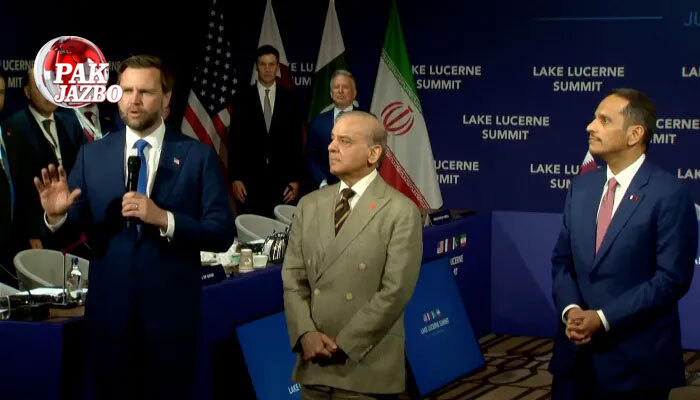
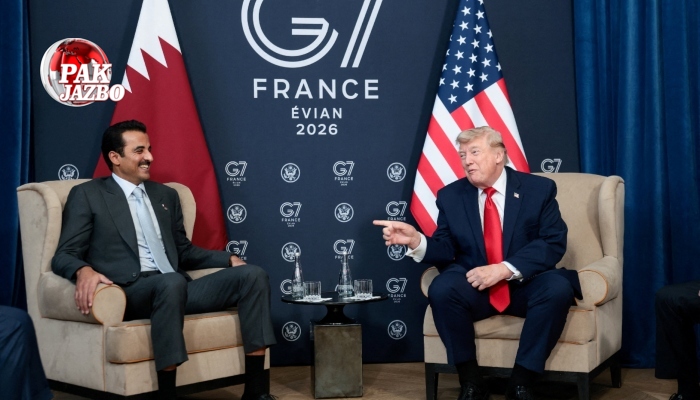
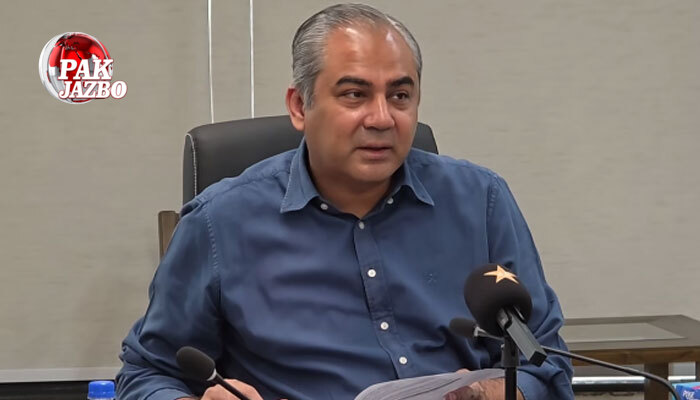
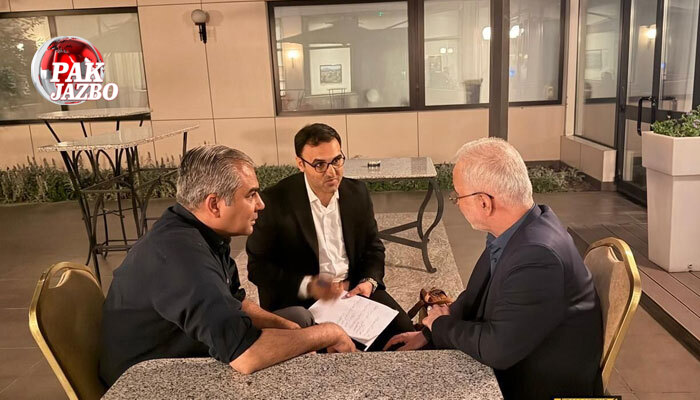
Doha — Qatar’s Prime Minister Sheikh Mohammed bin Abdulrahman Al Thani has urged further clarification and negotiations over key elements of the U.S. proposal for Gaza, saying that several points require detailed discussion before any agreement can move forward. In remarks carried by Al Jazeera, the Qatari premier described Monday’s presentation of the plan as a list of guiding principles rather than a fully worked-out settlement, and stressed that questions remain — most importantly the mechanics and timing of an Israeli military withdrawal from Gaza.
Sheikh Mohammed said the issue of Israeli troop withdrawal must be spelled out in precise terms and that additional talks are necessary to reach a shared understanding. “What was presented was a set of principles,” he told the network. “We need to negotiate the specifics. Clarification is required on how and when Israeli forces will withdraw from Gaza.” He emphasized that until those operational details are resolved, the international community and Palestinian representatives cannot accept the proposal as a finalized roadmap.
The Qatari prime minister lauded the inclusion of a clear ceasefire clause within the proposal and encouraged all sides to treat the document constructively. He said Doha hopes all stakeholders — regional and international — will view the plan in a positive light and use the moment to consolidate a halt to hostilities and move toward reconstruction and political arrangements. “The plan includes a distinct clause on ceasefire; we hope parties will use the opportunity to bring the war to an end,” he said.
Sheikh Mohammed also stressed that discussions on administering Gaza after a ceasefire should be focused on Palestinian governance and dignity. He said any arrangements affecting Palestinian administrative authority must be negotiated with Palestinian representatives, and should not be conflated with direct Israeli control. “Talks regarding Palestinian administration in Gaza will be with the Palestinians and the United States; they do not mean direct Israeli involvement,” he said.
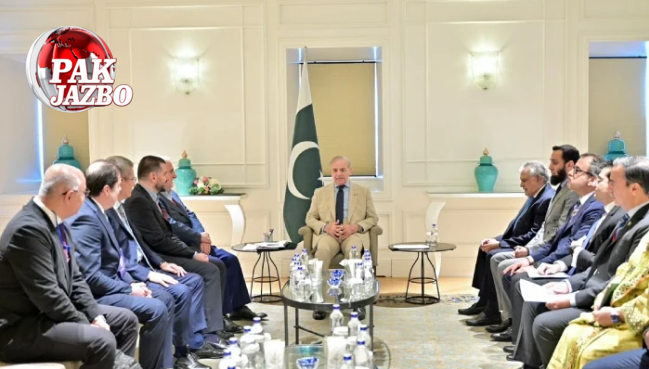
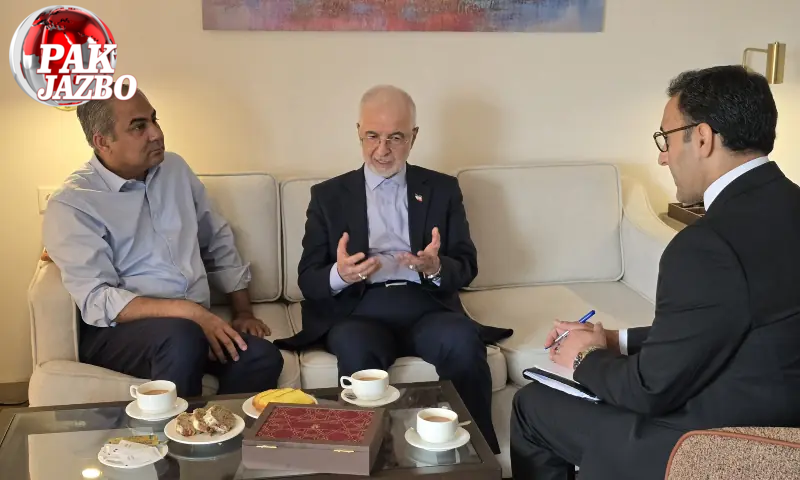
On the role of external mediators, the Qatari premier outlined a diplomatic track in which regional partners will play an active role. He said that Egypt and Turkey would join mediation meetings in Doha focused on implementation details and that, if the plan is approved, Arab and Islamic countries that support the Palestinian cause would be invited to participate in all mechanisms designed to support Palestinians. “Today, in a mediation meeting for Gaza, Egyptian and Turkish officials will attend. If the plan is accepted, Arab and Islamic countries will welcome involvement in all practical support measures,” Sheikh Mohammed stated.
Responding to concerns about international figures involved in the initiative, the Qatari prime minister made a pointed comment about symbolic gestures and historical accountability. In his remarks to Al Jazeera he argued that any apology from the Israeli prime minister would not be a favor but rather recognition of a basic right — an apparent reference to Palestinian demands for acknowledgment and accountability. The exact phrasing underscored Doha’s insistence that dignity and rights must remain central to any settlement framework.
Sheikh Mohammed described the plan as still being at an initial stage and insisted that Doha is working to shape a process that preserves Palestinian rights. “This is an early-stage plan. Qatar is trying to create a path that safeguards the rights of the Palestinian people,” he added, underlining Doha’s continued diplomatic role as a mediator and host for high-level talks.
Addressing Hamas directly, the Qatari prime minister said Doha’s immediate priority is to end the fighting. He said Hamas has shown a willingness to examine the proposals responsibly and that preliminary engagements suggest the movement will review the plan seriously. “Our first objective is to stop the war. Hamas has committed to responsibly reviewing the plan,” Sheikh Mohammed said, adding that the initiative’s central aim — ending hostilities — is being advanced by the U.S. proposal.
While welcoming the U.S. engagement, Sheikh Mohammed cautioned that international intervention must not replace Palestinian agency. He insisted that any post-conflict arrangements must guarantee Palestinian self-determination and avoid creating new forms of control that undermine long-term political rights. “Any pathway must not sideline Palestinians; it must protect their political rights and lead to a viable, independent future,” he stated.
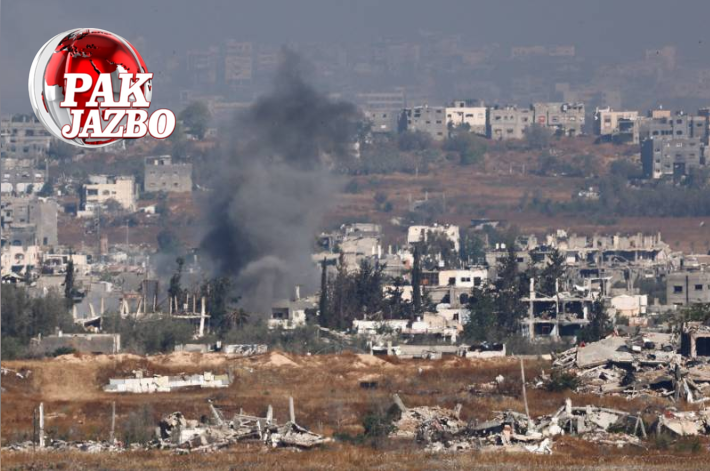
Qatar’s comments come amid intense diplomatic activity around Gaza and growing calls for a comprehensive ceasefire, humanitarian access, and a credible political track to address the underlying causes of the conflict. Doha — which has long served as a mediator between various Palestinian groups and regional actors — appears determined to ensure that any international initiative respects Palestinian sovereignty and includes clear, enforceable provisions for the withdrawal of Israeli forces, humanitarian relief, reconstruction, and political arrangements.
As talks continue, Sheikh Mohammed urged restraint and constructive engagement from all parties. He appealed to the international community to translate rhetorical support for Palestinians into concrete, negotiated steps that secure peace, protect civilians, and lay the groundwork for a just and durable solution.
What’s your Reaction?
+1
+1
+1
+1
+1
+1