
































































































































































































































































































































































































































































































































































































































































































































































































































































































































































































































































































































































































































































































































































































































































































































































































































































Opposition Demands Government Take Parliament into Confidence Over Decision to Join Gaza Board of Peace


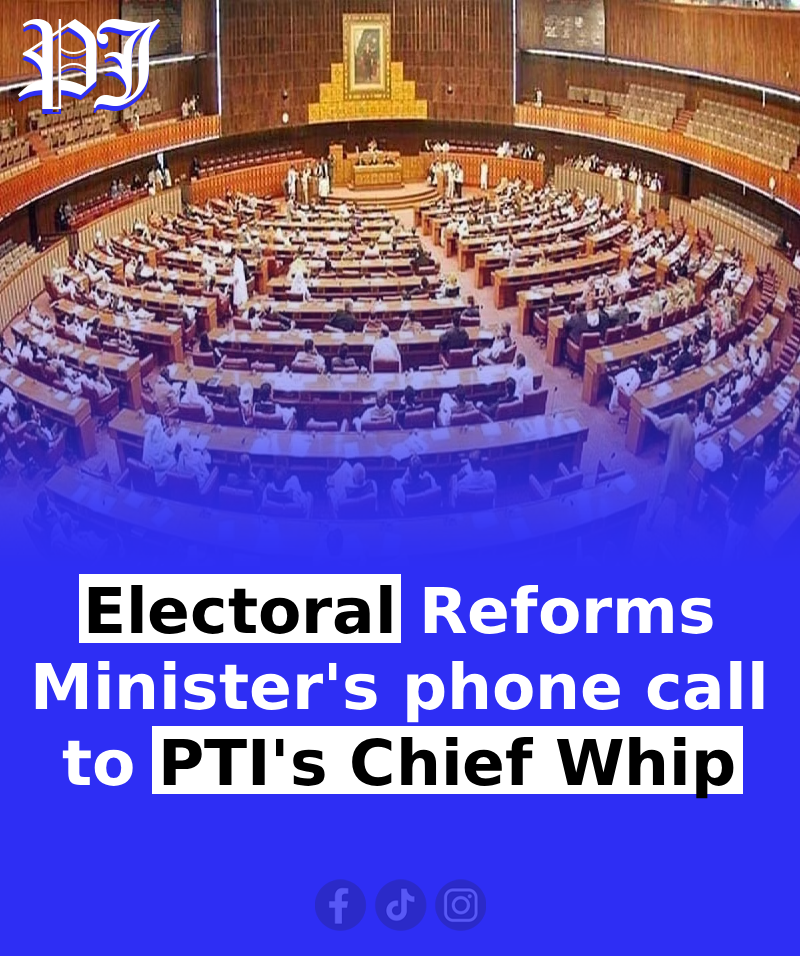
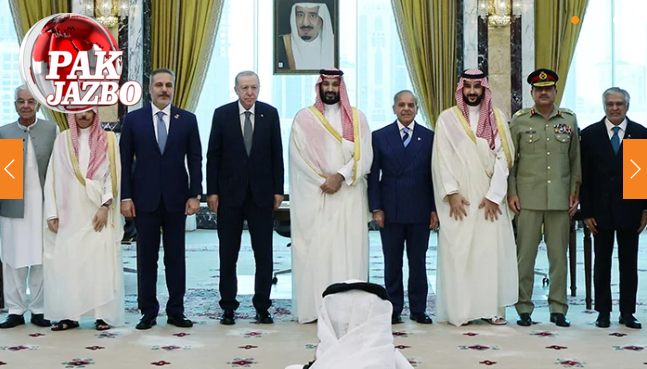
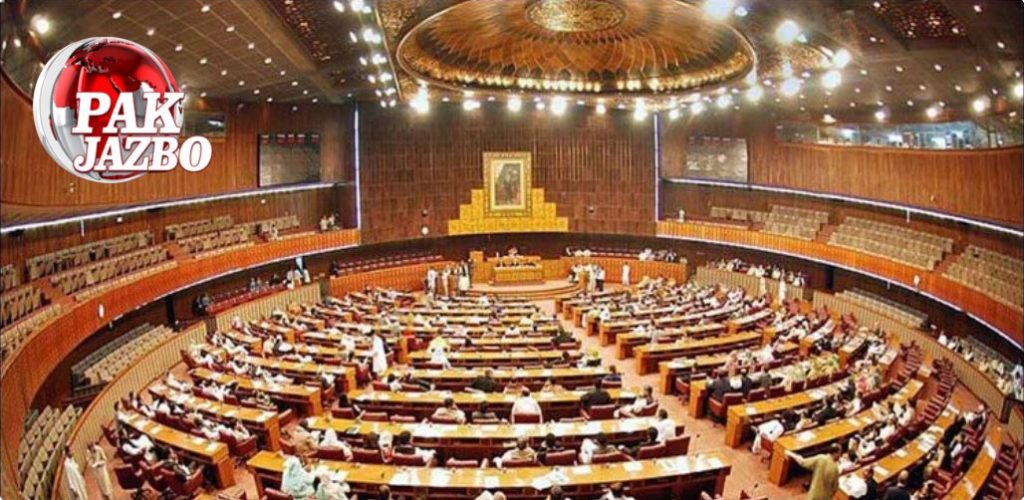
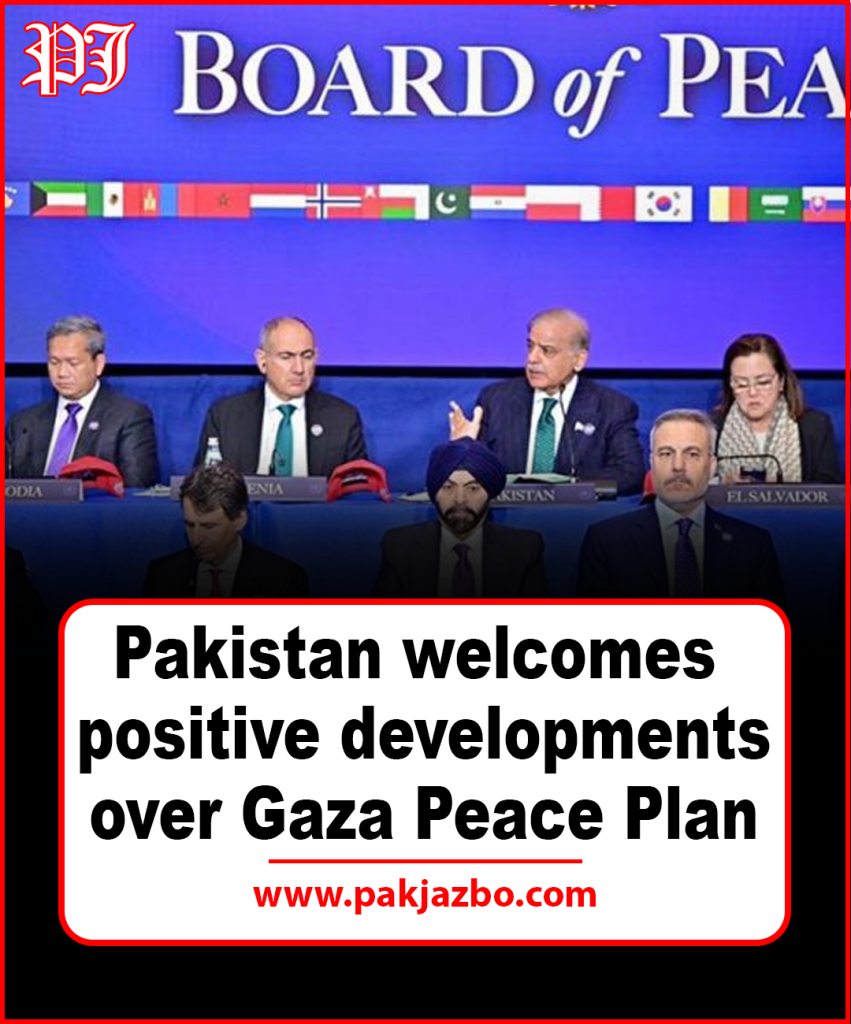
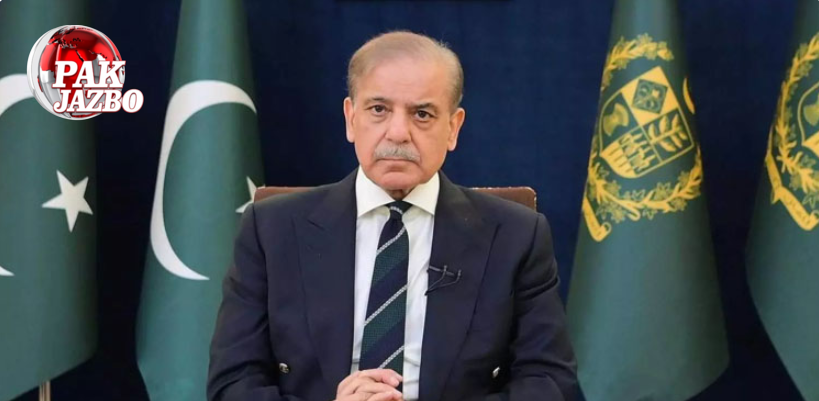
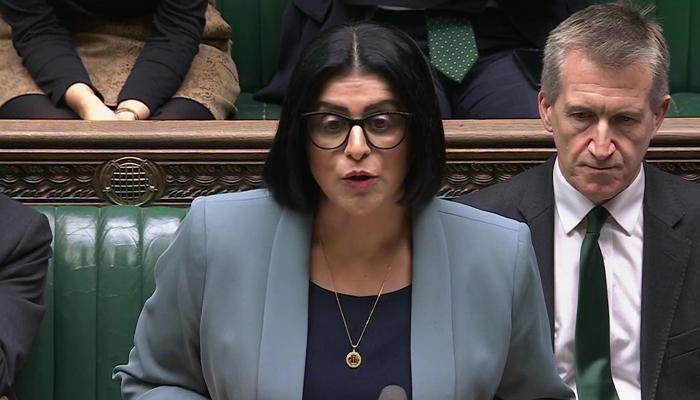
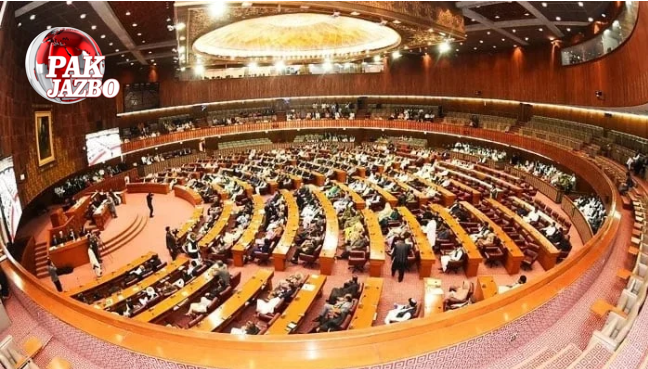
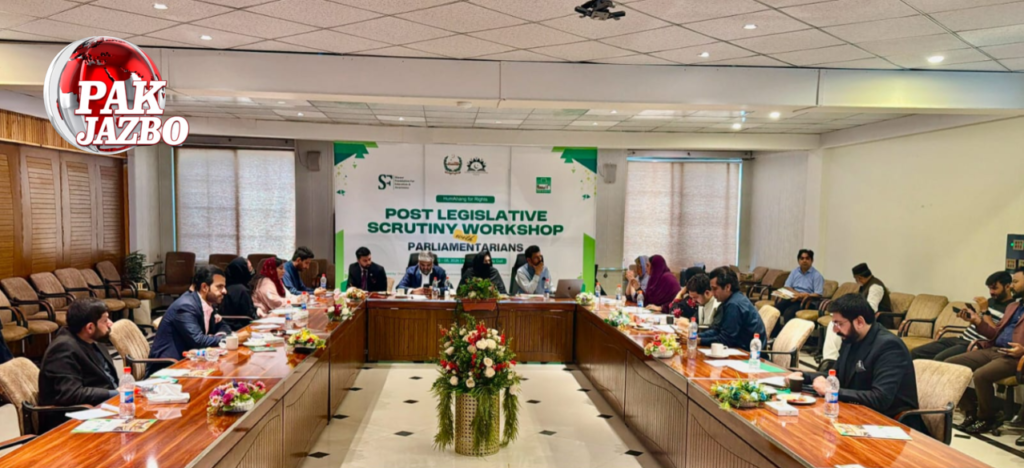
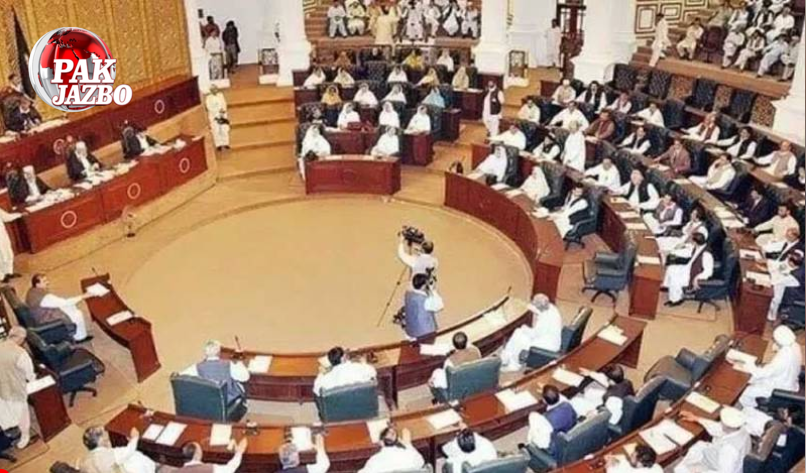
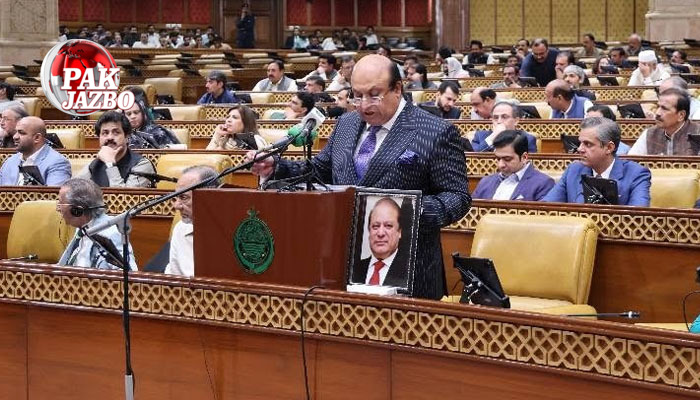
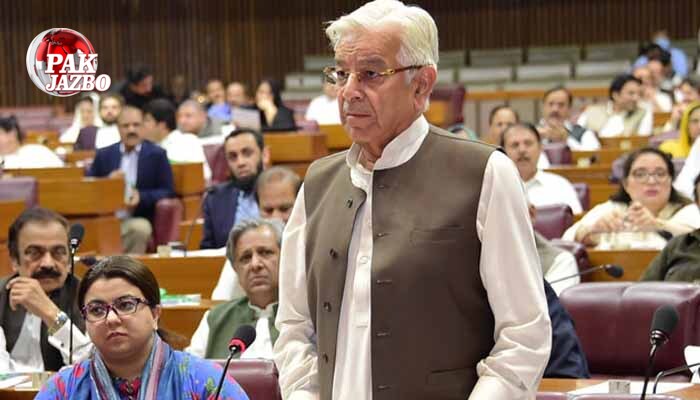
ISLAMABAD: The opposition has strongly criticized the government’s decision to join the Gaza Board of Peace, demanding that the matter be brought before parliament and that the National Assembly be taken into confidence. During proceedings of the National Assembly, opposition leaders questioned the transparency, intent, and conditions of Pakistan’s participation in the initiative, calling it a major foreign policy decision that should not have been taken unilaterally.
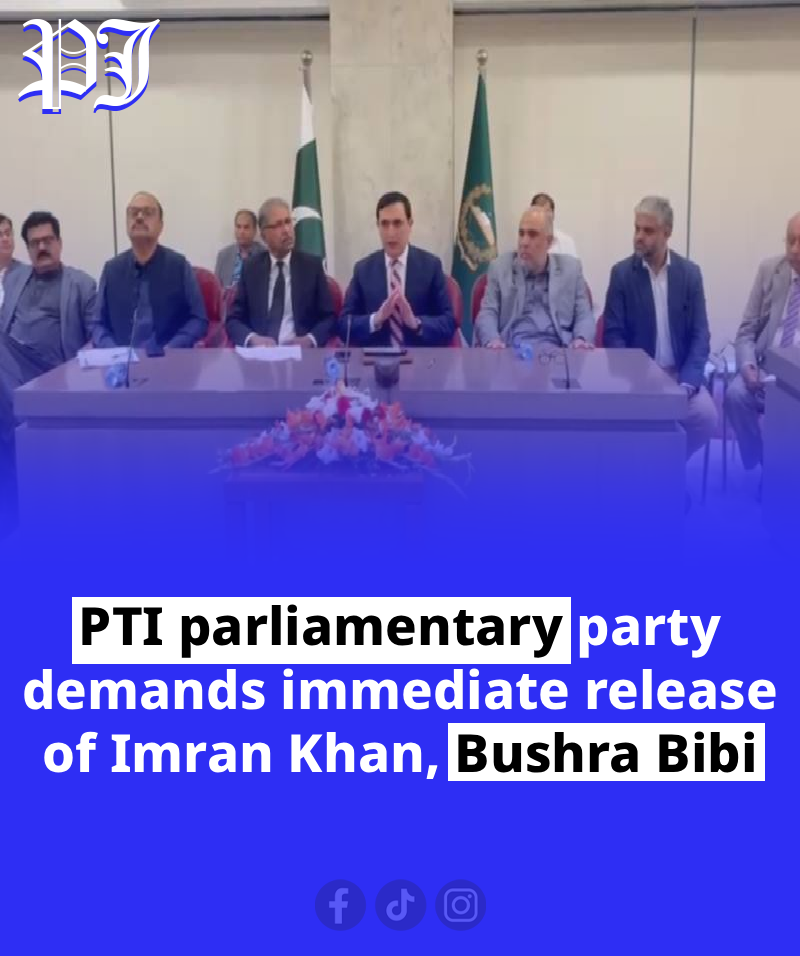
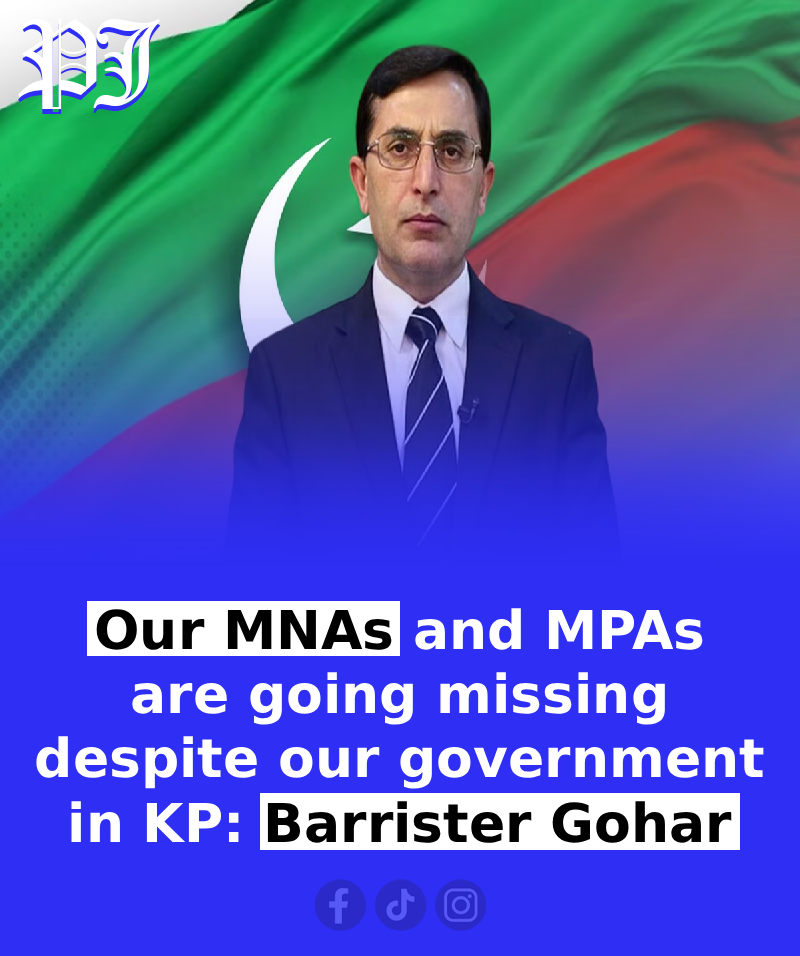
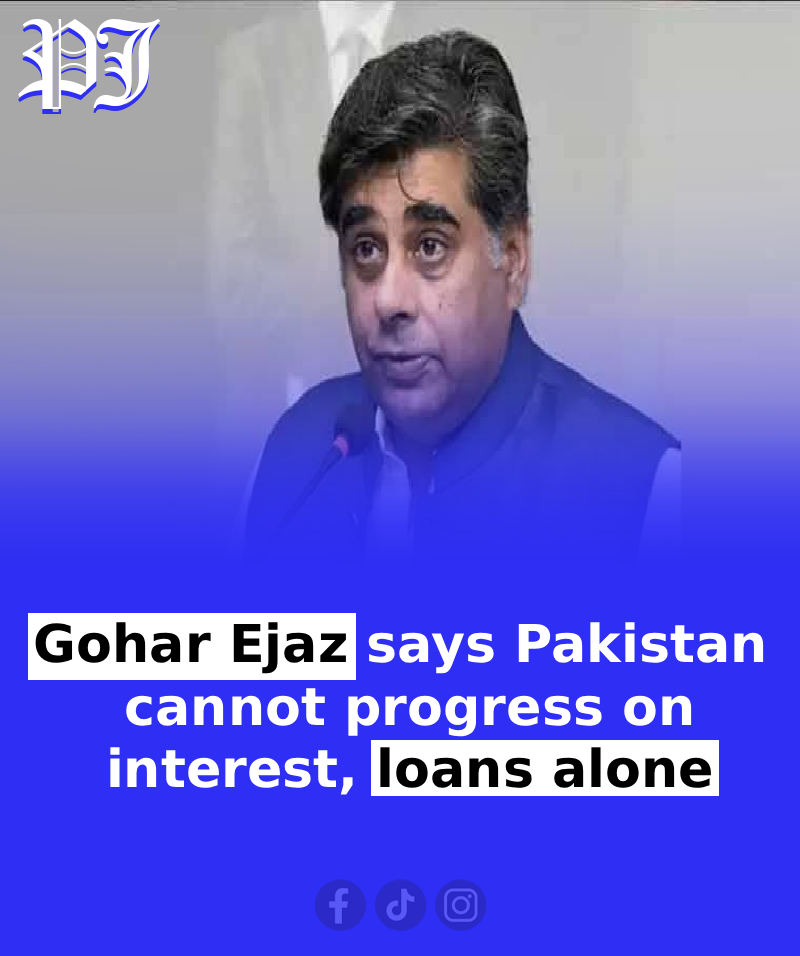
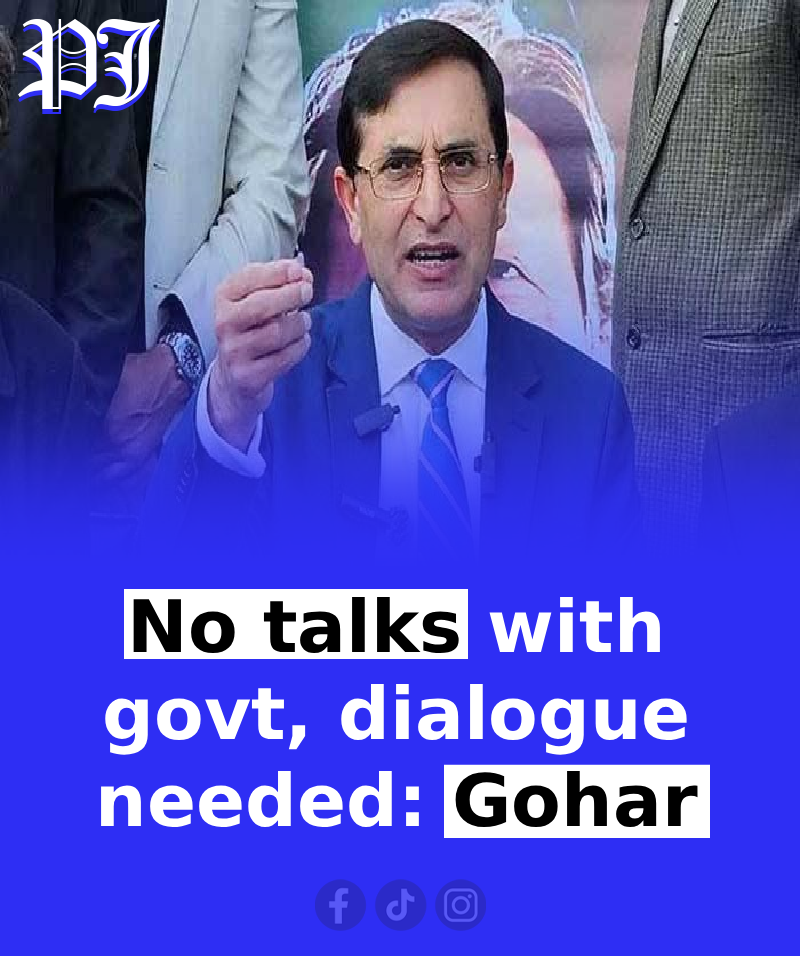
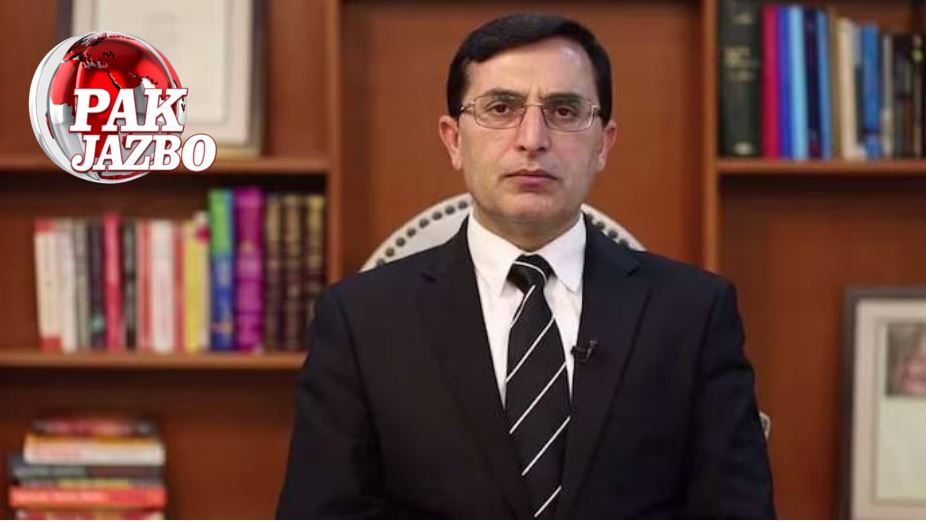
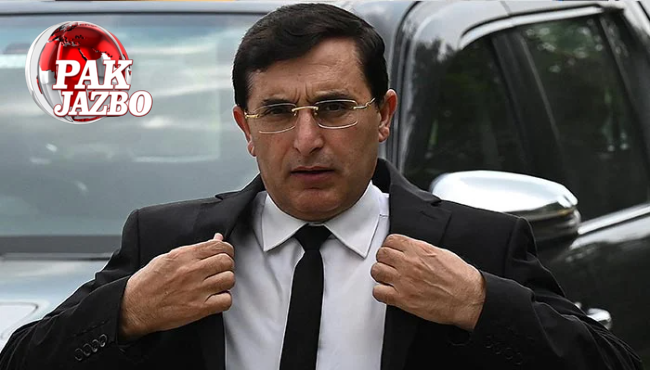
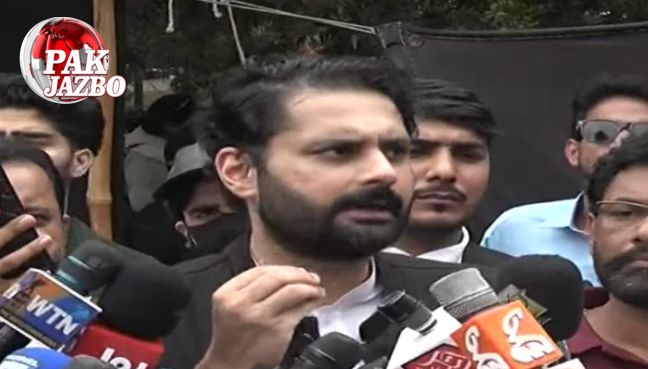
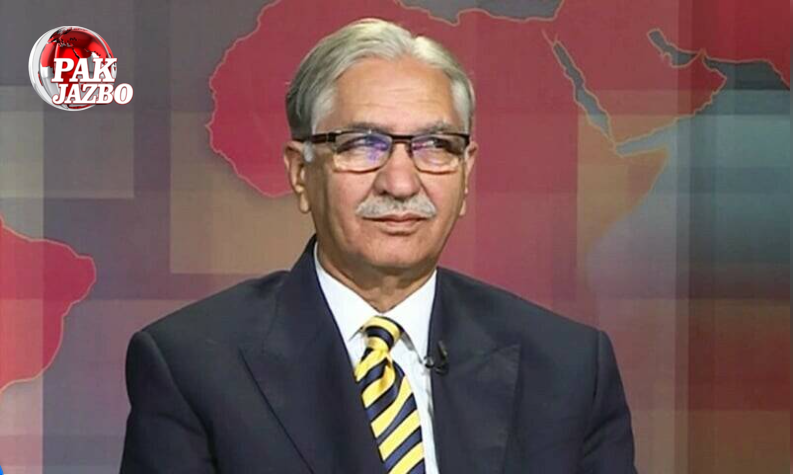
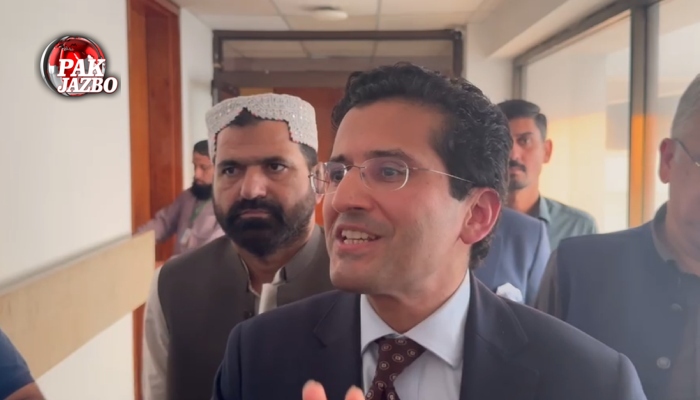
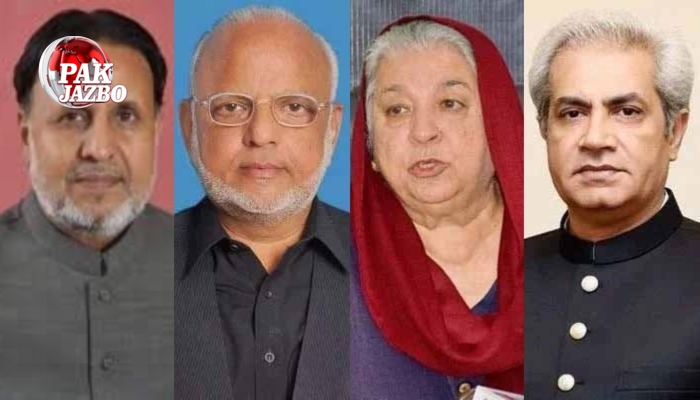
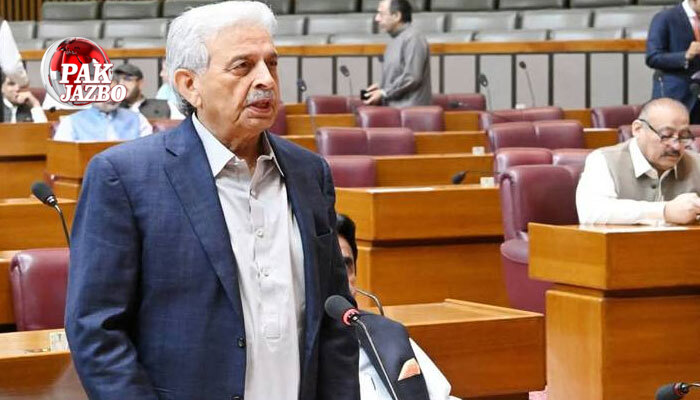
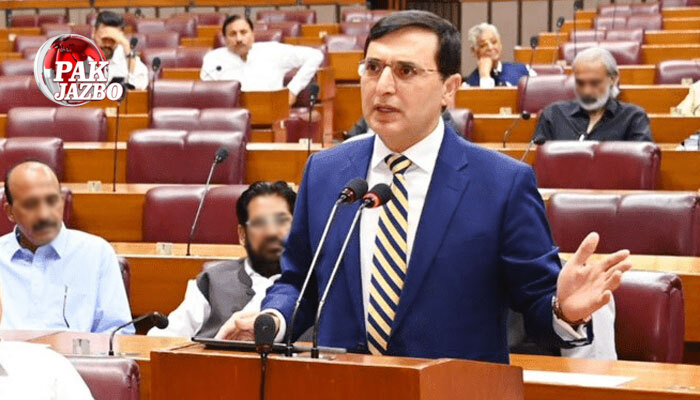
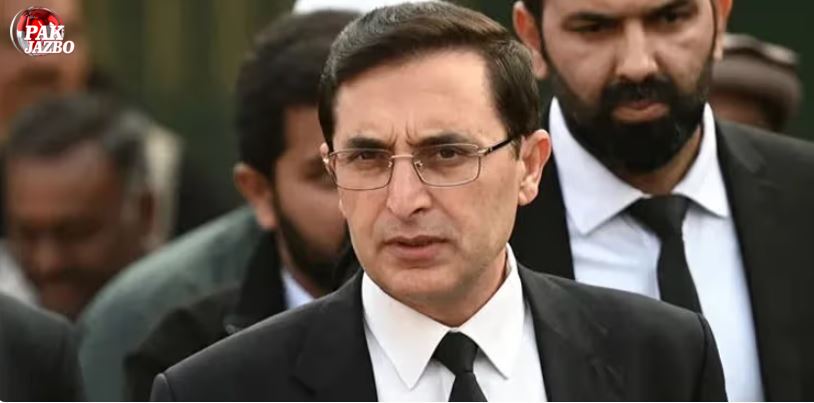
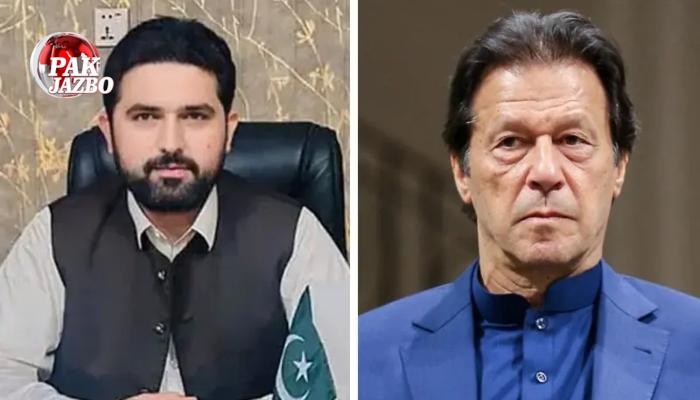
Chairman of Pakistan Tehreek-e-Insaf (PTI), Barrister Gohar, raised the issue on the floor of the House, stating that the prime minister had welcomed the Gaza Board of Peace for Palestine without consulting parliament. He said the government had completely ignored the National Assembly while making a decision of significant diplomatic and political importance.
Barrister Gohar argued that such matters should be debated in parliament before any commitment is made on behalf of the country. “Taking a decision on an issue of this magnitude without bringing it before the House is wrong,” he said. He questioned under what terms and conditions Pakistan had joined the Gaza Board of Peace and demanded that the government clearly explain the nature of its participation. “The House has the right to know what commitments have been made and what obligations Pakistan has agreed to,” he added.
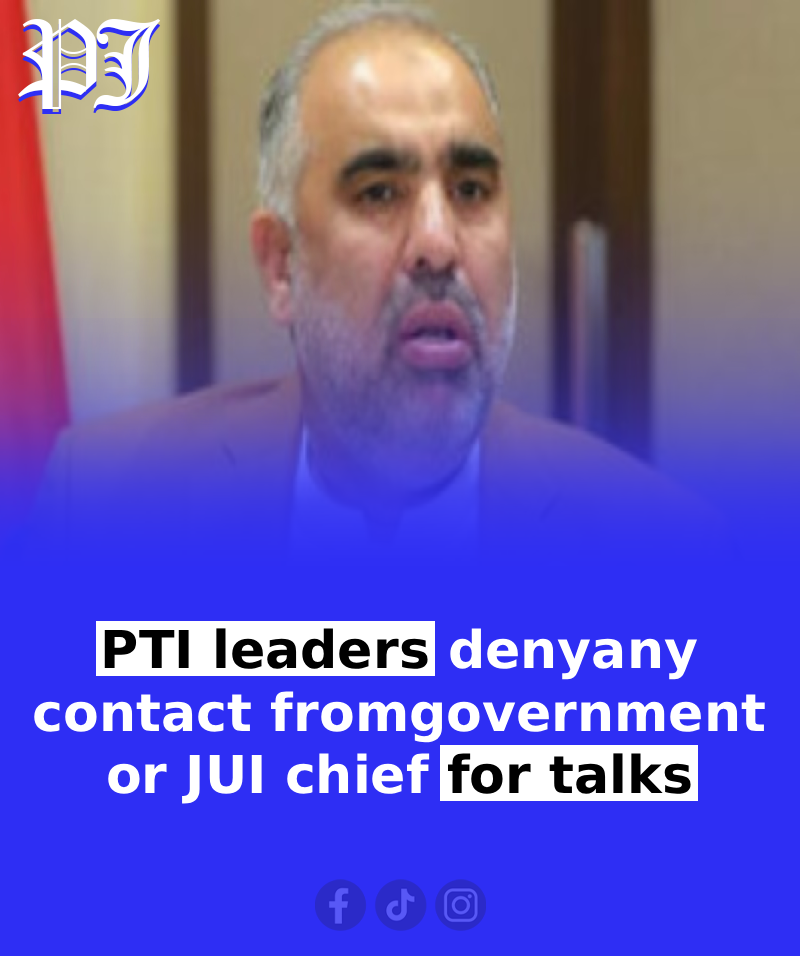
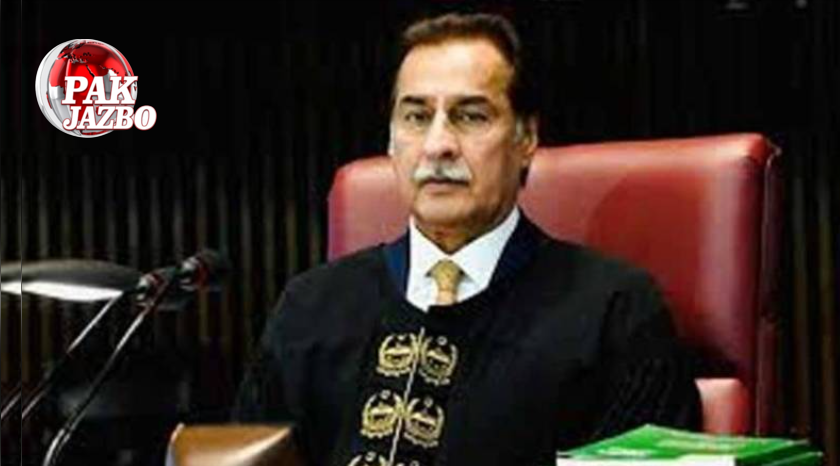
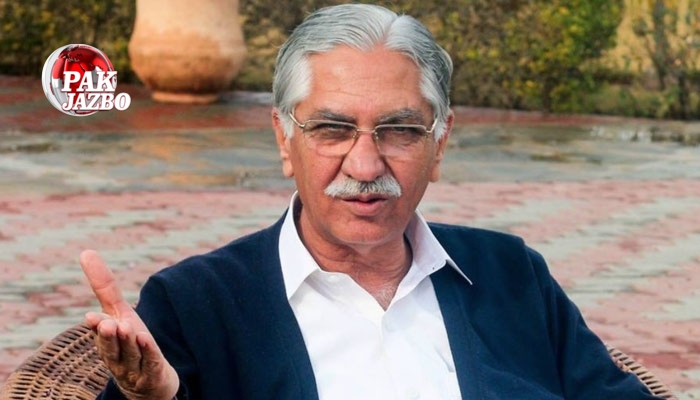
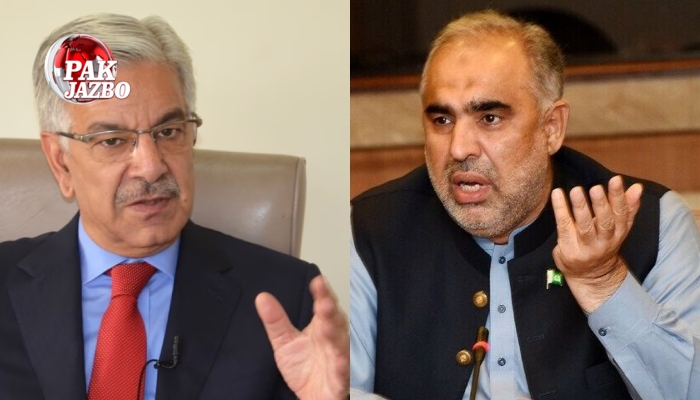
Former National Assembly Speaker and senior PTI leader Asad Qaiser also voiced strong reservations, announcing that Pakistan Tehreek-e-Insaf was completely disassociating itself from the decision. He said the party did not endorse the move and believed that parliament had been sidelined in a matter directly linked to Pakistan’s foreign policy and international standing.
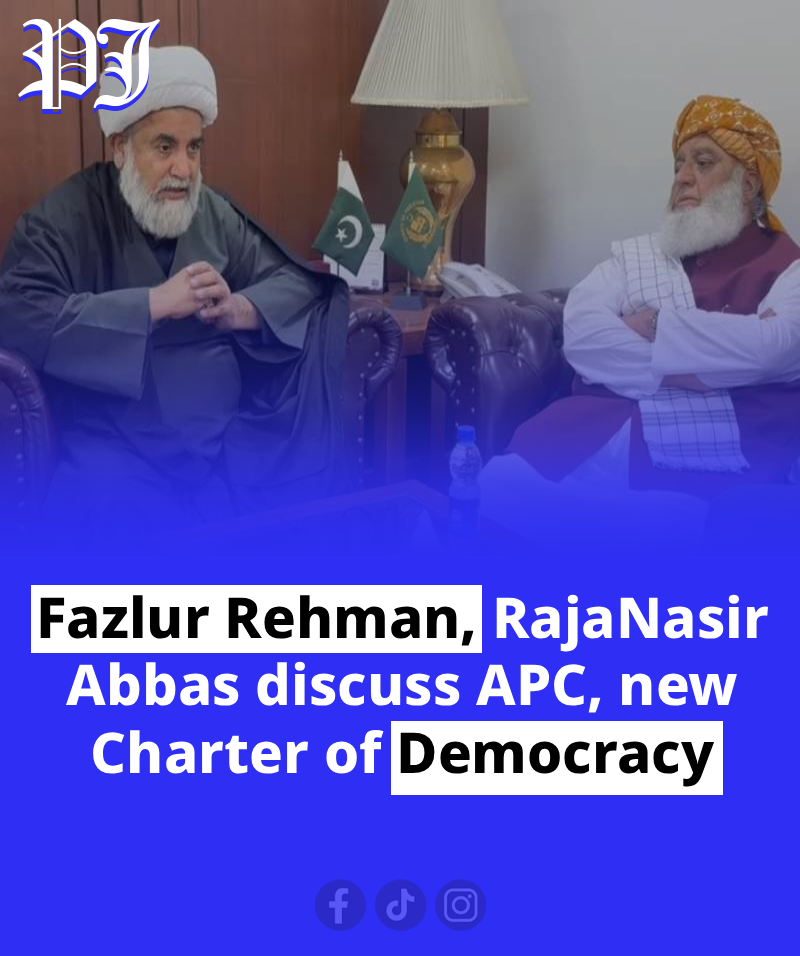
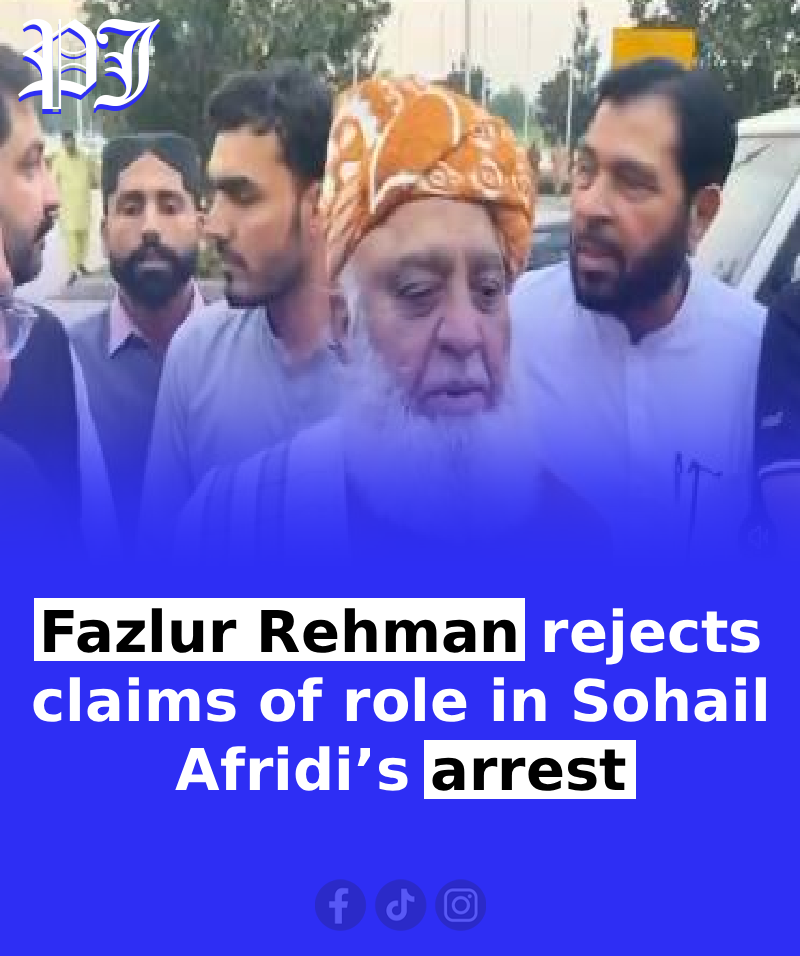
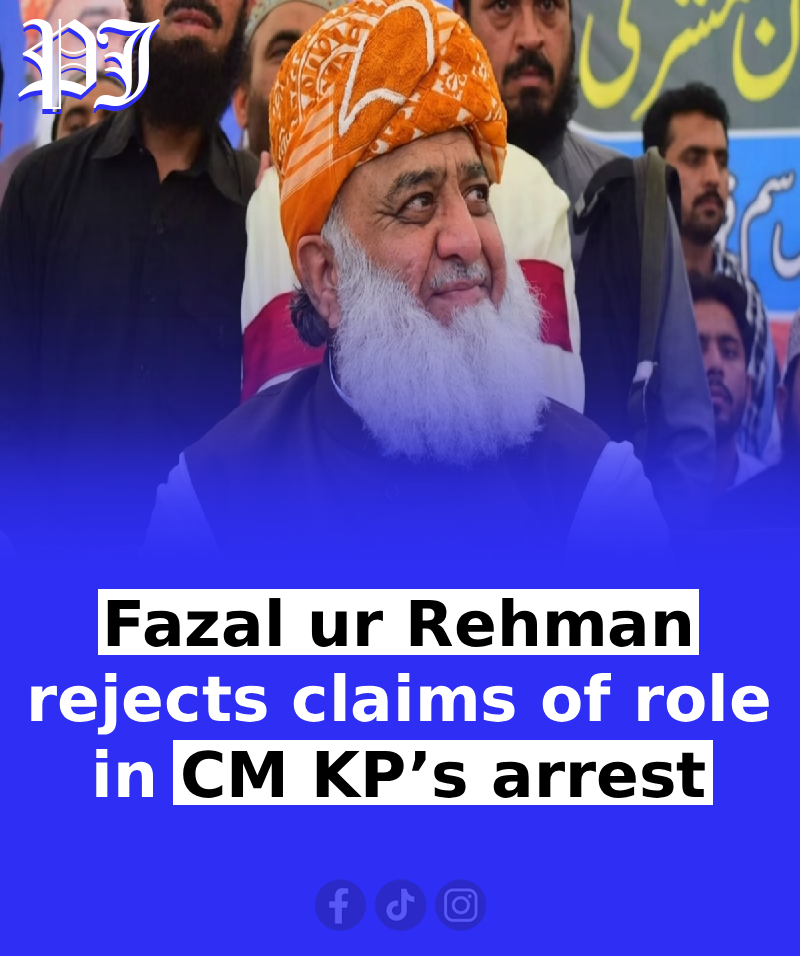
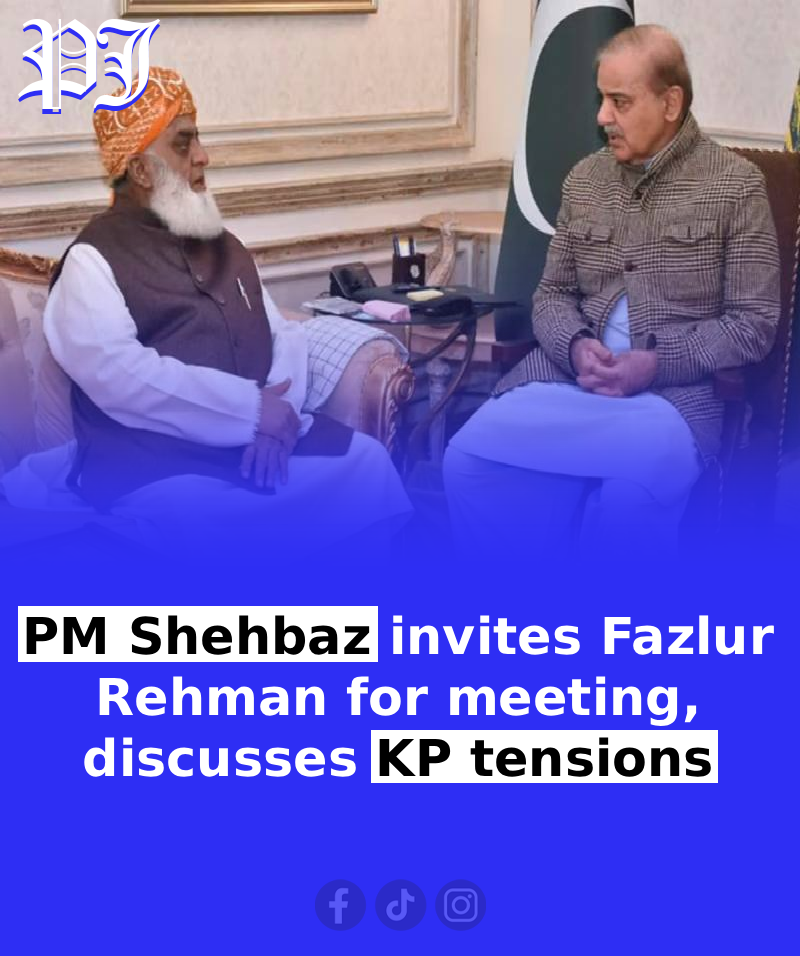
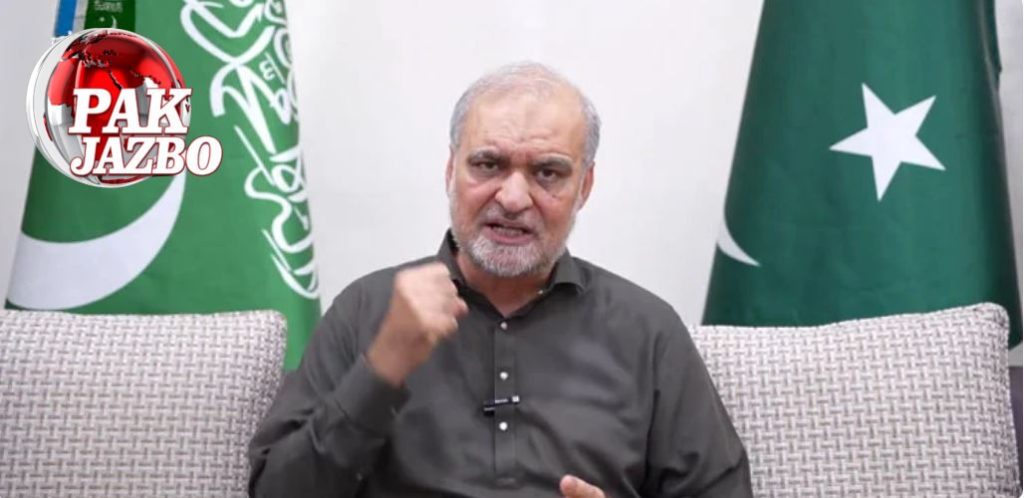
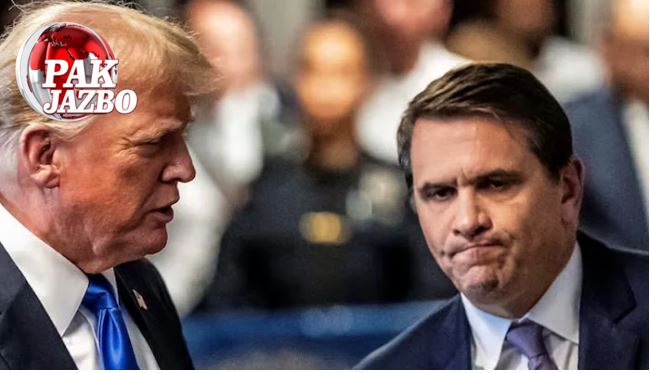
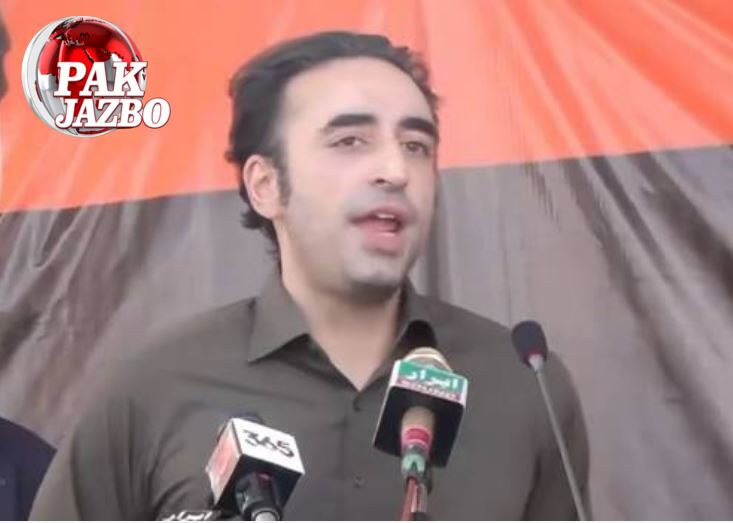
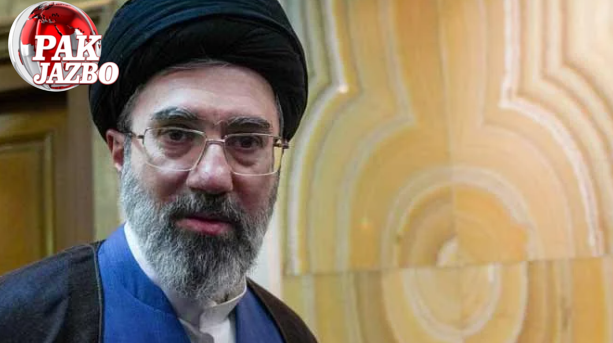
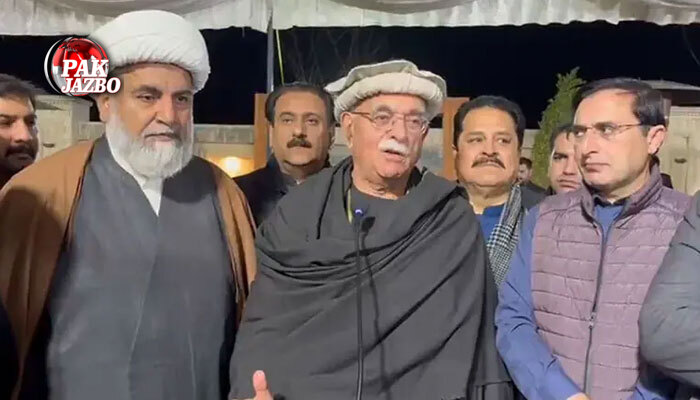
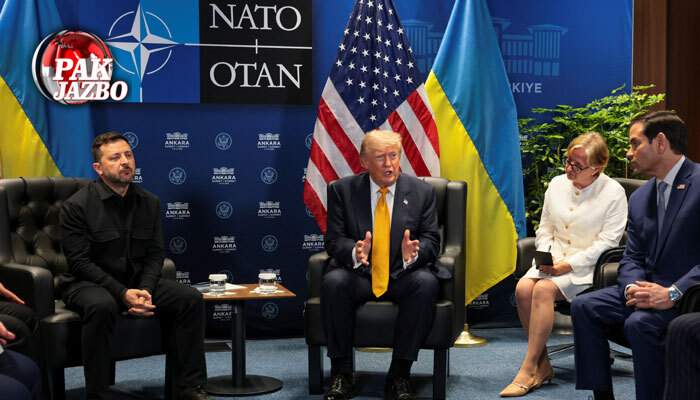
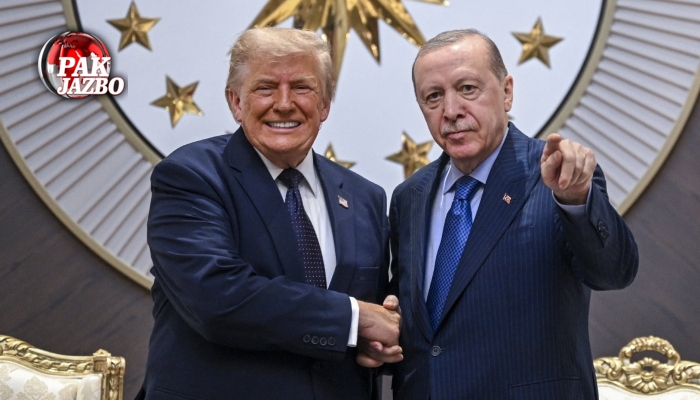
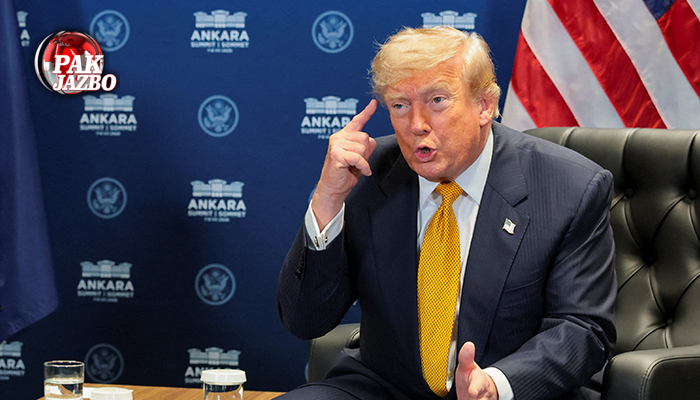
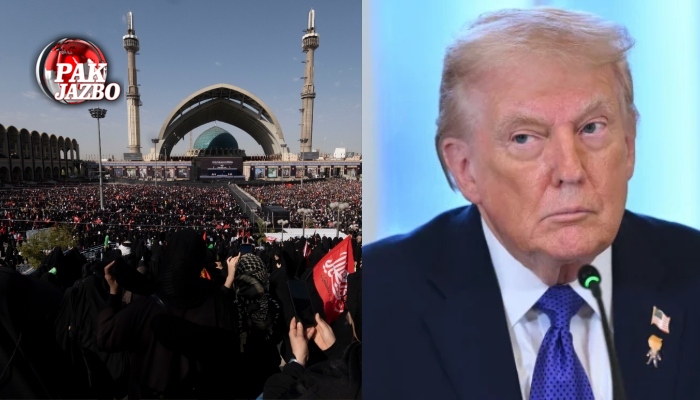
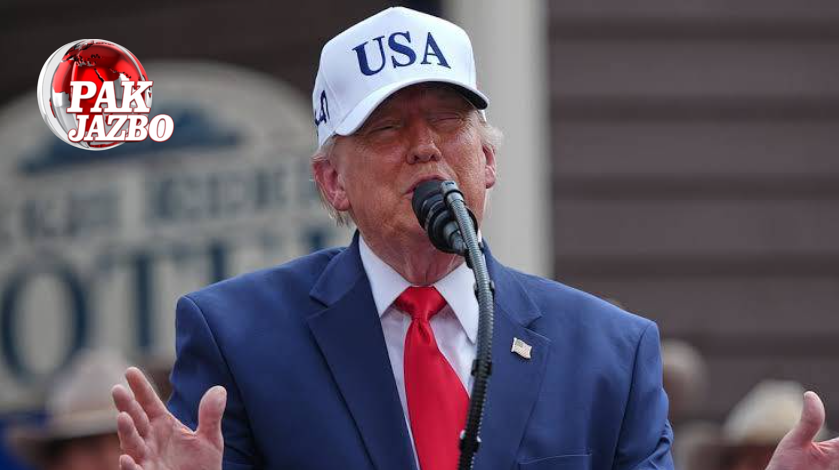
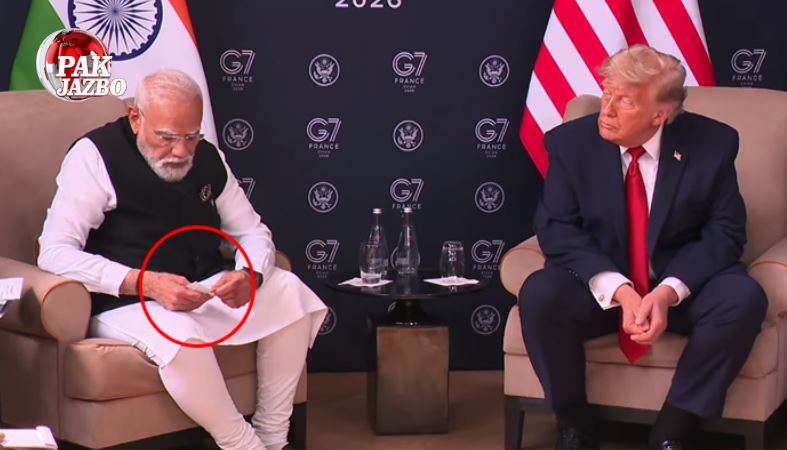
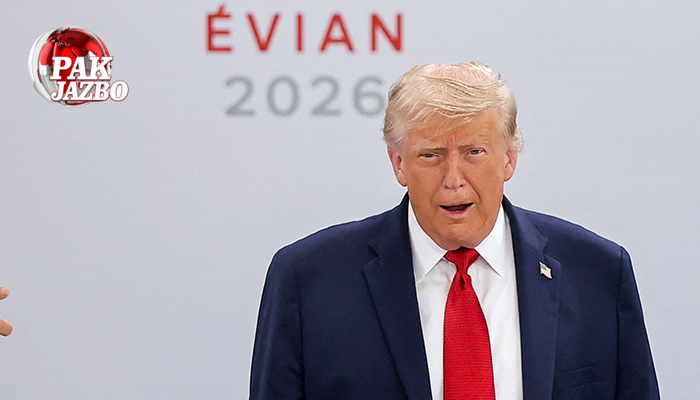
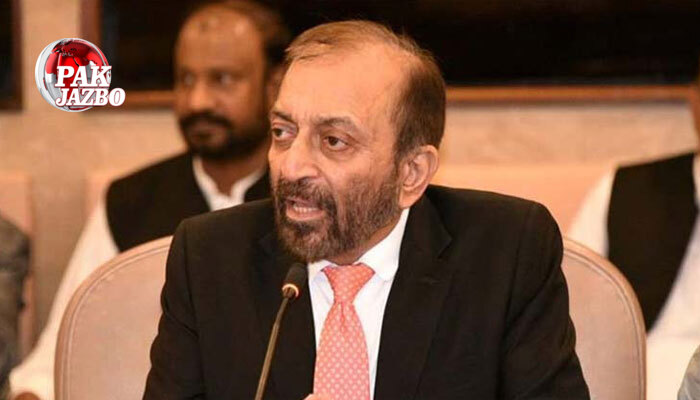
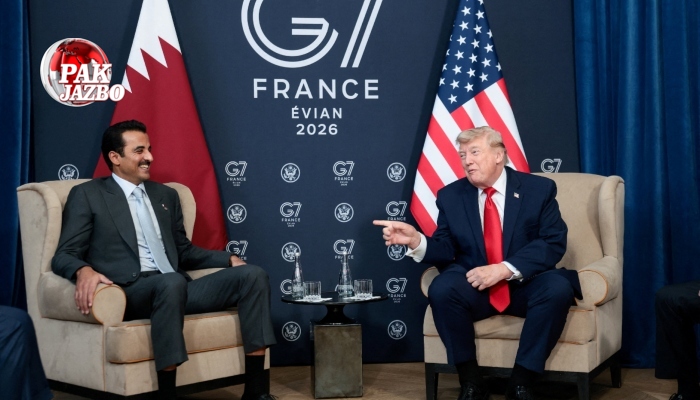
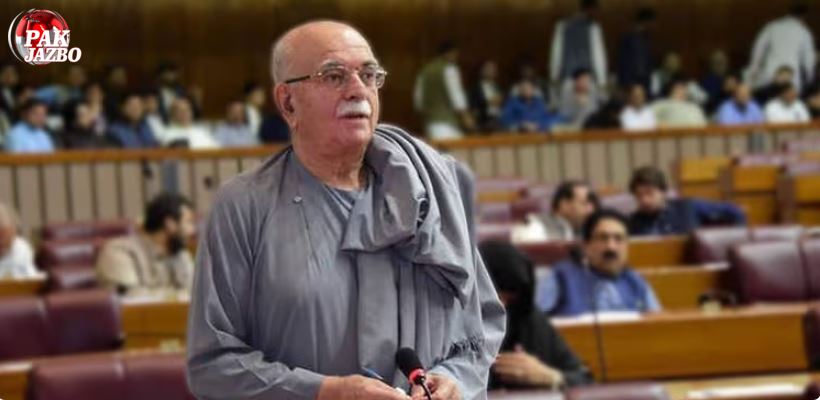
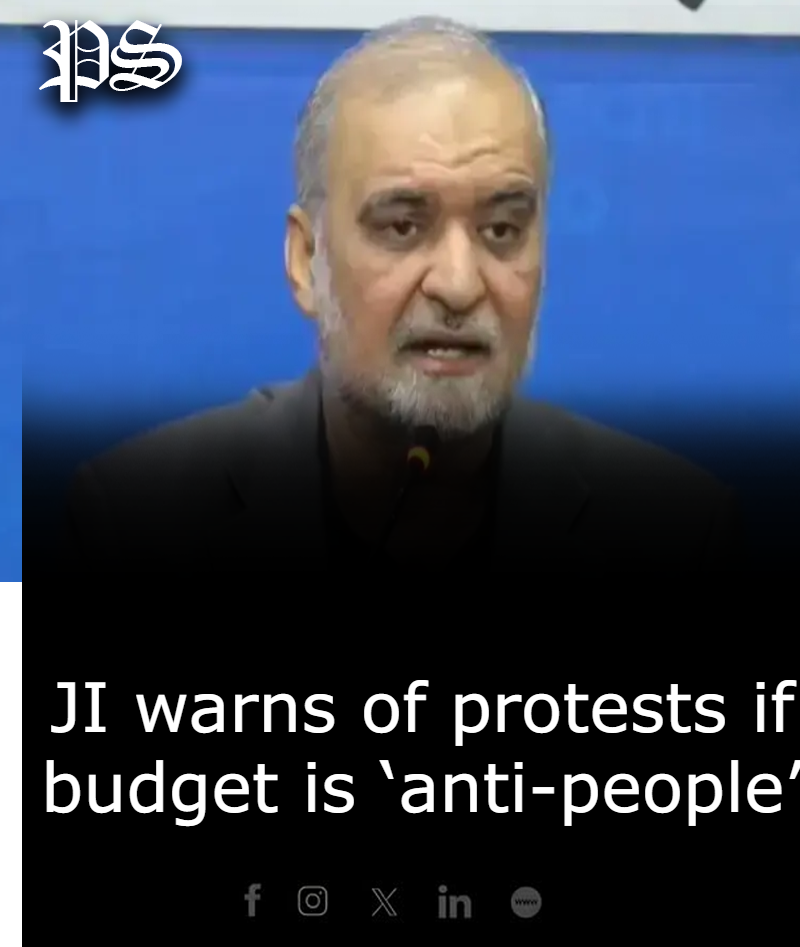
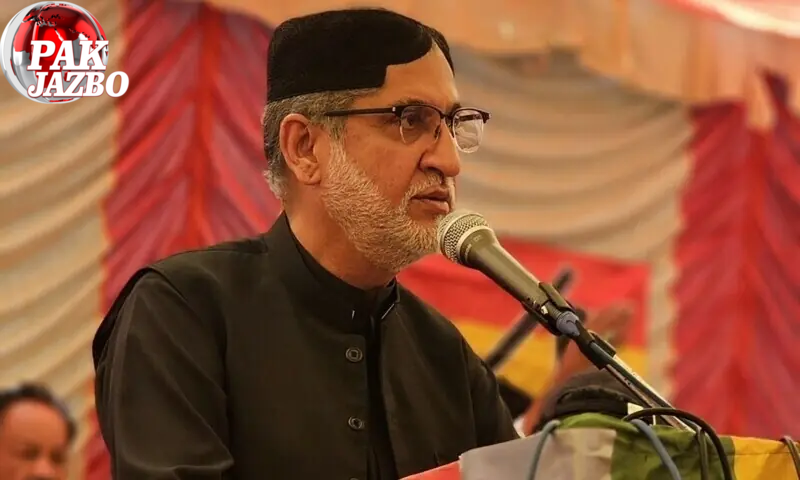
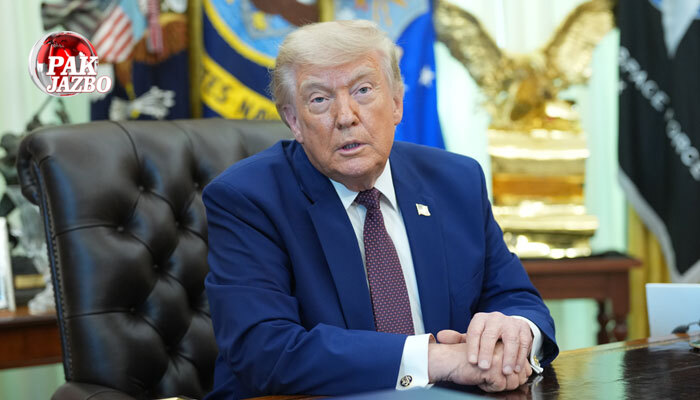
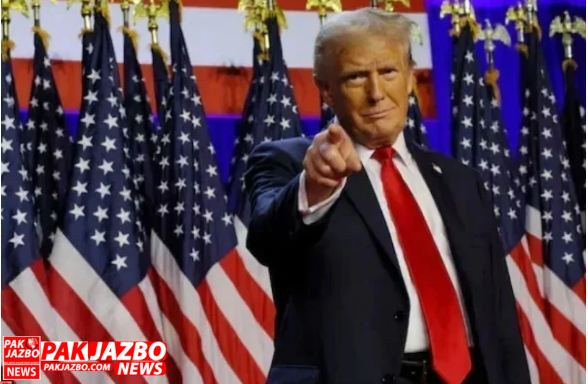
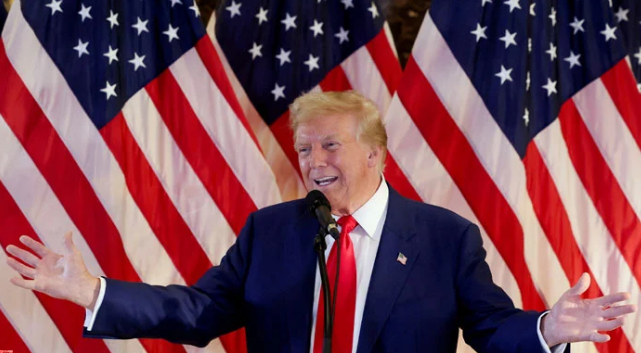
The debate intensified when Jamiat Ulema-e-Islam (JUI-F) chief Maulana Fazlur Rehman addressed the National Assembly. He described Pakistan’s participation in the Gaza Peace Board as an extremely important and sensitive issue, warning that it could have far-reaching implications. According to Maulana Fazlur Rehman, Pakistan’s joining of the board appeared to be an attempt to gain favor with former US President Donald Trump rather than a principled move based on Pakistan’s long-standing stance on Palestine.
“This is not a minor decision. Pakistan’s joining the Gaza Peace Board raises serious questions,” he said. He criticized the government for failing to inform the House and asked whether even the federal cabinet had been taken into confidence. “If you are not taking parliament into confidence, that itself is troubling. But at least tell us whether the cabinet was consulted,” he questioned.
Maulana Fazlur Rehman further asked whether the Gaza Board of Peace was being positioned as a parallel platform to existing international mechanisms. He questioned the necessity of such a board when institutions like the United Nations and the UN Security Council already exist. “Does this board not amount to creating a parallel structure?” he asked, adding that Pakistan must be careful not to undermine established international forums.
He also expressed concern over what he described as Pakistan’s tendency to shape its policies under international pressure. “Our policies are often made under external pressure,” he said. While acknowledging the extremely dire and helpless situation of the Palestinian people, Maulana Fazlur Rehman emphasized that Pakistan must still ensure clarity, consistency, and independence in its foreign policy decisions. “The Palestinians are in an extremely difficult position, but we must at least keep our own policy straight and transparent,” he stressed.
Opposition members echoed these concerns, arguing that Pakistan’s traditional stance on Palestine has always been based on principled support for Palestinian rights and self-determination. They warned that joining new initiatives without clear objectives and parliamentary oversight could dilute Pakistan’s position or create diplomatic complications.
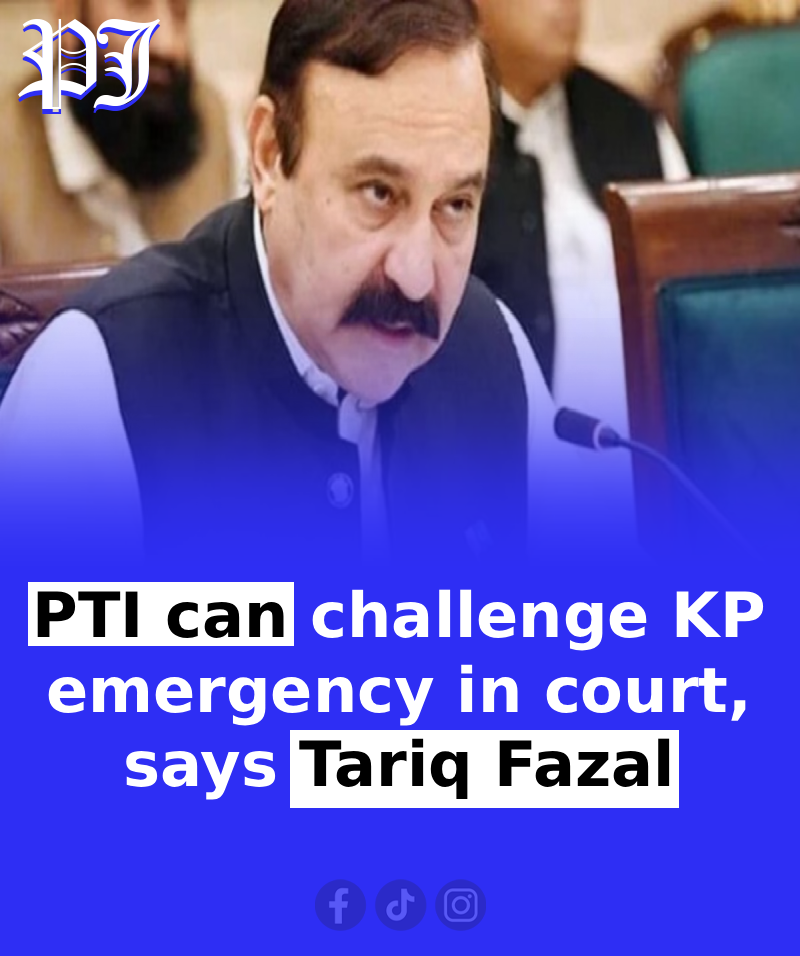
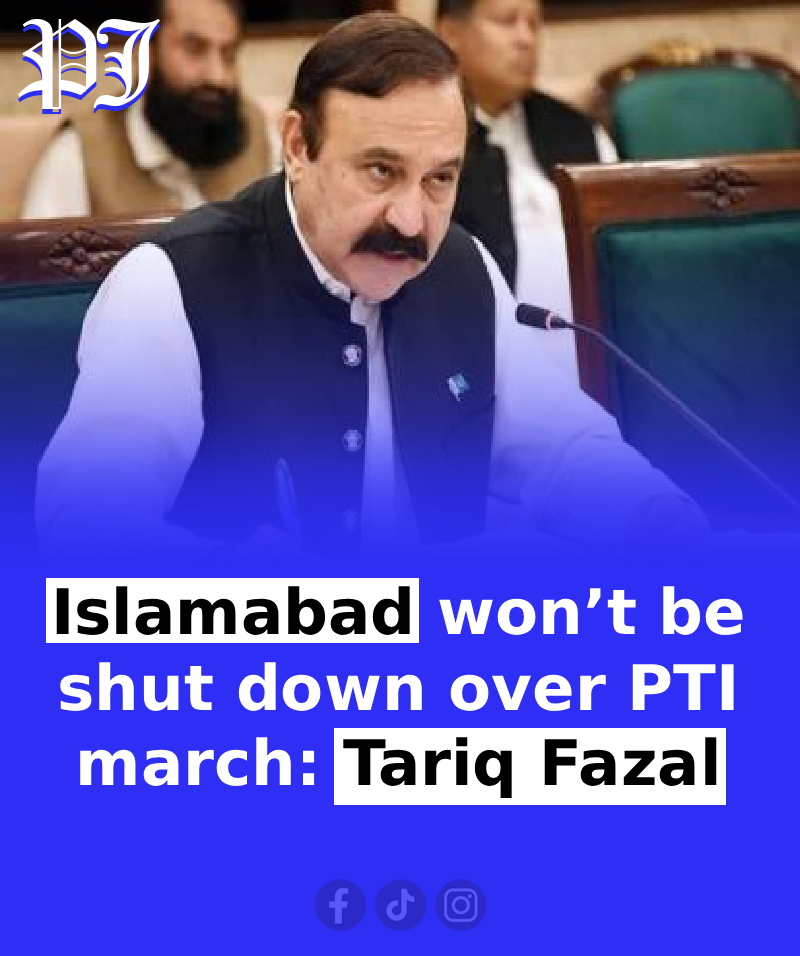
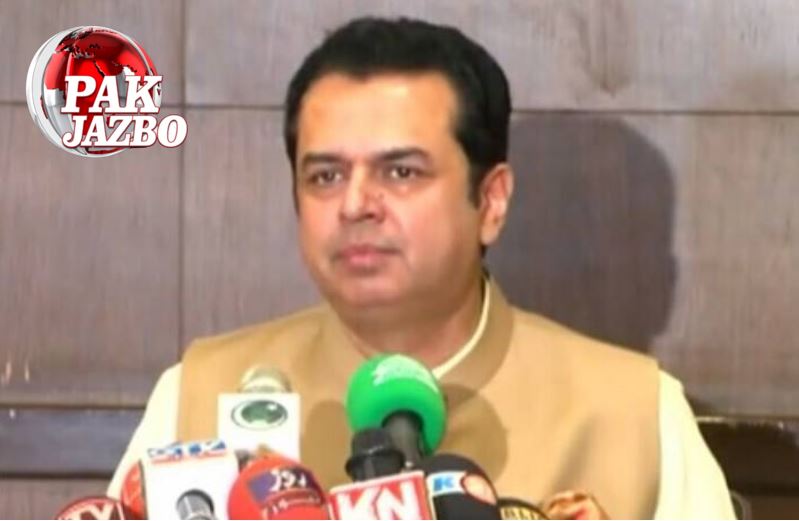
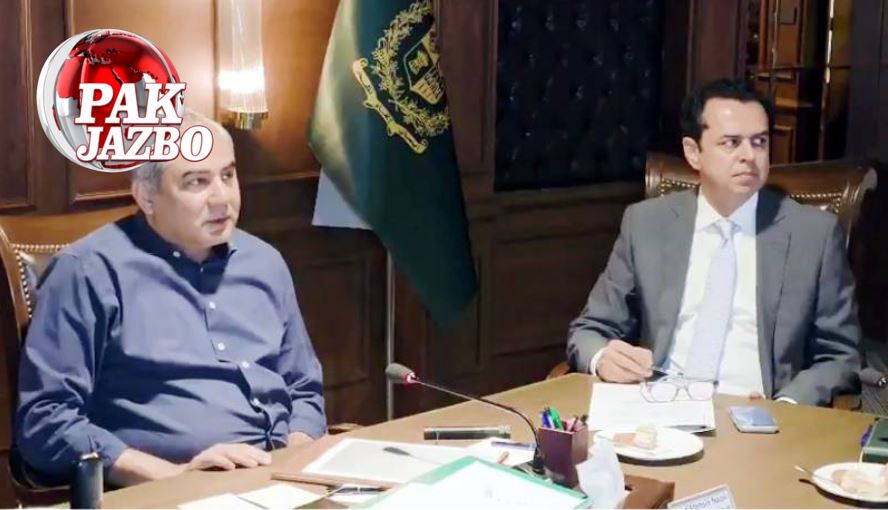
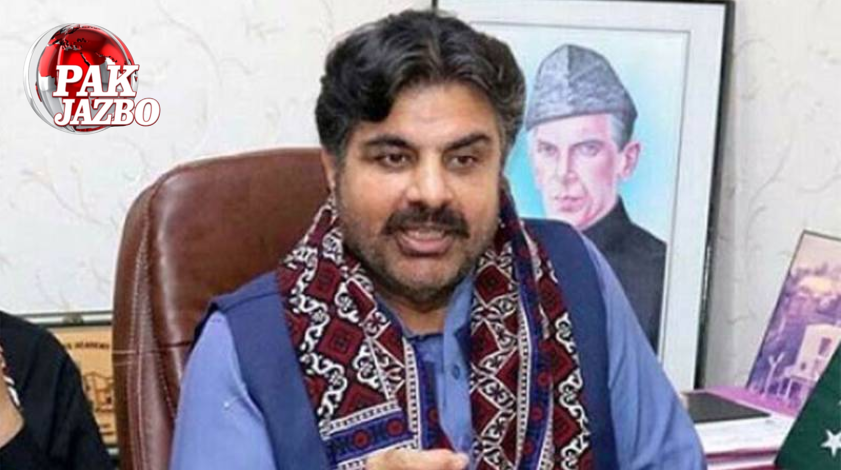
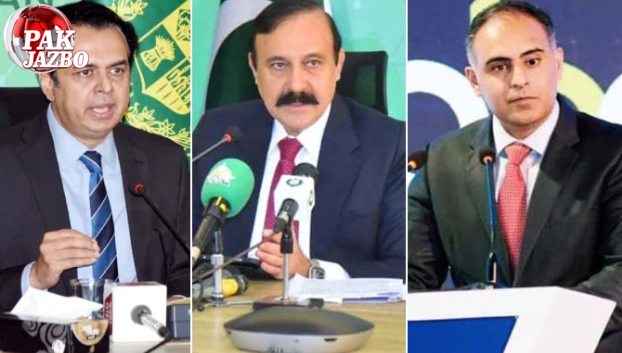
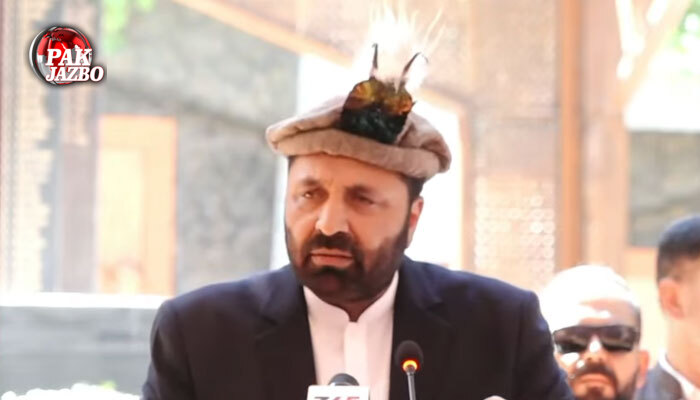
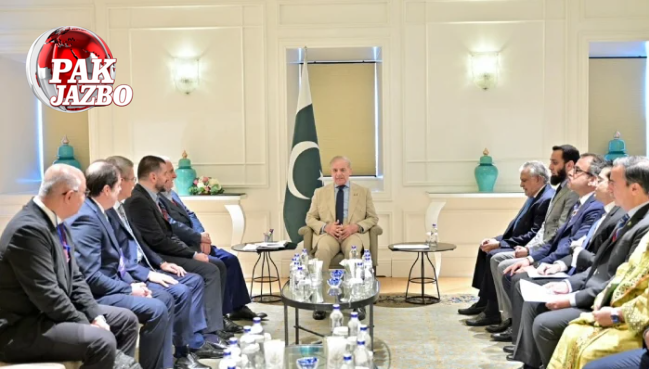
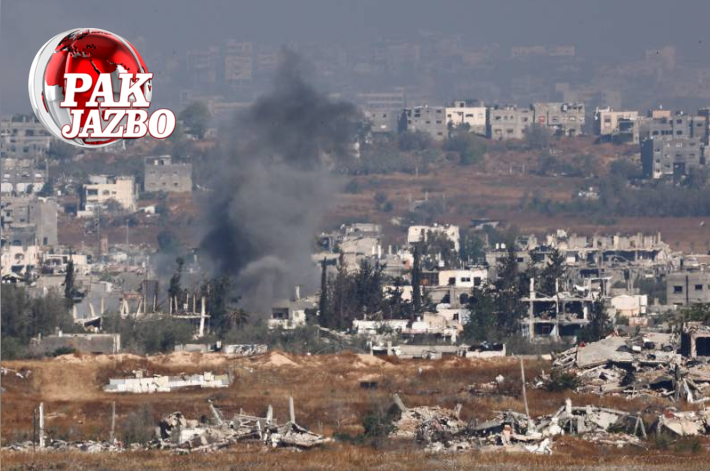
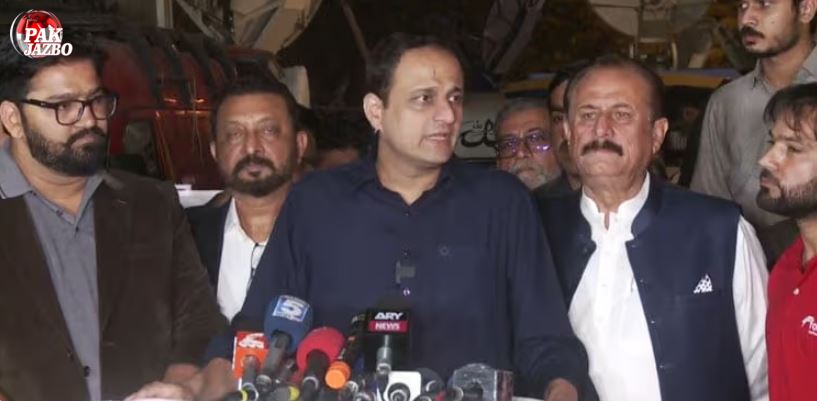
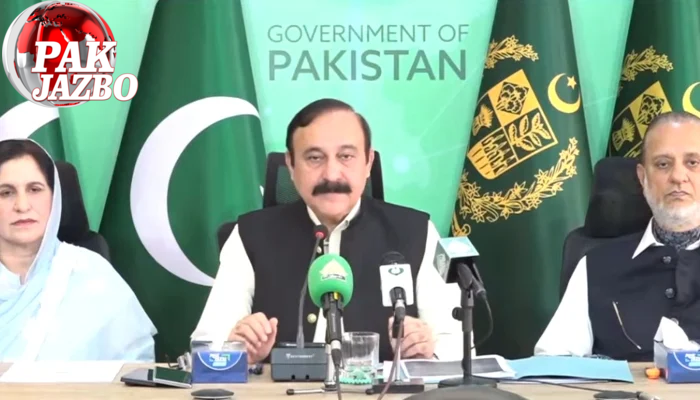
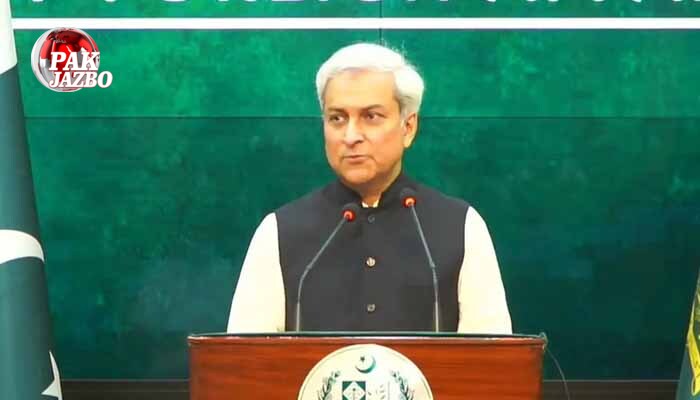
Responding to the criticism, Federal Minister for Parliamentary Affairs Tariq Fazal Chaudhry defended the government’s decision. He said that decisions of this nature are taken in the interest of the Muslim Ummah and Pakistan’s national interest. According to him, Pakistan decided to join the Gaza Board of Peace with the objective of supporting the reconstruction of Gaza and achieving a permanent ceasefire.
“The decision was made to contribute positively towards Gaza’s reconstruction and to work for a lasting ceasefire,” the minister said. He urged all political parties to adopt a consensus-based approach on such critical international matters. “On issues of national and Muslim Ummah interest, we need to move forward with unity and agreement rather than political division,” he added.
Tariq Fazal Chaudhry maintained that Pakistan’s participation was aligned with its long-standing support for the Palestinian cause. He argued that engagement through the Gaza Board of Peace could provide another avenue to raise Pakistan’s voice for peace, humanitarian assistance, and relief efforts in Gaza.
Despite the government’s explanation, opposition parties remained unconvinced, insisting that the core issue was not just the intent behind the decision but the process through which it was made. They reiterated that parliament must be the primary forum for debating and approving major foreign policy decisions.
The issue has sparked a broader debate about parliamentary oversight, transparency in foreign affairs, and the balance of power between the executive and the legislature. Analysts note that the controversy reflects deeper political divisions and growing demands for greater accountability in decision-making at the highest levels.
What’s your Reaction?
+1
+1
+1
+1
+1
+1