


























































































































































































































































































































































































































































































































































































































































































































































































































































































































































































































































































































































































































































































































































































































































































































































































































































































































Ahsan Iqbal Urges Focus on Education and Development, Says 25 Million Children Out of School in Pakistan


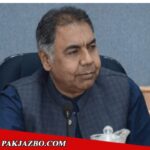
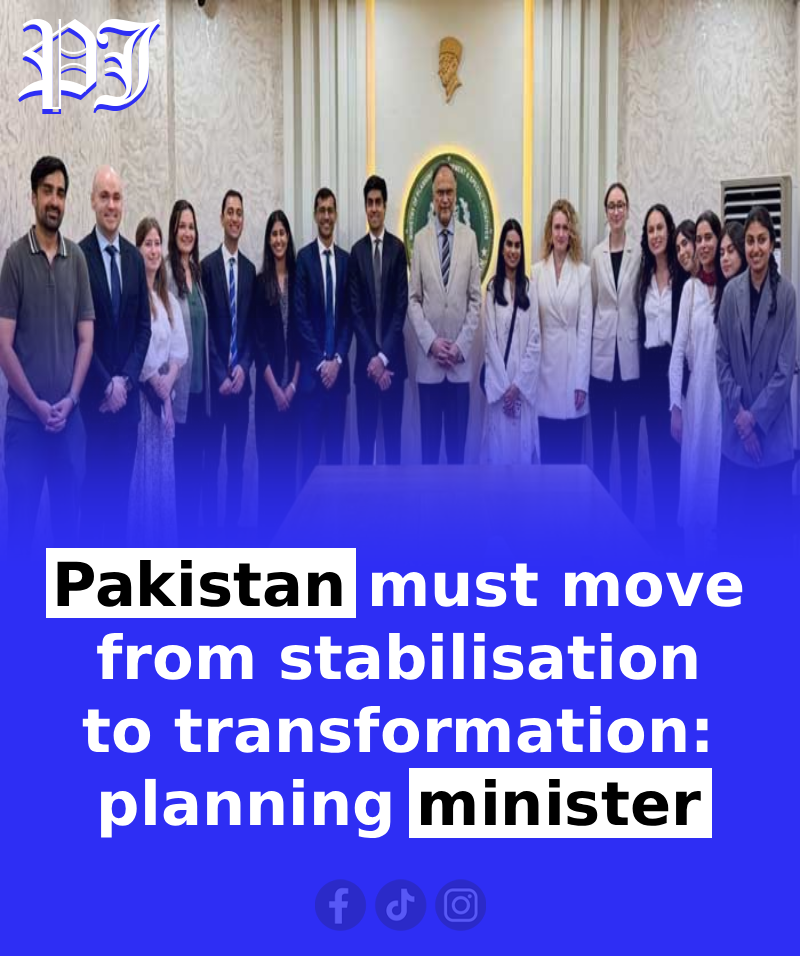
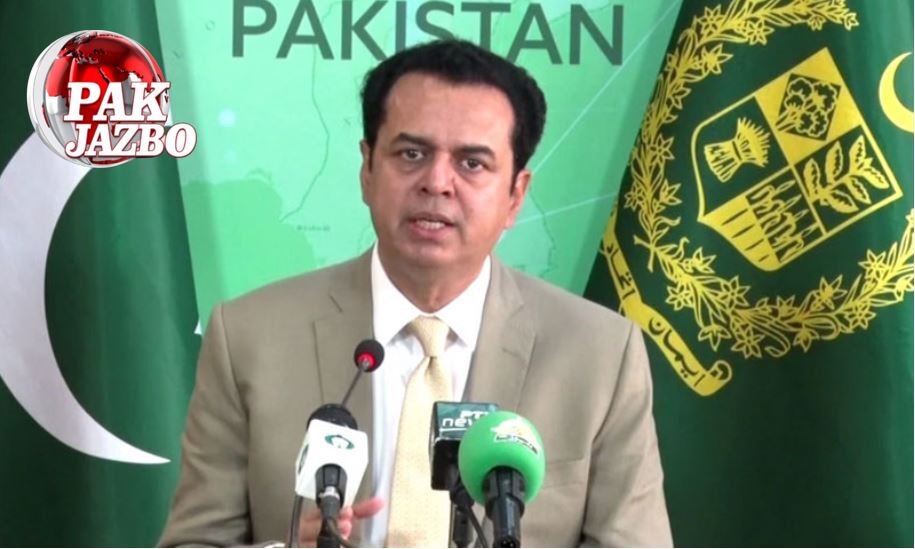
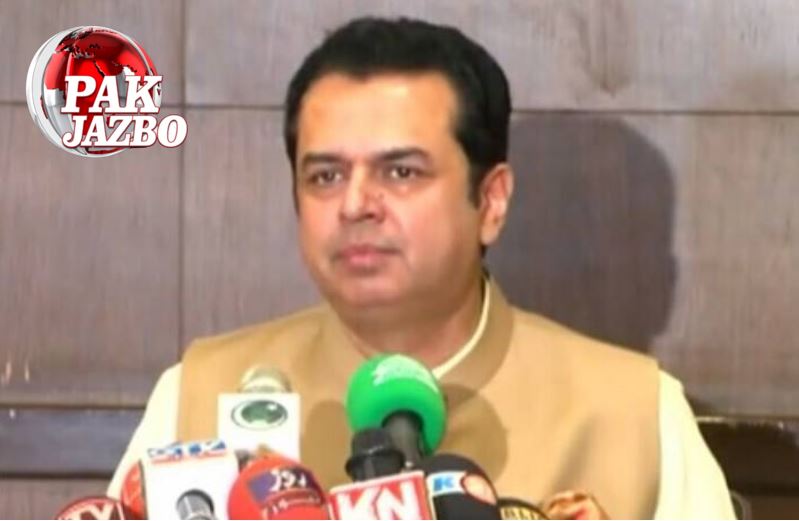
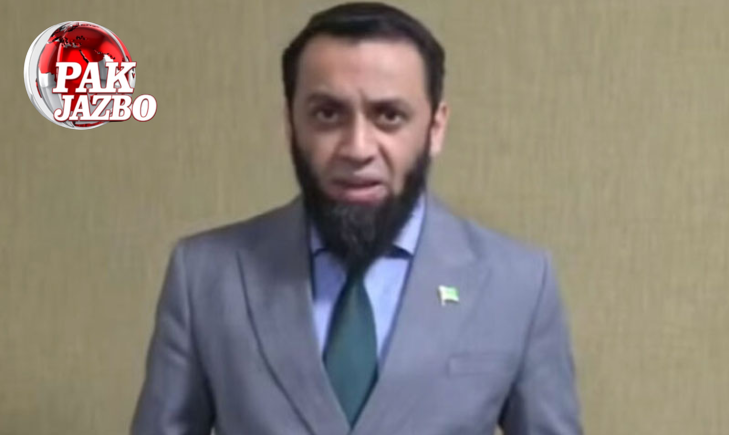
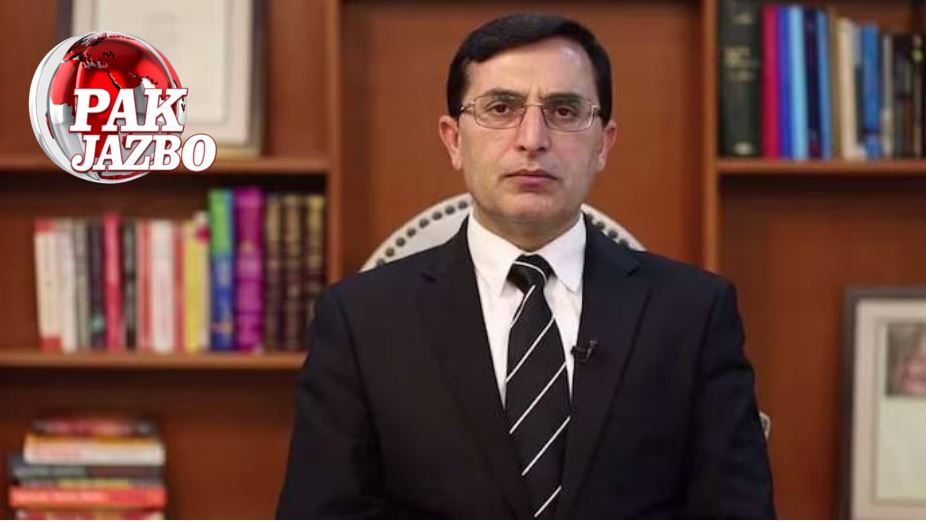
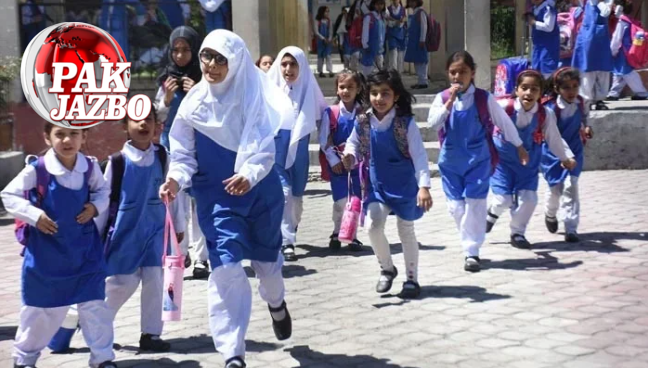
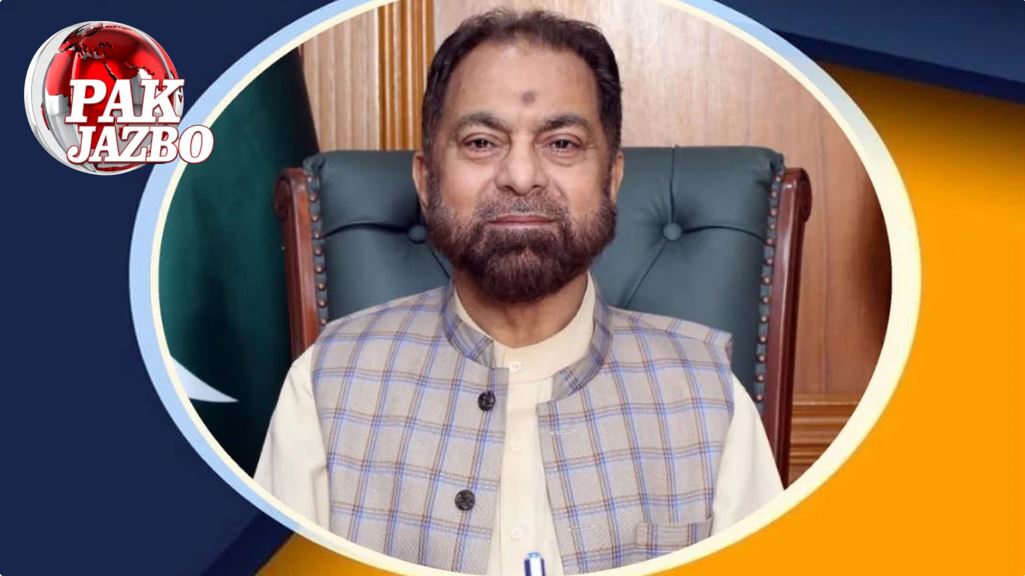
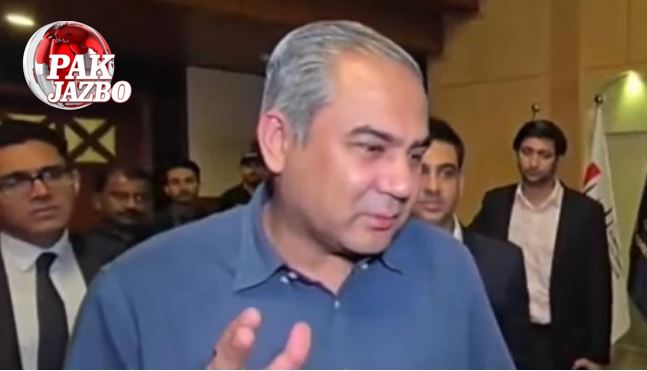
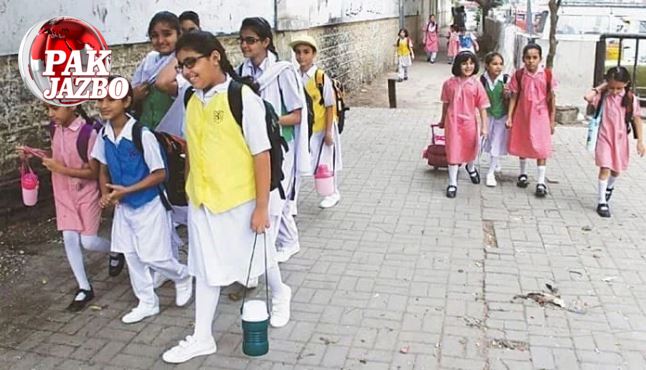
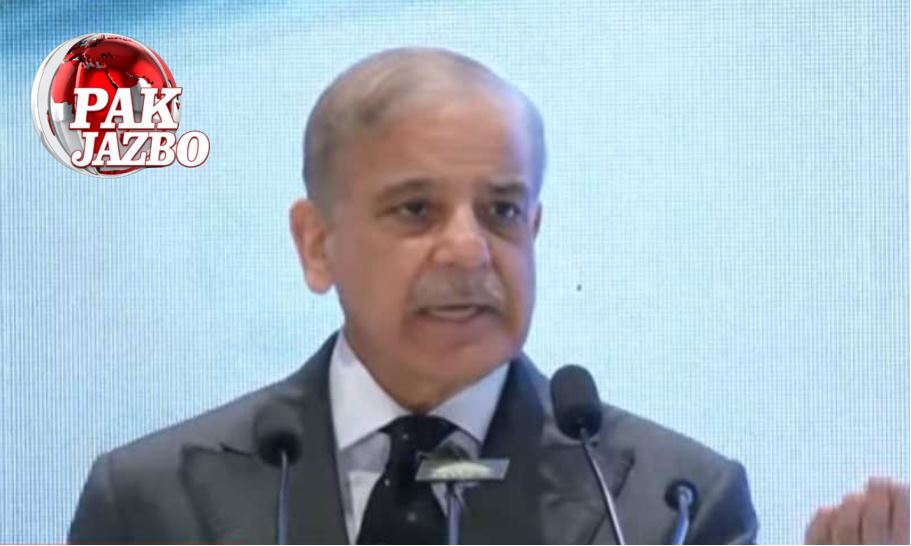
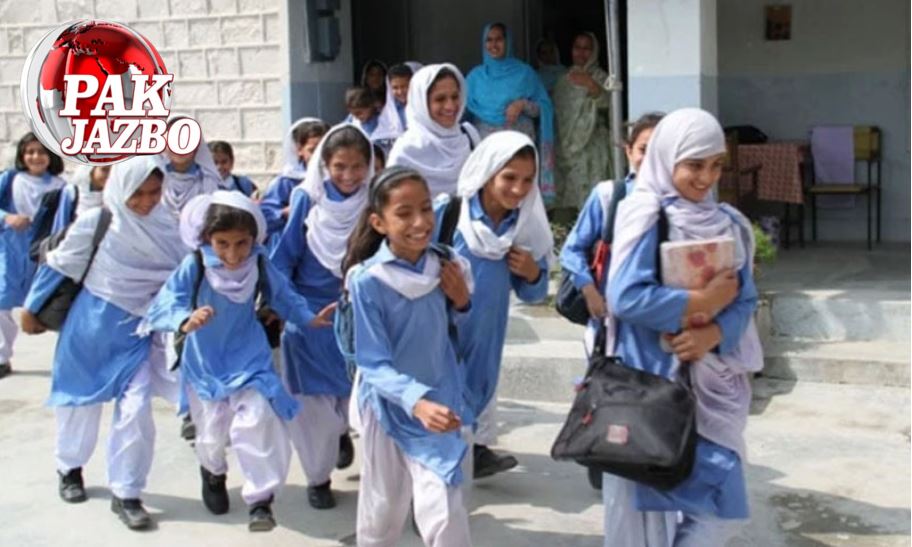
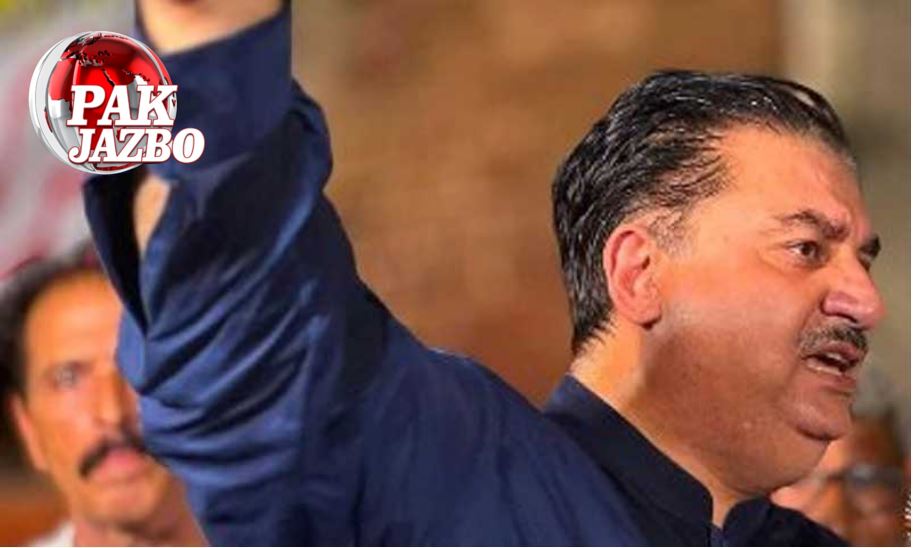
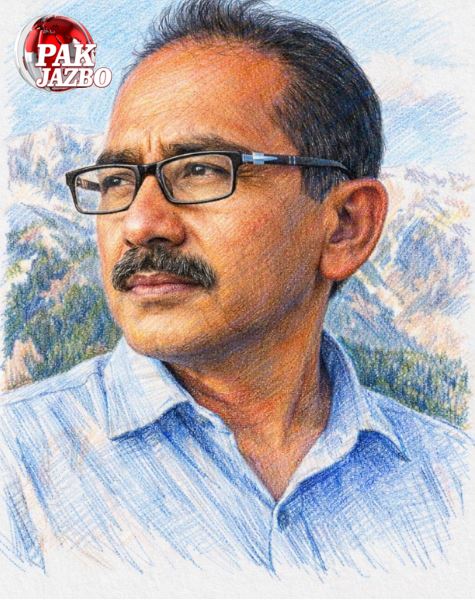
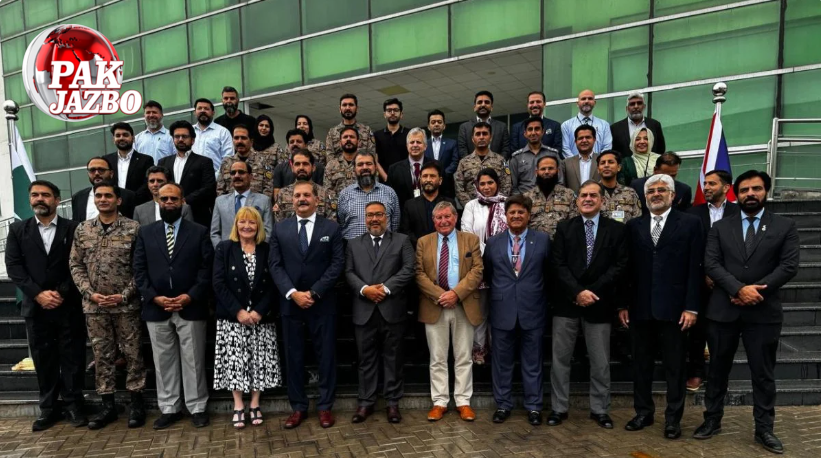
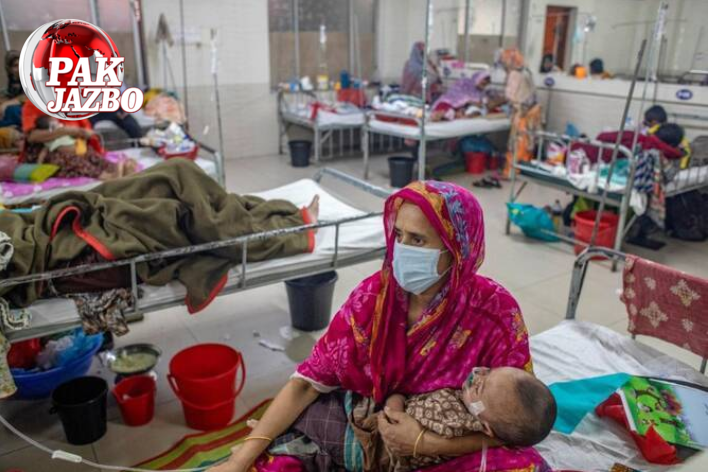
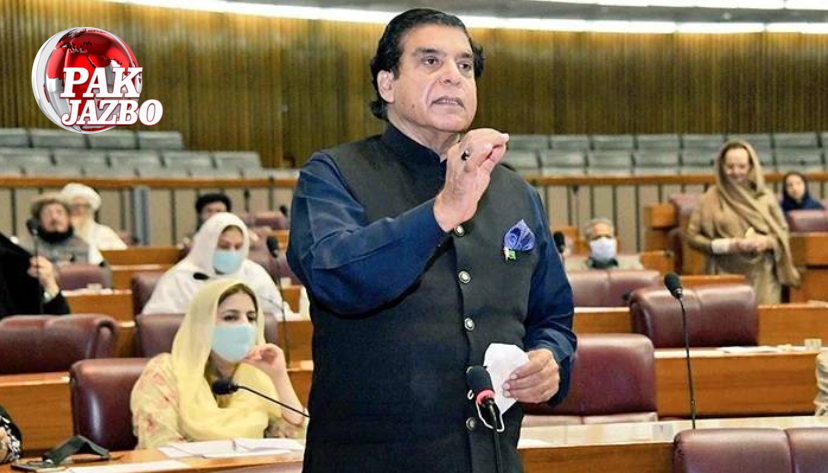
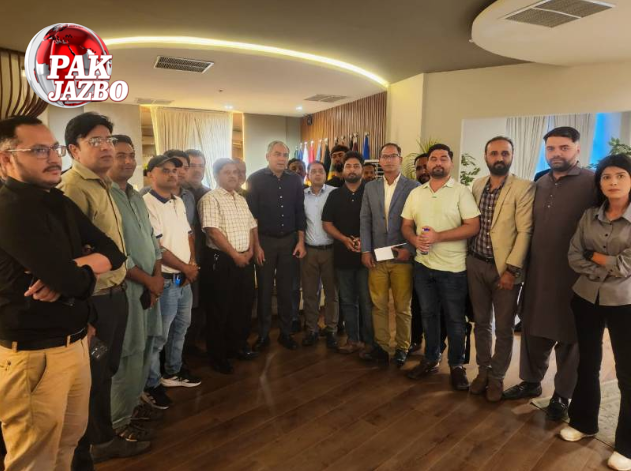
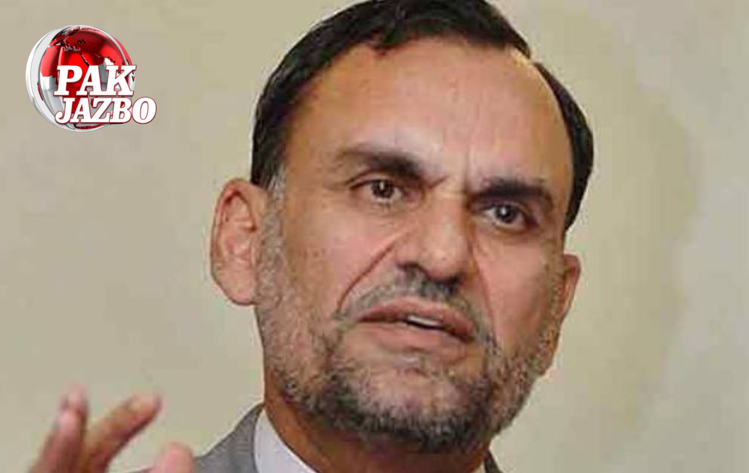
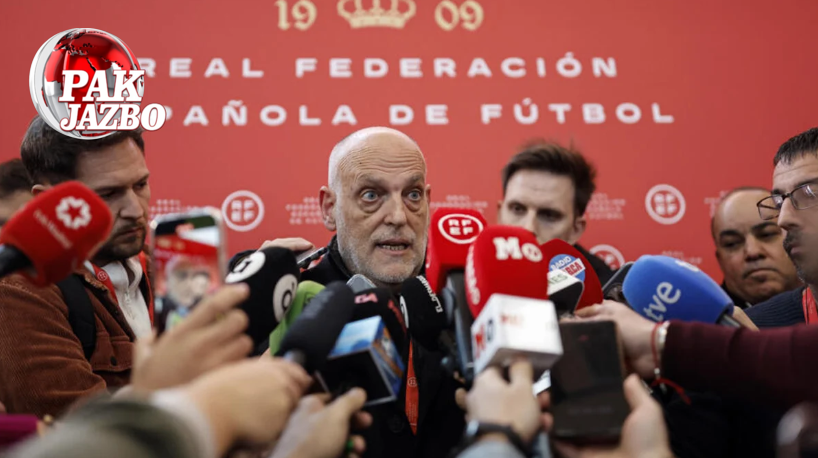
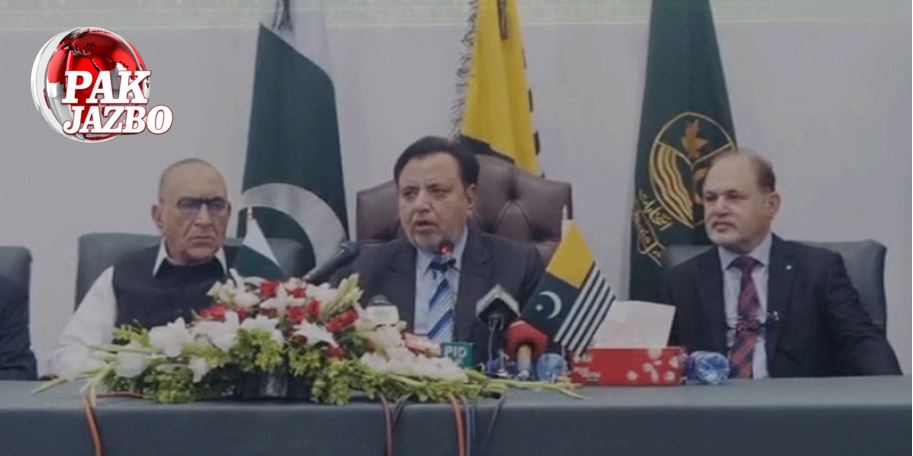
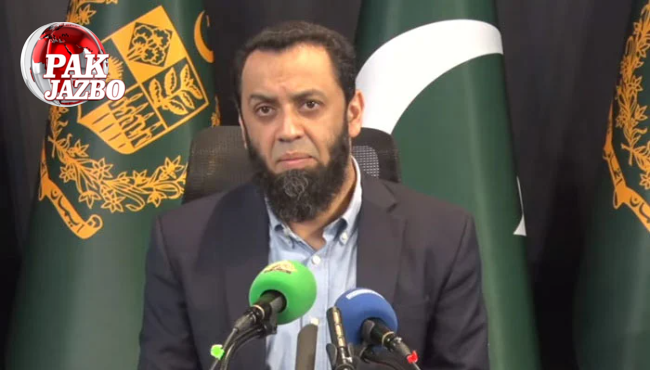
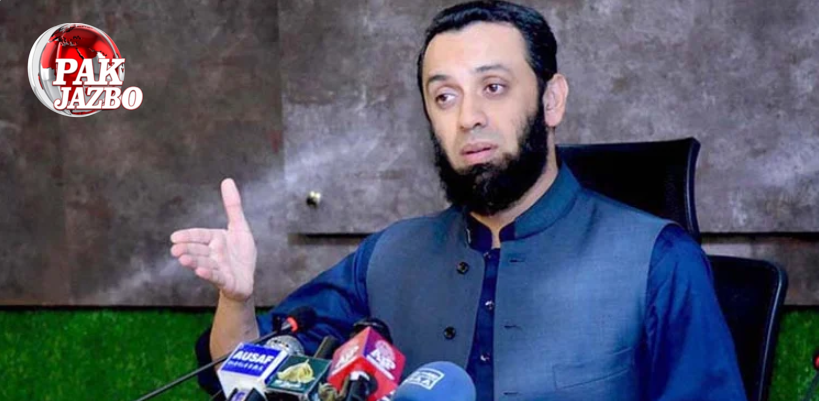
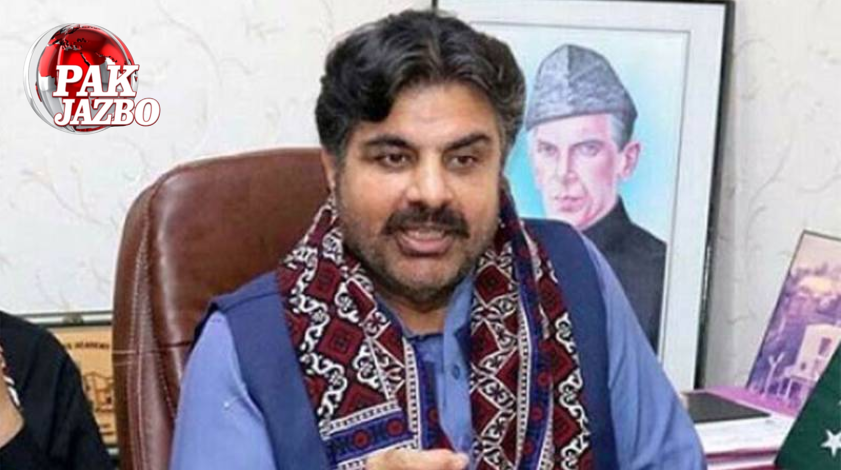
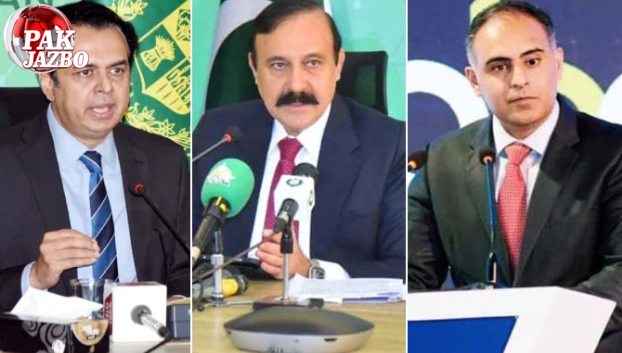
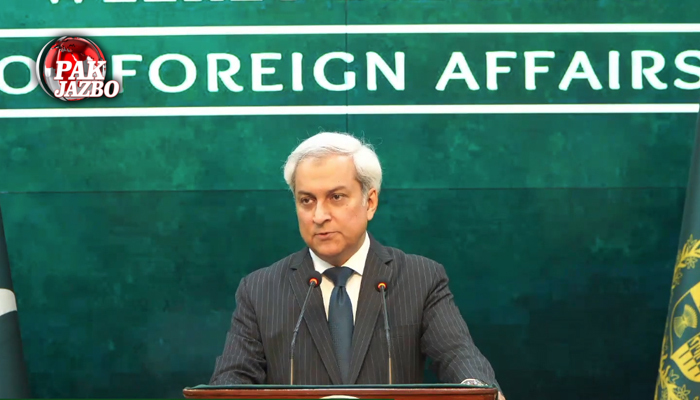
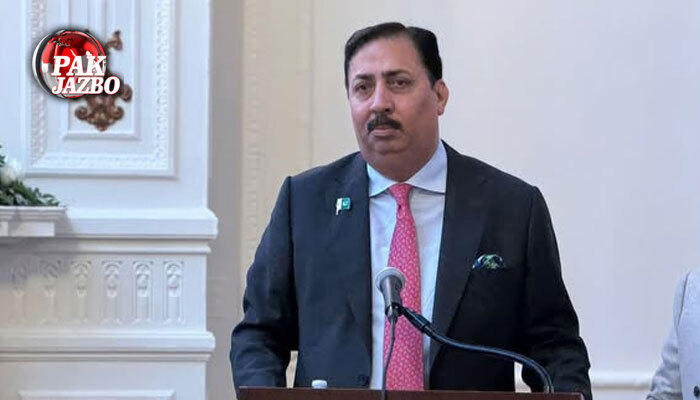
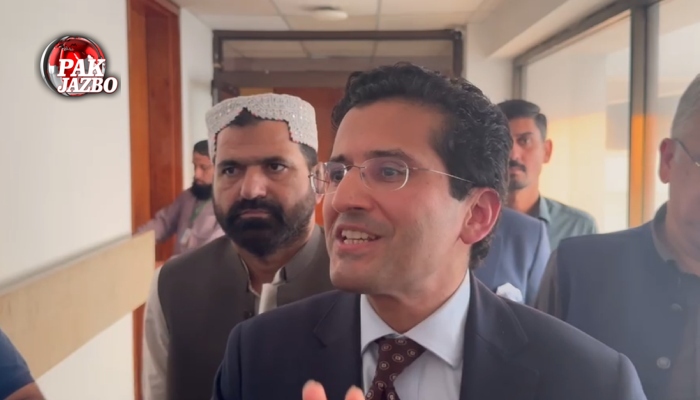
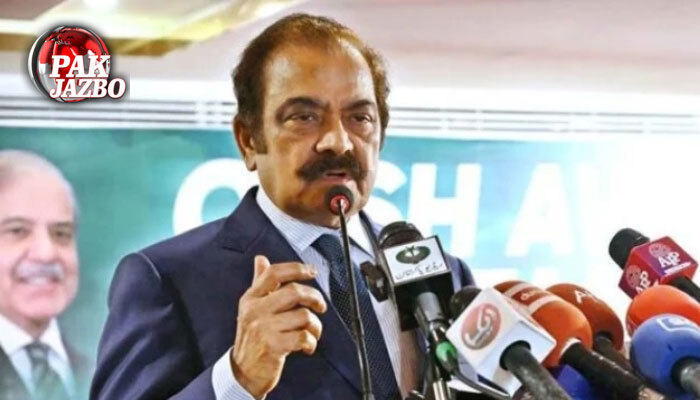
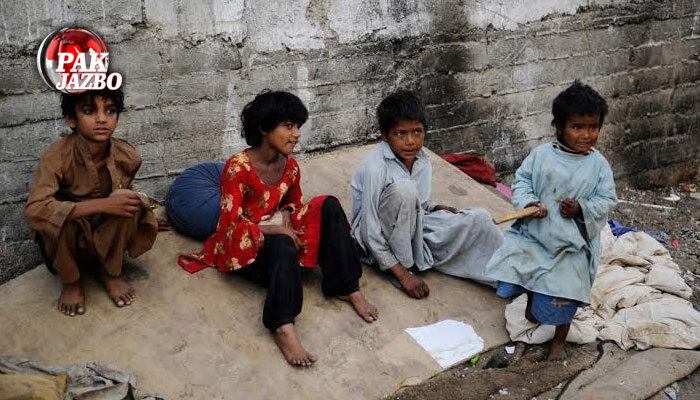
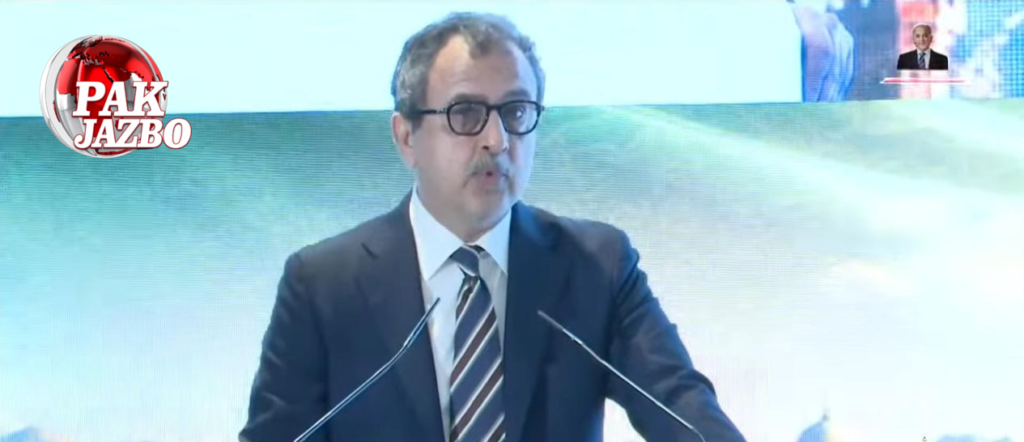
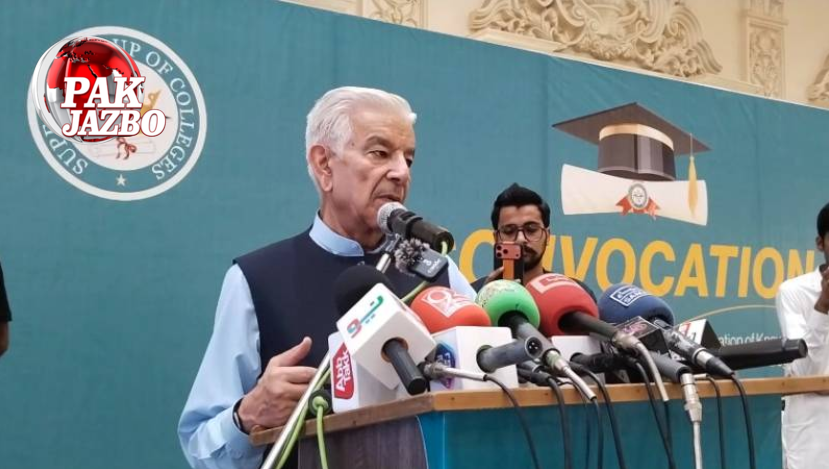
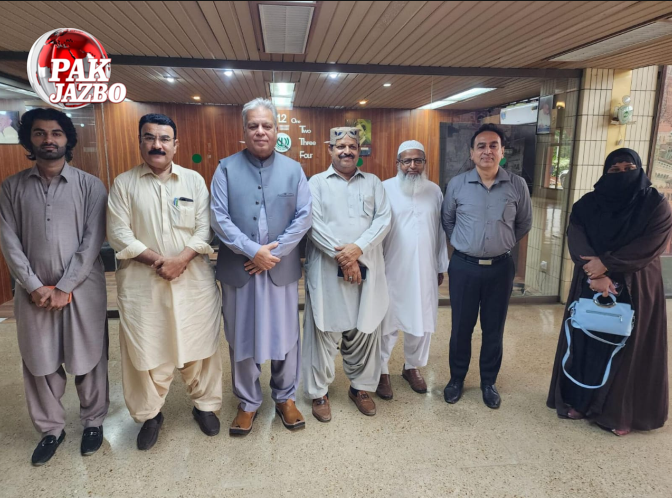
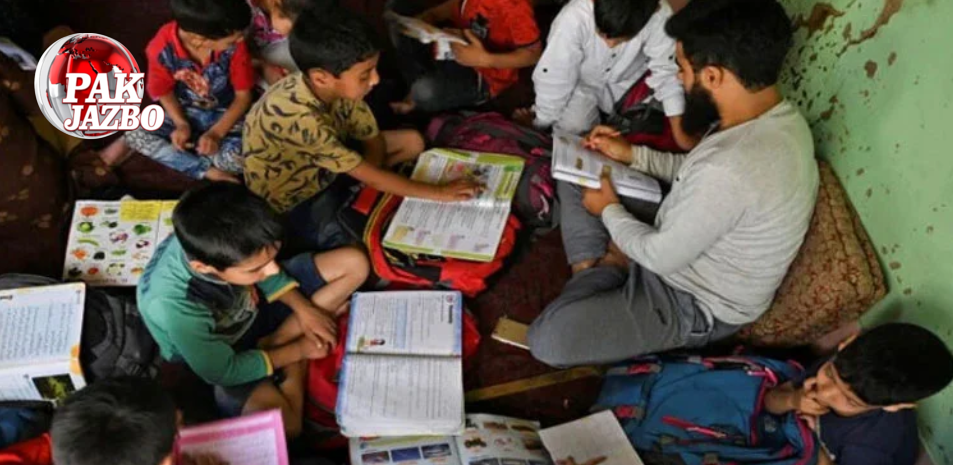
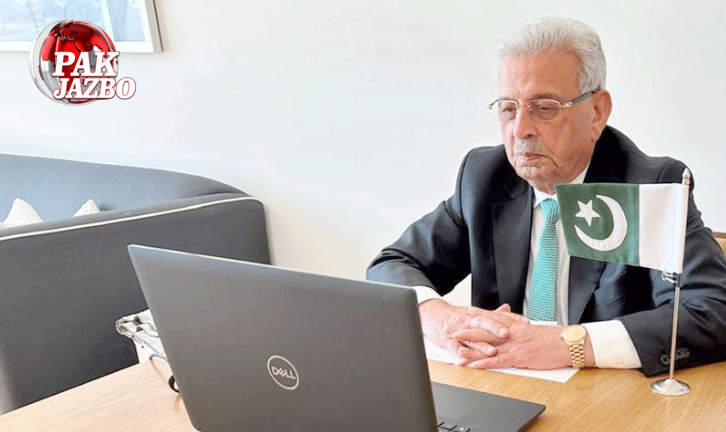
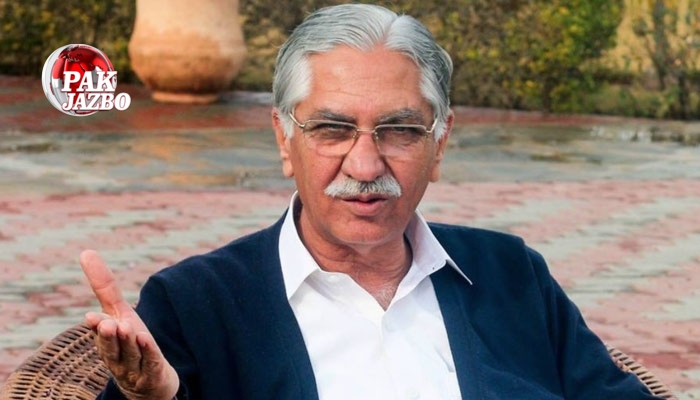
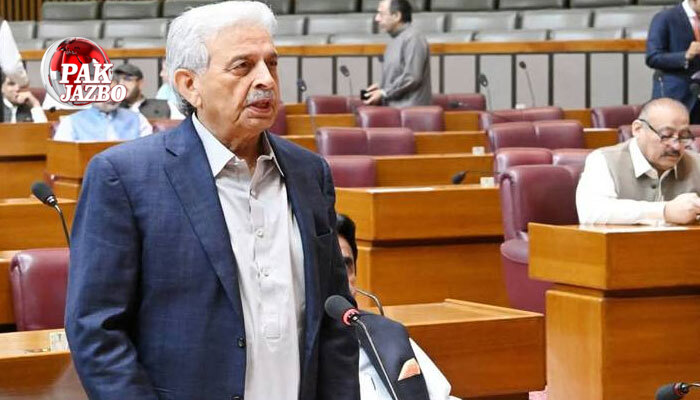
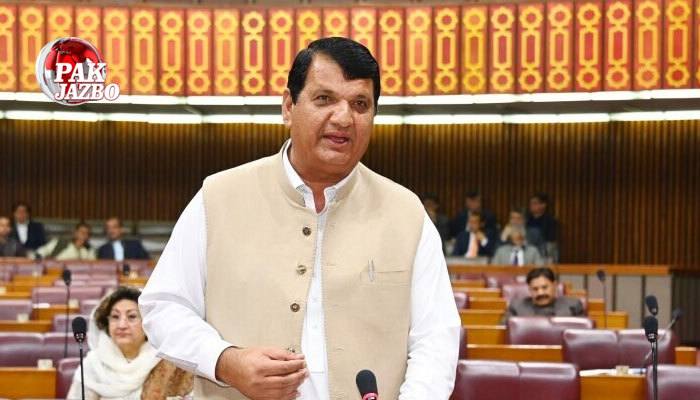
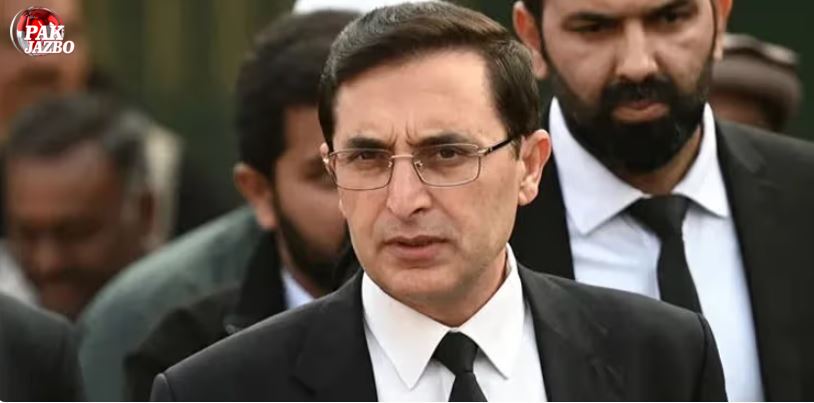
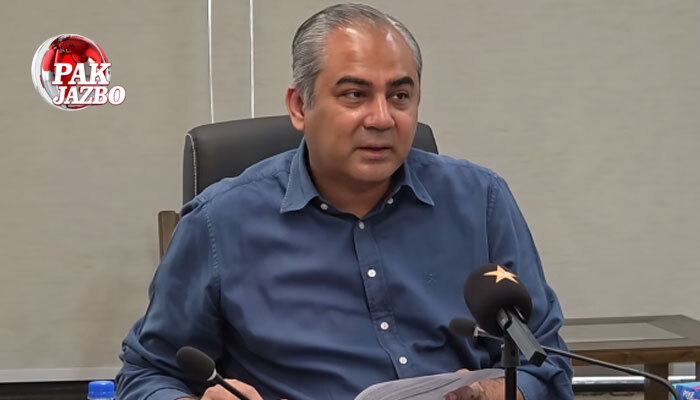
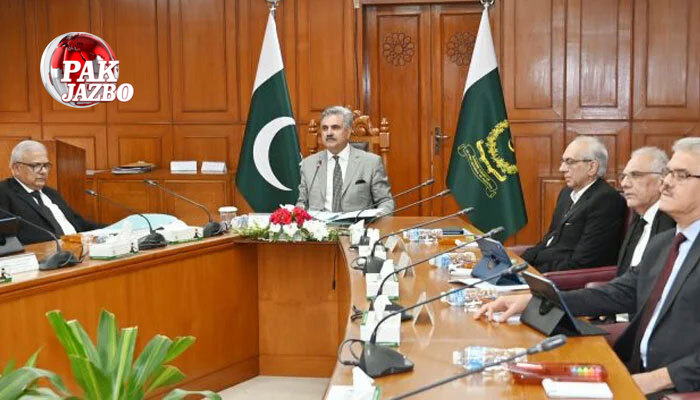
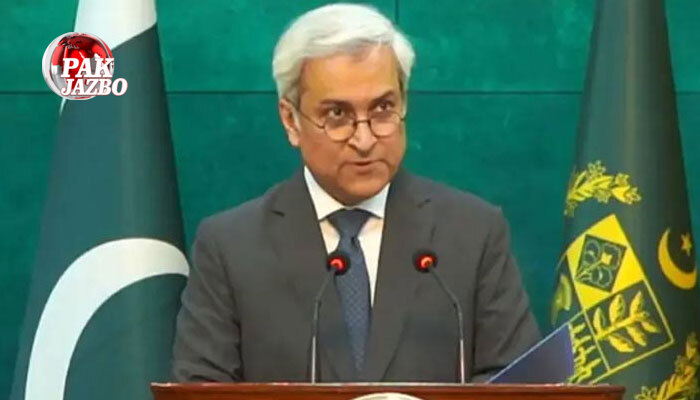
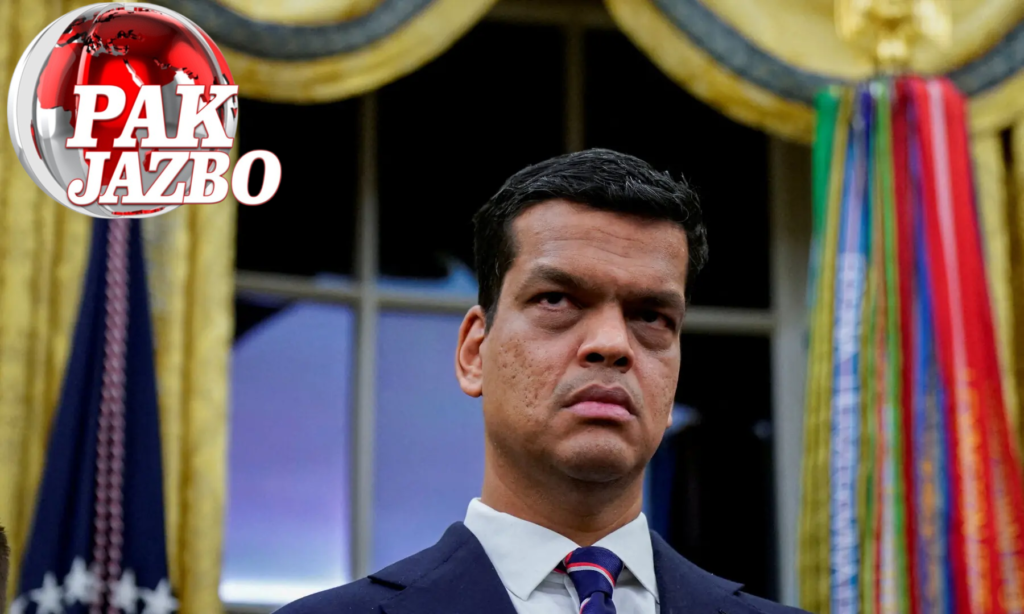
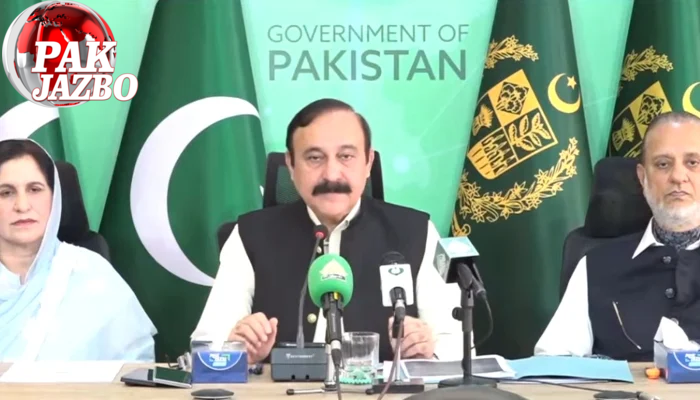
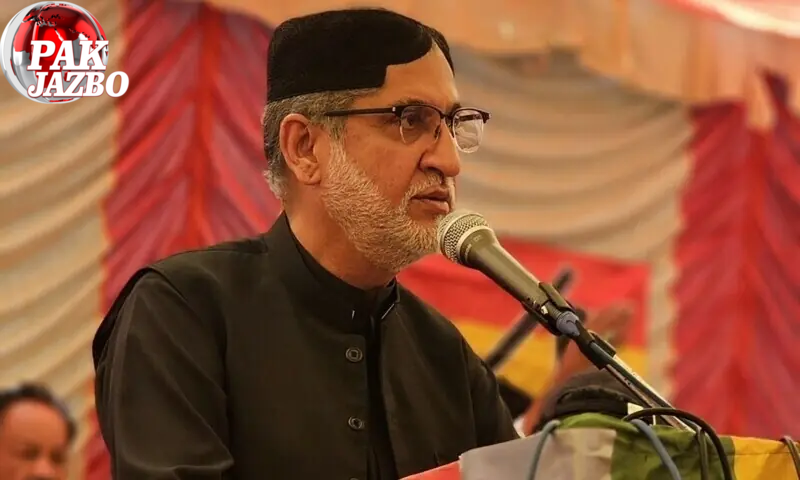
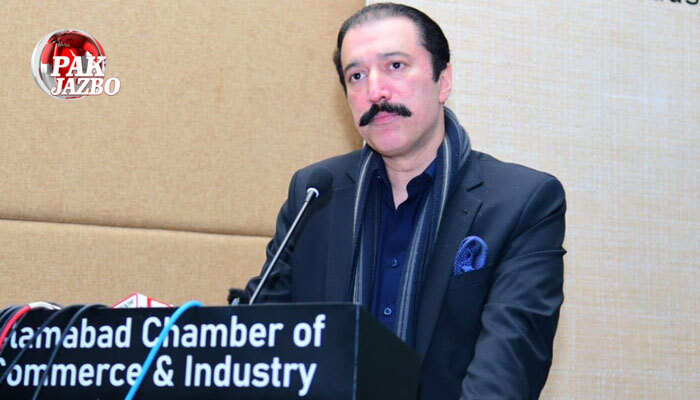
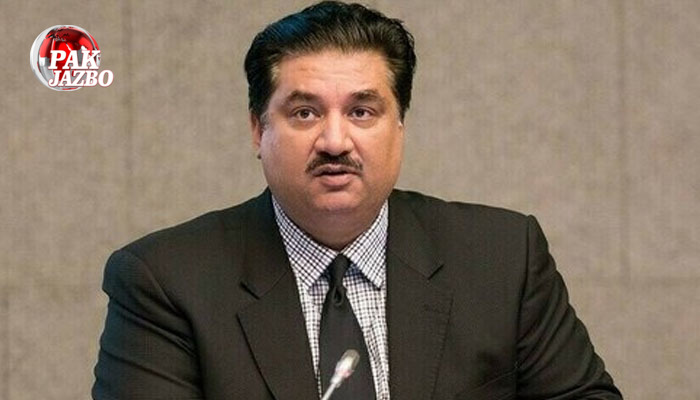
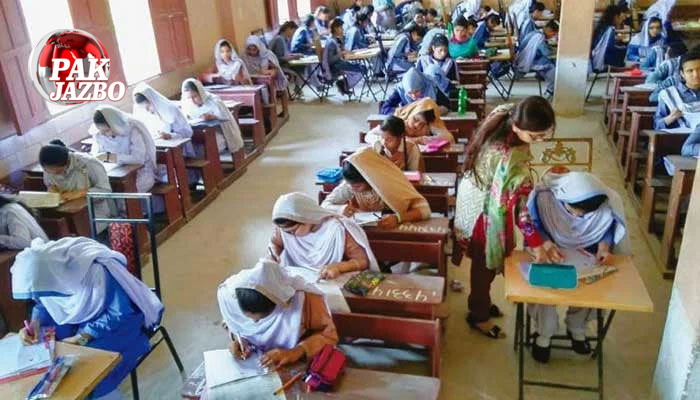
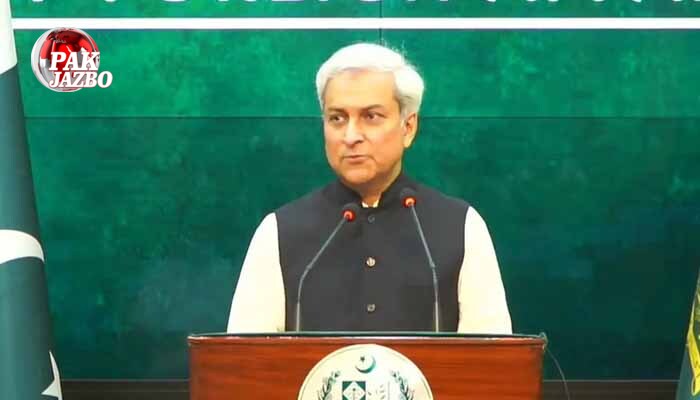
Islamabad – Federal Minister for Planning and Development, Ahsan Iqbal, has highlighted the urgent need for Pakistan to address the issue of children out of school, revealing that approximately 25 million children in the country are not receiving formal education. Speaking at the launch of the Household Integrated Economic Survey in Islamabad, the minister stressed that after Pakistan’s struggle for rights and justice, the next major challenge is the battle for development.
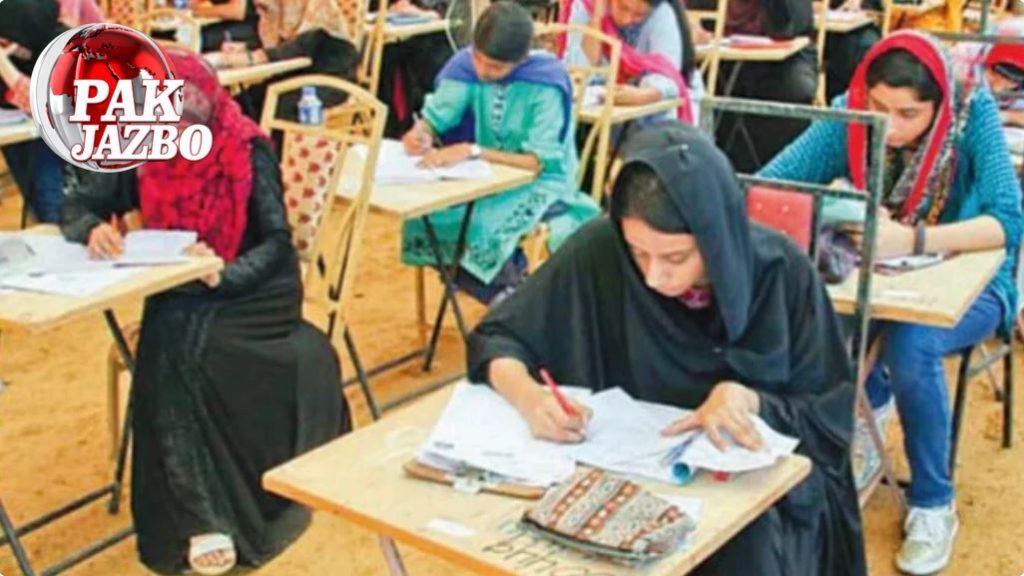
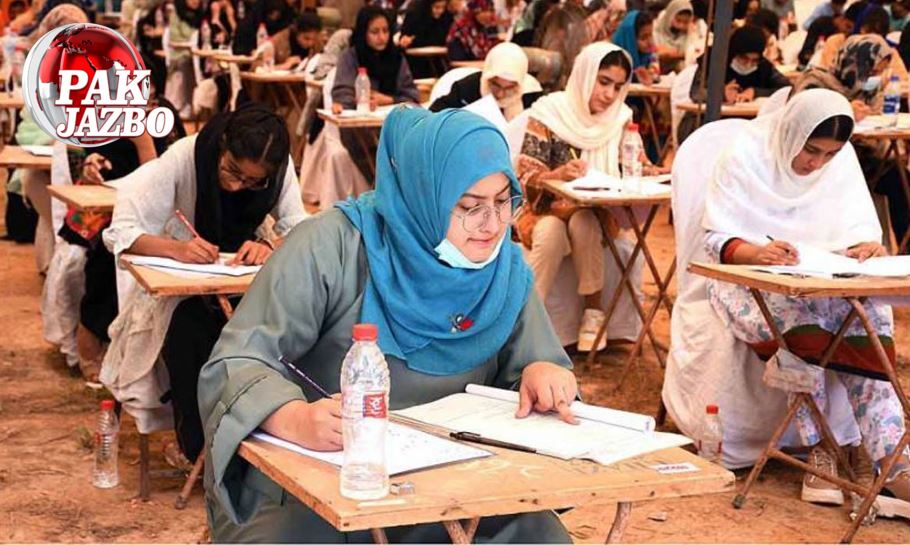
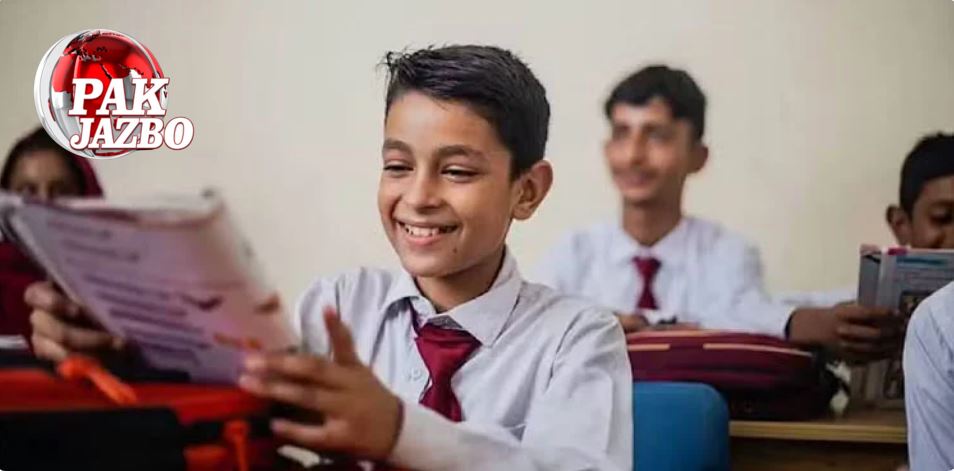
Addressing the media, Iqbal emphasized the critical importance of ensuring that every child in Pakistan gains access to education. He said, “For the vision of ‘Udaan Pakistan’ to succeed, it is essential to enroll 100 percent of children in schools. The country must aim to achieve a literacy rate of 90 percent, and through an educational emergency, we must work to eliminate illiteracy.”
The federal minister pointed out that education is the cornerstone of progress and national development. He highlighted that millions of children being out of school is not just an educational concern but also a socio-economic issue, as lack of education limits opportunities, perpetuates poverty, and hampers the country’s overall growth.
Iqbals’s remarks also reflected a broader strategy to strengthen Pakistan’s planning and development through the use of reliable data. He stated, “Pakistan will now be run based on accurate data. The country has conducted its first-ever digital census, and agricultural statistics have also been collected using digital methods. With credible data, better planning and resource allocation can be achieved.”
Highlighting the role of data-driven governance, the minister noted that accurate statistics are essential for formulating effective policies. From educational planning to economic development, digital data will allow policymakers to monitor progress, identify gaps, and allocate resources efficiently to areas most in need.
Iqbal also addressed Pakistan’s recent economic challenges. He noted that over the past five years, the country faced multiple significant crises, starting with the economic disruption following the political change in 2018. “The first major crisis was the 2018 change in government, which led to an import-related crisis and weakened the country’s macroeconomic foundations. These crises severely affected the poor and middle-class families in Pakistan,” he said.
However, the federal minister highlighted that Pakistan has now entered a phase of economic stabilization. According to government data, the growth rate in the first quarter of the current fiscal year reached 3.71 percent. “The era of crisis is behind us, and the country is now focusing on steady growth. The government is working to increase exports, strengthen social sector indicators, and improve the overall economic environment,” he added.
Ahsan Iqbal also emphasized that economic growth and development are closely linked to social progress. He stressed that investment in education, health, and social services is essential for building a resilient economy. Improving literacy rates and providing quality education for all children are central to this strategy.
The minister’s call for an educational emergency reflects the urgency with which the government intends to tackle Pakistan’s literacy challenges. With millions of children still out of school, authorities are prioritizing initiatives that will not only enroll children but also ensure that they complete their education successfully. Programs under the “Udaan Pakistan” initiative will focus on increasing school enrollment, enhancing teacher training, upgrading school infrastructure, and providing support for marginalized communities.
By addressing educational gaps and improving literacy, the government aims to empower the next generation to contribute effectively to Pakistan’s socio-economic development. According to Iqbal, education is not only a fundamental right but also a key tool to combat poverty, reduce inequality, and promote sustainable growth.
The federal minister also highlighted the importance of social sector improvements alongside economic reforms. Indicators in education, health, and social welfare have shown measurable progress, demonstrating that targeted policy interventions can create meaningful change in people’s lives. By strengthening both economic and social frameworks, Pakistan seeks to create a balanced development model that benefits all citizens.
Iqbals’s remarks underline a comprehensive vision for Pakistan’s development: a focus on children’s education, data-driven governance, economic stabilization, and social sector enhancement. The government’s efforts to tackle illiteracy, increase exports, and improve social indicators are part of a long-term strategy to ensure that Pakistan’s growth is inclusive, sustainable, and equitable.
In conclusion, Ahsan Iqbal emphasized that the battle for Pakistan’s development begins with its children. With 25 million out-of-school children, the country faces a major challenge, but through focused educational programs, economic reforms, and data-driven planning, Pakistan can ensure a brighter future. The minister’s message was clear: after securing rights and justice, the nation must now rise to the challenge of development, making education and social progress central to Pakistan’s growth story.
What’s your Reaction?
+1
+1
+1
+1
+1
+1