








































































































































































































































































































































































































































































































































































































































































































































































































































































Dramatic Helicopter Crash in Russia’s Dagestan: Aircraft Splits Mid-Air, Pilot Attempts Emergency Landing; Five Killed


800-Word English Report:
A tragic helicopter crash in the mountainous region of Dagestan, Russia, has claimed the lives of five individuals, with a dramatic video of the incident circulating widely on social media and international news platforms. The footage has drawn global attention due to the extraordinary and distressing sequence of events captured just moments before the helicopter plunged to its destruction.
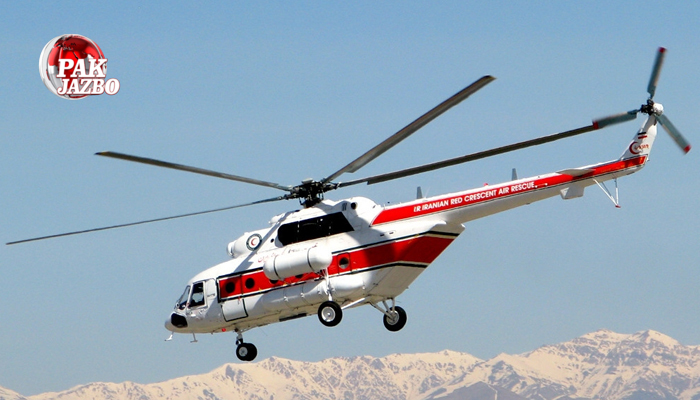
According to initial reports from international media outlets, the helicopter was transporting employees associated with a military industrial plant located in the mountainous areas of Dagestan, a region in southern Russia bordered by the Caspian Sea and known for its rugged terrain and remote valleys. The helicopter was en route through a high-altitude route when it reportedly struck a rocky cliffside. The impact was forceful enough to split the aircraft into two distinct sections, an extremely rare occurrence in such accidents.
In the video that has emerged, the helicopter can be seen hovering in an unstable condition after the collision. Despite the aircraft being visibly broken into two major parts, the pilot shows remarkable composure and skill in attempting to control the falling machine. Instead of the helicopter immediately spiraling downward, the pilot managed to maintain partial lift and maneuverability for a brief period. Observers and aviation analysts have already commented that the pilot’s efforts delayed the crash long enough to potentially avoid immediate impact fatalities. Unfortunately, despite the attempt, the situation proved impossible to recover from fully.
The footage depicts the pilot directing the helicopter toward a water body below, making an apparent effort to execute an emergency water landing. Such landings, known as “ditching,” are often used in catastrophic aircraft failures when solid ground surfaces are unsafe or unavailable. Water landings, if executed successfully, can sometimes minimize the force of impact and increase the chances of survival. For a moment, it appears the helicopter might descend onto the surface of the water. Eyewitnesses who were present in the area later recalled that the pilot seemed to tilt the aircraft to align the larger section of the fuselage with the water’s surface.
However, shortly before the helicopter made contact with the water, it appeared to regain slight lift, and the pilot attempted once again to redirect the aircraft toward an area of level ground nearby. Analysts believe that the pilot may have felt the water landing could result in the two separated parts submerging rapidly, leaving passengers trapped, and therefore attempted to reach a flat landing site instead.
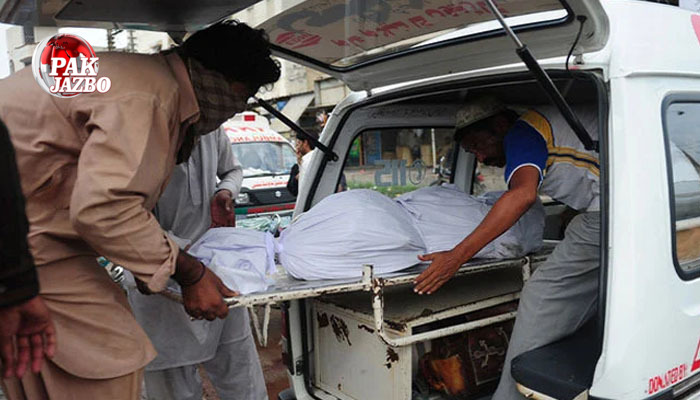
Unfortunately, the aircraft, already heavily damaged and unstable, could not sustain flight for long. Within moments, it lost the remainder of its structural integrity and descended sharply. The helicopter crashed, resulting in a deadly impact that led to the deaths of five individuals on board. Emergency rescue teams were dispatched immediately, but by the time they reached the crash site, the victims had already succumbed to their injuries. Any potential survivors had little chance due to the severe nature of the mid-air structural separation.
Authorities in Russia have opened a formal investigation into the cause of the incident. Experts are examining multiple possible contributing factors, including mechanical failure, navigational error, weather conditions, and pilot response under emergency circumstances. Dagestan is known for rugged and unpredictable terrain, where strong winds, rapidly shifting weather patterns, and reduced visibility can create hazardous flying conditions. However, whether such factors played any role remains under scrutiny.
Investigators are expected to analyze the helicopter’s flight recorder, maintenance logs, and communication records between the pilot and control tower. If the helicopter was operating under a military contract, some details may be classified, potentially slowing public release of information. Aviation analysts worldwide are also discussing the structural implications of the helicopter splitting mid-air. In aviation accidents, mid-air structural separation is often linked to previous undetected damage, material fatigue, design flaws, or extremely high-impact collisions — in this case, the collision with the mountainside is considered the immediate trigger.
Public reactions in Russia and beyond have been marked by concern and sympathy for the victims. The dramatic video, while distressing, has also highlighted the extraordinary efforts of the pilot in the face of imminent disaster. Many viewers and aviation professionals have acknowledged that the pilot’s attempt to regain control in such a critical scenario required high-level skill and presence of mind, even though the outcome was ultimately tragic.
Local authorities are coordinating support for the families of those who lost their lives. Additional safety reviews of helicopter flight routes in mountainous areas of the region are expected to follow. International observers have also emphasized the broader implications of aviation safety in high-risk environments, particularly where industrial and military transport flights are routine.
What’s your Reaction?
+1
+1
+1
+1
+1
+1