























































































































































































































































































































































































































































































































































































































































































































































































































































































































































































































































































































































































































































































































































































































































































































































































































































































































































































































Meteorological Department Releases Karachi Rainfall Data: Gulshan-e-Hadeed Records Heaviest Downpour


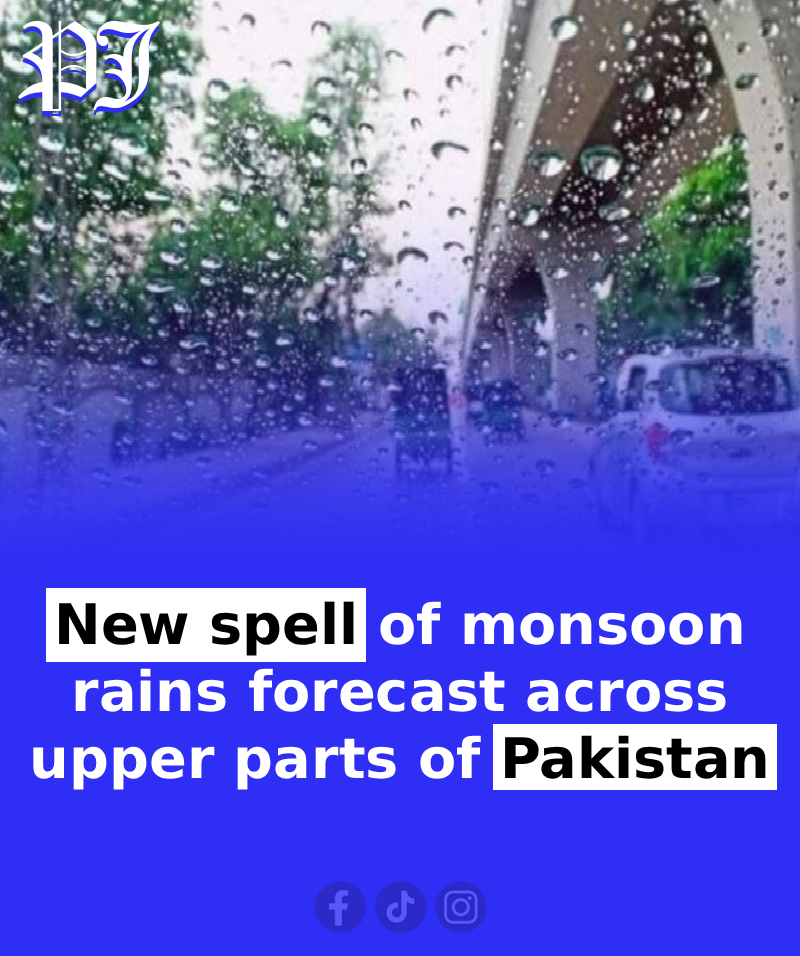
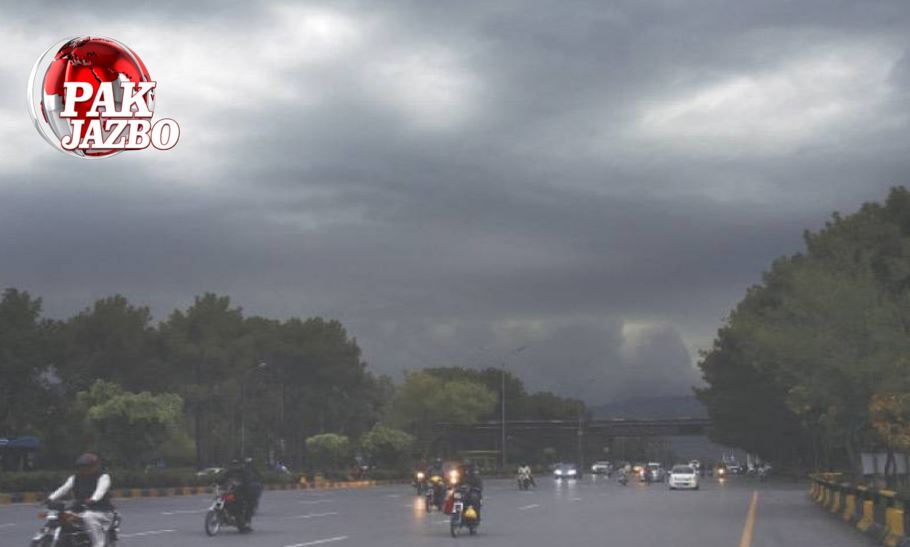
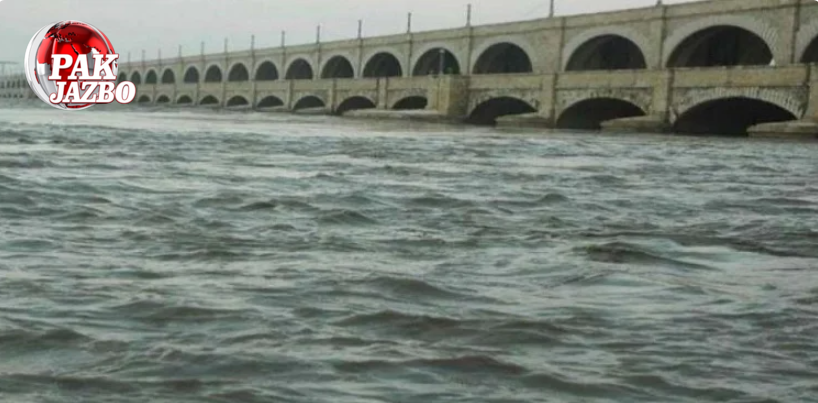
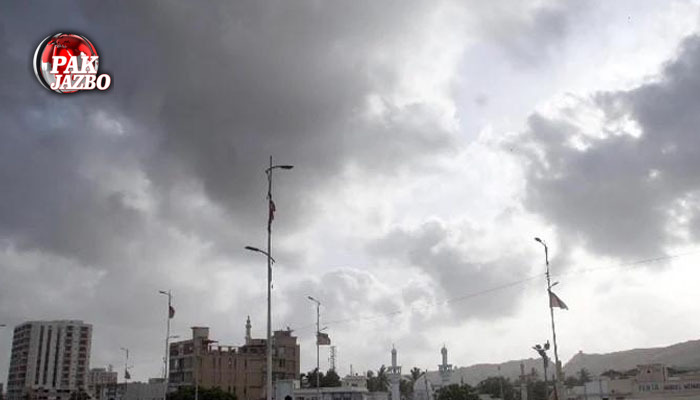
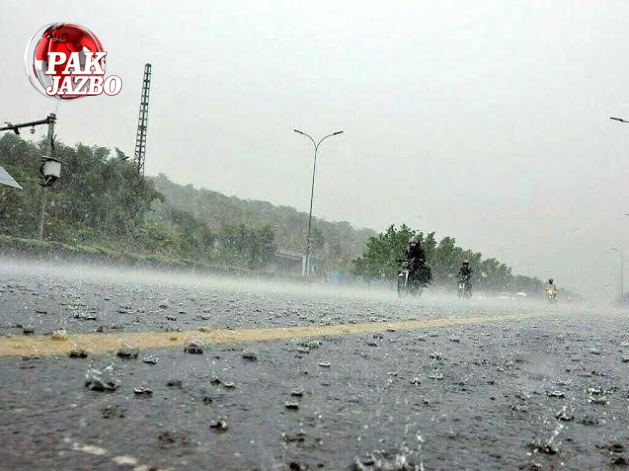
Karachi – The Pakistan Meteorological Department (PMD) has released detailed rainfall statistics for Karachi over the past 24 hours, highlighting unprecedented precipitation levels across various parts of the city. The data underscores the intensity of the ongoing monsoon rains, which have caused disruptions in traffic, flooding in low-lying areas, and challenges for residents across the metropolitan city.
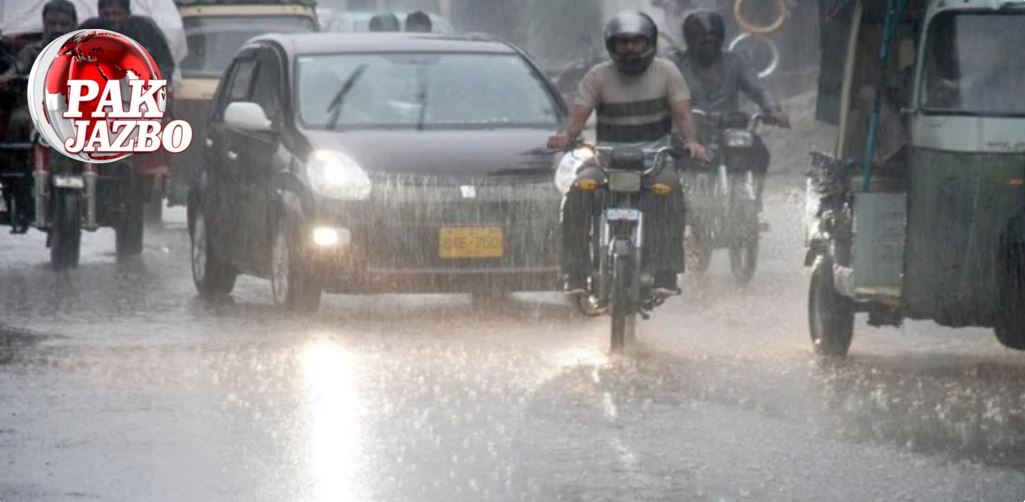
According to the PMD report, the highest rainfall recorded yesterday was in Gulshan-e-Hadeed, with an extraordinary 178 millimeters of rainfall. This was followed closely by Keamari, which received 173 millimeters, demonstrating the severe impact of the monsoon in the coastal areas of Karachi. The city, known for its sprawling infrastructure and densely populated neighborhoods, faced significant waterlogging and traffic jams as a result of the heavy downpour.
The meteorological data further indicated that Old Airport area recorded 163 millimeters, while the Jinnah Terminal area experienced 156 millimeters of rainfall. Sargodha Town saw 151 millimeters, reflecting the widespread nature of the precipitation. Other localities, including Nazimabad (149 mm), North Karachi (148 mm), Saadi Town (146 mm), and University Road (145 mm), were also significantly affected. These figures illustrate that the heavy rains were not confined to a single area but spanned across the city, affecting multiple residential and commercial zones.
In other parts of Karachi, DHA Phase 7 and Korangi recorded 138 millimeters, while Sharae Faisal experienced 133 millimeters. Gulshan-e-Mimar and PFB Masroor Karachi West received 102 millimeters and 101 millimeters respectively. Orangi Town registered 81 millimeters of rainfall, indicating moderate precipitation in comparison to the southern parts of the city. Interestingly, Bahria Town reported only 4.8 millimeters, highlighting how rainfall intensity can vary dramatically across Karachi due to localized weather patterns and urban geography.
Impact of Heavy Rainfall
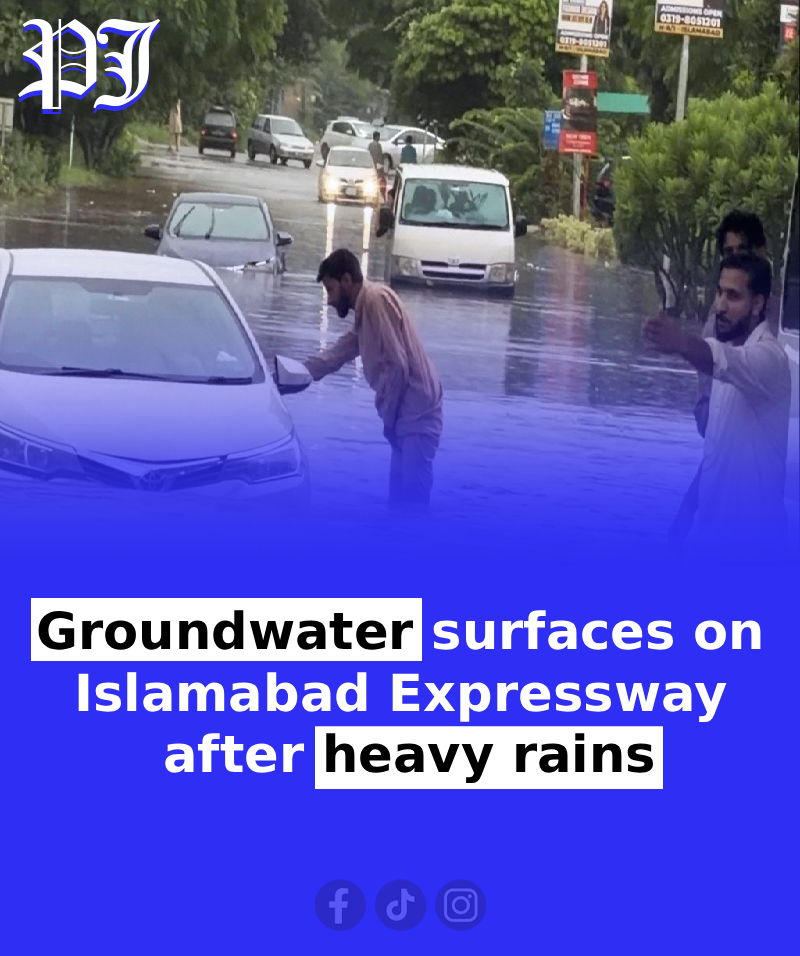
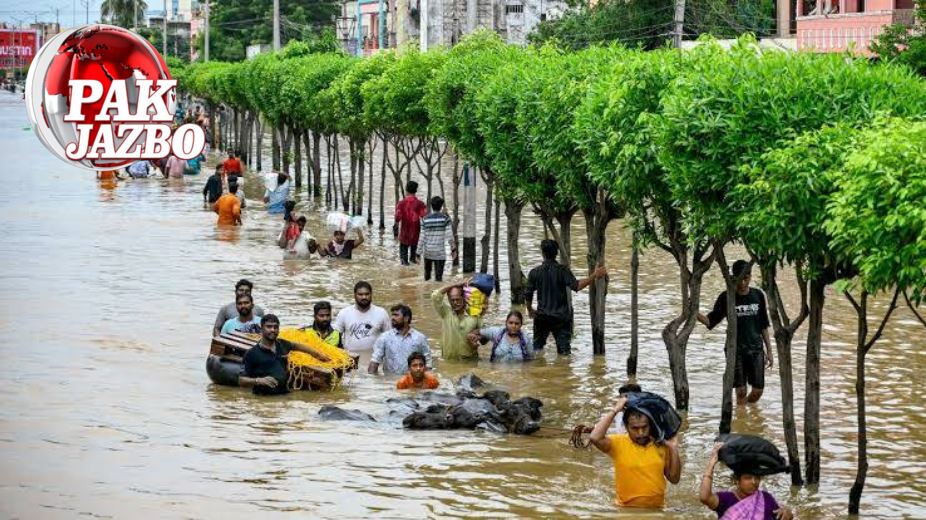
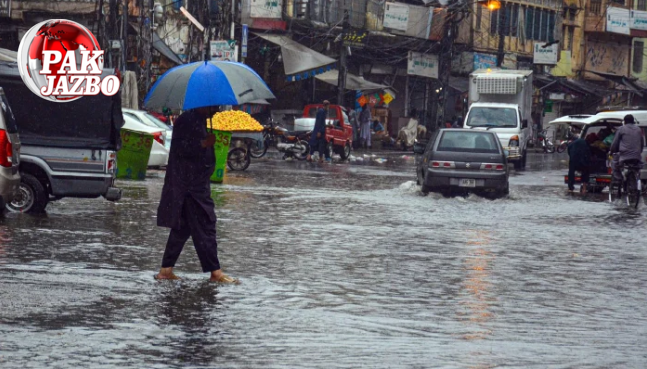
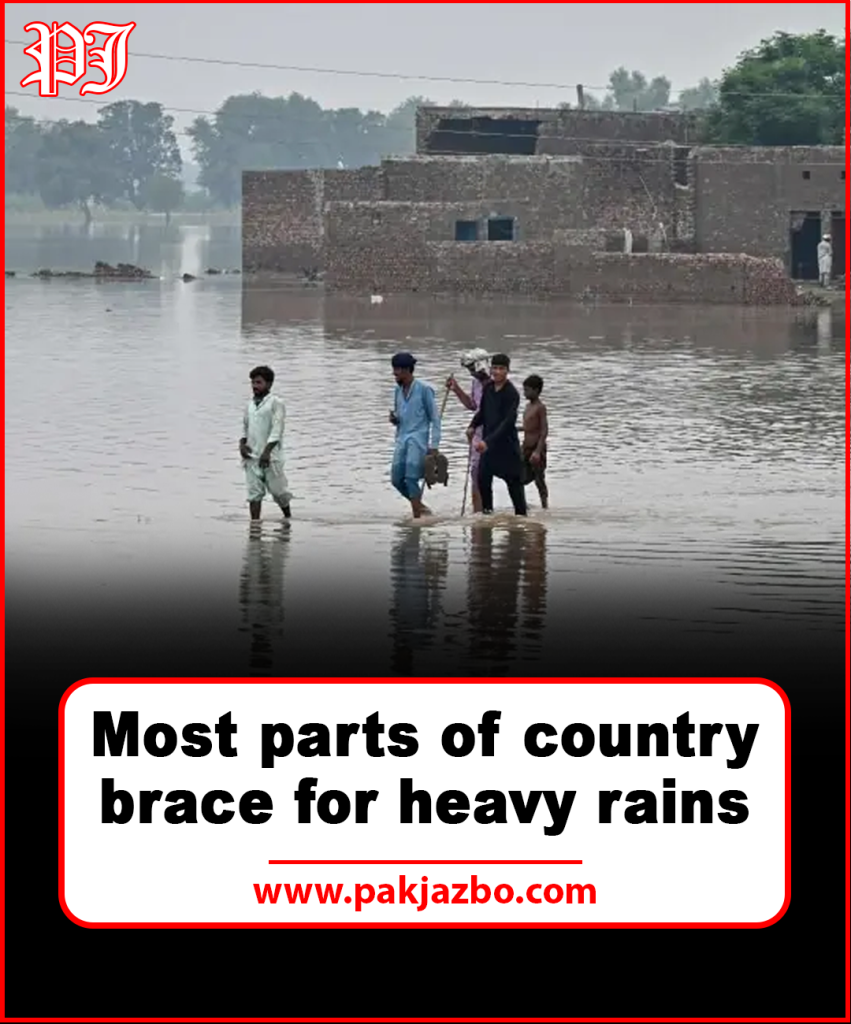
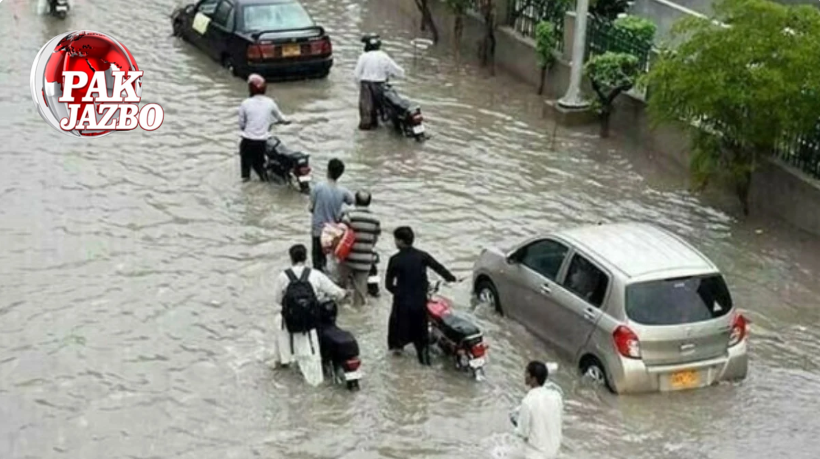
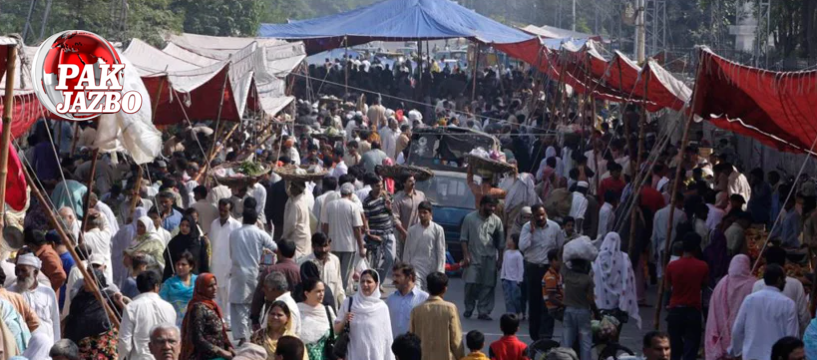
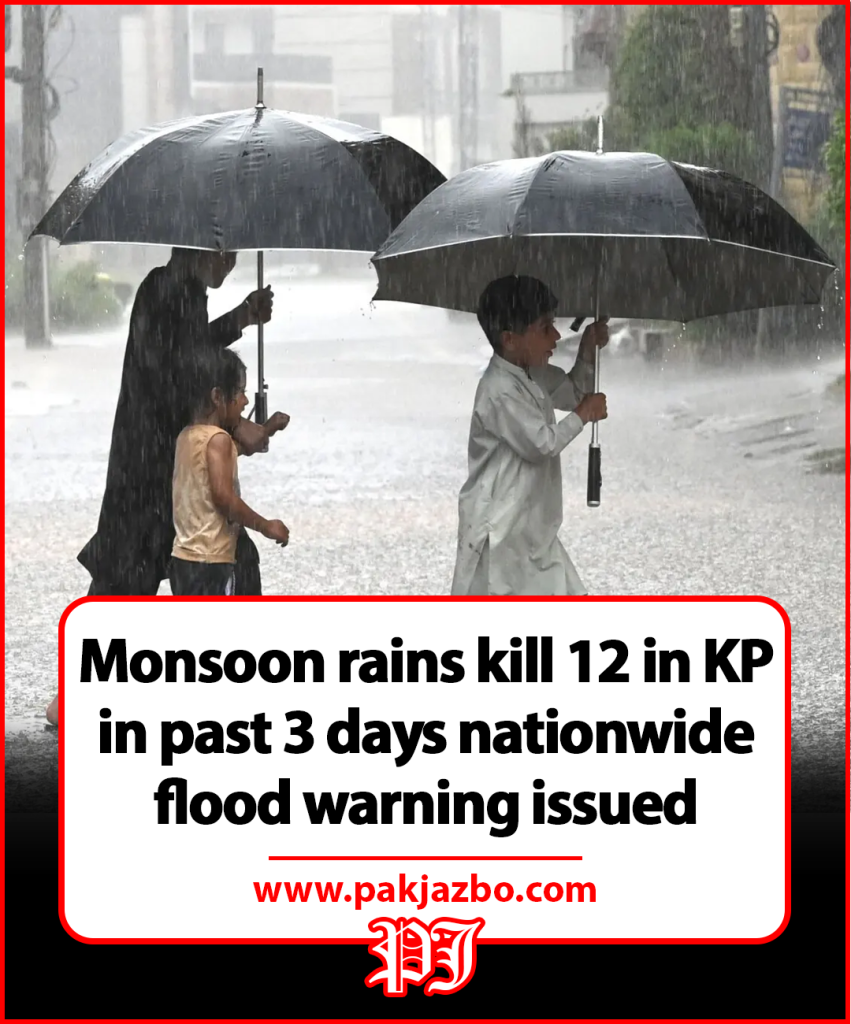
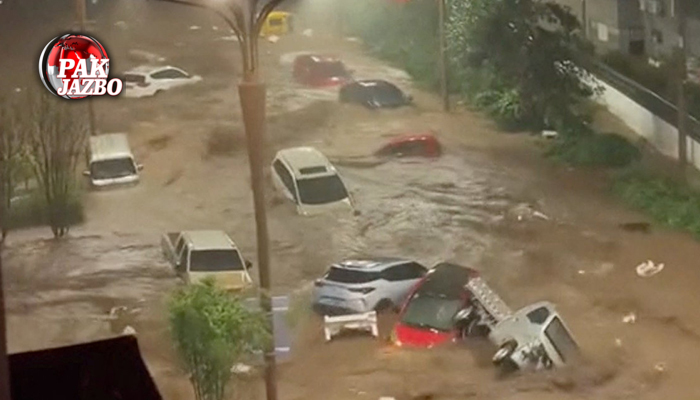
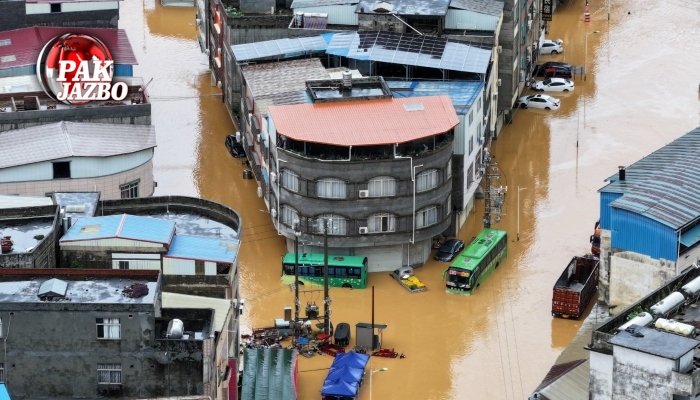
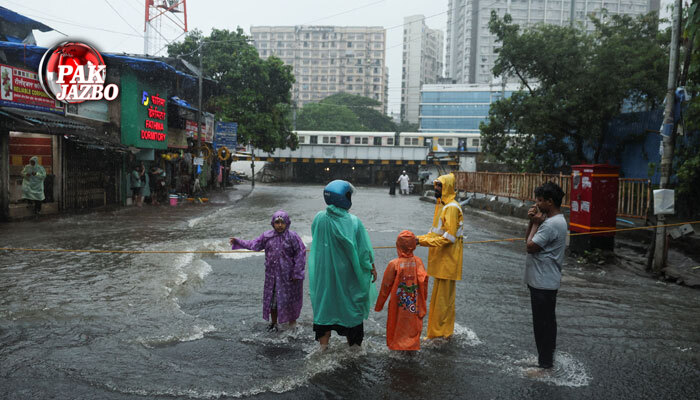
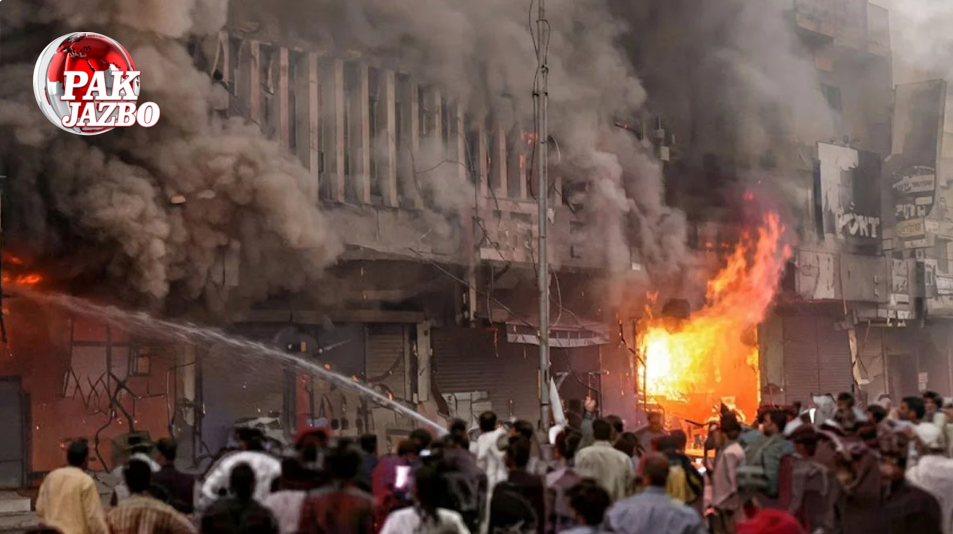
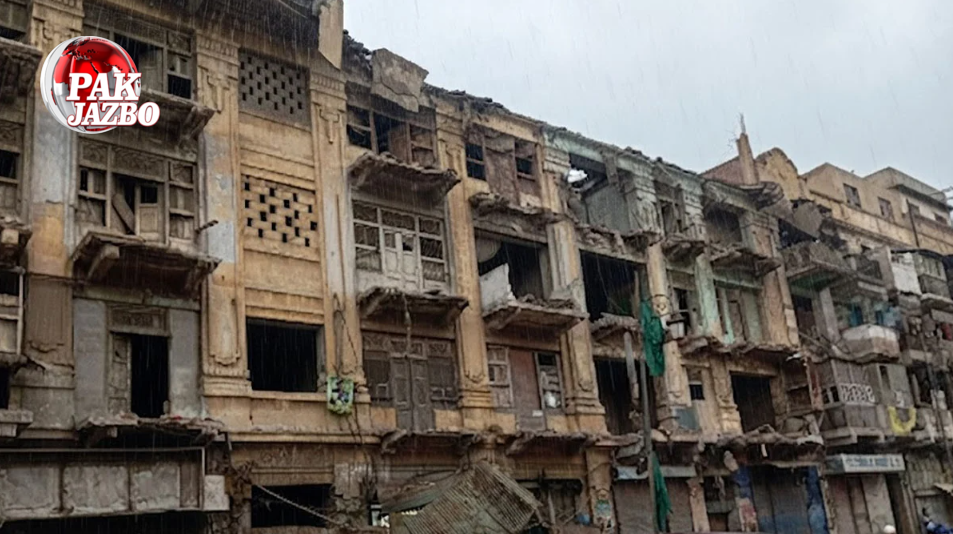
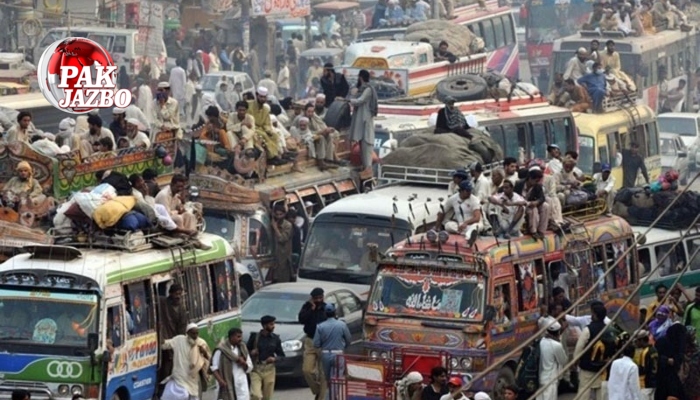
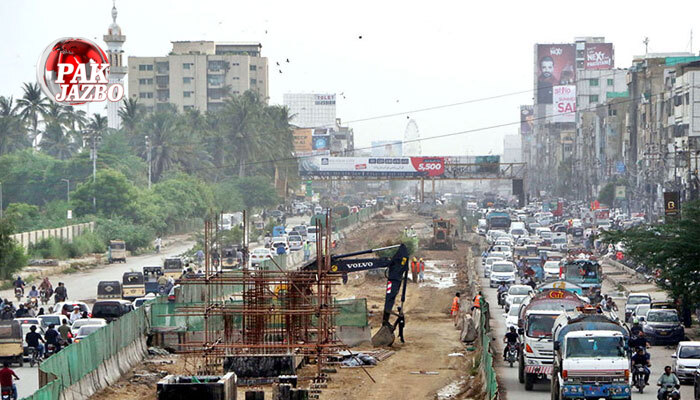
The significant rainfall in Karachi has exacerbated urban flooding, causing disruptions to daily life. Streets in low-lying neighborhoods have been submerged, affecting both vehicular and pedestrian movement. Commuters reported severe traffic congestion, with many areas experiencing delays of several hours. Additionally, waterlogging has impacted essential services, including electricity supply, public transportation, and waste management, creating public safety concerns in heavily affected districts.
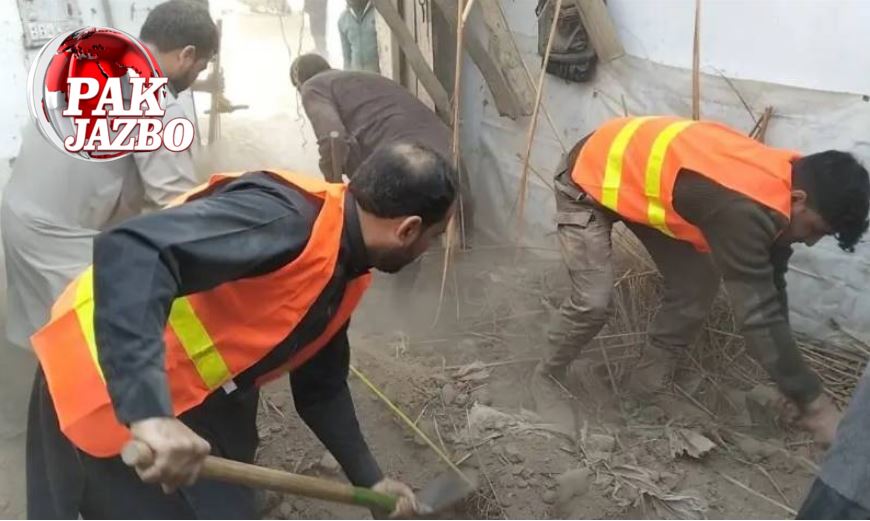
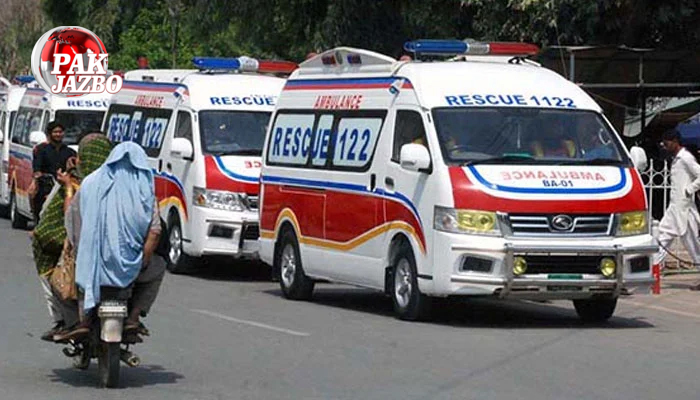
The heavy downpour has also posed challenges for residential areas. Many houses in low-lying localities faced water infiltration, while some roads became impassable due to accumulated rainwater. Authorities and local municipal staff have been working tirelessly to pump out water from critical areas and provide assistance to affected residents. Emergency response teams were deployed in neighborhoods with severe waterlogging to prevent accidents and assist those trapped in flooded streets.
Meteorological Insights
Experts from the Meteorological Department have attributed the heavy rainfall to a combination of monsoon currents and localized weather systems. The differential in rainfall amounts between areas like Gulshan-e-Hadeed and Bahria Town is due to urban microclimates, topography, and proximity to water bodies. Monsoon patterns often bring heavier precipitation to coastal areas, while some inland or elevated neighborhoods receive comparatively less rainfall.
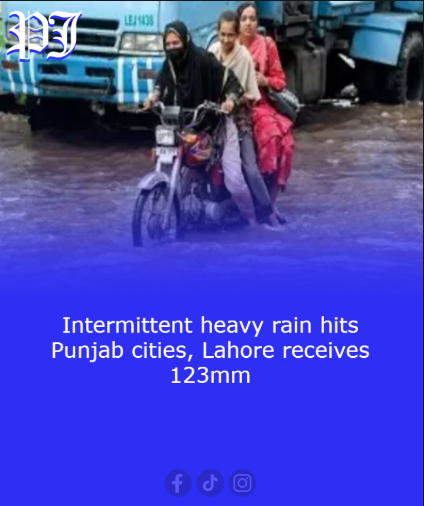
Meteorologists have warned residents to remain cautious over the next few days, as additional monsoon systems are expected to bring intermittent heavy rainfall to the city. Authorities have been urged to maintain drainage systems, monitor water levels in flood-prone areas, and implement traffic management plans to mitigate the impact of future downpours.
Government and Municipal Response
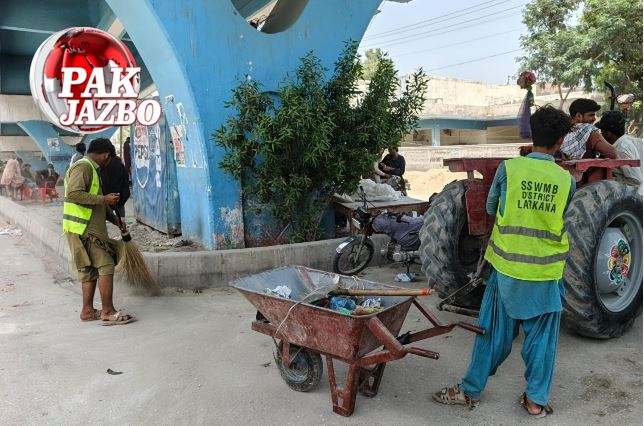
In response to the heavy rainfall, the Karachi Metropolitan Corporation (KMC) and provincial authorities have activated emergency response teams across the city. Water pumps have been deployed to drain excess water from flooded streets, while municipal workers continue clearing blocked drains to prevent further flooding. Public advisories have been issued, urging residents to avoid traveling in low-lying areas and to take precautions against waterborne diseases that often follow urban flooding.
Local authorities have also coordinated with power distribution companies to address outages caused by waterlogged transformers and short circuits. In addition, efforts are underway to ensure that critical infrastructure, including hospitals, transport hubs, and educational institutions, remains operational despite the heavy rains.
Public Reaction and Preparedness
The citizens of Karachi have expressed both concern and frustration over the recurring challenges posed by monsoon rains. Social media platforms have been abuzz with photos and videos showing submerged streets, stranded vehicles, and flooded homes. Many residents have called for long-term solutions, including improved drainage infrastructure and urban planning measures to prevent similar situations in future monsoon seasons.
Despite the difficulties, the community has shown resilience. Local volunteers and civic groups have been assisting municipal authorities in relief efforts, helping residents evacuate waterlogged homes, and distributing aid where needed.
Outlook
The meteorological department continues to monitor weather developments closely, and residents are advised to stay informed through official weather updates. While the monsoon brings much-needed rainfall for agriculture and water reservoirs, the urban infrastructure in Karachi is often ill-prepared to handle such heavy downpours, leading to widespread disruption. Authorities emphasize that timely preparation, effective drainage management, and public cooperation are critical to reducing the impact of extreme rainfall events in the city.
The rainfall data released by the PMD highlights the severity of this monsoon season and underscores the urgent need for systemic improvements to manage urban flooding in Karachi. With continued monitoring and proactive measures, officials hope to mitigate damage and ensure public safety in the coming days.
What’s your Reaction?
+1
+1
+1
+1
+1
+1