



































































































































































































































































































































































































































































































































































































































































































































































































































































































































































































































































































































































































































































































































































































































































































































































































































































































































































































































































































































































































































































































































































































































































































































































































































































































































Why Cricket Australia Is Upset Despite the Team’s Victory and Travis Head’s Century


Australia’s emphatic win in the Perth Ashes Test—powered by a blistering century from Travis Head and destructive bowling from Mitchell Starc—has surprisingly left Cricket Australia (CA) grappling with financial disappointment. While the team’s on-field performance thrilled fans, the wider cricketing ecosystem has taken a significant monetary hit due to the match ending far earlier than expected.
According to Australian media reports, Head’s aggressive hundred accelerated the match to such an extent that the Test concluded on the second day—making it the first Ashes Test since 1921 to finish within two days. What may be a sporting triumph on the scoreboard has translated into a major revenue loss for Cricket Australia, which was already dealing with financial pressures.
Match Ending Too Early Triggered Massive Ticket Refunds
A Test match typically spans five days, and host boards generate substantial revenue through ticket sales, hospitality packages, concessions, and broadcasting rights across all scheduled days. However, with this Perth Test ending on Day 2, Cricket Australia is now obligated to refund tickets for Days 3 and 4, both of which had been sold out or nearly sold out.
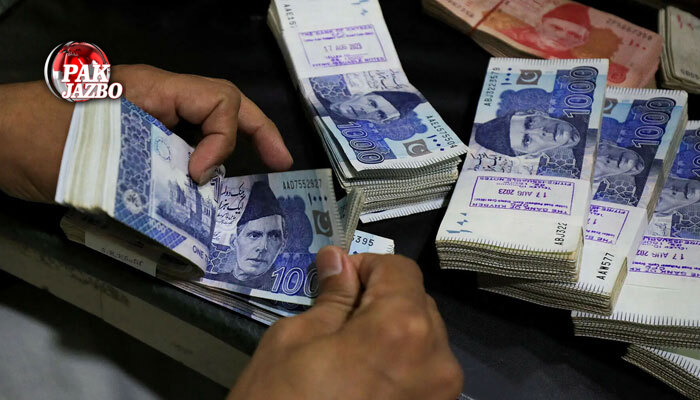
Media estimates suggest that the financial hit could be as high as 2 million Australian dollars, while some reports claim the damage may reach 3 million AUD once all refunds and associated losses are tallied. Fifth-day tickets are usually sold only on the same day and thus do not contribute heavily to the loss, but Days 3 and 4 are traditionally the biggest revenue generators.
Officials within Cricket Australia are reportedly “disappointed and somber,” especially because the organization had been running at a deficit even before the Ashes series began. Already struggling financially, CA is now forced to absorb yet another unexpected setback.
Broadcasters Also Suffered Significant Losses
The impact is not limited to ticket sales alone. Broadcaster companies, who secure expensive media rights for marquee series like the Ashes, also stand to lose substantial money owing to the shortened match. Their advertisements, programming slots, sponsorship arrangements, and audience engagement are all designed around the expectation of a five-day spectacle.
Australian outlets reported that broadcasters found the premature end particularly painful. With viewership peaks expected across the third and fourth days, early match completion disrupted their schedules and deprived them of key revenue windows. Some broadcasters had built special segments, analysis shows, and prime-time highlights into the later stages of the Test—all of which were rendered useless.
Fans From Abroad Also Left Disappointed
England’s devoted traveling supporters, known as the “Barmy Army,” were among the most visibly upset. Many had planned multi-day stays in Perth, booked accommodation and flights, and expected a competitive, closely-fought Test match. Instead, they found themselves preparing to return home far sooner than planned, with many expressing frustration that the contest barely lasted two days.
Official attendance figures show that 101,514 spectators watched the Test over the first two days, while the third day was expected to be sold out completely. The short duration of the match not only disappointed fans but also impacted local tourism revenue, a secondary but important income avenue for major sports events.
CA CEO Todd Greenberg Voices Concern
Cricket Australia’s Chief Executive Officer Todd Greenberg addressed the issue during a broadcast, expressing concern over the early finish. “Our first responsibility is to our broadcasters,” he said, acknowledging that the early completion of the Test would have a “significant financial impact” on the organization and its partners.
Greenberg added that sponsorship obligations and partnerships are also affected by shortened matches, meaning CA must now manage a complex web of financial consequences—all arising from a result that, ironically, reflects the team’s strength on the field.
A Pattern of Financial Challenges for Cricket Australia
This latest setback comes on the heels of earlier financial difficulties. Cricket Australia revealed during its annual meeting that it recorded a loss of 11.3 million AUD, pointing to the high operational costs of running the sport and disruptions in major series.
Notably, even last year’s much-anticipated blockbuster series between Australia and India did not yield the financial success the board had hoped for. Operational expenses, scheduling issues, and fluctuating ticket sales all contributed to the deficit.
Thus, the early end of the Perth Test adds further strain to an already troubling financial situation. While the team may be delivering excellence on the field, Cricket Australia’s balance sheet continues to struggle, highlighting the complex reality that in modern sports, competitive success does not always translate into economic stability.
Conclusion
The paradox of the Perth Test is clear: cricketing brilliance led to commercial disappointment. Travis Head’s rapid century and Australia’s dominant performance resulted in a historic win—but also triggered significant financial losses for Cricket Australia and its broadcast partners. As the Ashes series progresses, CA will be hoping not only for strong team performances but also for matches that last long enough to restore financial balance.
What’s your Reaction?
+1
+1
+1
+1
+1
+1