








































































































































































































































































































































































































































































































































Taliban Tighten Restrictions in Herat as Arrests Over Dress Code Increase


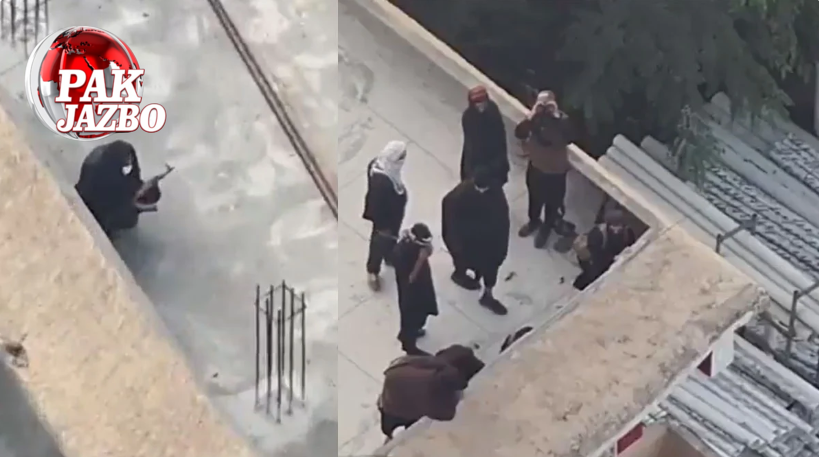
KABUL: Afghanistan’s Taliban authorities have intensified the enforcement of strict social regulations in the western province of Herat, leading to increased arrests over dress code violations and growing concern among residents, according to a report by The New York Times.
The report states that the tougher measures follow directives from the Taliban’s supreme leader, Hibatullah Akhundzada, who has instructed authorities to strengthen the implementation of the group’s moral and social policies across the country.
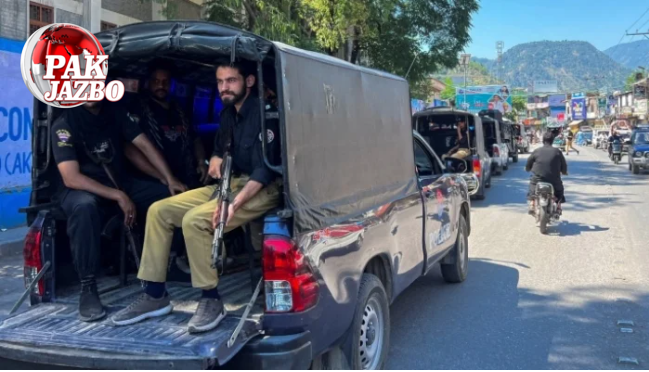
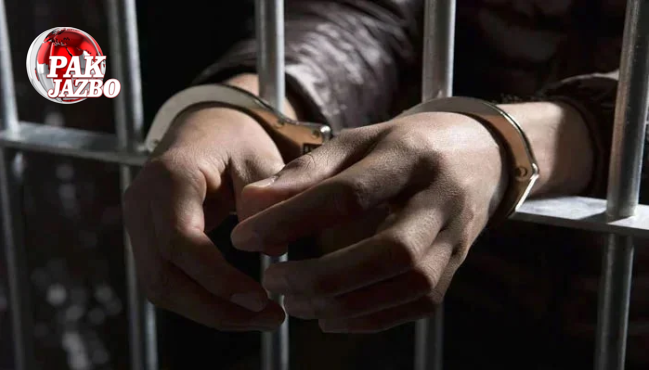
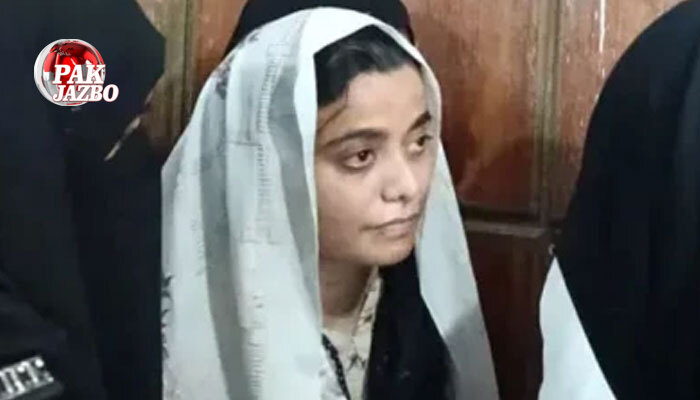
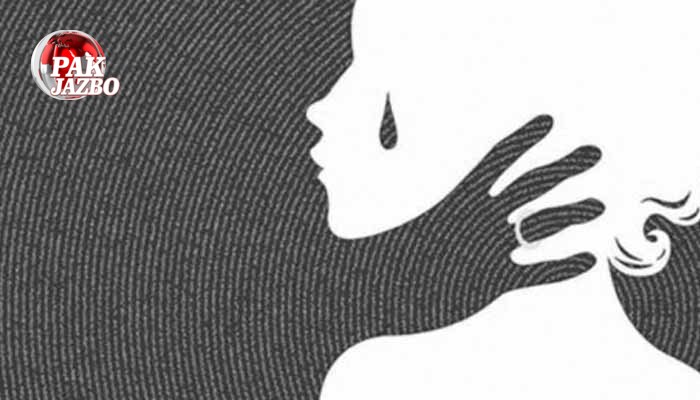
According to the newspaper, Taliban officials in Herat have stepped up enforcement of regulations concerning women’s clothing and men’s beard requirements. Residents say women are being detained for allegedly violating dress code rules, while men are reportedly being questioned or arrested for failing to comply with beard regulations.
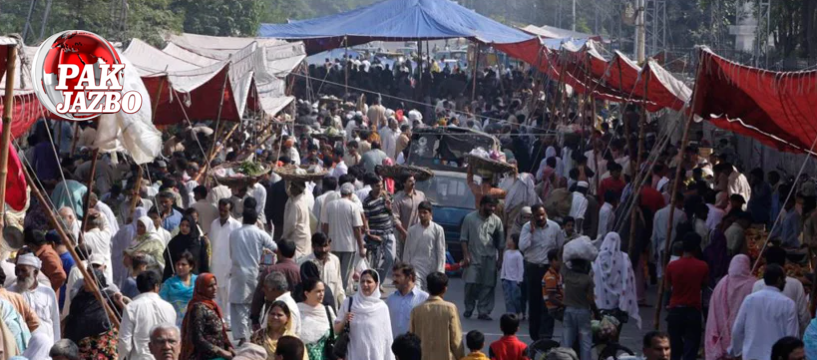
The increased enforcement has reportedly created an atmosphere of fear in Herat, with many women limiting their movements outside their homes to avoid possible detention.
According to the report, at least 30 women were arrested within two days for alleged violations of the Taliban’s dress code. However, local human rights organizations claim the number of women detained in Herat has already exceeded 200, although these figures have not been independently verified.
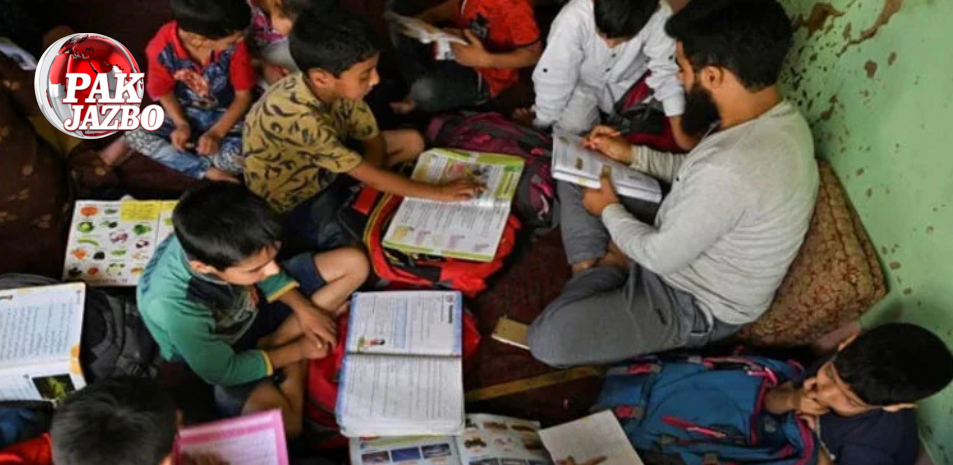
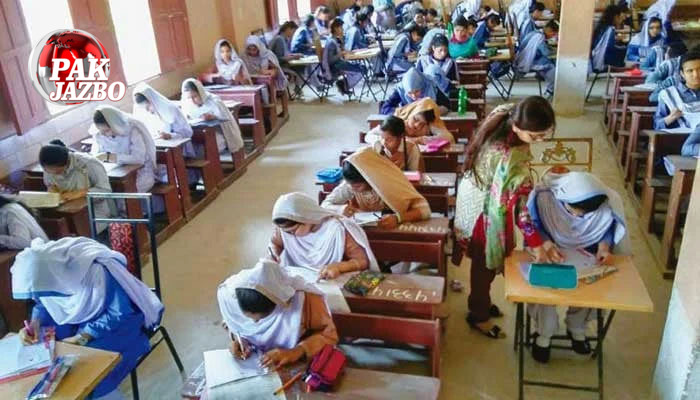
The report also highlights the broader social impact of the Taliban’s policies, particularly on education. It says that fear of restrictions and possible detention has prompted some parents to stop sending their daughters to school, further limiting educational opportunities for girls.
Human rights groups have repeatedly expressed concern that the Taliban’s policies continue to restrict women’s participation in public life, employment, and education. Since returning to power in August 2021, the Taliban administration has imposed a series of measures affecting women’s rights, many of which have drawn criticism from the international community.
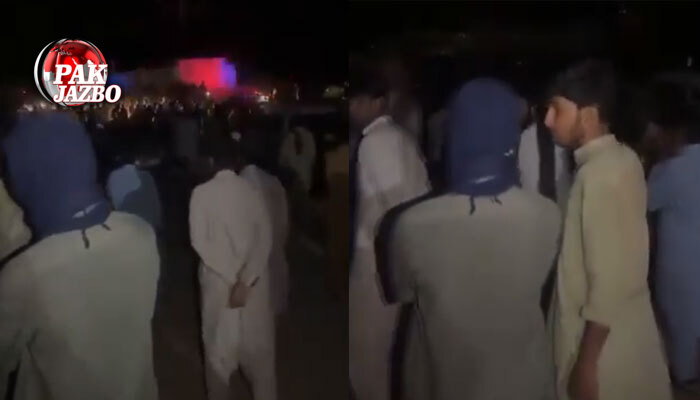
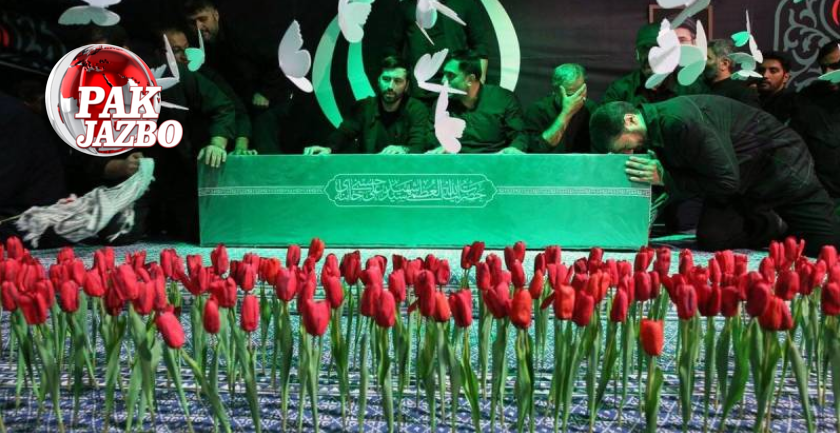
The report further states that during the Ashura commemorations, Taliban authorities imposed restrictions on Shia religious processions and ceremonies in parts of the country. It also notes that Afghanistan’s Shia community continues to have limited representation within the current governing structure.
International organizations, including the United Nations and several human rights bodies, have repeatedly called on the Taliban to ease restrictions on women and girls, restore access to education, and protect the rights of religious minorities. Taliban officials, however, have maintained that their policies are based on their interpretation of Islamic law and Afghanistan’s cultural values.
The developments in Herat come amid ongoing international scrutiny of Afghanistan’s human rights situation, particularly regarding the treatment of women, girls, and minority communities. Aid agencies warn that continued restrictions could further deepen the country’s humanitarian and social challenges while increasing its isolation from the international community.
What’s your Reaction?
+1
+1
+1
+1
+1
+1