



























































































































































































































































































































































































































































































































































































































































































































Pakistan and Indonesia Sign Agreements on Palm Oil Trade to Strengthen Economic Cooperation


Islamabad/Karachi:
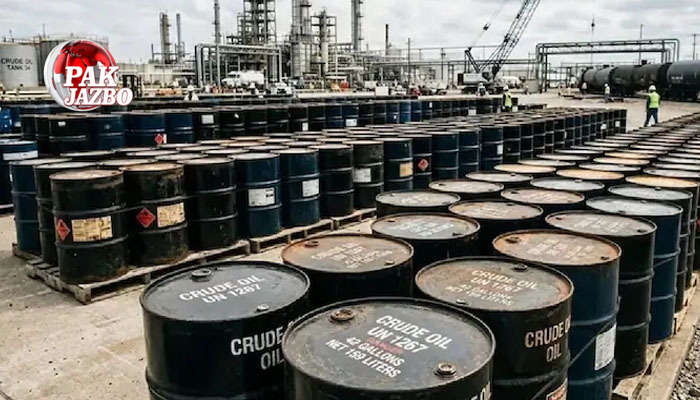
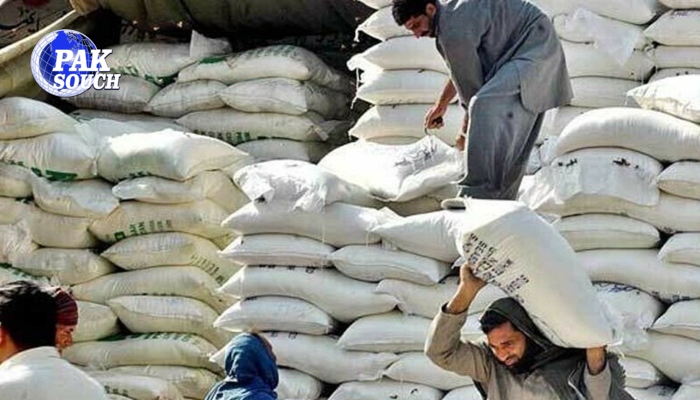
Pakistan and Indonesia have signed a series of agreements related to palm oil trade, marking a significant step toward further strengthening bilateral economic cooperation between the two countries. The agreements form part of the celebrations of 75 years of diplomatic relations between Pakistan and Indonesia and are also a continuation of engagements following Indonesian President Prabowo Subianto’s visit to Pakistan in December 2025.
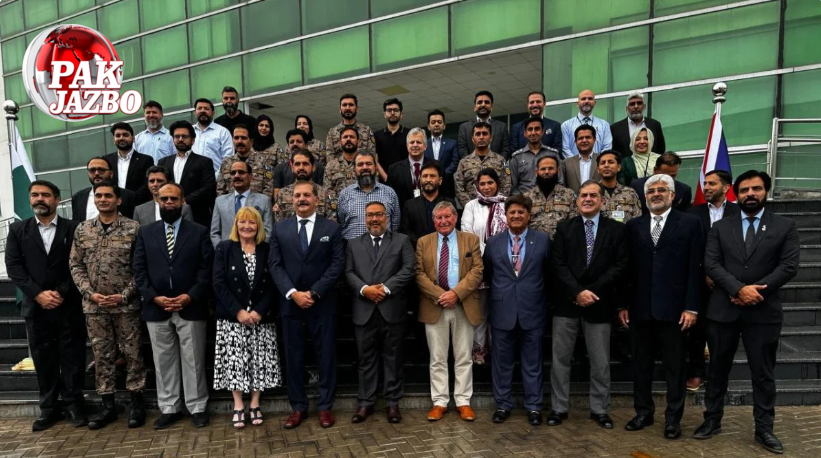
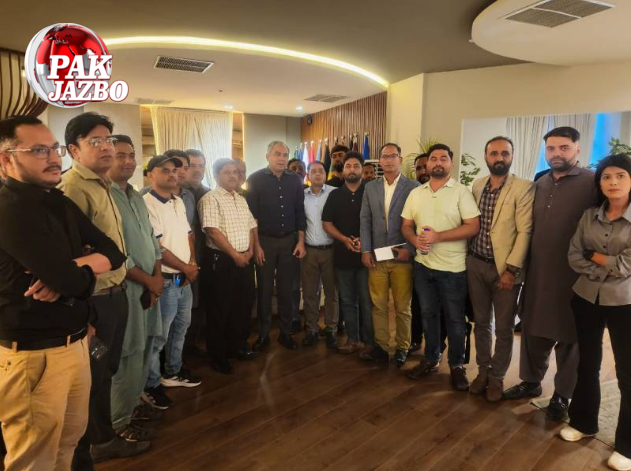
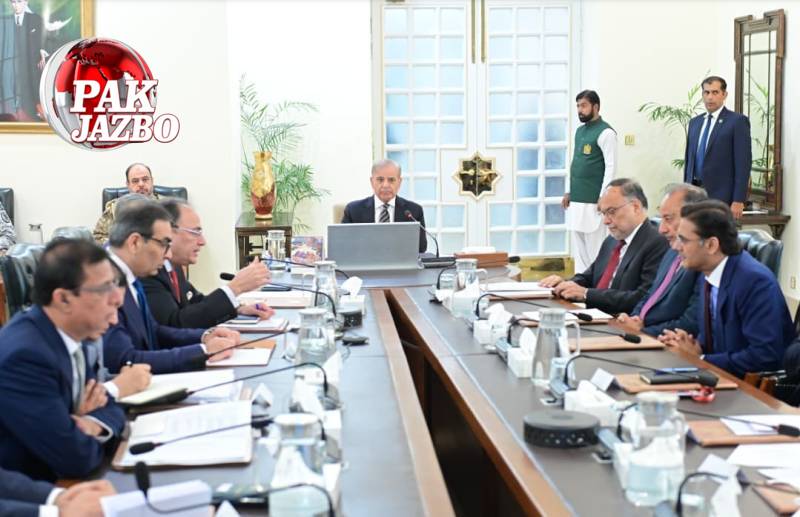
The agreements were formalized during a special ceremony jointly organized by the Embassy of the Republic of Indonesia in Islamabad and the Consulate General of Indonesia in Karachi, with the support of the Indonesian Palm Oil Association (GAPKI). The event brought together senior government officials, diplomats, and representatives of the private sector from both countries, highlighting the growing importance of economic diplomacy and private-sector collaboration in bilateral ties.
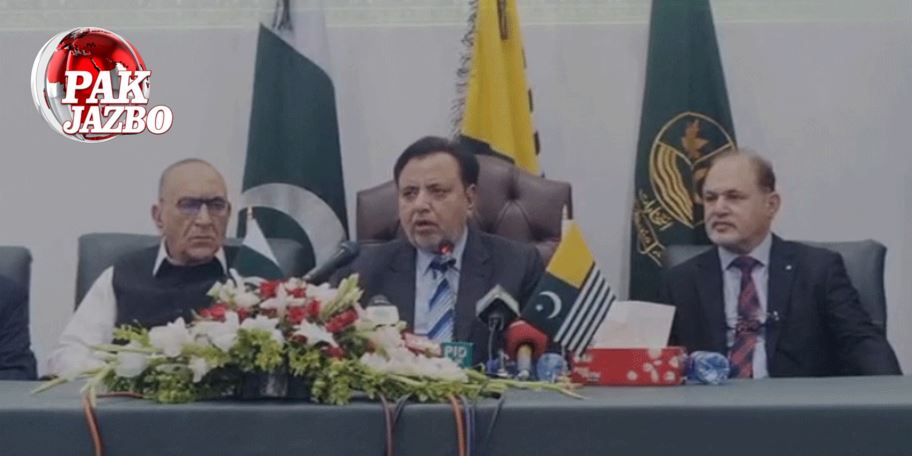
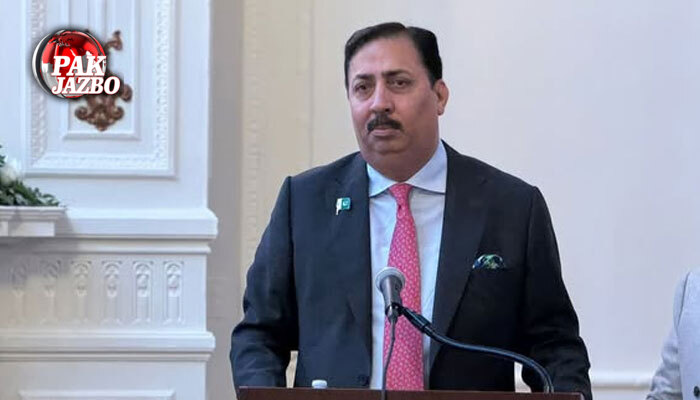
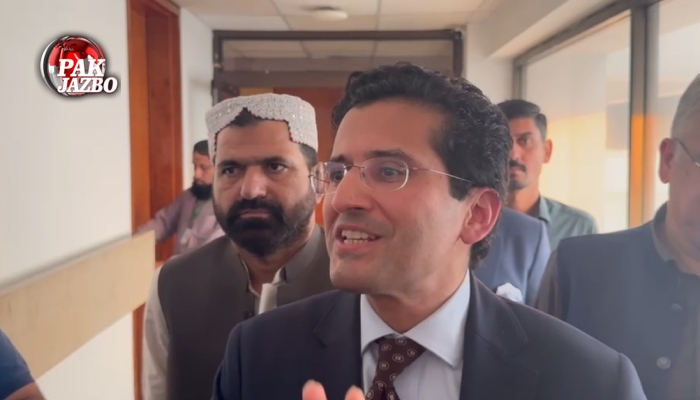
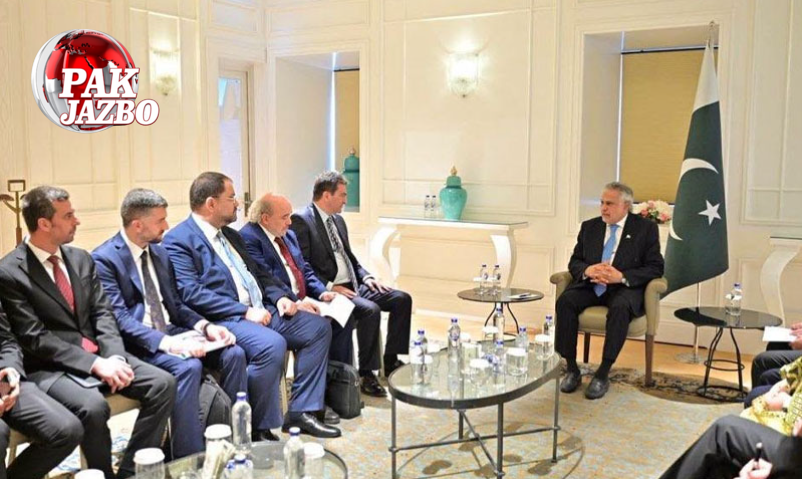
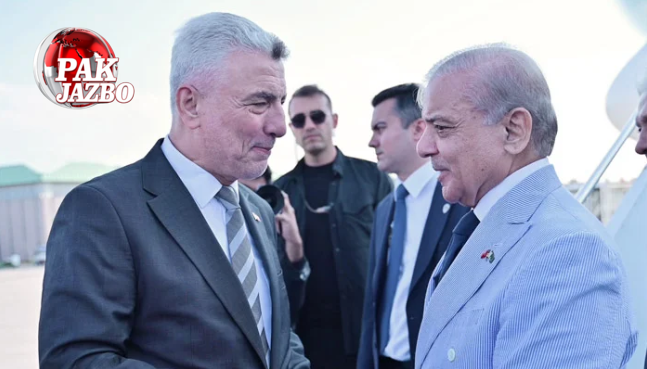
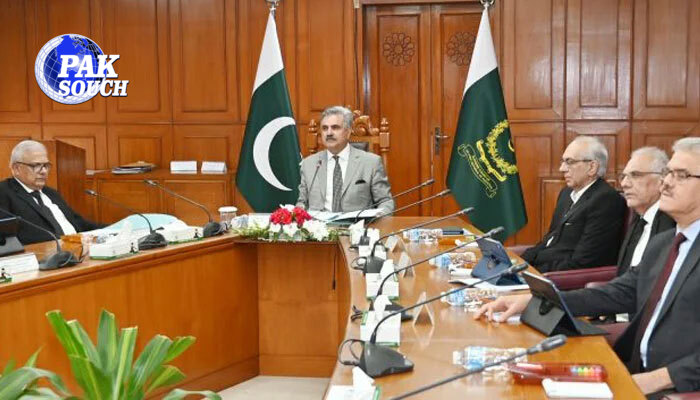
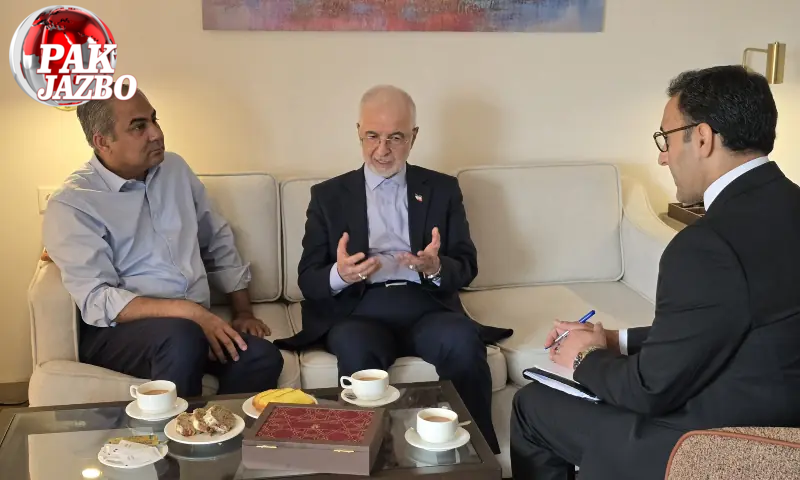
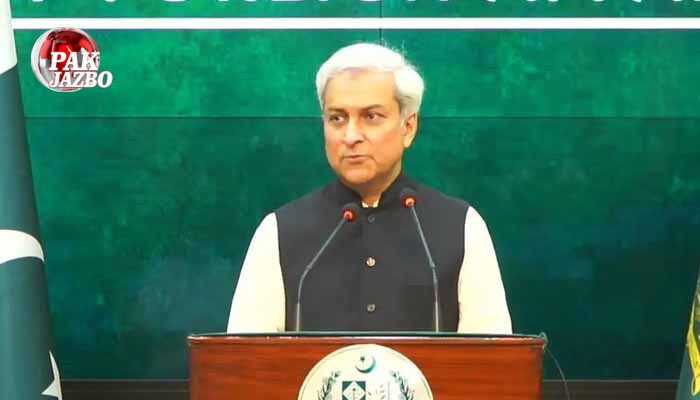
Among the prominent participants were Indonesia’s Vice Minister for Trade, Dyah Roro Esti Widya Putri, Pakistan’s Federal Minister for Commerce, Jam Kamal Khan, and Indonesian Ambassador to Pakistan, Chandra W. Sucahyo. Their presence underscored the political commitment on both sides to deepen trade relations, particularly in the palm oil sector, which remains a cornerstone of economic exchange between Pakistan and Indonesia.
Addressing the ceremony in Karachi, Indonesian Vice Minister for Trade Dyah Roro Esti Widya Putri emphasized Pakistan’s strategic importance for Indonesia. She stated that Pakistan is a key partner for Indonesia due to its large market, expanding industrial base, and growing consumer demand. “Pakistan is important for Indonesia. Its market, industry, and consumers matter greatly to us,” she said, adding that Indonesia views Pakistan not only as a major buyer of palm oil but also as a long-term economic partner in the region.
She further noted that Indonesia is committed to ensuring reliable, sustainable, and high-quality palm oil supplies to Pakistan, while also exploring avenues for deeper cooperation across the value chain. This includes collaboration in refining, processing, and downstream industries, which could create additional economic benefits for both countries.
Speaking on the occasion, Indonesian Ambassador Chandra W. Sucahyo described Pakistan–Indonesia relations as entering a more strategic and future-oriented phase. He said that while palm oil continues to serve as the central pillar of bilateral trade, Indonesia is keen to broaden the scope of cooperation and move toward more balanced and diversified trade relations.
“Palm oil remains a key component of our trade relationship, but Indonesia seeks wider cooperation and a more balanced trade partnership,” the ambassador said. He added that the event provided an important platform to recognize existing partnerships, strengthen mutual trust, and explore new, forward-looking avenues for economic collaboration. According to him, such initiatives are essential for translating strong diplomatic relations into tangible economic outcomes.
GAPKI Chairman Eddy Martono also addressed the gathering and highlighted the role of the Indonesian palm oil industry in supporting Pakistan’s edible oil requirements. He said GAPKI is working closely with both governments to ensure a consistent and responsible supply of palm oil to Pakistan, which is among the world’s largest importers of the commodity.
Martono explained that efforts are being made to promote direct agreements between Indonesian producers and Pakistani buyers, which would help reduce intermediaries, improve efficiency, and stabilize supply chains. He also pointed to plans for enhanced technical cooperation in refining and processing, which could help Pakistan strengthen its domestic edible oil industry while benefiting from Indonesian expertise.
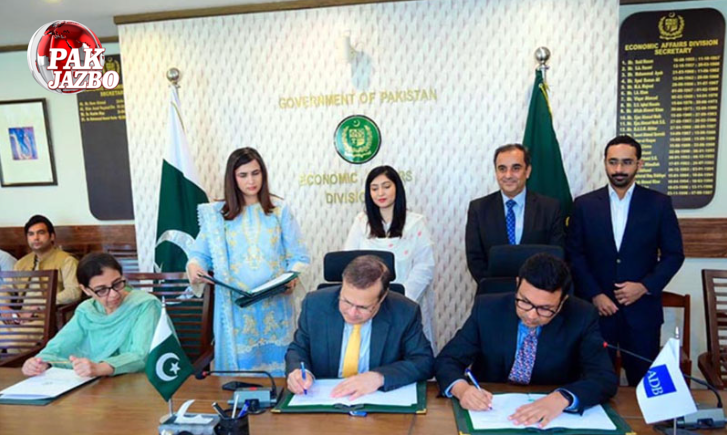
During the ceremony, three key agreements were signed. These included an agreement to establish a Joint Trade Commission, aimed at providing an institutional framework for regular dialogue, policy coordination, and the resolution of trade-related issues. In addition, two Memorandums of Understanding (MoUs) were signed between GAPKI and Pakistan’s edible oil and vegetable ghee manufacturers’ associations, focusing on cooperation in trade facilitation, technical exchange, and industry-to-industry collaboration.
Both sides also agreed to explore joint projects in several related areas, including palm oil refining, halal certification, sustainability standards, and port logistics. These areas were identified as having strong potential to add value to bilateral trade and ensure compliance with international quality and environmental standards.
Karachi was specifically highlighted during the discussions as a natural partner for Indonesia’s economic expansion in South Asia. With its major ports, industrial infrastructure, and access to regional markets, Karachi is seen as a strategic hub for trade, logistics, and investment cooperation between the two countries.
The agreements come at a time when Pakistan is seeking to secure stable supplies of essential commodities while diversifying its trade partnerships, and Indonesia is aiming to expand its footprint in South Asian markets. Observers believe that the new agreements could help strengthen supply chain resilience, encourage private-sector investment, and pave the way for more comprehensive economic engagement.
What’s your Reaction?
+1
+1
+1
+1
+1
+1