

































































































































































































































































































































































































































































































































































































































































































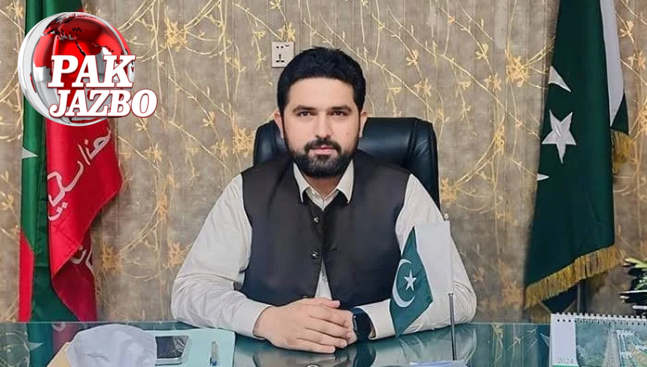























































































































































































































































































































































































































































































































































































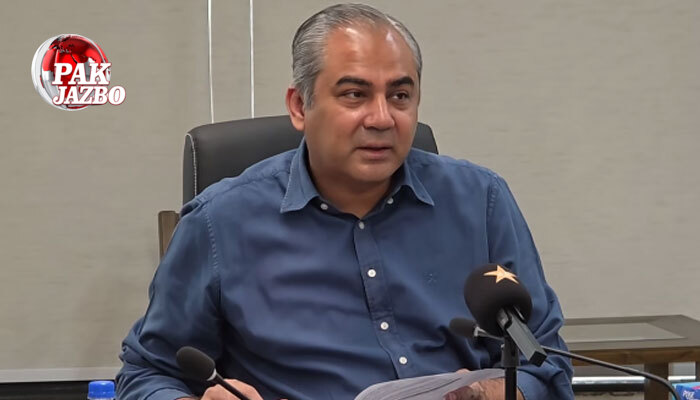























































































































BUITEMS Lecturer Dr. Usman Qazi Remanded for 14 Days to CTD Over Alleged Facilitation of Terrorists


Quetta, August 2025 —
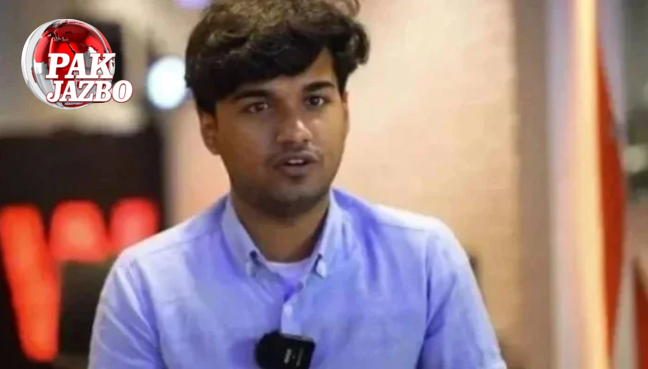
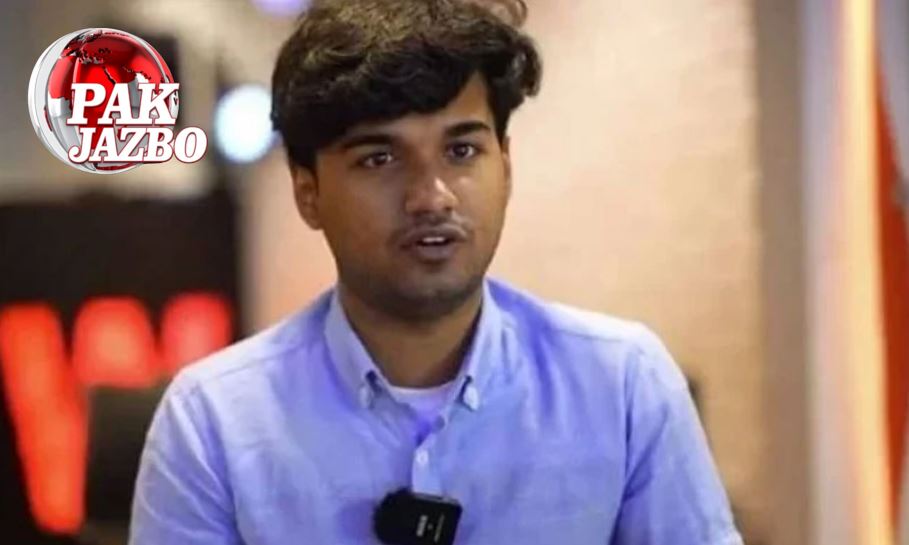
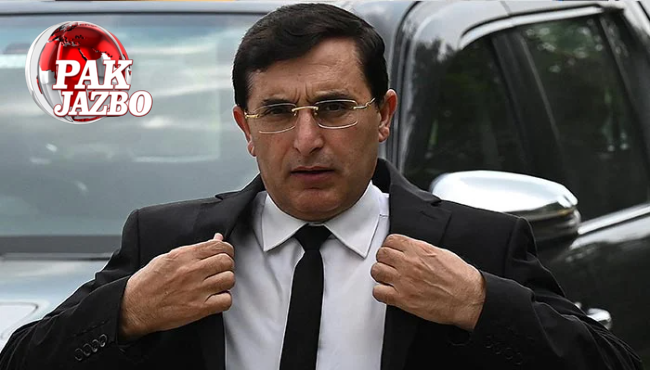
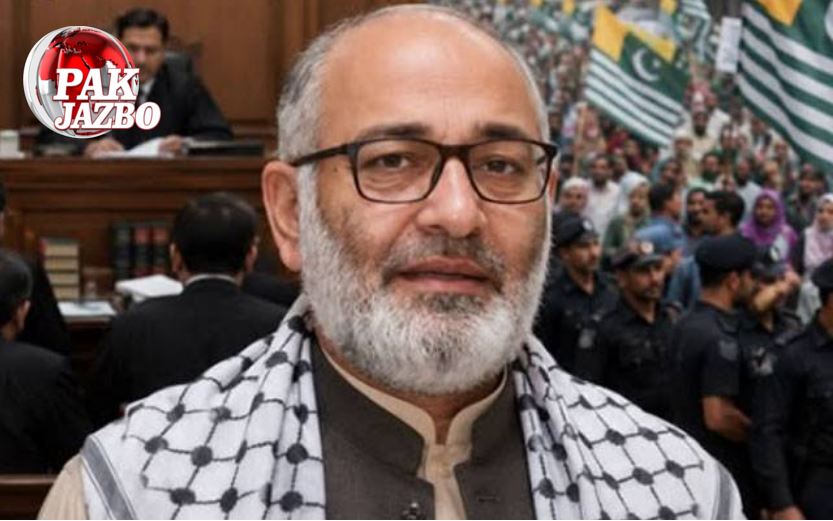
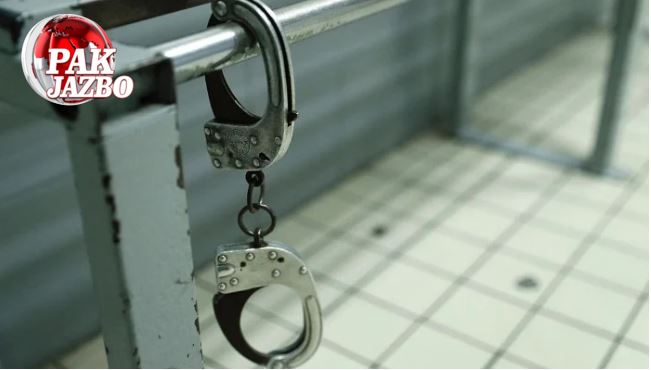
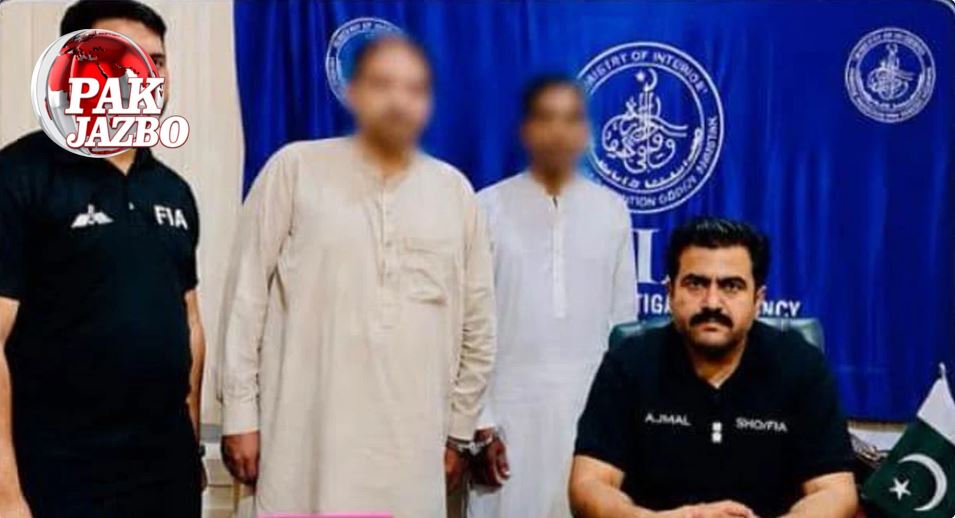
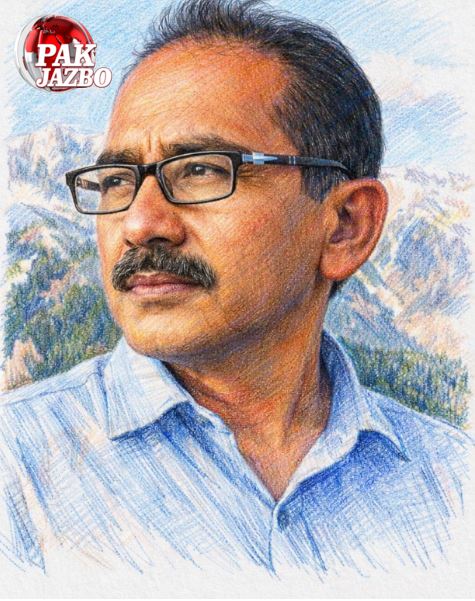
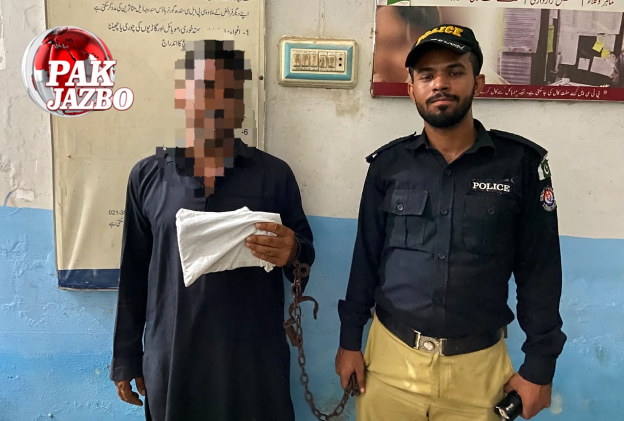
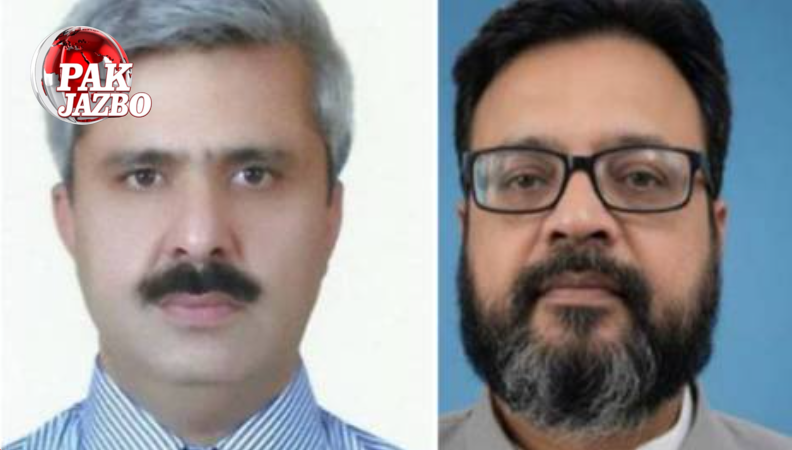
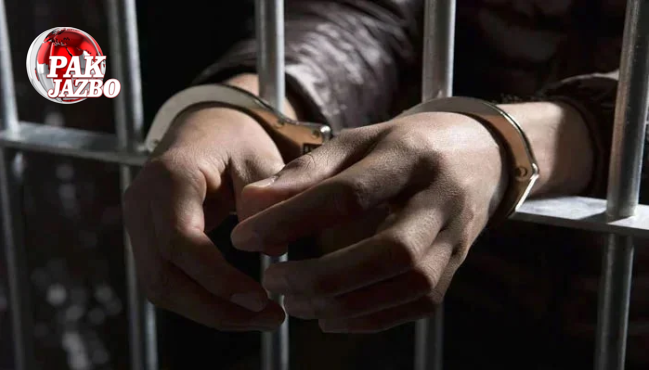
In a significant development highlighting Pakistan’s ongoing struggle against militancy, an Anti-Terrorism Court (ATC) in Quetta has handed over Dr. Usman Qazi, a lecturer at Balochistan University of Information Technology, Engineering and Management Sciences (BUITEMS), to the Counter-Terrorism Department (CTD) on a 14-day physical remand.
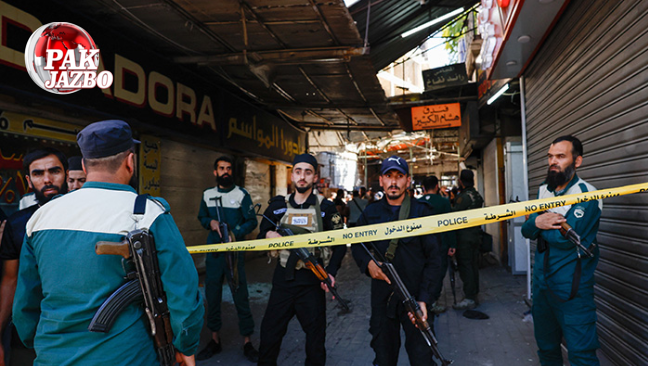
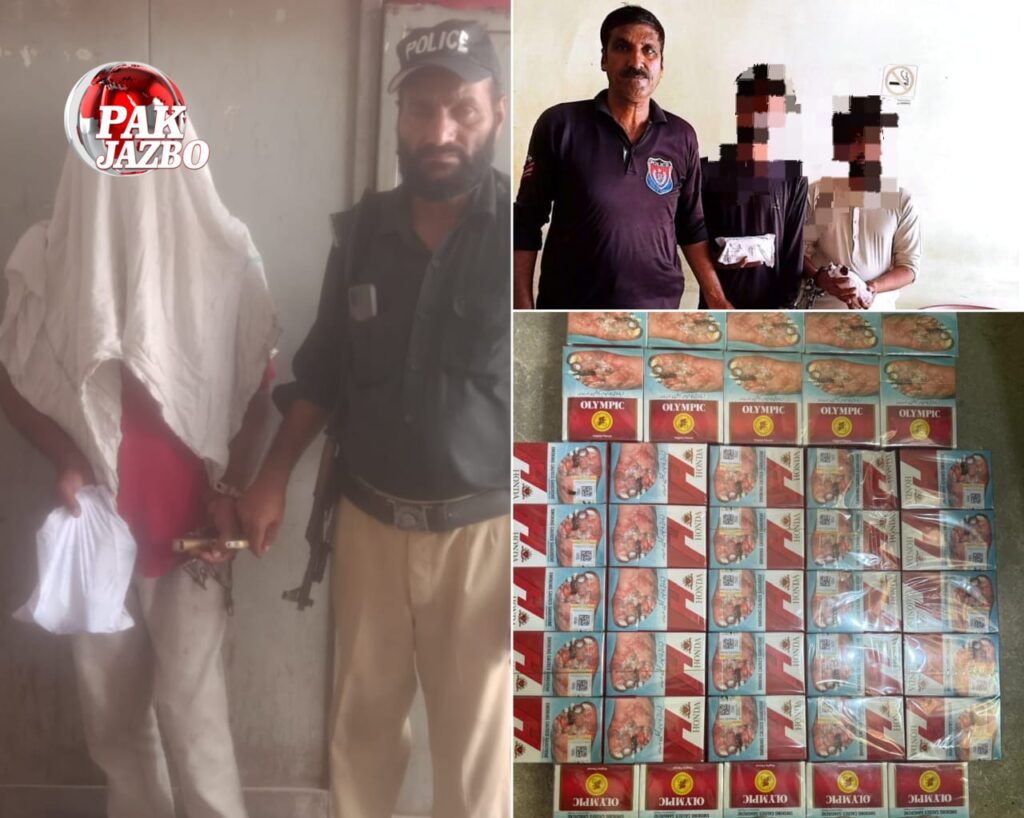
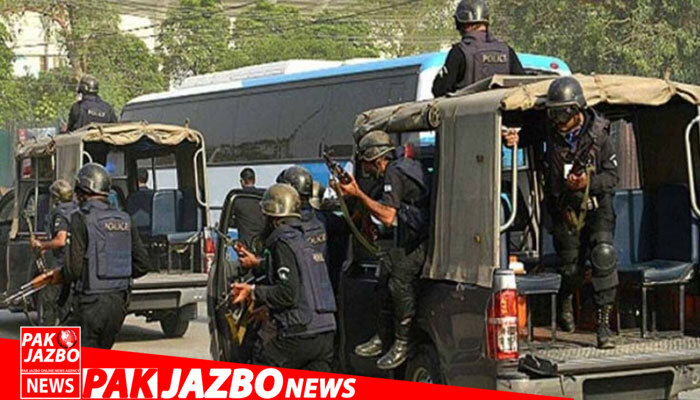
Dr. Qazi was arrested on August 12 from his residence in Quetta on allegations of facilitating a proscribed organization. According to CTD officials, the lecturer has already confessed in a recorded video statement to providing logistical support in multiple terrorist incidents carried out by the outlawed group.
Court Proceedings
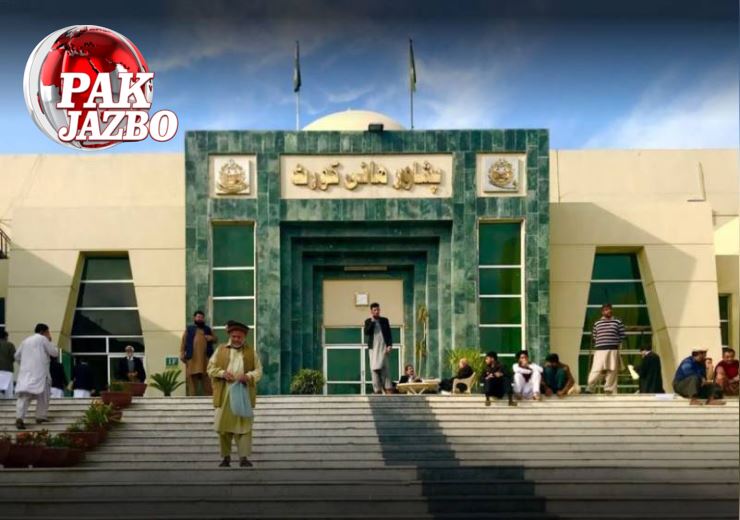
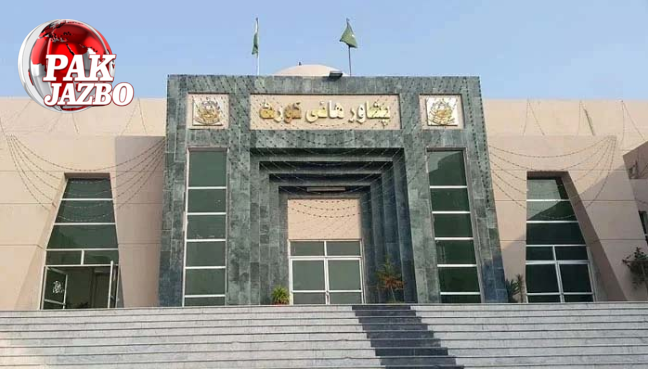
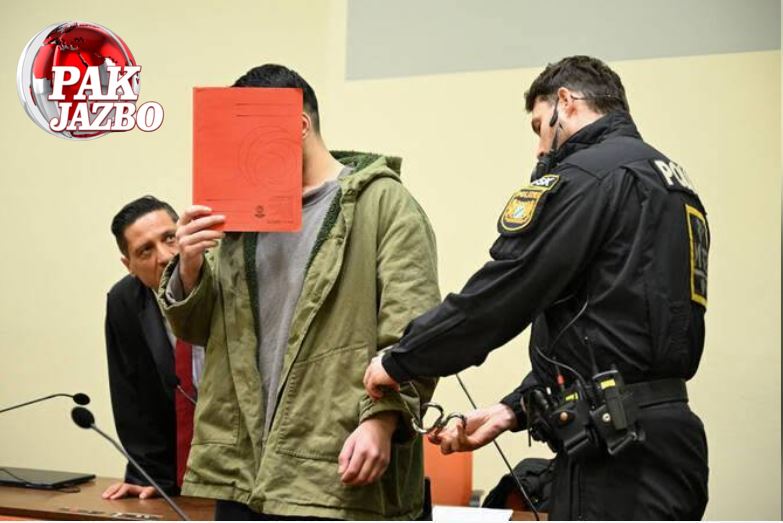
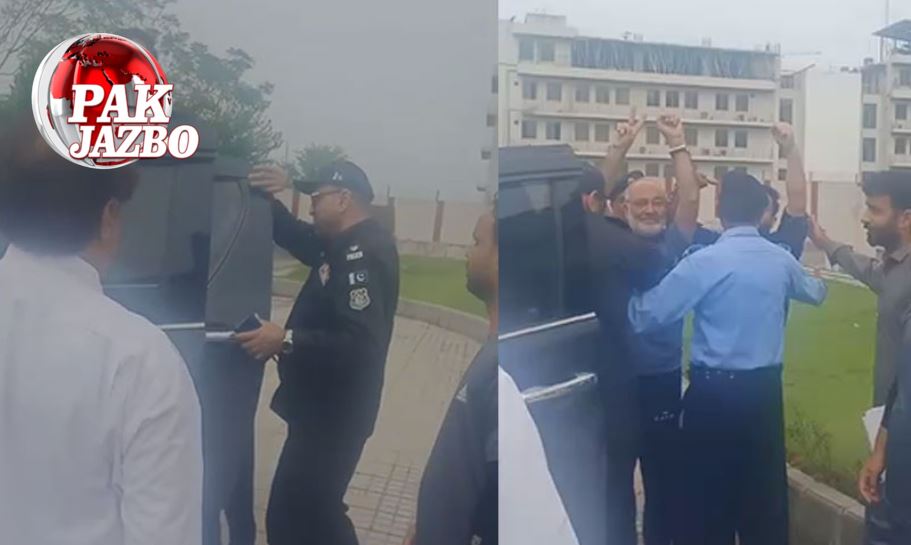
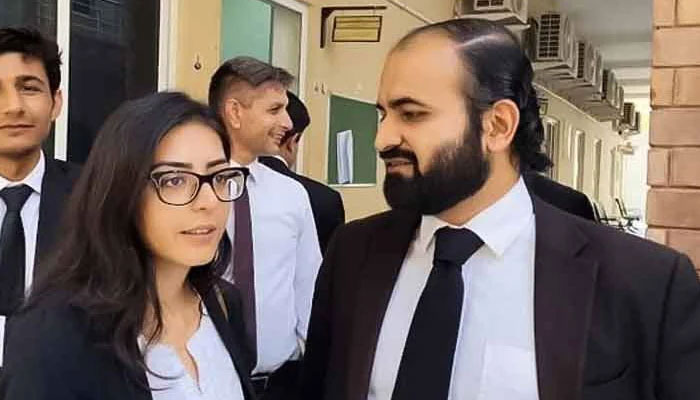
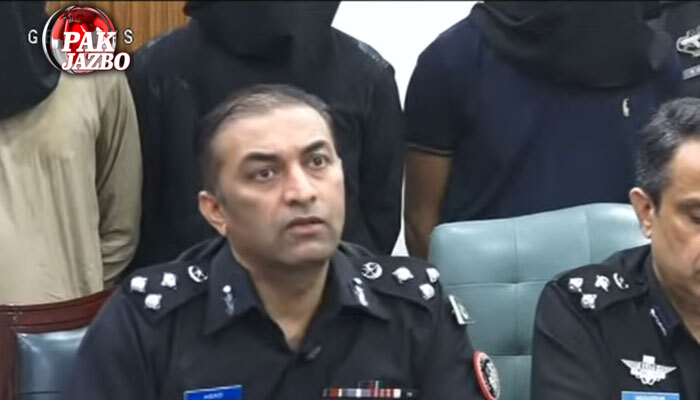
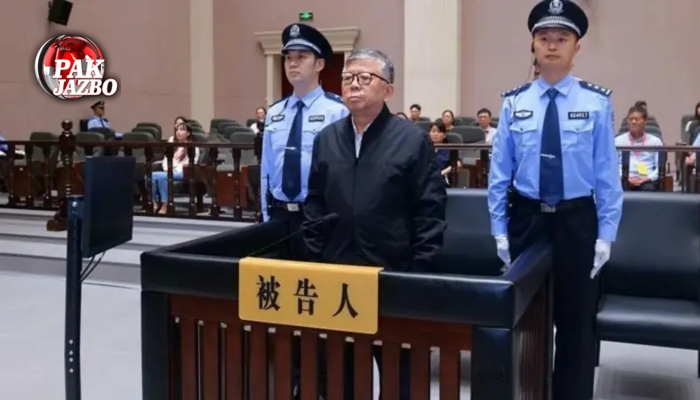
During the hearing, CTD personnel presented Dr. Qazi before the Anti-Terrorism Court, requesting his custody for investigation. The prosecution argued that further interrogation was necessary to uncover the full extent of his alleged connections, financial transactions, and support networks linked to the proscribed organization.
The presiding judge, after reviewing the case details, approved a 14-day remand, directing the CTD to complete its investigation within the allotted time and submit a detailed report on the findings.
Background of Arrest
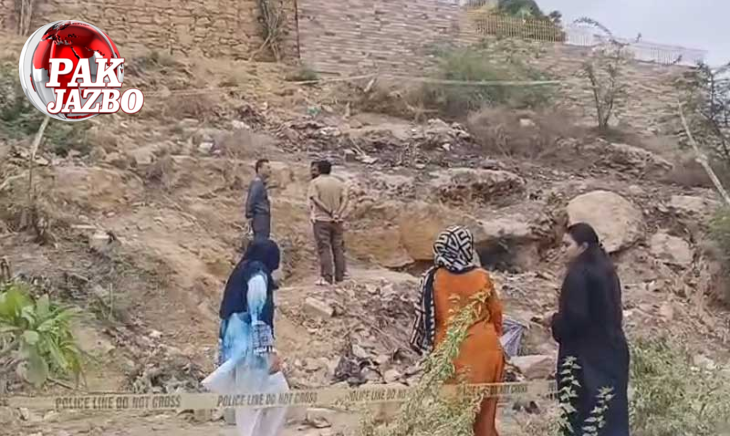
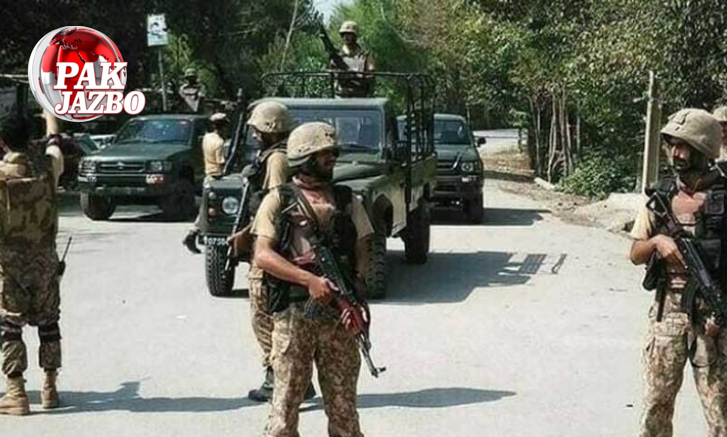
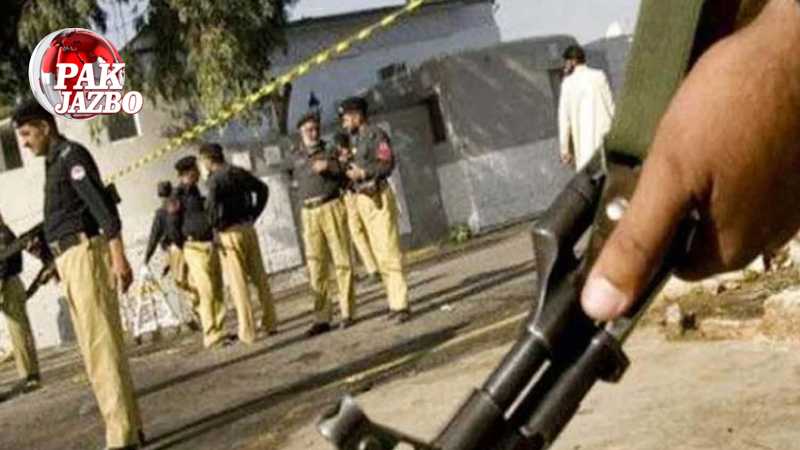
According to initial reports, Dr. Qazi had been under surveillance for several months due to suspected links with militant groups operating in Balochistan. His arrest on August 12 followed a coordinated raid at his residence in Quetta. Officials claim to have recovered materials that may aid the ongoing investigation, though specifics have not yet been made public.
CTD authorities emphasized that his role as an academic made the case particularly alarming, raising concerns about radicalization and the misuse of educational platforms.
Confession Video
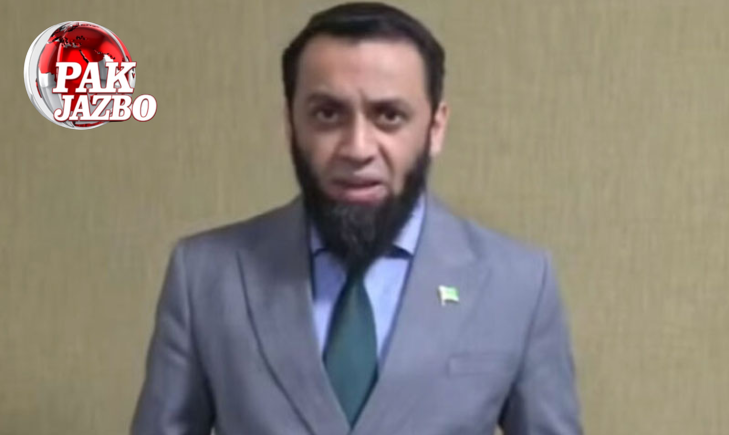
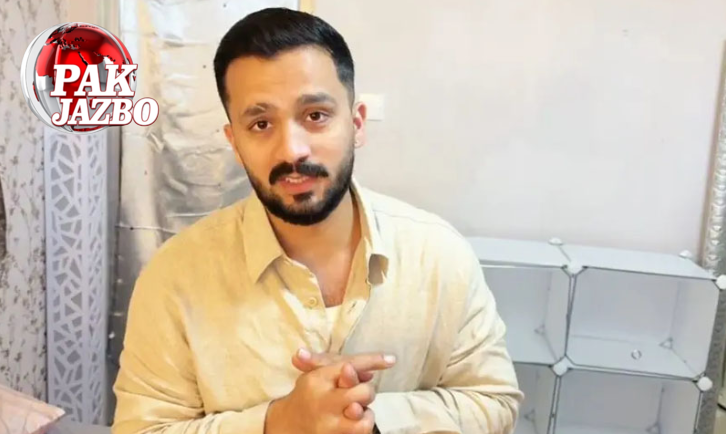
A video released by authorities purportedly features Dr. Qazi admitting to facilitating several terrorist incidents by providing shelter, financial assistance, and logistical support to members of the outlawed group. In the video, he allegedly acknowledged helping militants move weapons and supplies, as well as offering safe houses.
While the authenticity and voluntariness of such confessions often become a matter of legal debate, CTD officials assert that his statement will serve as a key part of the investigation.
Concerns Over Radicalization in Academia
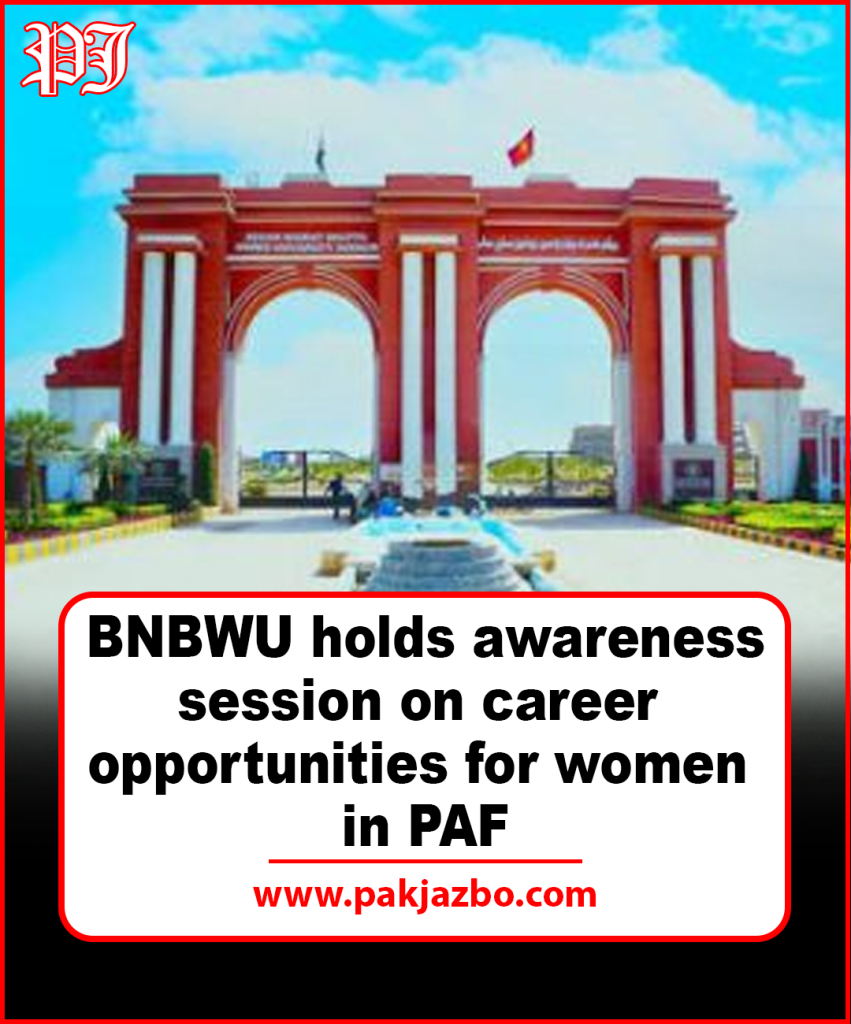
The arrest of a university lecturer on charges of terrorism facilitation has sparked concern within educational and political circles. BUITEMS, one of Balochistan’s leading higher education institutions, has long prided itself on promoting scientific learning and modern education in the province.
This incident, however, has raised questions about how extremist ideologies can penetrate even academic spaces. Experts warn that universities, due to their role in shaping young minds, must be particularly vigilant against radical influences.
A senior analyst noted: “When educated individuals become facilitators of extremist groups, it reflects a dangerous trend. It not only undermines security but also erodes public trust in academic institutions.”
Legal and Political Implications
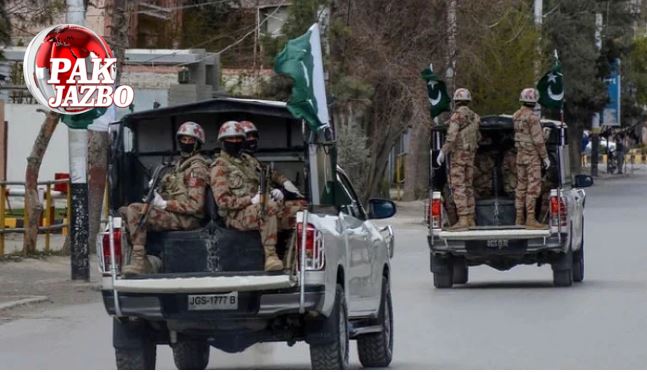
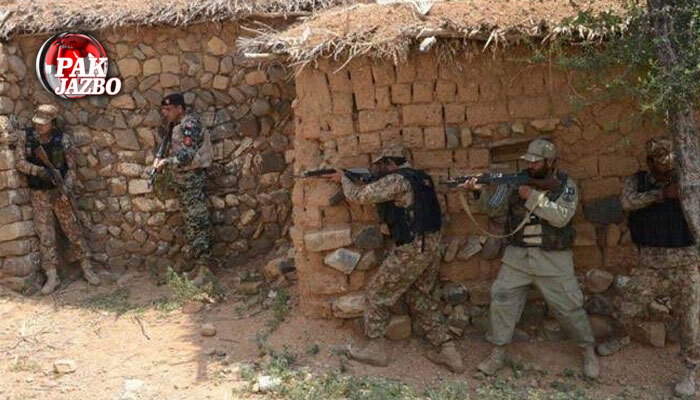
The case against Dr. Qazi is likely to be closely watched, given the sensitivity of terrorism-related trials in Balochistan. The province has long been a hotspot for militant activity, with security forces conducting regular operations against insurgents and banned outfits.
Legal experts suggest that the prosecution will have to present strong, admissible evidence to sustain charges in court. While video confessions carry weight, defense lawyers often argue they may have been obtained under duress. Thus, the CTD is expected to back its case with corroborative evidence, such as financial records, communication logs, or eyewitness testimony.
Politically, the case also underscores the government’s emphasis on cracking down against all forms of facilitation networks, not just direct perpetrators of terrorism. By pursuing individuals accused of logistical and financial support, authorities aim to weaken the broader infrastructure that sustains militancy.
Public Reaction
The news of Dr. Qazi’s arrest has generated mixed reactions. Many residents in Quetta expressed shock that a respected university lecturer could be involved in such activities. Parents of BUITEMS students demanded stronger vetting mechanisms to ensure teachers are not influenced by extremist ideologies.
Others, however, urged caution, stressing that an accusation alone does not prove guilt. Some civil rights advocates raised concerns about due process, insisting that the investigation must be fair and transparent.
On social media, the case quickly became a trending topic in Balochistan. Hashtags related to #DrUsmanQazi and #CTD reflected a divided discourse — with some calling for strict punishment if proven guilty, and others demanding legal safeguards against possible misuse of anti-terror laws.
Wider Context: Counter-Terrorism in Balochistan
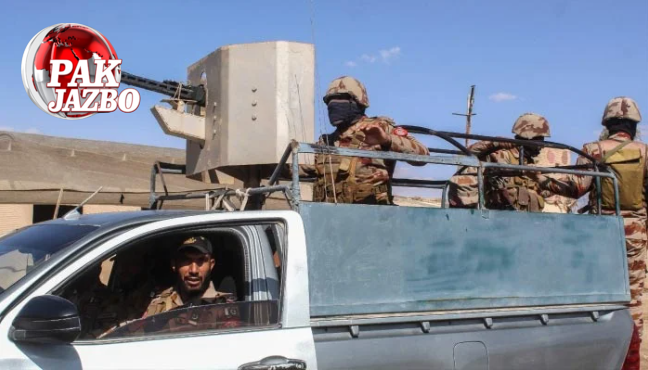
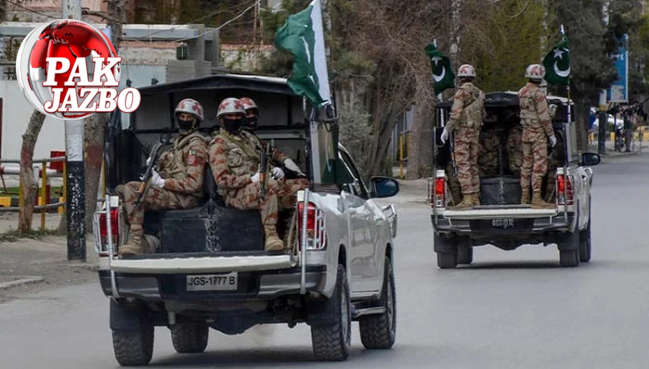
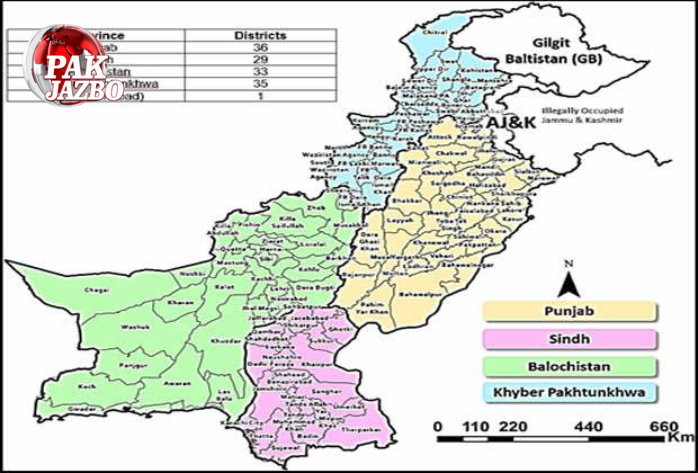
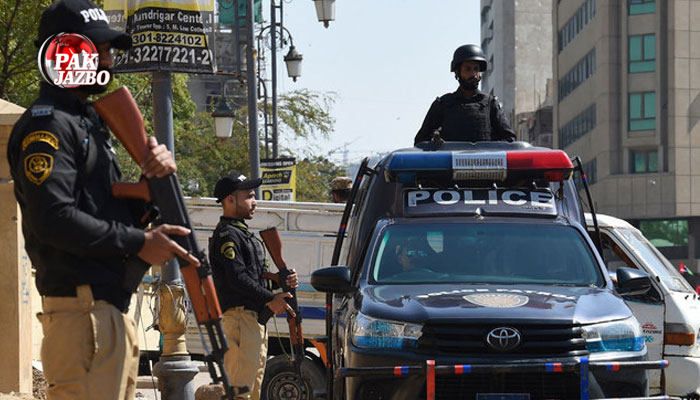
Balochistan has remained a focal point of Pakistan’s counter-terrorism efforts. Militants and separatist outfits have repeatedly targeted security forces, infrastructure projects, and civilians. The province’s geographical location, bordering Iran and Afghanistan, has made it vulnerable to cross-border militant activity.
The government has stepped up CTD operations, intelligence coordination, and security monitoring in recent years. The arrest of individuals like Dr. Qazi, accused of providing behind-the-scenes support, highlights a strategy aimed at dismantling not just fighters but also facilitators, financiers, and sympathizers.
What Lies Ahead
Over the next 14 days, the CTD will interrogate Dr. Qazi to extract further details of his alleged networks and associations. Investigators are expected to probe financial trails, phone records, and possible international connections.
If strong evidence emerges, formal charges under Pakistan’s anti-terrorism laws will follow. If not, the prosecution could face challenges in sustaining the case in court.
For BUITEMS and other academic institutions, the case serves as a wake-up call to strengthen internal monitoring, staff evaluations, and awareness programs against radicalization.
Conclusion
The remand of Dr. Usman Qazi into CTD custody on terrorism facilitation charges marks another chapter in Pakistan’s battle against militancy. While the case is still under investigation, its implications reach far beyond one individual.
It touches on critical issues: the infiltration of extremist ideology into academia, the effectiveness of counter-terrorism strategies, the importance of due process, and the public’s confidence in both state institutions and universities.
Whether Dr. Qazi is ultimately proven guilty or exonerated, his arrest has already stirred national debate on how best to safeguard Pakistan’s educational spaces while fighting extremism in all its forms.
What’s your Reaction?
+1
+1
+1
+1
+1
+1

