

































































































































































































































































































































































































































































































































































































































































































































































































































































































































































































































































































































































































































































































































































































































































































































































































































































































































































































































































































Pakistan Moves to Strengthen Law Banning Dowry and Bridal Gifts: National Commission on the Status of Women Seeks Recommendations from Stakeholders


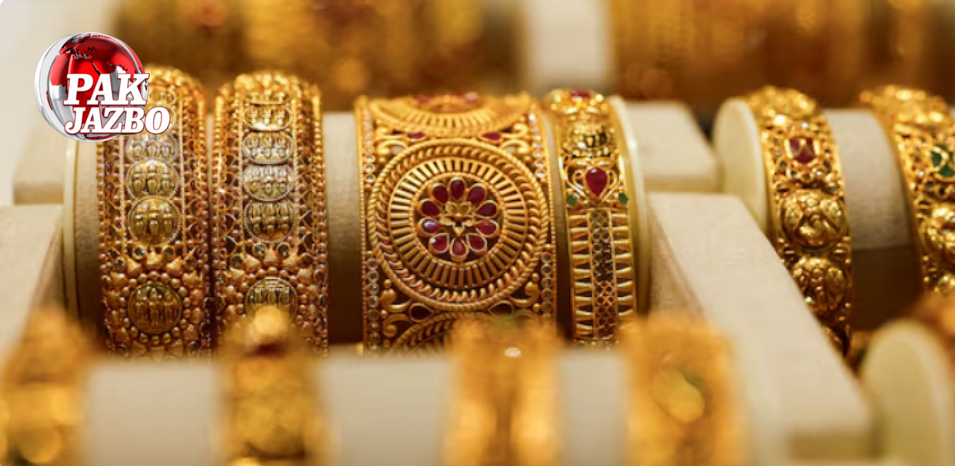
ISLAMABAD: In a significant move towards ending harmful traditional practices against women, the National Commission on the Status of Women (NCSW) has initiated the process of strengthening the legislation banning dowry and bridal gifts in Pakistan. As part of this effort, the Commission has formally requested recommendations and proposals from relevant ministries and institutions to make the existing law more effective and enforceable.
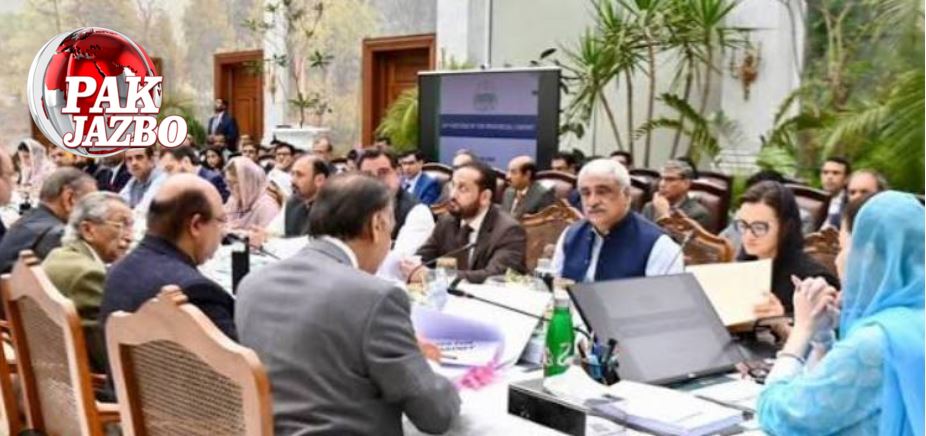
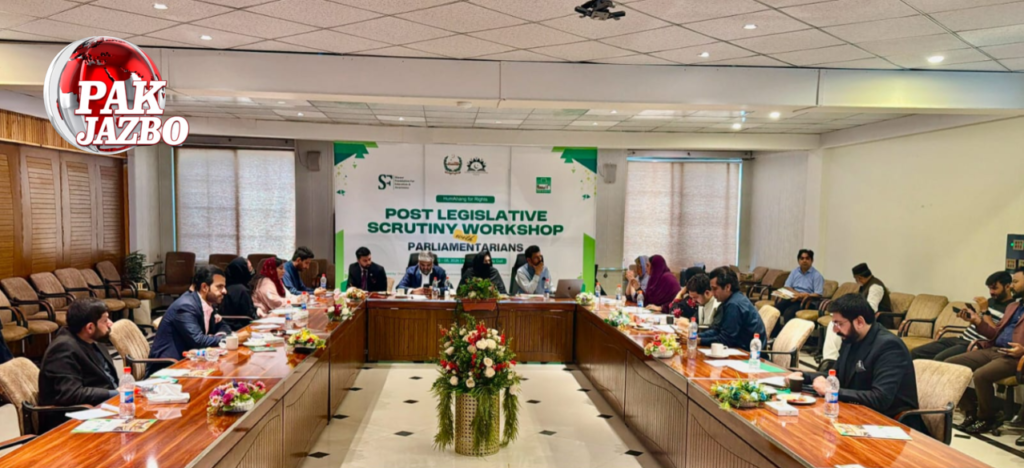
This decision was made during the second national consultative meeting organized by the NCSW under the ongoing review process of family laws in the country. The focus of the meeting was the Dowry and Bridal Gifts (Restriction) Act, 1976, a law that, despite being in place for nearly five decades, has seen limited enforcement and public compliance due to various legal and cultural challenges.
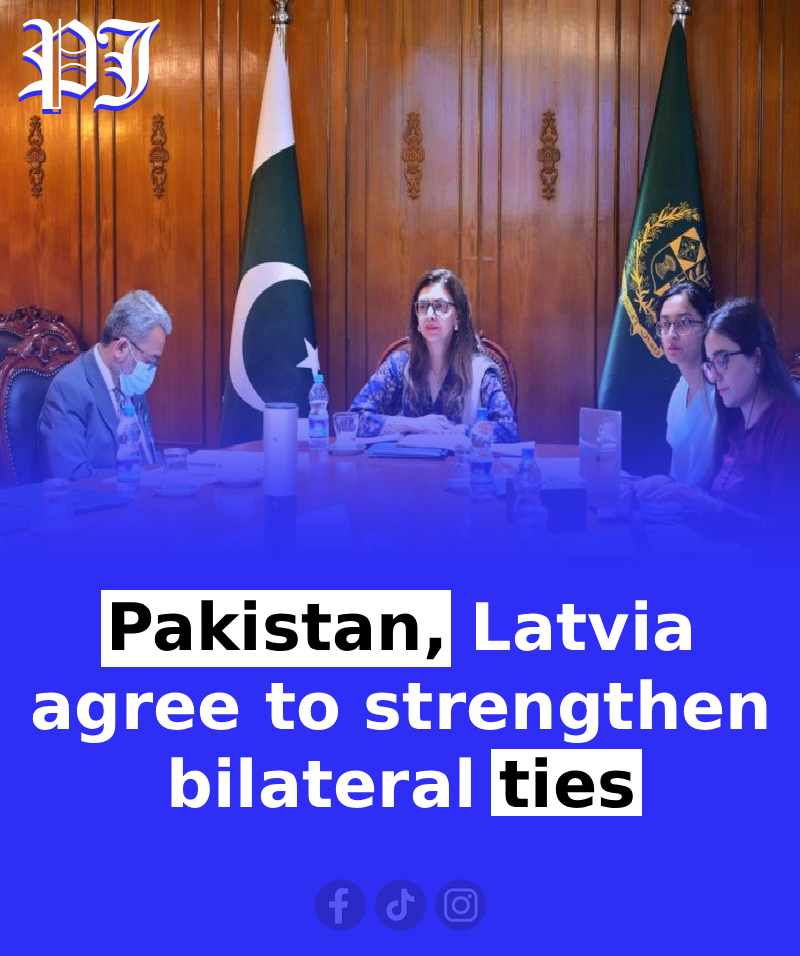
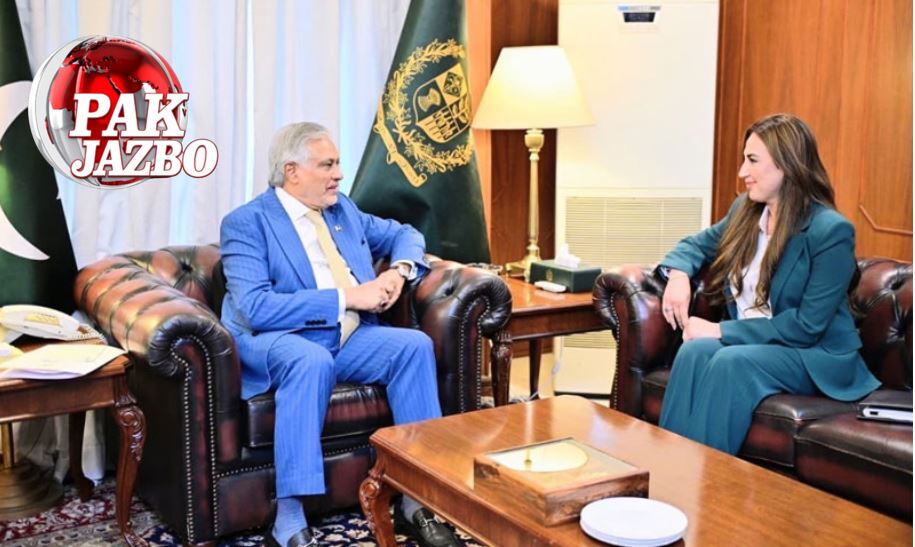
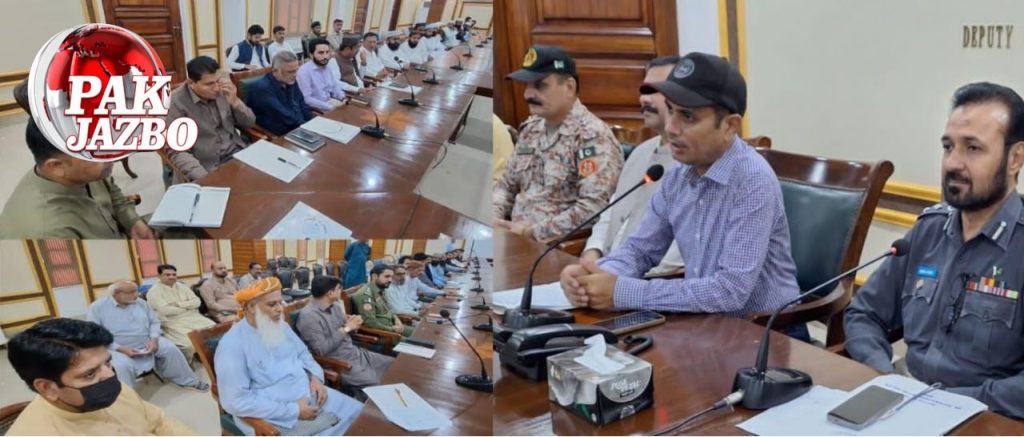
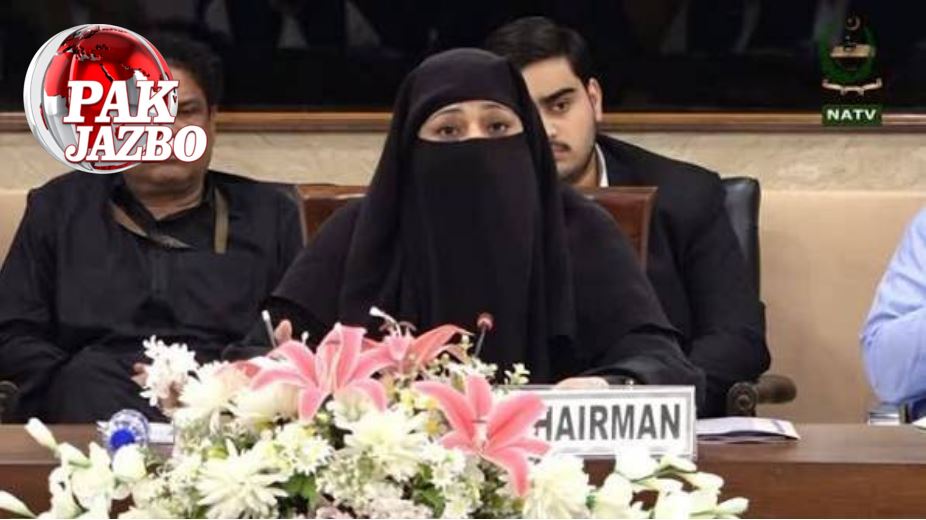
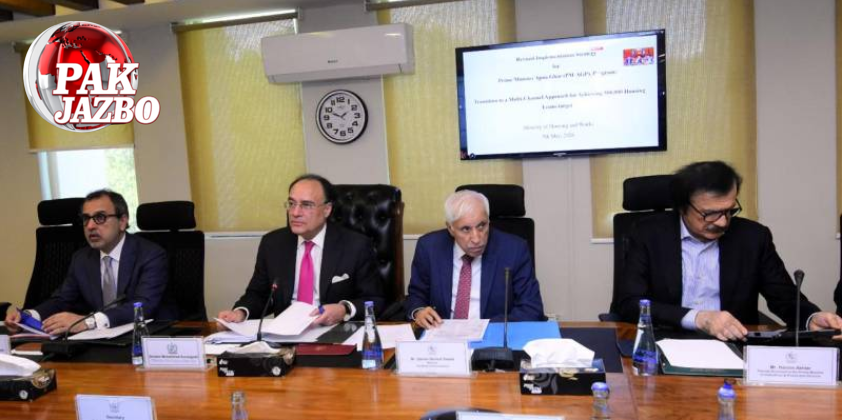
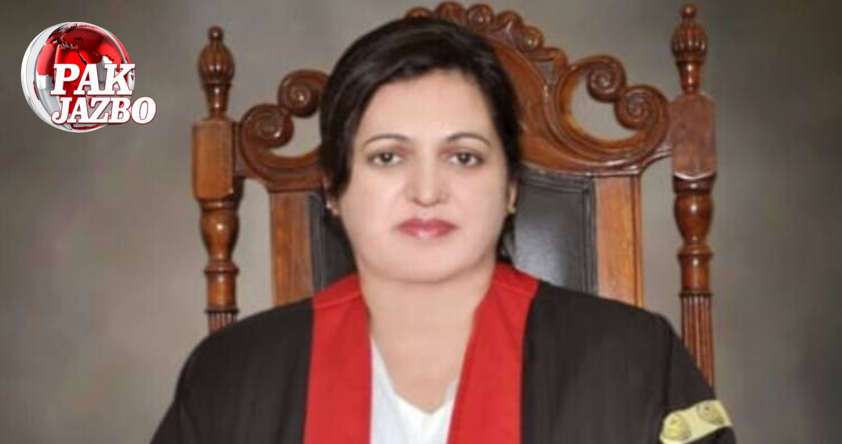
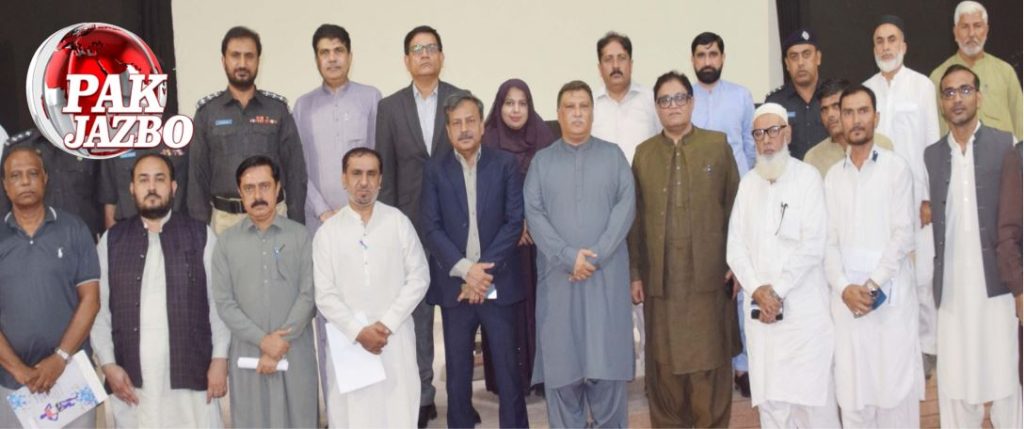
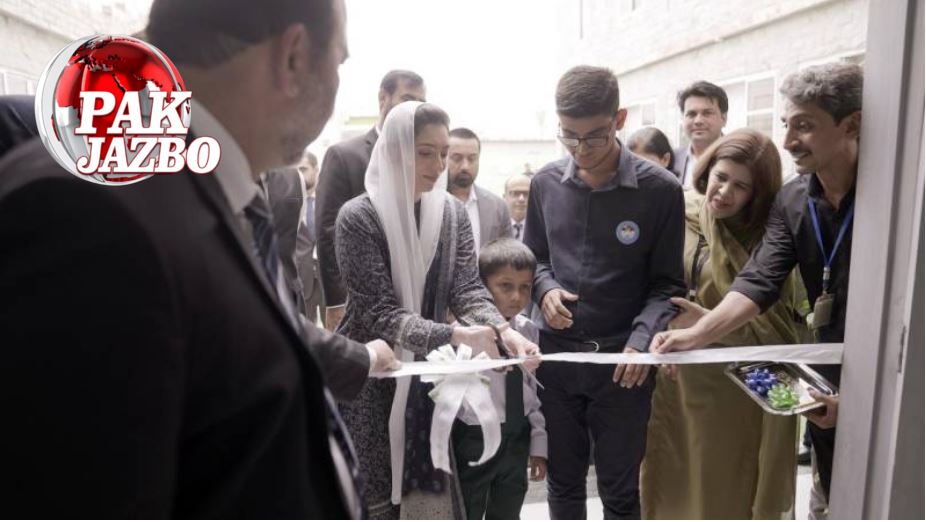
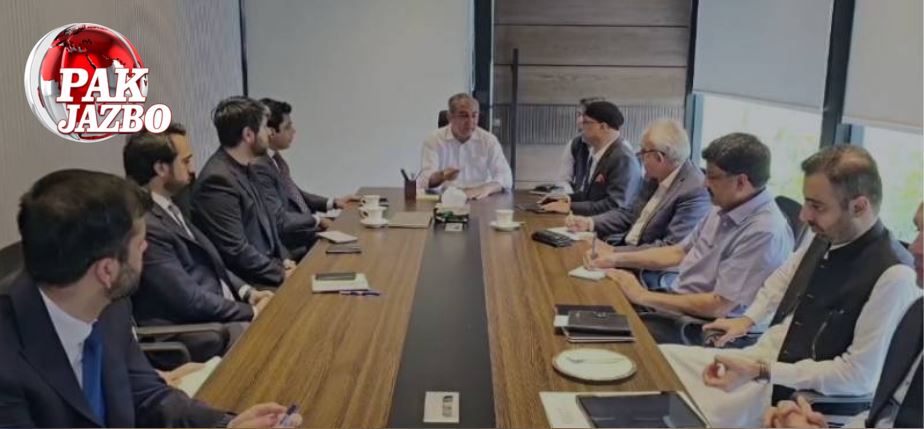
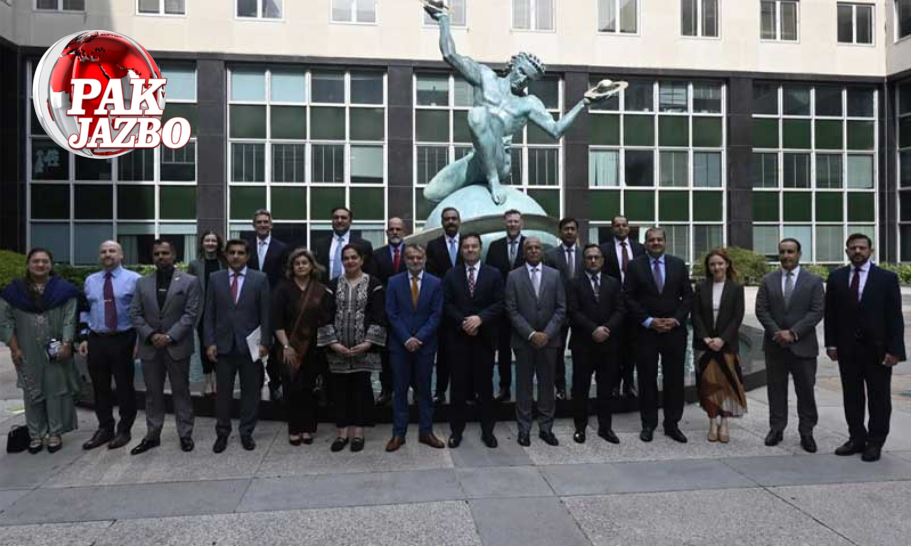
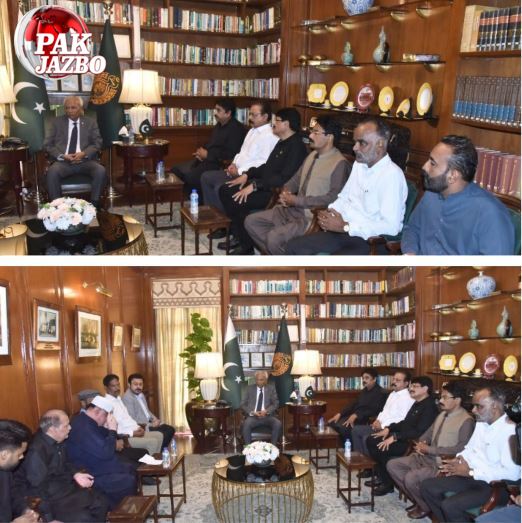
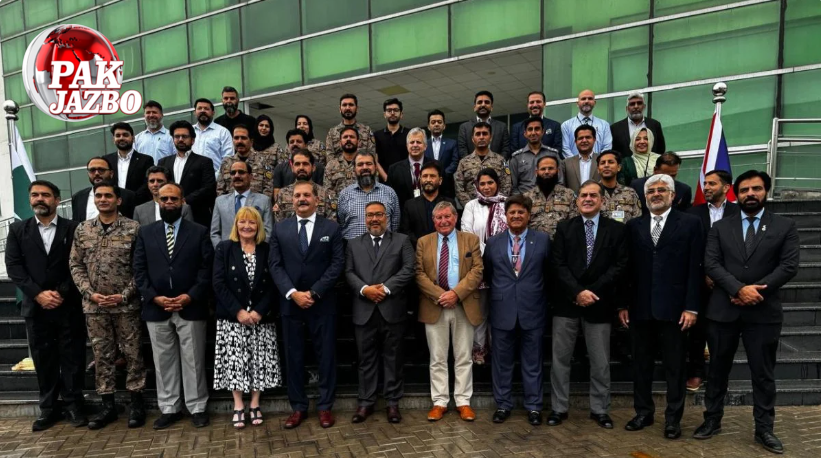
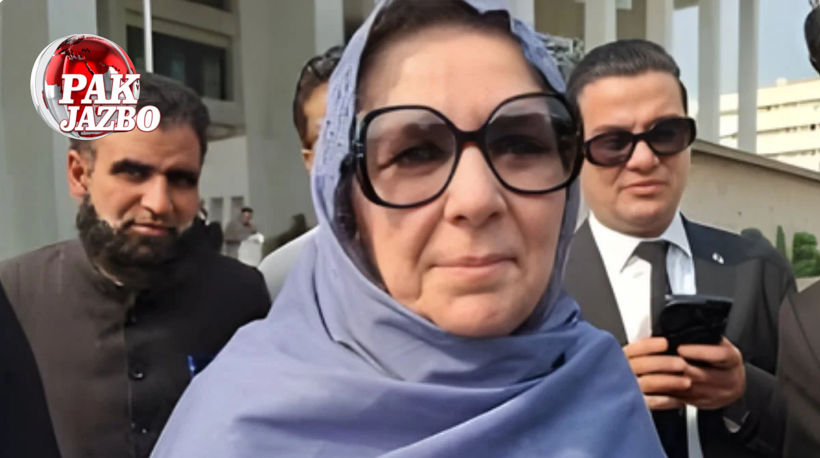
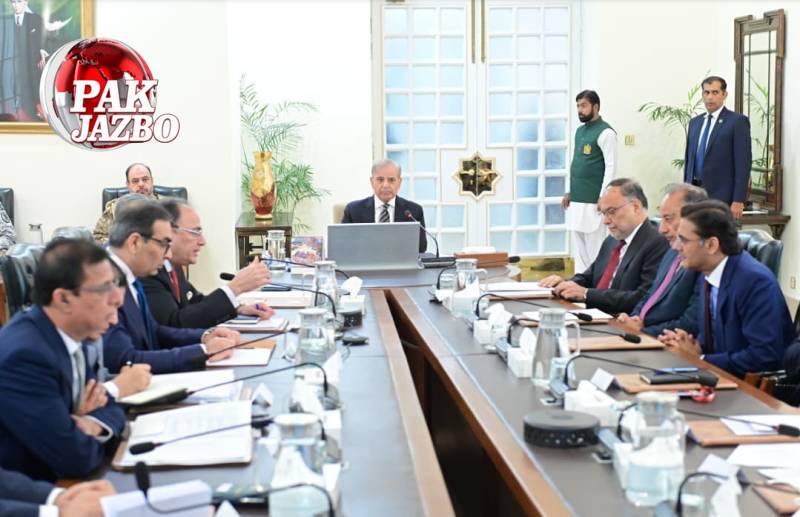
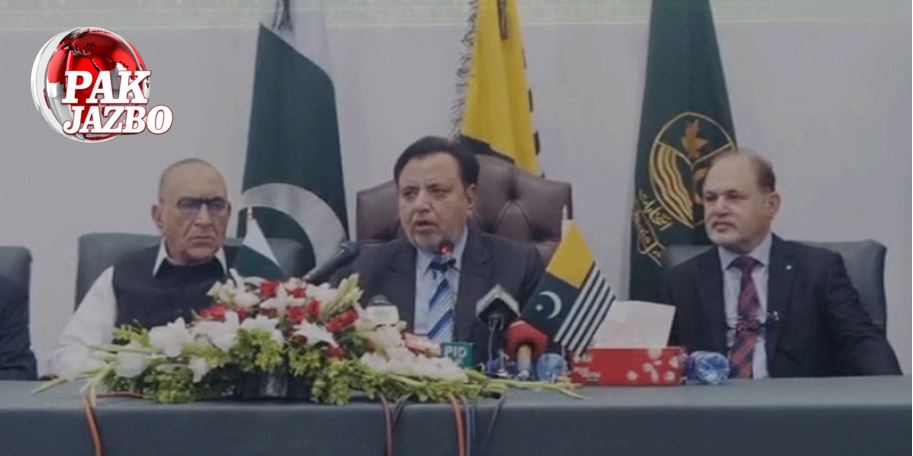
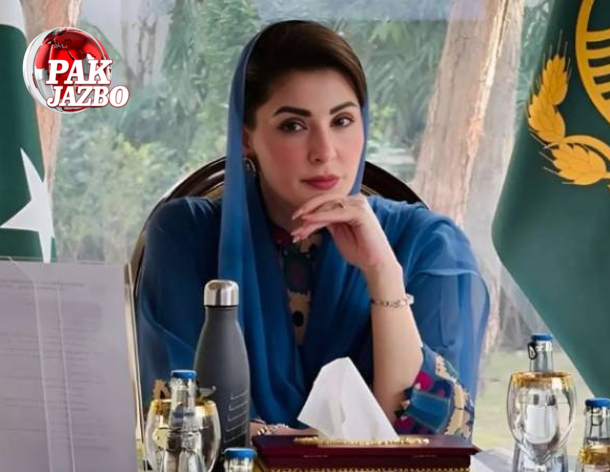
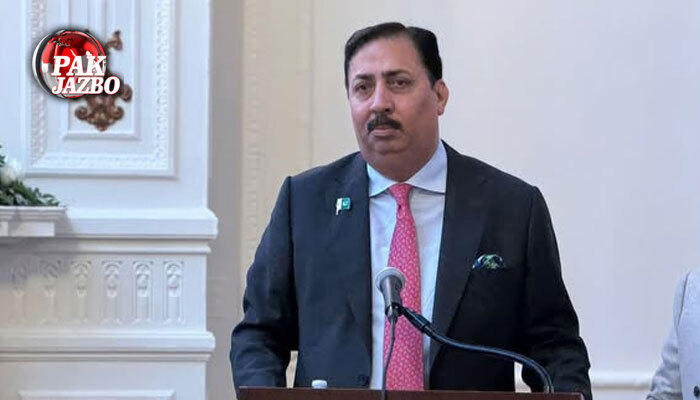
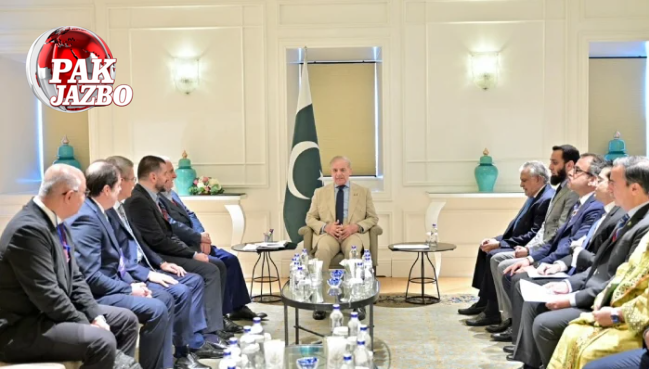
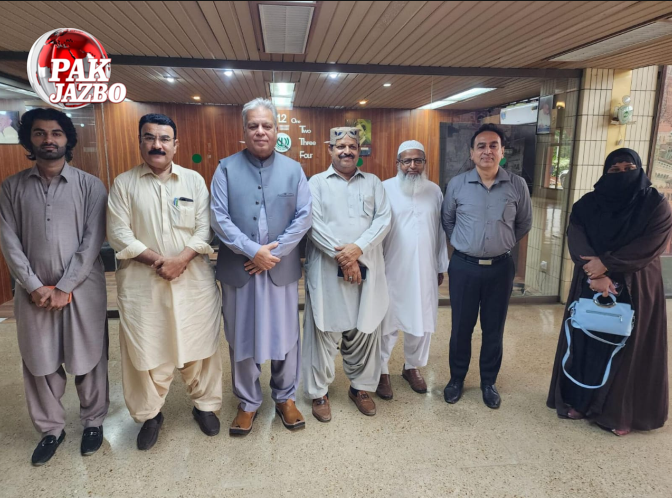
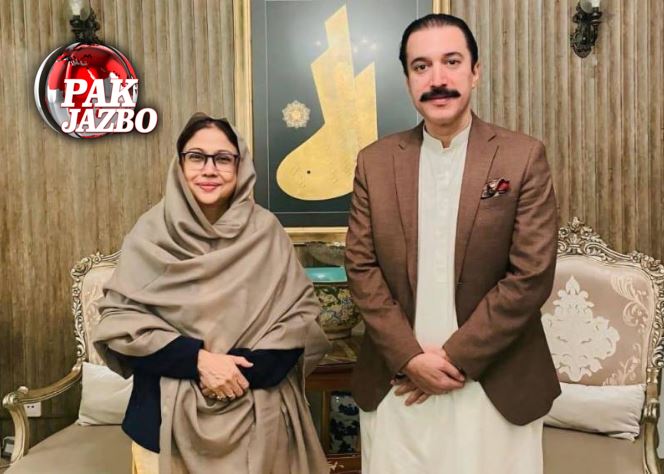
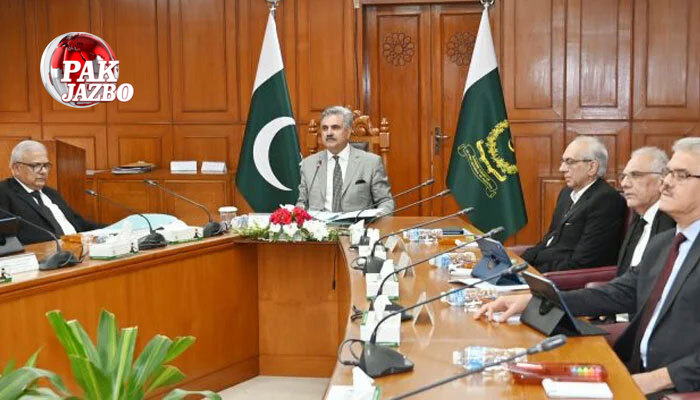
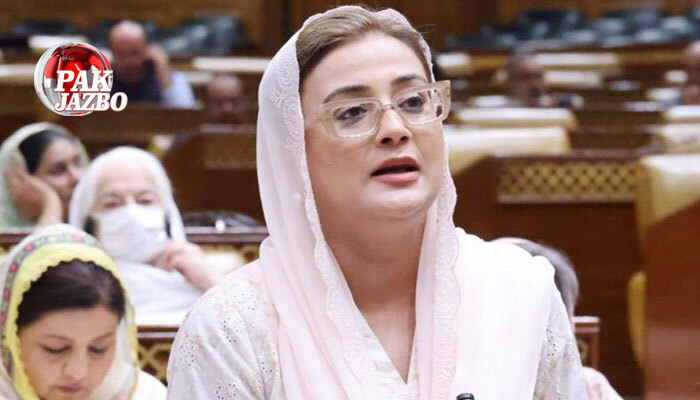
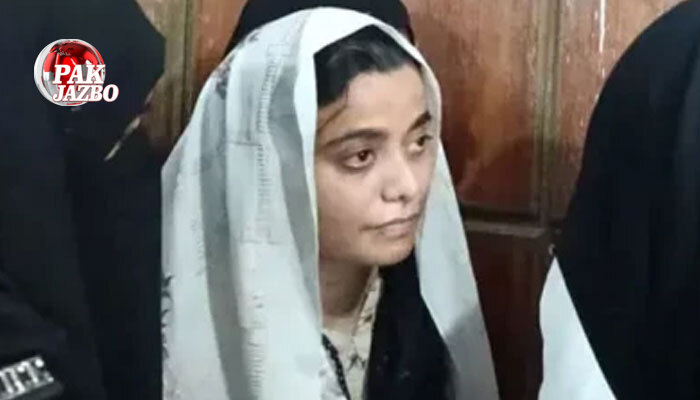
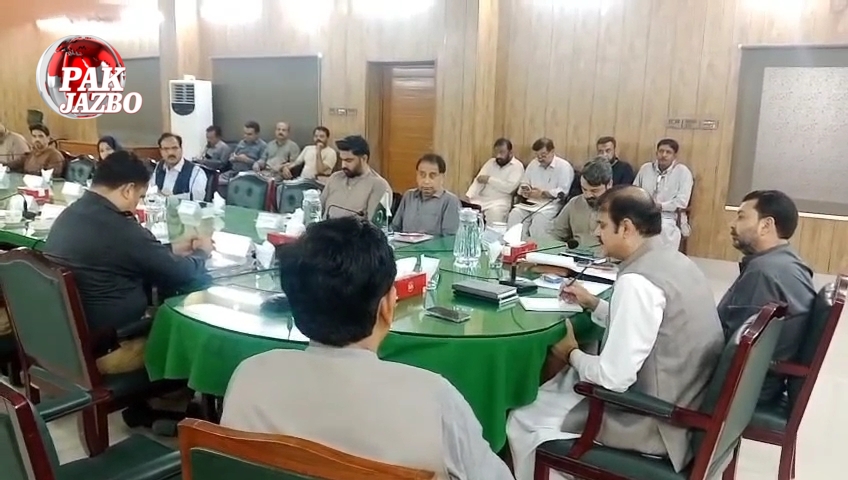
The consultative session was chaired by Ms. Umme Layla Azhar, the Chairperson of the NCSW. Key representatives from relevant ministries, legal institutions, women’s rights organizations, and civil society groups participated in the meeting. During the session, attendees conducted a detailed, clause-by-clause analysis of the existing law, discussing both its strengths and its gaps, with the goal of proposing actionable amendments.
The meeting was held in accordance with the mandate of the NCSW as outlined in the National Commission on the Status of Women Act, 2012. It was also conducted following the guidance of the Sub-Committee on Gender Mainstreaming of the National Assembly, which has urged all relevant bodies to work collaboratively to update outdated laws and policies that fail to reflect the evolving social dynamics and constitutional rights of women.
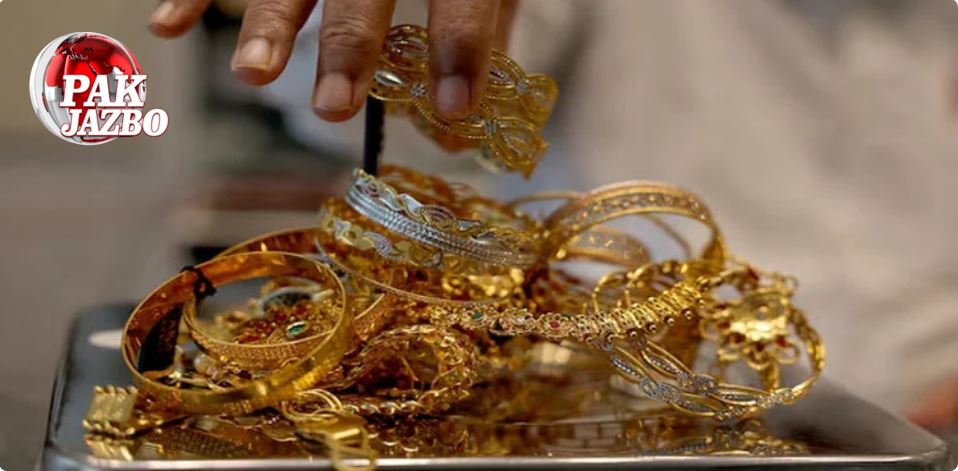
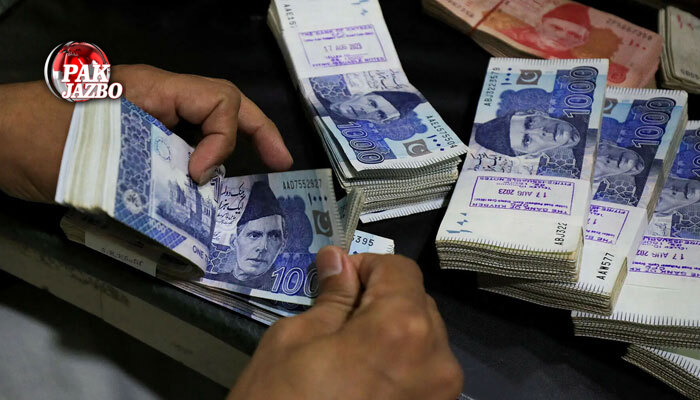
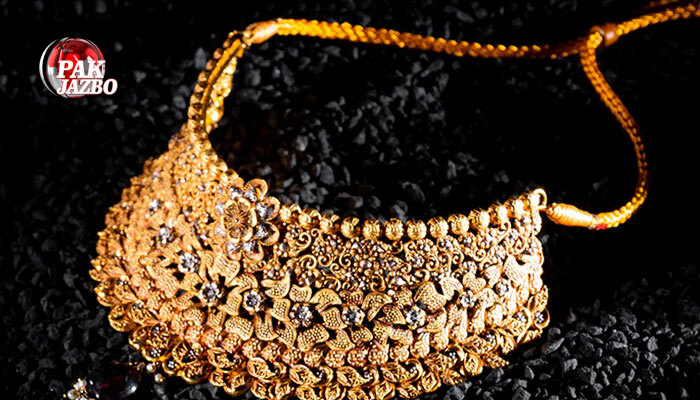
One of the central outcomes of the meeting was the unanimous consensus that the existing law on dowry and bridal gifts needs urgent revision to reflect the contemporary realities of Pakistani society. While the 1976 Act nominally restricts the giving and receiving of dowry and limits bridal gifts to a specified monetary value, it has lacked the institutional mechanisms required for enforcement. It has also failed to generate adequate awareness among the public, particularly in rural areas, where dowry demands continue to place a heavy financial burden on the bride’s family.
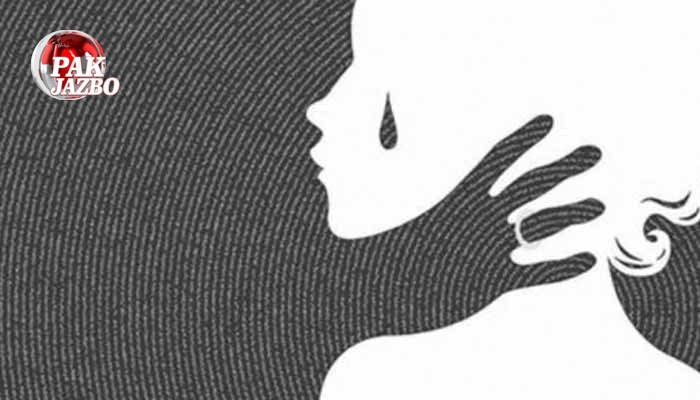
Dowry has long been criticized as a harmful practice that perpetuates gender inequality, economic exploitation, and emotional and physical abuse of women. In many cases, the inability of a bride’s family to meet dowry demands has led to delayed marriages, broken engagements, and in some tragic instances, violence against brides, including dowry-related deaths. The continued prevalence of this practice stands in contradiction to Pakistan’s constitutional and international commitments to gender equality and women’s empowerment.
Chairperson Umme Layla Azhar, while addressing the meeting, emphasized that real progress can only be achieved through meaningful legal reform backed by political will, institutional support, and widespread public awareness. She pointed out that symbolic laws are no longer sufficient—there is a need for robust implementation mechanisms, clear definitions of illegal practices, penalties for violators, and protection for women who refuse to participate in the dowry system.
Participants in the meeting proposed various ways to improve the 1976 Act. These included:
- Stronger Monitoring and Enforcement:
Establishing mechanisms at the local government level to monitor wedding practices and report violations. - Legal Clarity and Updates:
Updating outdated terminologies and defining “dowry” and “bridal gifts” in a clearer legal framework to eliminate loopholes. - Punitive Measures:
Introducing stricter penalties and fines for those who demand, give, or receive dowry beyond permissible limits. - Public Awareness Campaigns:
Launching nationwide campaigns to educate families, particularly in rural and traditional communities, about the harms of dowry and their legal rights. - Role of Nikah Registrars:
Making it mandatory for marriage registrars to verify that no dowry has been exchanged beyond the legal limit and documenting the details in official marriage records. - Protection Mechanisms for Women:
Creating legal channels for women to report dowry-related pressure or abuse without fear of retaliation or social ostracism.
It was also suggested that new legislation should draw inspiration from successful anti-dowry laws implemented in other countries, such as India, Bangladesh, and Nepal, while adapting them to the unique social context of Pakistan.
The Commission announced that it will now begin compiling the feedback received and will present a detailed set of proposals to the relevant parliamentary committees and legislative bodies. The NCSW also encouraged civil society groups, legal experts, women’s rights activists, and the general public to submit written recommendations before the next round of consultations.
This initiative reflects a broader movement within Pakistan to align family and social laws with international human rights standards, including the Convention on the Elimination of All Forms of Discrimination Against Women (CEDAW), to which Pakistan is a signatory.
Legal experts and gender rights advocates have welcomed this move, calling it a long-overdue step toward eliminating practices that commodify women and degrade their social status. They argue that unless the law is made both accessible and enforceable, Pakistan will continue to struggle with entrenched patriarchal traditions that hurt not only women but society as a whole.
In conclusion, the National Commission on the Status of Women’s proactive approach to strengthening the Dowry and Bridal Gifts (Restriction) Act of 1976 is a promising development in Pakistan’s efforts to promote gender justice. With proper consultation, legal reform, and public engagement, the country has a chance to finally move beyond outdated customs and toward a more equitable future for its women and girls.
Is this helpful so far?
What’s your Reaction?
+1
+1
+1
+1
+1
+1