


























































































































































































































































































































































































































































































































































































































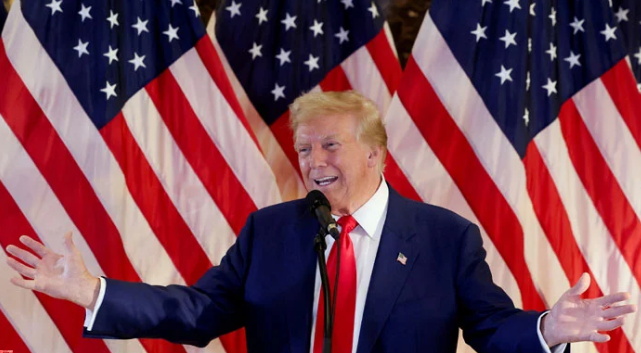


Trump Praised for Historic Peace Deal Between Azerbaijan and Armenia; Leaders Call for Nobel Peace Prize Nomination


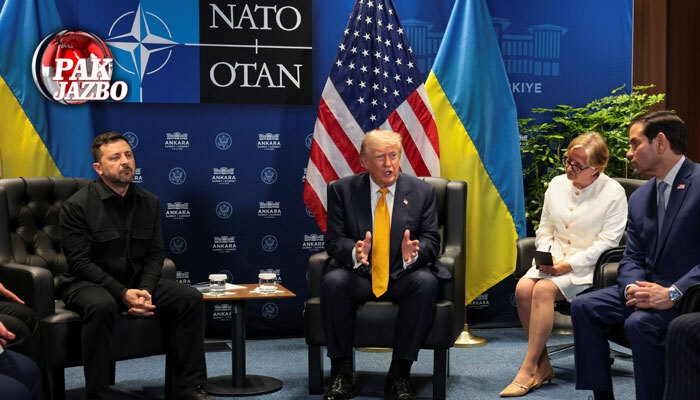
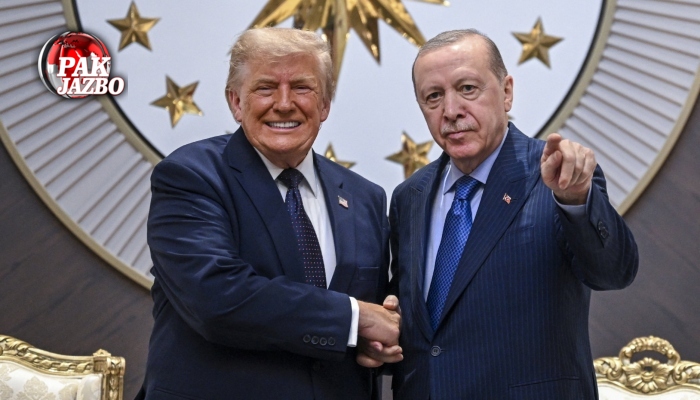
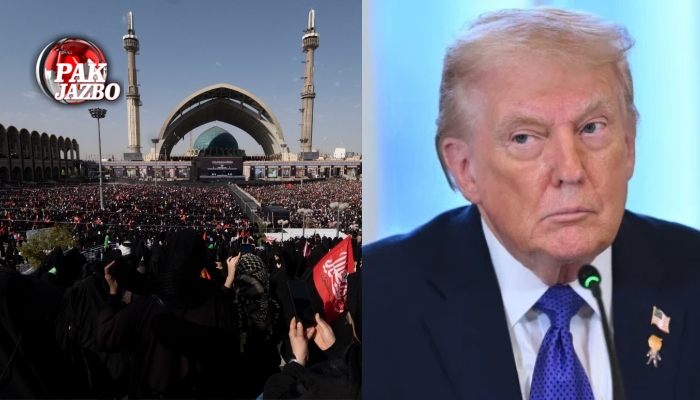
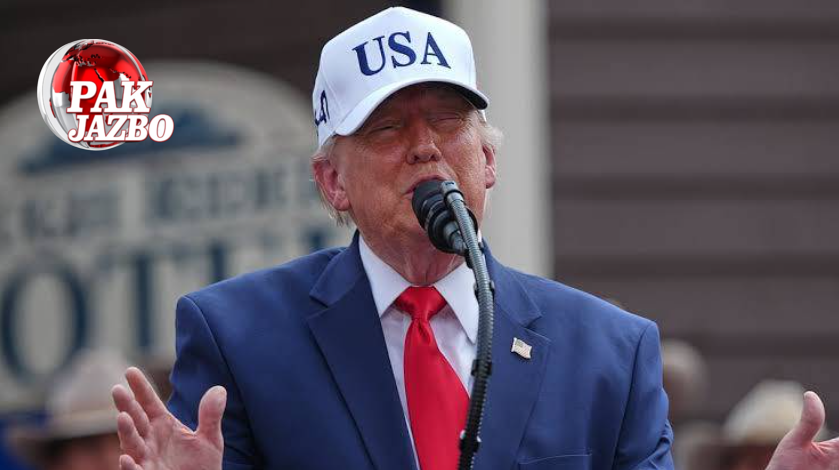
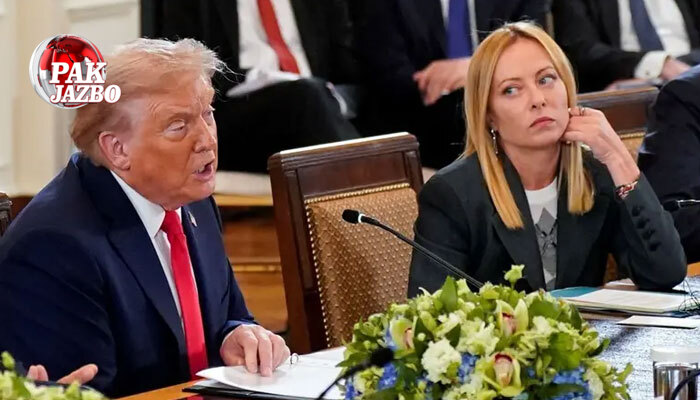
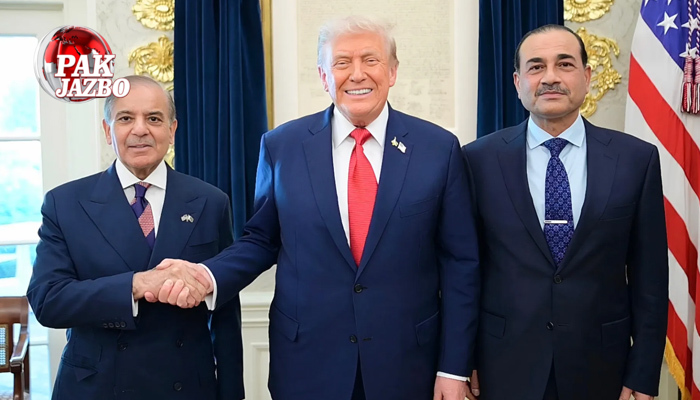
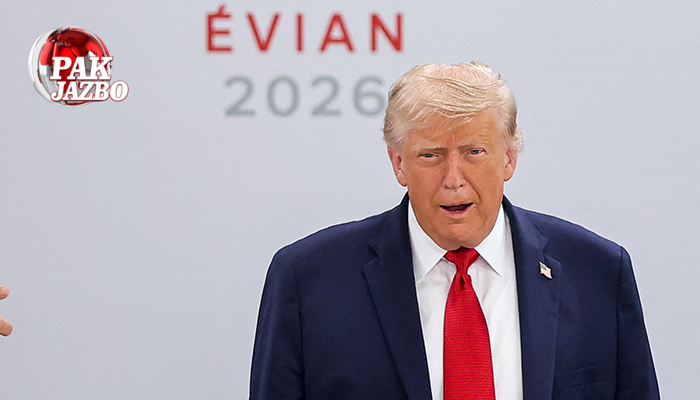
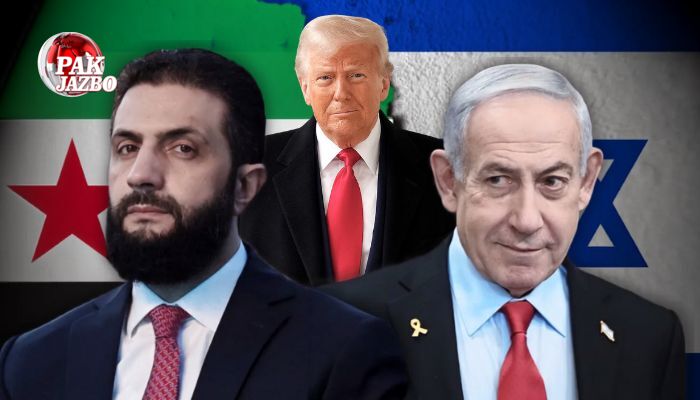
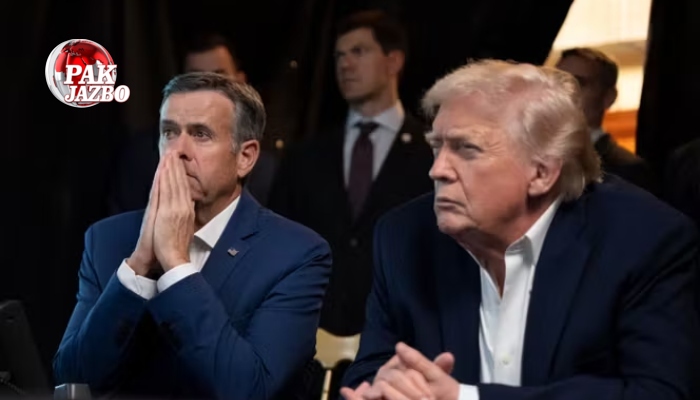
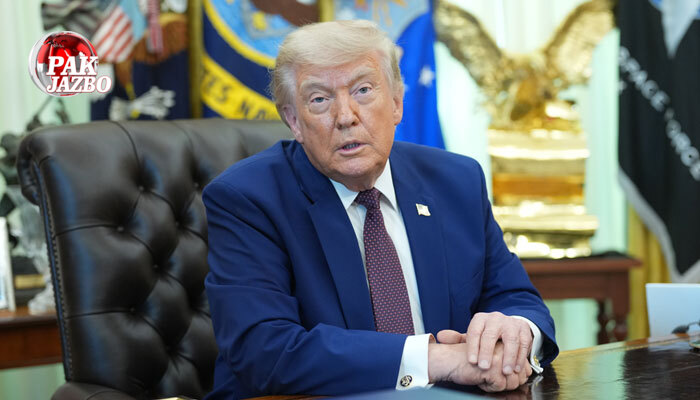
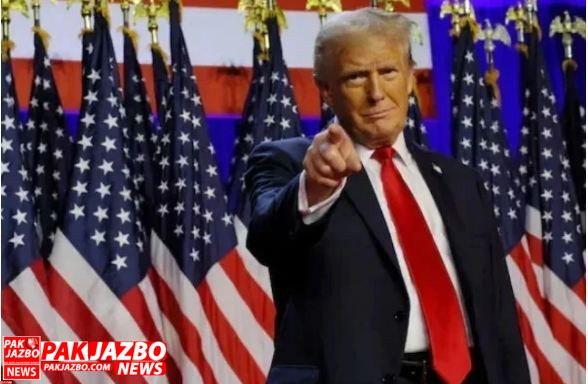
In a groundbreaking diplomatic development, U.S. President Donald Trump successfully brokered a historic peace agreement between Azerbaijan and Armenia, putting an end to escalating tensions that threatened to erupt into a full-scale war. Following the signing of the accord, the leaders of both nations — Azerbaijani President Ilham Aliyev and Armenian Prime Minister Nikol Pashinyan — formally called for President Trump to be awarded the Nobel Peace Prize in recognition of his mediation efforts.
The momentous event unfolded at the White House, where Aliyev and Pashinyan met with Trump to finalize a comprehensive ceasefire deal. The agreement not only brings an immediate halt to hostilities but also lays the foundation for future cooperation between the two historically adversarial nations. President Trump personally signed the document as a witness, symbolizing America’s role in facilitating the peace process.
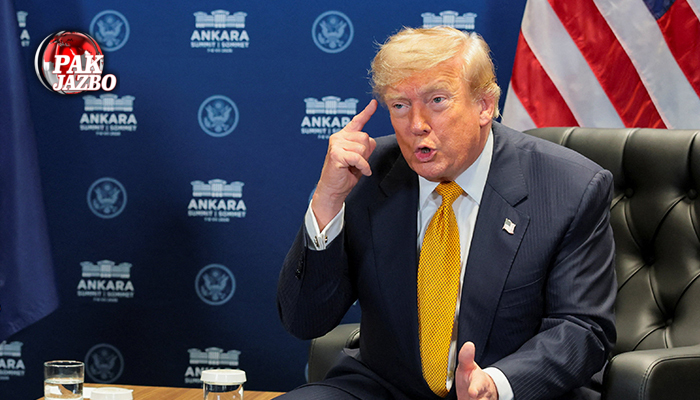
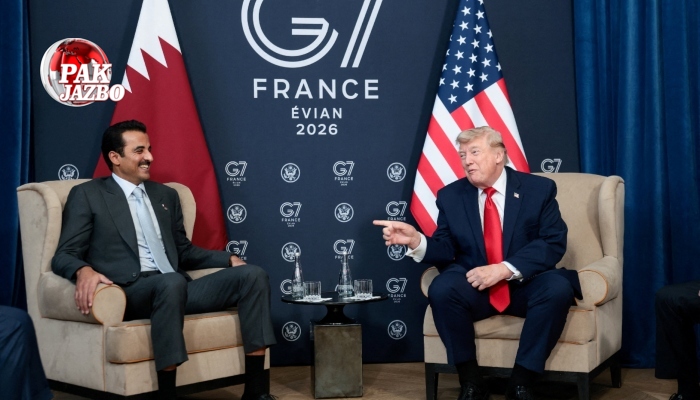
Speaking at the signing ceremony, Trump described the deal as a major victory for diplomacy over conflict. “These two nations were on the brink of a major war,” he said. “I told them, don’t fight — trade. And they agreed.” According to Trump, the leaders assured him that military confrontation would no longer be an option, opting instead for mutual development through commerce, tourism, and diplomatic engagement.
The agreement includes several key provisions: both Azerbaijan and Armenia pledged to respect each other’s sovereignty and territorial integrity, while committing to fostering bilateral trade and expanding cultural exchanges. The accord also paves the way for collaboration in technological sectors, including artificial intelligence initiatives, and encourages investment in infrastructure that benefits both sides.
In a significant policy shift, Trump announced that the United States would lift existing restrictions on military cooperation with Azerbaijan, a move intended to encourage security partnerships built on trust rather than rivalry. “From now on,” Trump stated, “these countries will prioritize economic growth and innovation over conflict. I want peace and trade, not war.” He went on to highlight his previous role in defusing tensions between Pakistan and India, framing this latest achievement as part of a broader U.S. commitment to global stability.
Azerbaijani President Ilham Aliyev hailed the agreement as a turning point in regional history. “Today marks a historic day and opens a new path for peace,” he declared. “We are entering into a strategic partnership with the United States, and Azerbaijan and Armenia will move forward with responsibility and mutual respect.” Armenian Prime Minister Nikol Pashinyan echoed this sentiment, praising Trump’s active diplomacy and stating that the U.S. leader was “playing a key role in promoting peace around the world.”
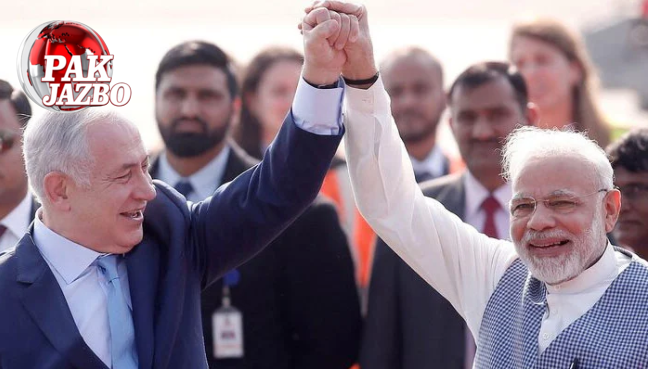
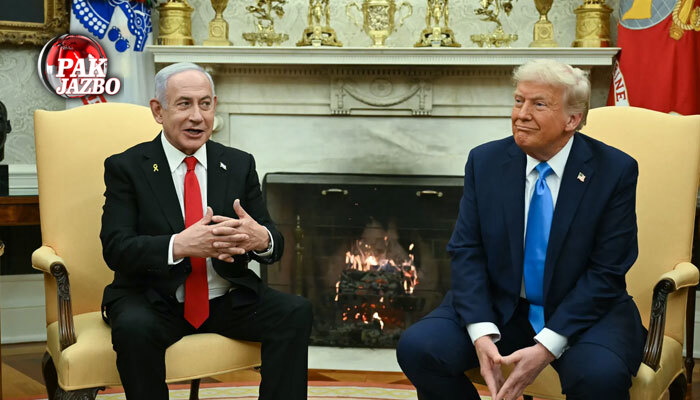
Their joint endorsement of Trump for the Nobel Peace Prize follows a growing pattern of international recognition for his peacemaking initiatives. Pakistan had previously nominated Trump for his efforts in securing a ceasefire with India, while Israel submitted its own nomination last month. Additionally, Cambodia formally nominated the U.S. president after his involvement in resolving a dispute with Thailand.
The Azerbaijan–Armenia accord is widely seen as one of the most challenging peace negotiations in recent years, given the nations’ long-standing enmity over territorial disputes, most notably in the Nagorno-Karabakh region. Observers have noted that such agreements require not only diplomatic skill but also the ability to address deep-rooted mistrust between conflicting parties.
By bringing both sides to the negotiating table and achieving consensus, the Trump administration has delivered a framework that — if implemented in good faith — could transform the South Caucasus into a region defined by economic growth rather than instability. The inclusion of trade incentives, technology cooperation, and cultural exchange programs demonstrates that the deal is designed to deliver tangible benefits to both countries’ populations, thereby increasing the likelihood of lasting peace.
This peace accord also carries significant geopolitical implications. For the United States, it reinforces its influence in the Caucasus region, counterbalancing other powers such as Russia and Turkey, both of which have historically played key roles in the area. For Azerbaijan and Armenia, it offers the promise of reduced military spending and the opportunity to redirect resources toward domestic development.
The international community’s reaction has been mixed — while some leaders have commended the deal as a bold step toward ending decades of hostility, others remain cautiously optimistic, noting that past ceasefires have faltered. However, the combination of economic incentives and U.S. oversight gives this agreement a stronger chance of success.
If the peace holds, the Azerbaijan–Armenia deal could become a model for conflict resolution in other parts of the world, underscoring the potential of diplomacy when coupled with strategic economic incentives. As for the Nobel Peace Prize nomination, the final decision lies with the Nobel Committee, but the growing list of endorsements from various countries indicates that Trump’s name will remain in serious contention.
For now, the agreement stands as a testament to what can be achieved when political will, diplomatic engagement, and mutual economic interest converge. Whether this marks a permanent end to one of the region’s most entrenched conflicts remains to be seen, but the commitment displayed by both Azerbaijan and Armenia — under U.S. facilitation — has opened a new chapter in their history, one that prioritizes cooperation over confrontation.
What’s your Reaction?
+1
+1
+1
+1
+1
+1