
























































































































































































































































































































































































































































































































































































































PTI Members Express Concern Over Imran Khan’s Message Delivery and Social Media Statements from Jail


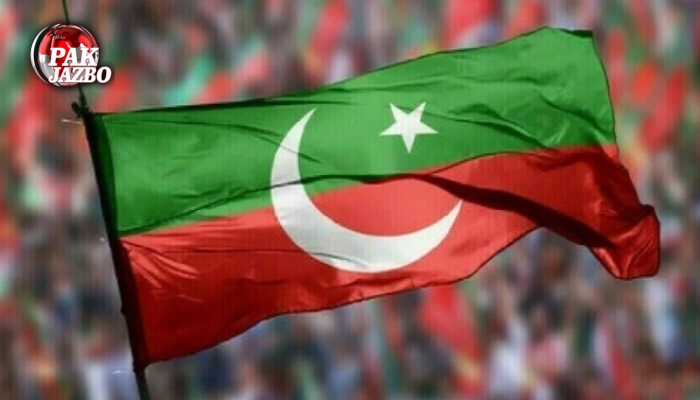
Islamabad: The Pakistan Tehreek-e-Insaf (PTI) is facing a new wave of internal unease as some of its members have expressed deep concerns over the way party founder Imran Khan’s messages are being conveyed from jail and subsequently published on social media. According to sources, several PTI parliamentarians are worried that the communication chain between Imran Khan and the outside world, particularly through lawyers and selective intermediaries, lacks transparency and may even be distorting the founder’s actual instructions.
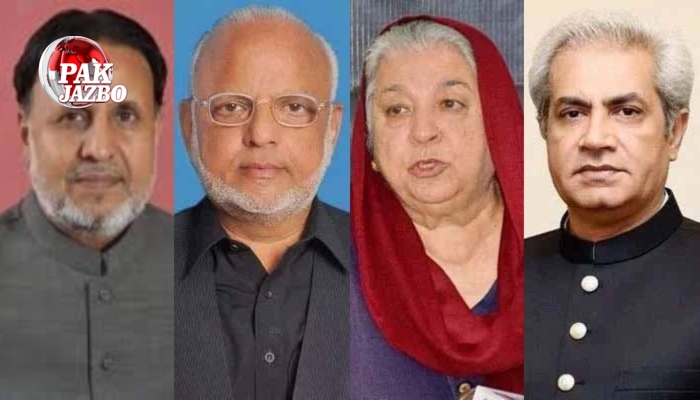
Reports suggest that this issue came to the forefront during discussions within the party’s political and parliamentary committee groups. Some members alleged that the information reaching Imran Khan inside prison—especially related to parliamentary resignations and political strategy—might not be accurate or complete. Concerns were voiced that certain lawyers could be filtering or reinterpreting the messages in ways that do not reflect the full reality of the situation outside.
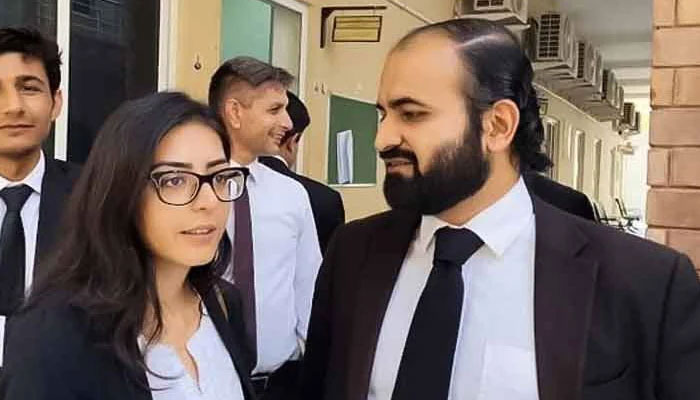
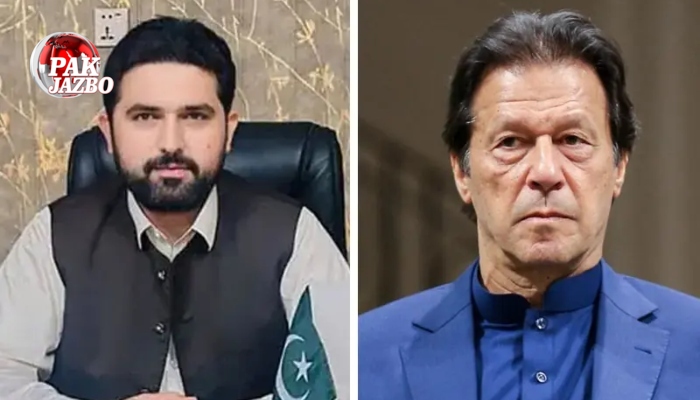
One of the party’s senior members, Junaid Akbar, reportedly went as far as to accuse lawyer Zaheer Abbas of failing to deliver correct and comprehensive details to the PTI founder regarding the matter of resignations. This allegation has raised eyebrows within the party and sparked debate over whether Khan is being misled by those entrusted with relaying sensitive information to him.
In Punjab, several PTI members also raised reservations about the authenticity of social media statements attributed to Imran Khan. They argued that the credibility of any message claimed to be from the jailed leader should be verified through a more transparent and collective process. These members are demanding that the party should not automatically accept any communication passed on by a single individual following a prison meeting with Khan. Instead, they suggest that messages should be validated either by his sisters—who remain among his most trusted family members—or by at least three or more lawyers acting in unison.
This demand reflects the broader sentiment within PTI that factionalism and misinformation could damage the party’s unity at a critical juncture. With Imran Khan behind bars, the chain of communication has become increasingly fragile, leaving room for speculation and potential manipulation. Members fear that unclear or disputed messages could sow discord among the party ranks, weaken organizational discipline, and even distort Khan’s intended political strategy.
The controversy has also extended to communications attributed to Khan regarding Murad Saeed, a key PTI figure who has himself faced legal and political pressures. Some party members voiced concern that Khan’s supposed remarks about Murad Saeed may not accurately represent his actual position, raising further doubts about the reliability of prison-to-public message delivery.
To address these challenges, PTI members are calling for an official mechanism to make the communication process more transparent. According to insiders, a formal meeting has been proposed to discuss the issue and establish guidelines for how Khan’s messages should be verified and shared with the broader party. Such a system, members argue, would prevent misunderstandings and ensure that the founder’s directives are respected without question.
The debate underscores the difficulties faced by PTI as it navigates Pakistan’s turbulent political environment with its central leader incarcerated. The party has long relied on Imran Khan’s charisma and direct communication style to mobilize supporters, dominate social media, and control the political narrative. With his voice restricted, the party has become dependent on intermediaries—lawyers, family members, and visitors—to maintain contact with its leader. But this dependence has opened the door to disputes, mistrust, and allegations of manipulation.
Observers note that the controversy reflects a broader leadership challenge for PTI. Without Khan’s immediate presence and direct communication, the party risks drifting into confusion over its political direction. Some factions within PTI may seek to shape his words to suit their own agendas, while others may push back against perceived distortions. Such dynamics could hinder the party’s ability to present a united front at a time when it is facing immense external pressures from political opponents and state institutions.
Moreover, PTI’s reliance on social media as a political battleground has amplified the problem. Every statement attributed to Imran Khan quickly circulates online, influencing public perception and energizing supporters. If these statements are later questioned or revealed to be inaccurately conveyed, the party’s credibility could suffer. Critics may exploit such inconsistencies to portray PTI as divided or disorganized, further weakening its political standing.
By demanding stricter rules—such as requiring confirmation from Khan’s sisters or multiple lawyers—PTI members are effectively pushing for a safeguard against miscommunication. This move suggests that many within the party still regard Khan’s personal voice as irreplaceable and are unwilling to compromise on the accuracy of his directives. It also indicates that internal party democracy, at least on this matter, is alive, with members openly voicing concerns rather than silently accepting potential distortions.
Whether the party leadership will succeed in establishing a transparent communication framework remains to be seen. However, the demand for such a mechanism highlights the urgency of maintaining discipline and cohesion at a time when PTI faces both political suppression and an uncertain future.
In the broader political context, the debate within PTI over Khan’s messages reflects the unique challenge of leading a mass movement from behind bars. Unlike traditional parties that rely on collective leadership structures, PTI continues to orbit around a single personality. As long as Imran Khan remains imprisoned, the question of how his words are conveyed and interpreted will remain central to the party’s stability, credibility, and electoral prospects.
For now, the controversy serves as a reminder that in Pakistani politics, communication is not merely about conveying words—it is about shaping power, loyalty, and direction. PTI’s ability to resolve this issue transparently may determine whether it can maintain cohesion until its leader’s release or whether it will struggle with internal rifts fueled by miscommunication and mistrust.
What’s your Reaction?
+1
+1
+1
+1
+1
+1