




































































































































































































































































































































































































































































































































































































































































































































































































































Second Leopard Attack in 24 Hours in Azad Kashmir: Teen Injured, Community in Fear


In a deeply concerning development from Azad Kashmir, a second leopard attack within just 24 hours has left a teenage boy injured, raising alarm across local communities and prompting calls for urgent wildlife management intervention.
According to Geo News, the latest incident occurred in Nali village of the Hattian Bala district, a mountainous area located near Muzaffarabad. A 17-year-old boy was attacked by a leopard and sustained injuries. He was quickly rushed to the nearest hospital where he is now receiving medical treatment. His condition is said to be out of danger, though he remains under observation.
Rising Leopard Threat in Hattian Bala
This recent attack marks the second leopard assault within a span of one week in the same district. The frequency and intensity of these incidents are causing widespread panic among local residents who now fear for their safety, especially during early morning and evening hours.
Just two days earlier, a horrifying incident rocked the region when a leopard reportedly entered a home’s courtyard, snatched an 8-year-old girl, and dragged her into the forest. Her body was found hours later in nearby bushes, a discovery that stunned the entire village and left the community mourning.
Wildlife Authorities Under Scrutiny
With back-to-back attacks, questions are being raised about the preparedness and effectiveness of local wildlife authorities. Locals claim that no significant action has been taken following the first incident, despite widespread outrage and demands for better wildlife monitoring.
Environmentalists point out that deforestation, urban expansion, and shrinking natural habitats are pushing wild animals like leopards into human-populated areas. The region’s proximity to the lush forested slopes of the Himalayan foothills makes it a natural habitat for leopards, but recent ecological imbalances are believed to be increasing human-wildlife conflict.
Eyewitness Accounts and Local Response
Eyewitnesses from Nali village describe the scene as terrifying. According to one local resident, “The boy was outside, near a cluster of trees, when suddenly the leopard pounced. It happened so quickly that no one could intervene in time.” The community quickly mobilized to scare off the animal and transport the injured teen to medical care.
Following this incident, villagers have started organizing community patrols, especially during nightfall, to guard against further attacks. Many parents are also keeping their children indoors and avoiding outdoor activities after dusk.
A local elder shared, “This is no longer just about wild animals. This is about our children’s lives. We’ve lost a girl, and now a boy is injured. How many more before the authorities act?”
Government Reaction and Preventive Measures
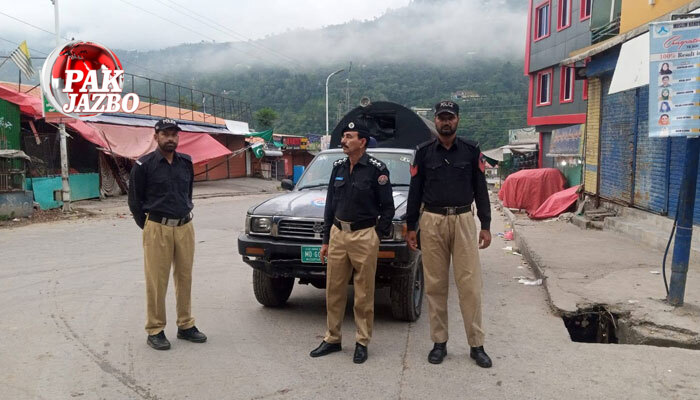
In the wake of these events, the Wildlife Department of Azad Kashmir has acknowledged the growing threat but stated that managing wild animals in such rugged terrain poses logistical challenges. An official spokesperson said that teams have been dispatched to monitor the area, and efforts are underway to track the leopard responsible for the attacks.
However, locals remain skeptical. “We’ve heard this before. We need real protection—not just empty statements,” one resident told local reporters.
Some have called for tranquilizing and relocating the leopard, while others believe permanent fencing around vulnerable villages may offer better long-term protection.
Ecological Context and Human-Wildlife Conflict
Experts note that leopard attacks, while rare, are not unprecedented in mountainous regions of Pakistan. Leopards are typically shy animals and avoid human contact. However, habitat destruction, climate change, and human encroachment into forest zones are driving these predators closer to rural communities.
In Hattian Bala, like many parts of northern Pakistan, human settlements are expanding rapidly. This development brings people and wildlife into closer proximity, often with tragic consequences.
Wildlife conservationists urge both short-term containment and long-term ecological planning. “Killing or removing the leopard is not a permanent solution,” says Dr. Nasir Mehmood, a wildlife expert. “We need a strategic approach that includes habitat conservation, community awareness, and proper wildlife corridors.”
Growing Fear and Community Demands
Fear continues to grip the people of Hattian Bala, particularly in areas bordering forested hills. Parents are now reluctant to send children to school, and livelihood activities such as farming and herding are being affected due to growing insecurity.
Community leaders have demanded that the local administration provide emergency support, including night lighting, rapid response teams, and awareness sessions on what to do in case of an animal encounter.
For now, the people of Hattian Bala remain on edge. With no guarantees of safety and no timeline for action from authorities, they are left to fend for themselves—organizing patrols, fortifying homes, and praying they won’t be the next victim.
What’s your Reaction?
+1
+1
+1
+1
+1
+1

