


































































































































































































































































































































































































































































































































































































































































































































































































































































































































































































































































































































































































































































































































































































































































































































































































































































































































































































































































ATC Orders Property Seizure of Convicted PTI Leaders in May 9 Cases; Orders Release of Shah Mahmood Qureshi


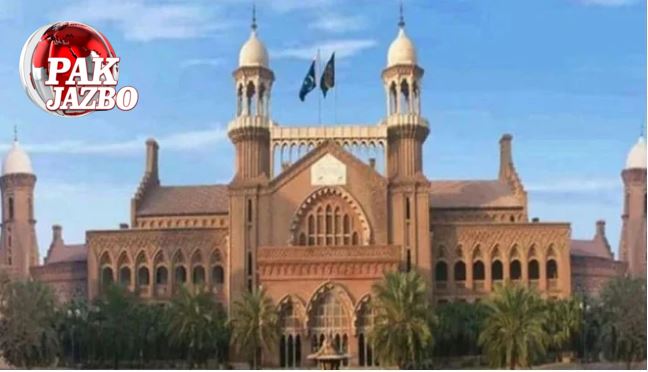
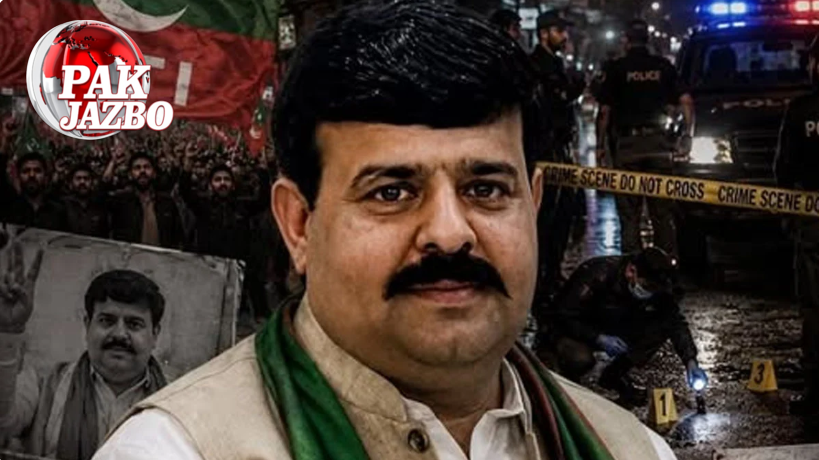
Lahore – In a major legal development stemming from the events of May 9, the Anti-Terrorism Court (ATC) in Lahore has ordered the seizure of properties belonging to several senior leaders of Pakistan Tehreek-e-Insaf (PTI) who were recently convicted in connection with cases related to the violent protests and attacks on public and state property. The court also issued orders for the release of PTI Vice Chairman Shah Mahmood Qureshi after acquitting him in two separate cases.
According to Geo News, the ATC Lahore released the detailed judgment of its decision announced a day earlier, which pertained to the Shadman Police Station arson case and another related case. These cases were part of the broader set of trials arising from the May 9 protests, which erupted nationwide following the arrest of PTI Chairman Imran Khan. The protests saw widespread damage to public buildings, police stations, and official vehicles.
Details of the Verdict
The judgment revealed that the court had handed down rigorous imprisonment sentences to all the convicted individuals. Importantly, the ATC directed that all sentences be served concurrently rather than consecutively. This means that the convicts will serve their prison terms at the same time instead of completing one sentence after another, which can substantially reduce the total time spent in prison.
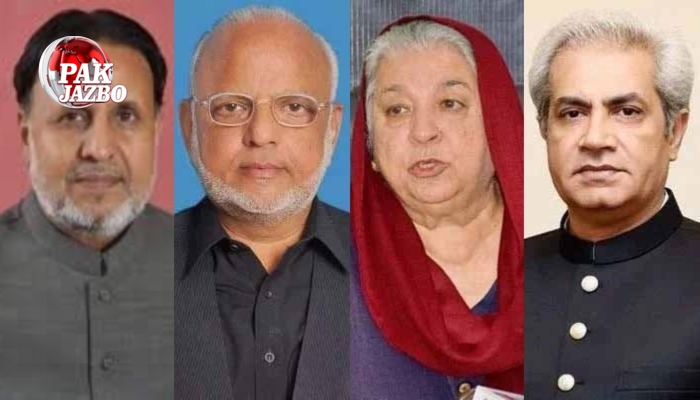
In addition to prison sentences, the court ordered the confiscation of the movable and immovable properties of several prominent PTI leaders, including:
- Ejaz Chaudhry (Senior PTI Leader)
- Mian Mahmood ur Rashid (Former Provincial Minister)
- Umar Sarfaraz Cheema (Former Governor of Punjab)
- Dr. Yasmin Rashid (Former Provincial Health Minister)
The property seizure order is a significant punitive measure, underscoring the severity with which the court has viewed the offences. Confiscation of assets in such cases is generally aimed at penalising those found guilty while also compensating for damages caused to state property.
Sentences Announced
The ATC’s earlier ruling, delivered on the previous day, had already made headlines when it sentenced Omar Sarfaraz Cheema, Dr. Yasmin Rashid, Mian Mahmood ur Rashid, and Ejaz Chaudhry to 10 years of rigorous imprisonment each.
The court also handed down the following sentences:
- Aliya Hamza and Zam Javed – 5 years each in prison for their role in the arson attack on a police station.
- Ayesha Bhutta – 10 years in prison for her involvement in burning police vehicles.
The judgment stressed that these individuals were proven to have participated in acts of vandalism, arson, and other unlawful activities that endangered public safety and caused significant damage to government infrastructure.
Acquittal and Release of Shah Mahmood Qureshi
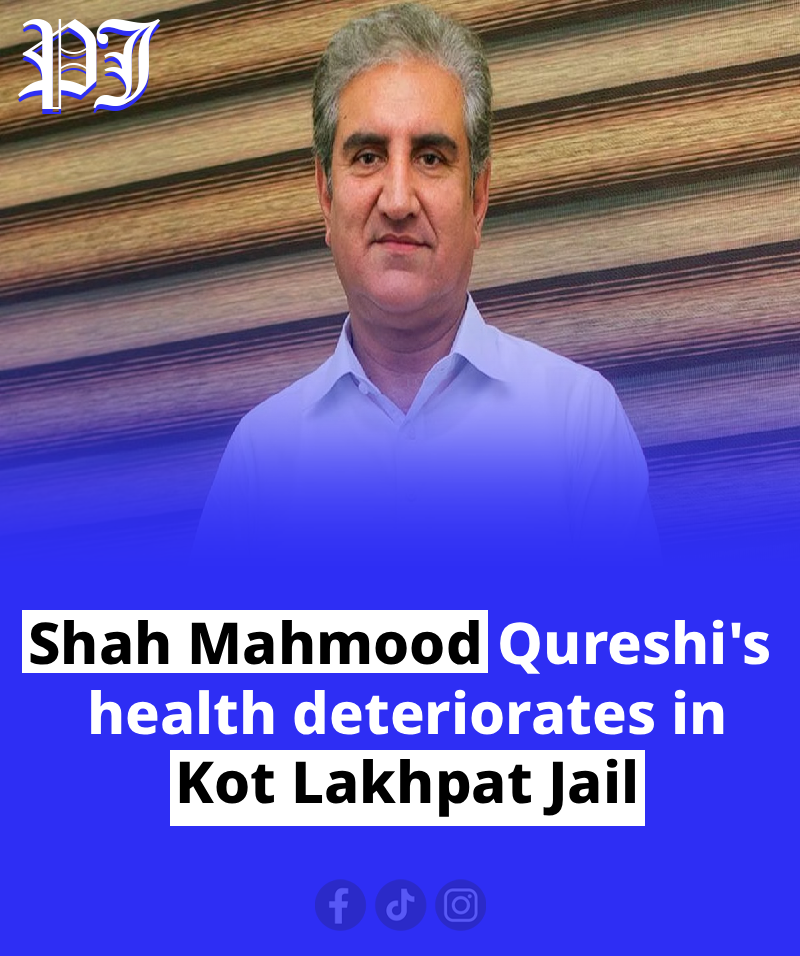
In a parallel decision that drew considerable attention, the ATC acquitted Shah Mahmood Qureshi in both May 9-related cases registered against him, including the Shadman Police Station case. The court found insufficient evidence to link him directly to the acts of violence and property damage.
Following this acquittal, the court ordered his immediate release, provided that he was not required in any other pending cases. This development is seen as a relief for the PTI leadership, which has been facing a series of legal battles and convictions since the May 9 incidents.
Background of the May 9 Cases
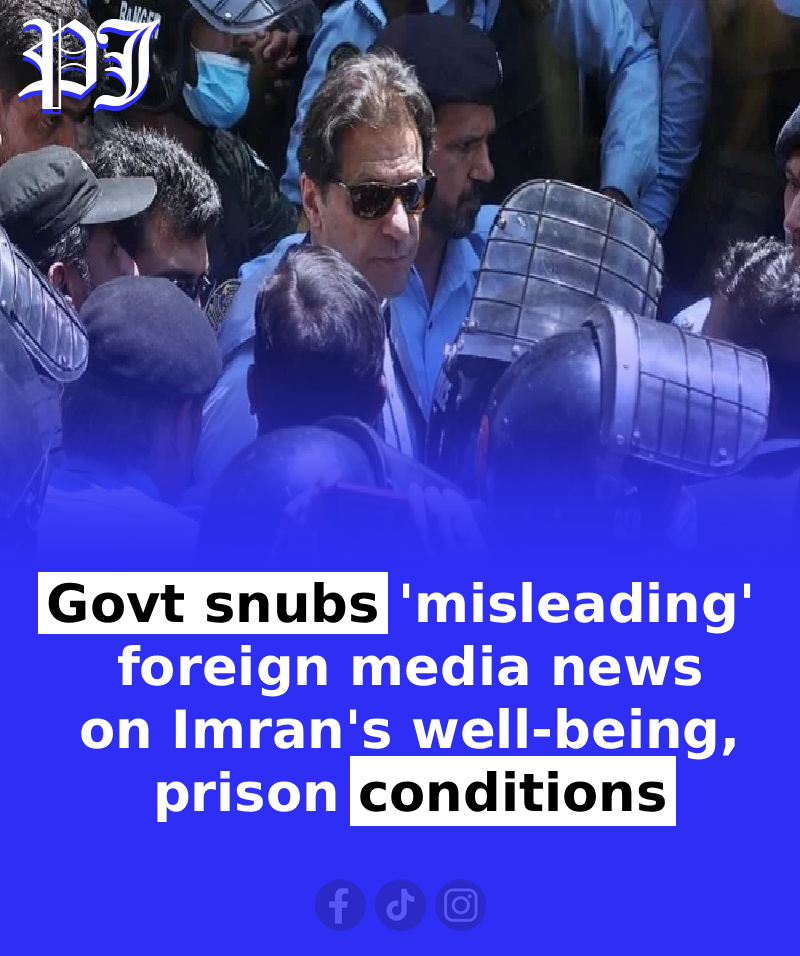
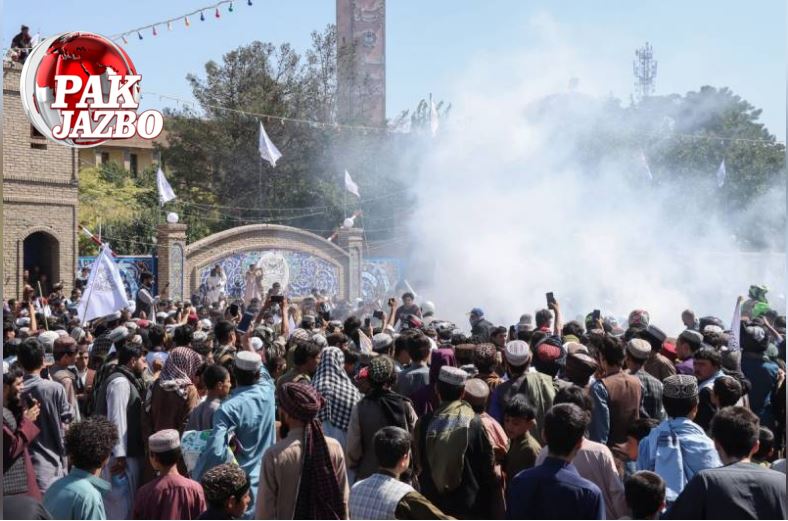
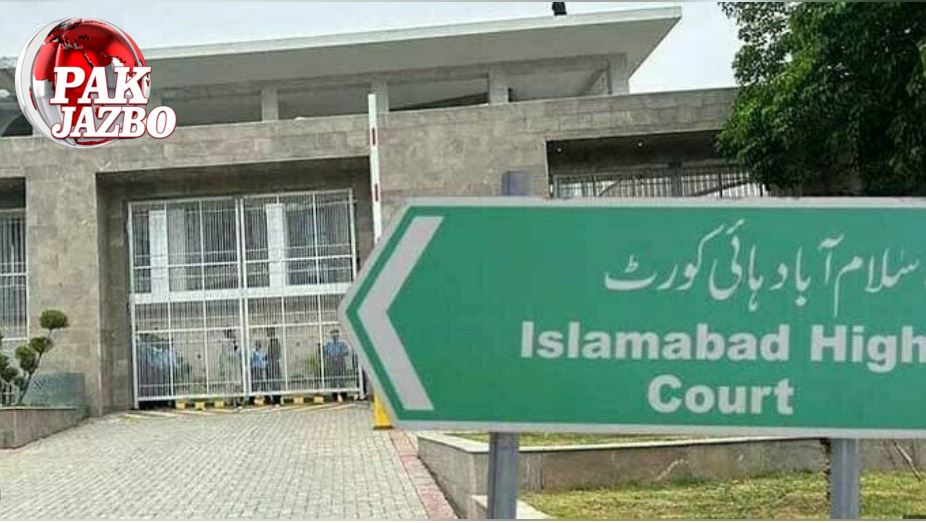
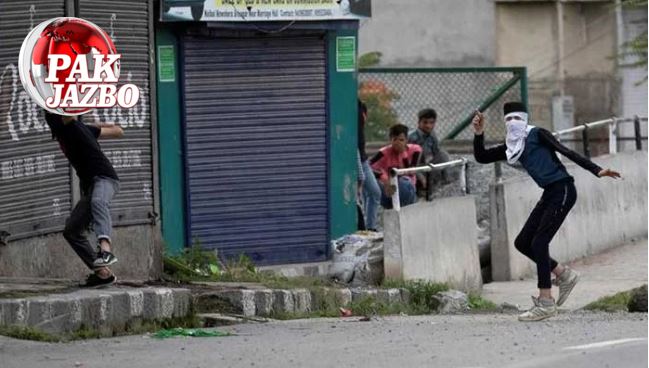
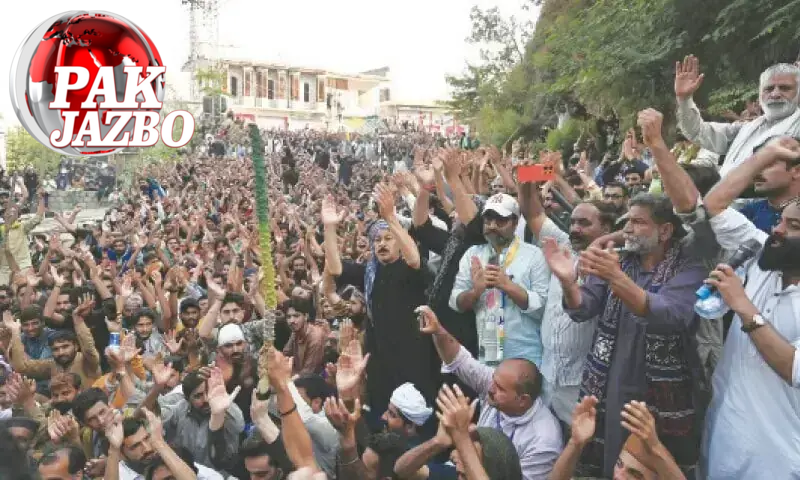
The May 9 protests, widely regarded as among the most violent political demonstrations in Pakistan in recent years, erupted after the dramatic arrest of PTI Chairman Imran Khan by paramilitary forces from the Islamabad High Court premises. The arrest triggered countrywide unrest, particularly in Punjab and Khyber Pakhtunkhwa, where PTI enjoys a strong support base.
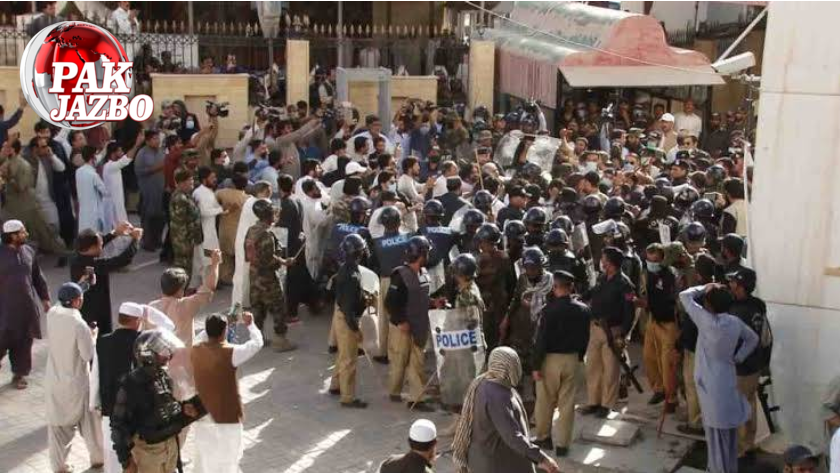
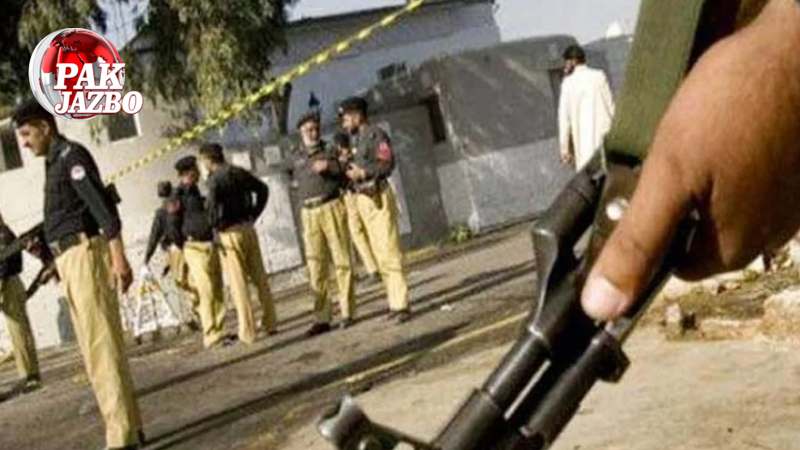
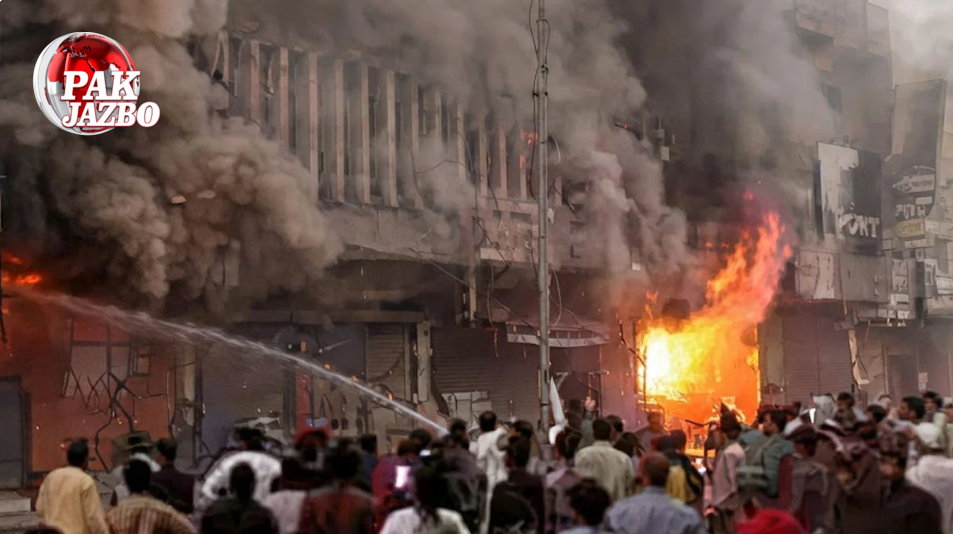
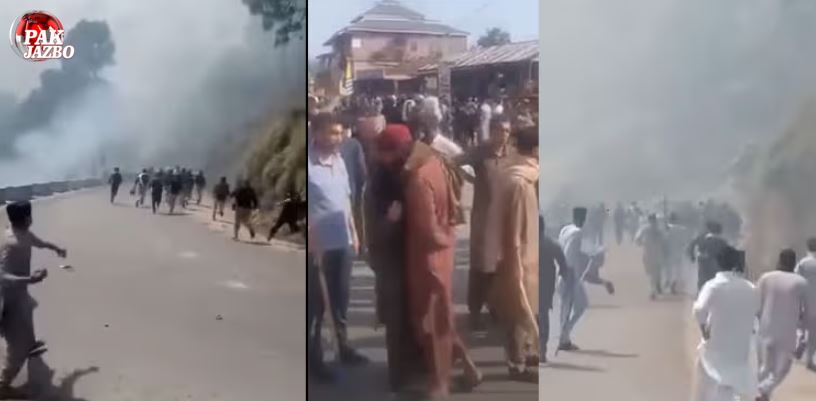
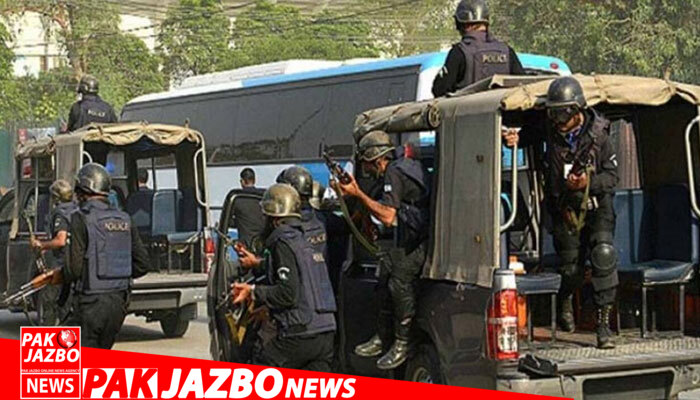
Protesters allegedly targeted and damaged military installations, public offices, police stations, and vehicles. In Lahore, one of the most high-profile incidents was the attack and arson at the Shadman Police Station, which became a key focus in the investigations.
The government and law enforcement agencies swiftly initiated large-scale crackdowns, registering numerous FIRs (First Information Reports) against PTI leaders, workers, and supporters. Many senior PTI figures were arrested, charged under anti-terrorism laws, and subjected to multiple court trials.
Political and Legal Implications
The ATC’s decision to confiscate properties of convicted PTI leaders marks an escalation in the legal consequences faced by those involved in the May 9 events. Property seizure is often viewed as a measure not just of punishment but also as a deterrent against future acts of political violence.
For PTI, this development adds to the party’s ongoing political challenges. The imprisonment of senior leaders like Yasmin Rashid, Mahmood ur Rashid, and Ejaz Chaudhry means the party’s organisational capacity could be weakened in Punjab, its political stronghold. The property confiscation may also impact these leaders’ personal and political futures.
Conversely, Shah Mahmood Qureshi’s acquittal offers PTI an opportunity to retain one of its most experienced leaders at a time when the party’s leadership ranks are under severe strain. His release may help PTI maintain some degree of political momentum, especially as it continues to face government pressure and public scrutiny.
Next Steps
It is expected that the convicted PTI leaders will appeal the ATC’s decision in higher courts. Appeals could focus on contesting both the convictions and the property seizure orders. In Pakistan’s judicial process, higher courts often reassess such decisions, and in some cases, sentences are overturned or reduced on appeal.
Meanwhile, the government is likely to use these convictions as an example of its commitment to upholding the rule of law and ensuring accountability for attacks on state property. However, PTI and its supporters maintain that these cases are politically motivated, aimed at suppressing dissent and weakening the opposition.
As the legal battle continues, the May 9 cases remain a defining chapter in Pakistan’s contemporary political and judicial landscape, symbolising both the volatility of political protest in the country and the state’s response to it. The ATC’s verdict is the latest in a series of high-profile rulings that will shape the political climate in the months to come.
What’s your Reaction?
+1
+1
+1
+1
+1
+1