





































































































































































































































































































































































































































































































































































































































Trump Urges European Union to Impose 100% Tariffs on India and China


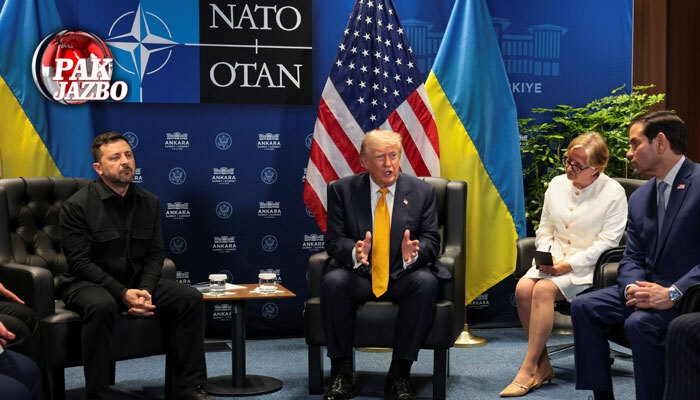
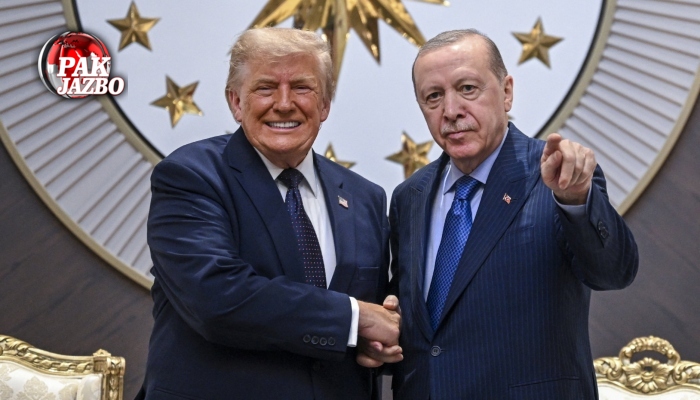
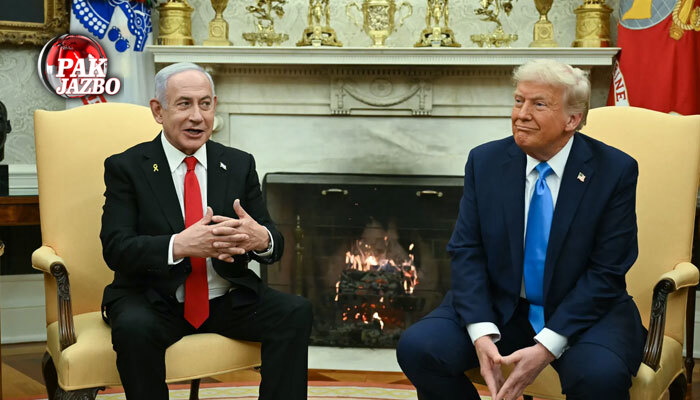
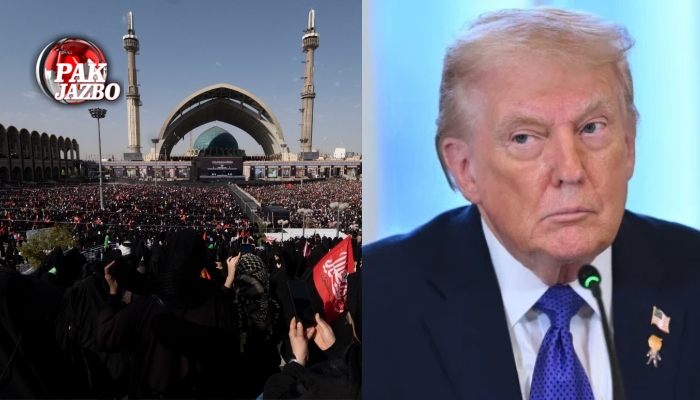
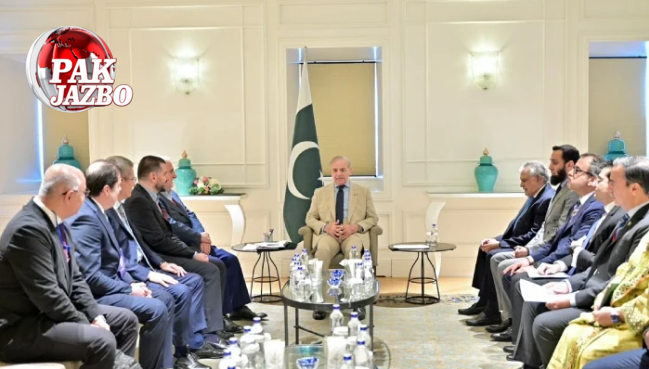
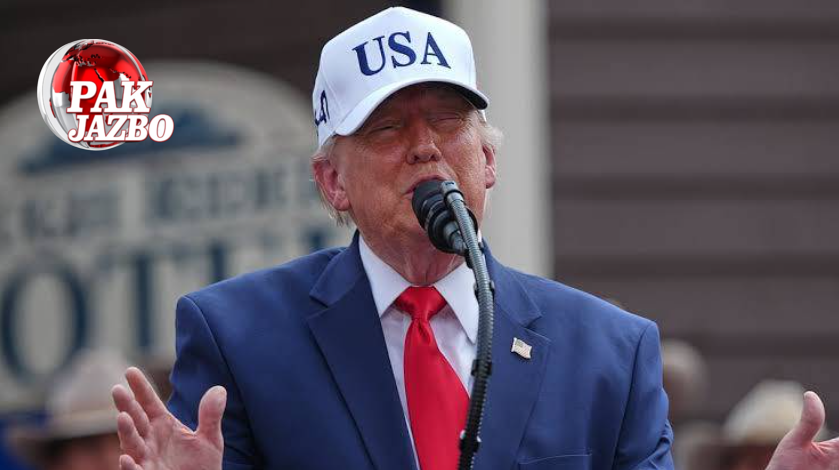
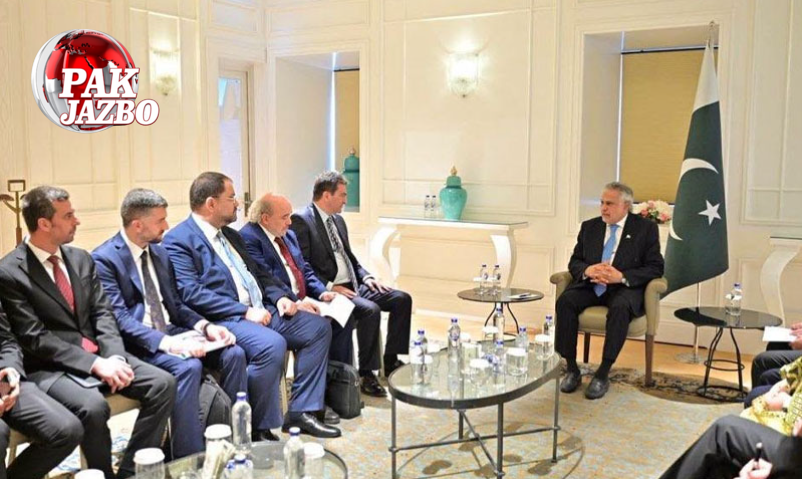
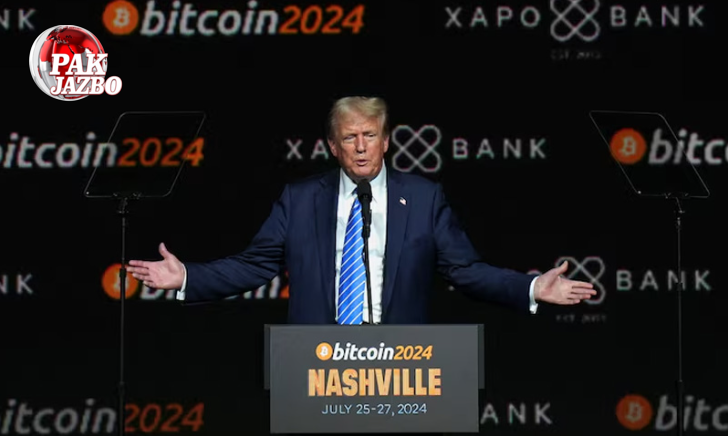
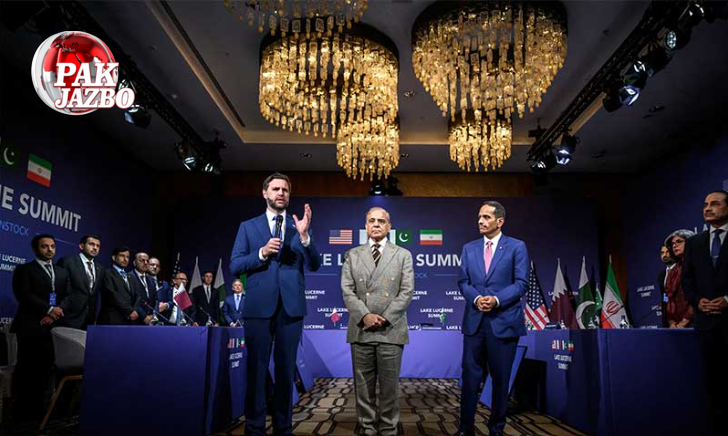
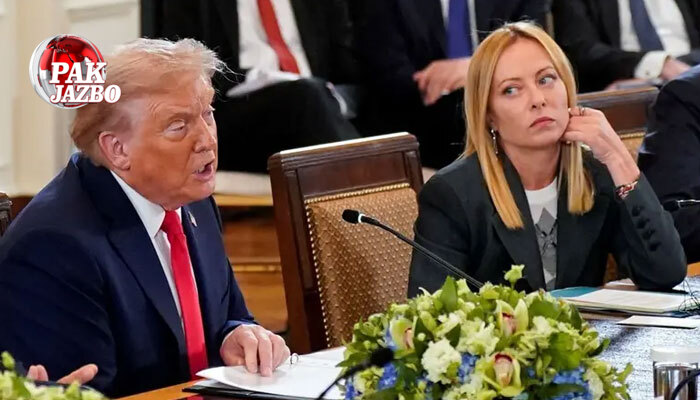
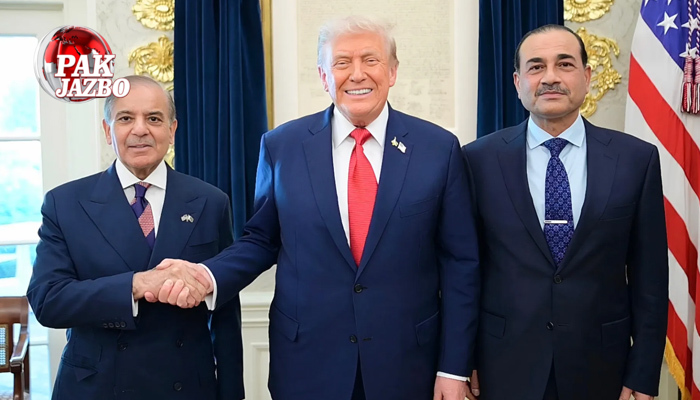
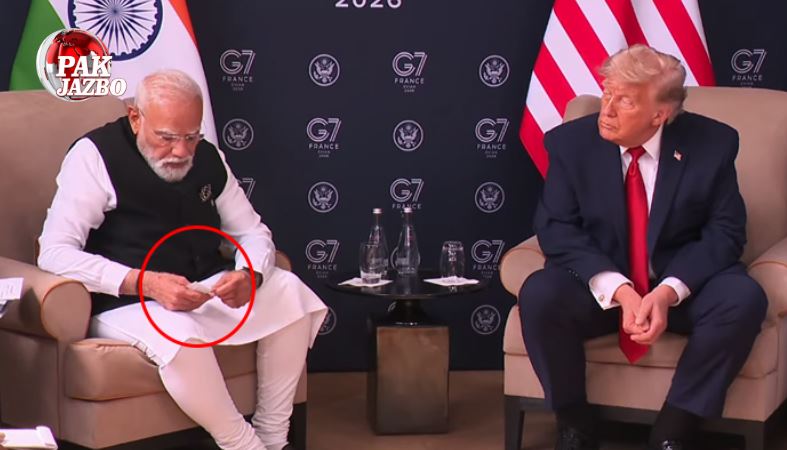
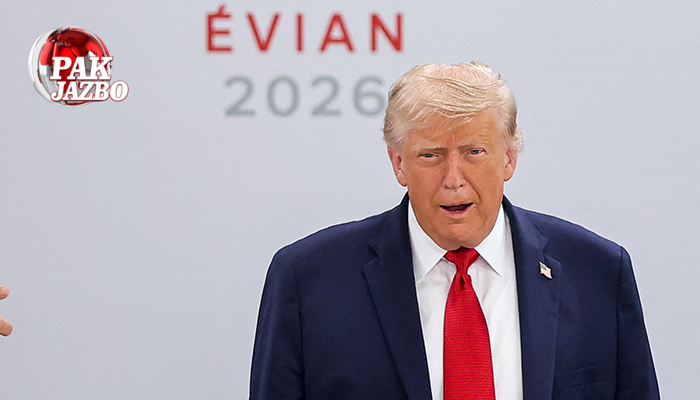
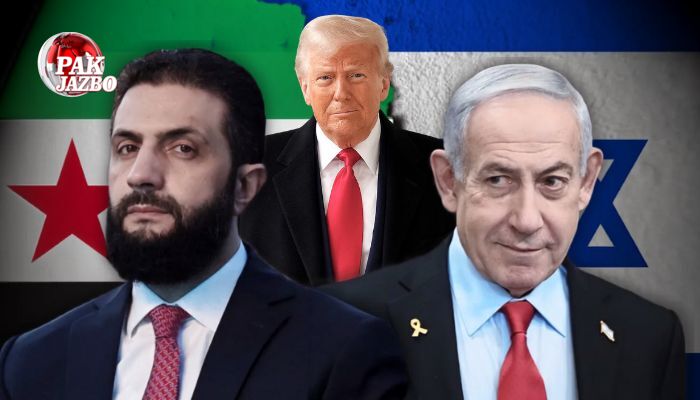
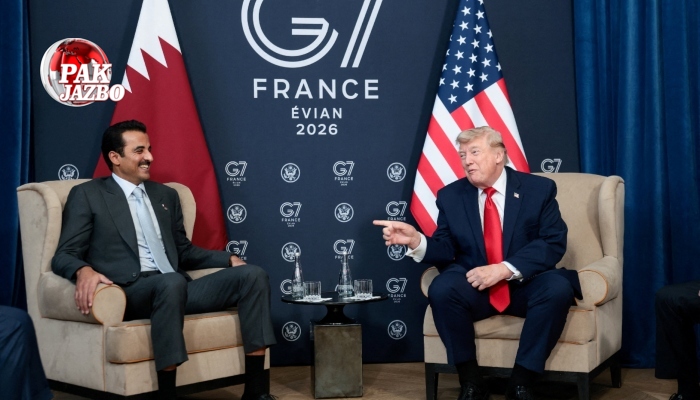
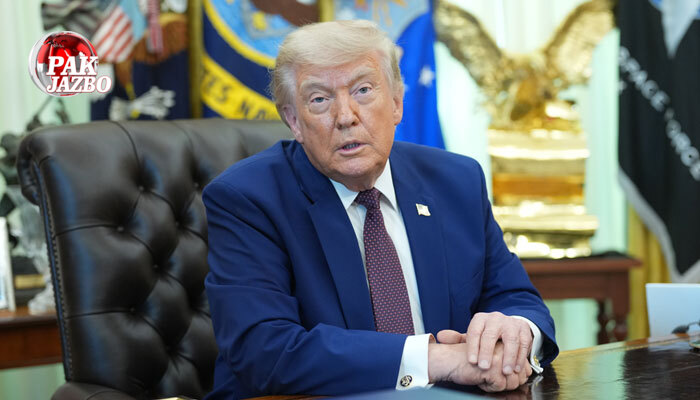
Washington: U.S. President Donald Trump has called on the European Union (EU) to impose 100 percent tariffs on products imported from India and China. This demand was made during a high-level meeting between U.S. and EU officials on Tuesday, where Trump emphasized the need for coordinated action against these two major trading nations.
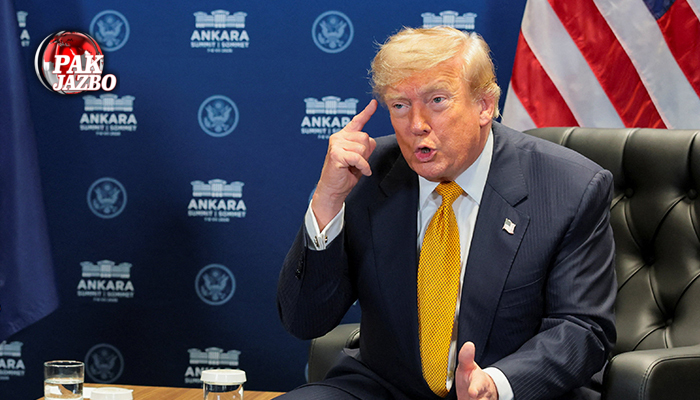
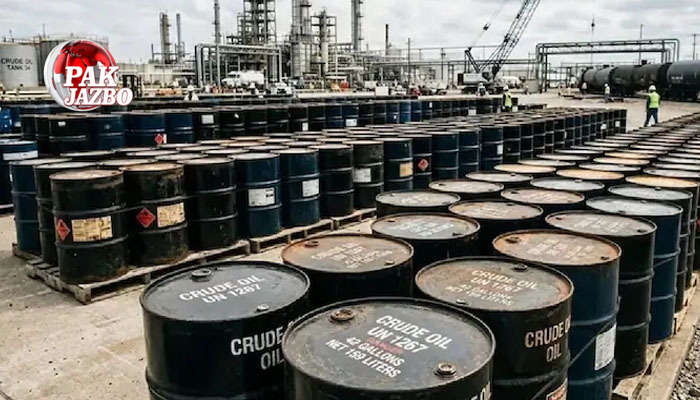
According to international news agencies, Trump reiterated that he is prepared to impose additional tariffs on China and India, two of the largest buyers of Russian oil, but he stressed that such measures would be implemented only if European allies join the U.S. in this initiative. Trump said, “We are ready to do this, but only if our European partners stand with us.”
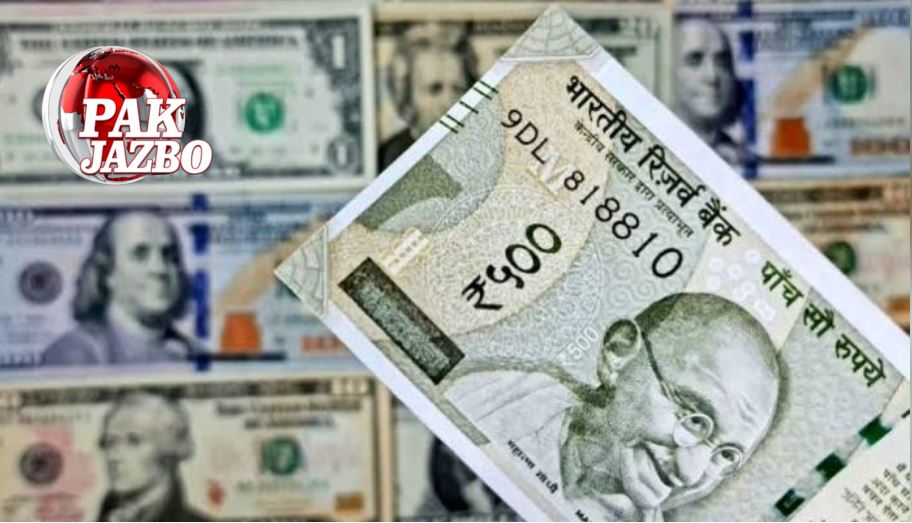
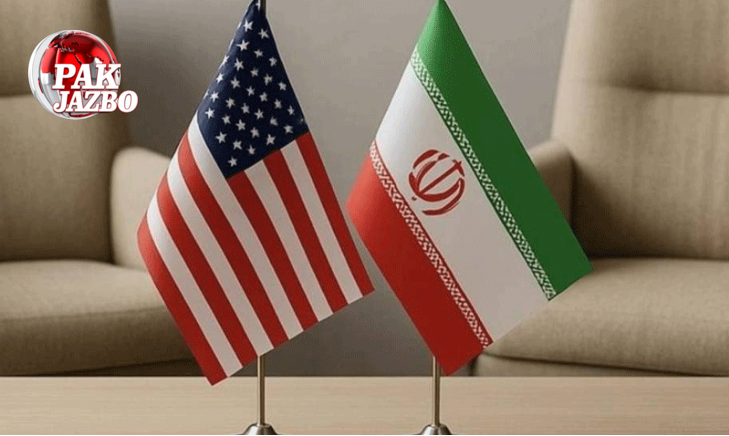
The president’s remarks come amid rising tensions over global trade and energy markets, particularly related to Russia’s oil exports. The United States has already imposed significant tariffs on India and China: India faces a 50 percent tariff due to its continued purchase of Russian oil despite U.S. objections, while Chinese products are subjected to 30 percent tariffs under ongoing trade disputes.
Trump’s proposal signals an effort to unite Western allies in exerting economic pressure on India and China, aiming to curb their imports of Russian oil and to influence broader trade policies. By aligning with the EU, the U.S. hopes to create a more formidable front, potentially increasing the impact of tariffs on these countries’ economies.
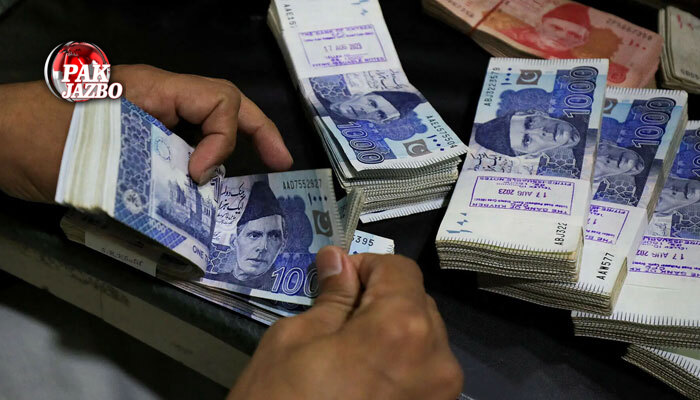
Economic analysts note that such measures could have far-reaching consequences for global trade. Imposing 100 percent tariffs on India and China could significantly disrupt supply chains, raise costs for consumers worldwide, and potentially spark retaliatory measures from the affected countries. India and China might respond with their own trade restrictions, further escalating tensions in international markets.
The European Union has traditionally maintained a cautious stance regarding unilateral trade measures, often preferring negotiation and multilateral frameworks. Trump’s demand puts EU countries in a challenging position, as they would need to balance strategic partnership with the U.S. against potential economic repercussions from imposing extreme tariffs on two major Asian economies.
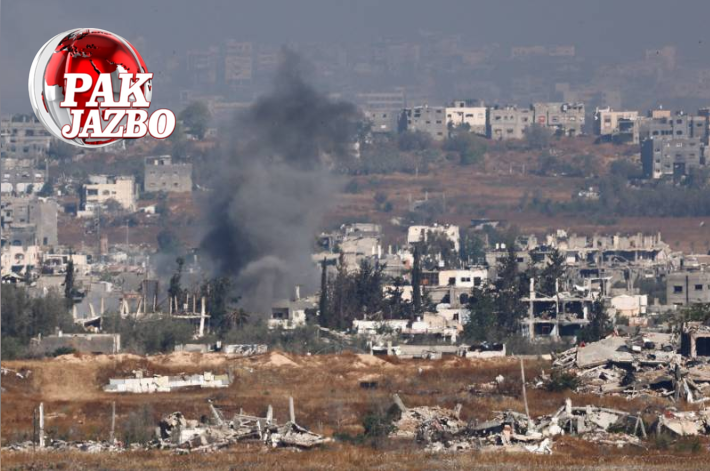
In addition to trade concerns, the tariffs are also part of a broader strategy to pressure nations that continue to purchase Russian energy despite sanctions imposed after Russia’s invasion of Ukraine. By targeting India and China, the U.S. seeks to tighten the global economic squeeze on Russia, hoping to reduce Moscow’s revenue streams from oil exports.
Trump’s call has sparked debate among policymakers and economists. Supporters argue that coordinated tariffs could protect U.S. economic interests, strengthen Western unity, and send a strong message to global markets. Critics, however, warn that such extreme tariffs could backfire, potentially triggering global economic instability and harming allied nations’ economies, including those within the EU.
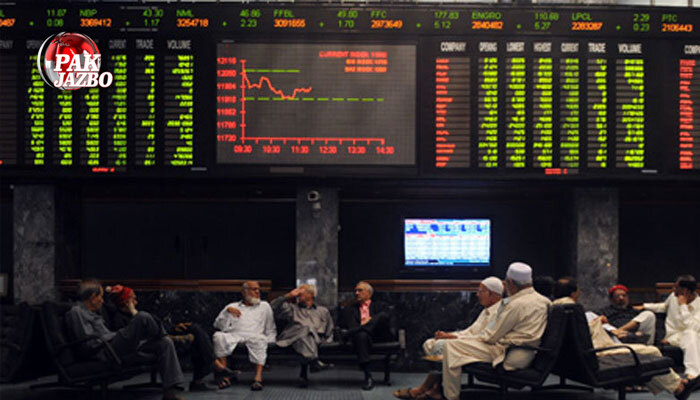
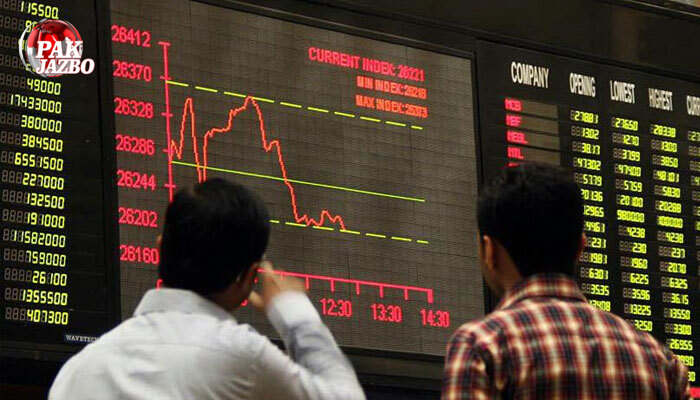
Market reactions to the announcement were immediate, with analysts noting that supply chains for electronics, textiles, and energy products could be disrupted if the tariffs are implemented. Investors are closely monitoring potential retaliation from India and China, which could include higher tariffs on European or American goods, affecting exports and international business relations.
The proposal also raises questions about the future of international trade diplomacy. A 100 percent tariff is unprecedented in scope and could signal a shift toward more aggressive economic policies in the U.S., potentially reshaping how countries engage in global commerce. The EU, India, and China will likely seek urgent negotiations to mitigate economic fallout while assessing strategic responses to the U.S. demand.
Trump’s administration maintains that strong economic leverage is essential to compel India and China to comply with energy sanctions and trade norms favored by the U.S. While the immediate implementation of 100 percent tariffs remains uncertain, the announcement underscores ongoing tensions in global trade and highlights the complex interplay between energy security, geopolitics, and economic strategy.
In conclusion, President Trump’s call for the EU to impose 100 percent tariffs on India and China reflects a bold attempt to coordinate Western allies against perceived economic and strategic challenges. While the proposal is designed to pressure major oil-importing nations and curb purchases of Russian energy, its potential consequences—ranging from supply chain disruptions to diplomatic friction—make it a highly consequential development in international trade relations. The coming months will reveal whether the EU aligns with the U.S., and how India and China respond to this unprecedented economic pressure.
What’s your Reaction?
+1
+1
+1
+1
+1
+1