












































































































































































































































































































































































































































































































































































































































































































































































































































































































































































































































































































India to Continue Oil Imports from Russia Despite U.S. Warnings and Tariff Threats: Report


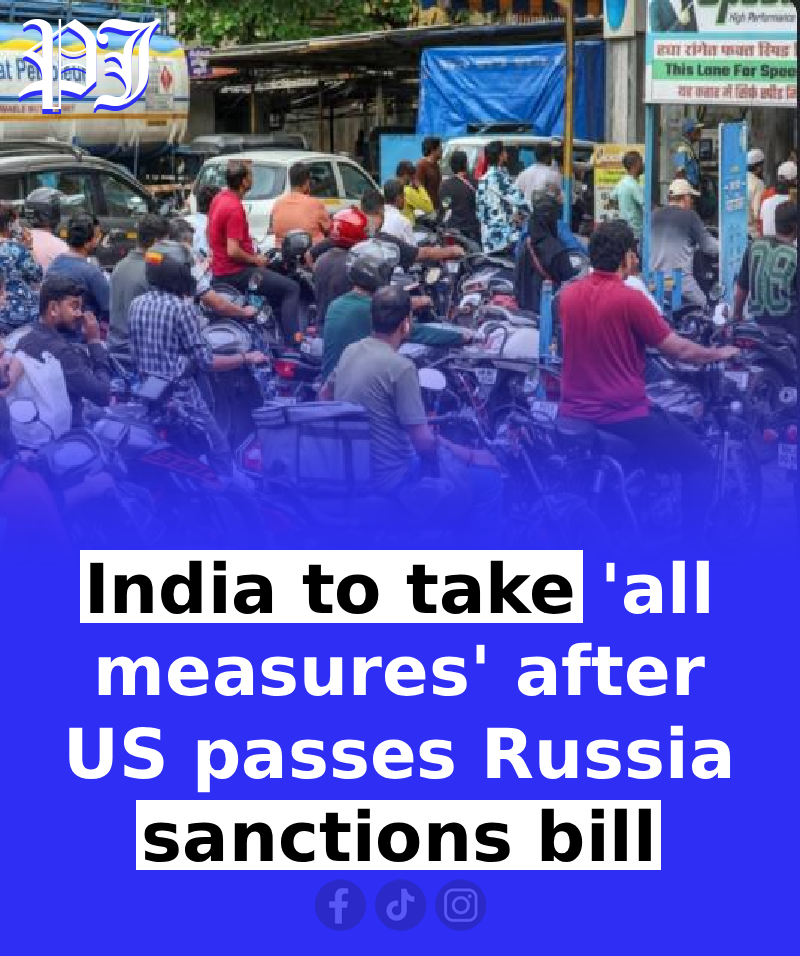
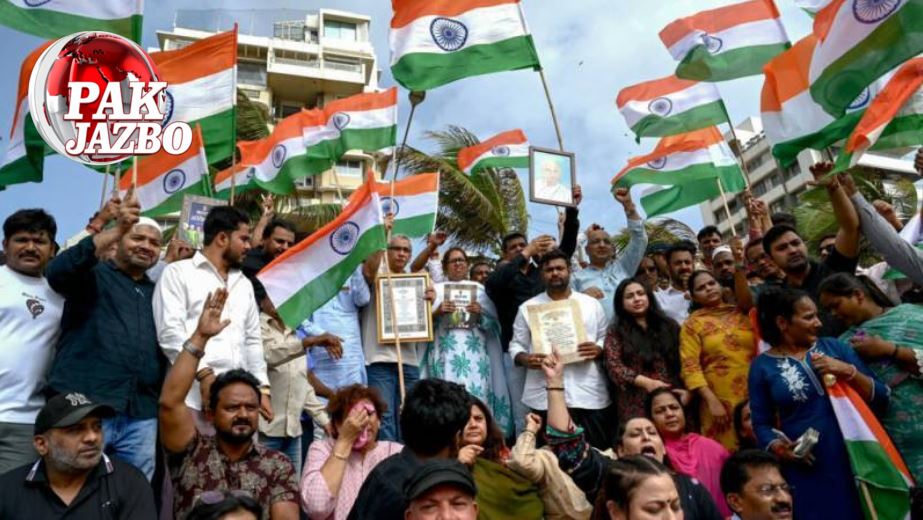
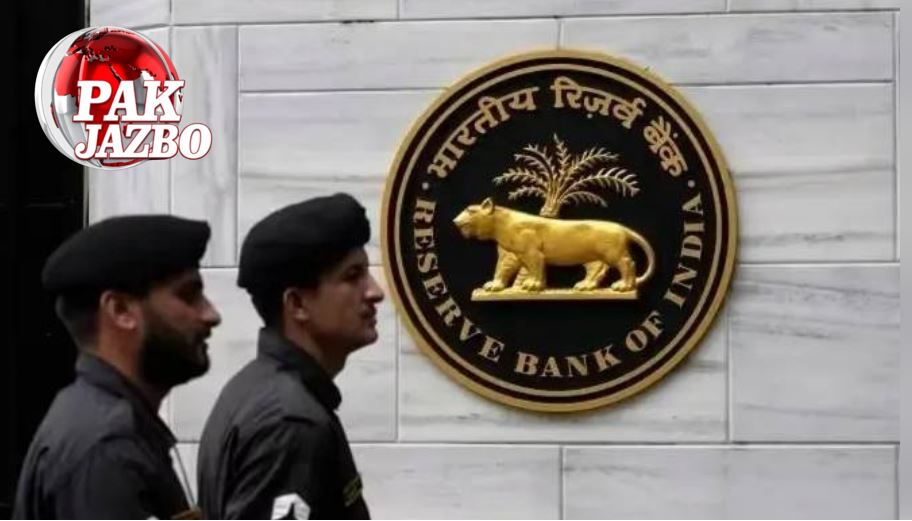
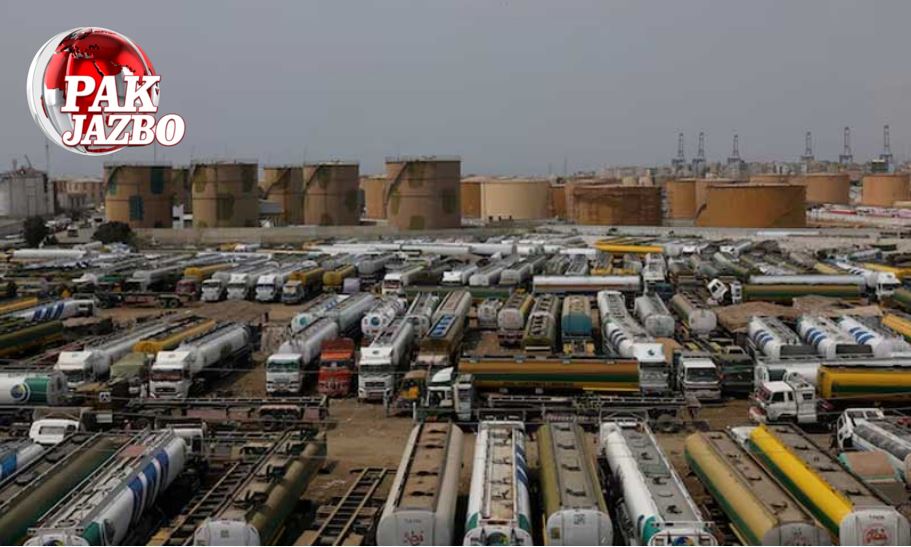
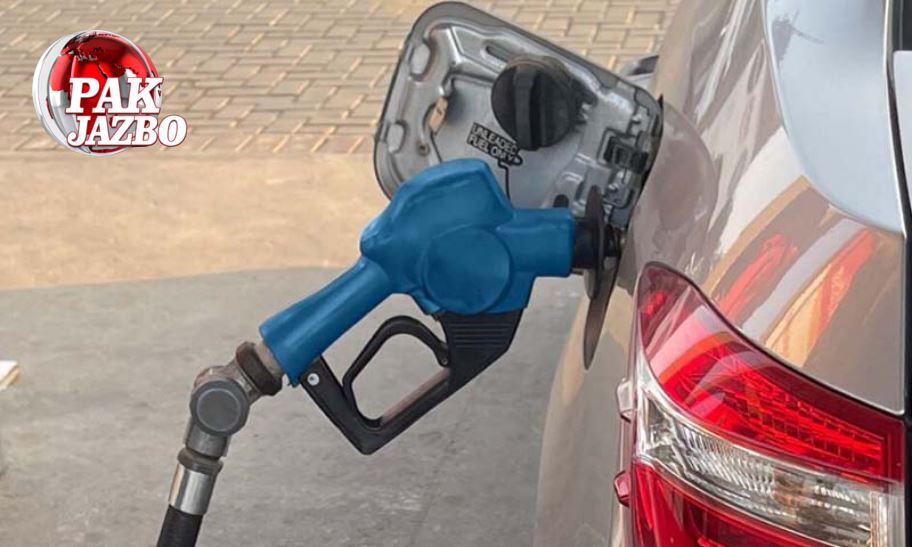
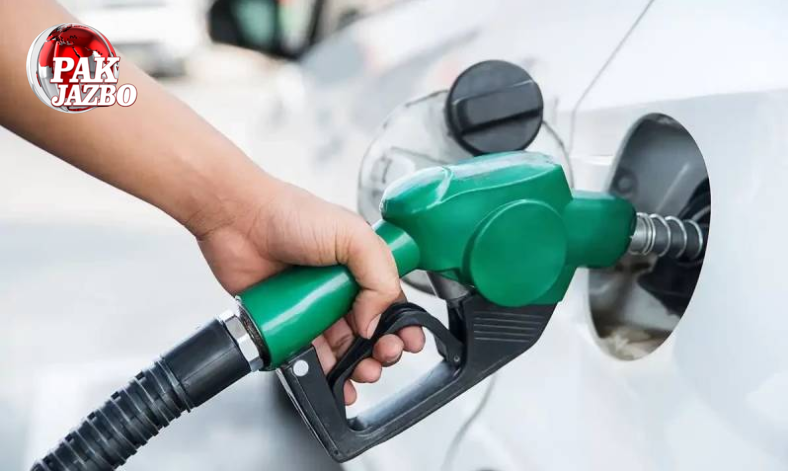
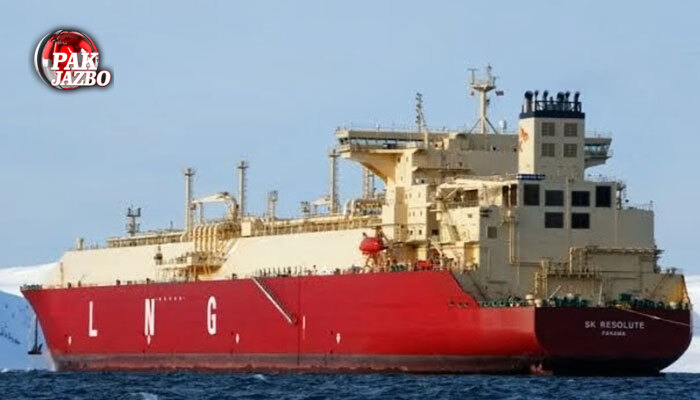
Despite increasing pressure and tariff threats from the United States, India has decided to maintain its oil trade relationship with Russia, highlighting the complex dynamics of global geopolitics and national interests in the energy sector. According to foreign media reports, New Delhi has not instructed its oil companies to halt Russian crude purchases, signaling a clear resistance to Washington’s aggressive diplomatic posture.
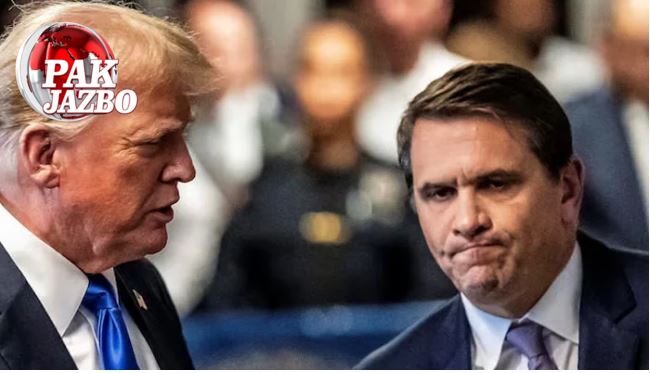
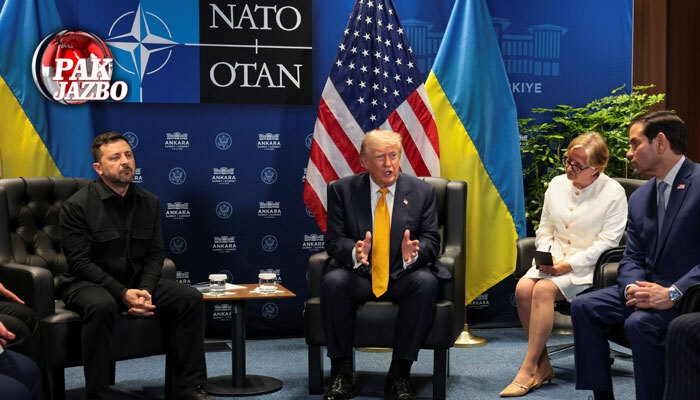
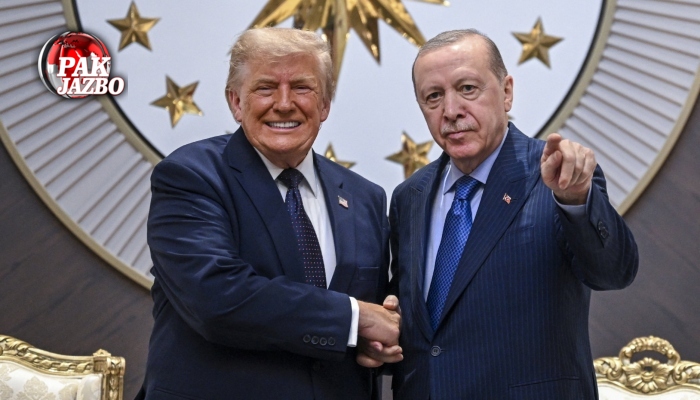
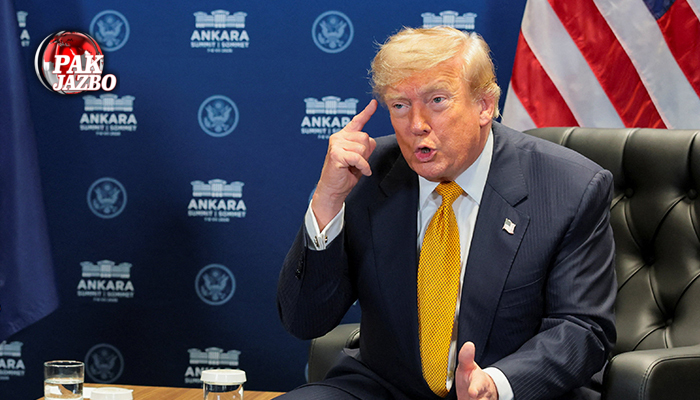
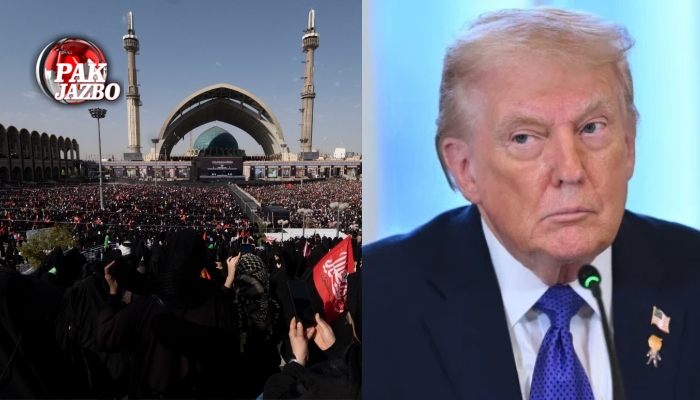
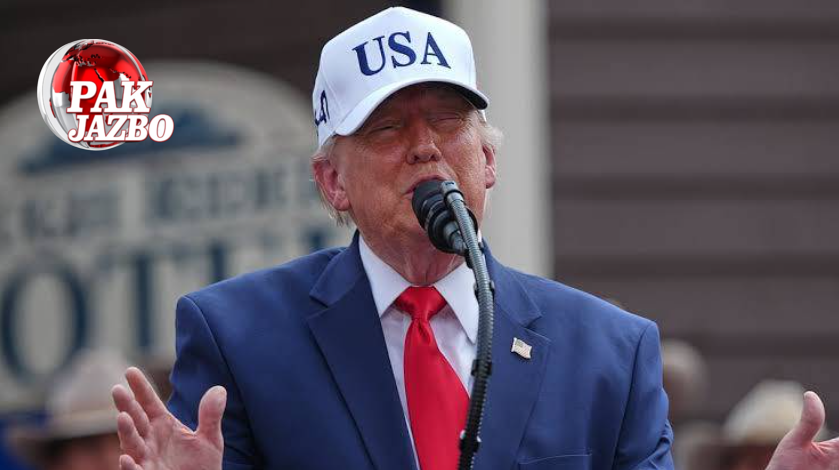
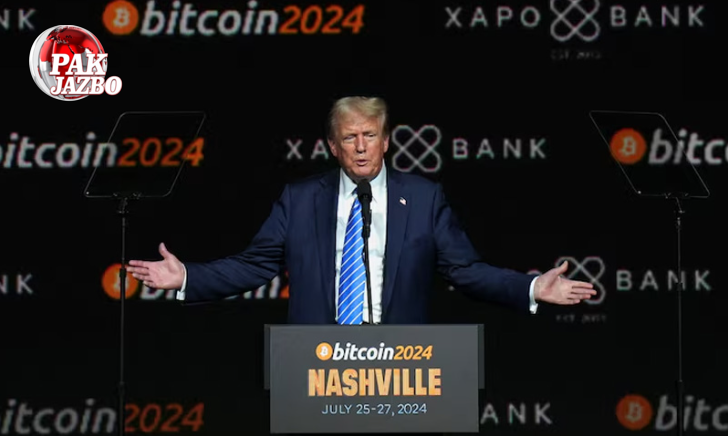
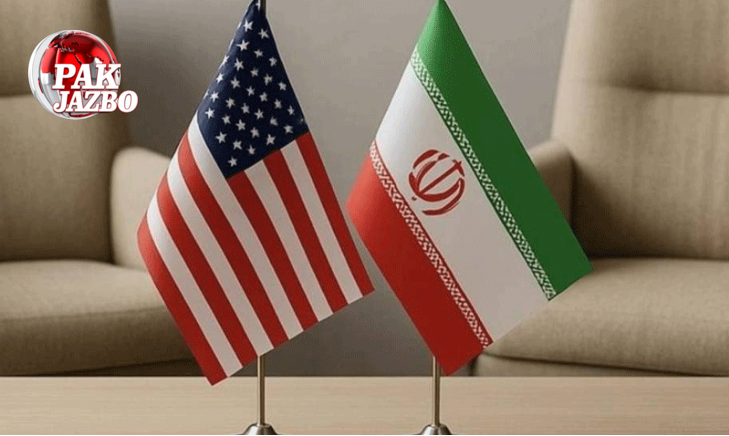
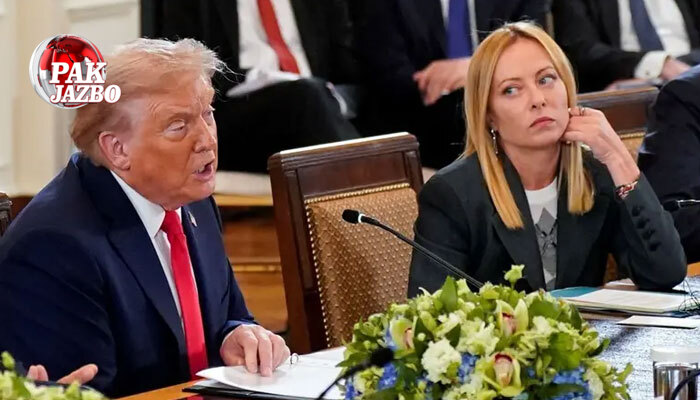
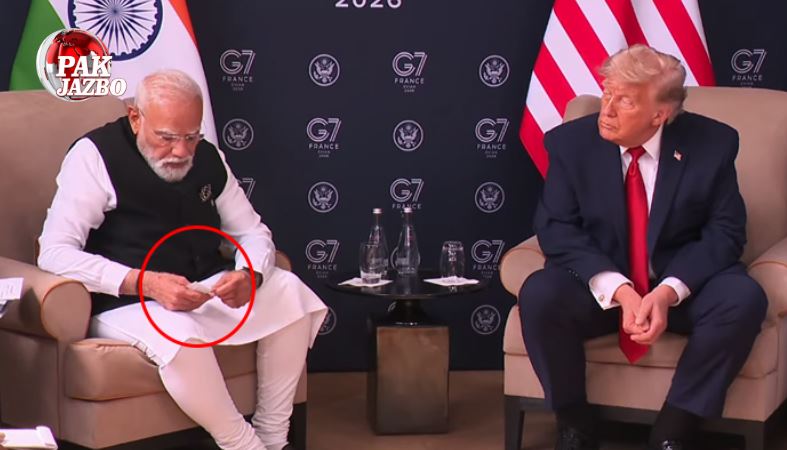
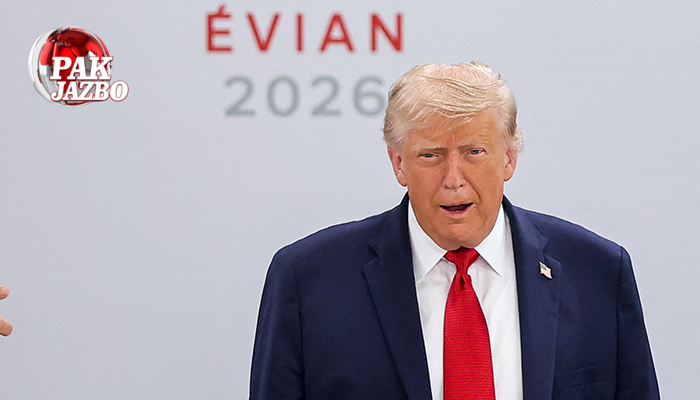
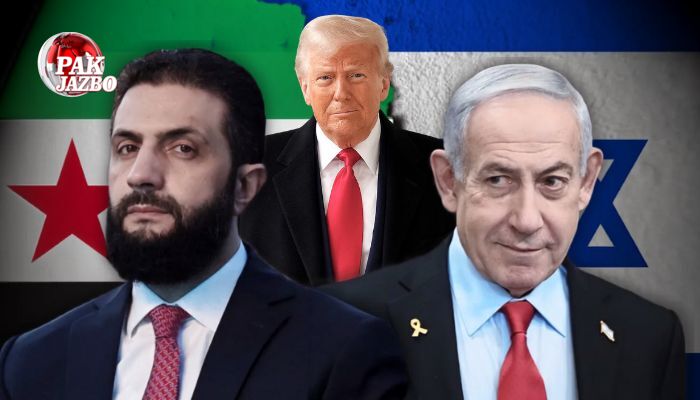
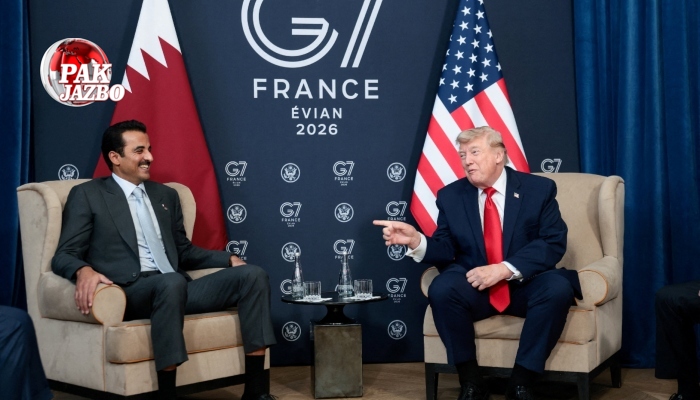
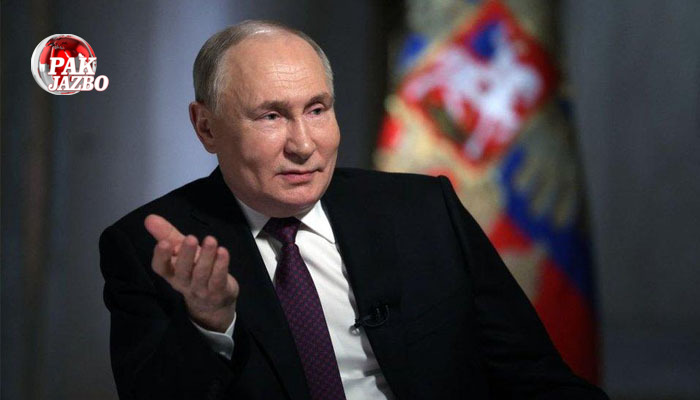
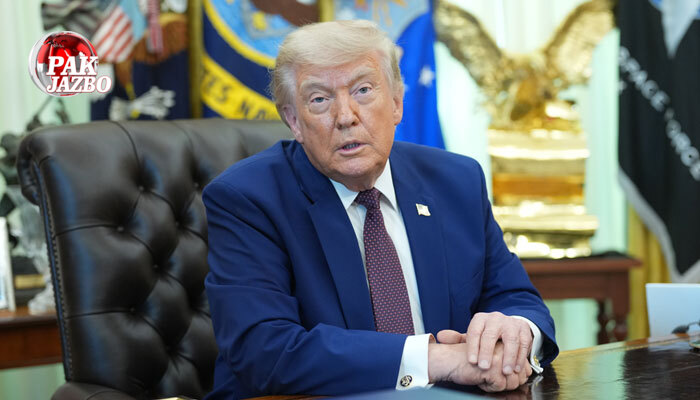
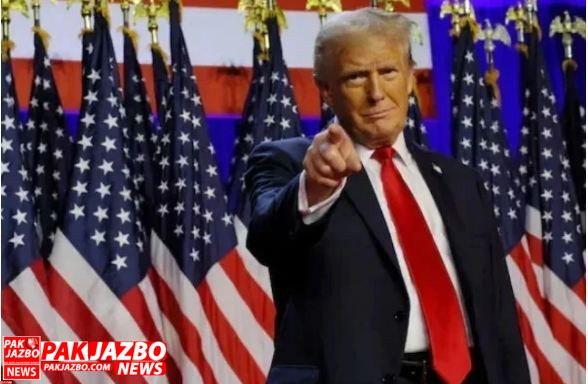
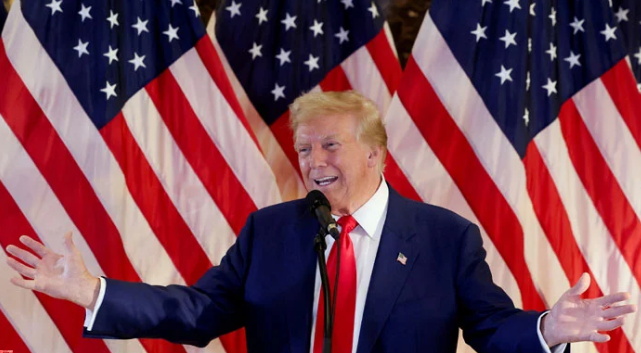
The tensions between the U.S. and India escalated following recent remarks by U.S. President Donald Trump, who on July 14, warned that countries continuing to import oil from Russia would face 100 percent tariffs on various trade items. The warning, which was part of a broader Western strategy to economically isolate Moscow amid the ongoing Ukraine war, appears to have had little immediate impact on India’s energy policies.
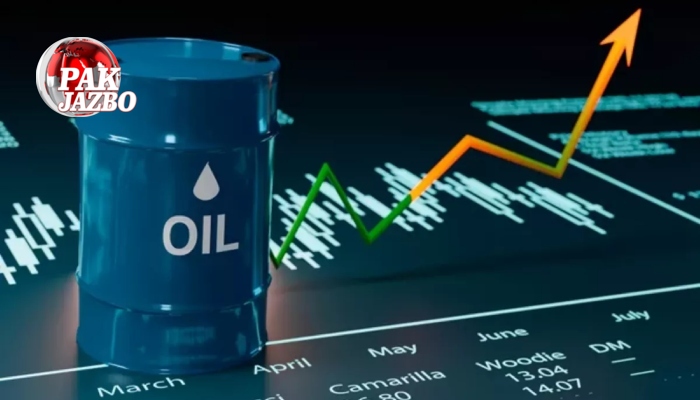
The report highlights that India’s oil import agreements with Russia are long-term contracts, making it unrealistic to expect New Delhi to abandon them overnight. Industry insiders argue that such abrupt shifts would severely impact India’s energy security, economy, and inflation levels, especially given the country’s reliance on affordable energy imports to sustain its massive population and industrial growth.
While India has not imposed any formal restrictions on its public or private oil firms regarding Russian oil, the report notes that four of India’s state-owned oil refineries have shown limited interest in purchasing additional Russian crude in recent weeks. Analysts interpret this as a strategic move to balance geopolitical relationships without outright confrontation.
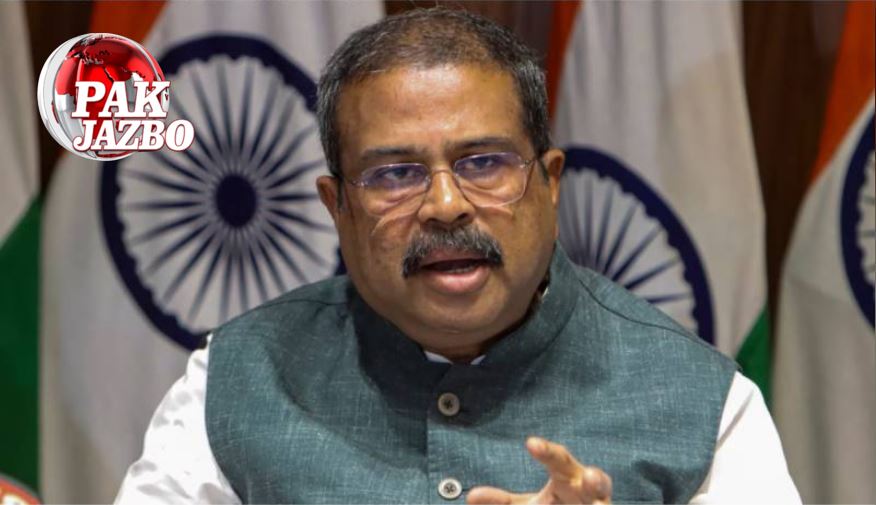
However, the Indian government has made it clear that it will prioritize national interest over external pressure, and energy security remains a non-negotiable component of that interest. Speaking on condition of anonymity, a senior official from the Indian Ministry of Petroleum told local media, “We are aware of the global concerns, but we are not bound by unilateral sanctions. Our relationship with Russia is guided by long-standing strategic cooperation and practical economic considerations.”
In retaliation to the U.S. tariffs, which now include a 25 percent duty specifically imposed on Indian exports, India has also signaled a cooling of military procurement ties with Washington. Most notably, New Delhi has withdrawn its interest in acquiring fifth-generation F-35 stealth fighter jets from the United States — a move interpreted by defense experts as a response to what India perceives as coercive diplomacy.
India’s energy policy in the context of global conflict reflects a broader trend of strategic autonomy that has defined its foreign policy in recent years. Despite being part of the Quad Alliance alongside the U.S., Japan, and Australia, India has consistently refused to take sides in the Russia-Ukraine conflict, calling instead for dialogue and peaceful resolution.
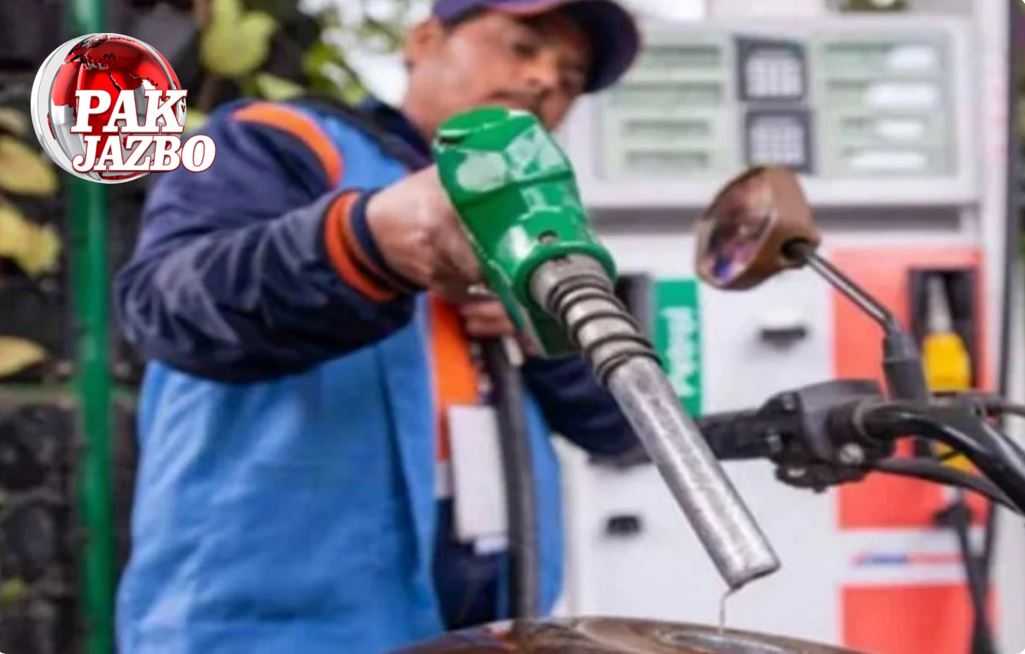
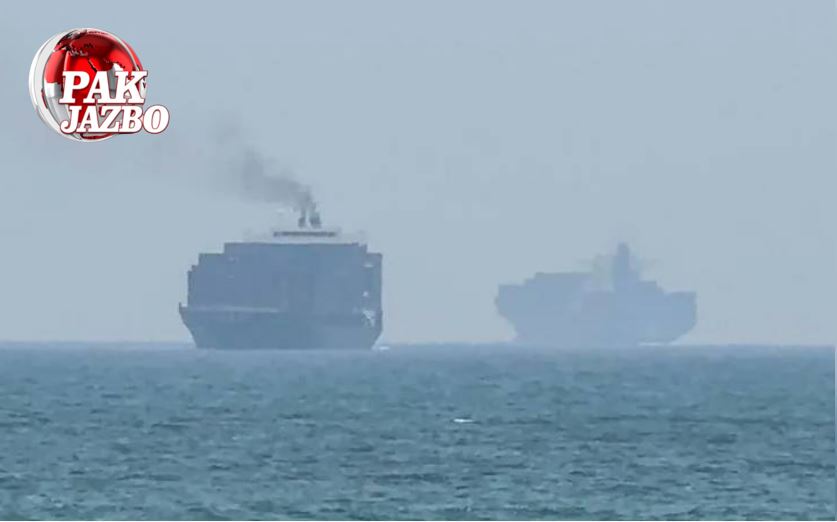
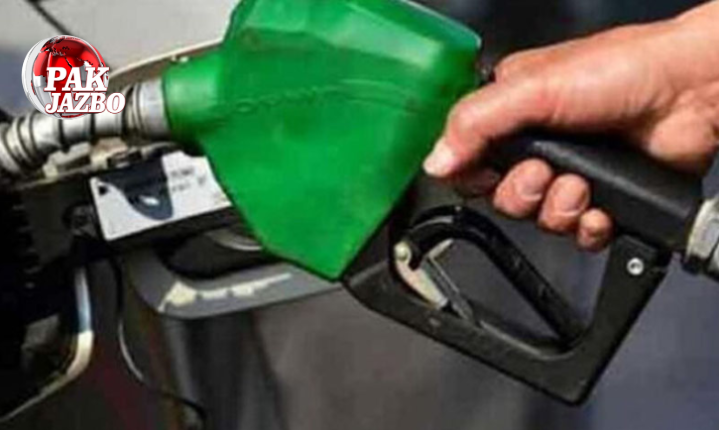
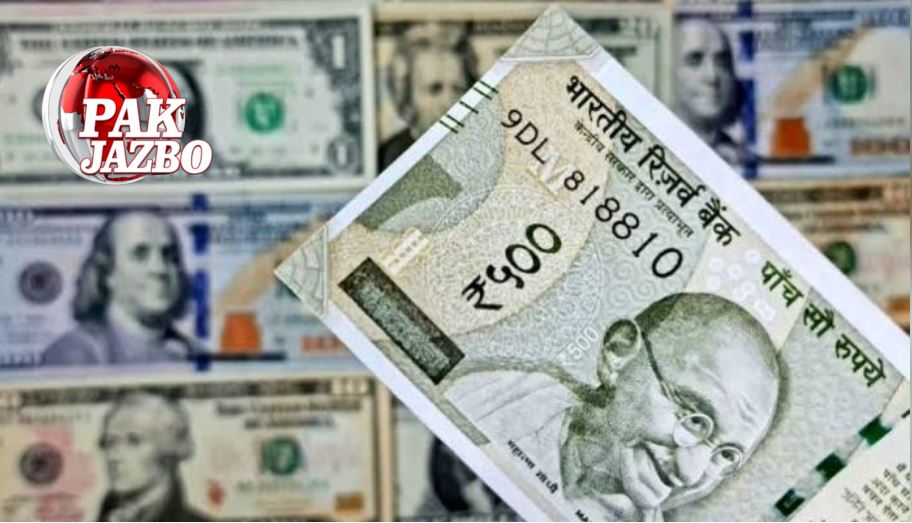
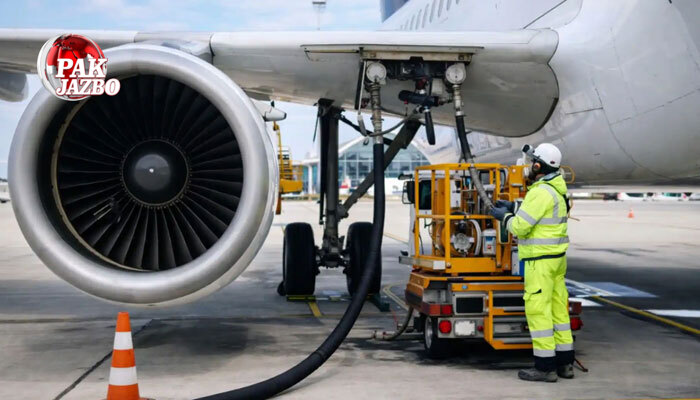
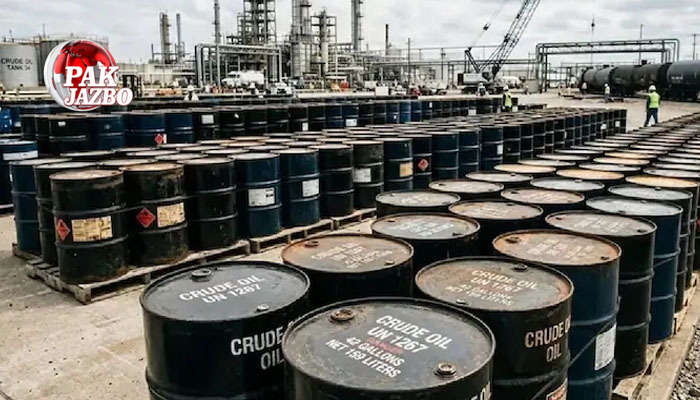
Russian oil, often sold at a discount due to Western sanctions, has become a vital source of affordable energy for India, the world’s third-largest oil importer. According to trade data, Russia has emerged as one of India’s top oil suppliers since 2022, with billions of dollars worth of crude oil flowing through complex trade arrangements, sometimes using non-dollar currencies or third-party intermediaries to bypass Western financial restrictions.
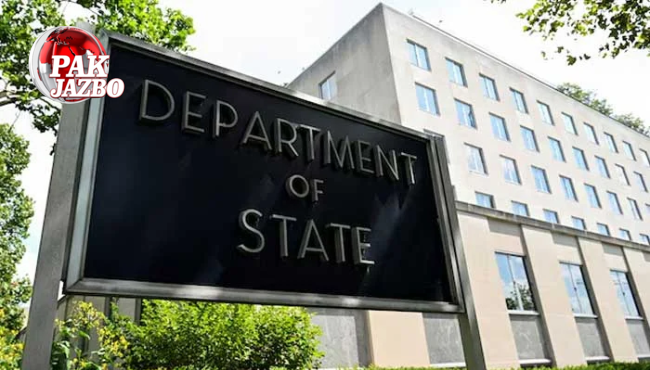
U.S. officials, including senior diplomats from the State Department, have repeatedly expressed concern over India’s expanding trade ties with Russia, arguing that such engagements undermine global efforts to pressure the Kremlin. However, New Delhi has maintained that its trade with Russia is legal under international law and does not violate any binding United Nations resolutions.
Economic analysts note that the Indian government’s defiance of U.S. pressure reflects not just a desire for sovereignty in policymaking, but also a broader shift in global power dynamics, where emerging economies are increasingly unwilling to align blindly with Western directives. “The world is no longer unipolar,” said one analyst. “India is asserting itself as an independent power with its own strategic interests.”
India’s balancing act is evident in its continued engagement with the United States in other spheres, including technology partnerships, defense cooperation (apart from the F-35 deal), and participation in Indo-Pacific initiatives. Yet, it is equally committed to maintaining robust ties with Russia, a historic defense partner and a key supplier of energy, fertilizers, and military hardware.
As global tensions rise and economic warfare becomes more pronounced, India’s calculated stance may set a precedent for other developing nations seeking to navigate the competing interests of global superpowers. For now, India’s message is clear: economic pragmatism and national interest will guide its decisions, not threats or pressure from abroad.
With the world’s eyes on India’s next moves, it remains to be seen whether Washington will escalate its trade measures or seek a diplomatic resolution to avoid further alienating a key regional partner. Either way, the episode underscores the complex interplay of economics, energy, and geopolitics in the 21st century.
What’s your Reaction?
+1
+1
+1
+1
+1
+1