



































































































































































































































































































































































































































































































































































































































































































































































































































































































































































































































































































































































































































































































































































































































































































































































































































































Schoolbooks Sent for Students in Sindh Destroyed by Rains, Exposing Deepening Education Crisis


ugust 20, 2025 – The fragile state of education in rural Sindh has suffered another blow as hundreds of textbooks and notebooks sent by the provincial Education Department for schoolchildren were ruined by torrential rains in Umerkot district. Already struggling with a lack of facilities, dropout rates, and poor learning outcomes, students in government schools now face an additional setback as their much-needed learning material has been rendered unusable.
According to ARY News correspondent Mumtaz Aresar from Umerkot, a large consignment of books and exercise copies was dispatched by the Sindh Education Department for distribution among students across government schools in the district. These books were meant to be a crucial lifeline for students in underprivileged communities, many of whom cannot afford to purchase study material on their own.
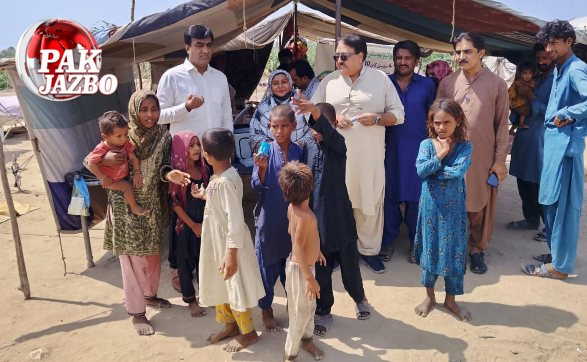
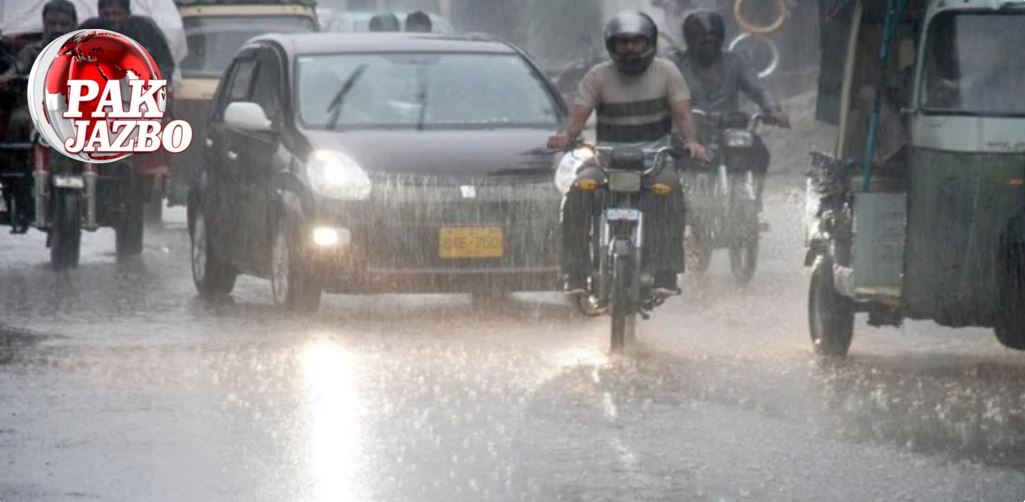
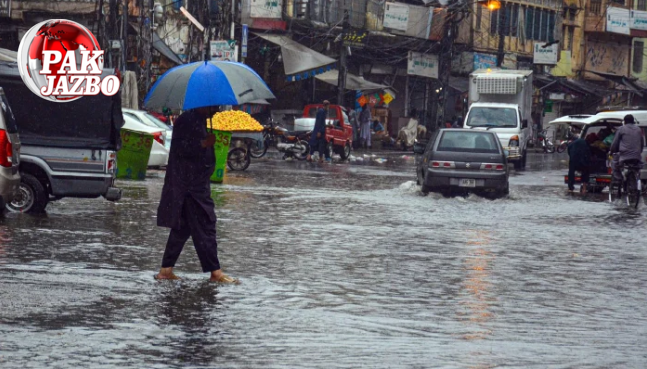
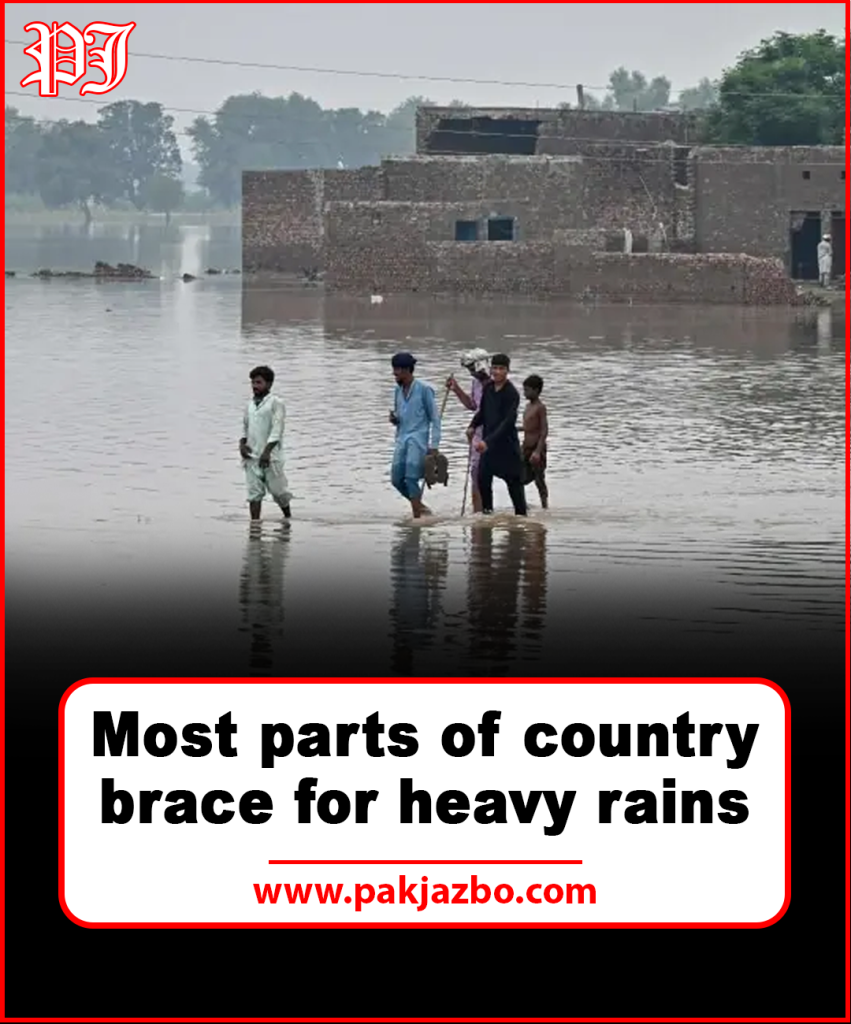
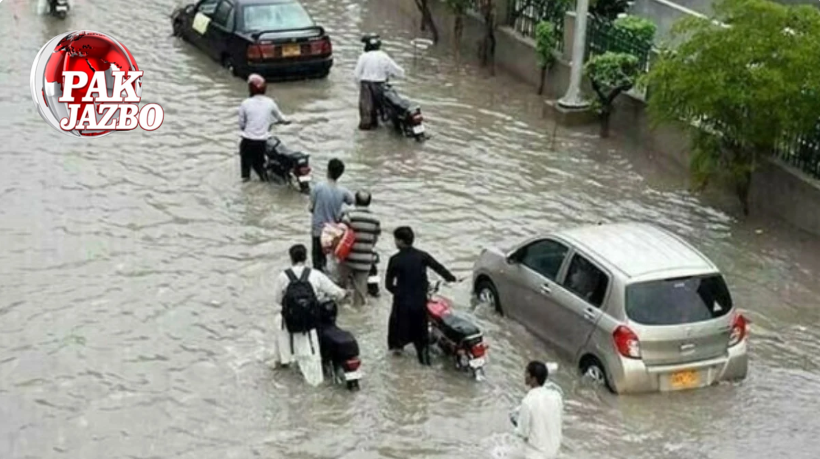
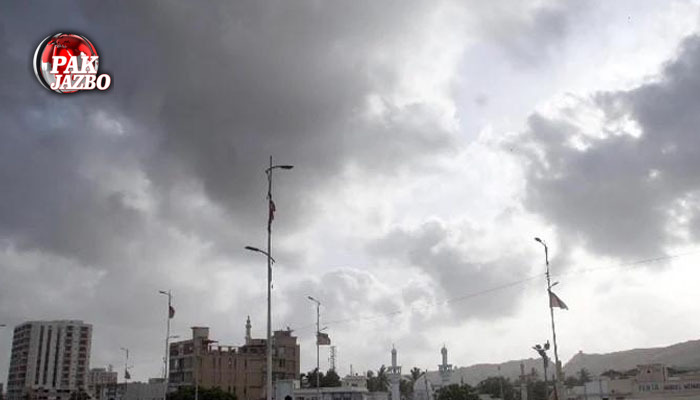
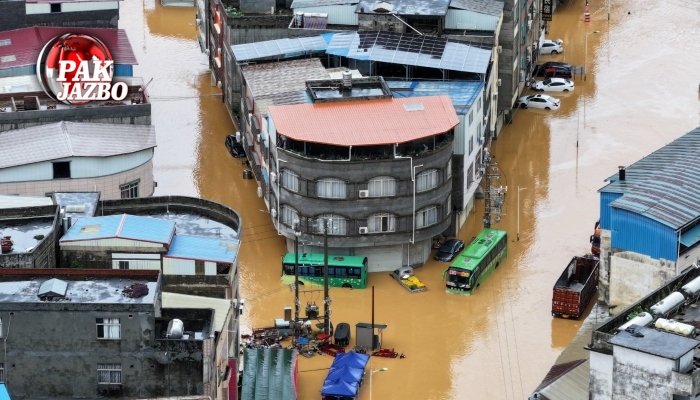
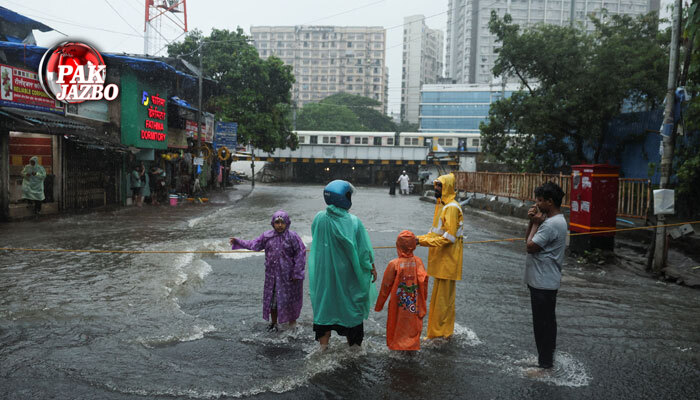
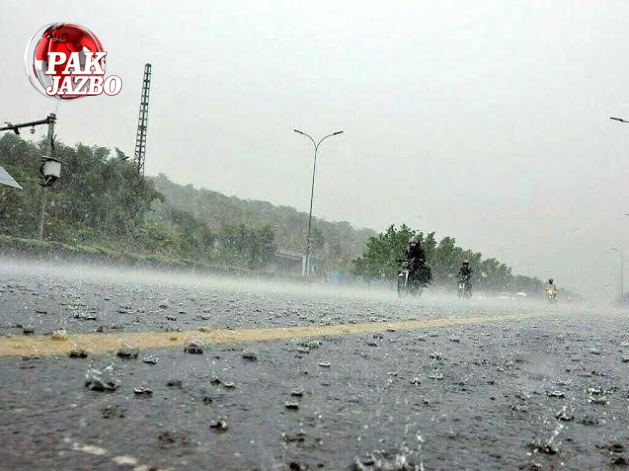
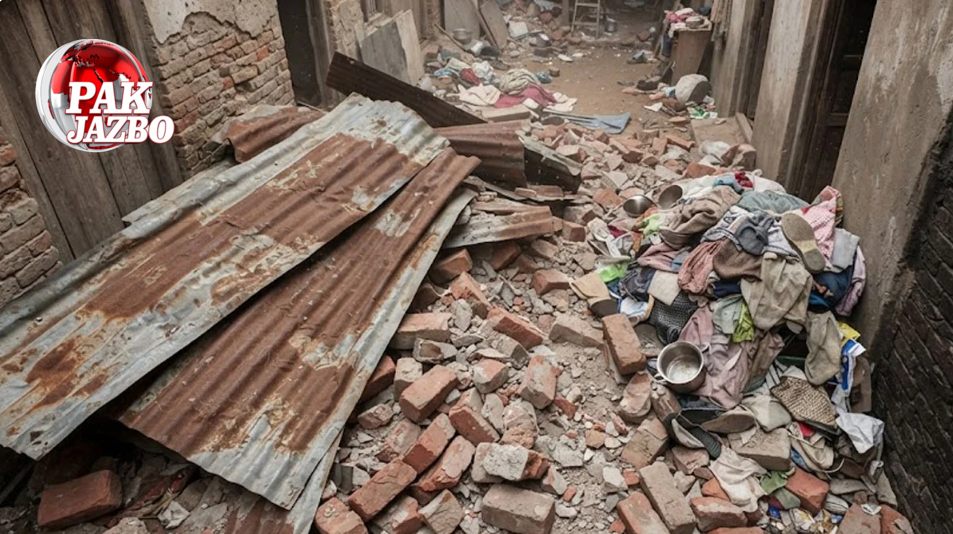
However, before these supplies could reach the children, nature intervened. Heavy rains lashed Umerkot earlier this week, and the books, stored inside a classroom of a government school, were inundated with rainwater that seeped into the premises. Visuals from the site showed piles of soaked textbooks lying in muddy water, pages stuck together, and many books torn and rendered completely unusable.
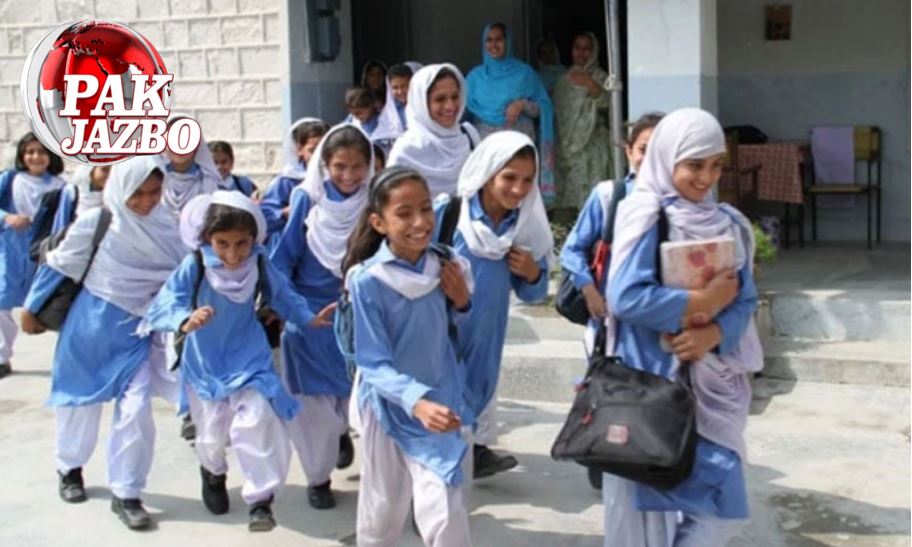
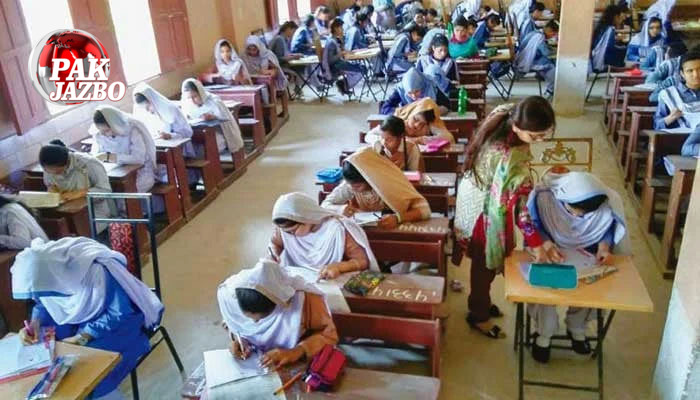
The incident has triggered widespread concern among parents, teachers, and education activists. In rural areas of Sindh, where public schools often lack even basic infrastructure like roofs, furniture, toilets, and boundary walls, textbooks are considered the most essential educational resource. The destruction of this consignment is being seen as not just a logistical failure but also a symbol of the systemic neglect of education in interior Sindh.
Taluka Education Officer Mustafa Sehto confirmed the loss but maintained that efforts were made to keep the books safe. “The books were placed in a secure location,” he explained, “but the intensity of the rainfall was such that even the storage area was flooded. Despite our precautions, the books got wet.”
He further added that whatever books could be salvaged have now been shifted to another place. The officer assured that once the rains subside and the situation normalizes, the surviving books will be distributed among students without further delay. Yet, his statement has done little to comfort many who fear that hundreds of children will have to start the academic session without adequate learning material.
A Reflection of Systemic Failures
This unfortunate incident reflects a deeper malaise within Sindh’s education system. Rural schools often lack proper facilities to store educational materials. Instead of warehouses or dedicated storage facilities, books are frequently dumped in classrooms, offices, or even open verandas, leaving them exposed to the elements. In a region prone to seasonal rains and flooding, such practices inevitably lead to losses year after year.
Education experts argue that the real tragedy is not just the loss of paper and ink but the disruption it causes in the academic journey of already disadvantaged children. For many families in interior Sindh, these government-issued books are the only resource available to their children. When they are destroyed, it effectively denies an entire generation of students their right to learn.
Civil society members and local activists have criticized the provincial authorities for failing to establish proper storage systems or emergency mechanisms to safeguard educational resources. They contend that this negligence perpetuates the cycle of poor literacy rates, low exam performance, and eventual school dropouts in Sindh’s rural belts.
Broader Implications for Rural Education
The state of government schools in rural Sindh is already grim. A large number of institutions operate without roofs, clean drinking water, electricity, and teaching staff. Teachers are often absent, and classrooms remain overcrowded. Against such a backdrop, the loss of books is more than just an accident—it is a reminder of how fragile the entire system is.
Moreover, the timing of the incident could not be worse. With the academic year in progress, students need these books immediately. A delay in distribution means lessons cannot be conducted effectively, further widening the learning gap between students in urban centers and those in rural areas.
Call for Accountability and Reform
Education activists are calling for accountability from the Sindh Education Department. They argue that such negligence undermines the government’s commitment to improving literacy rates and violates children’s constitutional right to free and quality education. Some suggest that the department should establish district-level book depots with weatherproof storage facilities. Others propose that digital solutions, such as e-learning content, be explored in parallel to mitigate the risks posed by natural disasters.
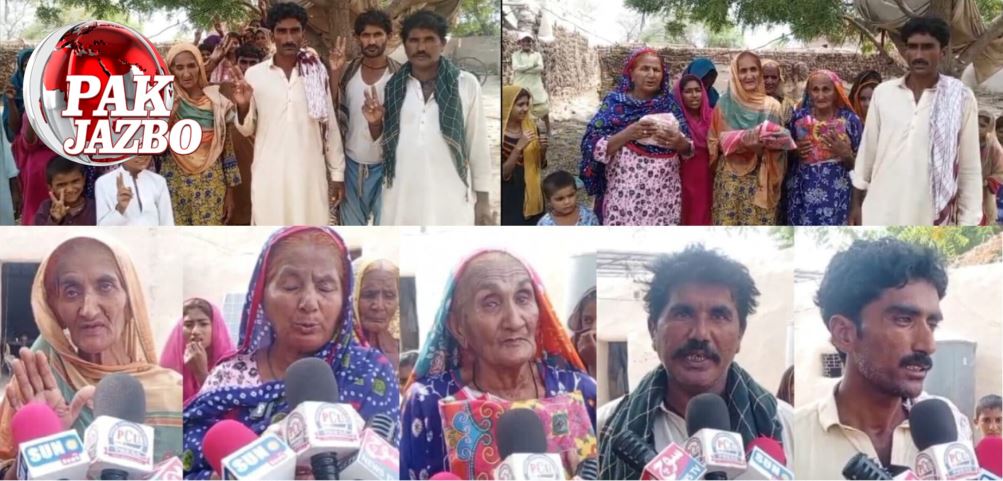
Parents, meanwhile, are left frustrated and helpless. Many express the fear that their children will fall further behind in their studies due to no fault of their own. In interviews, several families said they cannot afford to buy private books and rely entirely on government-provided material. For them, every lost book represents a lost opportunity.
Looking Ahead
While Taluka Education Officer Mustafa Sehto has promised distribution once the rains end, the damage already caused cannot be undone. Hundreds of books have been destroyed, and even those partially damaged may not last long in the hands of children. Unless immediate steps are taken to replenish the supply, the academic progress of thousands of rural students will remain compromised.
This incident should serve as a wake-up call for the provincial government. If education is to be treated as a priority, then safeguards must be introduced to prevent such tragedies from recurring. Proper infrastructure, accountability in logistics, and proactive disaster management are essential. Without these reforms, every monsoon season will continue to wash away not just books, but also the fragile dreams of children striving for a better future.
What’s your Reaction?
+1
+1
+1
+1
+1
+1