


































































































































































Iran Decides to End Cooperation with the International Atomic Energy Agency Amid Renewed Sanctions Dispute


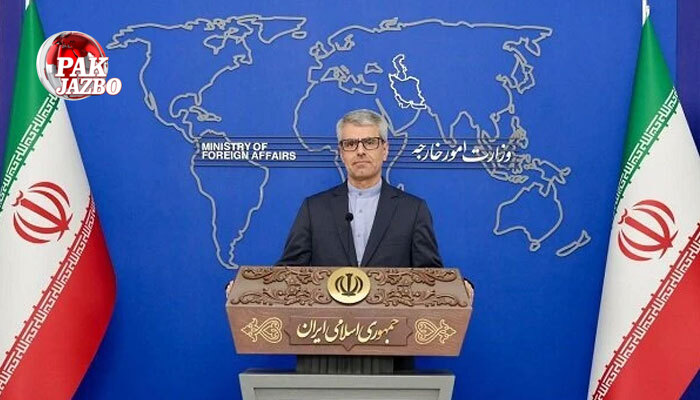
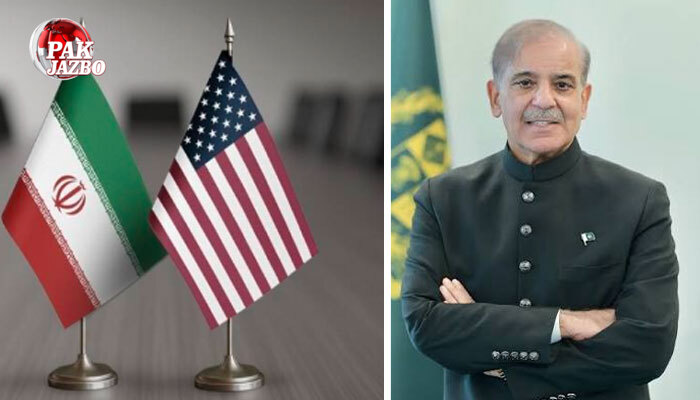
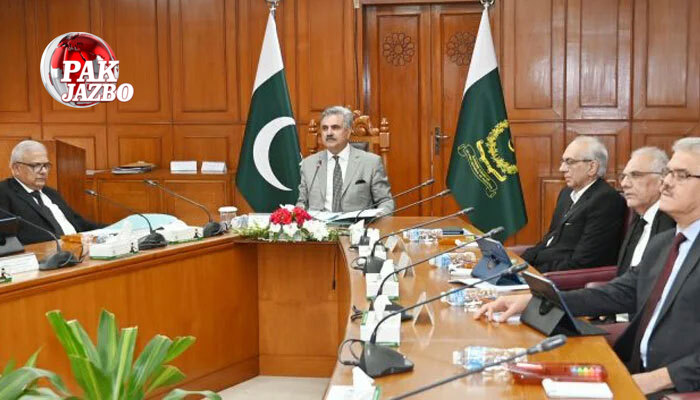
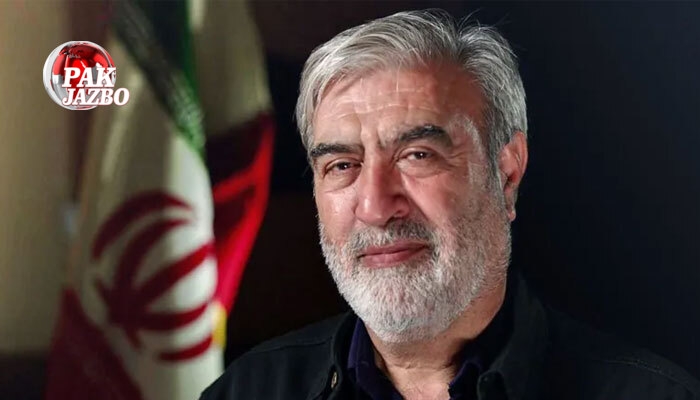
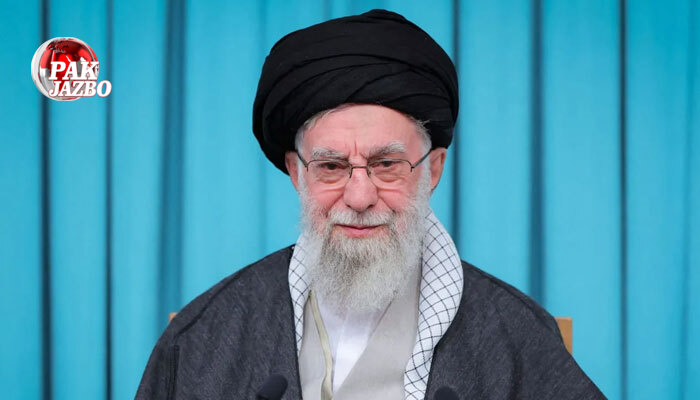
In a major escalation of tensions surrounding its nuclear program, Iran’s Supreme National Security Council has announced that the country will end its cooperation with the International Atomic Energy Agency (IAEA). The decision, revealed through Russian media, comes in direct response to the United Nations Security Council’s rejection of a recent resolution aimed at halting new sanctions on Tehran.
According to Iranian officials, the move reflects deep frustration over what they describe as Europe’s continued hostility and alignment with U.S.-led efforts to isolate Iran. While the timing of when cooperation will officially cease has not yet been announced, the declaration marks a dramatic turning point in Iran’s long and often contentious relationship with the U.N.’s nuclear watchdog.
Background: U.N. Security Council Vote
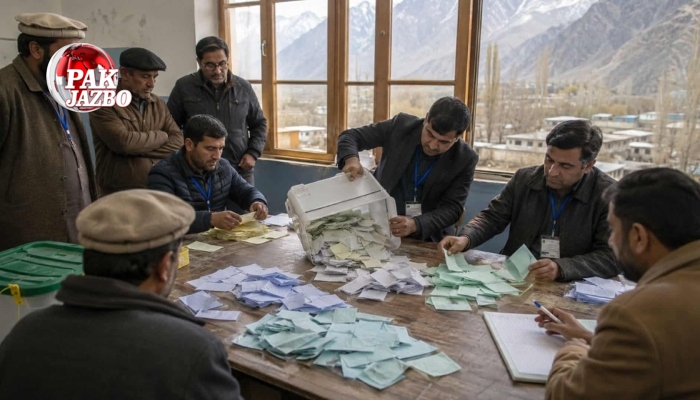
Just days ago, the U.N. Security Council debated a resolution that sought to block the imposition of further sanctions on Iran. Out of the 15-member body, four countries voted in favor of stopping new sanctions, while nine opposed, effectively killing the resolution. The outcome was widely seen as a diplomatic setback for Tehran, reinforcing the international community’s ongoing skepticism about Iran’s nuclear ambitions.
The rejection comes amid years of disputes over Iran’s compliance with the 2015 Joint Comprehensive Plan of Action (JCPOA), commonly known as the Iran nuclear deal. Since the U.S. withdrawal from the deal in 2018 under President Donald Trump and the subsequent reimposition of sanctions, Tehran has gradually scaled back its commitments, enriching uranium at higher levels and restricting access for IAEA inspectors.
Iran’s Position: Sanctions vs. Sovereignty
Iran’s Supreme National Security Council stated that the decision to sever ties with the IAEA was directly tied to what it called “unjust European actions.” Officials argue that sanctions, both old and newly threatened, are a violation of Iran’s sovereignty and undermine the nation’s right to peaceful nuclear technology.
Tehran has long maintained that its nuclear program is intended solely for civilian energy and medical purposes, rejecting accusations that it seeks to develop nuclear weapons. However, the reduction of oversight and restrictions on international inspectors has fueled international concerns, particularly among Western powers and Israel, that Iran may be edging closer to weapons-grade capabilities.
Implications for the IAEA and Global Security
The end of cooperation with the IAEA would severely limit the agency’s ability to monitor Iran’s nuclear sites, uranium enrichment activities, and stockpile levels. This could leave the international community in the dark regarding the true scope of Iran’s program, raising fears of a potential nuclear arms race in the Middle East.
For the IAEA, the loss of Iranian access represents a major blow to its credibility and effectiveness. The agency has repeatedly called for transparency and cooperation, stressing that dialogue is the only way to resolve disputes peacefully. Without such cooperation, the risk of miscalculation or confrontation between Iran and its adversaries grows significantly.
Regional and Global Reactions
Iran’s move is likely to deepen divisions at the international level. Russia and China, who have historically supported Tehran in U.N. forums, may view the decision as a predictable reaction to Western pressure. Meanwhile, the United States, European Union members, and Israel are expected to interpret the decision as evidence of Iran’s unwillingness to abide by international norms.
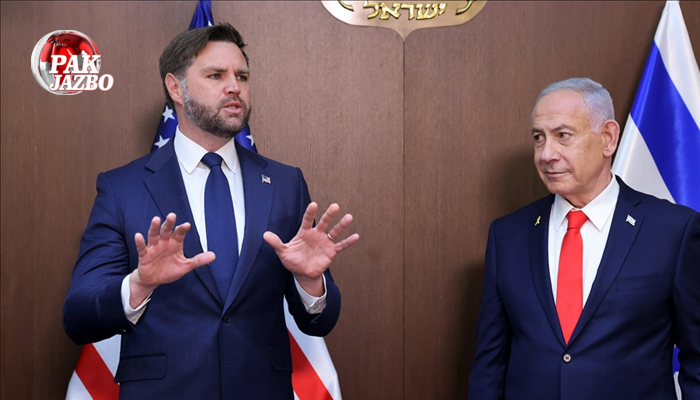
For Israel in particular, the development will heighten security concerns. Israeli leaders have long warned that they will not allow Iran to obtain nuclear weapons capability, and the end of IAEA oversight could strengthen calls for preemptive action. The Gulf states, many of which are wary of Iran’s regional influence, may also lobby for stronger international countermeasures.
The Road Ahead: Escalation or Diplomacy?
While Iran has not provided a timeline for its withdrawal from cooperation with the IAEA, the ambiguity leaves room for potential diplomatic maneuvering. Some analysts suggest that Tehran may be using the announcement as leverage, signaling its frustration while keeping the door open for negotiations. Others warn that it reflects a more definitive break, one that could set the stage for a new cycle of confrontation, sanctions, and possibly even military escalation.
The timing is critical, as global powers are already grappling with multiple crises, including the war in Ukraine, instability in the Middle East, and rising tensions in East Asia. A nuclear crisis involving Iran would stretch international diplomacy further, potentially destabilizing global energy markets and security alliances.
Conclusion
Iran’s decision to end cooperation with the IAEA represents one of its boldest moves yet in defiance of international pressure. While Tehran frames the step as a necessary defense of its sovereignty against unfair sanctions, the consequences are far-reaching. Without IAEA oversight, transparency will vanish, mistrust will deepen, and the risk of conflict will grow. Whether this is a calculated bargaining tactic or a definitive break with international oversight remains uncertain. What is clear, however, is that the fragile balance surrounding Iran’s nuclear program is once again tipping toward crisis.
What’s your Reaction?
+1
+1
+1
+1
+1
+1