


























































































































































































































































































































































































































































































































































































































































































































































































































































































































































































































































































































































































































































































































































































































































































































































































































































































































































































































































































































































































































































































































































Indian Woman Who Married Pakistani Man Sent to Wagah Border for Repatriation


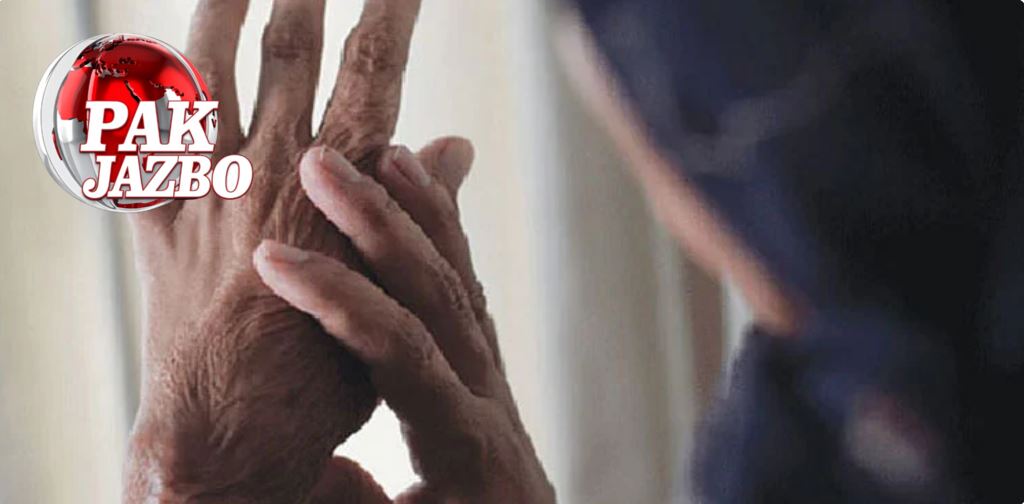
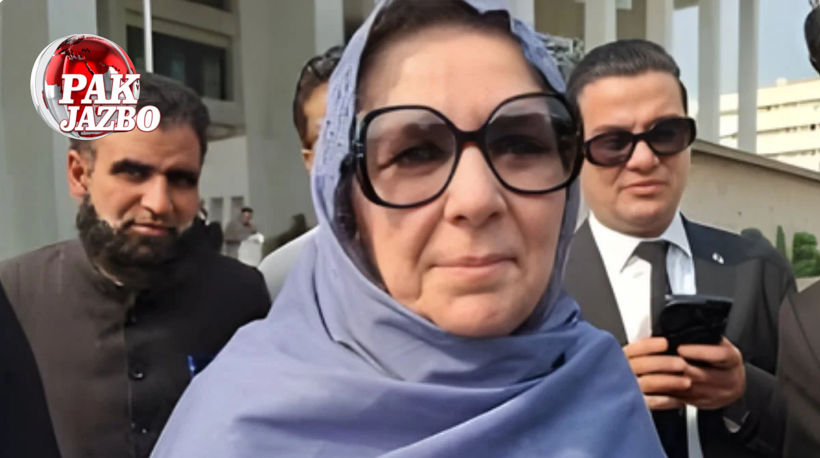
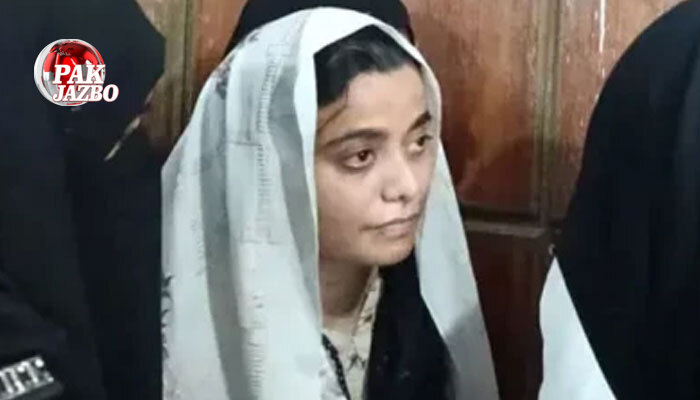
An Indian woman who married a Pakistani citizen of her own choice has been taken to the Wagah border for repatriation to India, officials confirmed on Monday. The woman, identified as Sarbjit Kaur, will be formally handed over to Indian authorities after the completion of standard border procedures.
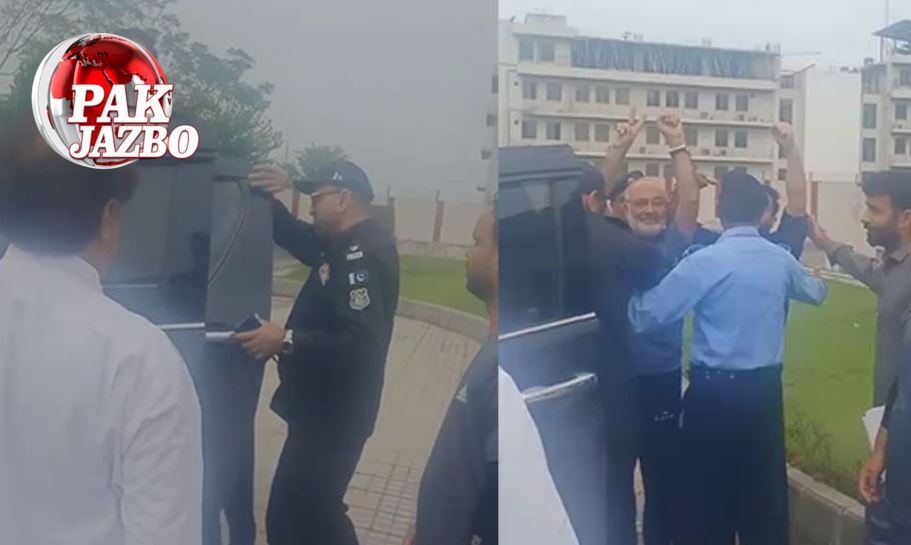
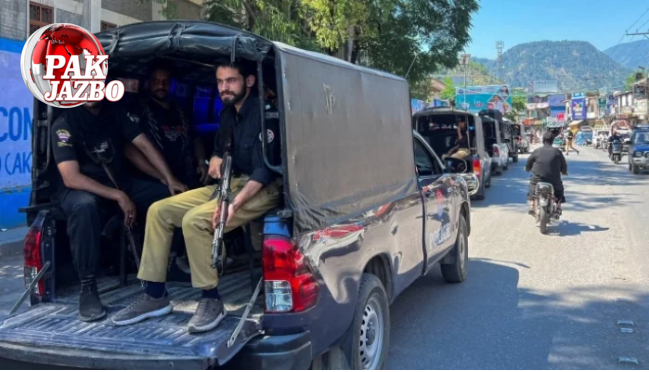
According to sources in the Pakistan Rangers, Sarbjit Kaur was brought to the Wagah border following a routine parade and documentation process. After completing the necessary legal and administrative formalities, she is expected to be repatriated to India through the Wagah border crossing, which serves as the primary land route between the two countries.
Sarbjit Kaur came into the public spotlight due to her marriage to a Pakistani citizen, Nasir Hussain, whom she met through social media. The two reportedly established contact online in 2016, and their friendship gradually developed into a relationship that eventually led to marriage. Their cross-border union, however, soon became entangled in complex legal and immigration issues due to the strained relations between Pakistan and India and strict visa regulations governing cross-border movement.
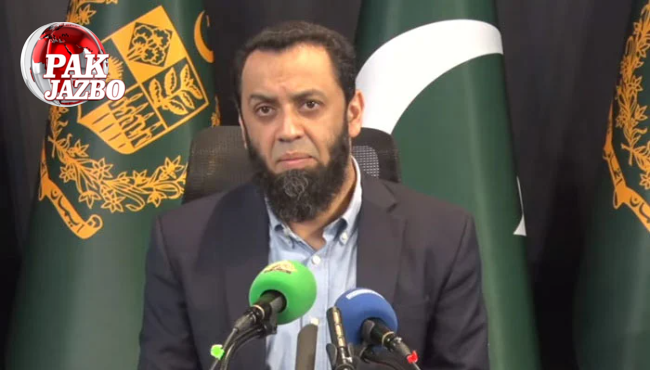
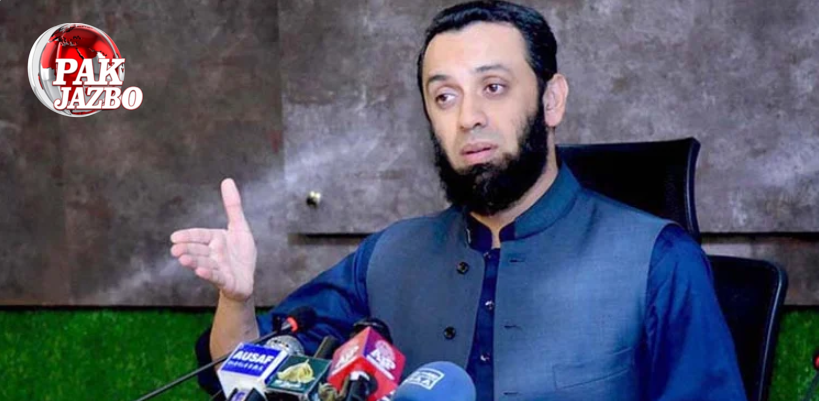
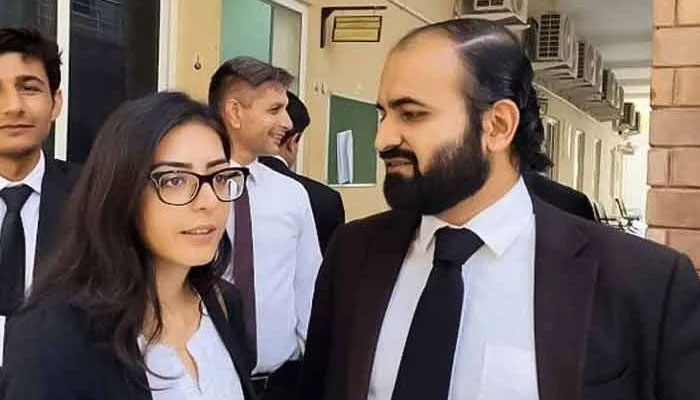
Speaking to Geo News, Sarbjit Kaur’s legal counsel, Advocate Ahmad Hassan Pasha, clarified that she is being sent back to India of her own free will. He stressed that there was no coercion involved in the decision and that the repatriation was being carried out in accordance with Pakistani law. “Sarbjit Kaur is being sent to India with her consent,” he said, adding that under the Foreigners Act of 1946, she was not legally permitted to remain in Pakistan at this time.
The lawyer explained that Sarbjit Kaur had entered Pakistan on a temporary visa and had overstayed beyond its validity, which made her continued stay unlawful. “Under the existing legal framework, she could not remain in Pakistan without proper documentation and a valid visa status,” Pasha said.
However, he also revealed that this repatriation does not mark the end of Sarbjit Kaur’s efforts to live with her husband in Pakistan. According to her lawyer, she will apply for a spouse visa from India, which would allow her to legally re-enter Pakistan. “Once she returns to India, Sarbjit Kaur will apply for a spouse visa to come back to Pakistan,” he said. “After arriving on a spouse visa, she will then apply for permanent residence in Pakistan through the relevant legal channels.”
This development has drawn attention to the challenges faced by couples involved in cross-border marriages between Pakistan and India. Despite personal choices and mutual consent, such marriages often encounter legal hurdles due to visa restrictions, security concerns, and the absence of streamlined mechanisms for family reunification between the two neighboring countries.
According to available information, Sarbjit Kaur arrived in Pakistan on November 4 as part of a group of Sikh pilgrims. The group had been granted visas to visit religious sites in Pakistan, and her visa was valid until November 13. However, Sarbjit Kaur did not return to India upon the expiry of her visa, which led to legal complications and ultimately resulted in the decision to repatriate her.
Her case has sparked debate on social media and in legal circles, with many questioning the rigidity of immigration laws in cases involving marriage and family life. Human rights advocates argue that individuals who marry across borders should be facilitated through clearer and more humane visa and residency policies, especially when both parties enter the marriage willingly and without coercion.
At the same time, officials maintain that immigration laws must be enforced uniformly, regardless of personal circumstances. Security agencies have emphasized that overstaying a visa is a legal violation and that exceptions cannot be made without following due process.
For now, Sarbjit Kaur’s return to India marks a temporary separation from her husband, but her legal team remains optimistic that the matter will be resolved through proper channels. If her spouse visa application is approved, she may be able to reunite with her husband in Pakistan in the near future.
The case highlights the human dimension of cross-border relations between Pakistan and India, where political tensions often complicate deeply personal decisions. While governments focus on security and diplomacy, individuals like Sarbjit Kaur and Nasir Hussain continue to navigate legal systems in hopes of building a shared life across borders.
What’s your Reaction?
+1
+1
+1
+1
+1
+1