























































































































































































































































































































































































































































































































































































































































































































































































































Heavy Rains Expected in Several Parts of Pakistan Today, Risk of Urban Flooding in Low-Lying Areas


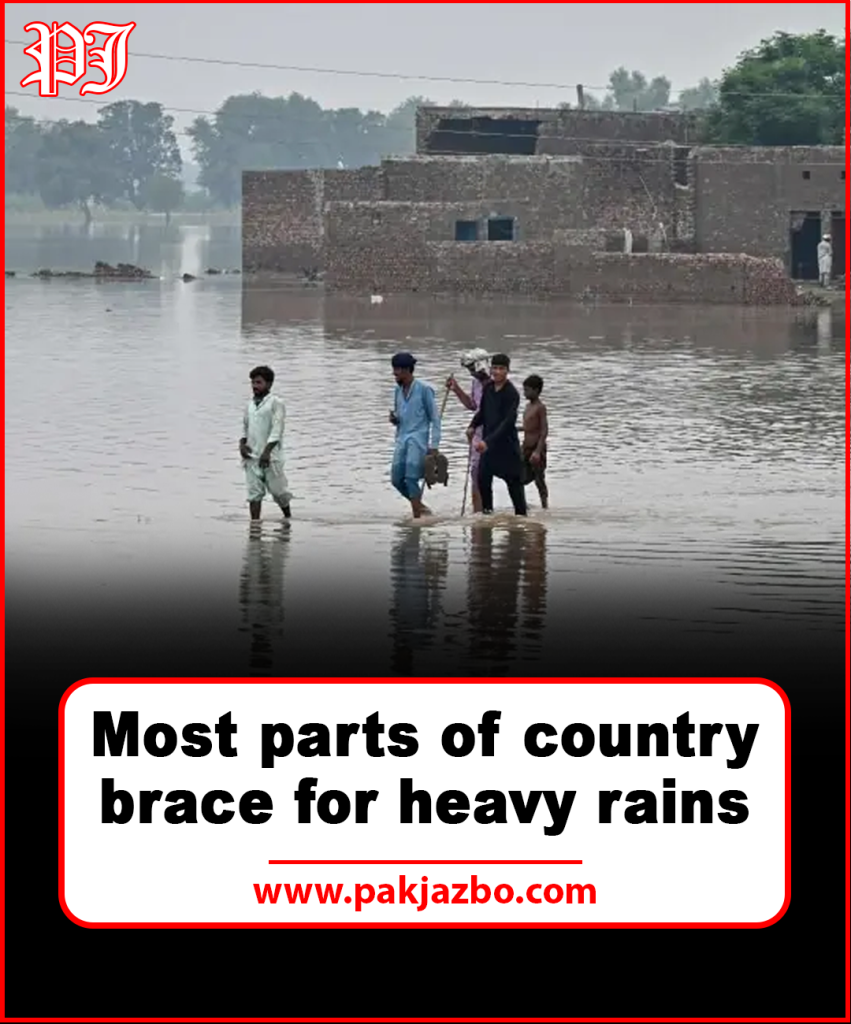
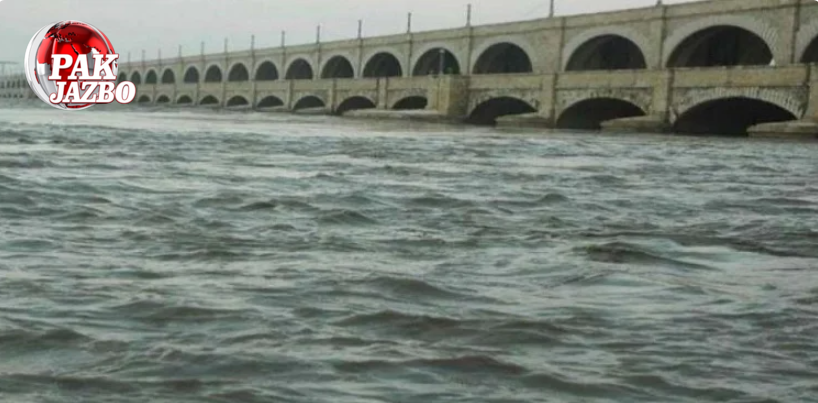
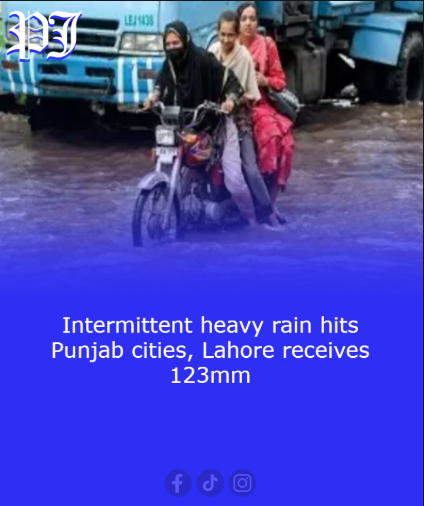
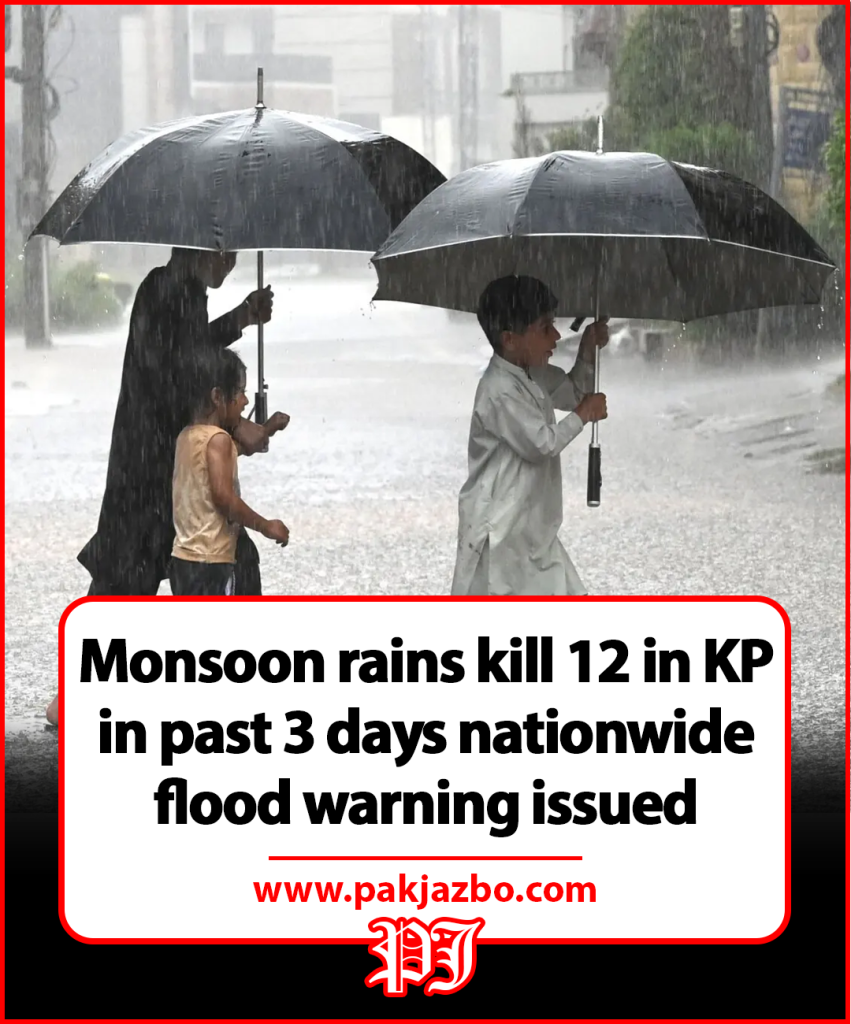
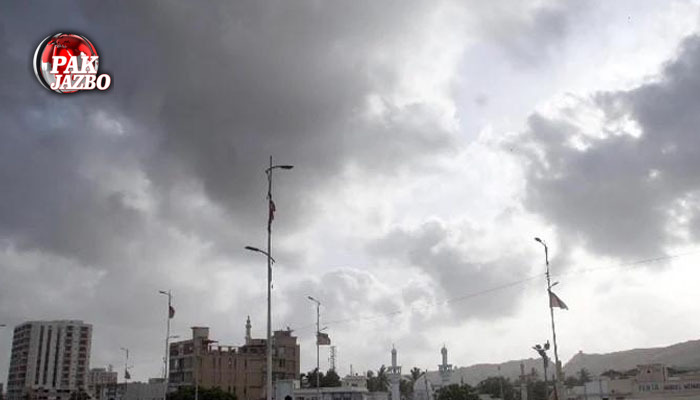
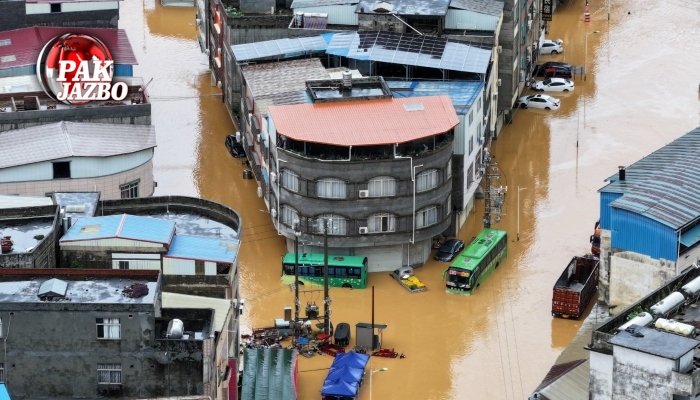
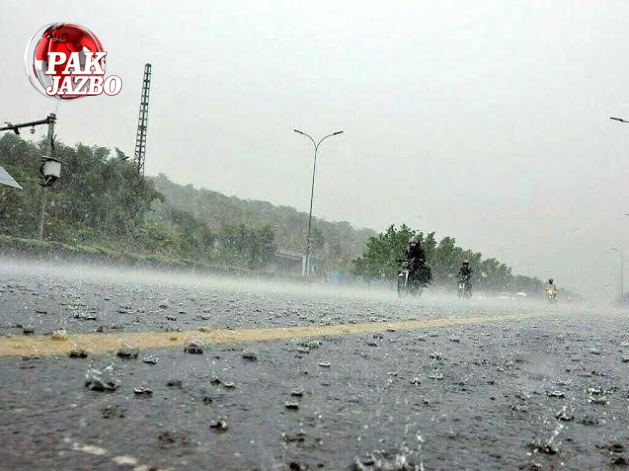
Heavy rainfall is forecast for various parts of Pakistan today, with the Meteorological Department warning of possible flooding in low-lying regions. The development follows a spell of intense showers on Tuesday that affected several districts in Punjab, including Gujrat, Sialkot, Jhelum, and Narowal.
According to the Pakistan Meteorological Department (PMD), northeastern Punjab and Azad Jammu and Kashmir are likely to experience further heavy downpours today. The department cautioned that areas such as Narowal, Sialkot, Gujrat, Jhelum, Mandi Bahauddin, Gujranwala, and even Lahore may face flooding in low-lying neighborhoods if the rainfall intensifies.
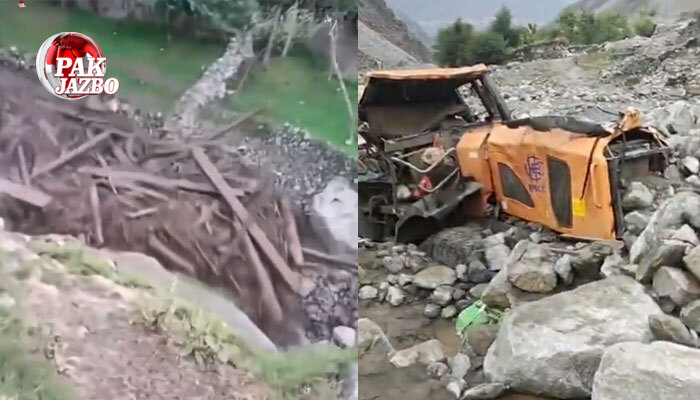
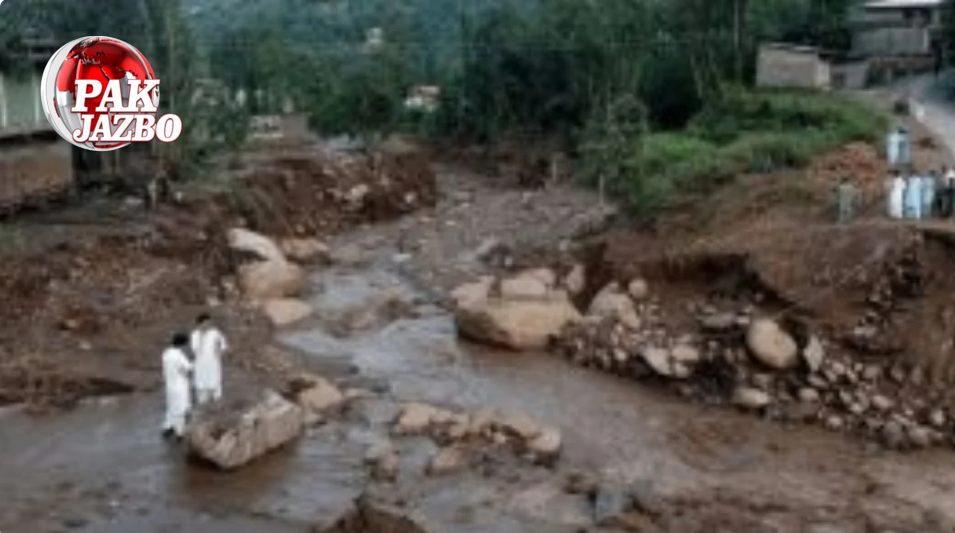
In addition to the threat of urban flooding, the PMD has also highlighted risks associated with overflowing local streams and seasonal nullahs, which could surge due to persistent rains. In Kashmir, authorities have expressed concern over potential landslides triggered by soil erosion and continuous rainfall in hilly terrains.
Recent Rainfall in Punjab
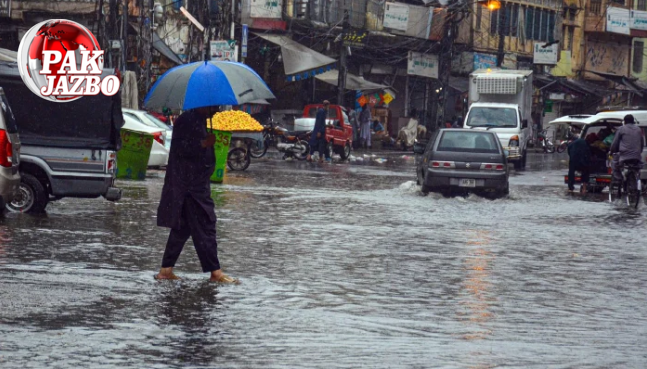
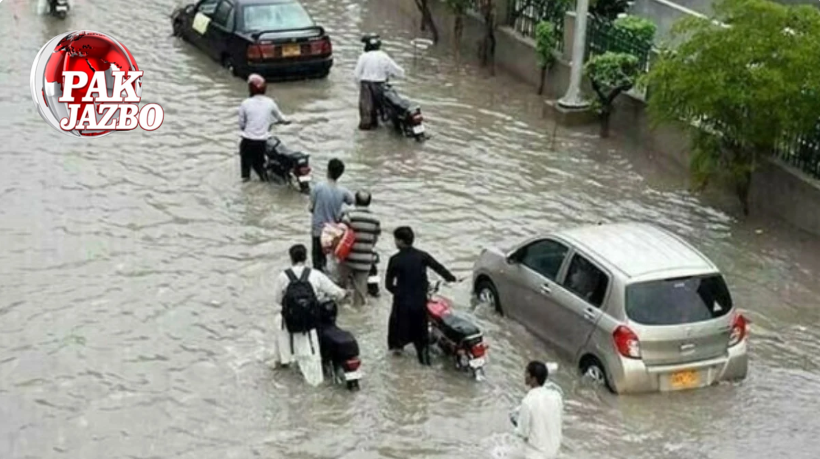
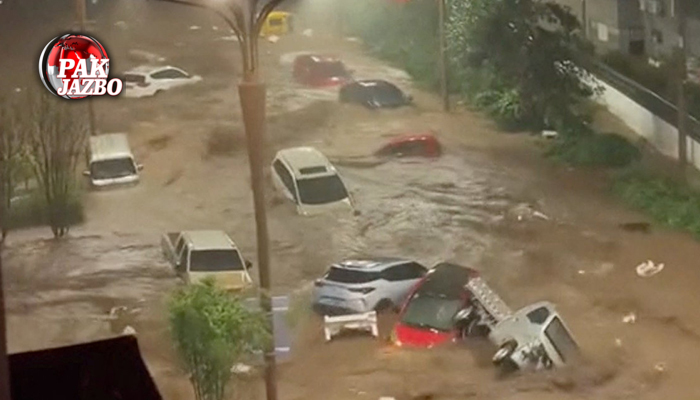
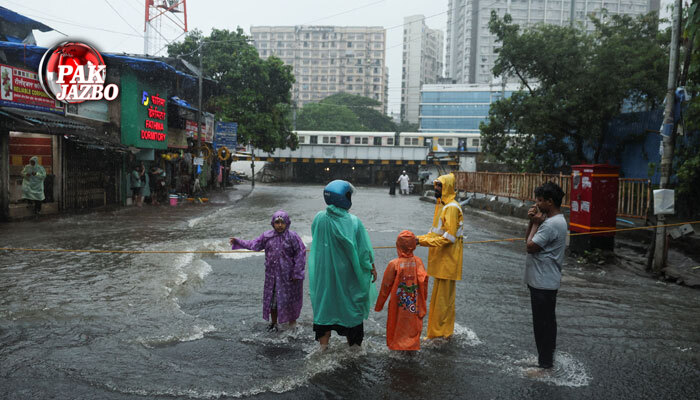
The weather system has already caused significant rainfall across Punjab. Gujrat, Sialkot, Jhelum, and Narowal experienced torrential showers on Tuesday, disrupting daily life. Streets in several areas were inundated, while power outages were reported due to damage to local grids. Local administrations had to deploy emergency teams to pump out water from residential and commercial zones.
These weather conditions are part of the broader monsoon activity that grips Pakistan during late August, when moist currents from the Arabian Sea combine with western disturbances. Such interactions often result in spells of moderate to heavy rainfall, occasionally intensifying into destructive flooding, particularly in areas where drainage infrastructure is weak or outdated.
Possible Impacts Today
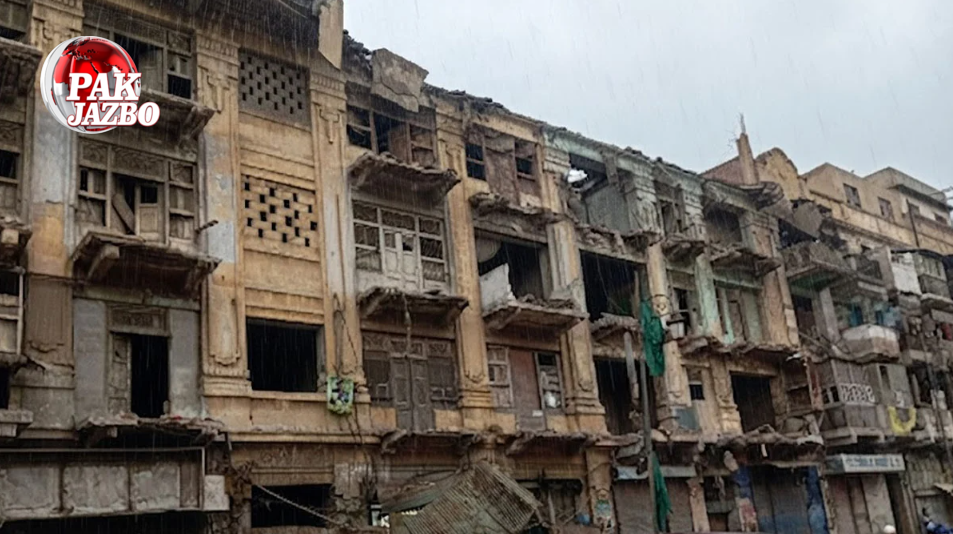
The PMD’s advisory points out that heavy rainfall in urban areas may lead to waterlogging, traffic disruption, and damage to properties. Low-lying neighborhoods of Lahore, Gujranwala, and Mandi Bahauddin are considered especially vulnerable, as their drainage systems are often overwhelmed by sudden bursts of rain.
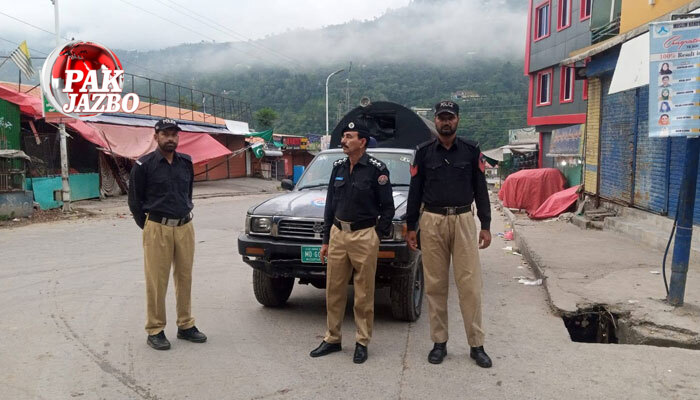
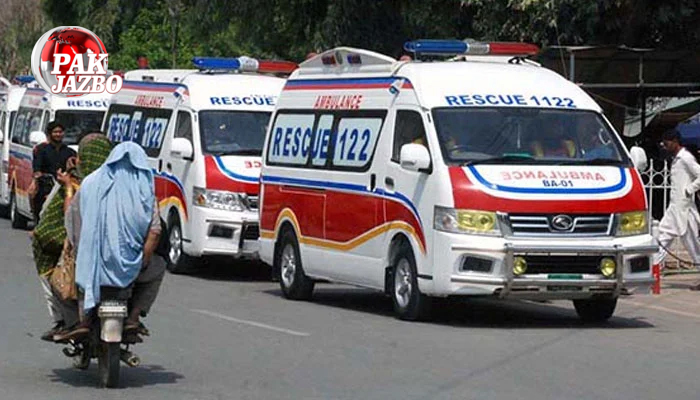
Local authorities have been urged to remain vigilant and take precautionary measures to mitigate risks. Rescue and relief agencies have been placed on alert, particularly in districts that are historically prone to flooding. Residents have also been advised to avoid unnecessary travel during peak rain hours and to keep emergency supplies ready.
Threat of Flash Floods and Landslides
Another serious concern is the rising water levels in small rivers and hill torrents. Northern Punjab and Azad Kashmir are known for their complex network of streams and nullahs, which can overflow quickly after heavy showers. Such sudden surges not only damage agricultural lands but also threaten nearby villages and settlements.
In Kashmir, the hilly terrain adds another layer of danger. Saturated soil after prolonged rainfall often weakens slopes, making landslides more likely. This can block roads, isolate communities, and disrupt transportation and communication networks. Local disaster management authorities are keeping a close watch on vulnerable slopes and have been instructed to respond swiftly to any incidents.
Preparedness and Precautions
Urban administrations, particularly in Lahore and Gujranwala, are working to clear drainage channels and deploy water pumps in advance to minimize the risk of prolonged waterlogging. Health departments have also been alerted, as stagnant rainwater can contribute to the spread of waterborne diseases such as dengue and gastroenteritis.
The PMD has advised farmers to take protective measures for standing crops, as excessive rainfall and flooding could damage fields of rice, sugarcane, and other seasonal crops. Similarly, transport departments have issued warnings for drivers to exercise extreme caution on slippery roads and highways.
Broader Context: Monsoon Challenges in Pakistan
This forecast underscores the recurring challenges Pakistan faces during the monsoon season. Each year, heavy rains test the resilience of infrastructure, from roads and bridges to drainage systems. Urban flooding has become an almost annual occurrence in cities like Karachi and Lahore, where rapid urbanization has outpaced improvements in municipal planning.
Moreover, rural communities dependent on agriculture face immense hardships when seasonal floods damage crops and livestock. For them, the monsoon is both a blessing and a curse: while it provides essential water for crops, its excess often brings destruction.
Climate experts have repeatedly warned that changing weather patterns due to global warming are making monsoon rains more erratic and intense. Sudden cloudbursts, prolonged downpours, and unpredictable shifts in weather systems are increasingly common. This unpredictability strains the country’s already stretched disaster management capacity.
What Lies Ahead
While the current forecast focuses on northeastern Punjab and Kashmir, other regions of Pakistan remain under watch. Sindh and Balochistan, for example, often experience delayed but equally severe monsoon rains. In recent years, flash floods in Balochistan have devastated entire villages, while Sindh has suffered from weeks-long urban flooding.
For now, the immediate concern is managing today’s expected rainfall. Authorities are appealing to the public to stay informed through official weather updates, avoid unnecessary exposure to flood-prone areas, and cooperate with emergency teams.
The situation highlights the urgent need for long-term investments in climate-resilient infrastructure, better drainage systems, and community-level disaster preparedness. Without such measures, each monsoon season will continue to bring not only rain but also anxiety, disruption, and potential tragedy for millions of Pakistanis.
What’s your Reaction?
+1
+1
+1
+1
+1
+1

